




Top 20 Most Common Insects in Buenos Aires
Ciudad Autonoma de
Ciudad Autonoma de
Insects, with their myriad forms, are an integral component of the Buenos Aires
Ciudad Autonoma de ecosystem. Owing largely to the region's diversity of geography, the insect species vary significantly across Buenos Aires
Ciudad Autonoma de. From beneficial pollinators to pesky invaders, each insect plays a unique role. Stay tuned as we delve into the 20 most common insects that contribute to the rich tamistry of life in Buenos Aires
Ciudad Autonoma de.
Ciudad Autonoma de ecosystem. Owing largely to the region's diversity of geography, the insect species vary significantly across Buenos Aires
Ciudad Autonoma de. From beneficial pollinators to pesky invaders, each insect plays a unique role. Stay tuned as we delve into the 20 most common insects that contribute to the rich tamistry of life in Buenos Aires
Ciudad Autonoma de.

Most Common Insects

1. Multicolored asian ladybeetle
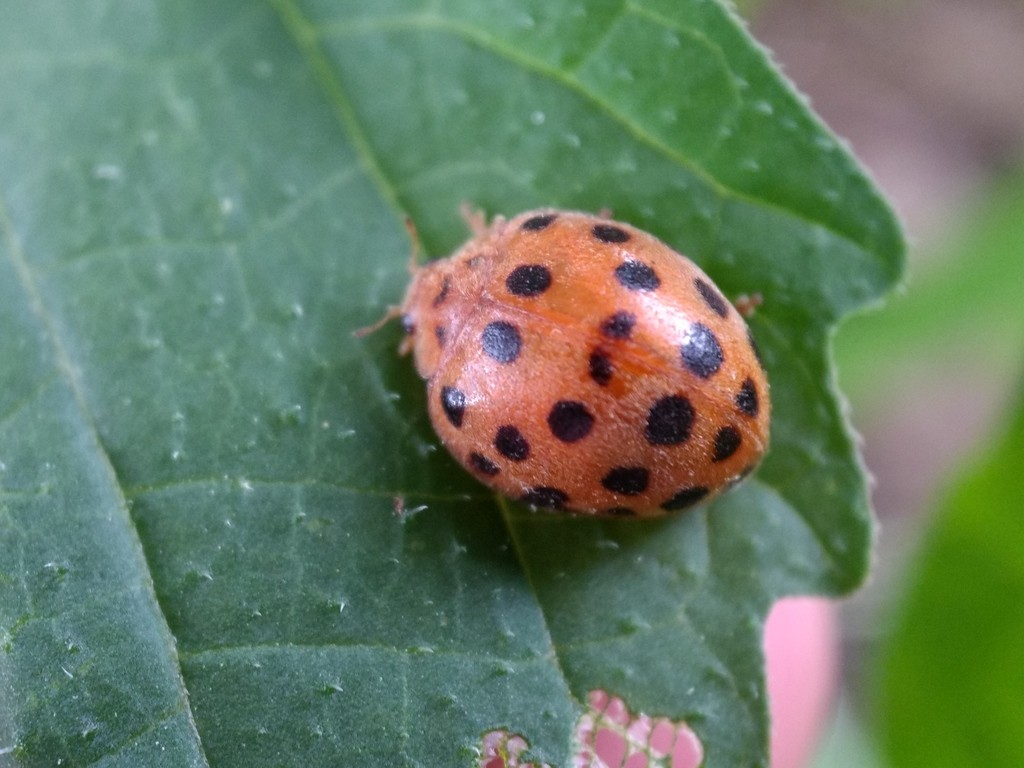
Often confused for the ladybug, multicolored asian ladybeetle (Harmonia axyridis) is a separate species that, unlike the ladybug, is a household pest. It is considered particularly annoying for its habit of returning to places from which it is removed. One of the most variable species in the world, there are many different colors and patterns multicolored asian ladybeetle may display, making identification potentially difficult.
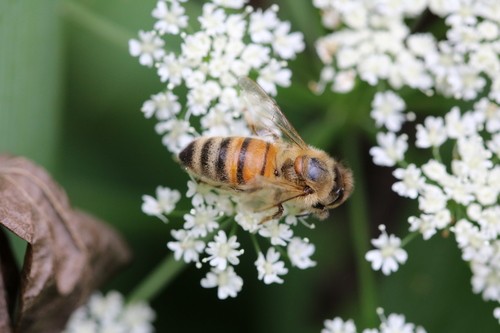
2. Western honey bee
Western honey bee(Apis mellifera) is the most common species of honeybee in the world. Among the first domesticated insects, its cultural and economic impact on humanity has been vast and far-reaching, providing honey, wax and its services as a pollinator. Western honey bee faces challenges worldwide, such as colony collapse disorder, and populations are thought to be decreasing.
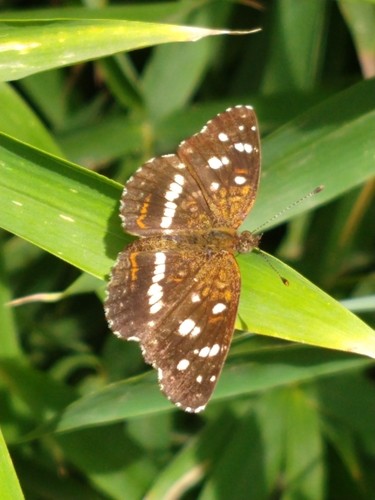
3. Ortilia ithra
Ortilia ithra is a butterfly from the Nymphalidae family. The scientific name of the species was first validly published in 1871 by William Forsell Kirby.
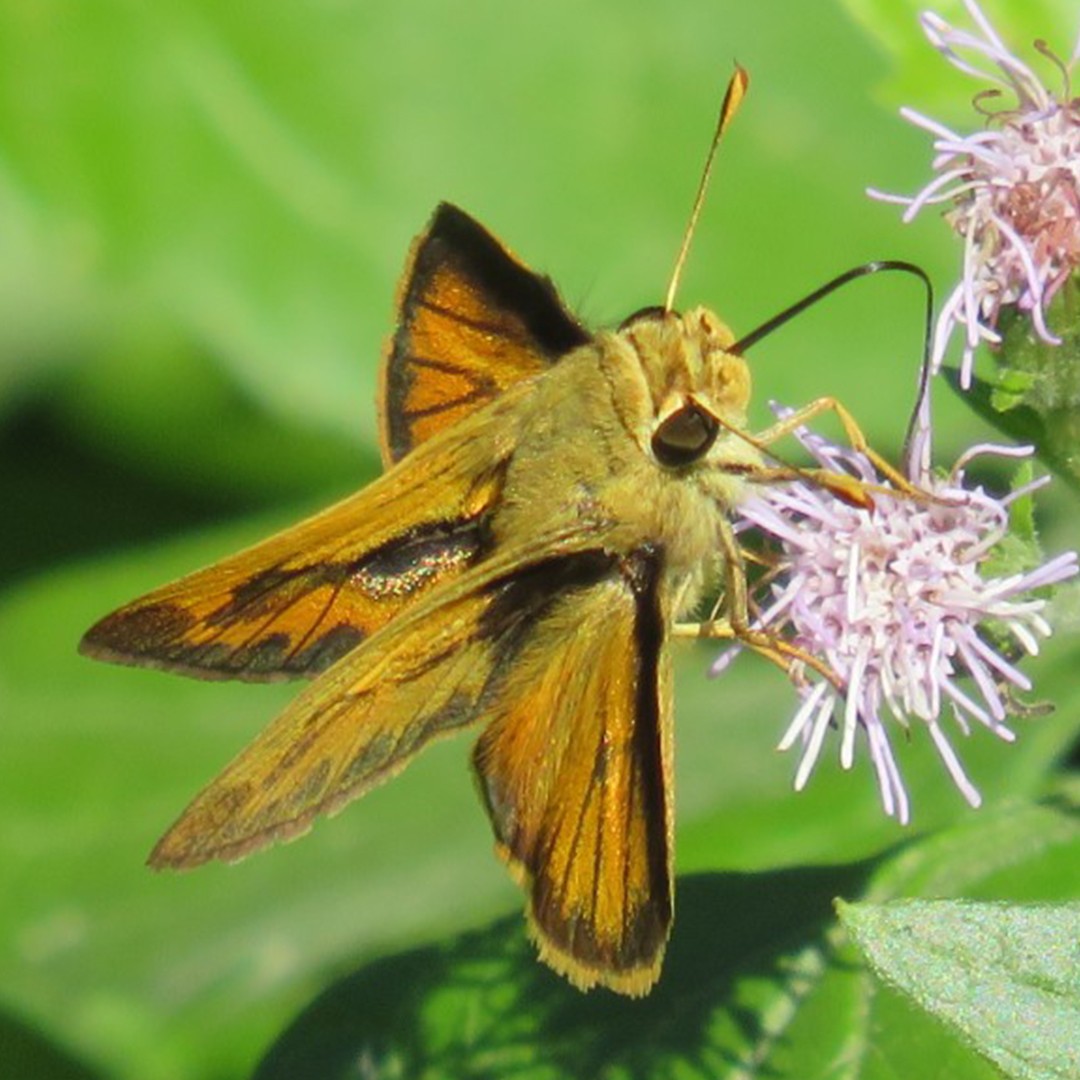
4. Fiery skipper
The fiery skipper (Hylephila phyleus) is a butterfly of the family Hesperiidae and is approximately 1 inch (2.5 cm) long. The males are orange or yellow with black spots while the females are dark brown with orange or yellow spots. The caterpillars are greenish pink with a black head. The caterpillars are often considered pests and can feed on Bermudagrass, creeping bentgrass, and St. Augustine grass. Fiery skippers, along with all other species of skippers and skipperlings, can hold their wings in a "triangle" shape. The forewings are held upright, and the hindwings are folded flat. This position is thought to better absorb the sun's rays. The fiery skipper lives in North and South America, from Canada to Argentina. It is a migratory species. 
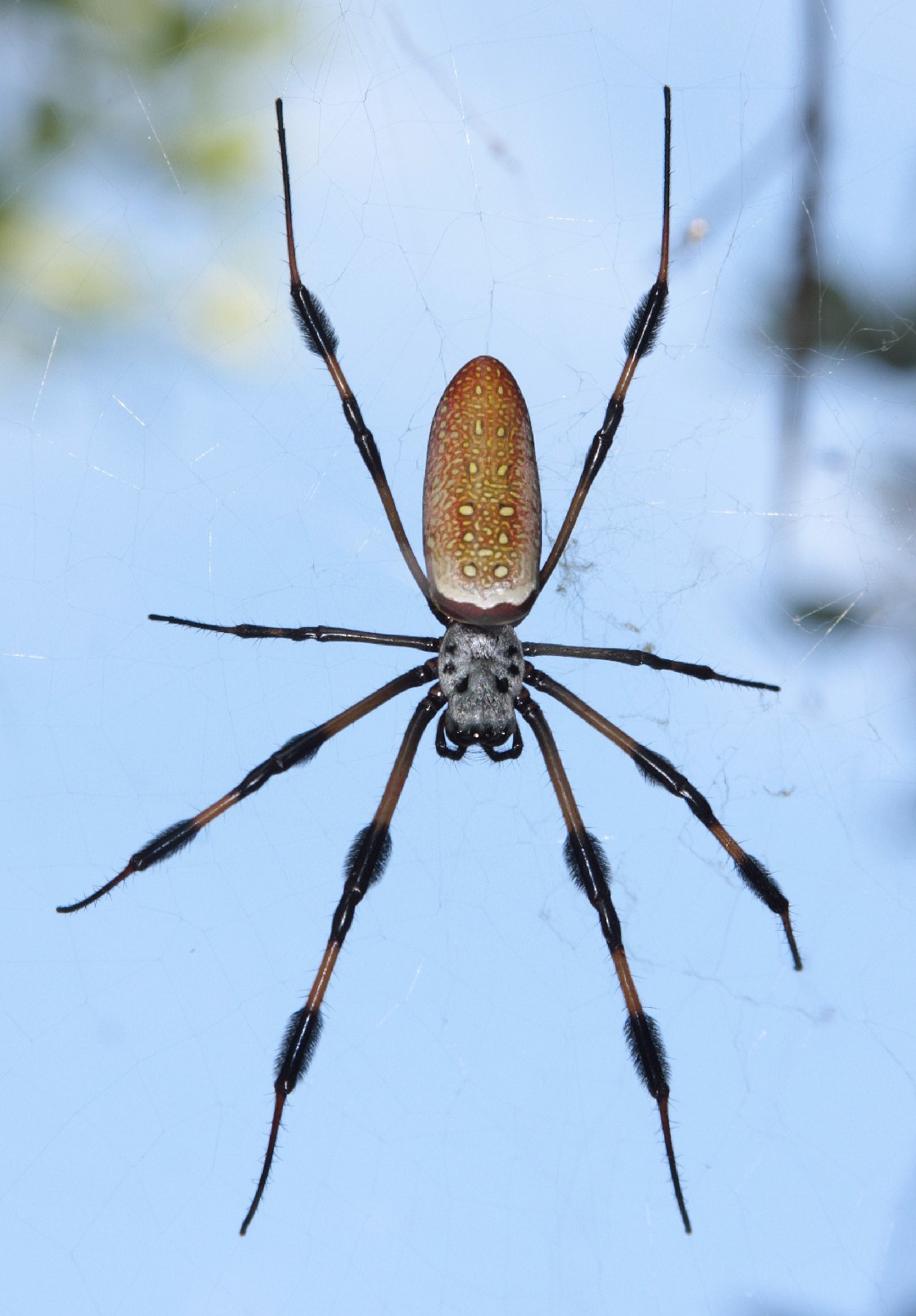
5. Banana spider
The banana spider (Nephila clavipes) is called that because it is commonly found in banana shipments leading from South America. There are many spiders that fit this category (often found in banana shipments), so this one is also called the Golden silk orb-weaver to distinguish them. This name is more related to the strength of its silk, which is stronger than steel based on tensile strength.
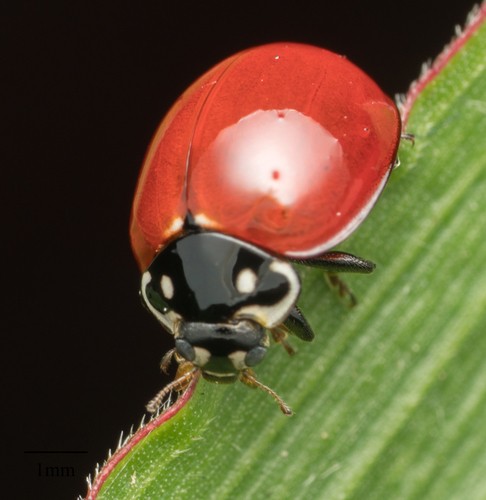
6. Spotless ladybird
The spotless ladybird (Cycloneda sanguinea) is a red ladybug with no spots at all. Like similar species, these insects feed on aphids. They're primarily seen on milkweeds, but they can sometimes be found on other plants too. The pupae are capable of "biting" potential predators, which is a characteristic known as a "gin trap".
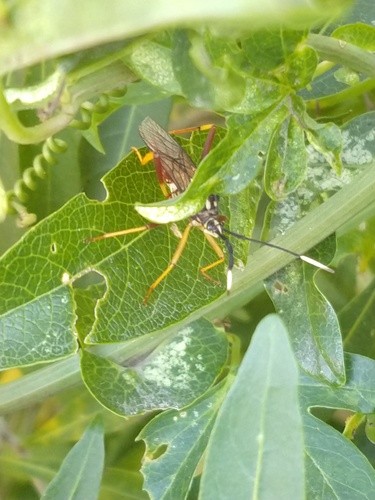
7. Holhymenia histrio
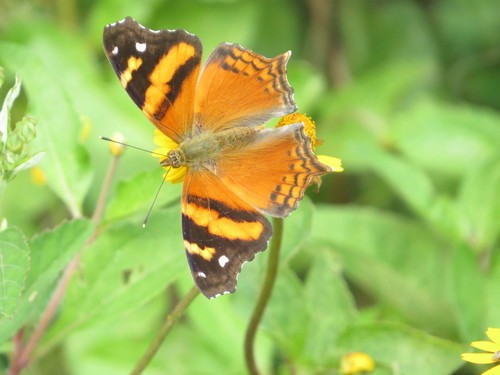
8. Hypanartia bella
Hypanartia bella is a butterfly from the Nymphalidae family. The scientific name of the species was first validly published in 1793 by Johann Christian Fabricius.
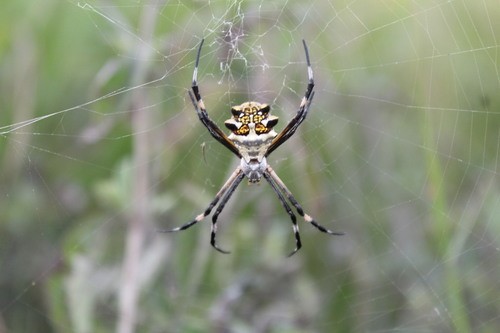
9. Silver argiope
The silver argiope (Argiope argentata) often creates unique zigzag patterns on its webs. It's usually found in warm, dry areas, especially on cacti and aloe vera plants. The females are much larger than males. They can bite and cause irritation to the skin, but the damage won't be life-threatening.
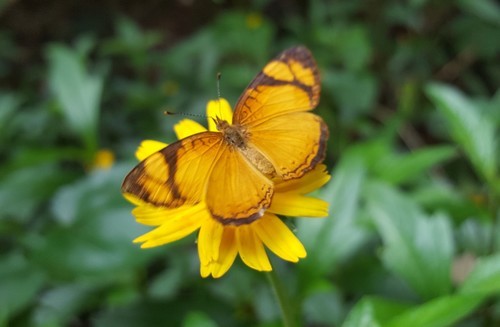
10. Claudina crescent
Tegosa claudina is a butterfly from the Nymphalidae family. The scientific name of the species was first validly published in 1821 by Johann Friedrich von Eschscholtz.

More







