




Top 15 Most Common Insects in Tasmania
Insects, a vast and diverse group of invertebrates, are an integral part of Tasmania's diverse ecosystems. These creatures, defined by their segmented bodies, six legs and antennae, serve varying roles from pollinators to pests in this geographically diverse state. From its mountain peaks to its broad beaches, Tasmania's varied regions each harbor unique insect populations. Our list explores the 15 most common insects in Tasmania, showcasing the state's intricate blend of landscapes and fauna.

Most Common Insects
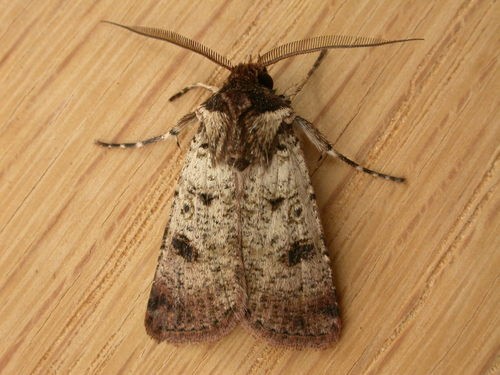
1. Variable cutworm
The wingspan is about 3 cm . 
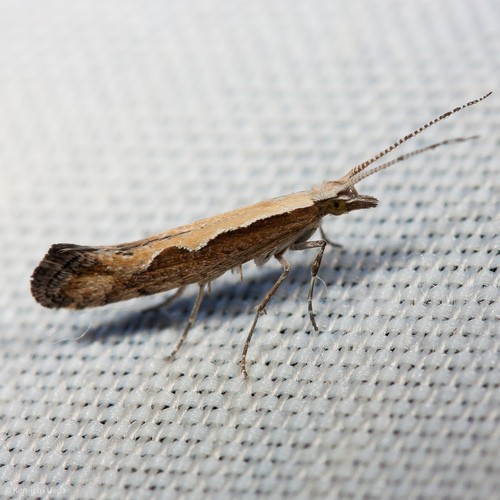
2. Diamondback moth
The diamondback moth (Plutella xylostella) is called that due to the diamond-shaped pattern on their back. They are sometimes called the cabbage moth because they are considered to be a major pest of this and other similar plants. Those having problems with this moth are suggested to plant wintercress, allowing you to trick the moth into laying its eggs inside of a plant that can't support it.
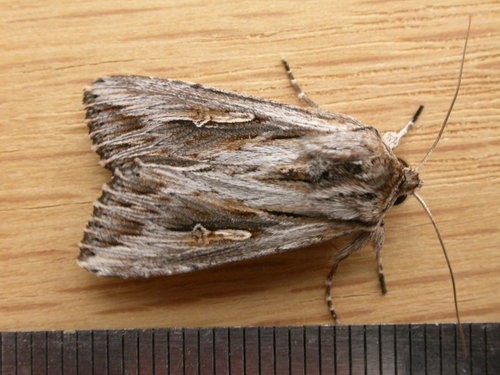
3. Southern armyworm
The wingspan is about 4 cm.
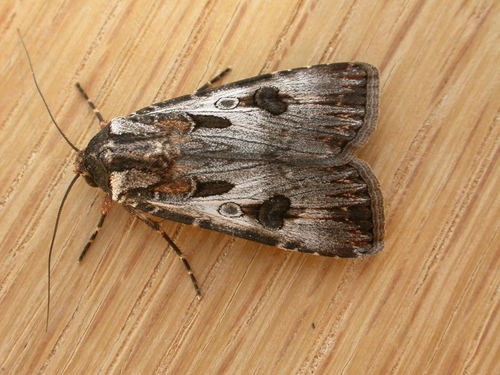
4. Brown cutworm
Agrotis munda is a butterfly from the family of owls (Noctuidae). The scientific name of the species was first validly published in 1856 by Walker.
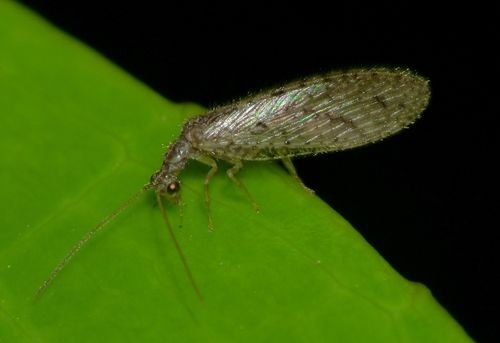
5. Tasmanian lacewing
The tasmanian lacewing (Micromus tasmaniae) is an insect that starts its larval stage with three pairs of legs. When they do not use their uneven amount of legs for walking, they fly with their wings. During their short lifespan, they help us by controlling aphid populations. They can have up to seven generations per year.
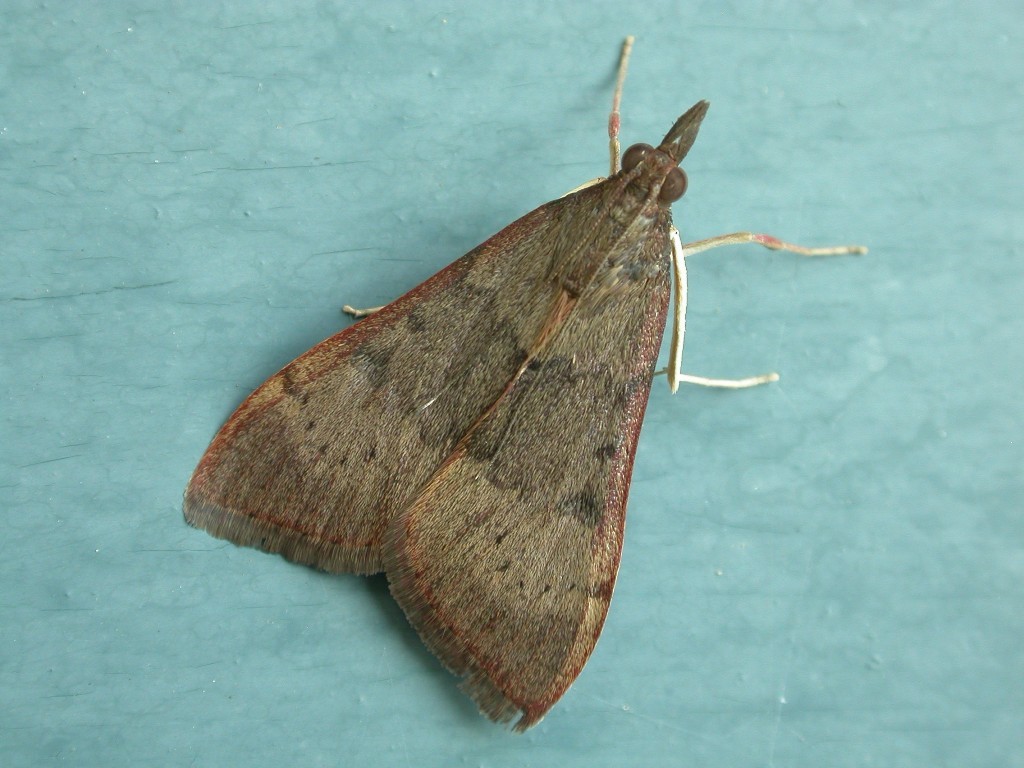
6. Tree lucerne moth
The wingspan is about 3 cm.
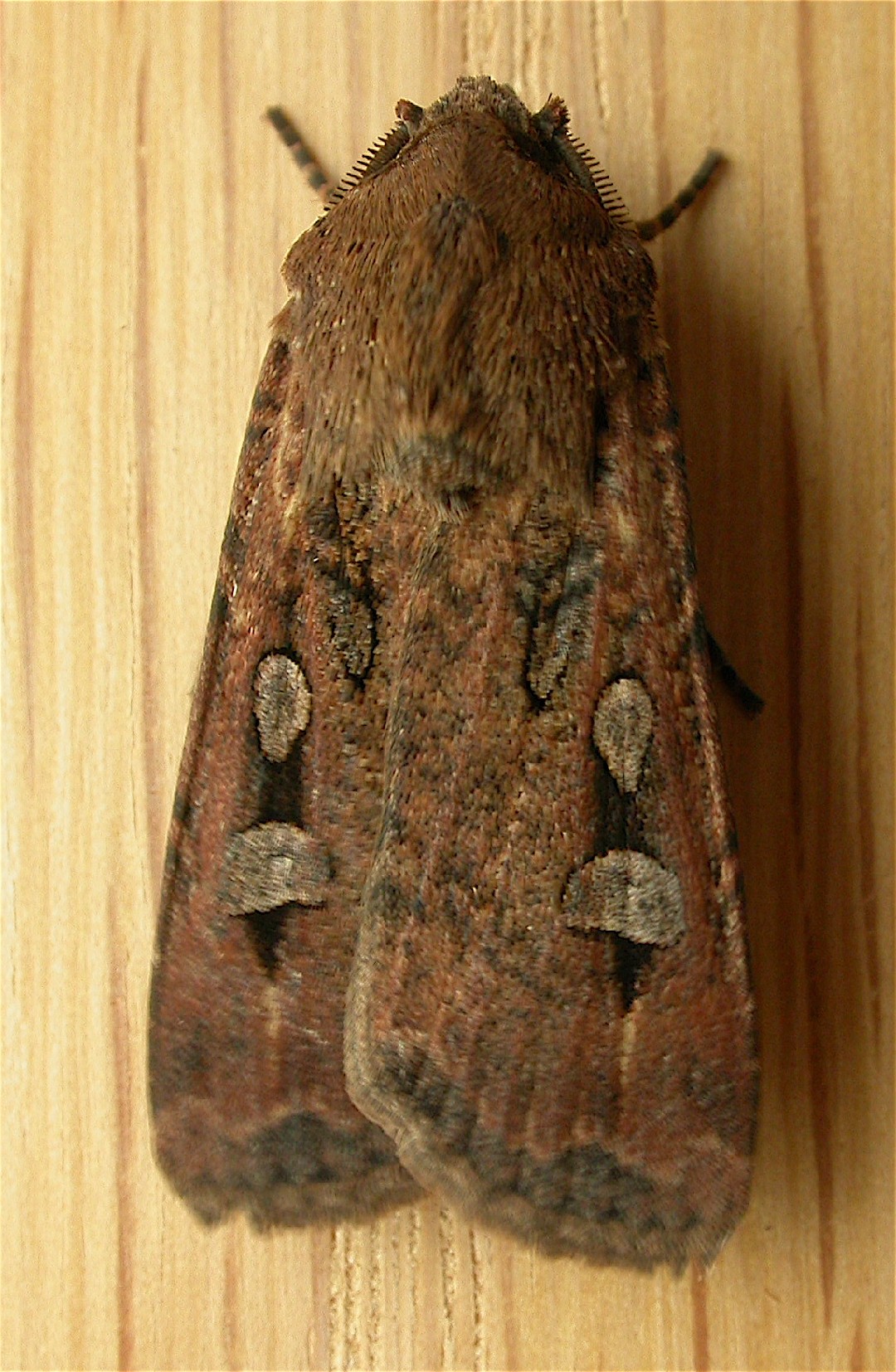
7. Bogong moth
The bogong moth (Agrotis infusa) was a delicacy to the Aboriginal Australians as it was highly nutritious with a nutty taste. They roasted these moths and used them as a source of protein. Today, the larvae, which are known as "black cutworms", are considered agricultural pests because they feed on the seedlings of wide-leafed plants.

8. Culladia cuneiferellus
The wingspan is about 1 cm. The forewings are pale brown with two dark chevrons.
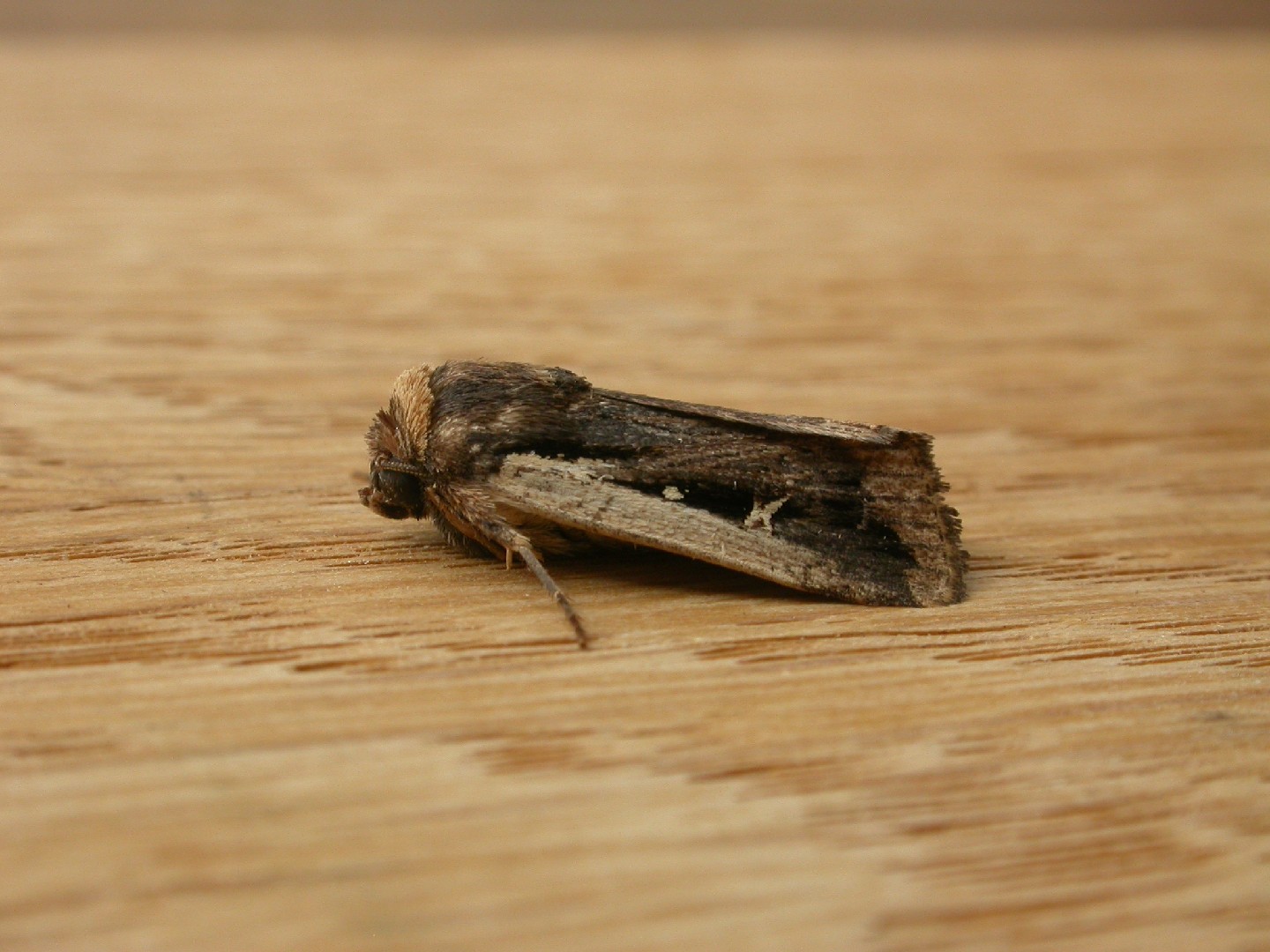
9. Streaked rictonis
The wingspan is about 3 cm.
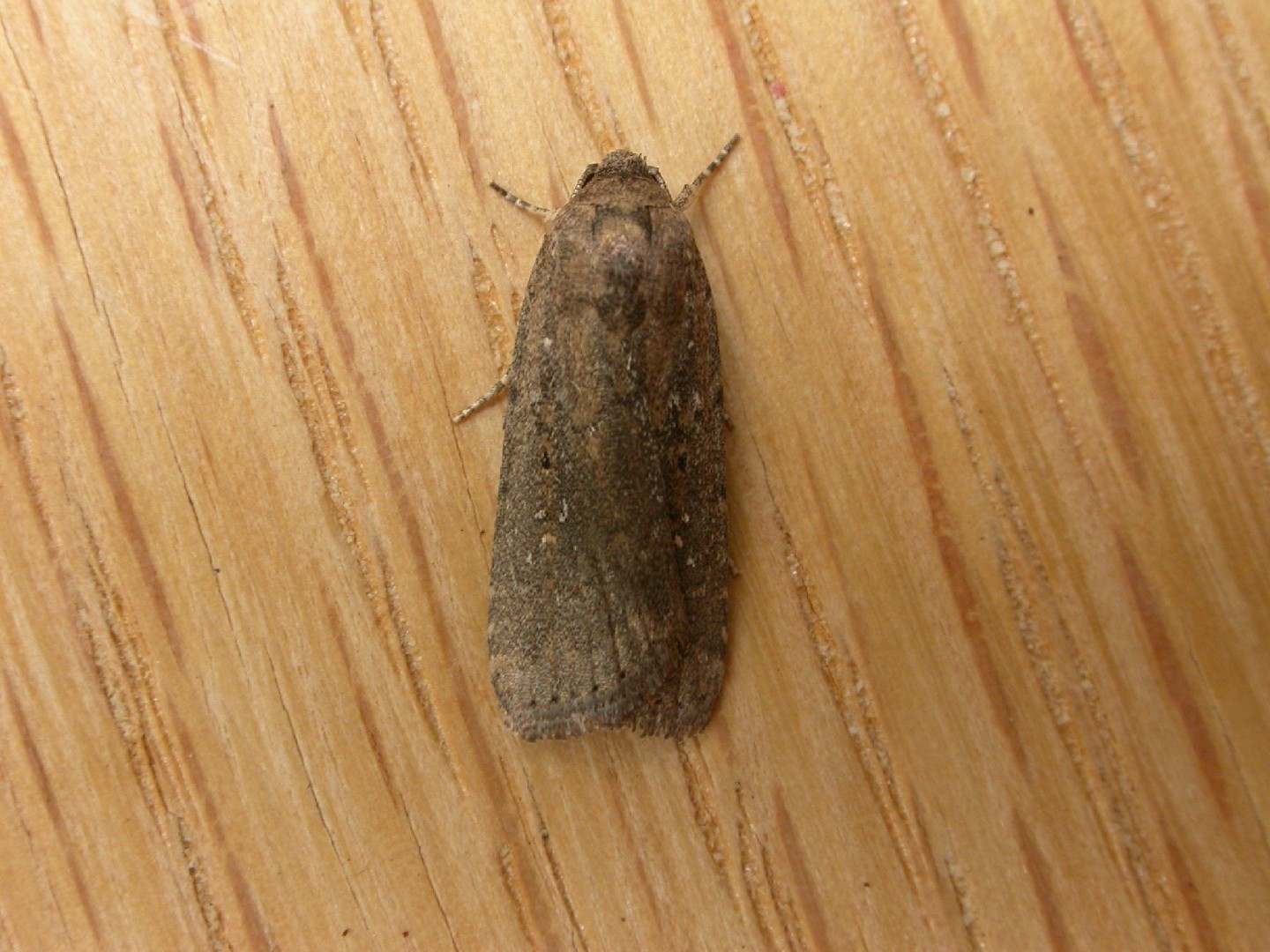
10. Athetis tenuis
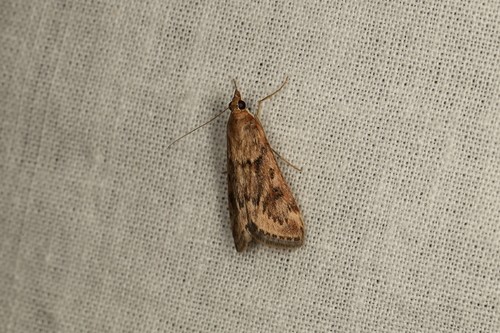
The wingspan is about 2.5 cm. Adults have speckled pale brown forewings, each with a black or white spot near the middle. The hindwings are mostly white with brown veins.

More







