




Top 20 Most Common Insects in Melbourne
Welcome to a captivating exploration of the 20 most common insects in Melbourne. Insects, characterized by their segmented bodies, jointed legs, and compound eyes, inhabit this region and abound in its unique geography. The diversity in Melbourne's landscapes facilitates a variety of these small wonders, underpinning their crucial role in the ecosystem. Providing the delicate balance between pests and beneficial insects, they contribute significantly to Melbourne's environmental health. Stay tuned to understand this intriguing relationship!

Most Common Insects
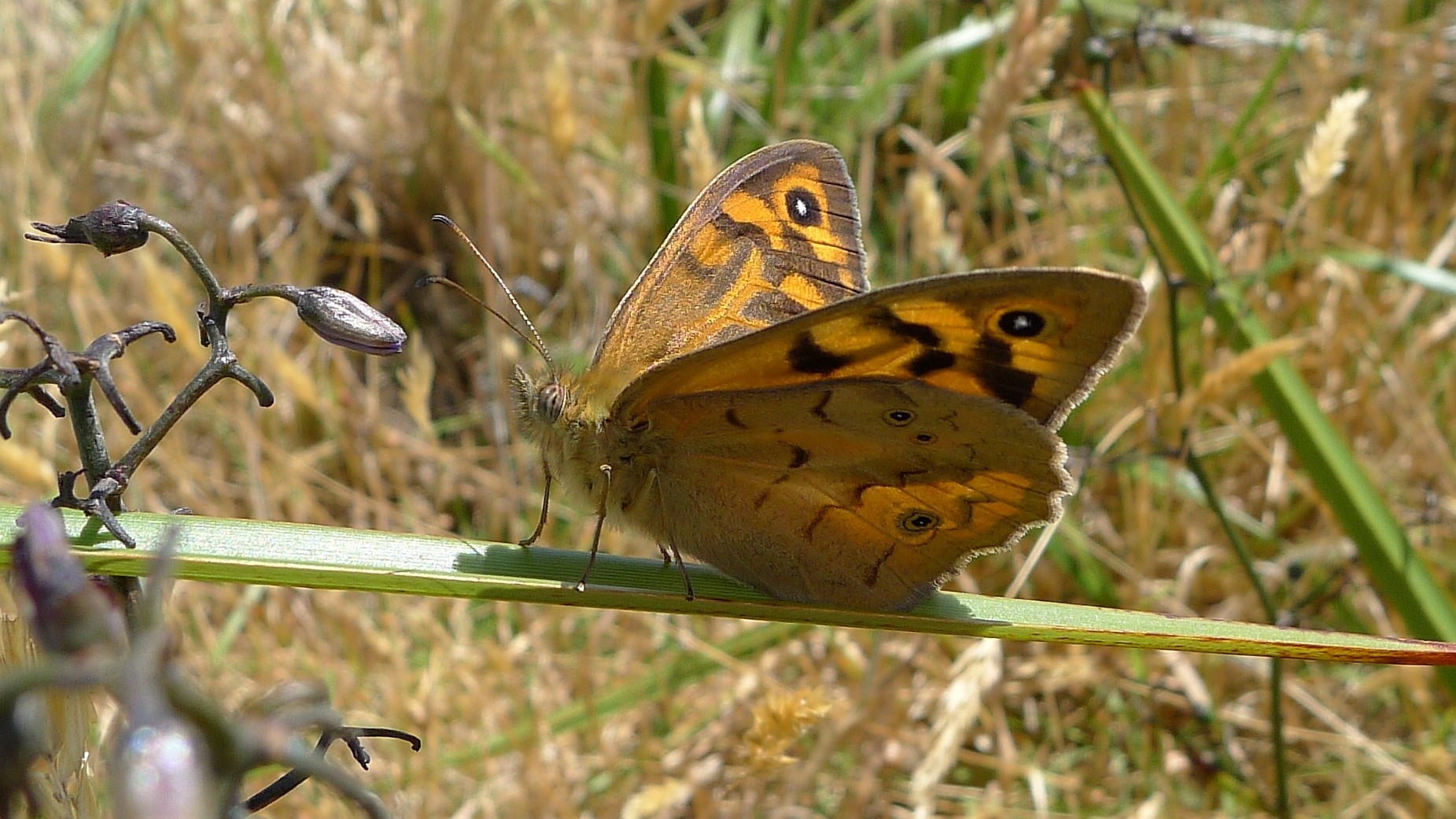
1. Common brown
The wingspan is about 6 cm for males and 7 cm for females. 
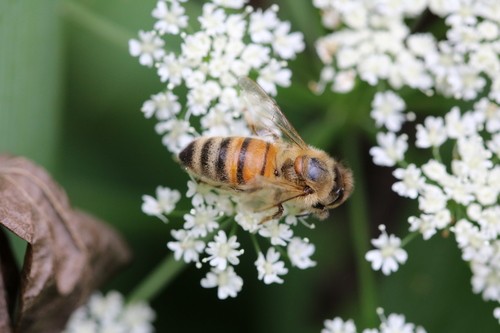
2. Western honey bee
Western honey bee(Apis mellifera) is the most common species of honeybee in the world. Among the first domesticated insects, its cultural and economic impact on humanity has been vast and far-reaching, providing honey, wax and its services as a pollinator. Western honey bee faces challenges worldwide, such as colony collapse disorder, and populations are thought to be decreasing.
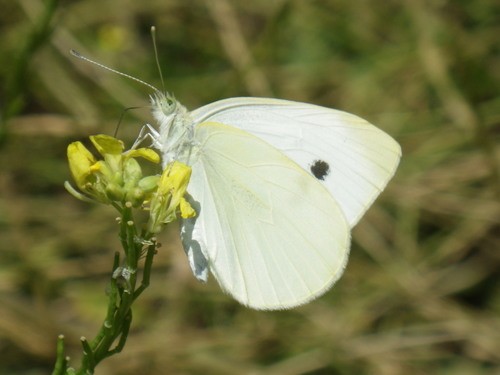
3. Cabbage white
Cabbage white (Pieris rapae) derives its common name from its habits as a caterpillar, which is a ferocious pest for cabbage, kale and broccoli farmers. In North America, it is one of the first butterflies to emerge in spring, heralding the beginning of the season.
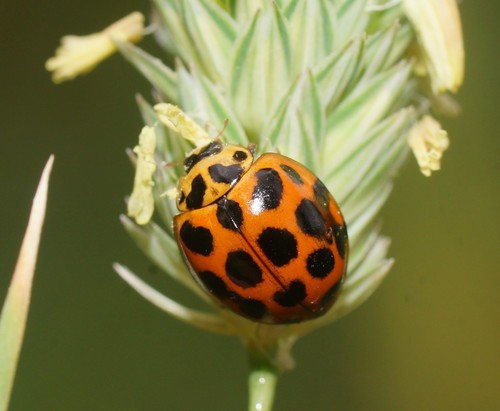
4. Large spotted ladybird
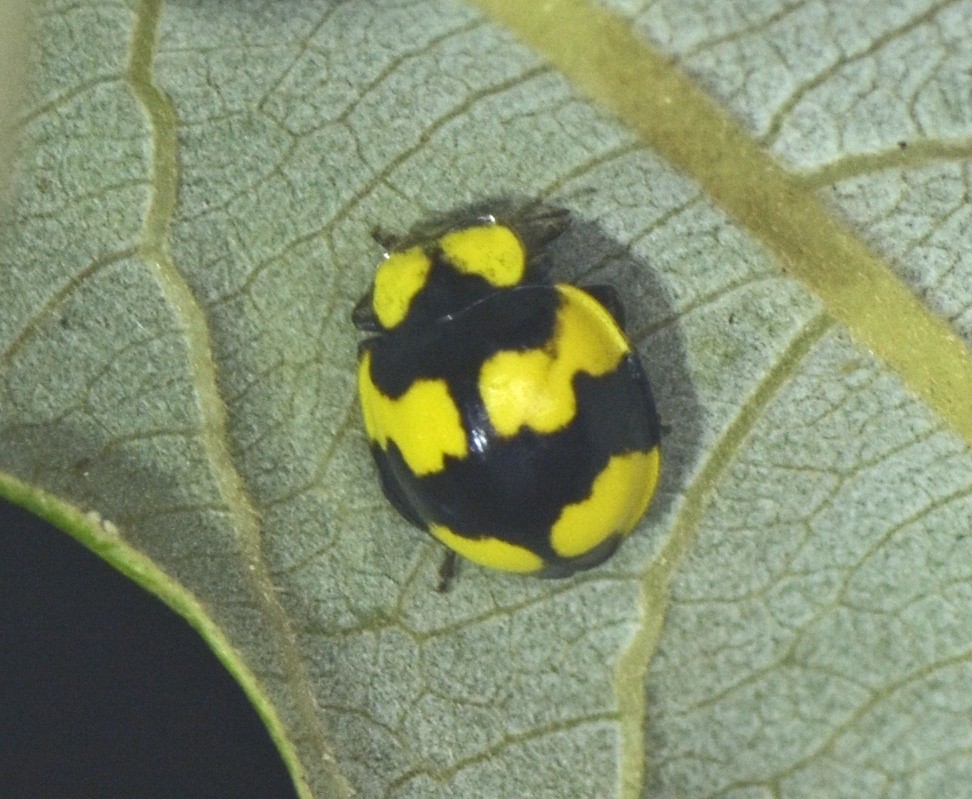
The large spotted ladybird (Harmonia conformis) is an insect that is named for exactly what it is known for. First of all, they have large spots that cover their wing coverings with a couple on the underside. It is also a large ladybug when compared to others. Much like other ladybugs, it is a controlling factor for aphids, making them a good bug to keep around.
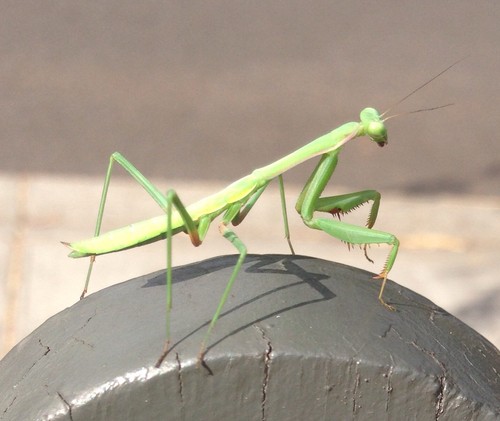
5. False garden mantis
The false garden mantis (Pseudomantis albofimbriata) has some incredible differences between the two genders. Females are much larger but have shorter wings that make it impossible for them to fly. The males are much smaller but are able to make quick escapes given their long wings. Males also have a triangular pattern on their bodies. Otherwise, they can come in brown and green colors.
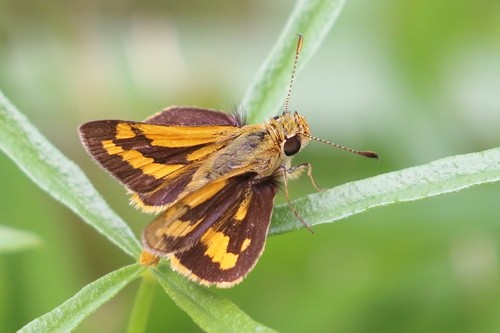
6. Green grass-dart
Ocybadistes walkeri is a butterfly from the family of the Ocybadistes walkeri (Hesperiidae). The scientific name of the species was first validly published in 1894 by Heron.
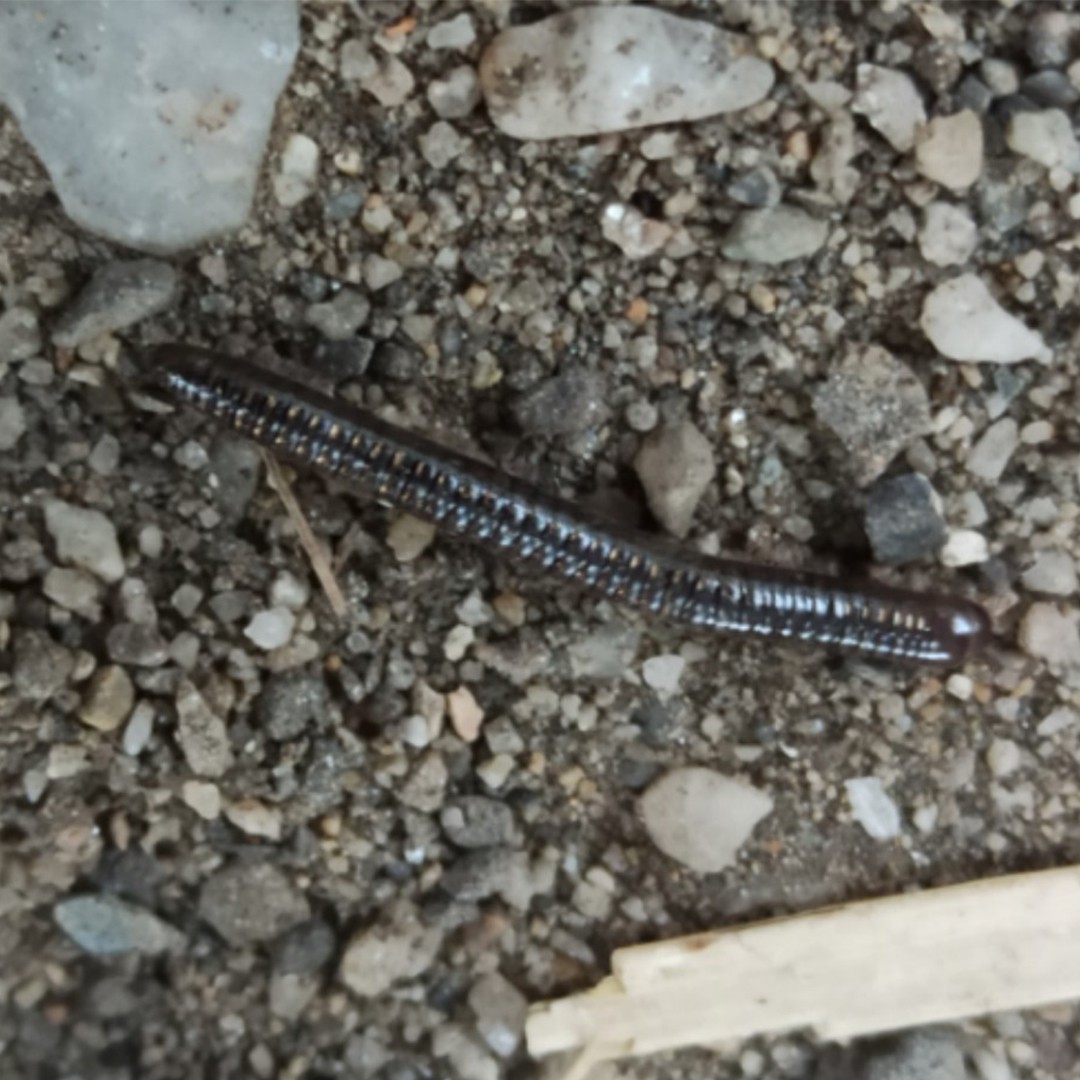
7. Portuguese millipede
The portuguese millipede (Ommatoiulus moreleti) is an herbivorous Myriapoda, meaning "many-legged". It feeds on decaying wood, fungus, and leaf litter, so it can be considered a pest in large quantities. While it cannot harm humans, it can invade homes and destroy crops.
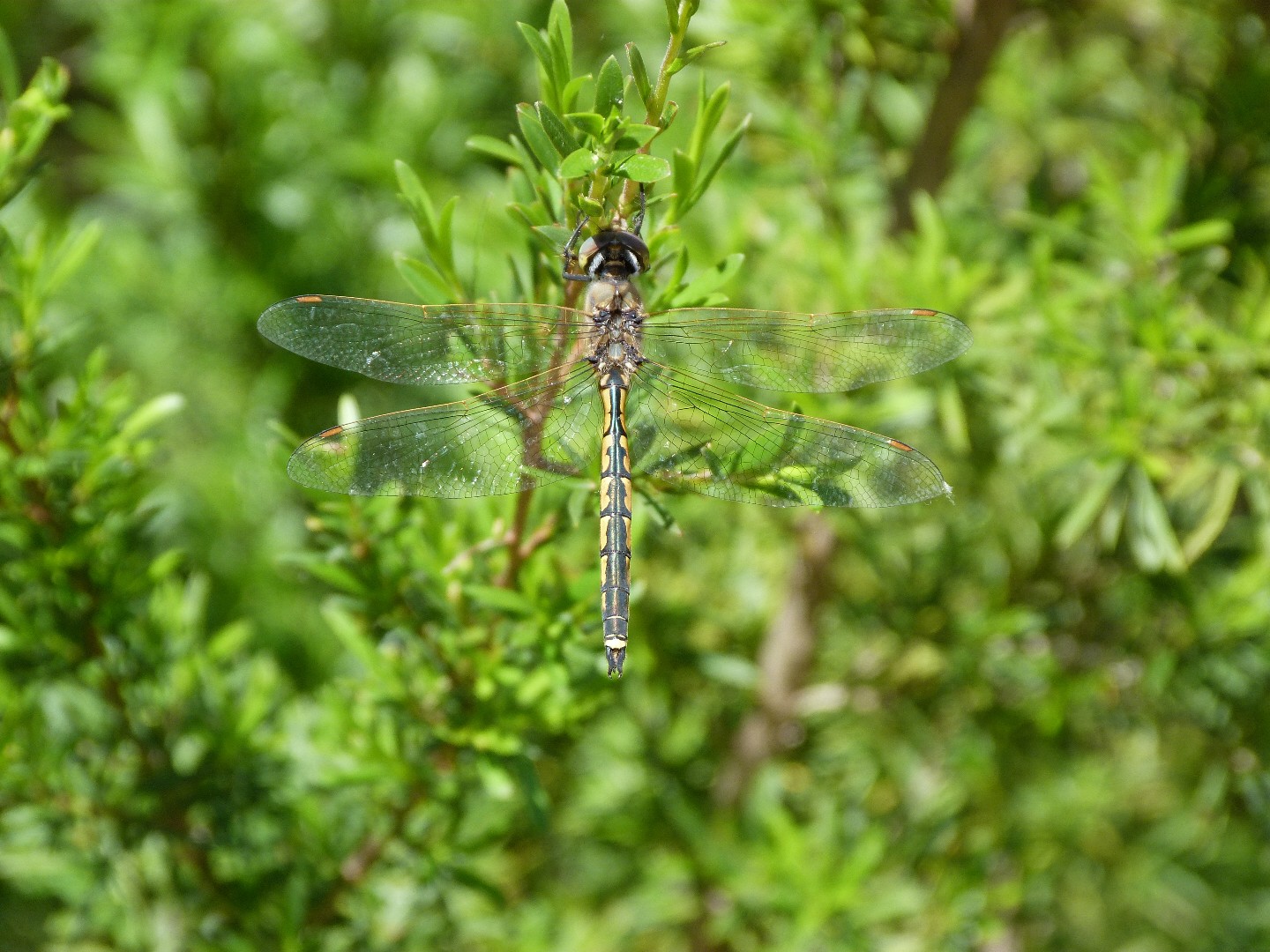
8. Tau emerald
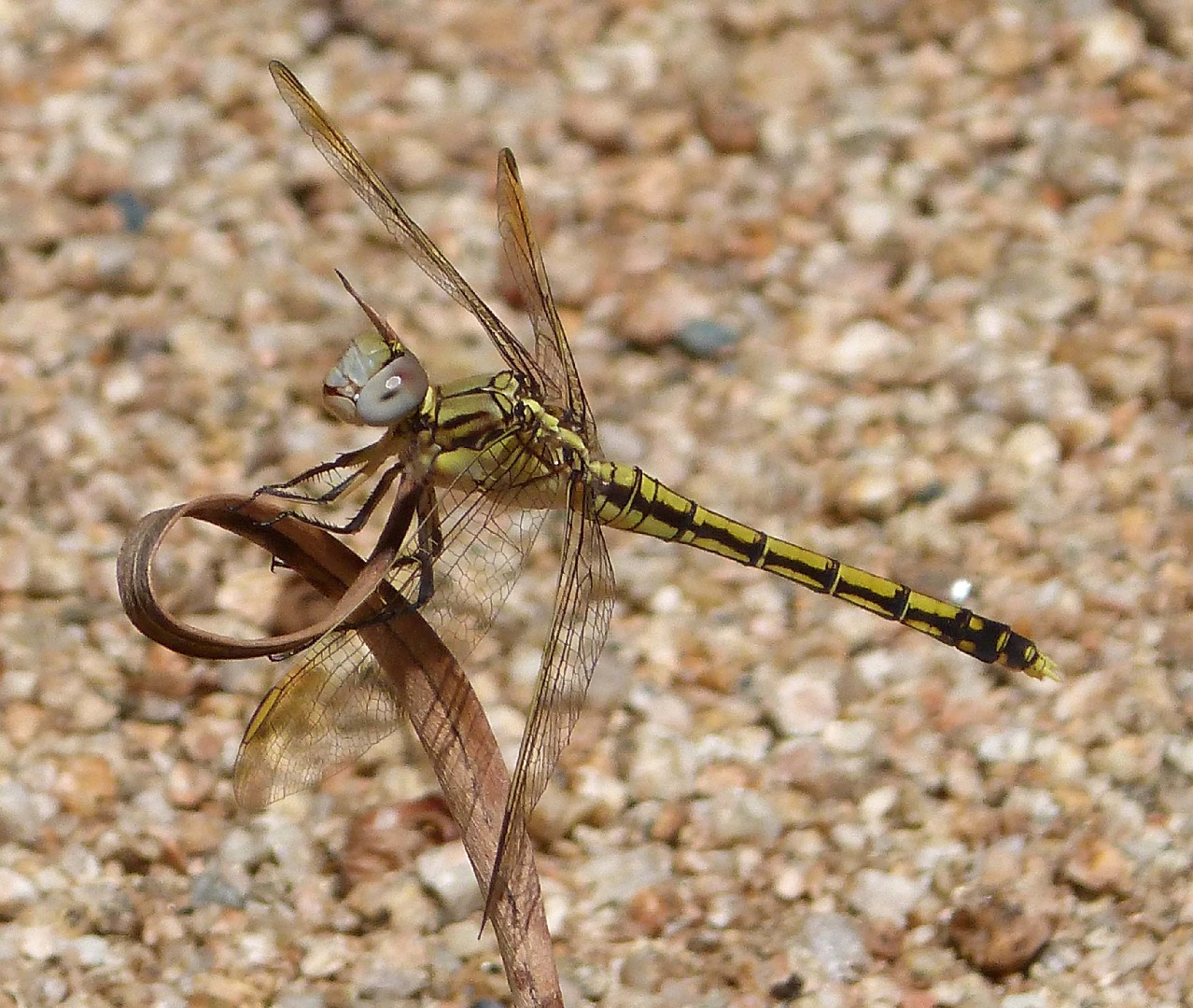
The tau emerald is a medium-sized, black and yellow dragonfly with long legs, reaching a body length of about 5 cm. In both males and females the inboard edge of the hindwing is rounded.
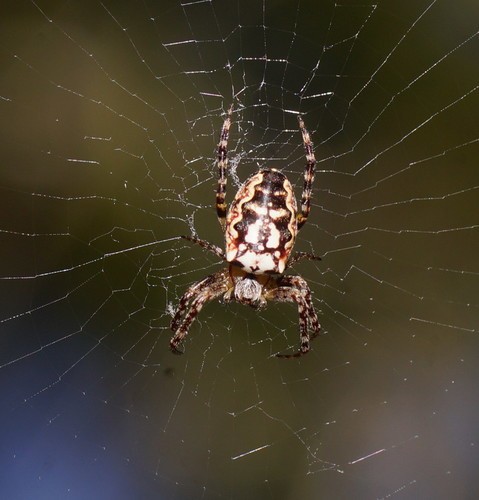
9. Eastern grass orb-weaver
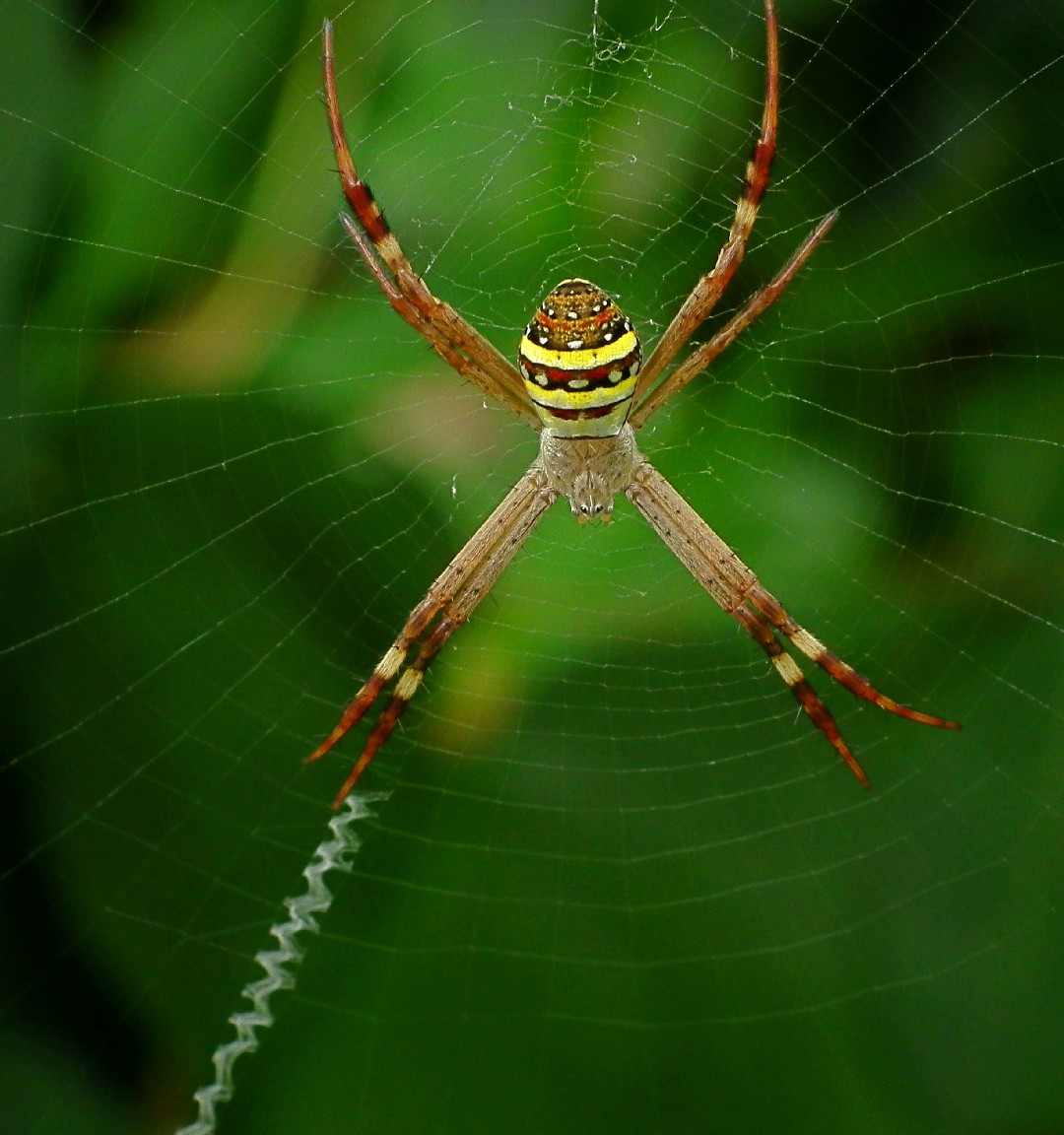
The spider species Plebs eburnus is commonly referred to as the eastern grass orb-weaver or the eastern bush orb-weaver, and sometimes more simply as the bush orb-weaver. It is an orb-weaver spider from the family Araneidae endemic to Australia. It was previously classified as a member of the genus Araneus but has been reclassified in 2012 into a newly described genus Plebs. It is closely related to the Western Bush Orb-weaver, P. cyphoxis. It is a very common spider with distinctive white markings (although these marking can be quite variable), which give it the species name eburnus pertaining to ivory. It is found in scrub and tall grasses where the female constructs a vertical web usually no more than 2 metres from the ground, and stays there day and night. The web of some of these spiders has been seen to be decorated with nearly vertical stabilimentum (like a clockface at 5 minutes to 5 or its mirror image). The stabilimentum of P.cyphoxis is usually observed vertical (like a clockface at 6 o'clock).
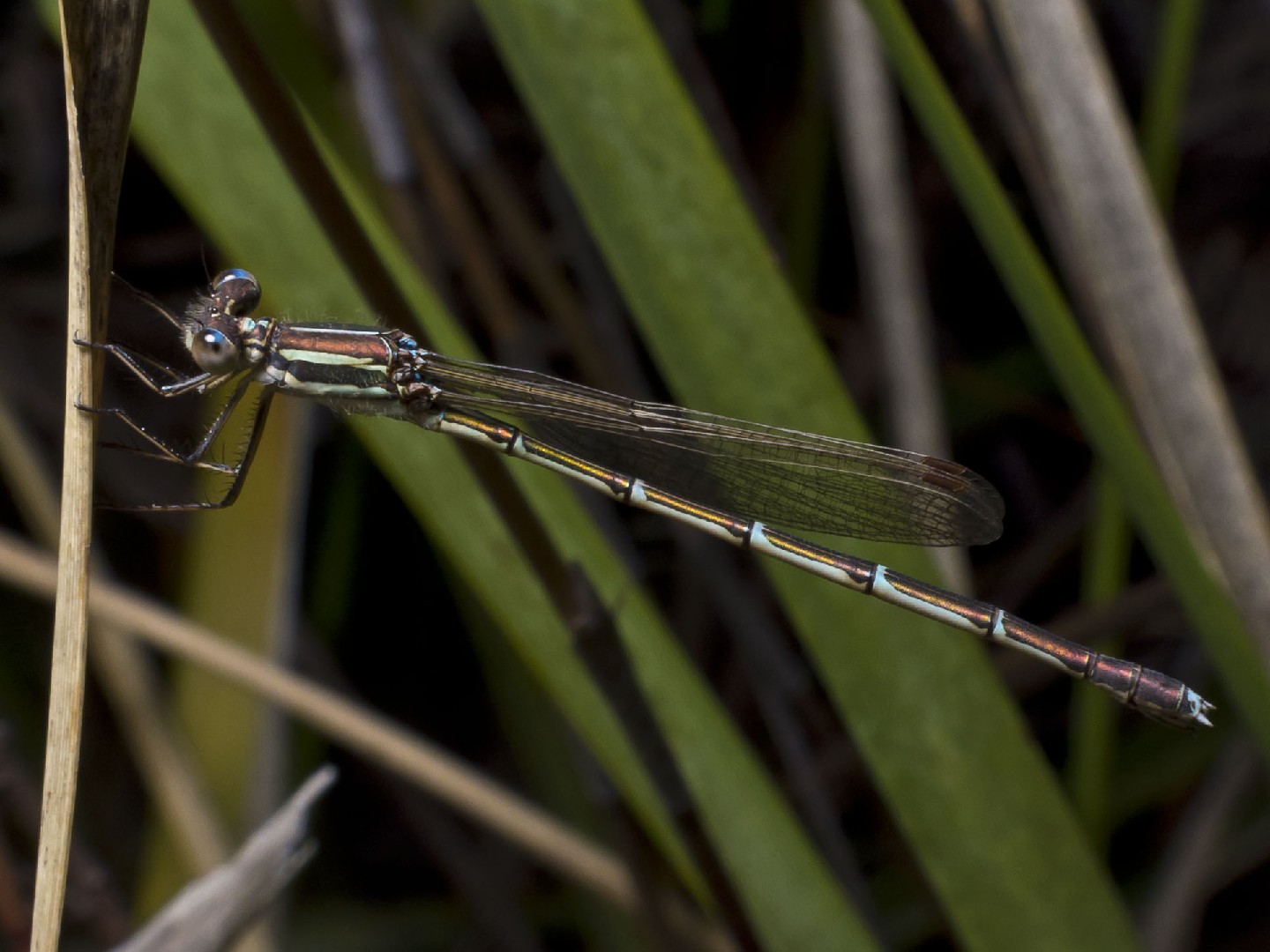
10. Slender ringtail
The abdomen is 3-3.2 cm long. Mature males are often pale blue and black although the strength of the blue may vary.

More







