




Top 20 Most Common Insects in Mymensingh
Welcome to the fascinating world of insects in Mymensingh! Each insect, with its unique characteristics and habitat preferences, tells a story about the diverse environment within this region. The geographical variation across Mymensingh greatly influences its insect diversity, making it a land of copious common species. Insects play a crucial role in sustaining ecosystems, acting as both pest and boon - a testament to the harmonious relationship shared with their surroundings. Explore with us as we delve into the Top 20 most common insects populating Mymensingh.

Most Common Insects
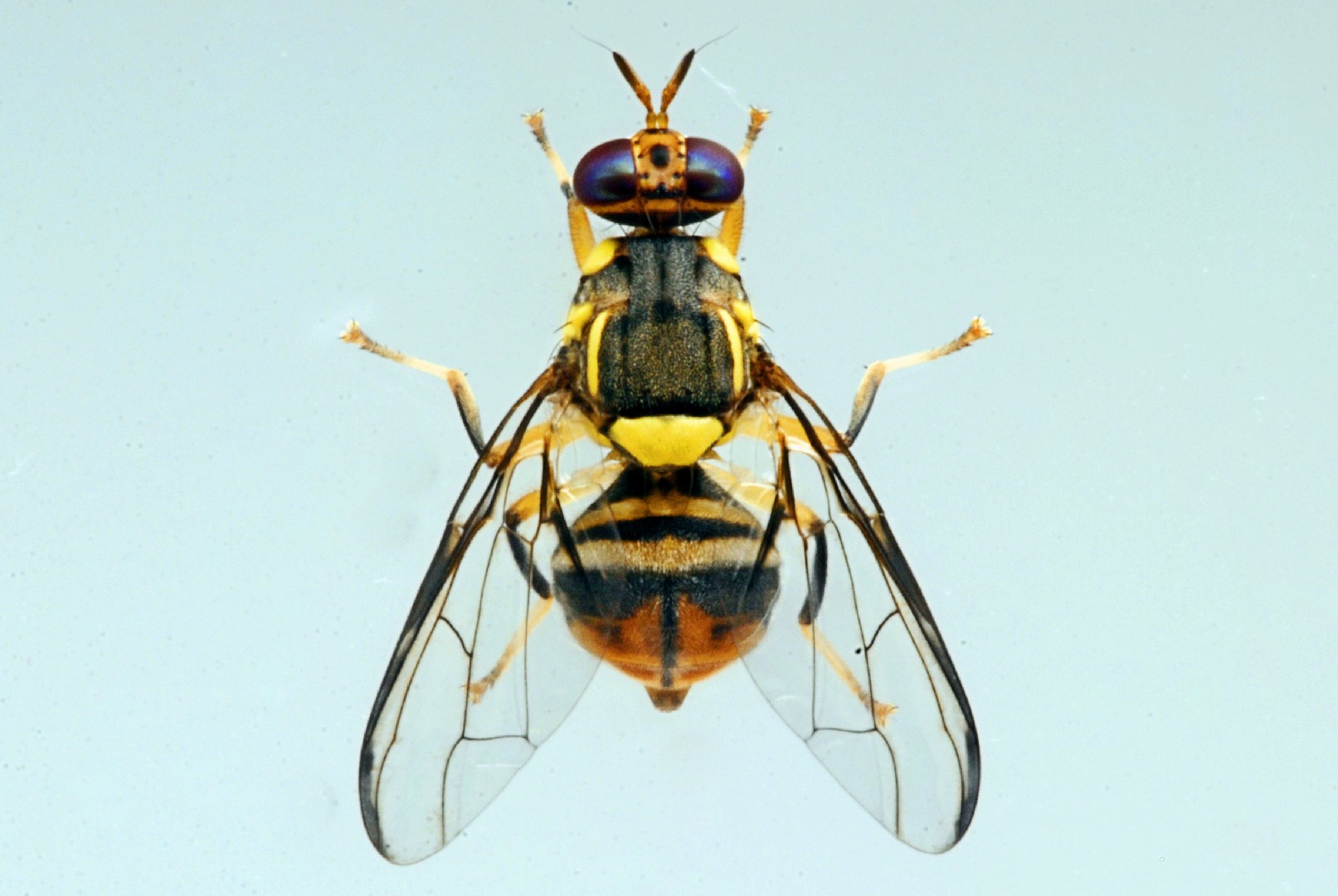
1. Oriental fruit fly
Bactrocera dorsalis is a fly species from the family of the drill flies (Tephritidae). The scientific name of the species was first validly published in 1912 by Hendel.
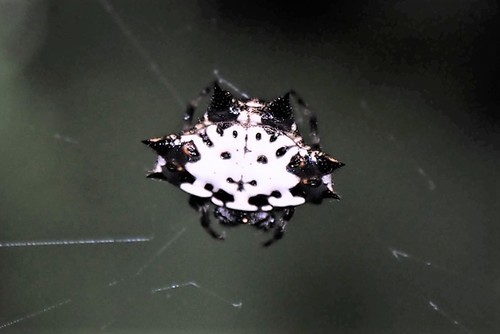
2. Black-and-white spiny spider
Female black-and-white spiny spider are 6 - 9 mm wide and possess a hard, shiny abdomen armed with six black conical spines. The upper surface of the abdomen is white to yellowish with variable black or dark brown markings and sigilla. Males are much smaller at 3 - 4 mm and in place of spines have small bumps on their abdomens. 
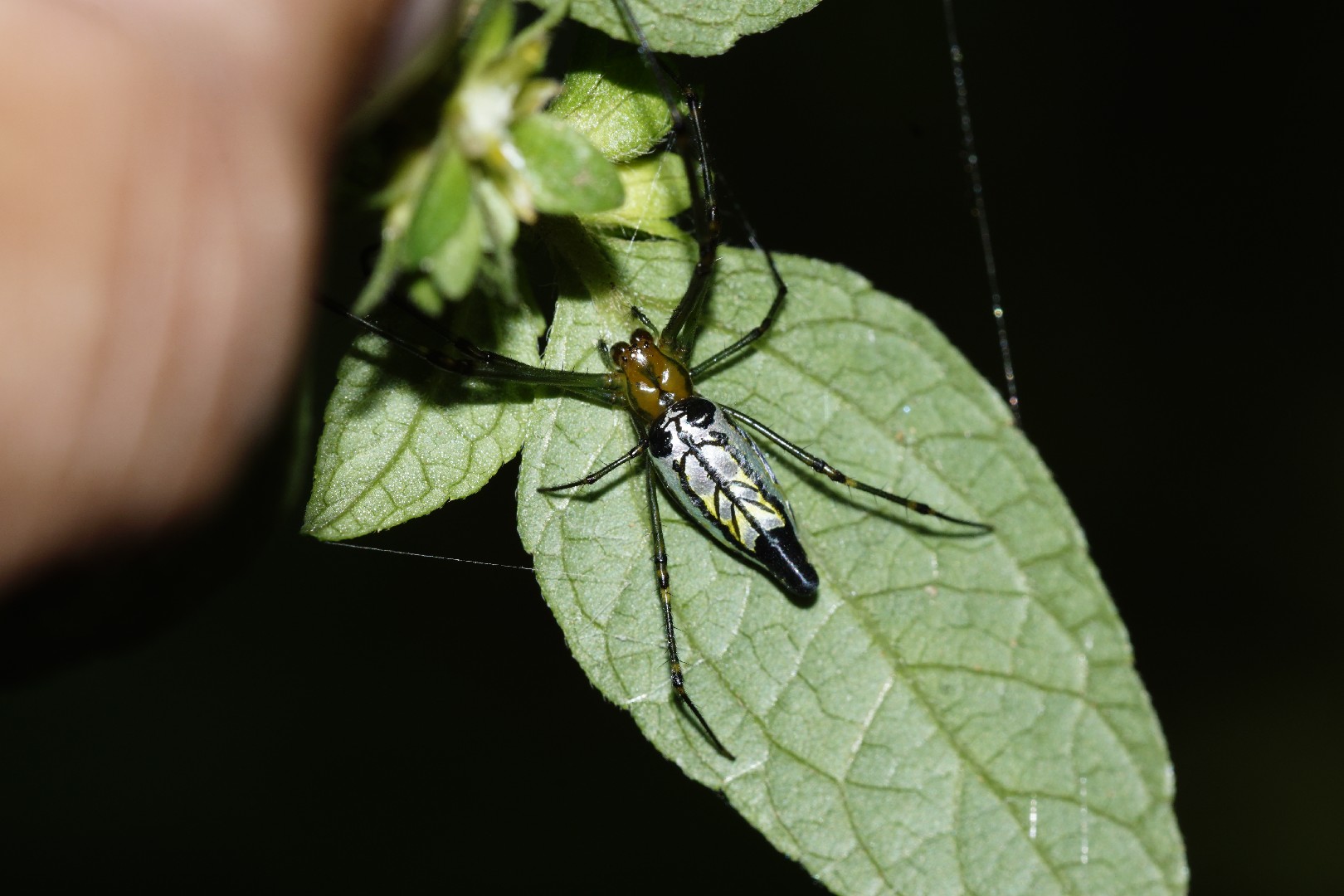
3. Decorative silver orb spider
Leucauge decorata, the decorative silver orb spider, is one of the long-jawed orb weaver spiders. A medium to large sized orb weaving spider, with a body length up to 12 mm long (female). Male to 6 mm. This species has a "point" to the end of the abdomen. Found in Africa, India, south east Asia, also to Australia.
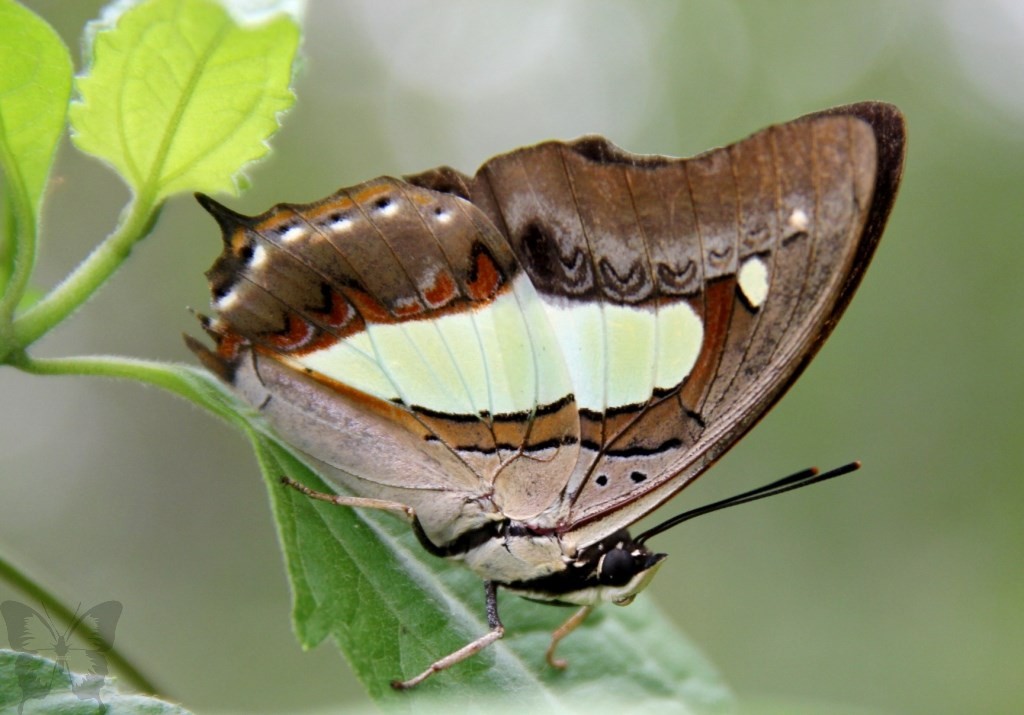
4. Common nawab
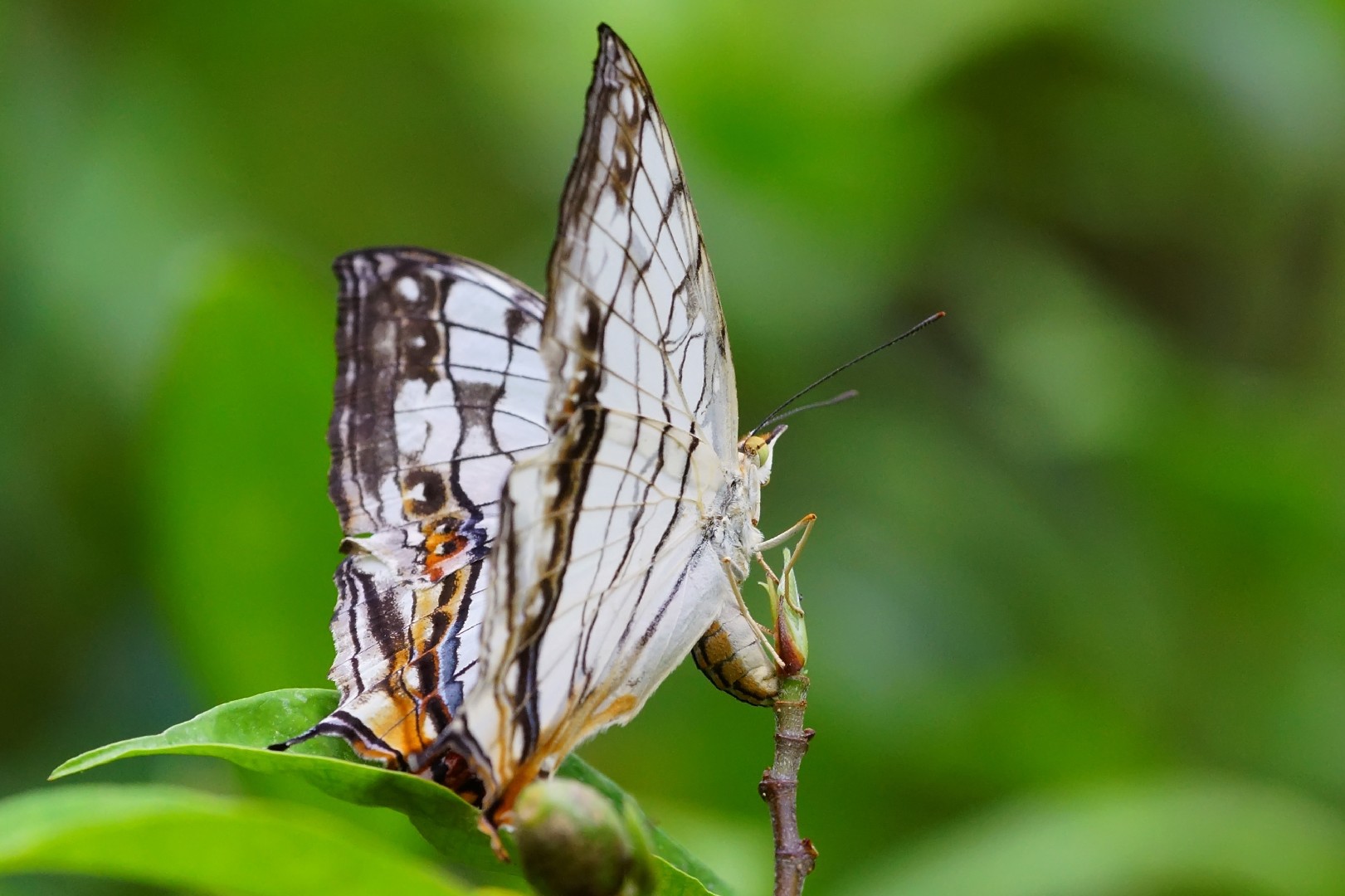
Upperside of male and female is black. Forewings and hindwings with a discal broad transverse area from below vein 4 in forewing to vein 2 on hindwing, a moderately large spot in interspace 5, a minute preapical dot beyond in interspace 6 on forewing, and a subterminal row of spots with two or three spots beyond them on the tornal angle of the hindwing, pale yellow, sometimes with an ochraceous, sometimes with a greenish tinge. The discal area on the forewing nearly as broad in interspace 3 as on the dorsum, on the hindwing narrowing to an acute point on vein 2 at two-thirds of its length from base of wing. Tails touched with bluish grey. Underside with the discal transverse area and spot in interspace 5 as on the upperside; base and costal margin of the forewing to apex, and base and dorsal margin of the hindwing broadly lilacine brown, on forewing with two small black spots near base. Bordering the transverse discal area on the inner side, where it is margined with black lines, and above, is a broad chocolate carved band, continued more narrowly along the outer side of the discal area; beyond this on the forewing is a concave series of dusky black lunules, on the hindwing the band itself is traversed by a line of obscure pale lunules; finally on the hindwing there is a subterminal series of internally white-bordered black spots followed by an obscure ochraceous terminal line, and above the tornal angle a slender transverse black line from vein 1 to the dorsal margin. Wingspan 6 - 9 cm. Caterpillar is elongated, slug-shaped, dark green; head large, wide and surmounted by four divergent curved fleshy spinous processes; anal segment with two short naked terminal points; the segments with an oblique yellowish-white lateral stripe, most prominent on the 7th, 9th and 11th segments, and beneath these a lower series of small white spots. Pupa is thick, cylindrically oval; green streaked with white; dorsum and thorax convex; head broad, truncated, obtusely pointed in front.
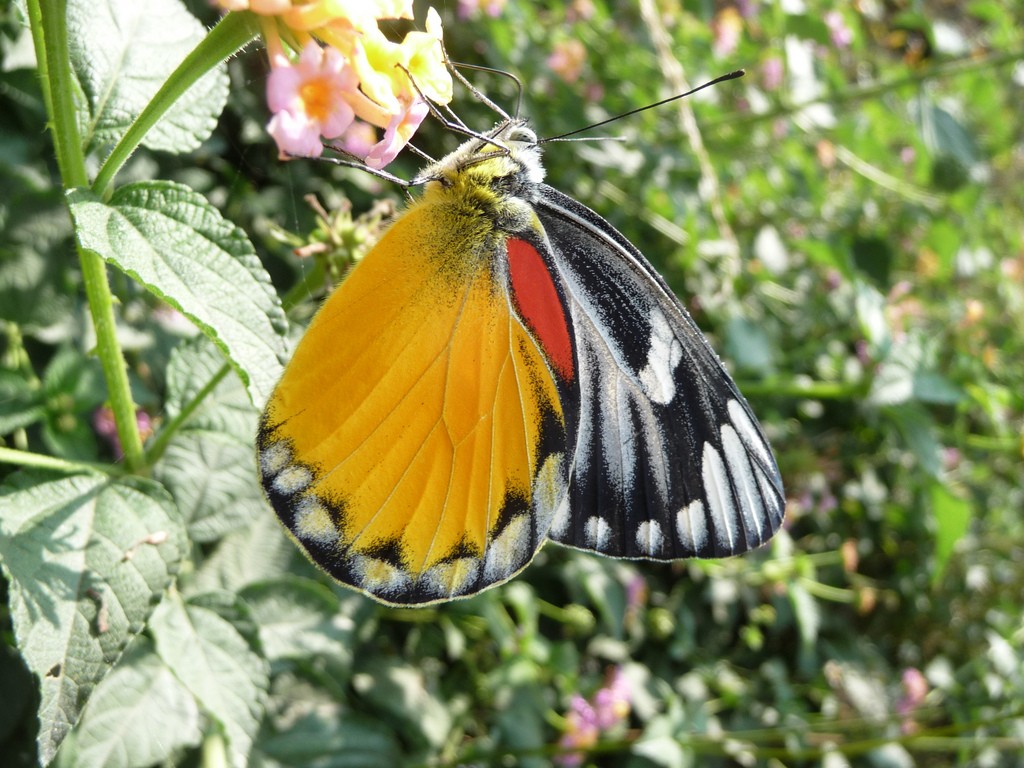
5. Red-spot jezebel
Delias descombesi, the redspot Jezebel is a medium-sized butterfly of the family Pieridae, that is, the yellows and whites.
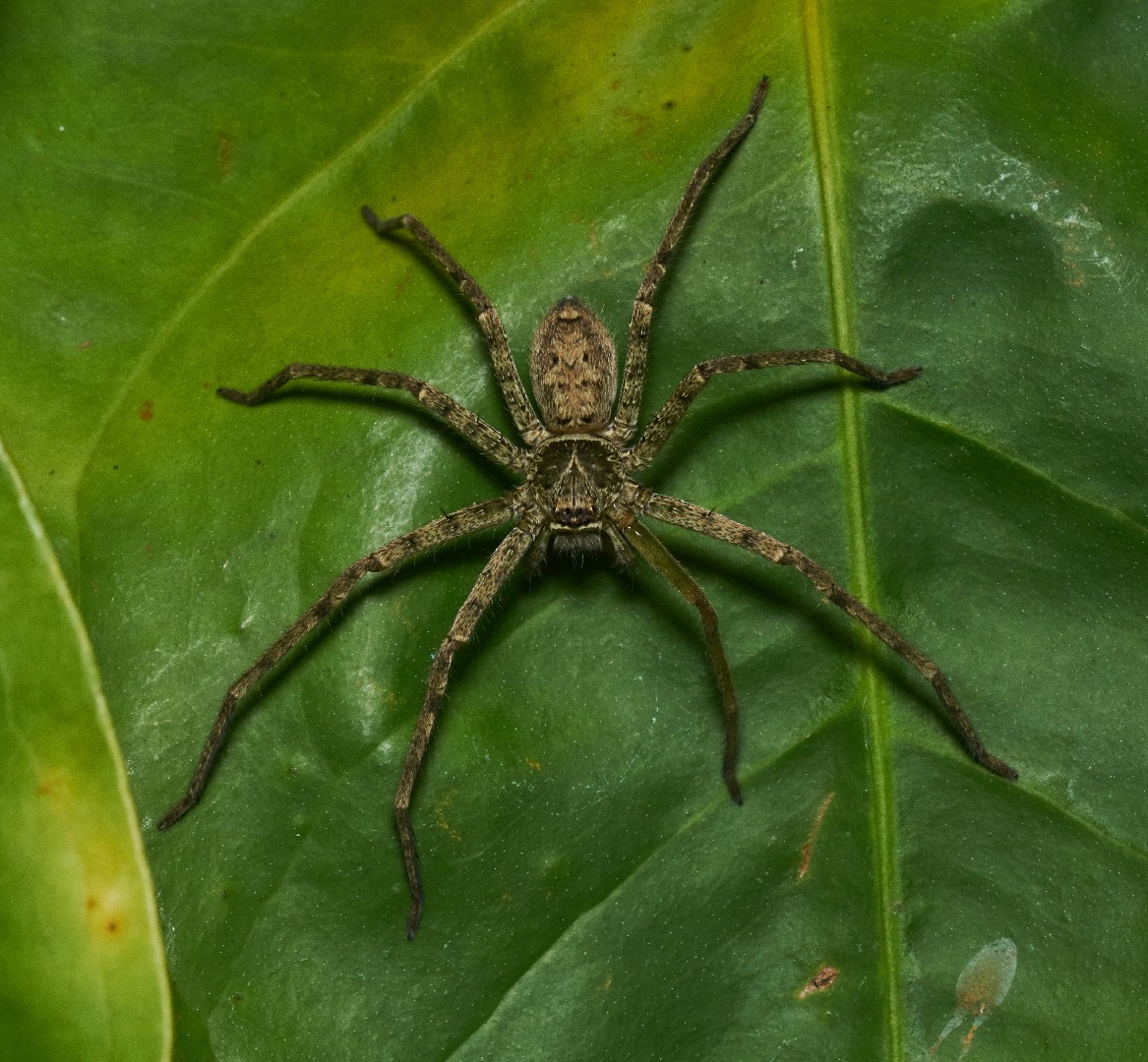
6. Giant Crab Spider
The giant Crab Spider is a large spider native to the tropics; the largest reported individual had a leg span of 30 cm. This cosmopolitan spider is highly valued in some areas, as it's able to catch cockroaches and other indoor pests. Reportedly, it hunts even scorpions and bats. This spider is venomous and sometimes bites humans, but it's considered harmless.
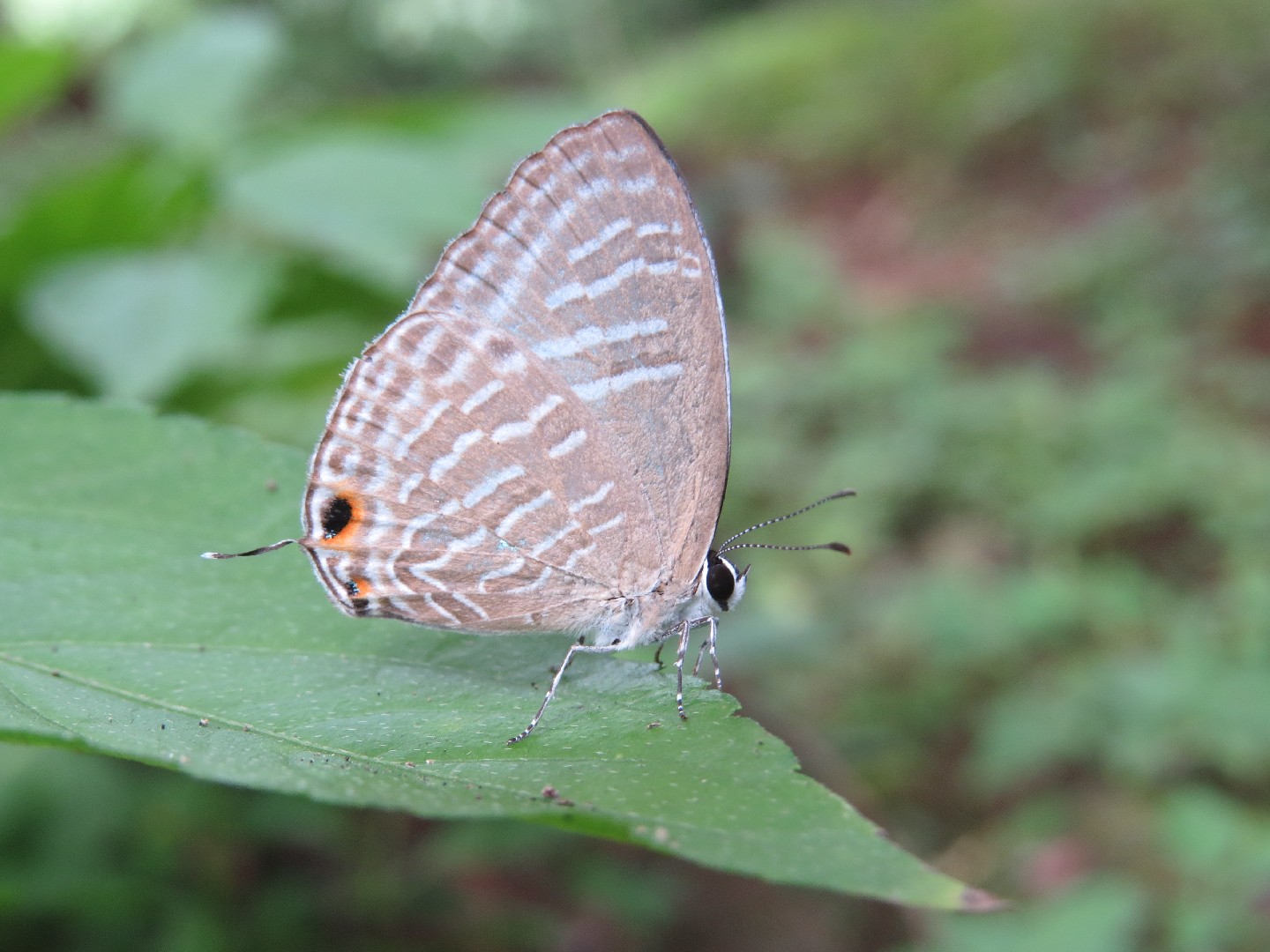
7. Metallic cerulean
Jamides alecto is a butterfly from the Lycaenidae family. The scientific name of the species was first validly published in 1860 by Felder.
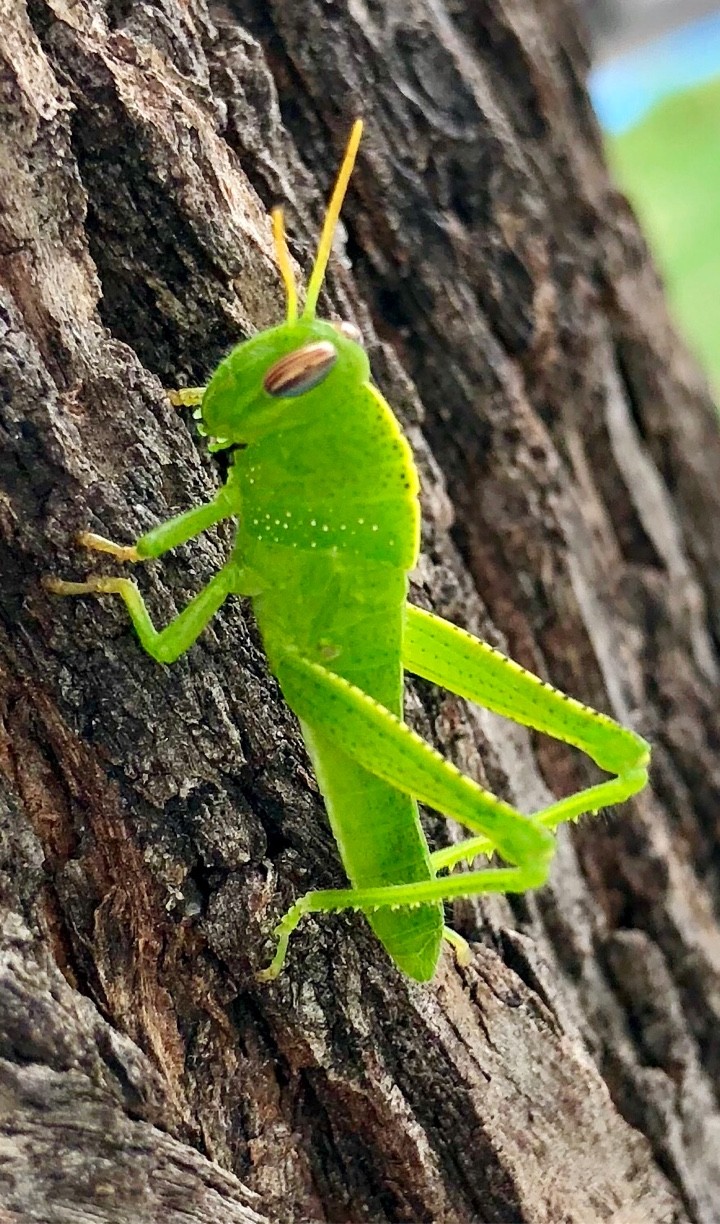
8. Citrus locust
Chondracris rosea is a right-winged insect from the family locusts (Acrididae). The scientific name of this species was first validly published in 1773 by De Geer.
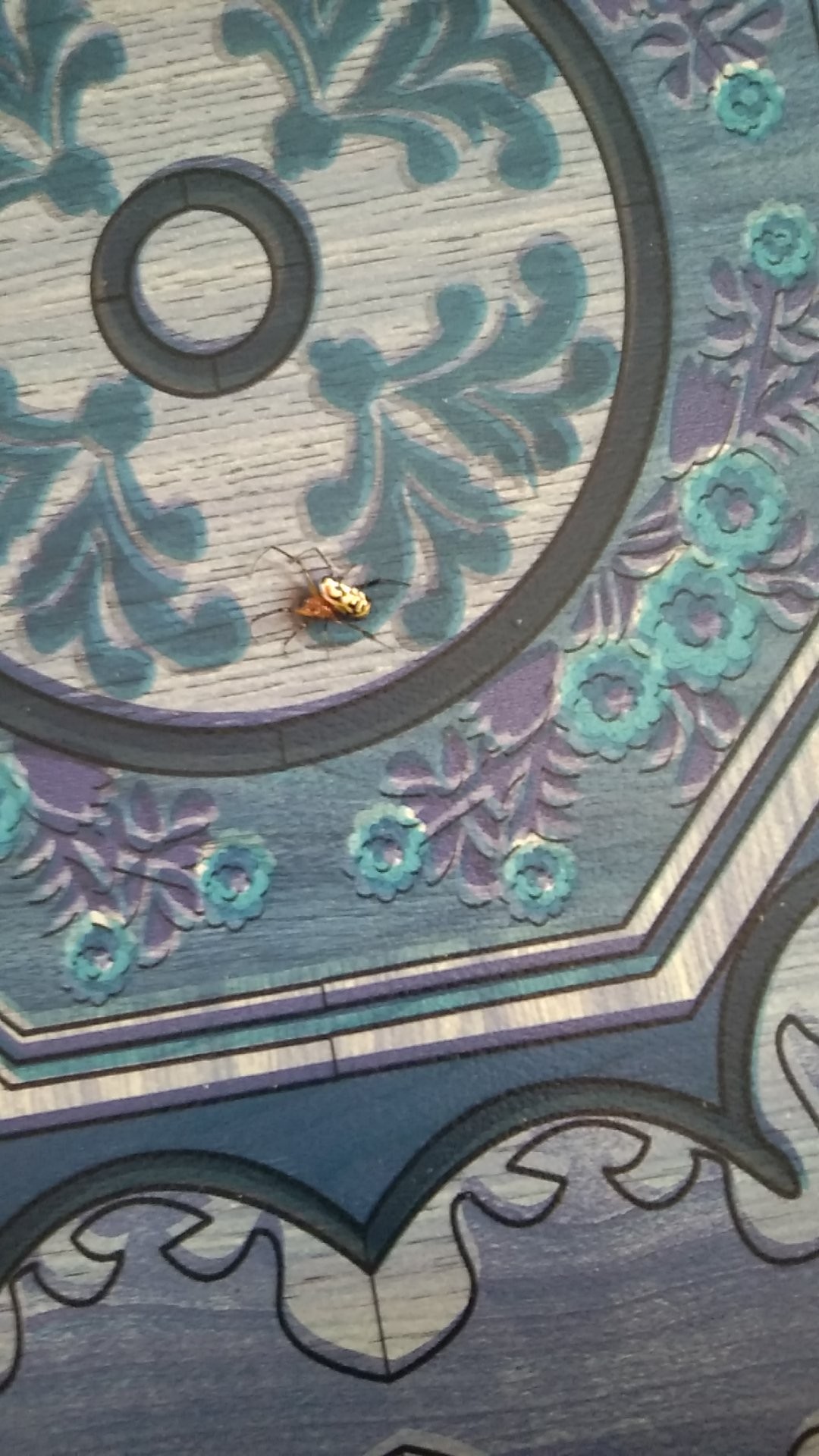
9. Pear-shaped leucauge
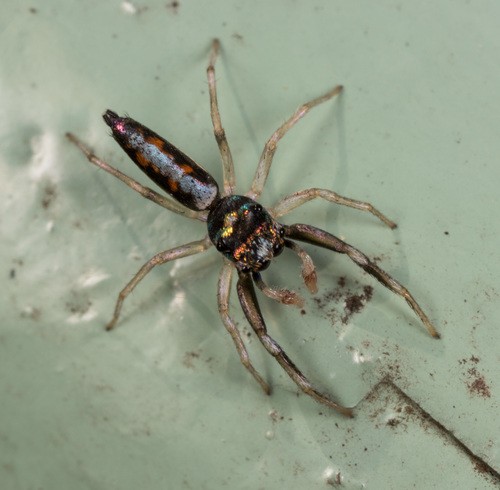
Opadometa fastigata, the pear-shaped leucauge, is a species of spiders in the family Tetragnathidae (long-jawed orb weavers). It is found in India to Philippines and Sulawesi. Members of the species have silvery or golden spots on the abdomen. They are elongated spiders with long legs and chelicerae. They are orb web weavers, weaving small orb webs with an open hub and few, wide-set radii and spirals. The webs have no signal line and no retreat. The web is a large horizontally-placed orb structure with a diameter of more than a metre. The entire web is often suspended by several long strands of silk attached to branches and leaves nearby. This species is separated from other Leucauge spiders by its pear-shaped abdomen and its unique fourth leg. In addition to the two rows of curved hairs (characteristic of Leucauge), this leg also has a thick brush of spines which are not present in most other species of Leucauge.
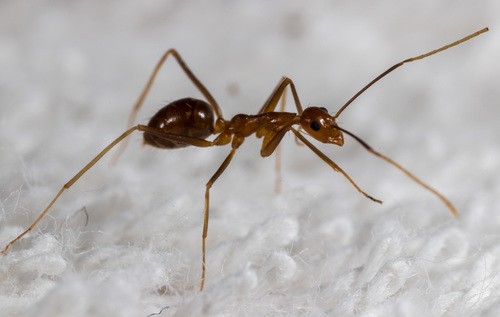
10. Yellow crazy ant
The yellow crazy ant (Anoplolepis gracilipes) needs to sit down with a warm glass of tea, as it tends to become erratic when disturbed. It is considered to be on the list of the top 100 most invasive species list on the International Union for Conservation of Nature (IUCN). When they enter a new location, their aggressive behavior allows them to dominate the ecosystem.
More







