




Top 18 Most Common Insects in Barbados
Insects, known for their variety and adaptability, find unique niches within Barbados's varied landscapes. Geography directly impacts insect diversity, with diverse climatic zones of Barbados offering distinct ecosystems, each attracting its own assortment of insects. These insects, be they pesky intruders or beneficial helpers, reflect the delicate balance of the country's ecosystems. Stay tuned as we delve into the 18 most common ones prevalent in this fascinating region.

Most Common Insects
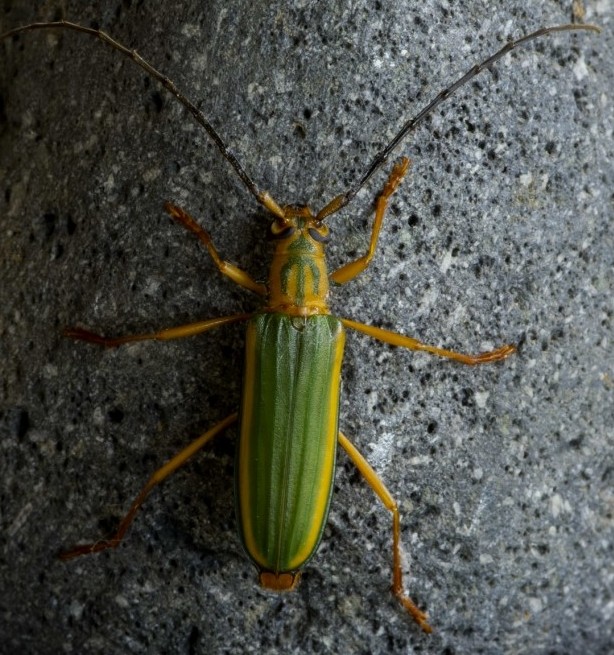
1. Chlorida festiva
Chlorida festiva is a beetle species from the family of the boktorren (Cerambycidae). The scientific name of the species was first validly published in 1758 by Linnaeus.
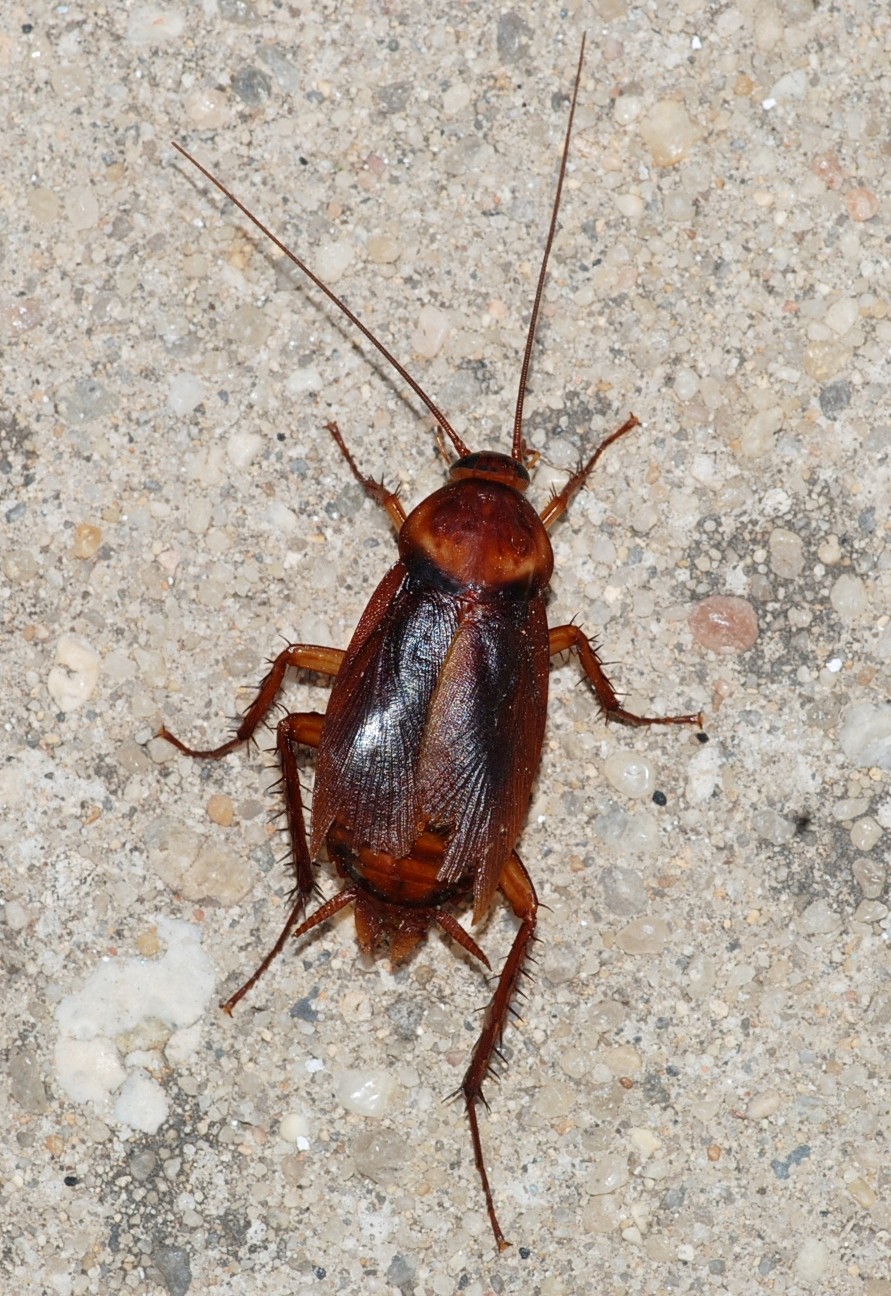
2. American cockroach
Despite its name, american cockroach (Periplaneta americana) is not native to the Americas but rather to Africa and the Middle East, from which it arrived as a result of human commercial patterns. Notably quick and rather resilient, this species is capable of limb regeneration. It requires a certain level of moisture to thrive, and it will avoid drier areas unless it has access to the required level of water.
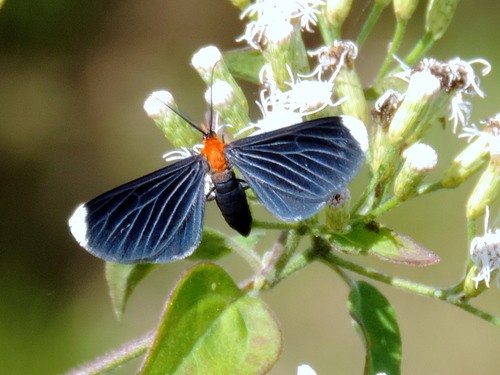
3. White-tipped black
The wingspan is about 3.5 cm. 
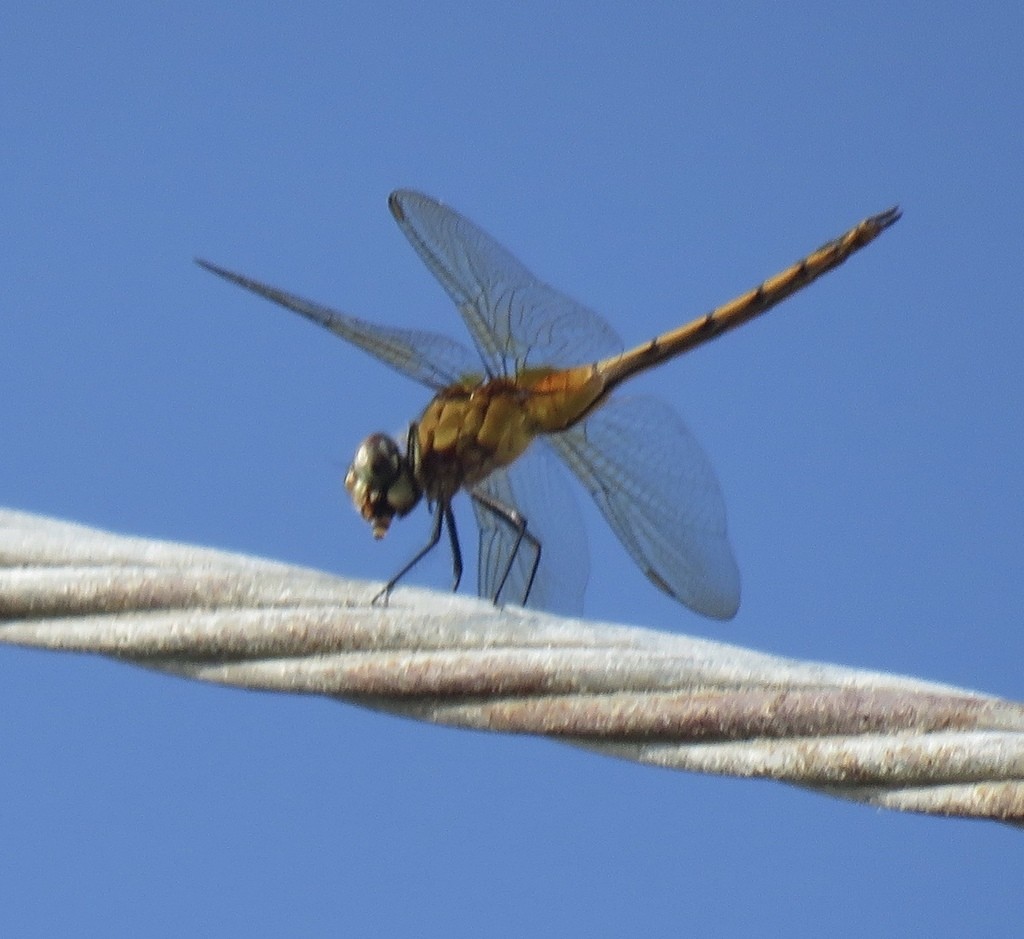
4. Tawny pennant
The IUCN conservation status of Brachymesia herbida is "LC", least concern, with no immediate threat to the species' survival. The population is stable.
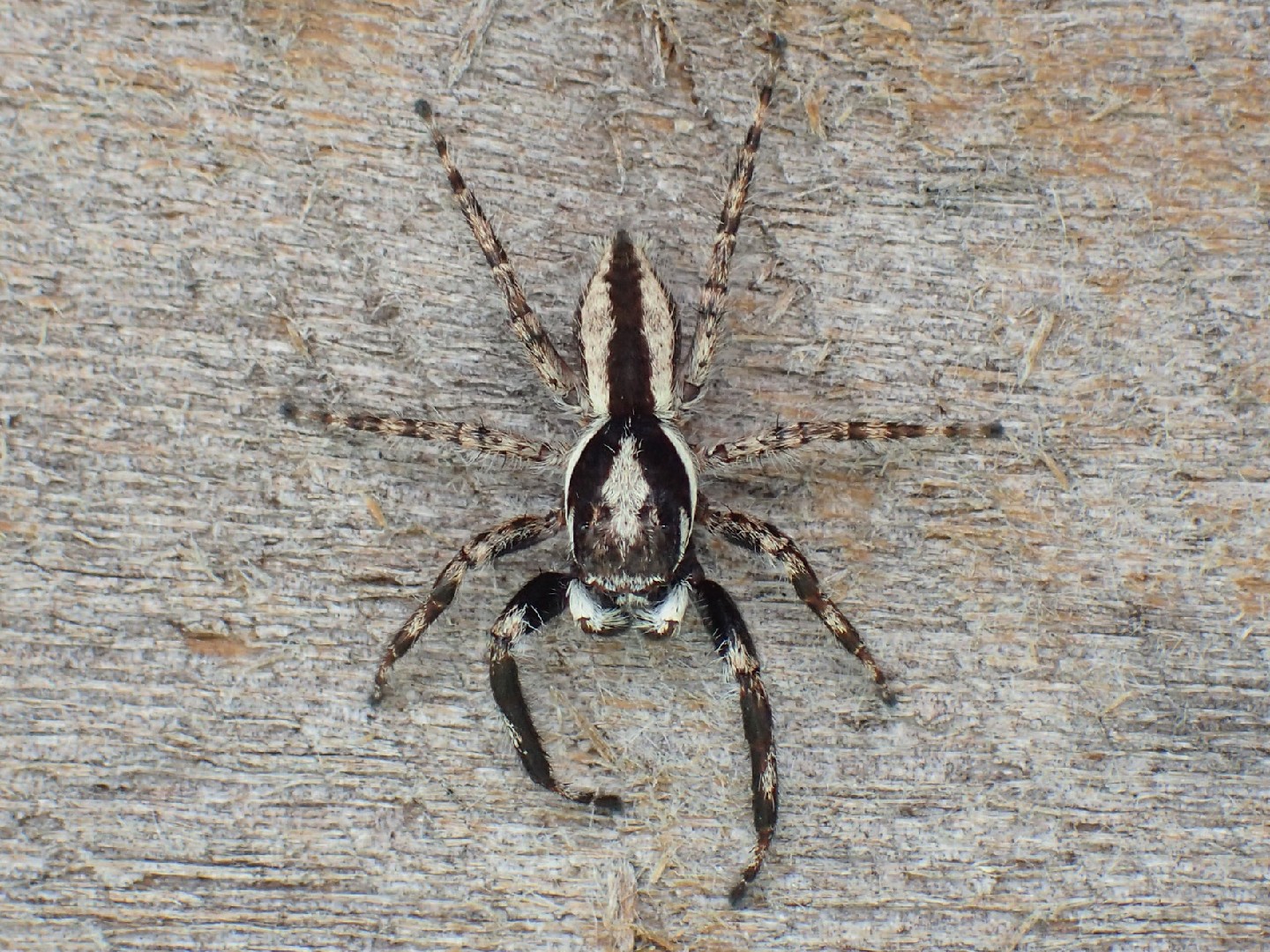
5. Gray wall jumper
The female gray wall jumper lays her eggs in cracks or other hidden areas. The young and mature spiders feed on flies, making them useful residents in a household. They do not make webs, but carefully hunt and jump on their prey.
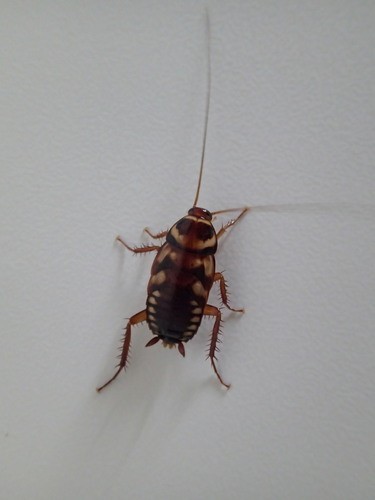
6. Australian cockroach
The australian cockroach is a tropical species of cockroach that is not cold-tolerant. Like most cockroaches, it feeds on decomposing organic matter. However, it also feeds on plant matter more than most cockroaches. It tends to get accidentally transported around the world through commerce and shipping.
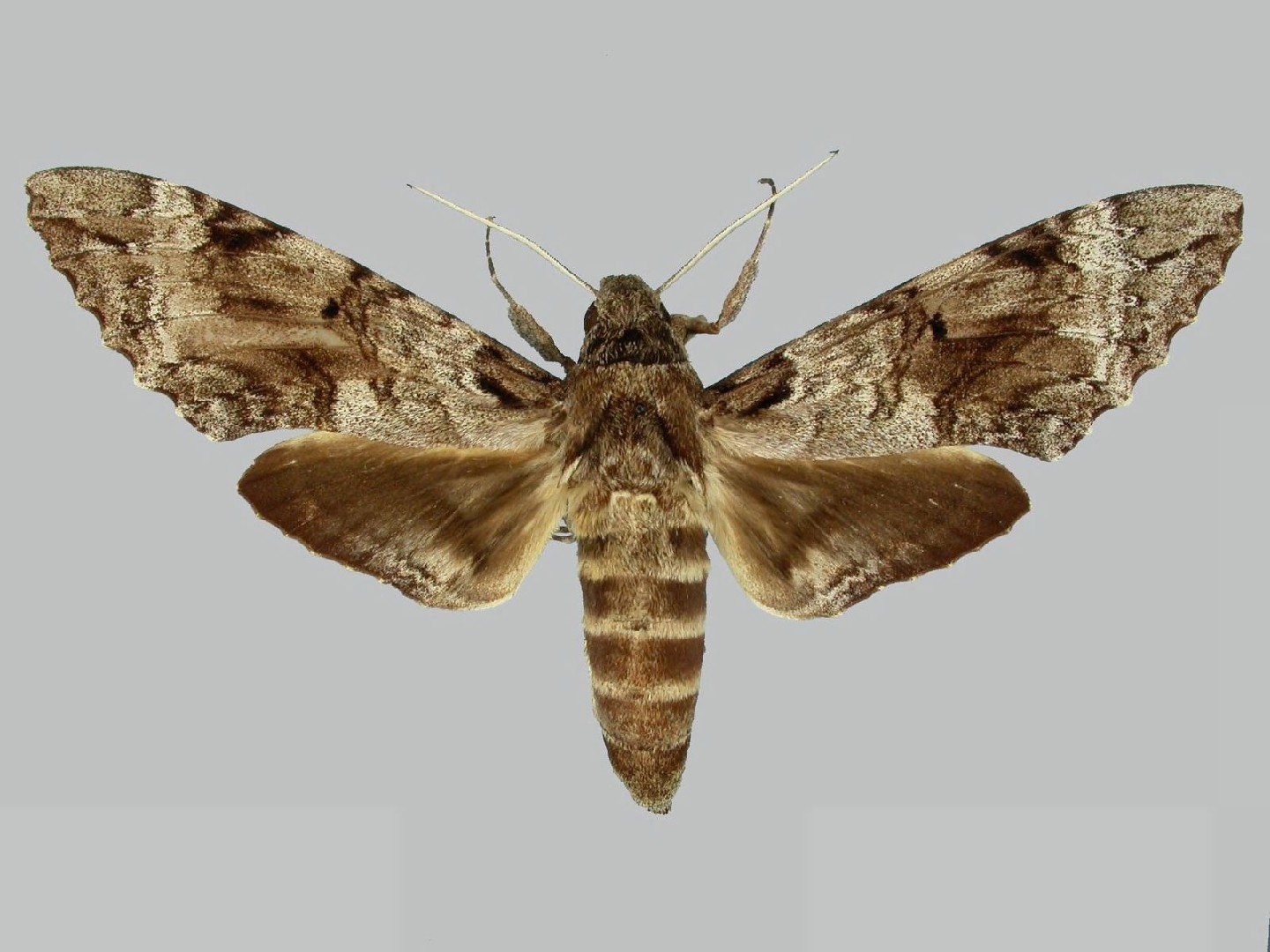
7. Tetrio sphinx
The adult moth is brown with gray and white markings, and the hindwing is a darker brown. The female may be lighter in tone. The body has gray, white, and black bands. The wingspan is 13 - 14 cm, and the female is generally slightly larger than the male. The larva is a caterpillar which may exceed 15 cm in length. It is black with aposematic yellow bands and a red-orange head. Toward the posterior end is an orange bump with a black horn roughly 2 cm long. The legs are orange with black spots. The pupa is about 7 cm long. It is yellow when new, turning brown and darkening to a reddish brown as it hardens.
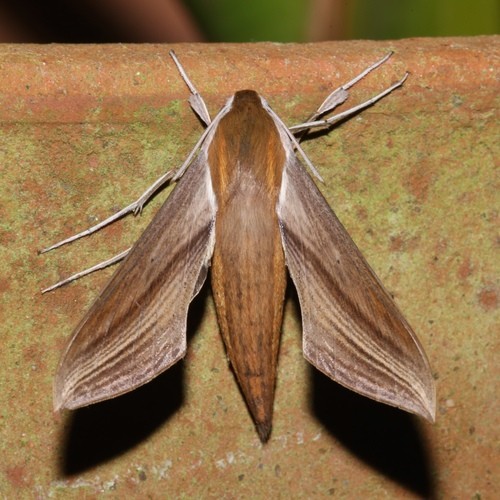
8. Tersa sphinx
The tersa sphinx (Xylophanes tersa) has stiff wings that make it resemble a small bird. The adults might seem intimidating because their abdomen comes to a sharp point, but they have no stinger and are harmless to humans. The larvae are typically a bright green color or brown color with eye-spots, much different than the dull brown color of the adults.
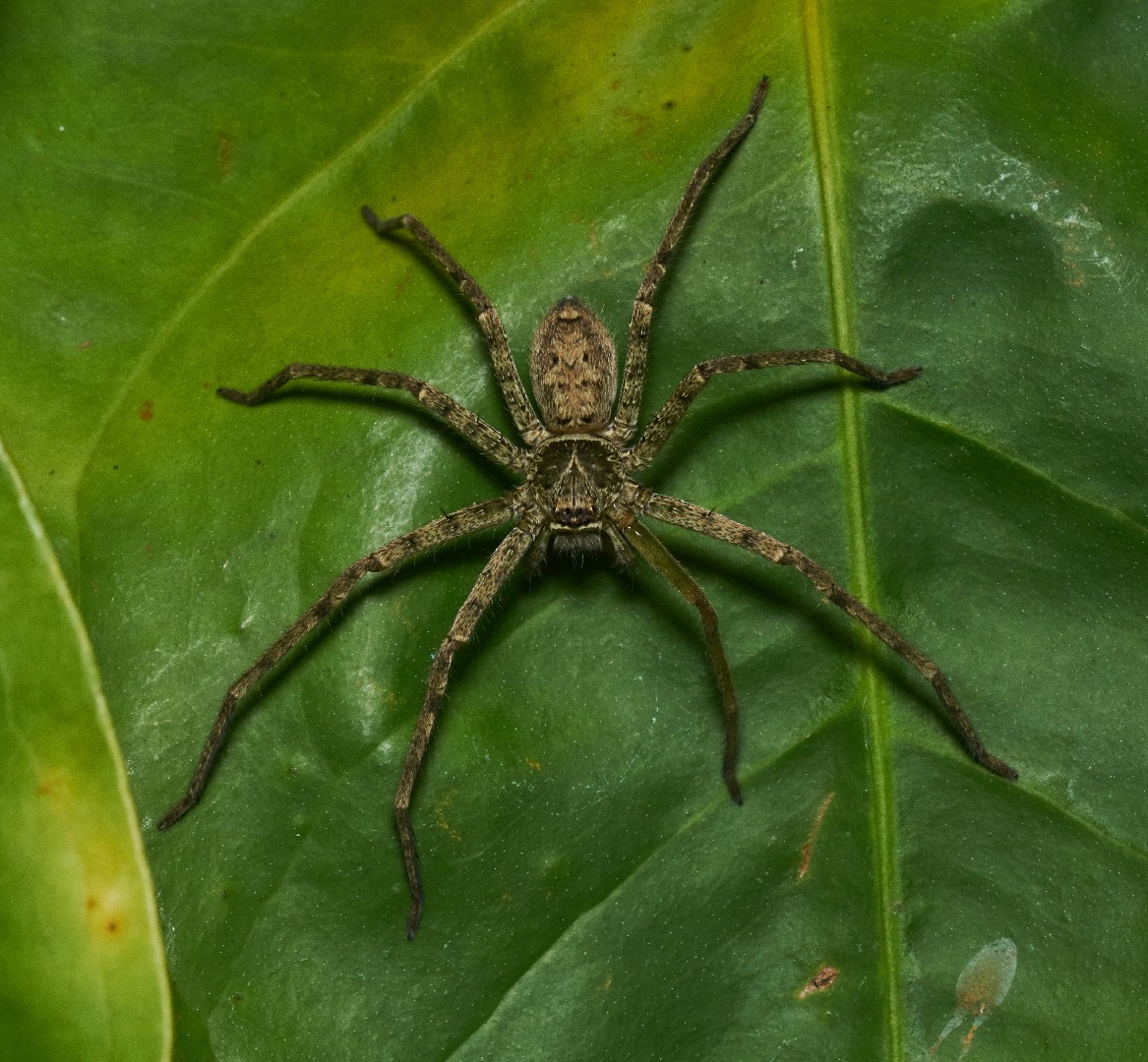
9. Giant Crab Spider
The giant Crab Spider is a large spider native to the tropics; the largest reported individual had a leg span of 30 cm. This cosmopolitan spider is highly valued in some areas, as it's able to catch cockroaches and other indoor pests. Reportedly, it hunts even scorpions and bats. This spider is venomous and sometimes bites humans, but it's considered harmless.
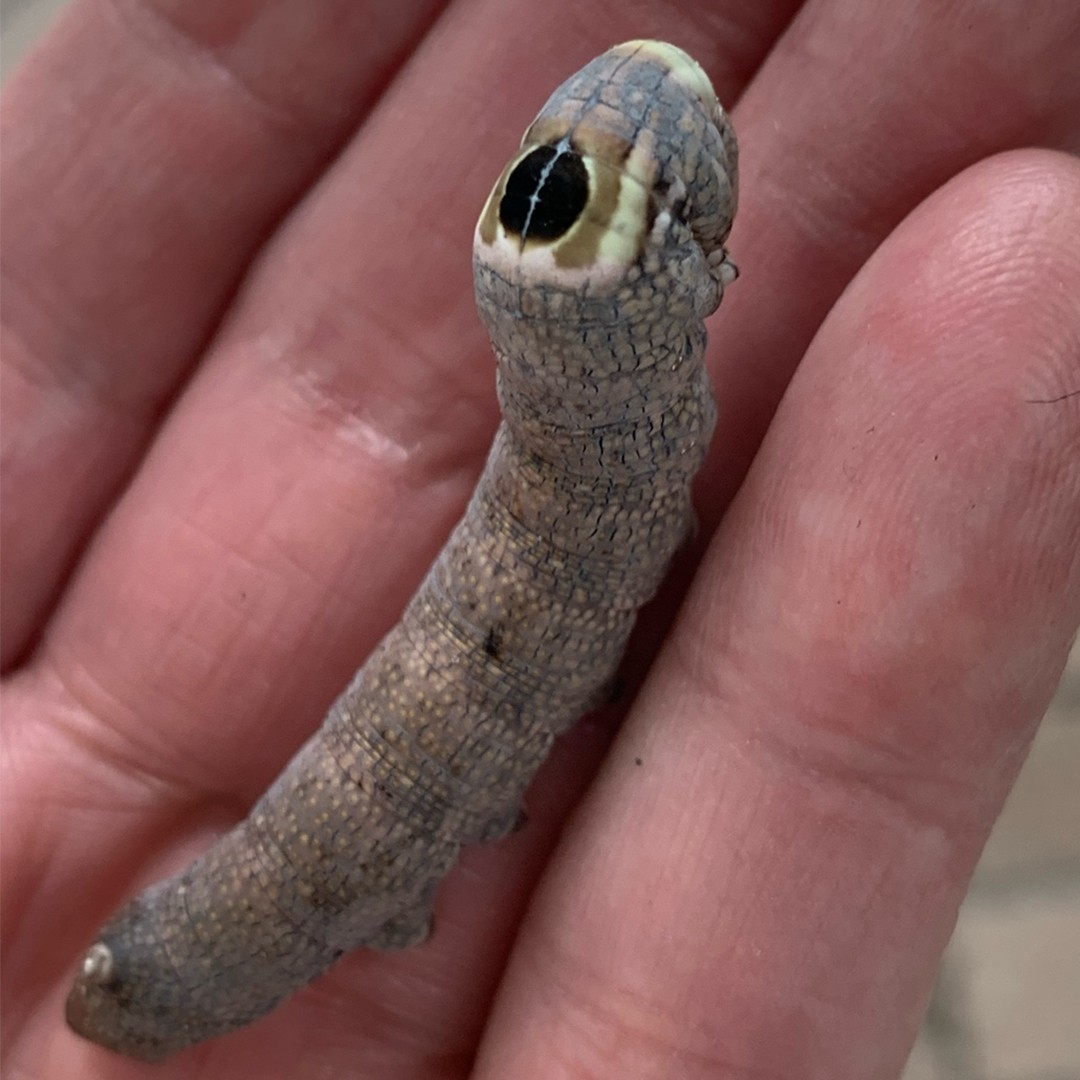
10. Ello sphinx
Erinnyis ello, the ello sphinx, is a moth of the family Sphingidae. The species was first described by Carl Linnaeus in his 1758 10th edition of Systema Naturae. It is distributed from Argentina through Central America to the United States as far north as Nevada. The wingspan is 75–85 mm. The abdomen has gray and black bands. The forewing upperside of the female is pale gray with a few dark dots near the outer margin, while the forewing upperside of the male is dark gray and brown with a black band running from the base to the tip. In both sexes, the hindwing upperside is orange with a wide black border. Adults are on wing year-round in the tropics and southern Florida. Adults feed on the nectar of flowers, including common soapwort (Saponaria officinalis) and Chinese violet (Asystasia gangetica). The larva feeds on a variety of host plants, including papaya (Carica papaya) in the family Caricaceae; poinsettia (Euphorbia pulcherrima), Mexican jumping bean (Sebastiania pavoniana), Cnidoscolus urens, and cassava (Manihot esculenta) in the Euphorbiaceae; guavas (Psidium spp.) in the Myrtaceae; and saffron plum (Sideroxylon celastrinum) in the Sapotaceae. The ello sphinx can be parasitized by the braconid wasp Microplitis figueresi.

More







