




Top 17 Most Common Insects in Belize
Insects, with their fascinating features and diverse habitats, have their own unique place in Belize's rich biological tapestry. The variety of environments in Belize, spanning coastal, forested, and mountainous regions, helps cultivate different insect species, enhancing diversity. These creatures, both pests and allies, play pivotal roles in ecosystem function, making them indispensable to life in Belize. Dive into our list of '17 most common insects in Belize', and discover the riveting world of these minute marvels.

Most Common Insects
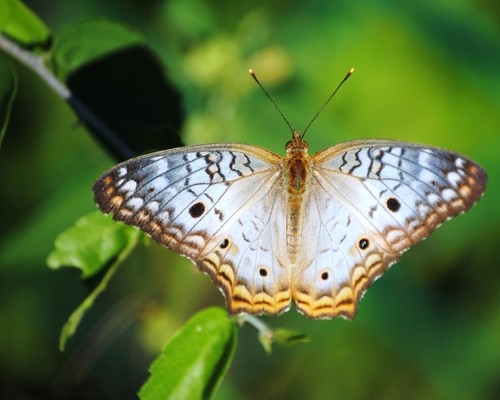
1. White peacock
The wingspan of the moths is 51 to 70 millimeters. The basic color is whitish. On the forewings there is a black, circular spot near the inner angle. At the front edge, two to three oblong, yellow-brown spots stand out. The Submarginalregion is also yellow-brown colored and crossed by dark lines. On the hind wings are two more small, black, circular spots near the tawny and dark-colored submarginal region. A short tail is more or less strong. The wing underside shows similar drawing elements as the top, but these are paler and weaker pronounced.
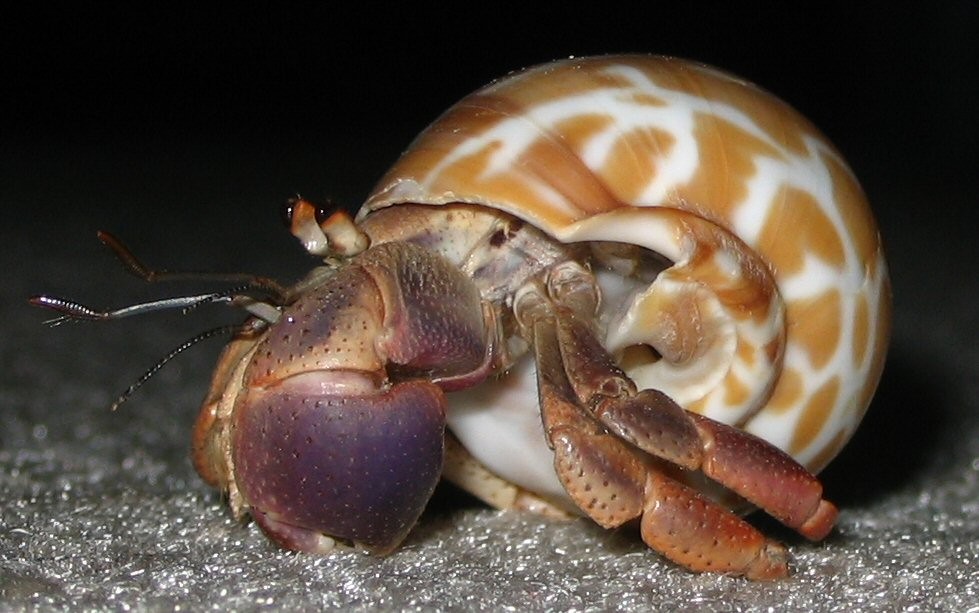
2. Caribbean hermit crab
Caribbean hermit crab (Coenobita clypeatus) is a land hermit crab found in many parts of the western Atlantic and the Caribbean sea. This herbivorous and scavenging crab uses modified gills to breathe air. It prefers the shells of West Indian top snail (Cittarium pica). The caribbean hermit crab is one of the two species of hermit crabs found in the pet trade in the US.
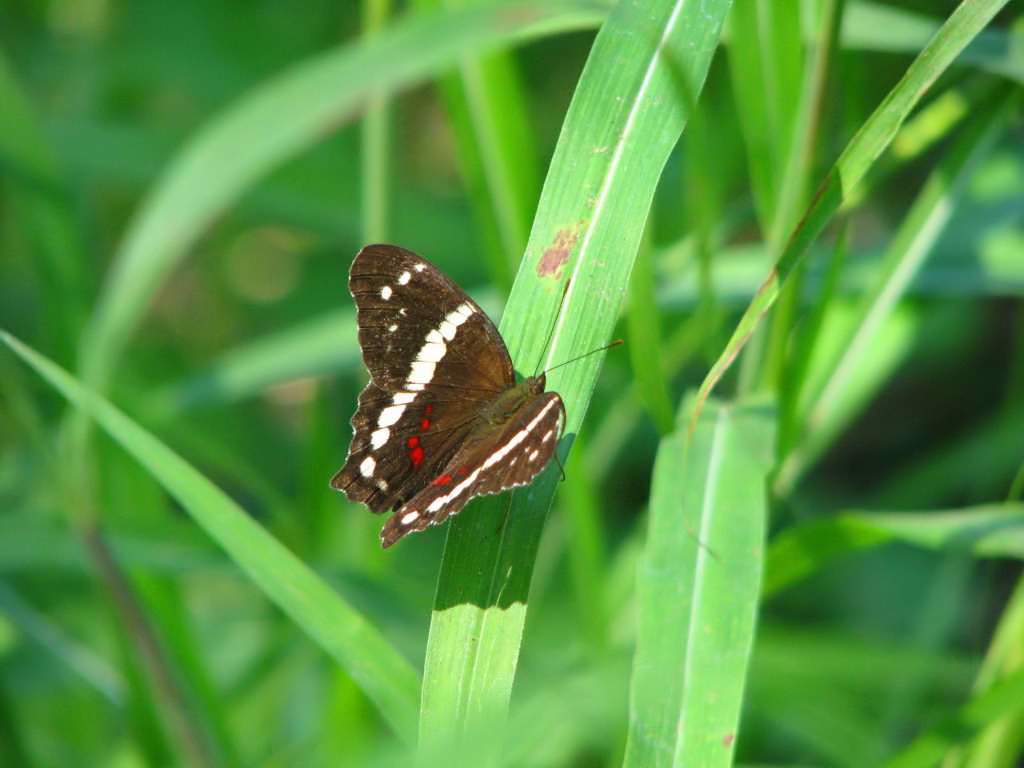
3. Banded peacock
The wingspan of the moths is 60 to 70 millimeters. The basic color of the wings is black-brown to black. On the front wing top, a white, sometimes yellowish bandage extends through the Diskalregion, which continues on the hind wings. Near the apex, some small whitish spots are highlighted. The hind wings show some striking red, sometimes orange spots. The tail at the Analwinkel are very short. All wing bottoms show similar drawing elements as the tops, but these are paler and weaker.
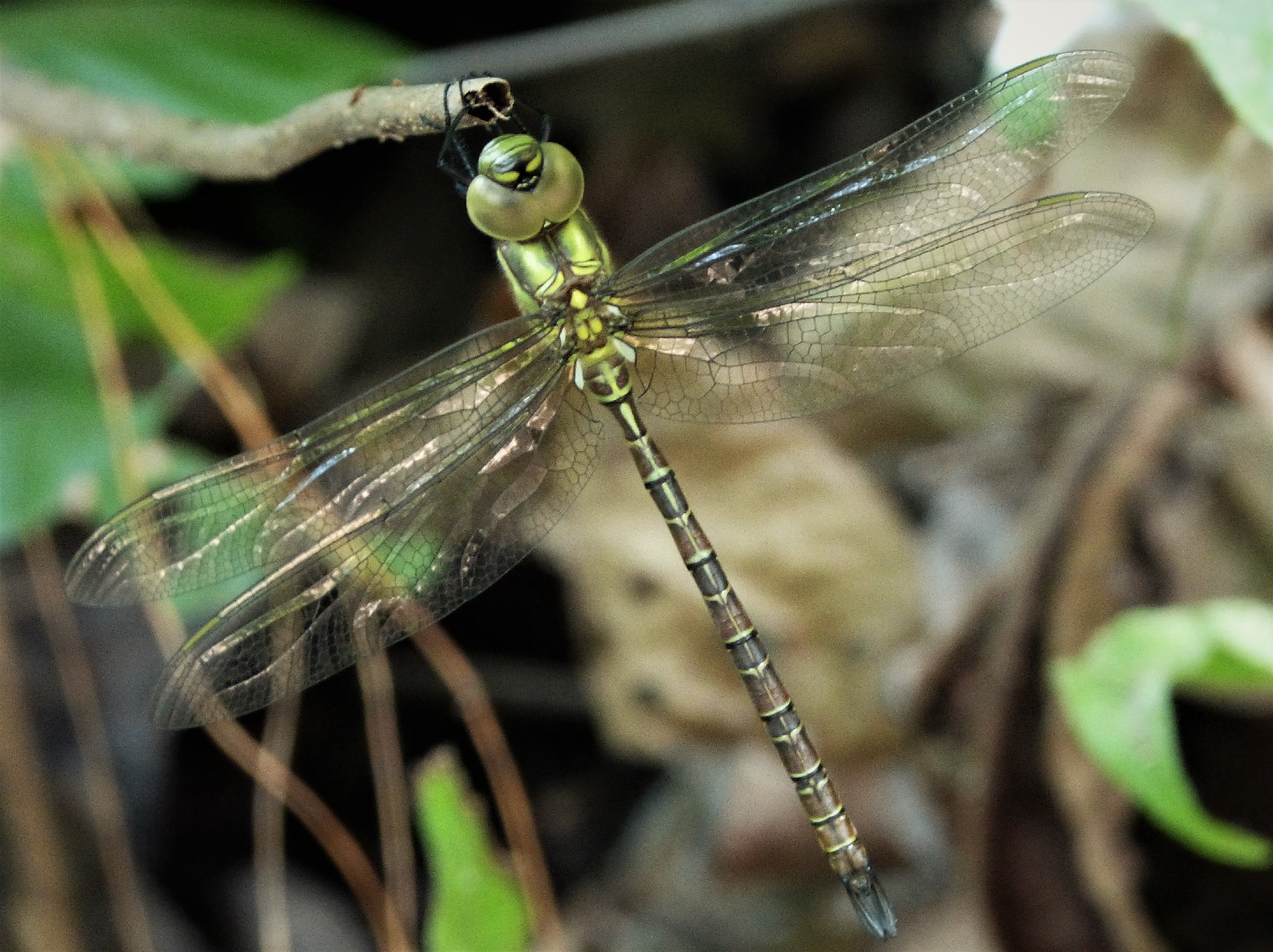
4. Blue-faced darner
The species is on the Red List of the IUCN as not endangered, year of assessment 2007, the trend of the population is stable according to the IUCN.
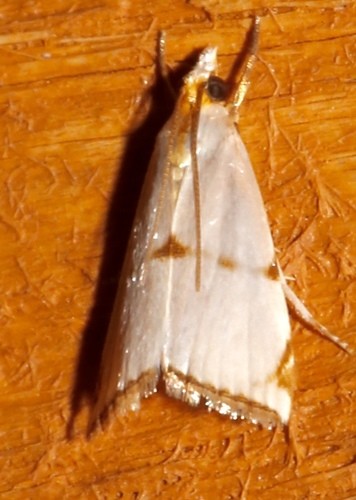
5. Milky urola moth
Argyria lacteella, the milky urola moth, is a moth in the family Crambidae. It was described by Johan Christian Fabricius in 1794. It is found in North America, from Maryland south to Florida and west to Texas. In the south, the range extends through Costa Rica to Brazil. It is also found on Cuba, Puerto Rico and Bermuda. The wingspan is about 16 mm. The forewings are white with a small dark spot at the costa and at the inner margin, as well as a dark spot halfway between these two. The hindwings are uniform white. Adults are on wing from spring to fall. 
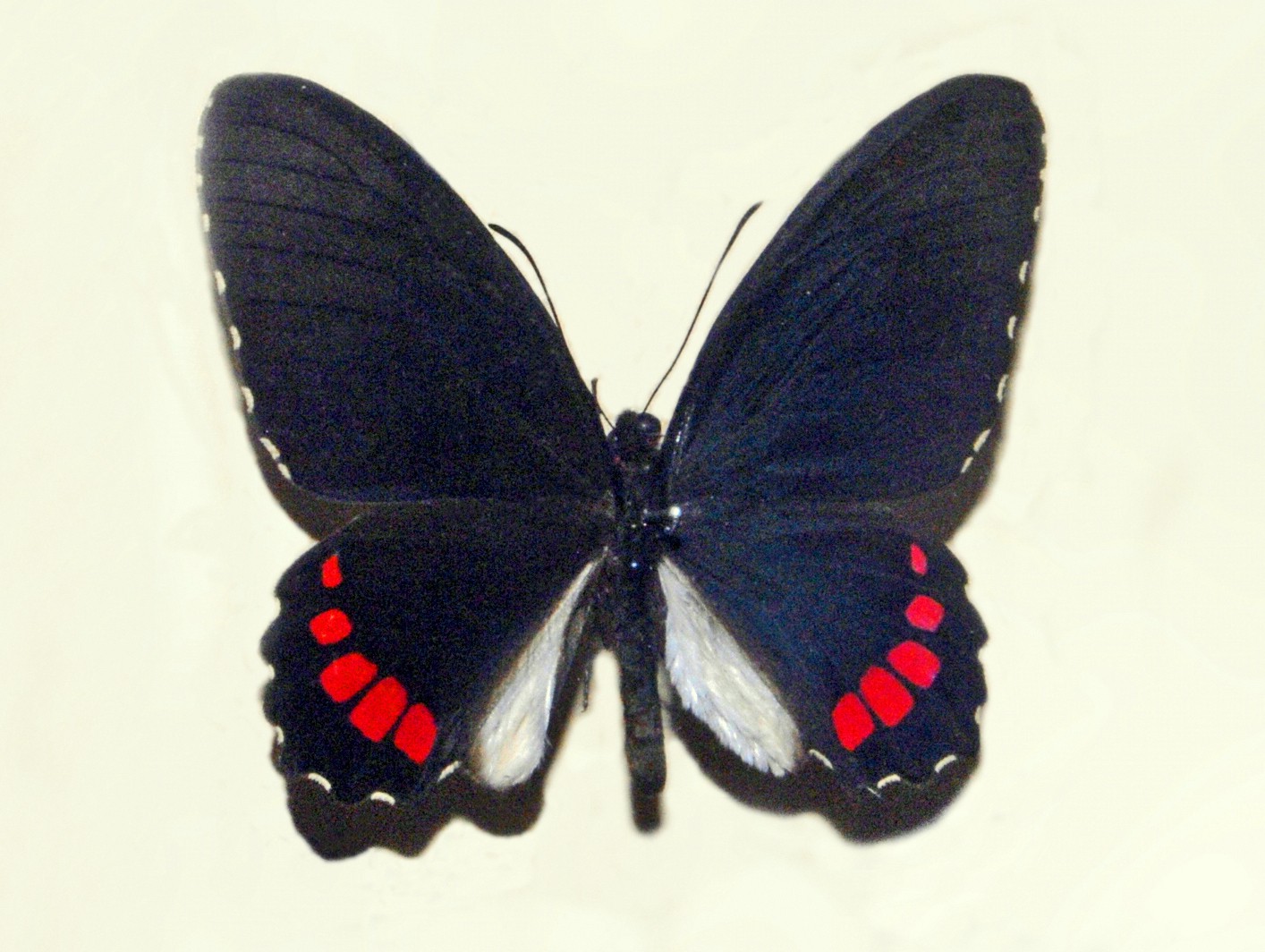
6. Variable cattleheart
The upper side of the wings is black with a row of red postmedian spots. The underside of the wings is also black with a row of pink and whitish spots.
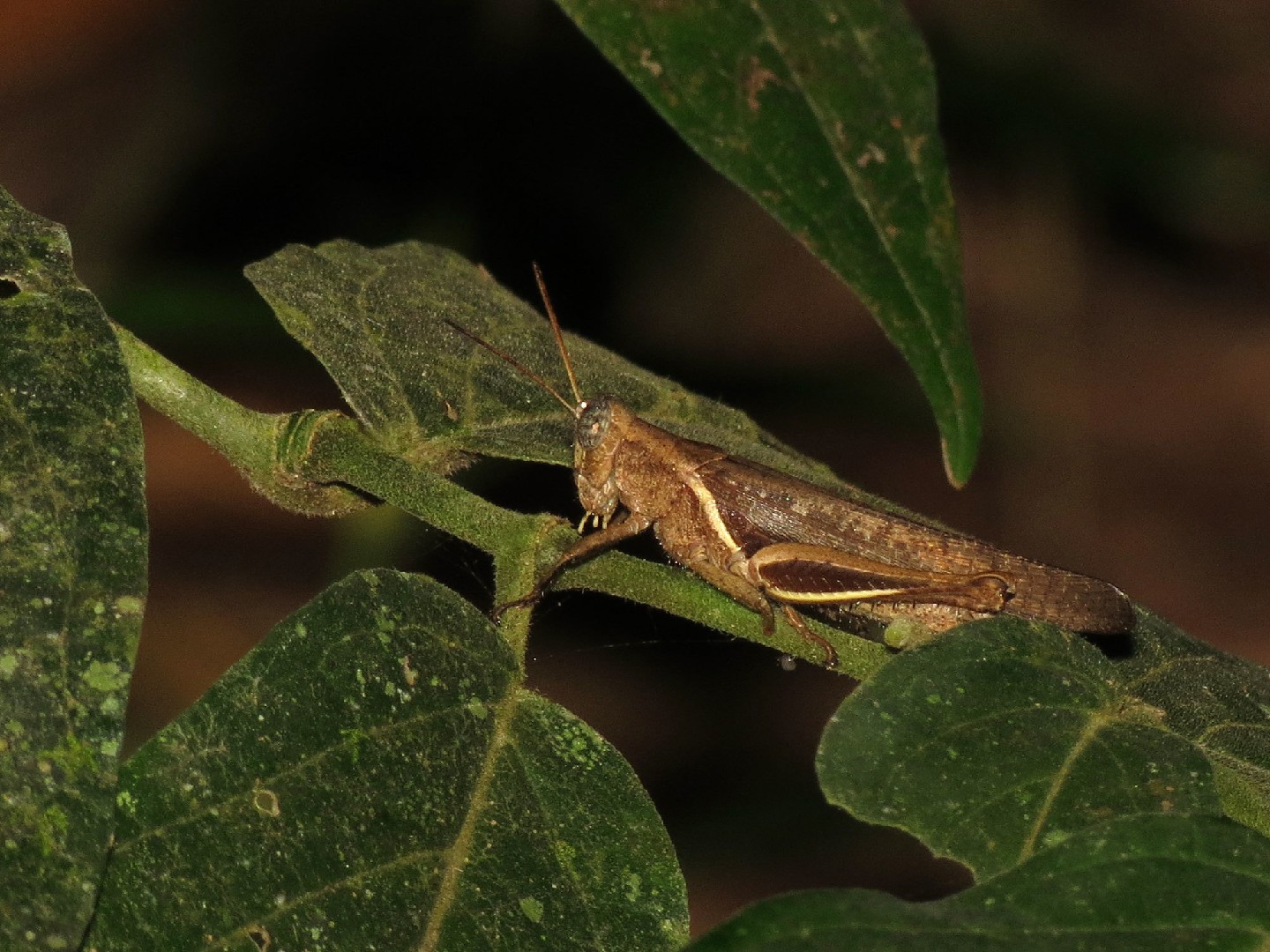
7. Abracris flavolineata
Abracris flavolineata is a right-winged insect from the family locusts (Acrididae). The scientific name of this species was first validly published in 1773 by De Geer.
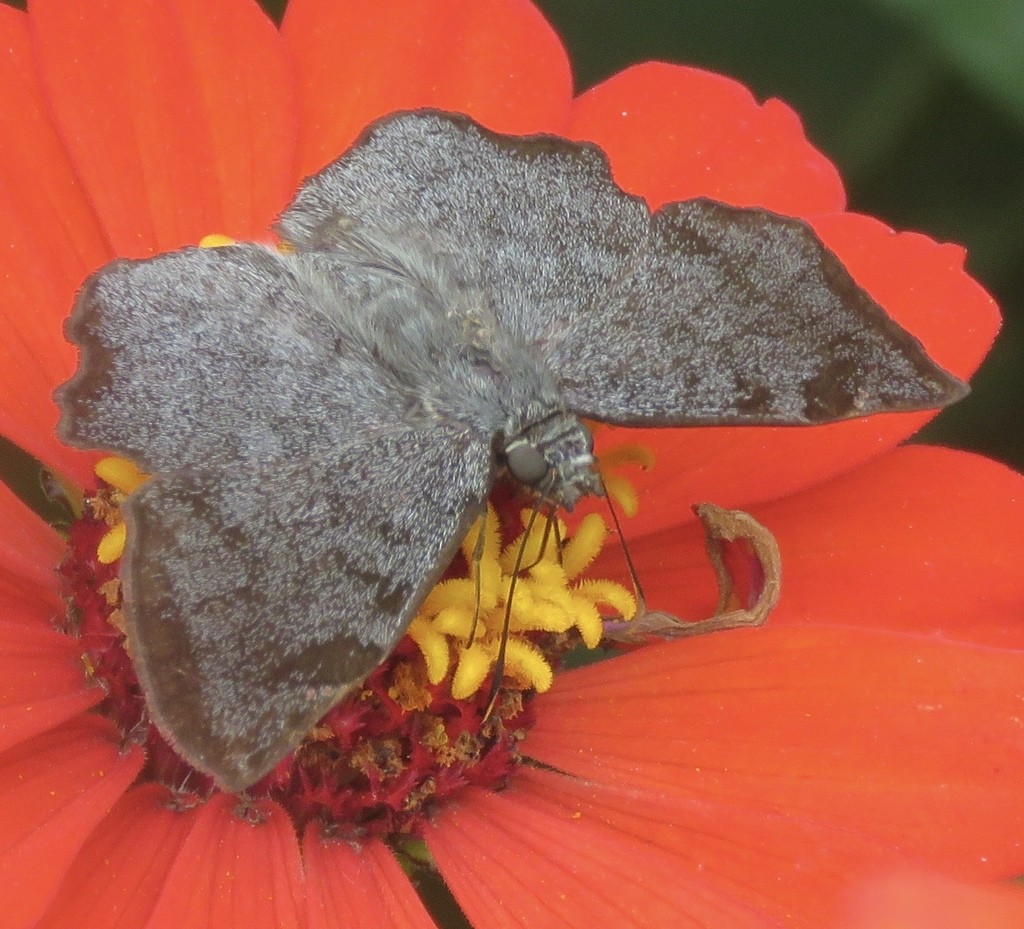
8. Common dusted spurwing
9. Ello sphinx
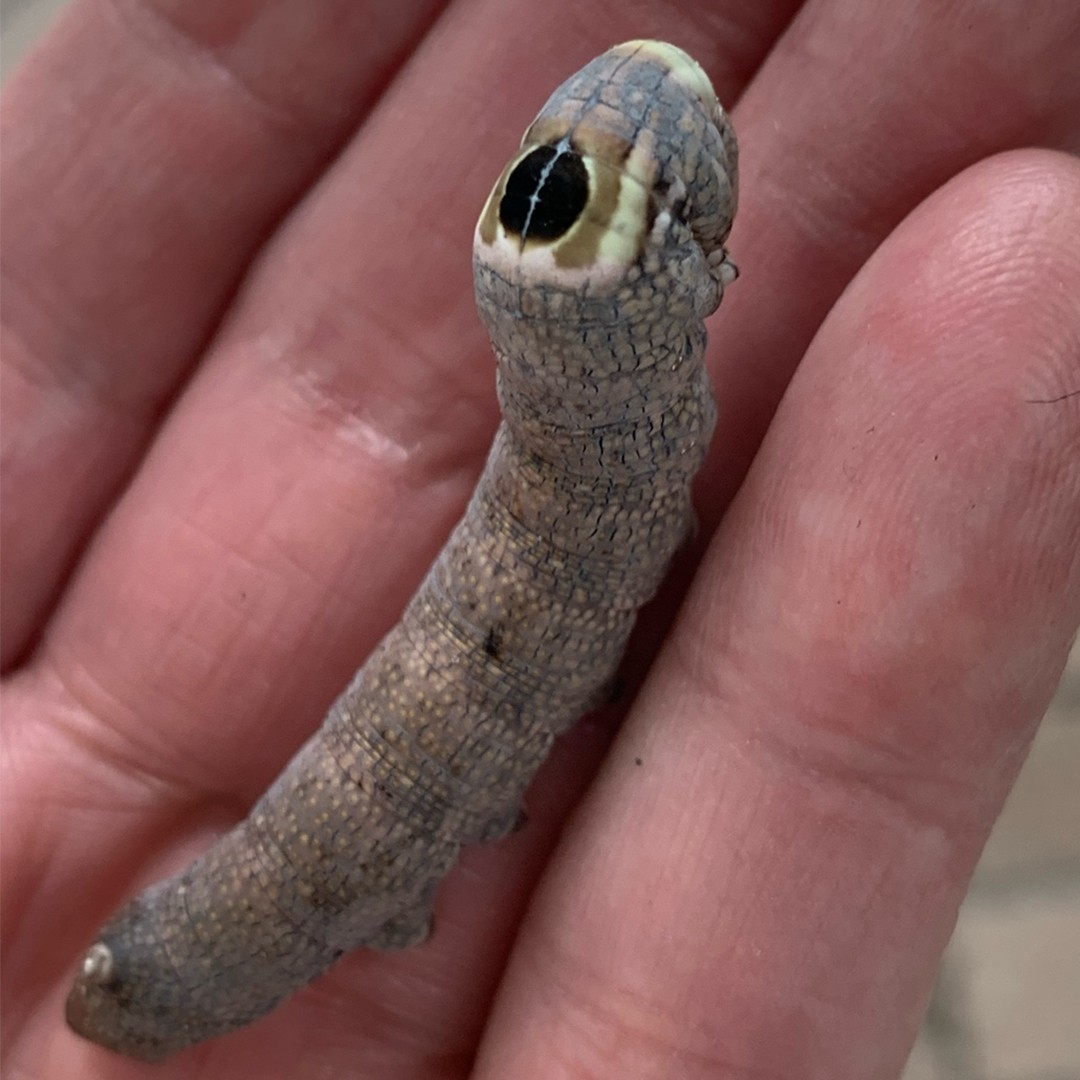
Erinnyis ello, the ello sphinx, is a moth of the family Sphingidae. The species was first described by Carl Linnaeus in his 1758 10th edition of Systema Naturae. It is distributed from Argentina through Central America to the United States as far north as Nevada. The wingspan is 75–85 mm. The abdomen has gray and black bands. The forewing upperside of the female is pale gray with a few dark dots near the outer margin, while the forewing upperside of the male is dark gray and brown with a black band running from the base to the tip. In both sexes, the hindwing upperside is orange with a wide black border. Adults are on wing year-round in the tropics and southern Florida. Adults feed on the nectar of flowers, including common soapwort (Saponaria officinalis) and Chinese violet (Asystasia gangetica). The larva feeds on a variety of host plants, including papaya (Carica papaya) in the family Caricaceae; poinsettia (Euphorbia pulcherrima), Mexican jumping bean (Sebastiania pavoniana), Cnidoscolus urens, and cassava (Manihot esculenta) in the Euphorbiaceae; guavas (Psidium spp.) in the Myrtaceae; and saffron plum (Sideroxylon celastrinum) in the Sapotaceae. The ello sphinx can be parasitized by the braconid wasp Microplitis figueresi.
10. Graceful twig ant
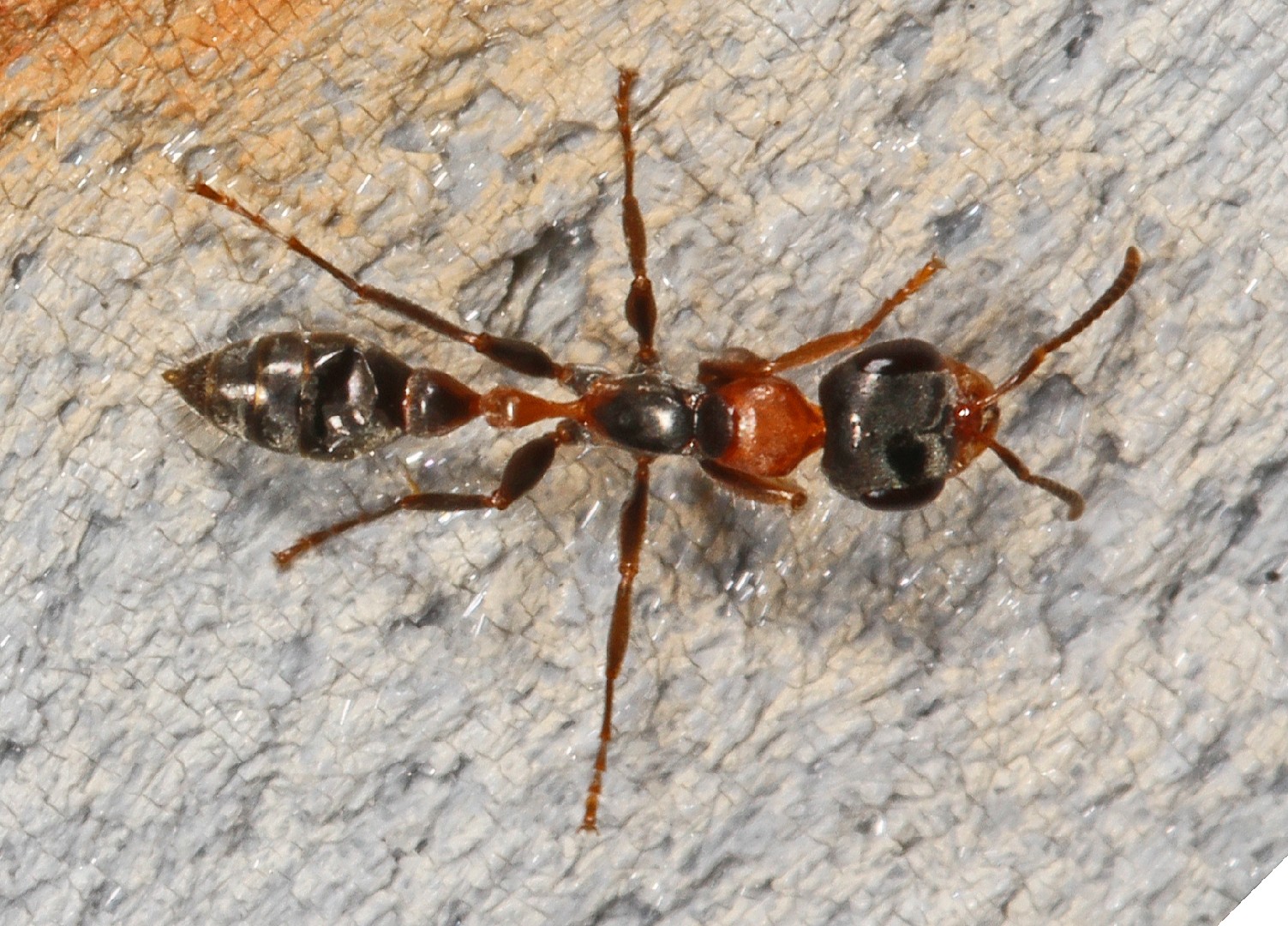
The graceful twig ant (Pseudomyrmex gracilis) is a solitary wasp-like ant that can deliver a powerful sting if threatened. It lives in a small nest with a single queen, whose only role is to lay eggs once enough workers are born. This species eats a wide range of items, including live insects and fungus spores.

More







