




Top 20 Most Common Insects in Brotas de Macaubas
Insects, distinguishable by their segmented bodies and jointed legs, are a notable part of Brotas de Macaubas's biodiversity. The variety of geographical locales across the region plays a integral role in nurturing the existence of diverse species. These tiny creatures really punch above their weight in the ecosystem, acting as both pests and beneficial organisms. In our list of the 'Top 20 Most Common Insects', we will delve into the intriguing correlation between Brotas de Macaubas's environments and the life cycle of a wide array of insects.

Most Common Insects
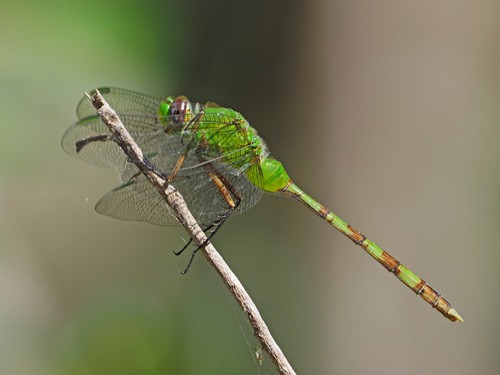
1. Great pondhawk
The erythemis vesiculosa is a dragonfly species of the genus Erythemis from the subfamily Sympetrinae. Its distribution area extends from the south of the USA throughout Central and South America.
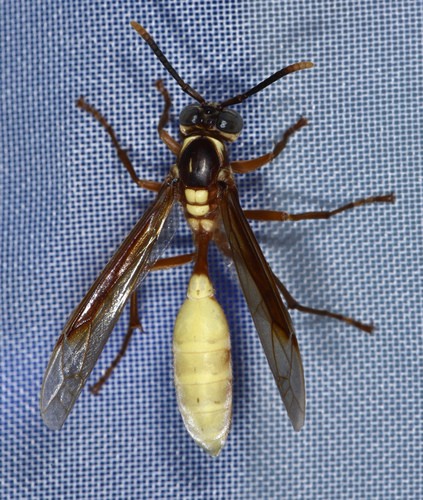
2. Central american paper wasp
Apoica pallens is pale yellow in color. In Apoica pallens, queens and workers are usually about the same total size, but queens tend to be smaller than workers anteriorly and significantly larger posteriorly. 
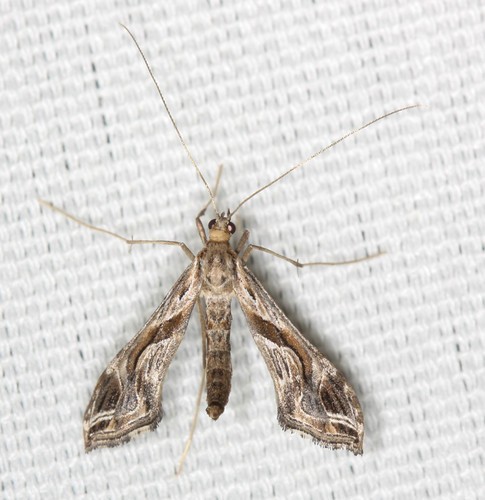
3. Eggplant leafroller
The wingspan is about 1.8 cm. The forewings are light brown with a dark brown arc which starts at the inner margin and ends in the subterminal area. There is a dark brown semicircular patch along the costa near the apex, which is outlined in white. The hindwings are greyish brown.
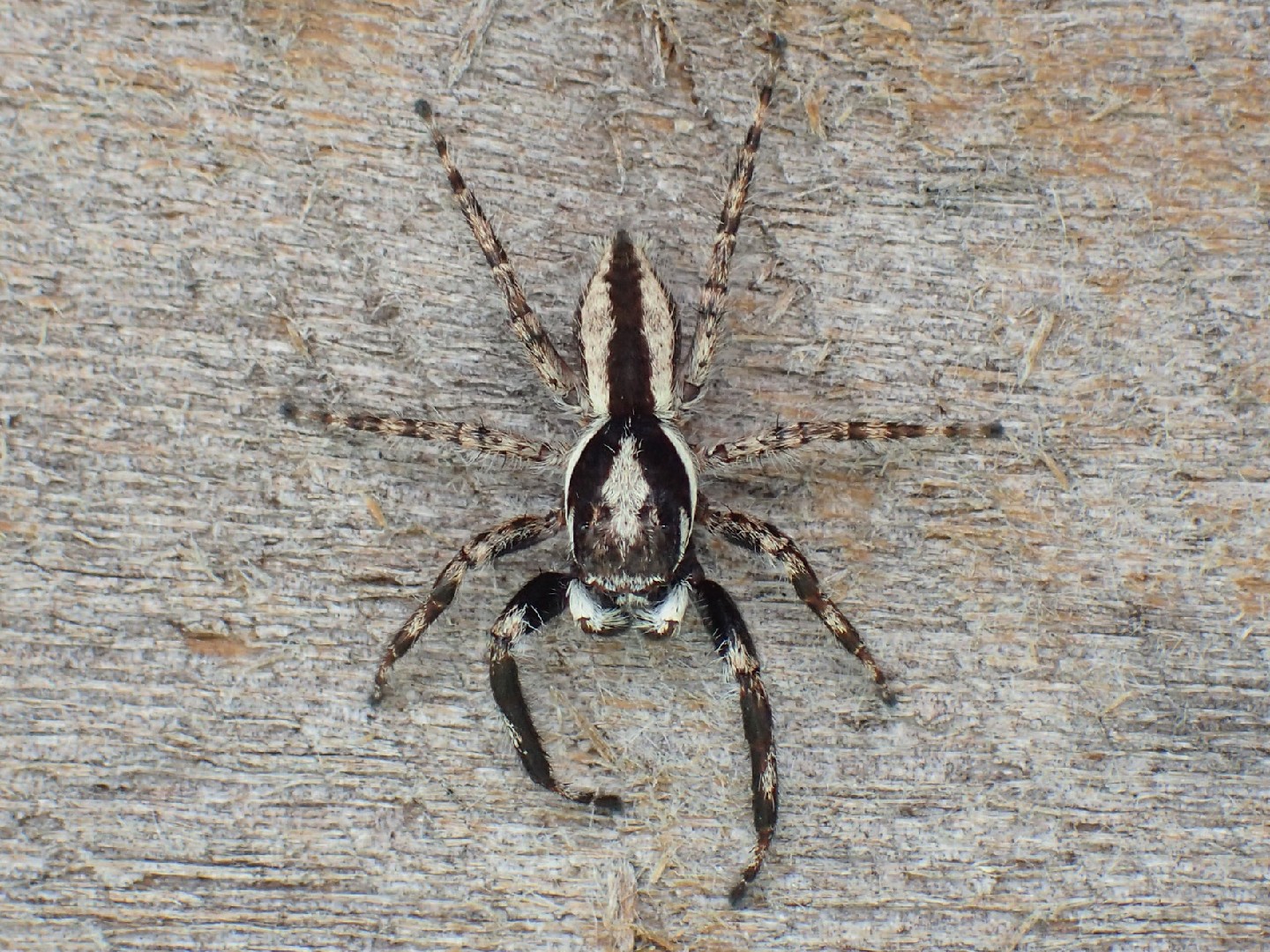
4. Gray wall jumper
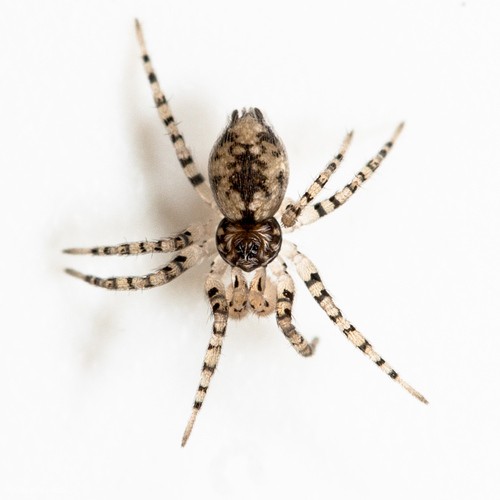
The female gray wall jumper lays her eggs in cracks or other hidden areas. The young and mature spiders feed on flies, making them useful residents in a household. They do not make webs, but carefully hunt and jump on their prey.
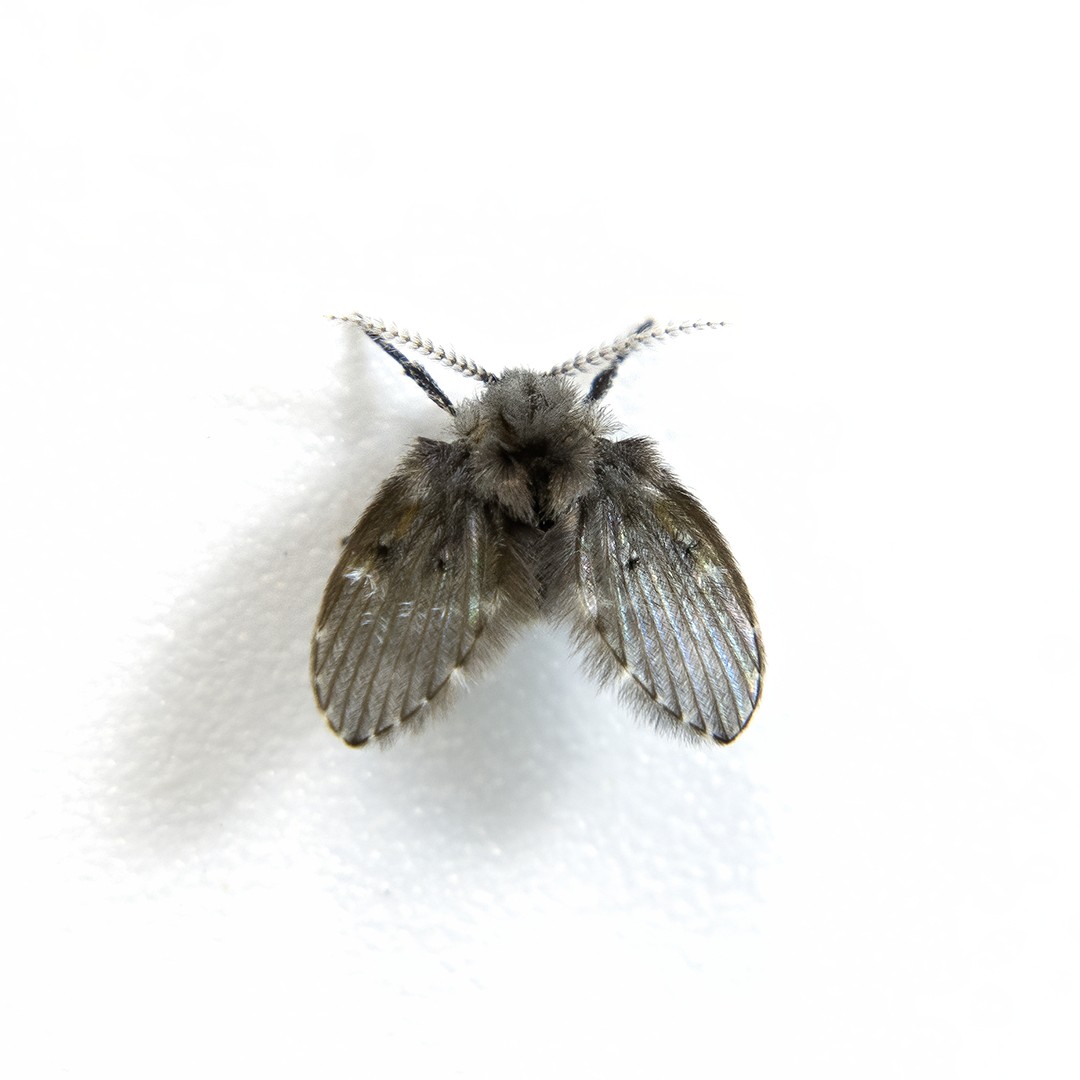
5. Telmatoscopus albipunctata
Telmatoscopus albipunctata is also known as the "mothfly" or "filter fly" due to the small hairs on their wings similar to a moth. The larvae live in mud, decomposing plant matter, and water, and the adults also like to live in dark, moist areas. They are commonly found in human residential areas in drains or sewers.
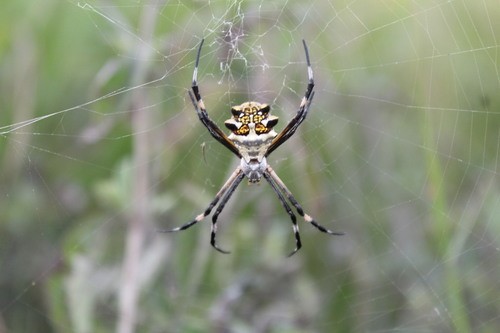
6. Silver argiope
The silver argiope (Argiope argentata) often creates unique zigzag patterns on its webs. It's usually found in warm, dry areas, especially on cacti and aloe vera plants. The females are much larger than males. They can bite and cause irritation to the skin, but the damage won't be life-threatening.
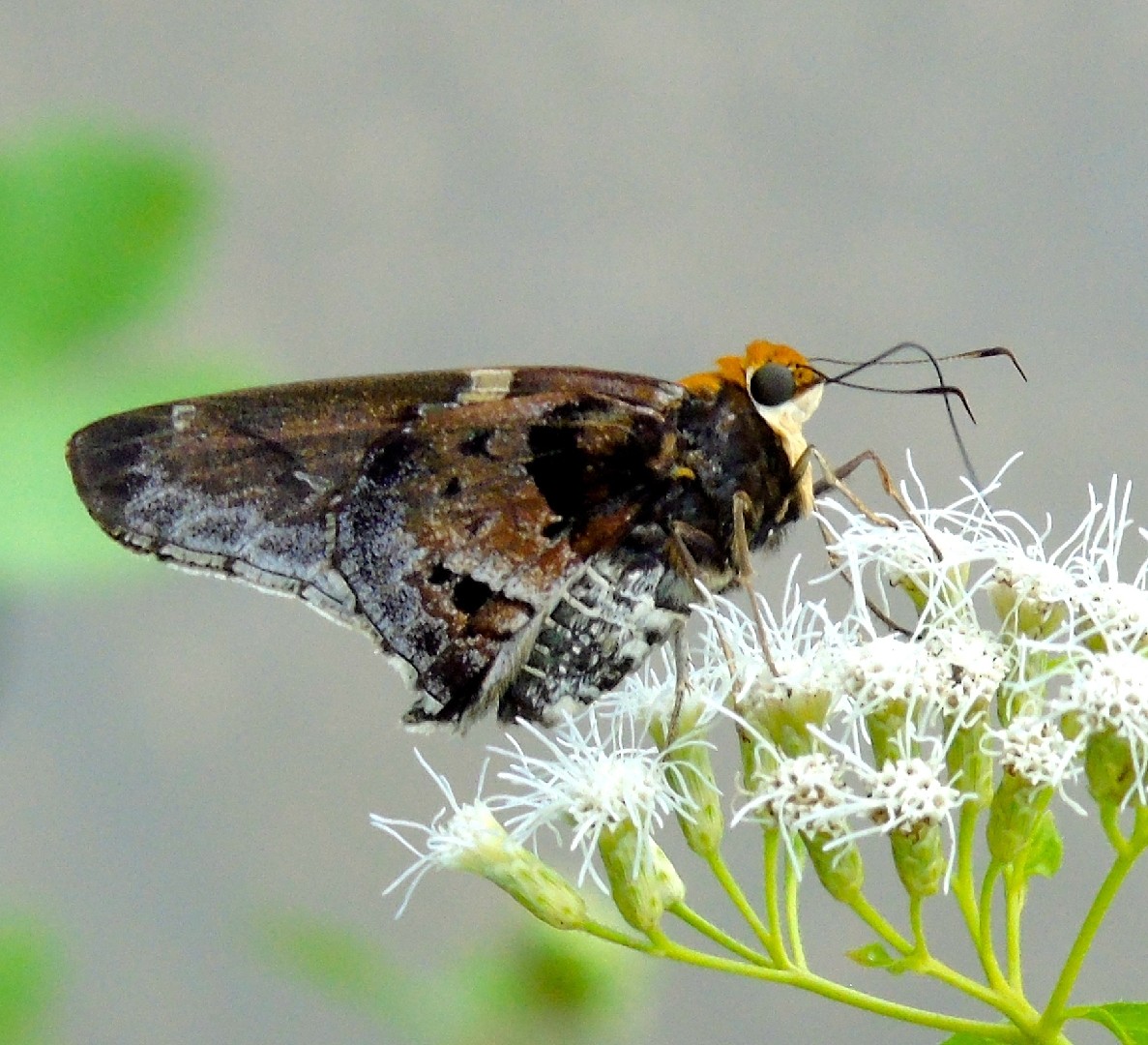
7. Mercurial skipper
Proteides mercurius is a butterfly from the family of Proteides mercurius (Hesperiidae). The scientific name of the species was first validly published in 1787 by Johann Christian Fabricius.
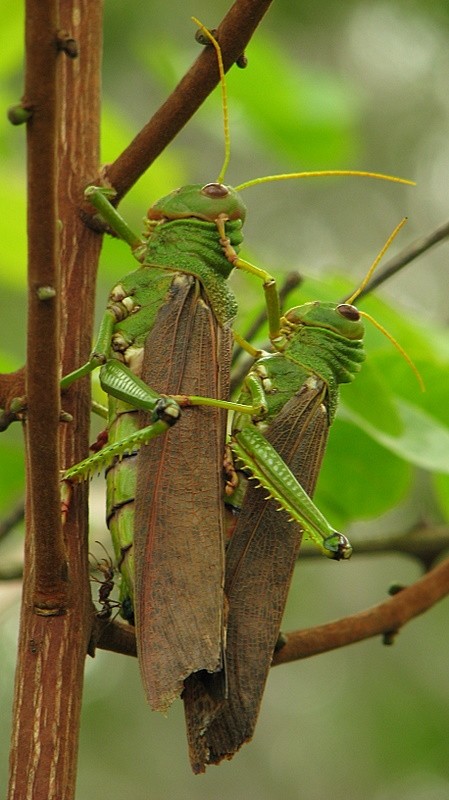
8. Blue-winged grasshopper
Tropidacris collaris is a right-winged insect from the Romaleidae family. The scientific name of this species was first validly published in 1813 by Stoll.
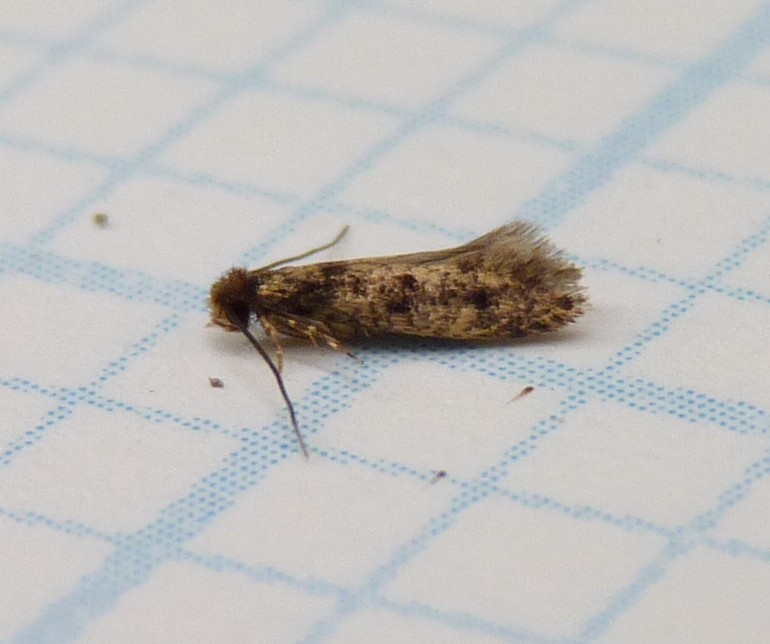
9. Household casebearer
The household casebearer is a moth commonly found in households in warm, humid areas. The larvae form a distinctive silk case around themselves for protection and camouflage. They then feed on silk (mostly from spider webs), wool, human hair, and dander before entering the next stage of their life cycle.
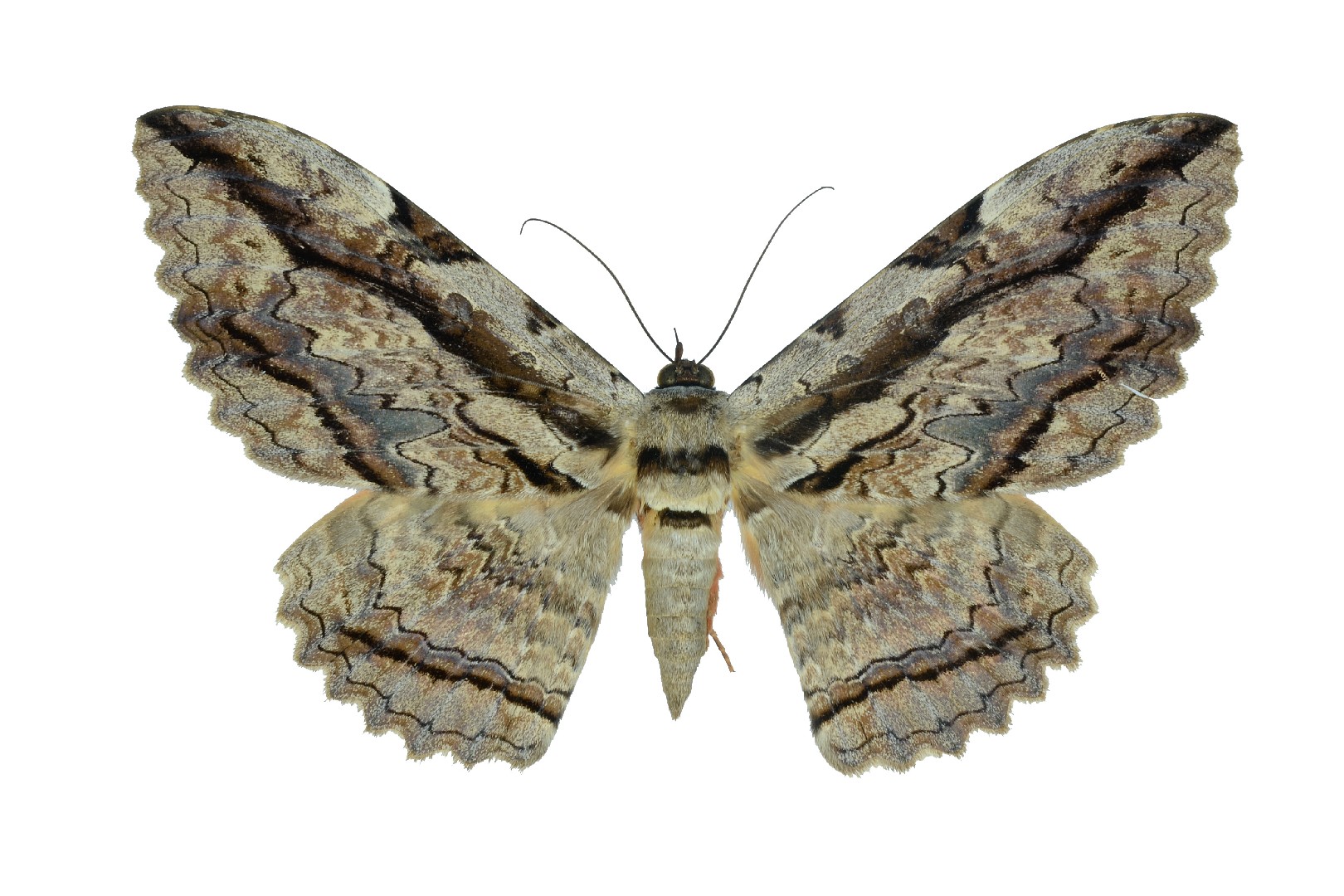
10. Owl moth
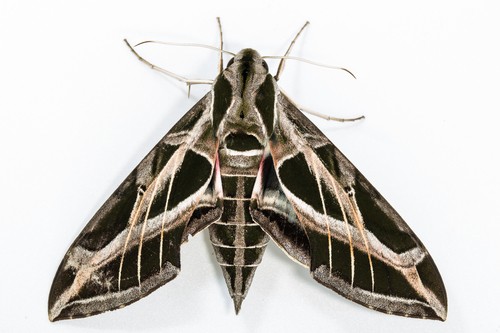
Upperside: Antennae setaceous and dark brown. Head the same. Thorax and abdomen grey: having a tuft of black hairs standing between them. General colour grey, faintly tinged with red. Anterior wings with a remarkable irregular black bar running from the tips to the shoulders, crossing the thorax horizontally, and parallel with the anterior edges; on the middle of this edge is a triangular dark brown spot edged with black, and nearer the body is a smaller one of the same shape and colour: a second narrower black line is situate about half an inch below, and parallel with the first, rising on the posterior edges, and extending across the wings almost to the external ones. Posterior wings with a black irregular bar arising near the external corners, and crossing them in a straight direction, meeting at the extremity of the abdomen; just above this, and almost close to it, is a very small and narrow waved black line running parallel with it, but towards the end suddenly turns off, and reaches the anterior edges. Besides the above markings there are a number of lighter and darker shades interspersed on the different parts of the wings. Underside: Palpi reddish, the extremities brown. Tongue spiral. Legs dark brown, mottled with red. Breast, abdomen, and sides red. Wings greyish red, with black indented lines and bars running parallel with the edges of the wings, and regularly placed one above another. Anterior wings having a black spot near their centre shaped like a kidney bean, with a small round one at a little distance nearer the body. Posterior having likewise a small black spot about half an inch from the base. Margins of the wings rather deeply scolloped. Wingspan 5 ⁄2inches (140 mm).

More







