




Top 18 Most Common Insects in Fortaleza
Insects, a diverse category of small creatures that rule the realm of Fortaleza, are intricately tied to their unique geography and ecosystems. The location's varied terrain shapes the great diversity of these insects, making Fortaleza a vibrant canvas of insect life. Insects are pivotal cogs in nature, with roles ranging from pests to beneficial pollinators. This unique bond between insects and their environment, crucial for both nature and humans, fuels our fascinating Top 18 list.

Most Common Insects
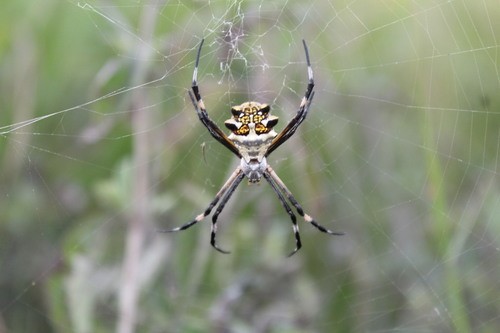
1. Silver argiope
The silver argiope (Argiope argentata) often creates unique zigzag patterns on its webs. It's usually found in warm, dry areas, especially on cacti and aloe vera plants. The females are much larger than males. They can bite and cause irritation to the skin, but the damage won't be life-threatening.
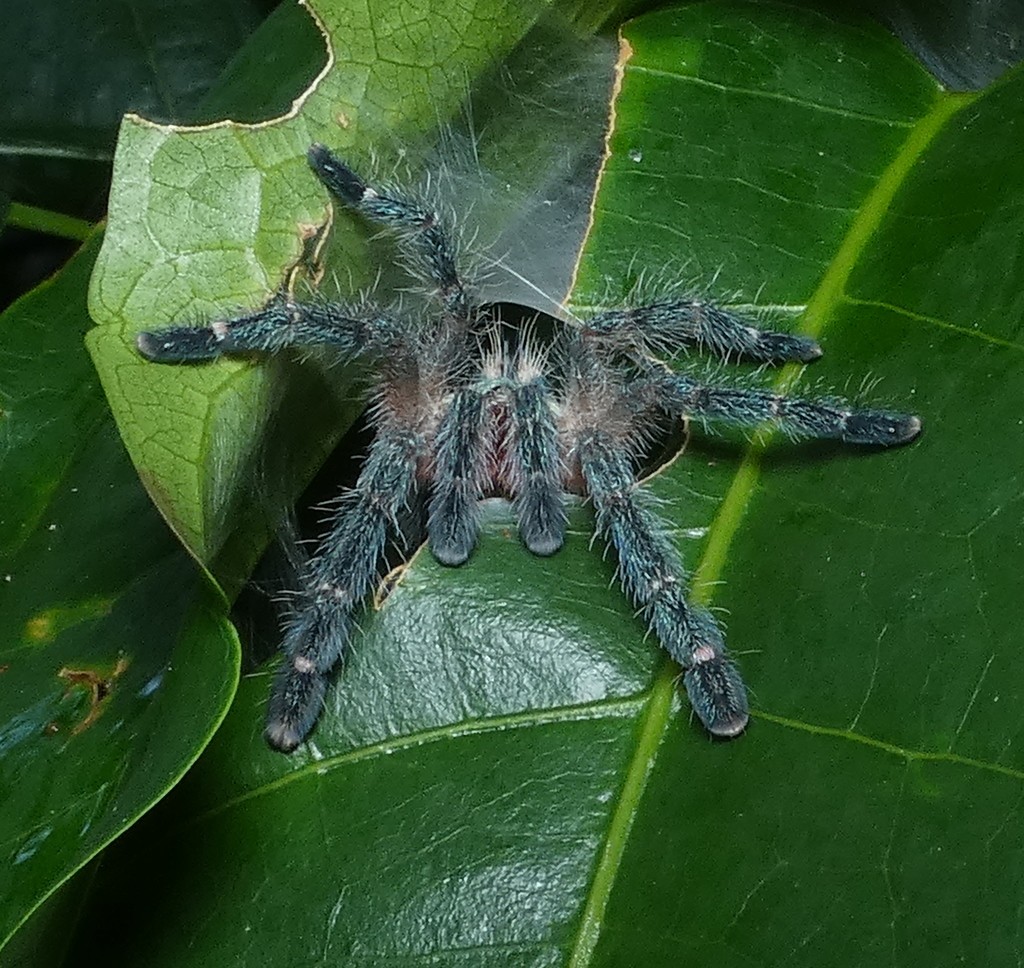
2. Amazon ribbed tarantula

3. Amazon recluse
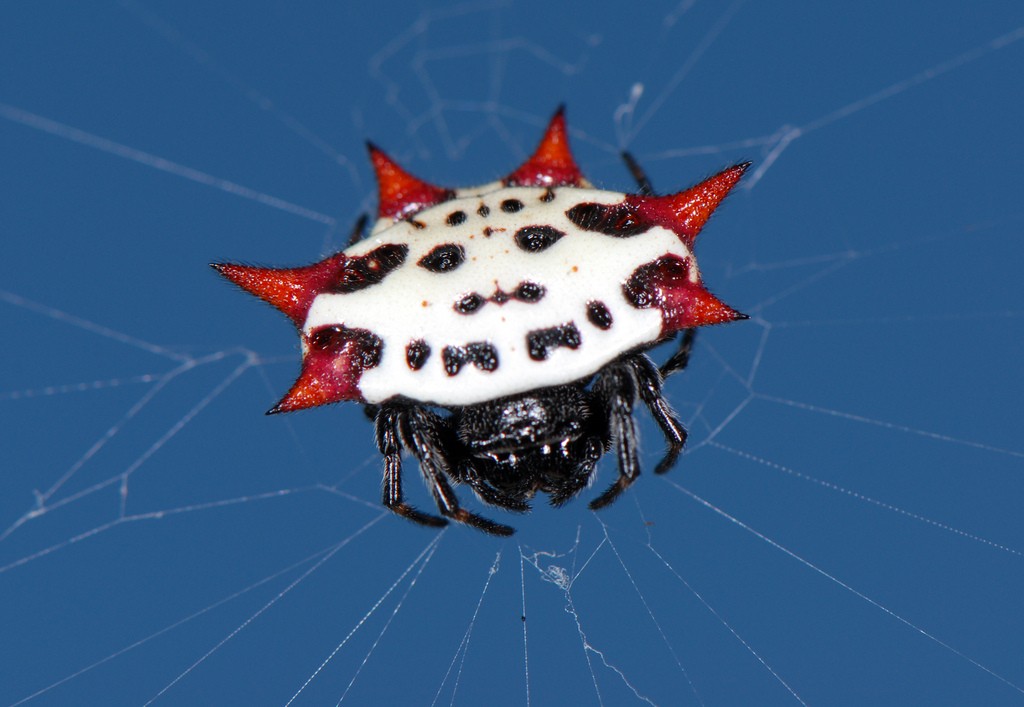
4. Spinybacked Orbweaver
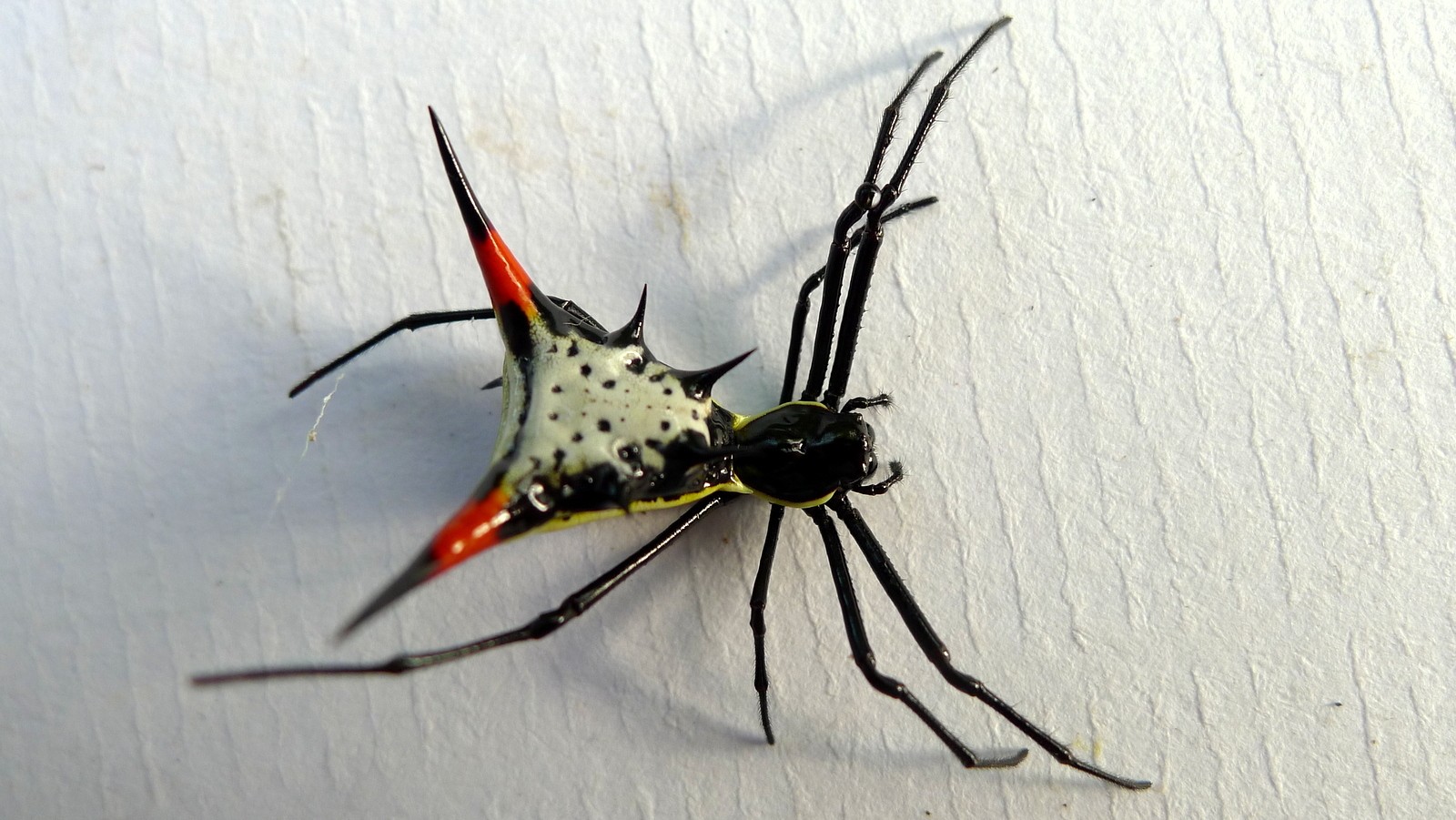
The spinybacked Orbweaver (Gasteracantha cancriformis) has a crab-like structure with six spines on its abdomen. The color of this species varies based on where it lives, and the colors are usually red, orange, yellow, or white. Males and females communicate by creating patterns of vibration on their webs.
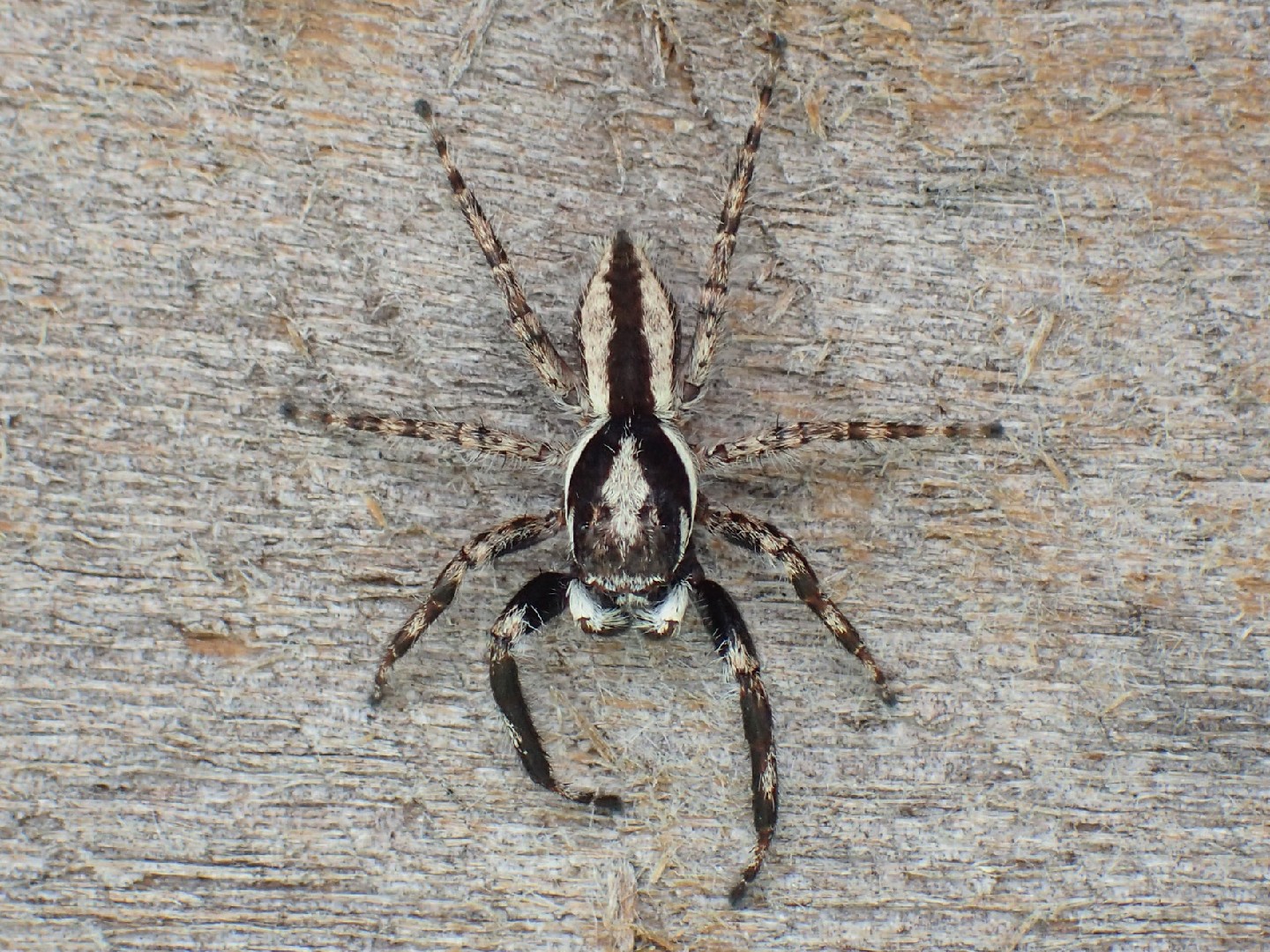
5. Gray wall jumper
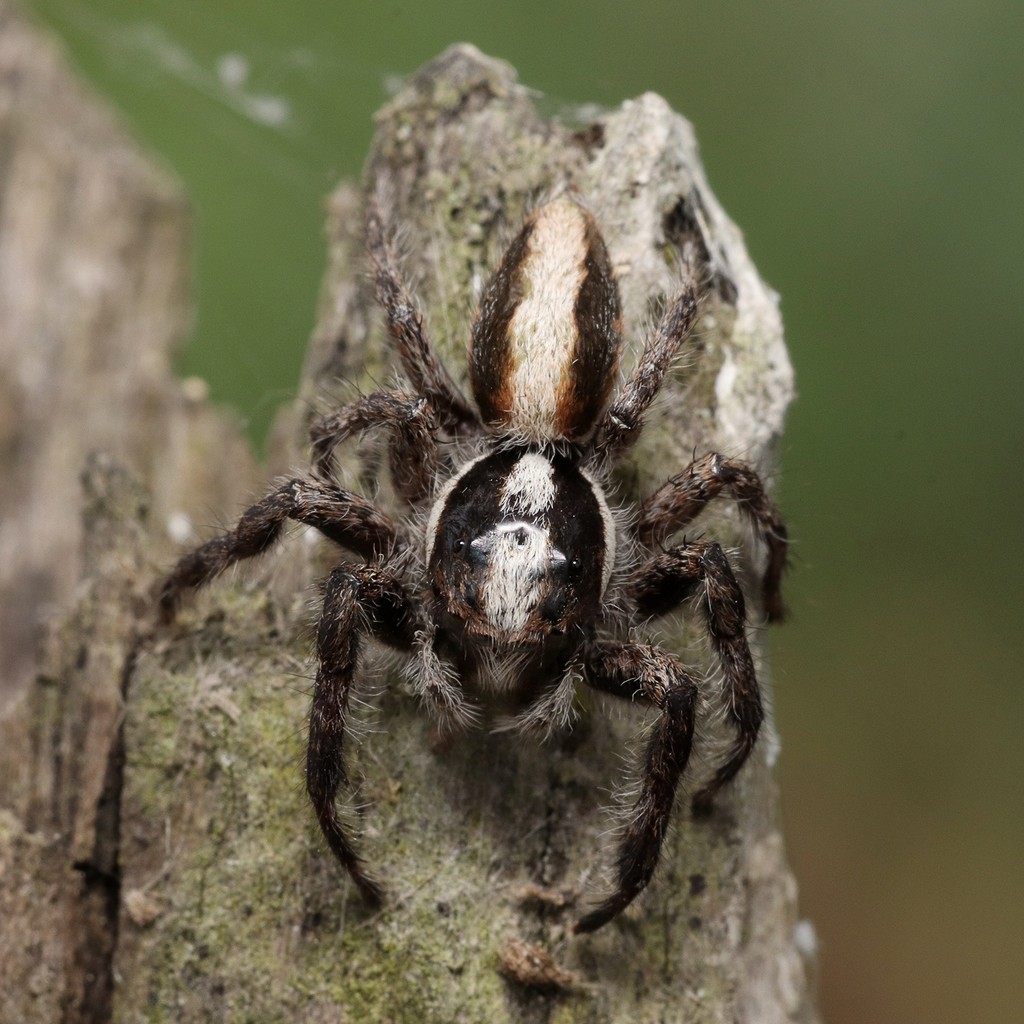
The female gray wall jumper lays her eggs in cracks or other hidden areas. The young and mature spiders feed on flies, making them useful residents in a household. They do not make webs, but carefully hunt and jump on their prey.
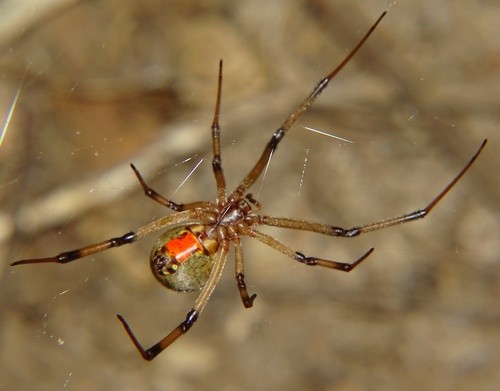
6. Brown Widow
The brown Widow (Latrodectus geometricus) is a lighter color with an orange hourglass shape on its abdomen, different from the black widow. They are known as "cobweb spiders" because they have an odd way of making webbing. Brown Widows have a toxic bite which is weaker in the males. It is said that brown Widows regularly fight for territory against black widows.
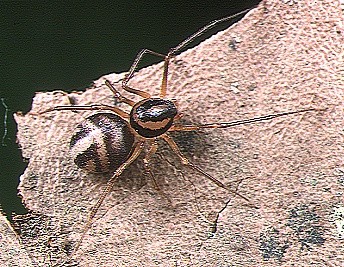
7. Brown spitting spider
Scytodes fusca, the brown spitting spider, is a species of spitting spider in the family Scytodidae. It is found in Central and Southern America, has been introduced into Europe, tropical Africa, Seychelles, Myanmar, China, Japan, and Hawaii. 

8. Eriophora edax
The animal belongs to the genus Eriophora. The scientific name of the species was first validly published in 1863 by John Blackwall.
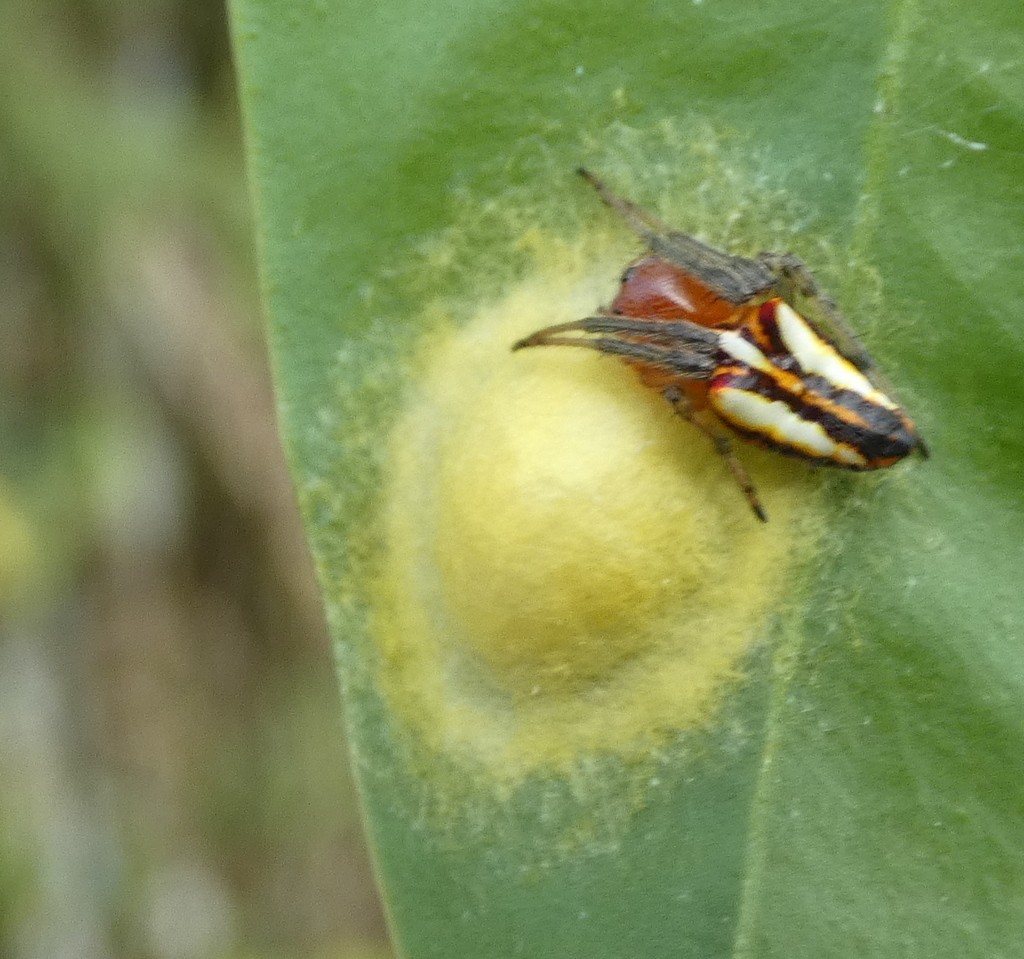
9. Alpaida bicornuta
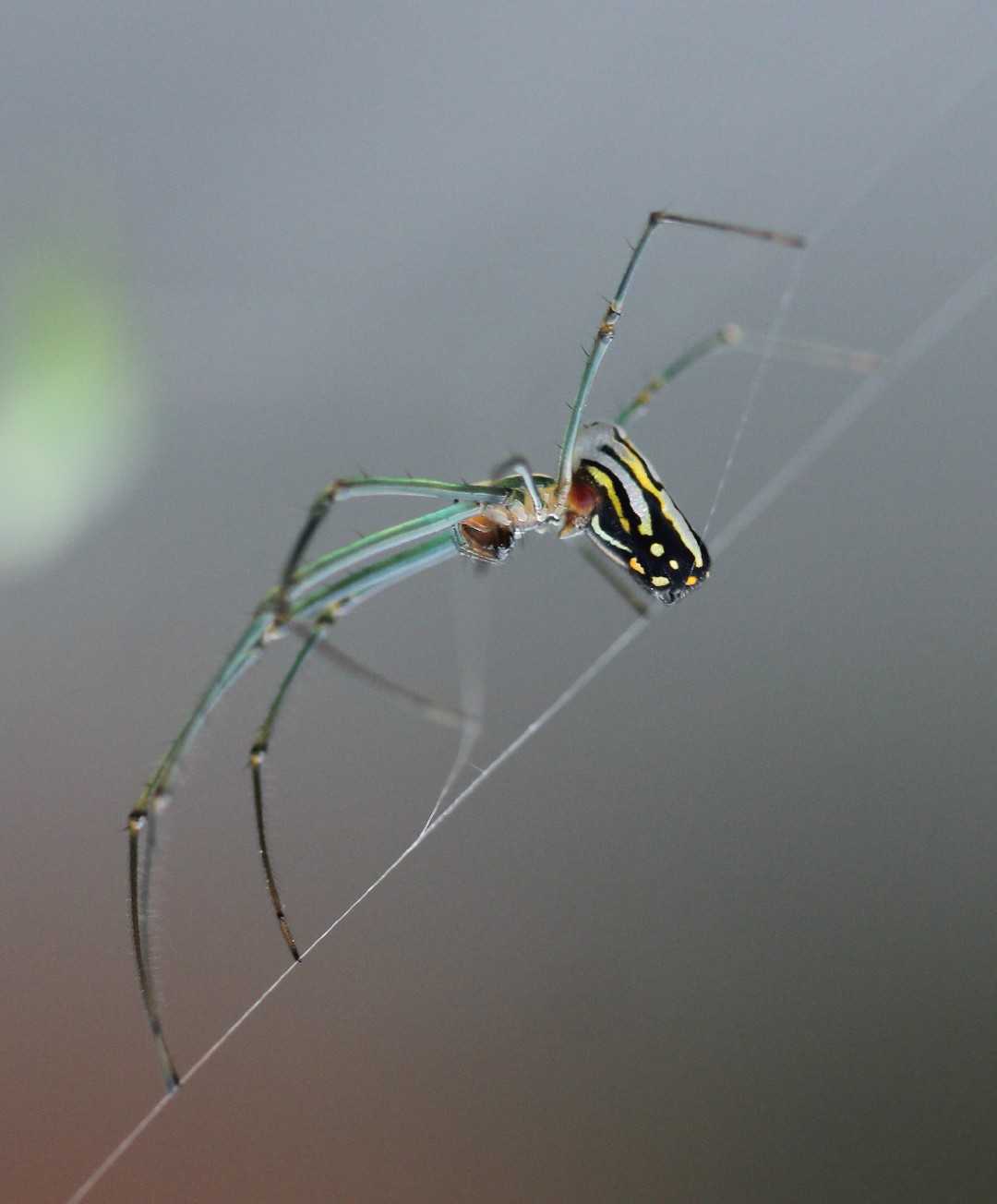
10. Argyra orchard orbweaver
Leucauge argyra has three lines on the abdomen that run parallel only about halfway across the abdomen, where the outer two bend inward before continuing parallel again through the rest of the abdomen. The web of juveniles has an upper tangle with threads connecting it to the hub and occasionally another tangle below the orb web, but these tangles are absent in webs of adults. The upper tangle consists of a few threads that cover only a narrow section across the middle of the orb.
More







