




Top 11 Most Common Insects in Peabiru
Insects are fascinating creatures that inhabit various corners of Peabiru. They are characterized by six legs, segmented bodies, and often have wings. In a region as diverse as Peabiru, different geographic locations foster an array of insect biodiversity. The insect population in Peabiru serves vital roles in the ecosystem, from effective pollinators to destructive pests. Hence, understanding more about these beings can offer insights into the dynamic relationship between the state's environment and its insect inhabitants. Enjoy as we explore the 11 most common insects found in Peabiru.

Most Common Insects
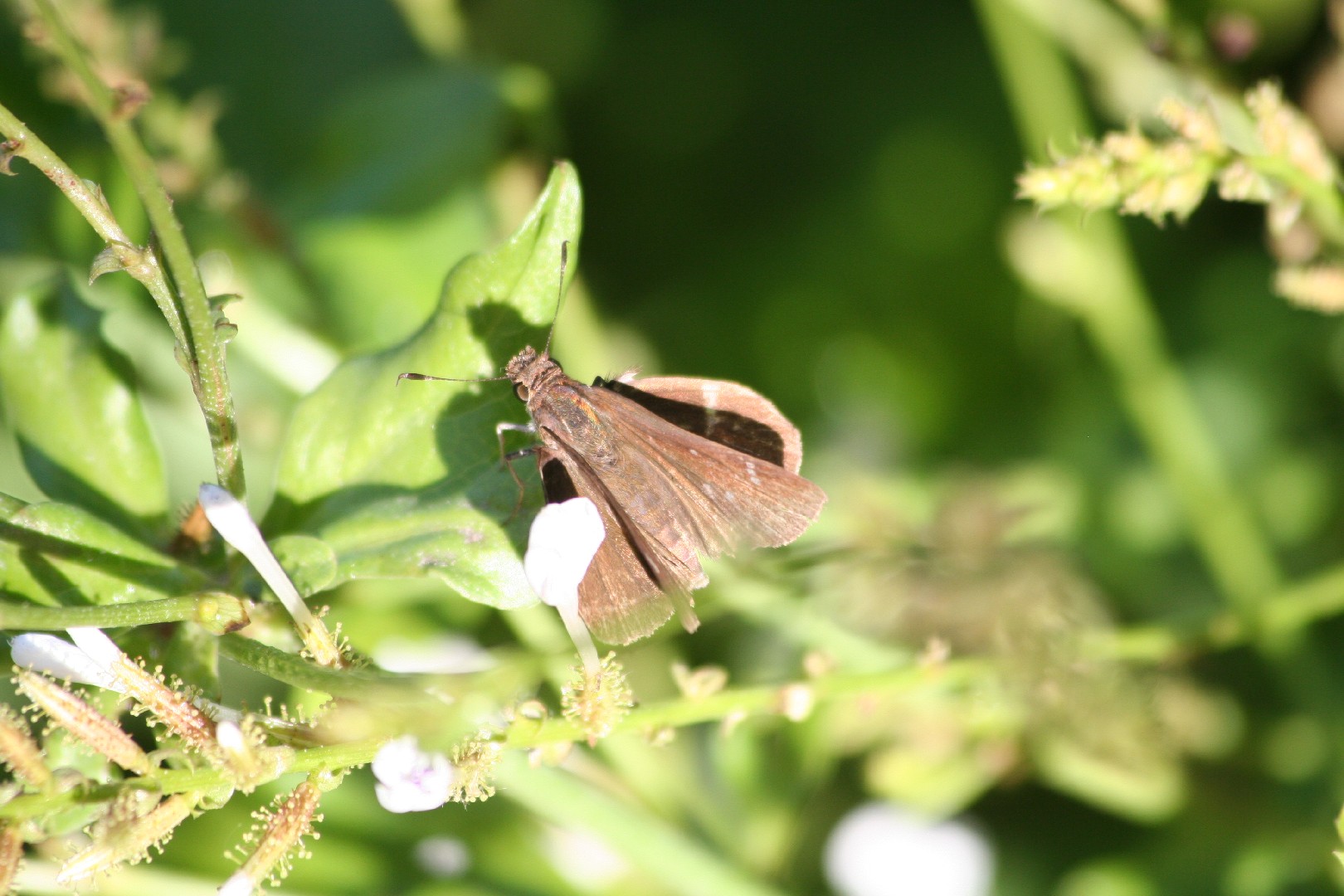
1. Mellana eulogius
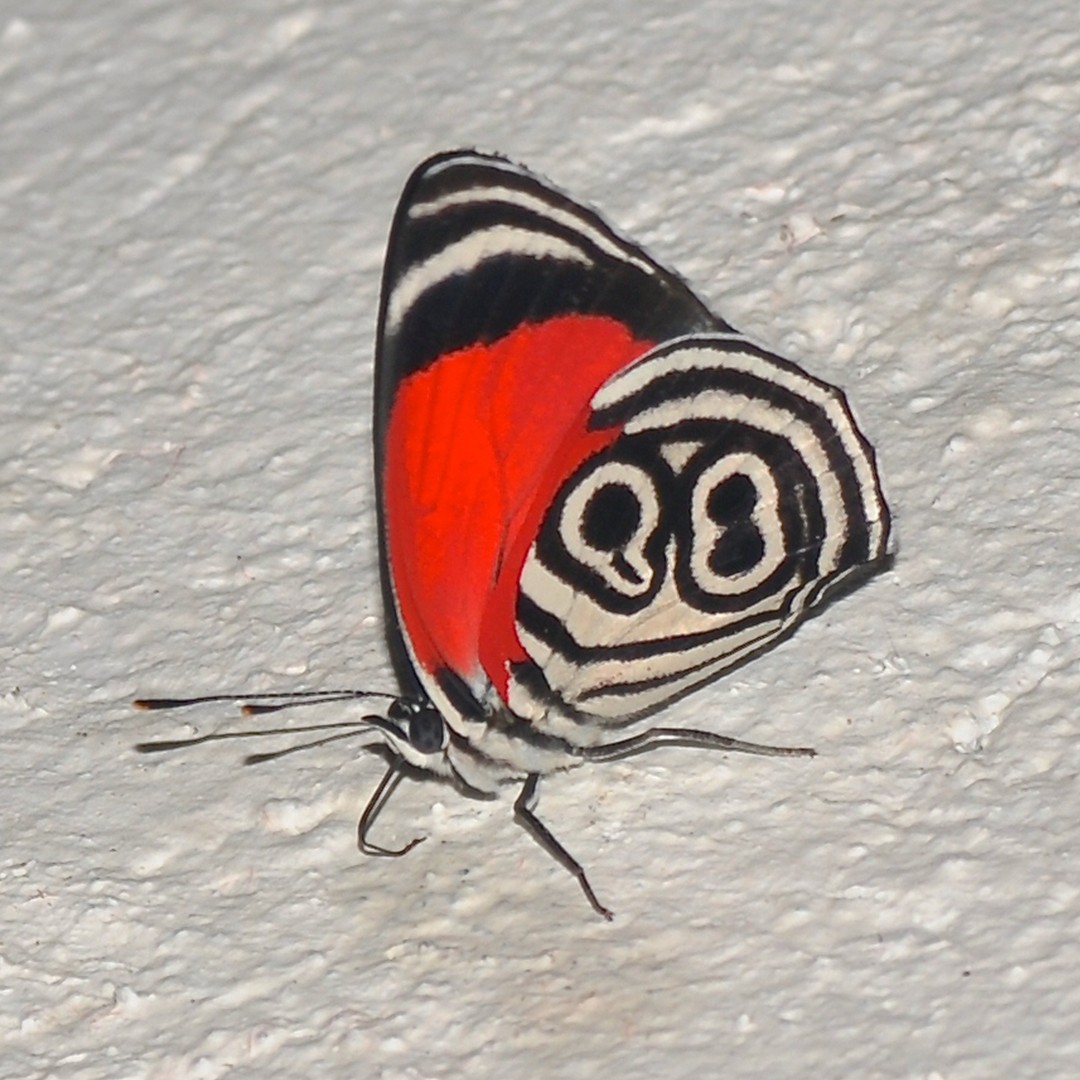
2. Cramer's eighty-eight
The wingspan is about 3 - 4 cm. Adults are black with a blue band on each wing. The underside is red and white with black stripes that look like an outlined number "89" or "98". 
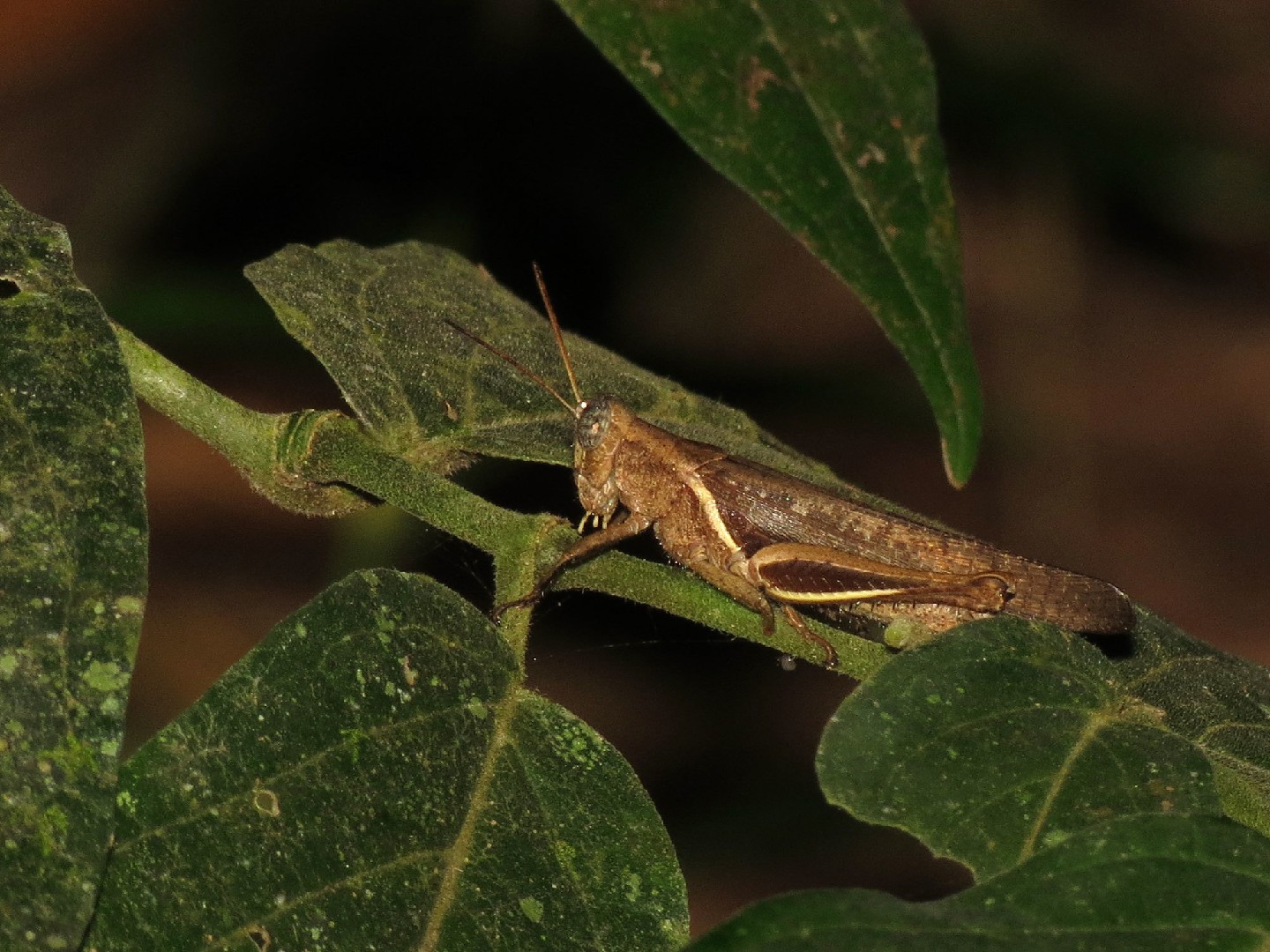
3. Abracris flavolineata
Abracris flavolineata is a right-winged insect from the family locusts (Acrididae). The scientific name of this species was first validly published in 1773 by De Geer.
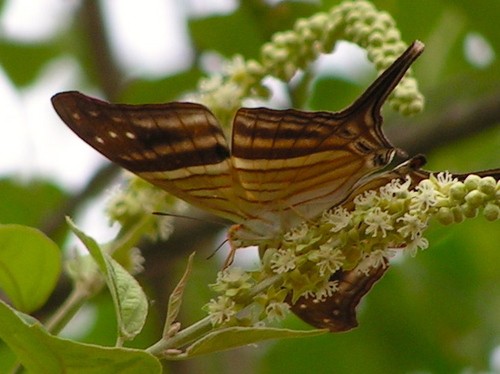
4. Many-banded daggerwing
Marpesia chiron, the many-banded daggerwing, is a species of daggerwings, map butterflies in the family Nymphalidae. It is found in Central America, North America, and South America. The MONA or Hodges number for Marpesia chiron is 4549.
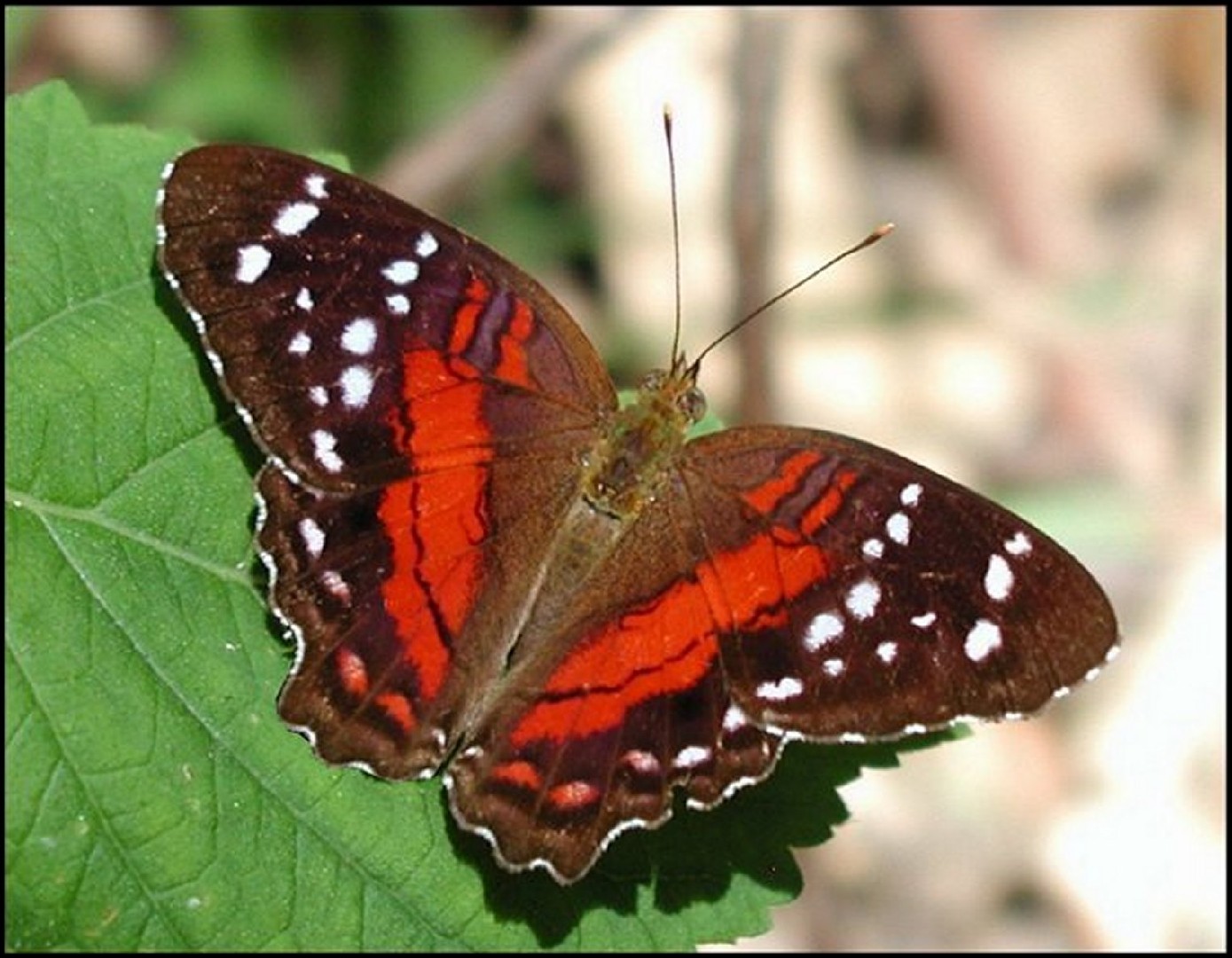
5. Scarlet peacock
Anartia amathea is a butterfly of the family Nymphalidae. In addition to A. amathea amathea there are the subspecies A. amathea thyamis and A. amathea sticheli. The species is represented in the tropical areas of Latin America and the offshore islands, such as Trinidad.
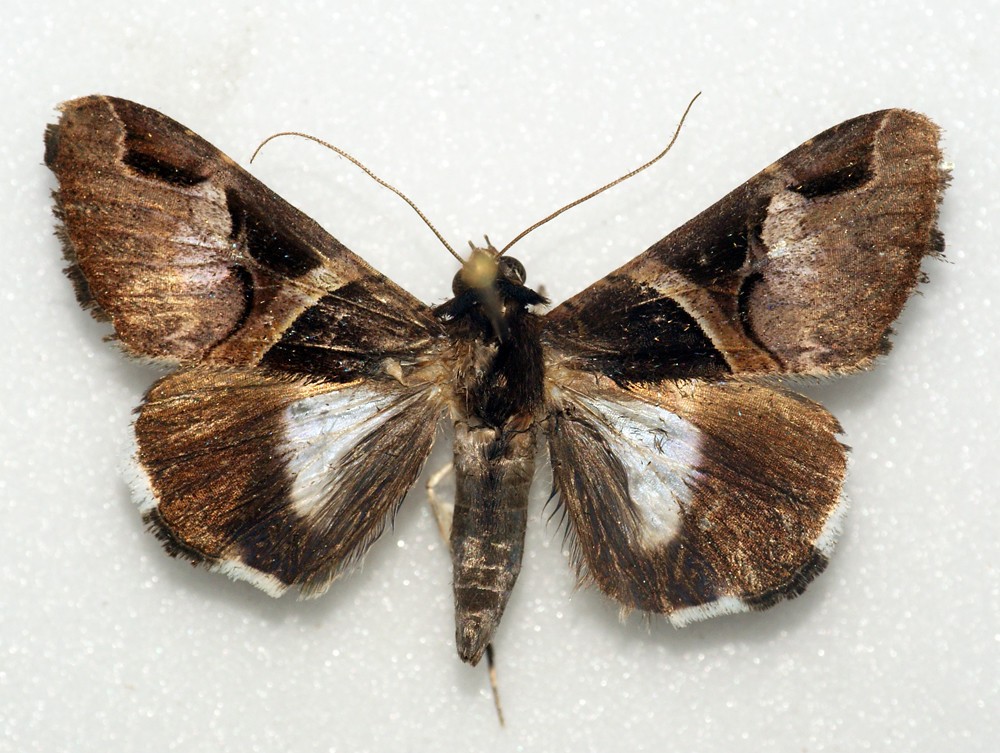
6. Fasciolated melipotis
Melipotis fasciolaris, the fasciolated melipotis or bewitching melipotis, is a species of moth in the family Erebidae. It is found from Georgia and Florida west through Texas to California, south through Central America and the Caribbean to Uruguay. The wingspan is 33–43 mm. Adults are sexually dimorphic, with males having a pale whitish to yellowish diagonal band in the antemedian area of the forewings, while in females the basal area of the forewings is light yellowish-brown. The rest of the forewings is dark brown in both males and females, except for a somewhat lighter subterminal area and a large pale reniform spot. The hindwings are black with a large white basal patch and white stripes along the outer margin in both the anal angle and the apical area. Adults are on wing year-round. The larvae feed on the leaves of Prosopis species. Adults are a pollinator of fetterbush lyonia.
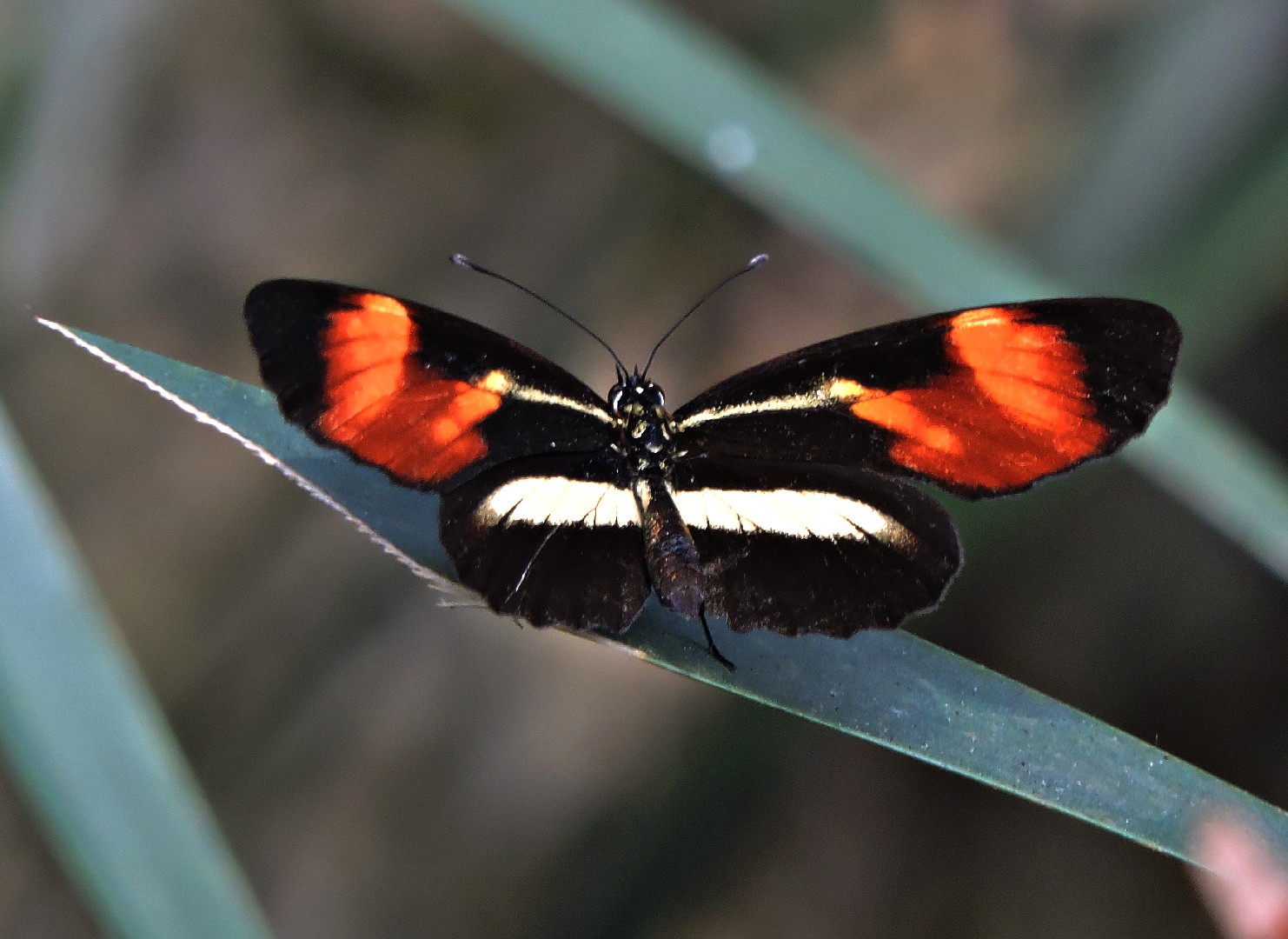
7. Lansdorf's crescent
Eresia lansdorfi has a wingspan of about 6 cm. The upperside of the wings is black. The forewings have a yellowish basal stripe, while the postdiscal area is light red brown, including the costal bar. The hindwings have a pale yellow transverse band.
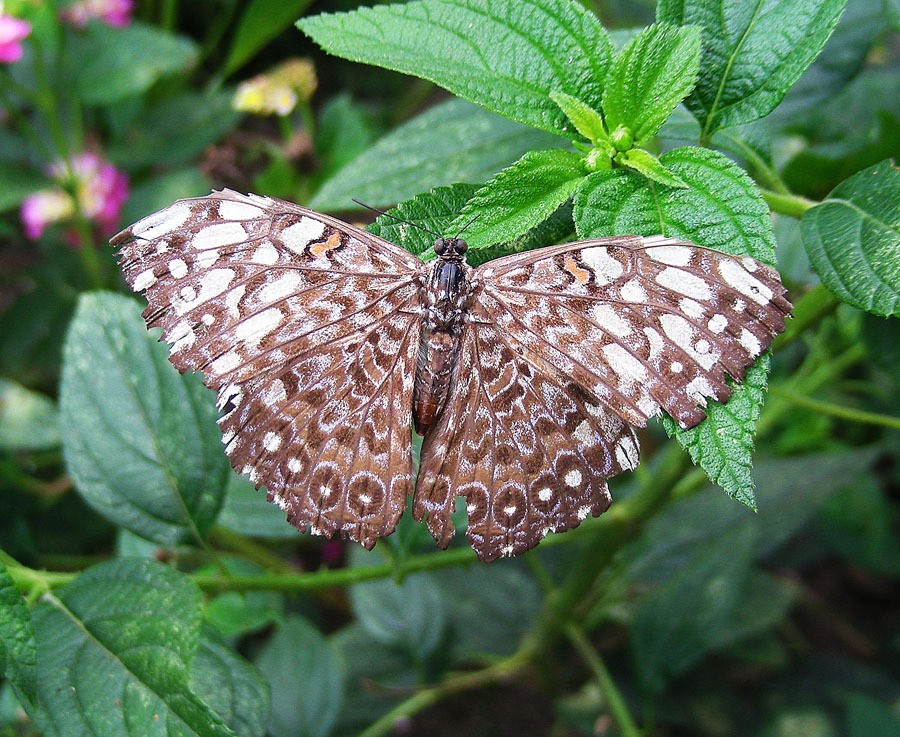
8. Variable cracker
The upperside of the fore wing is a mosaic pattern of white, brown and bluish-grey, with a row of small eyespots parallel with the outer margin; a small red bar occupies the discal cell. The upperside of the hind wing is similar but has few white patches and larger more distinct eyespots. The underside of the fore wing is white or whitish-tan with dark markings, a small red bar and a black submarginal eyespot, and the under hind wing is white or whitish-tan, with dark markings and blue rings containing larger eyespots near the rear margin. The larva has two colour morphs; it is either bluish-black above with brownish-white speckles and reddish spots on the side, or it is greyish-green with a pale-coloured longitudinal line on the side. It has dorsal spines on the second and third thoracic segments and on the seventh and eighth abdominal segments. The pupa has two long processes on its anterior end.

9. Pantherodes pardalaria
The wingspan of Pantherodes pardalaria can reach about 5 cm. These moths have yellow wings with leopard-like blue-grey blotches.
10. Illioneus giant owl
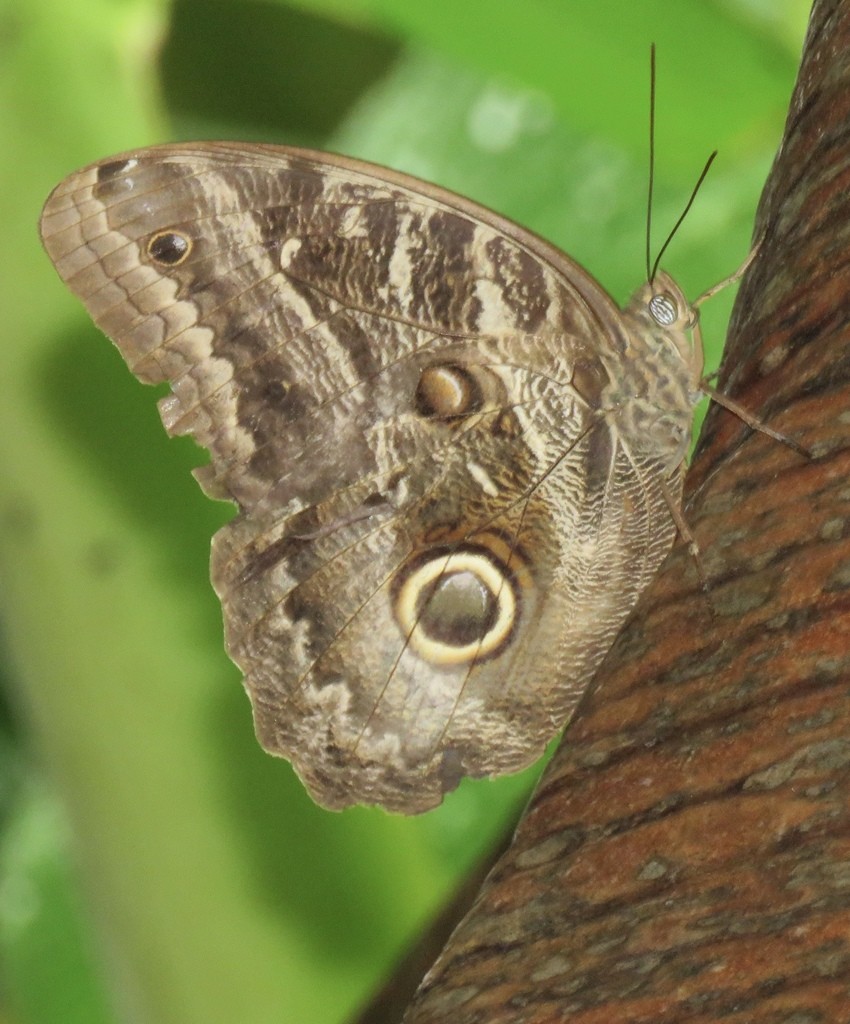
Caligo illioneus a wingspan reaching about 12 - 15 cm. In this large owl butterfly the dorsal sides of the wings vary from light brilliant blue to purplish with dark brown edges, while the undersides have a highly cryptic dull brown color, with huge yellow-rimmed eyespots resembling to the eyes of an owl. In the early stage the caterpillars are greenish with yellow stripes along the body, about 10 cm long. Later they are light brown with dark brown longitudinal stripes, about 12 cm long.
More







