




Top 16 Most Common Insects in Rio de Janeiro
Insects, with their fascinating diversity and unique features, are an integral part of the ecosystem in Rio de Janeiro. Various geographical factors within this region contribute to the rich insect biodiversity. This list of 16 most common insects will shed light upon the significant relationship between Rio de Janeiro's environment and its array of insects, beneficial and destructive alike. Their essential role in our ecosystem underlines just why these intriguing beings are worth exploring.

Most Common Insects
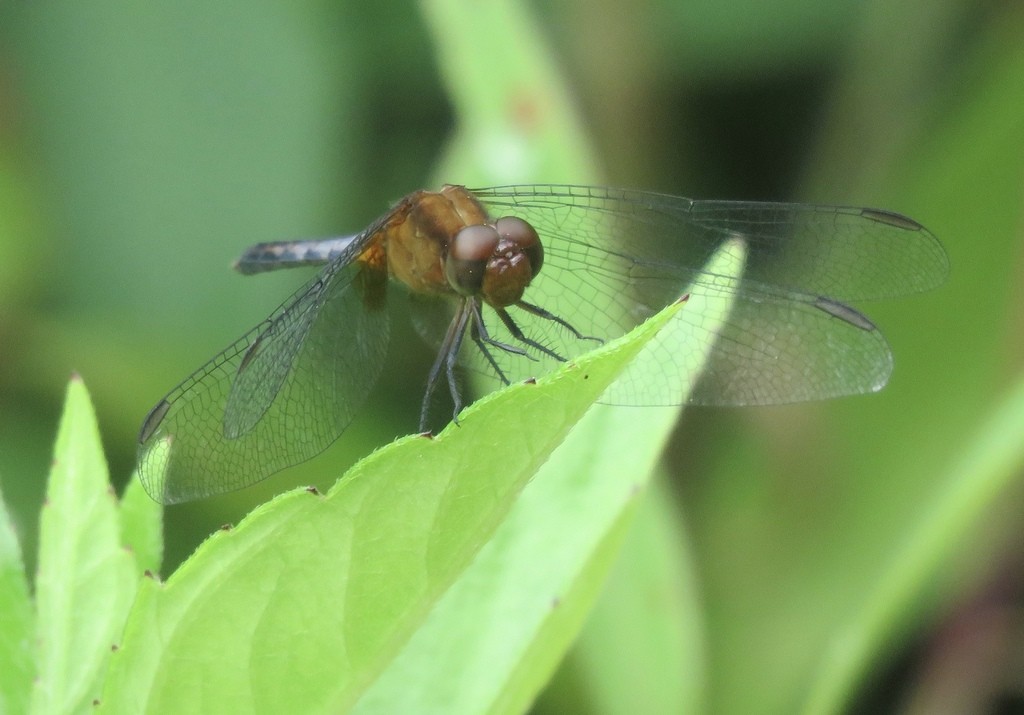
1. Red-faced dragonlet
Erythrodiplax fusca, the red-faced dragonlet, is a species of skimmer in the dragonfly family Libellulidae. It is found in Central America, North America, and South America. The IUCN conservation status of Erythrodiplax fusca is "LC", least concern, with no immediate threat to the species' survival. The population is stable. The IUCN status was reviewed in 2017. 
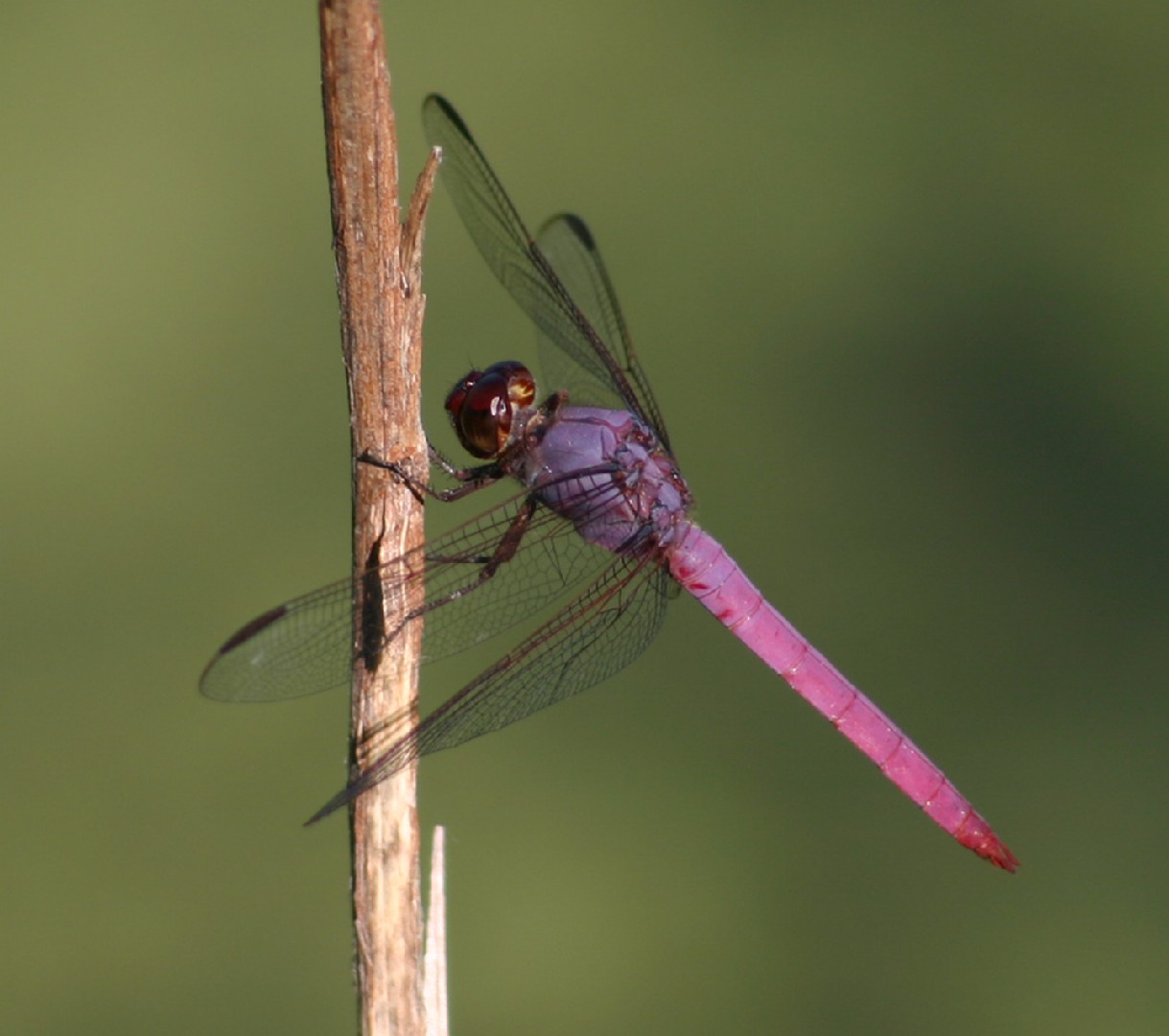
2. Roseate skimmer
The male of the species has a rose pink and red abdomen. The female has an orange-brown abdomen with clear orange veins and a brownish thorax with a light stripe down the back. The wings are normally clear except for brown pterostigmata at the leading edges. Its 4.5 - 6 cm in length with a wingspan of 3.5 - 4.5 cm long.
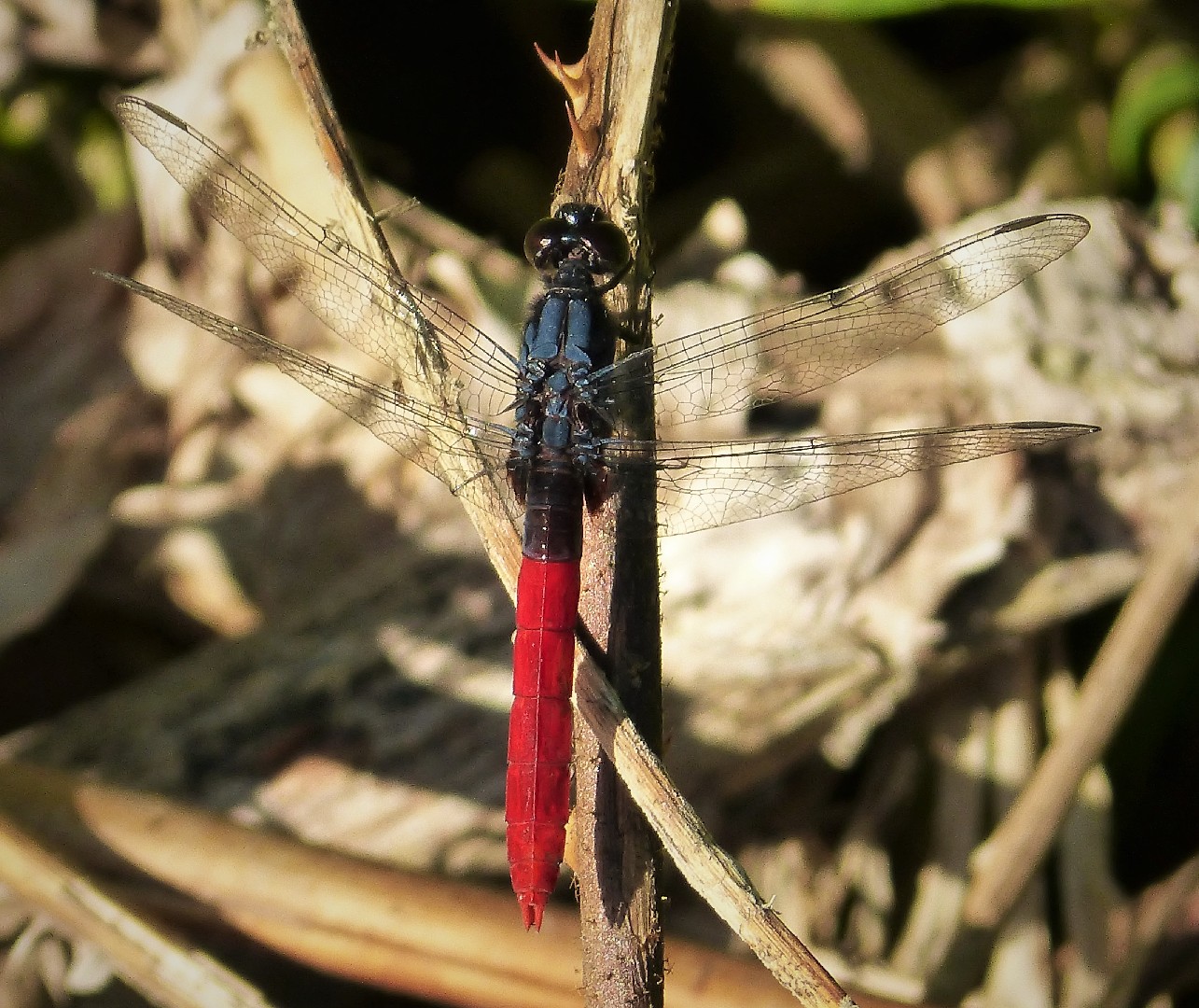
3. Flame-tailed pondhawk
The scientific name Erythemis peruviana was first validly published in 1842 by Rambur.
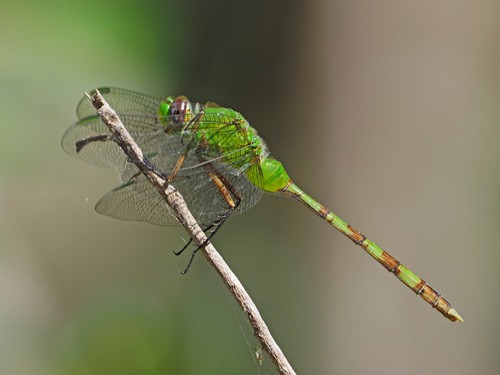
4. Great pondhawk
The erythemis vesiculosa is a dragonfly species of the genus Erythemis from the subfamily Sympetrinae. Its distribution area extends from the south of the USA throughout Central and South America.
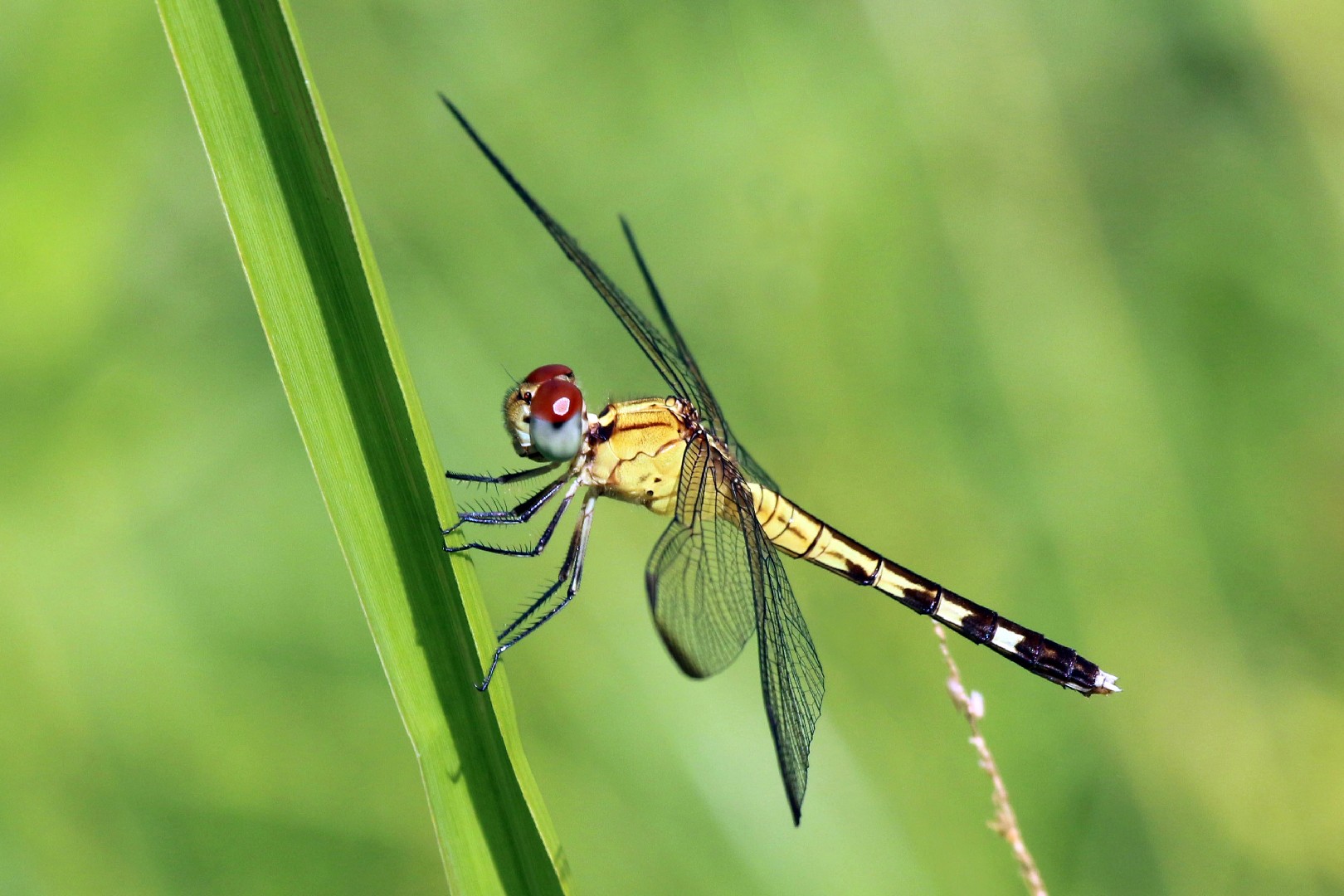
5. Band-winged dragonlet
Erythrodiplax umbrata is a dragonfly species of the genus Erythrodiplax from the subfamily Sympetrinae. It occurs in Central and South America as well as in the South of North America. Their English trivial name is "band-winged dragonlet".
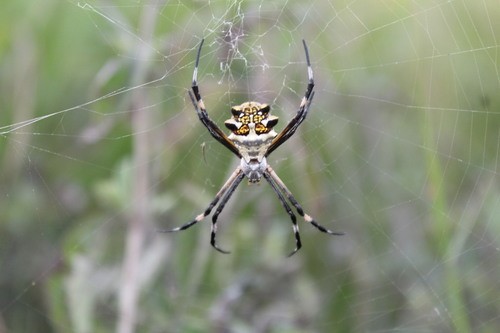
6. Silver argiope
The silver argiope (Argiope argentata) often creates unique zigzag patterns on its webs. It's usually found in warm, dry areas, especially on cacti and aloe vera plants. The females are much larger than males. They can bite and cause irritation to the skin, but the damage won't be life-threatening.
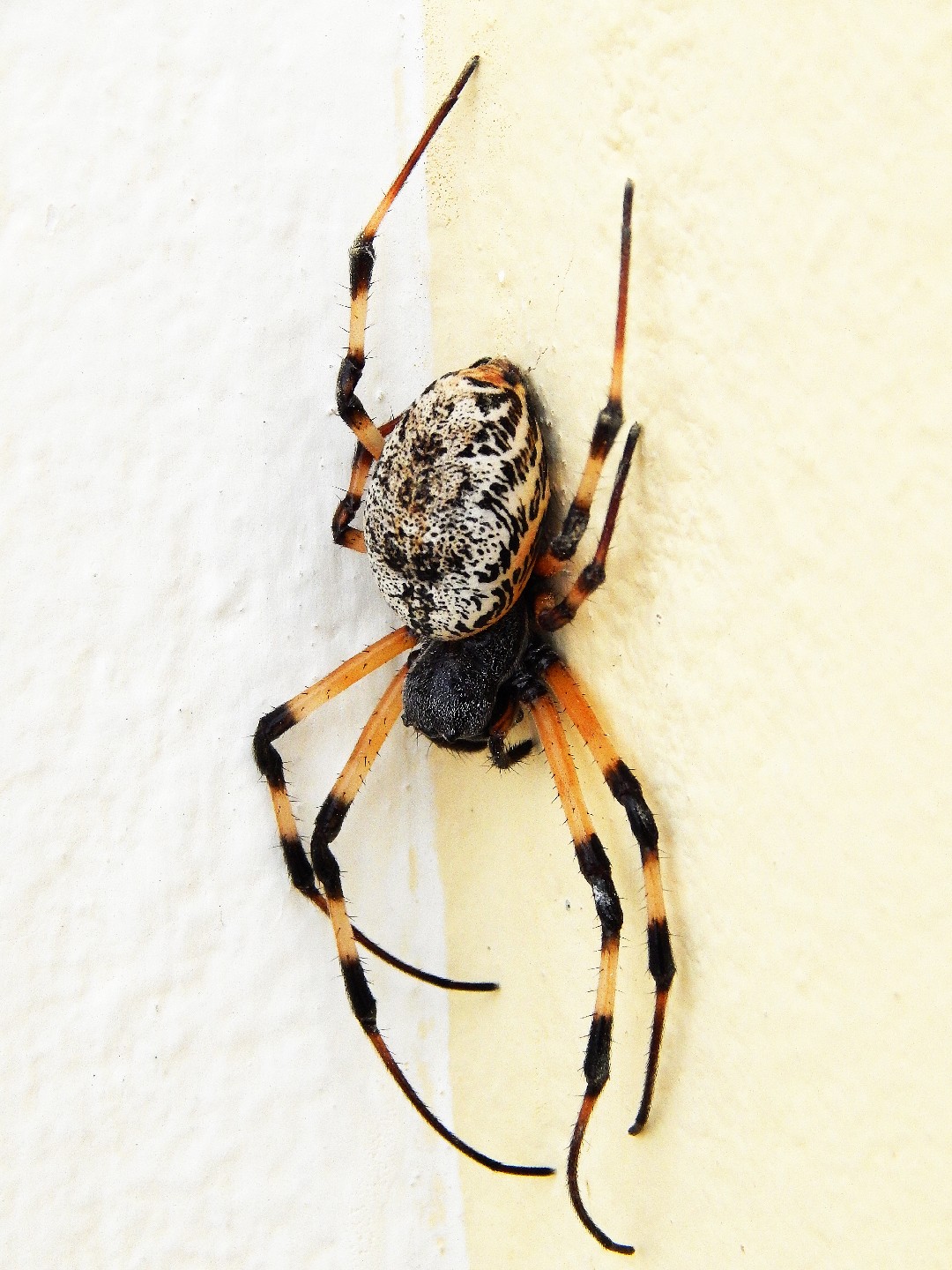
7. African hermit spider
The african hermit spider (Nephilingis cruentata) is an uncommon spider that spends most of its time on its thin silk webs. It's primarily black with small yellow spots on its abdomen and sometimes hints of red on its body and legs. These spiders are typically seen near manmade structures or on foliage.
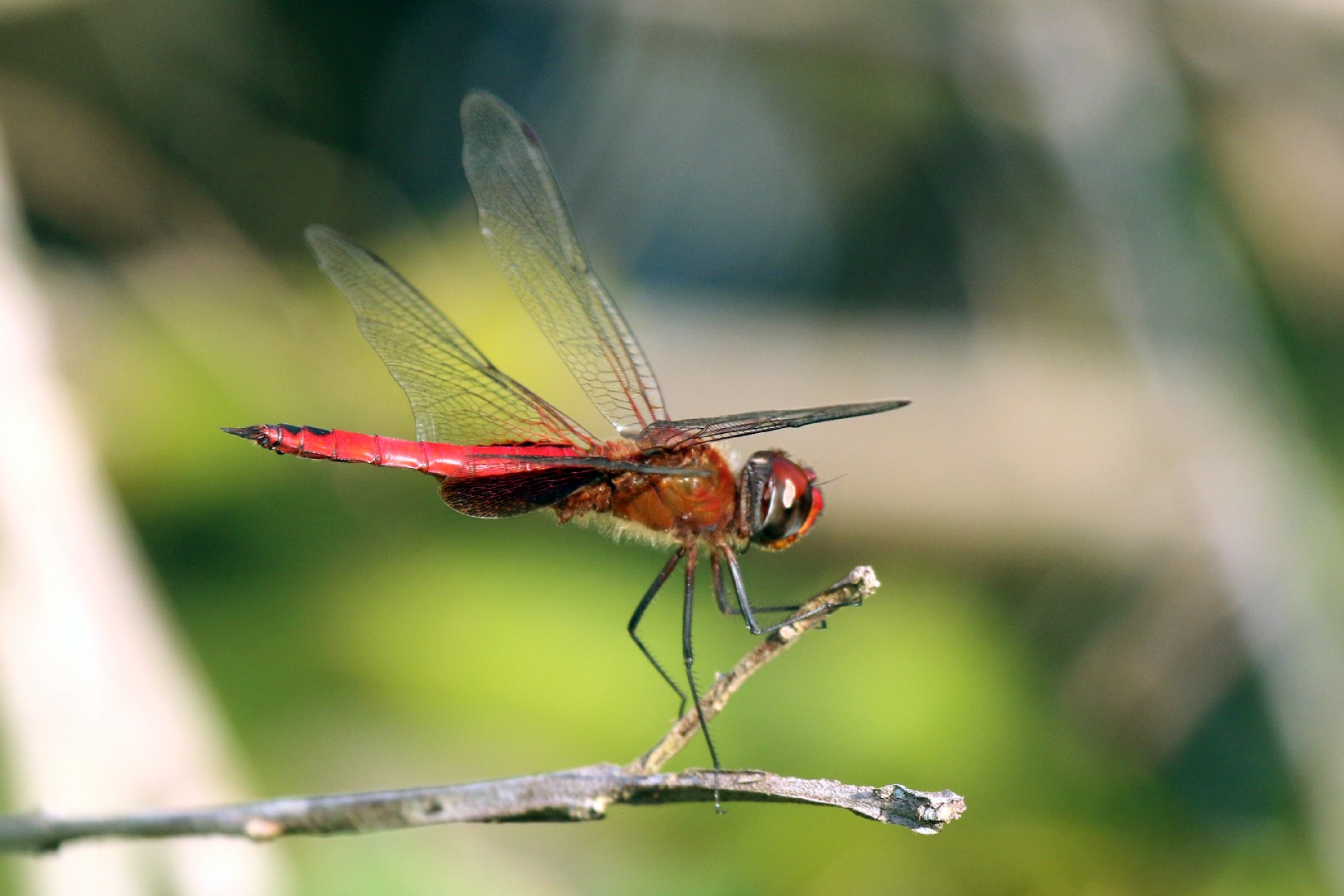
8. Red-tailed pennant
The scientific name Brachymesia furcata was first validly published in 1861 by Hagen.
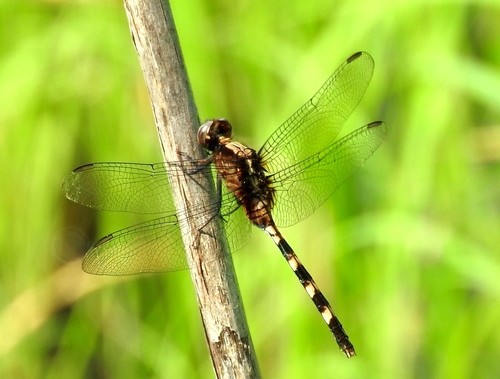
9. Pin-tailed pondhawk
The species is on the Red List of the IUCN as not endangered, assessment year 2007, the trend of the population is increasing according to the IUCN.
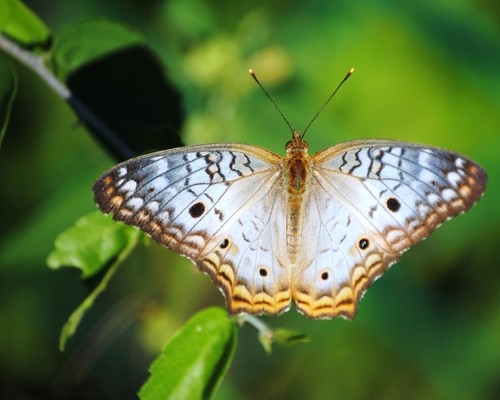
10. White peacock
The wingspan of the moths is 51 to 70 millimeters. The basic color is whitish. On the forewings there is a black, circular spot near the inner angle. At the front edge, two to three oblong, yellow-brown spots stand out. The Submarginalregion is also yellow-brown colored and crossed by dark lines. On the hind wings are two more small, black, circular spots near the tawny and dark-colored submarginal region. A short tail is more or less strong. The wing underside shows similar drawing elements as the top, but these are paler and weaker pronounced.
More







