




Top 20 Most Common Insects in Sao Paulo
Insects, nature's smallest yet most impactful beings, inhabit every corner of Sao Paulo, each with its unique distinguishing features. Geography plays an essential role in shaping the insect diversity in different corners of this region. Each little creature, whether a pest or a pollinator, plays a critical role in our ecosystem, influencing everything from farm health to disease spread. Our 'Top 20 most common insects' feature aims to shed some light on these remarkable creatures in Sao Paulo.

Most Common Insects
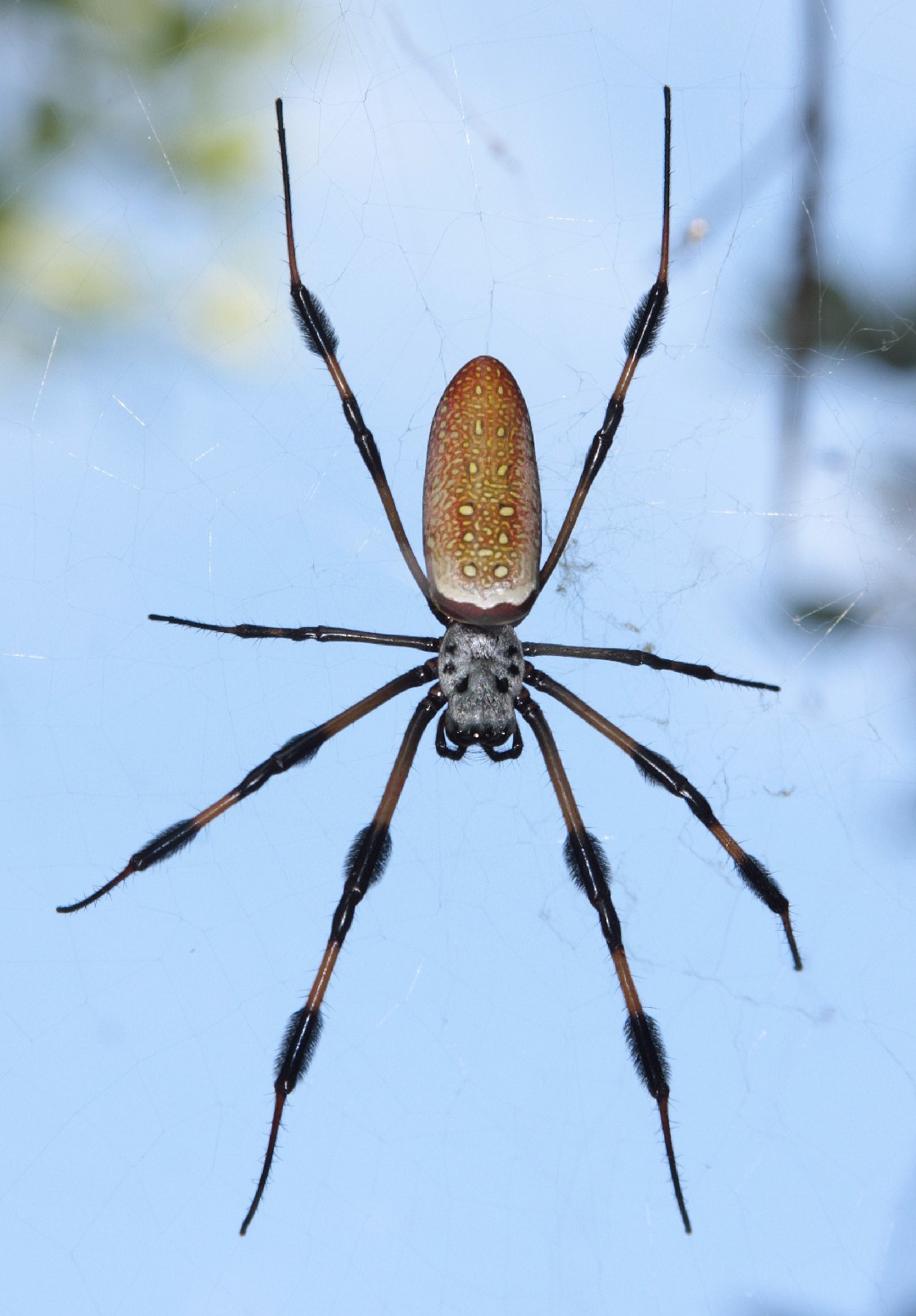
1. Banana spider
The banana spider (Nephila clavipes) is called that because it is commonly found in banana shipments leading from South America. There are many spiders that fit this category (often found in banana shipments), so this one is also called the Golden silk orb-weaver to distinguish them. This name is more related to the strength of its silk, which is stronger than steel based on tensile strength.
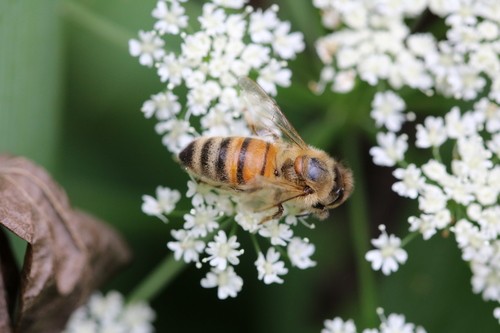
2. Western honey bee
Western honey bee(Apis mellifera) is the most common species of honeybee in the world. Among the first domesticated insects, its cultural and economic impact on humanity has been vast and far-reaching, providing honey, wax and its services as a pollinator. Western honey bee faces challenges worldwide, such as colony collapse disorder, and populations are thought to be decreasing.
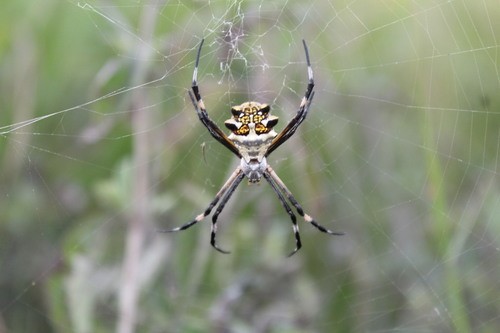
3. Silver argiope
The silver argiope (Argiope argentata) often creates unique zigzag patterns on its webs. It's usually found in warm, dry areas, especially on cacti and aloe vera plants. The females are much larger than males. They can bite and cause irritation to the skin, but the damage won't be life-threatening.
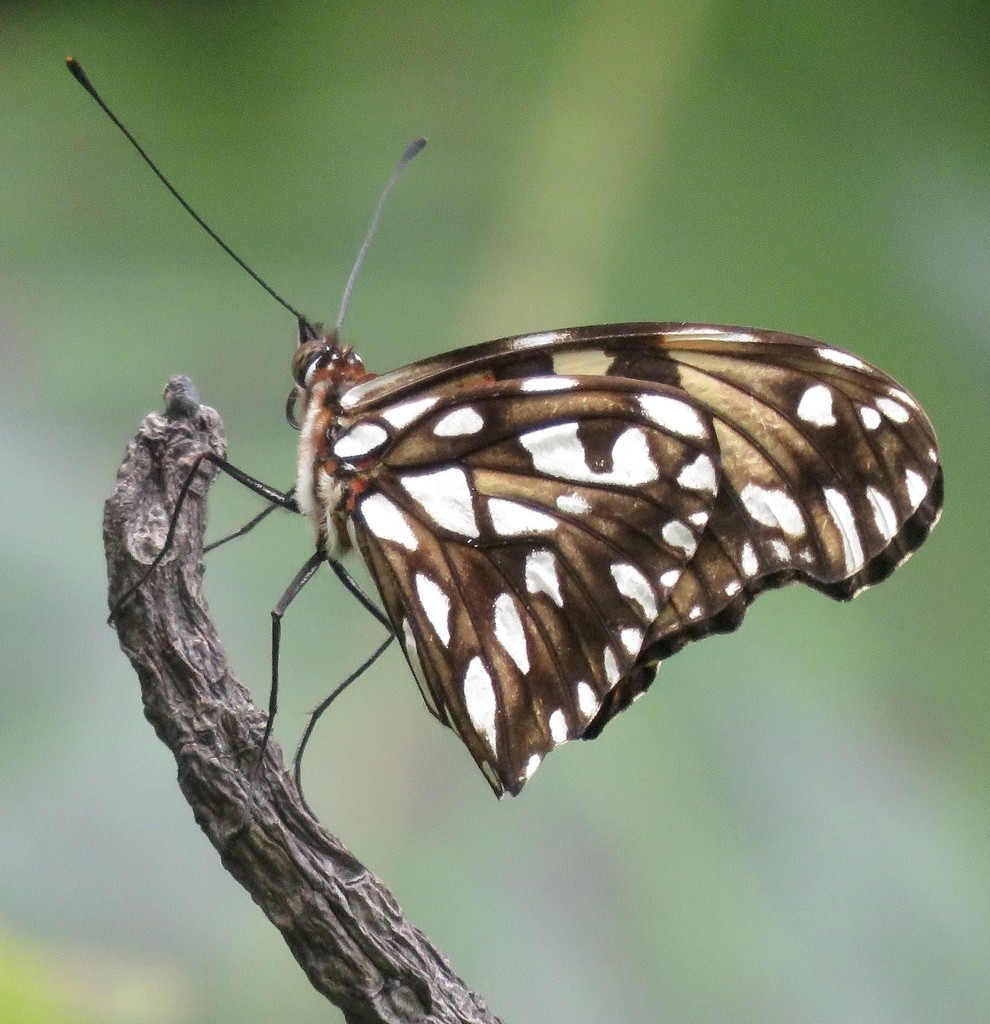
4. Juno longwing
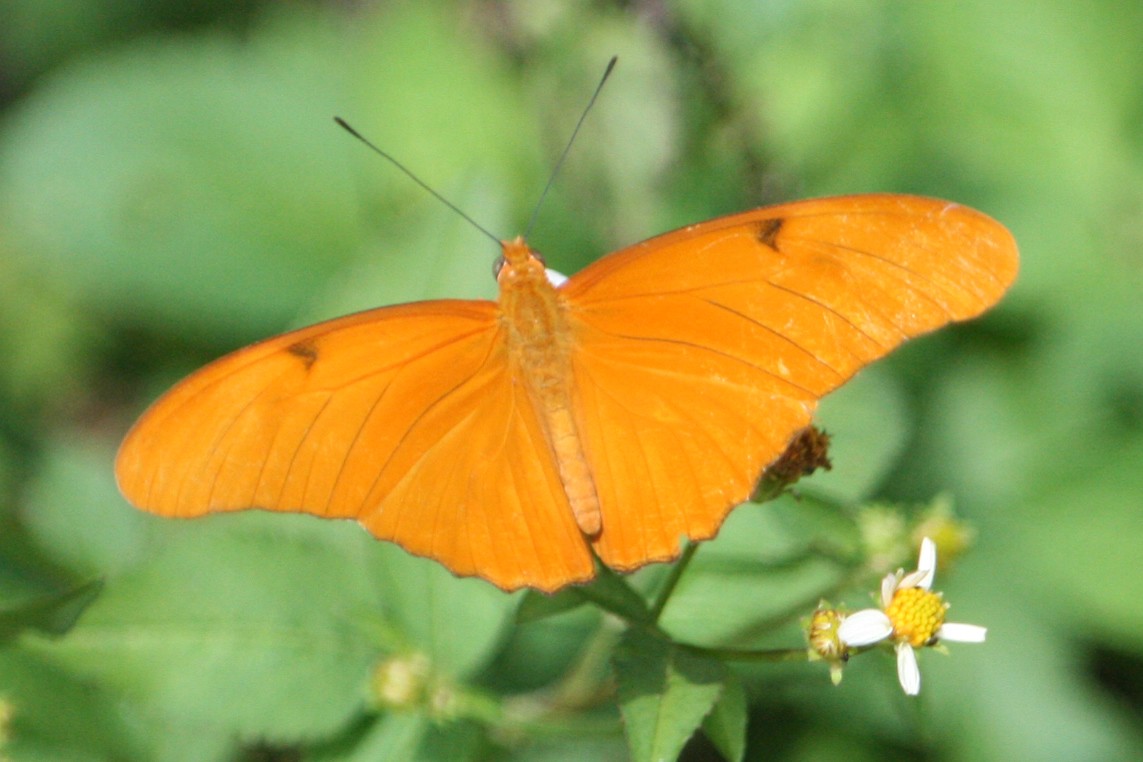
Dione juno, the Juno silverspot, juno longwing, or Juno heliconian, is a species of butterfly of the subfamily Heliconiinae in the family Nymphalidae found from southern United States to South America. 
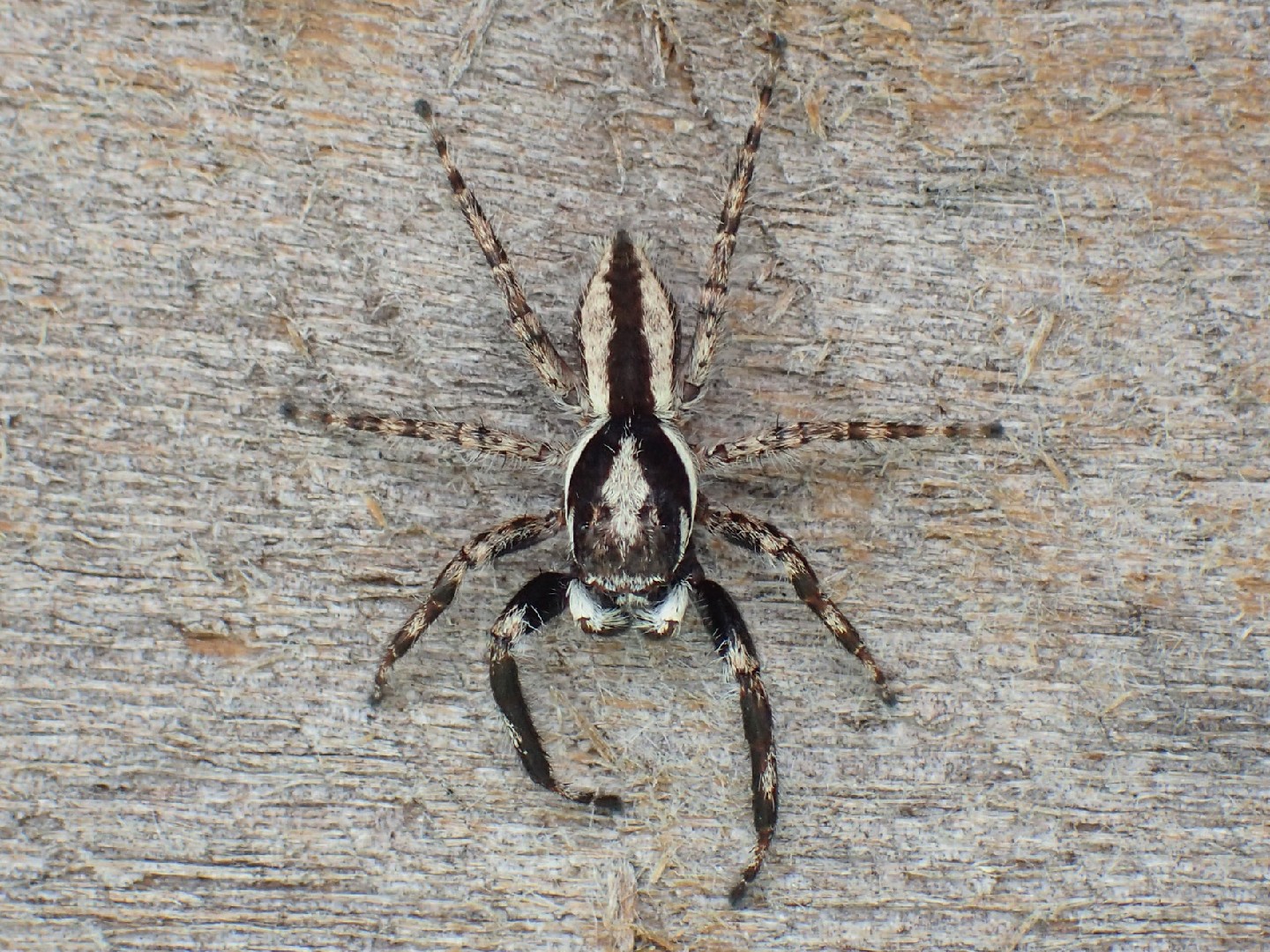
5. Gray wall jumper
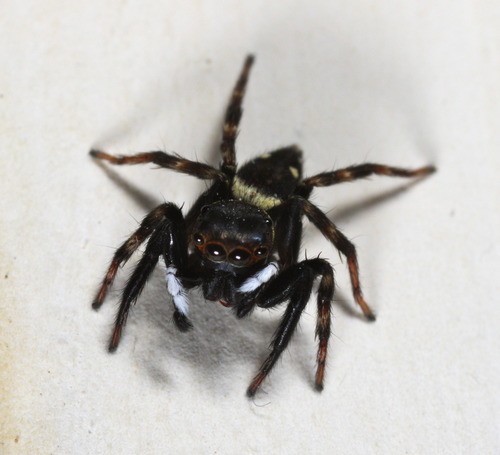
The female gray wall jumper lays her eggs in cracks or other hidden areas. The young and mature spiders feed on flies, making them useful residents in a household. They do not make webs, but carefully hunt and jump on their prey.

6. Multicolored asian ladybeetle
Often confused for the ladybug, multicolored asian ladybeetle (Harmonia axyridis) is a separate species that, unlike the ladybug, is a household pest. It is considered particularly annoying for its habit of returning to places from which it is removed. One of the most variable species in the world, there are many different colors and patterns multicolored asian ladybeetle may display, making identification potentially difficult.
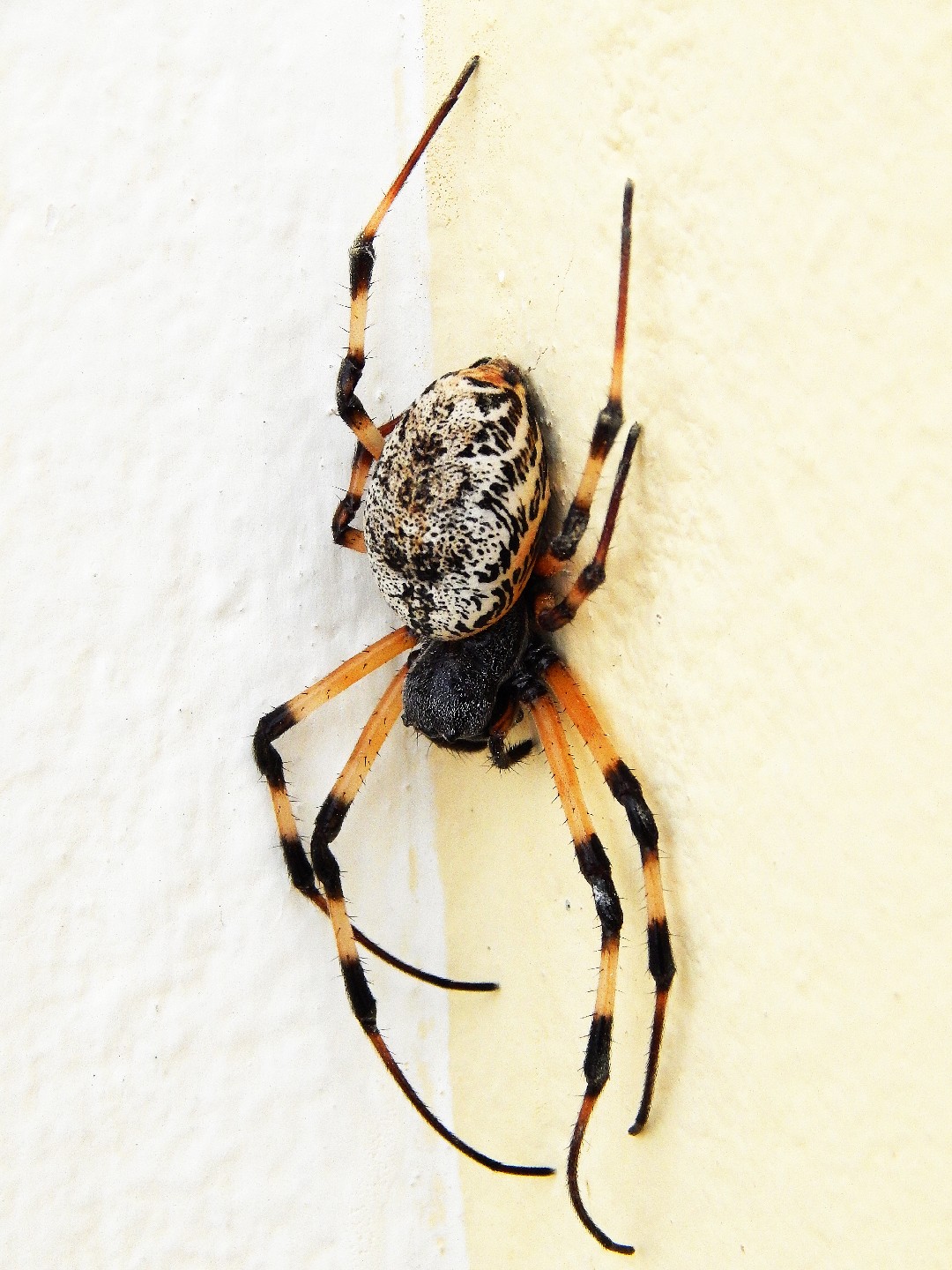
7. African hermit spider
The african hermit spider (Nephilingis cruentata) is an uncommon spider that spends most of its time on its thin silk webs. It's primarily black with small yellow spots on its abdomen and sometimes hints of red on its body and legs. These spiders are typically seen near manmade structures or on foliage.
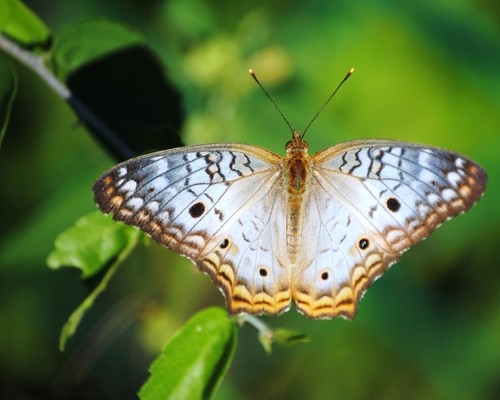
8. White peacock
The wingspan of the moths is 51 to 70 millimeters. The basic color is whitish. On the forewings there is a black, circular spot near the inner angle. At the front edge, two to three oblong, yellow-brown spots stand out. The Submarginalregion is also yellow-brown colored and crossed by dark lines. On the hind wings are two more small, black, circular spots near the tawny and dark-colored submarginal region. A short tail is more or less strong. The wing underside shows similar drawing elements as the top, but these are paler and weaker pronounced.
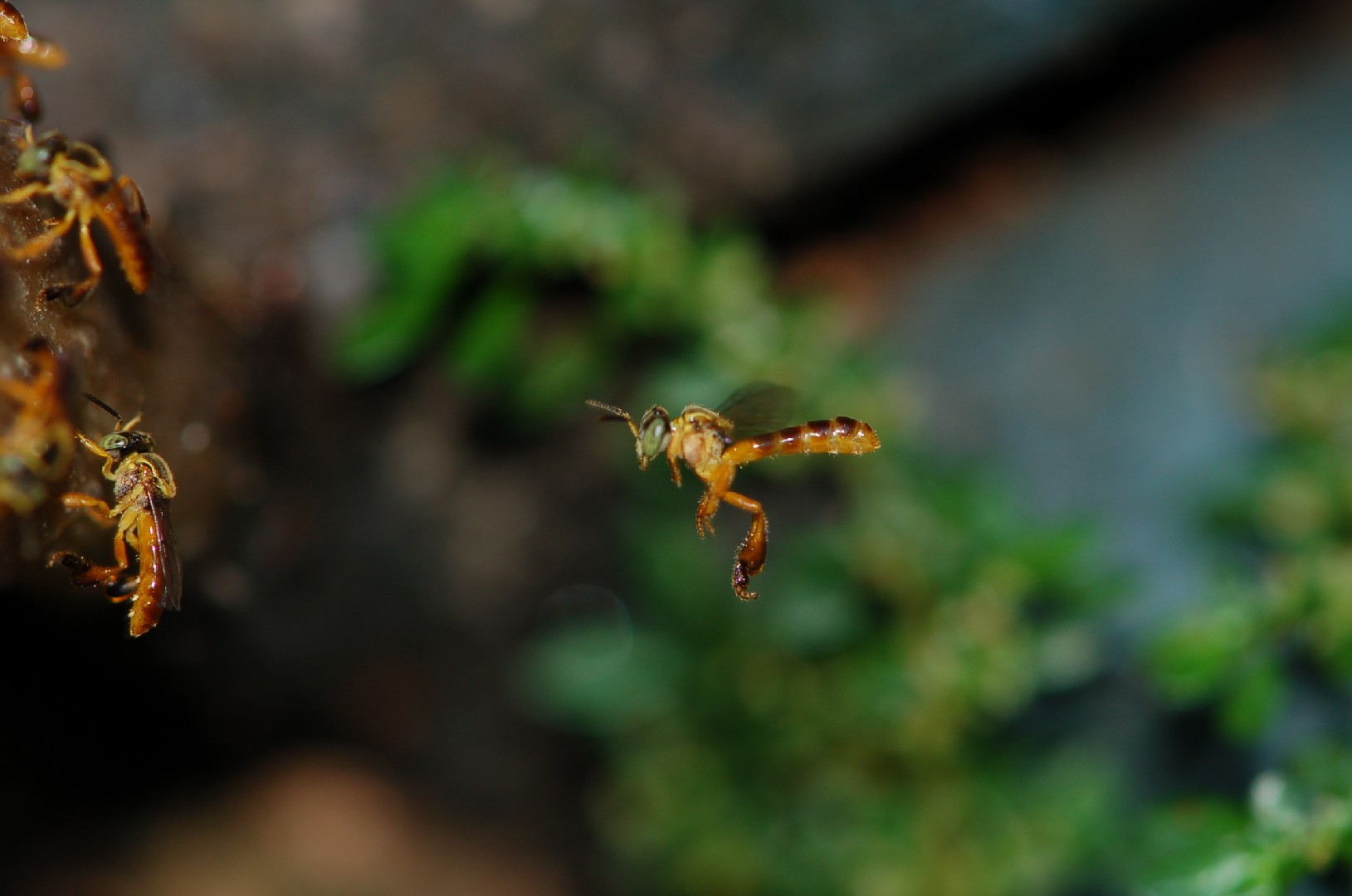
9. Tetragonisca angustula
The Tetragonisca angustula is a bee that makes up as the best of all worlds. First, this is a bee that does not have a stinger, which means that they are not harmful to humans. They also produce honey, which is an awesome addition that makes them perfect for beekeeping. However, they do produce "bouncers" in the form of larger soldiers that are good at protecting the nest.

10. Ruddy daggerwing
The wingspan is 7 - 10 cm.

More







