




Top 15 Most Common Insects in Ferkessedougou
Insects, often recognized by their segmented bodies and jointed legs, are integral to our thriving ecosystems. The biodiversity within Ferkessedougou's diverse landscapes contributes substantially to its rich insect variety. The spectrum of insects, ranging from constructive pollinators to destructive pests, deeply influences Ferkessedougou's environmental balance. Our list outlines the 15 most commonly spotted species in Ferkessedougou, underscoring their remarkable diversity and ecological significance.

Most Common Insects
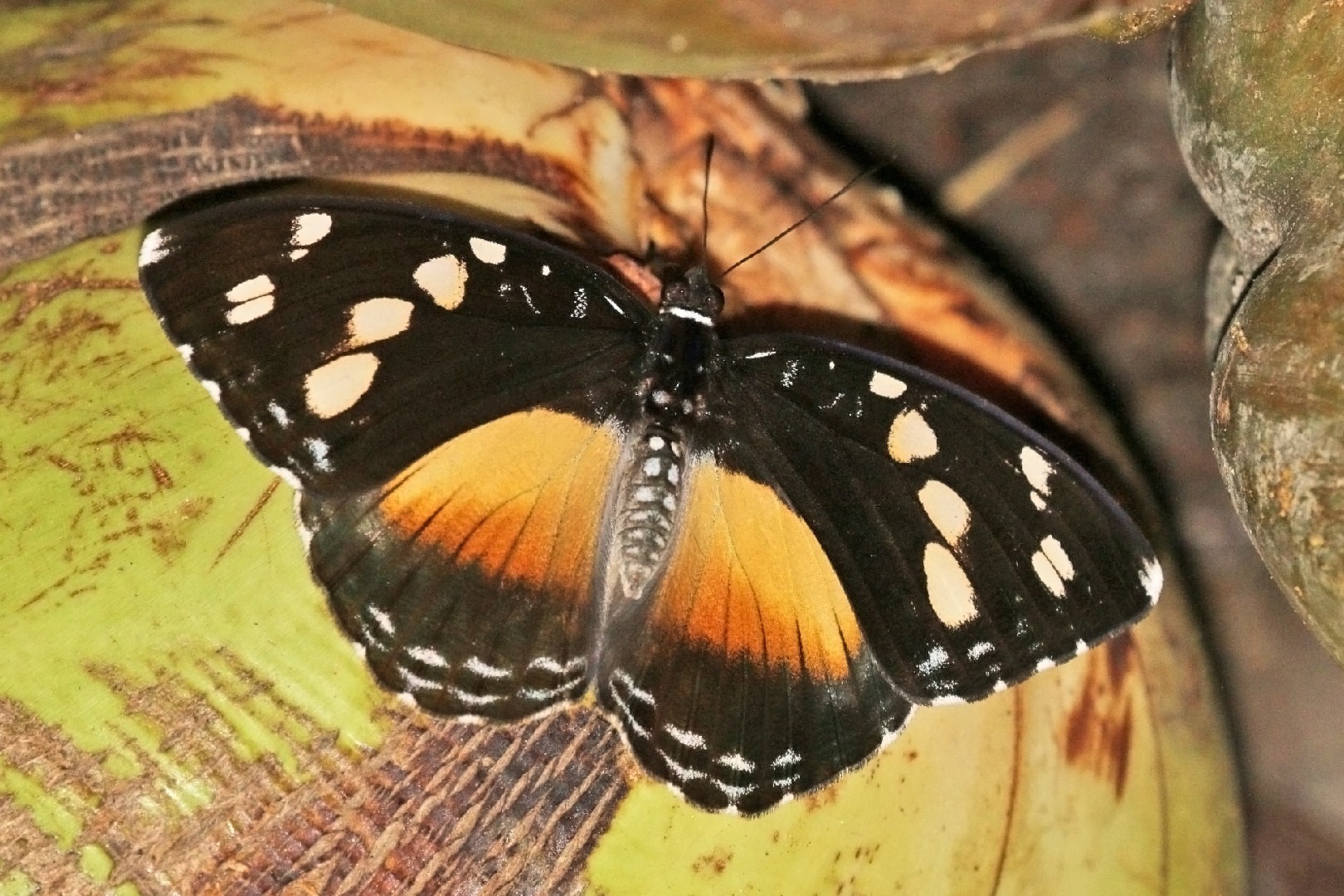
1. Forest glade nymph
The wingspan is 4.5 - 6 cm. 
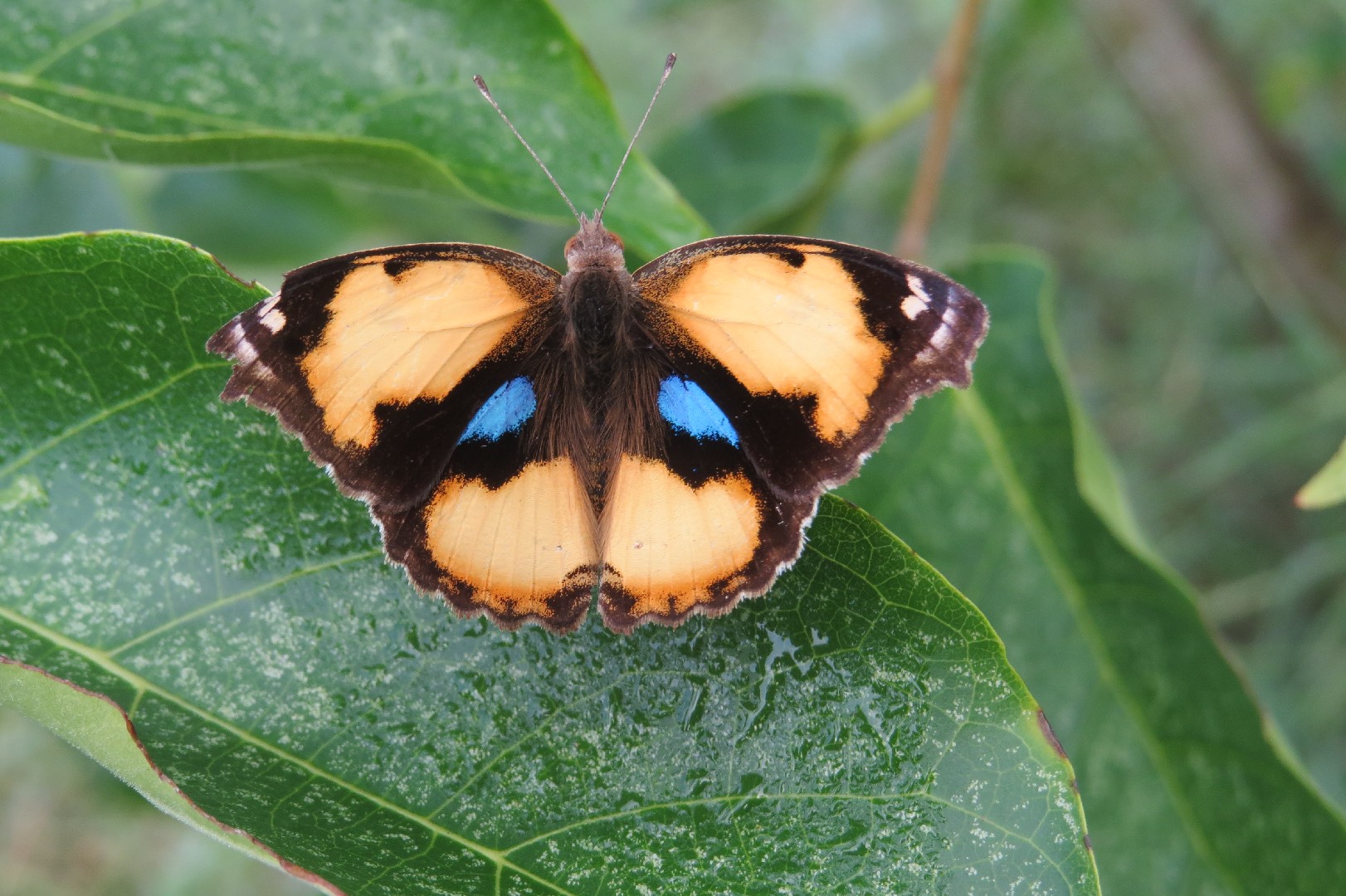
2. Yellow pansy butterfly
The male upperside is bright yellow. The costa of the forewing has a broad triangular jet-black projection downwards at the discocellulars, and the dorsum has a triangular projection upwards near the tornus; this black margin narrows near the middle of the termen and bears on the apex two short transverse preapical white streaks crossed by the black veins. Below these is an obscure ocellus that is sometimes absent. The anterior half and the terminal margin of the hindwing is black, and the dorsum is broadly shaded with brown while the anterior black area has a large brilliant blue spot. The cilia of both forewings and hindwings are white alternated with brown.The underside of the forewing is pale yellow. The cell is crossed by three laterally black-margined orange-yellow bars, beyond that is a short, broad, irregular jet-black oblique band from costa to base of vein 4. The hindwing is greyish yellow, and in the dry season its form is strongly irrorated (sprinkled) with dusky scales. With a prominent transverse brown discal fascia, its margins are highly sinuous. There is a brownish broad shade on the middle of the termen and some obscure lunular marks on the basal area. The antennae is pale, and the head, thorax and abdomen are dark brownish black; beneath that is a dull ochraceous white. The female is similar, although the colours are duller. The cell of the upperside forewing has a more or less complete transverse black fascia and another at the discocellulars. A blue-centred well-marked ocelli is in interspaces 2 and 5 on the disc of the forewing, and smaller ocelli in interspaces 2 and 5 on the disc of the hindwing. The forewings and hindwings have a fairly well-defined pale subterminal line, though the blue spot on the anterior black area on the hindwing is small and ill-defined; the rest is as the male. The underside is also as the male, but generally has heavier and more clearly defined markings.

3. Citrus swallowtail
Papilio demodocus , also known under the English name Citrus Swallowtail ("Citrus Swallowtail"), is a butterfly from the family of the knight butterflies (Papilionidae).
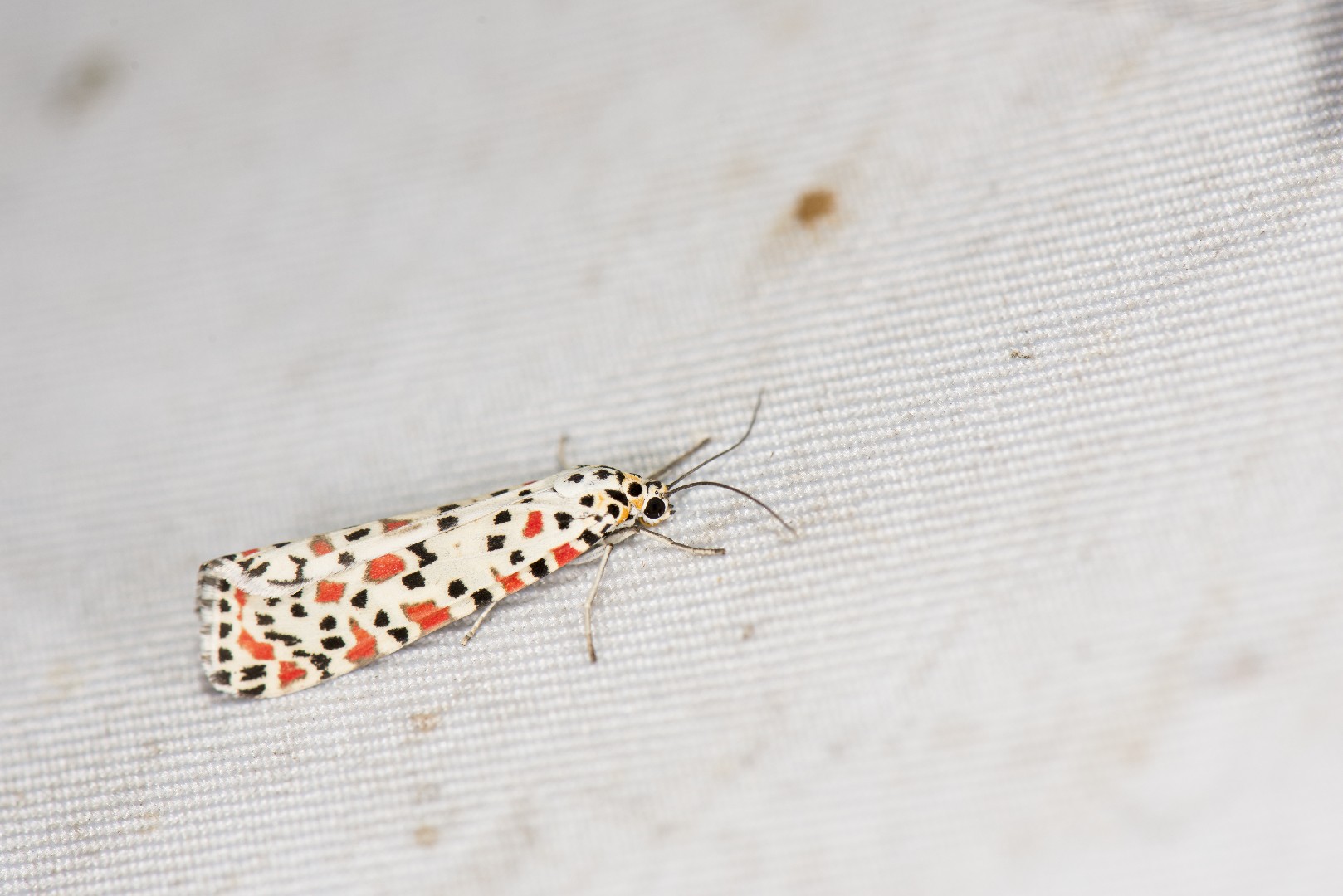
4. Rattlebox salt-and-pepper moth
Utetheisa lotrix, the salt-and-pepper moth or crotalaria moth, is a moth of the family Erebidae. The species was first described by Pieter Cramer in 1777. It is found in most of the Old World tropics. The wingspan is about 30 mm. The larvae feed on Crotalaria species.

5. Blue pansy
The wingspan is 4 - 5 cm. The upper surface of the forewings is black with white markings towards the apex. The upper surface of the hindwings is black with white markings on the outer edge, and a characteristic large metallic-blue spot. This blue spot is smaller and more a dull purple in females. The underside of the forewings is brown with white markings corresponding to those on the upper surface. The under surface of the hindwings is almost uniform brown.
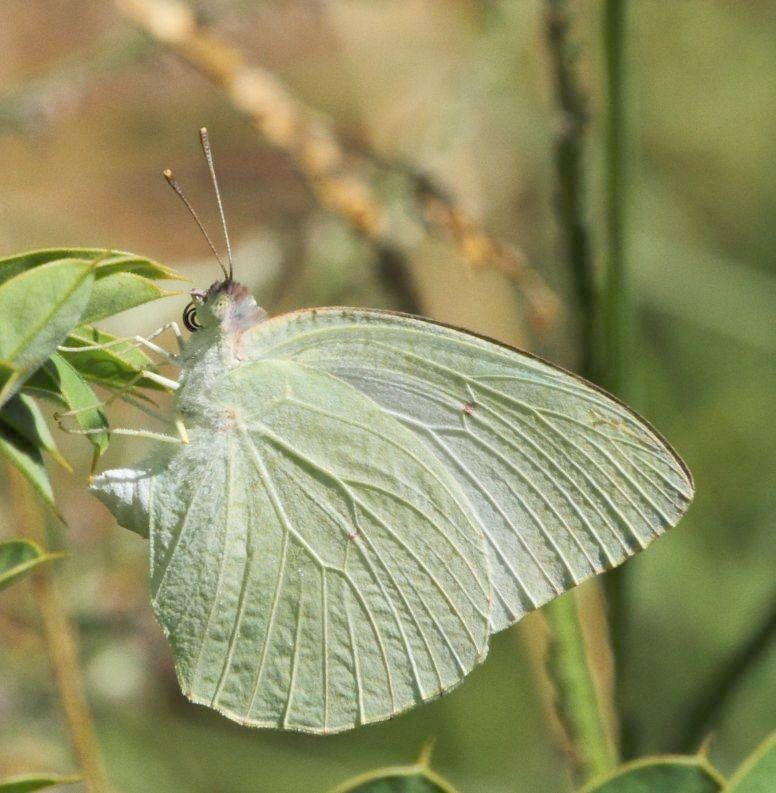
6. African emigrant
The wingspan is 5 - 6 cm for males and 6 - 7 cm for females.
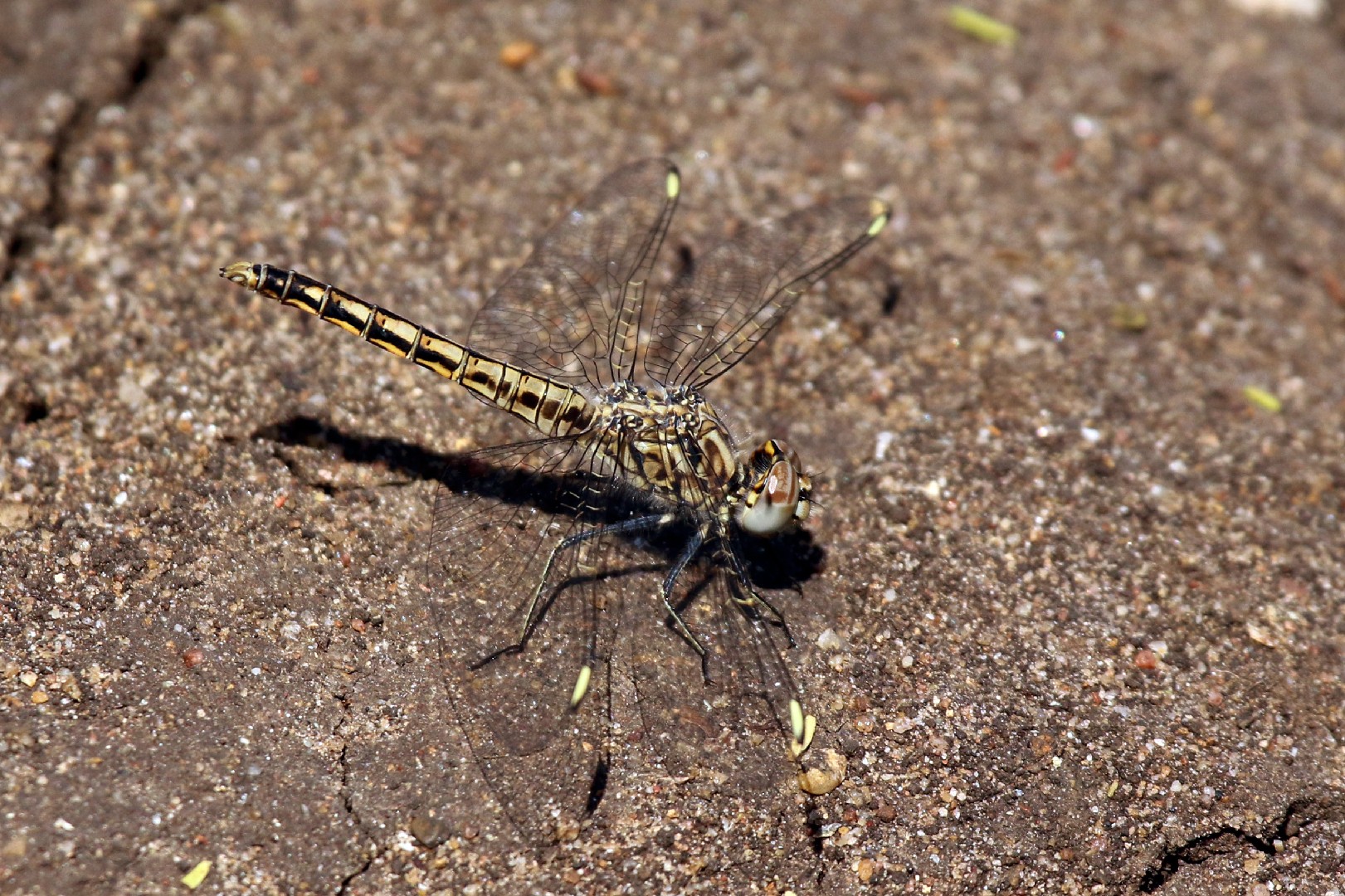
7. Banded groundling
The southern belt soil dragonfly is on the IUCN Red List as non-endangered, assessment year 2009. The species is found in Africa, the Middle East and Southern Europe, including in Zimbabwe.
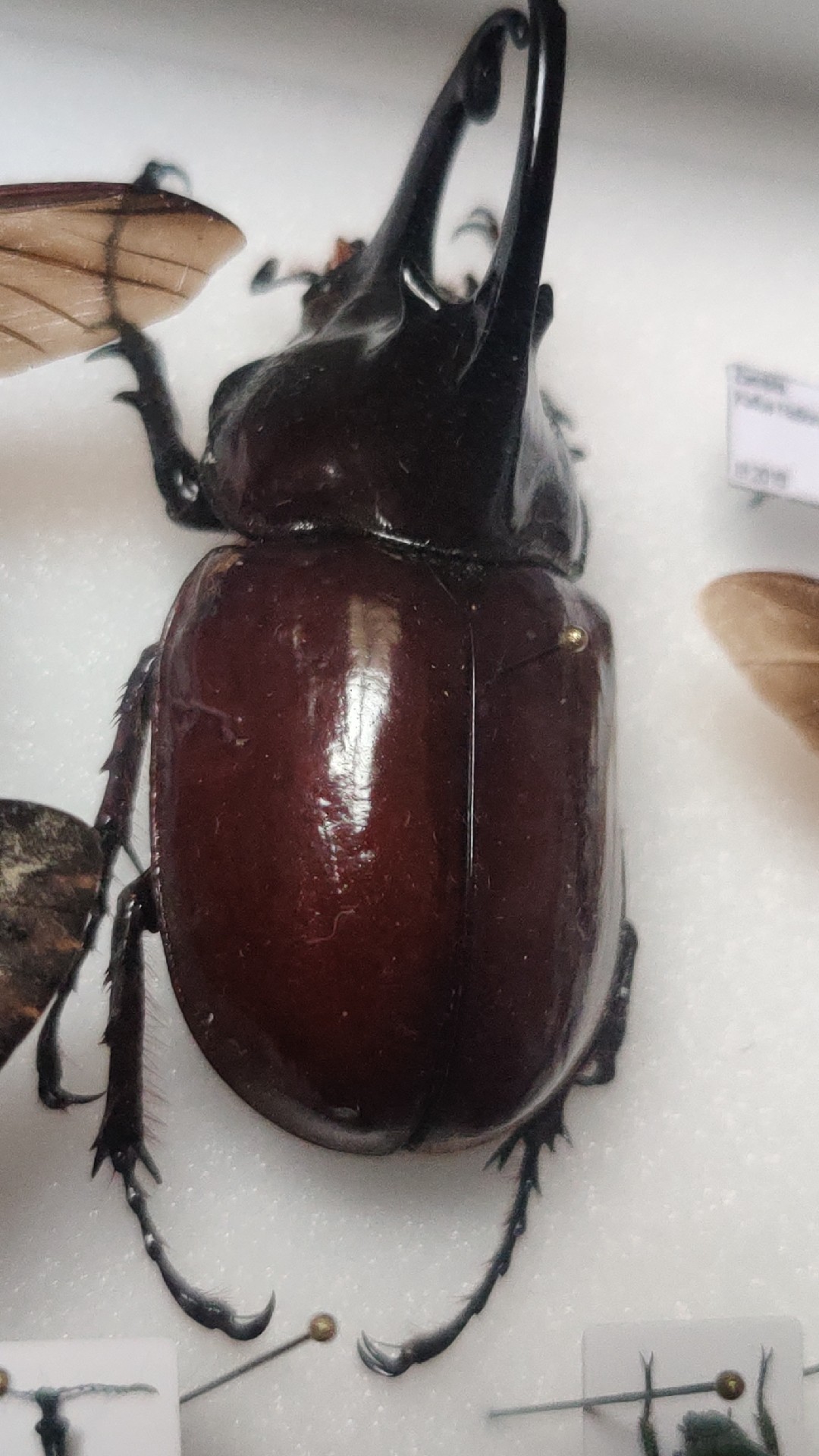
8. Centaurus beetle
Augosoma centaurus, the centaurus beetle, is a species of rhinoceros beetle found in tropical Africa, which measures about 40–90 mm. As common in many insect species, the male is larger than the female and usually two males will fight for a female for mating.
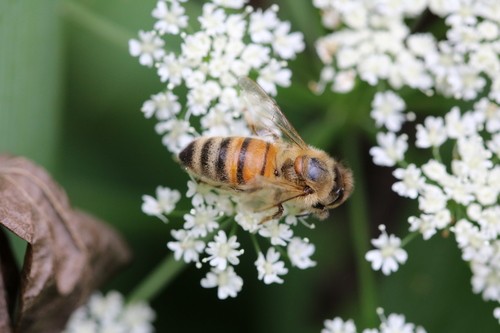
9. Western honey bee
Western honey bee(Apis mellifera) is the most common species of honeybee in the world. Among the first domesticated insects, its cultural and economic impact on humanity has been vast and far-reaching, providing honey, wax and its services as a pollinator. Western honey bee faces challenges worldwide, such as colony collapse disorder, and populations are thought to be decreasing.
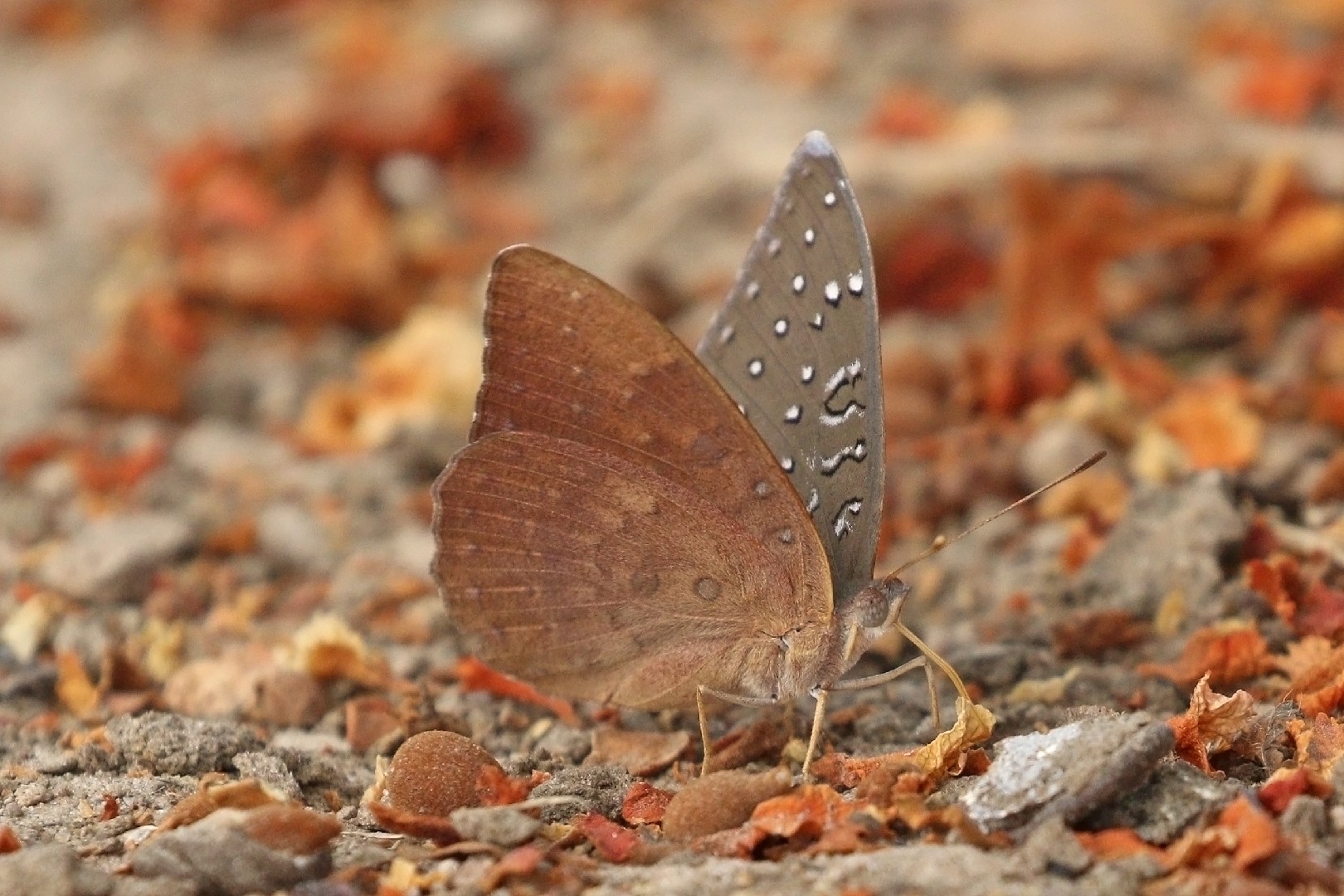
10. Guineafowl
The wingspan is 55–65 mm for males and 60–78 mm for females.

More







