




Top 20 Most Common Insects in Cabo Verde
Insects are a vibrant component of Cabo Verde's diverse ecology, boasting unique adaptations evolved to thrive in various habitats. The geographic variation in Cabo Verde harbors an array of insect diversity, influenced by climate, ecosystems, and human intervention. From pests that challenge agricultural endeavors to beneficial insects bolstering biodiversity, these creatures echo the intrinsic bond between Cabo Verde's environments and their inhabitants. Stay tuned as we unveil the top 20 most common insects that call Cabo Verde home.

Most Common Insects
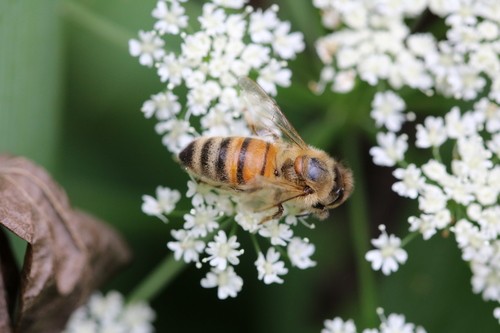
1. Western honey bee
Western honey bee(Apis mellifera) is the most common species of honeybee in the world. Among the first domesticated insects, its cultural and economic impact on humanity has been vast and far-reaching, providing honey, wax and its services as a pollinator. Western honey bee faces challenges worldwide, such as colony collapse disorder, and populations are thought to be decreasing.
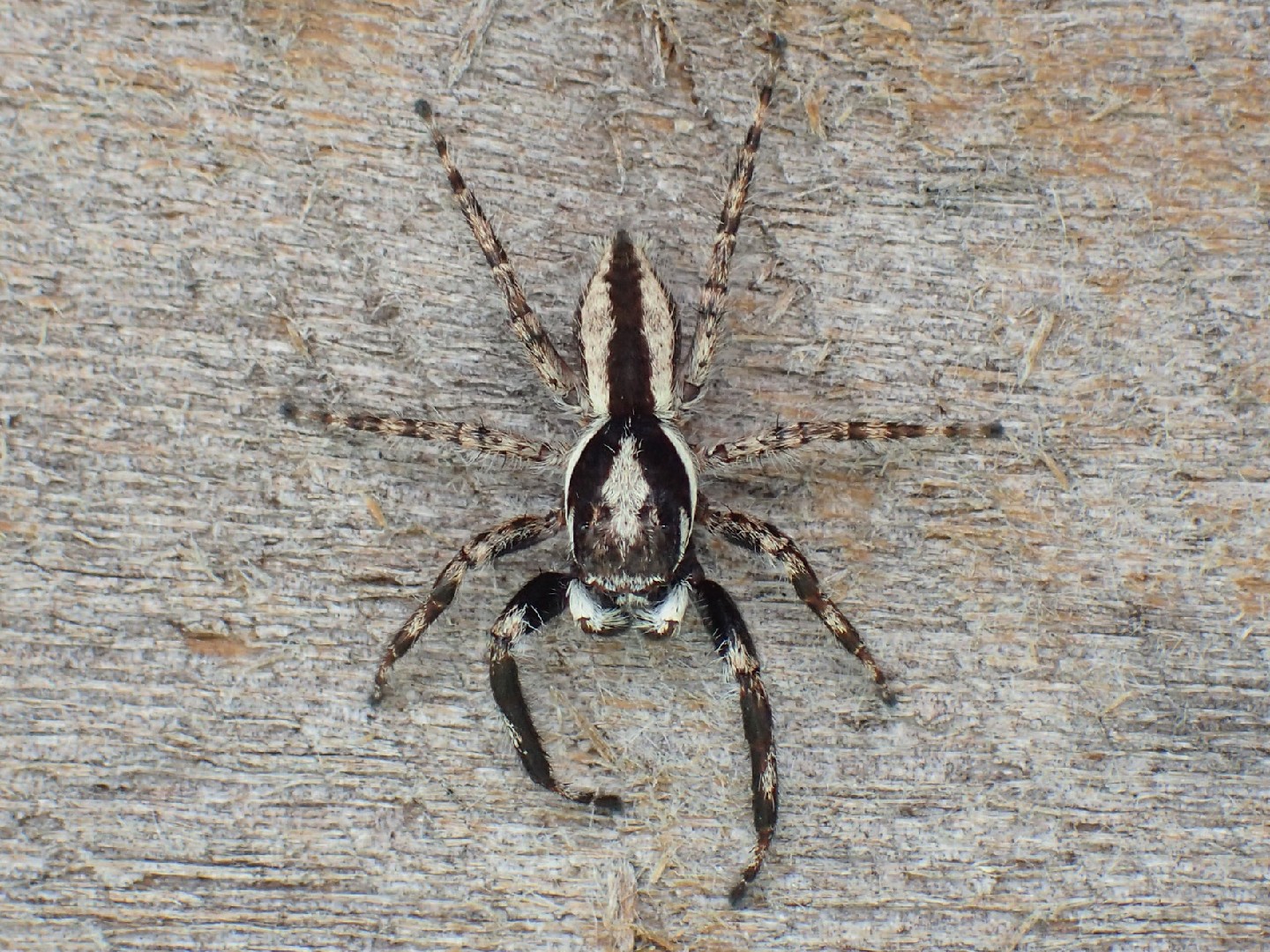
2. Gray wall jumper
The female gray wall jumper lays her eggs in cracks or other hidden areas. The young and mature spiders feed on flies, making them useful residents in a household. They do not make webs, but carefully hunt and jump on their prey.
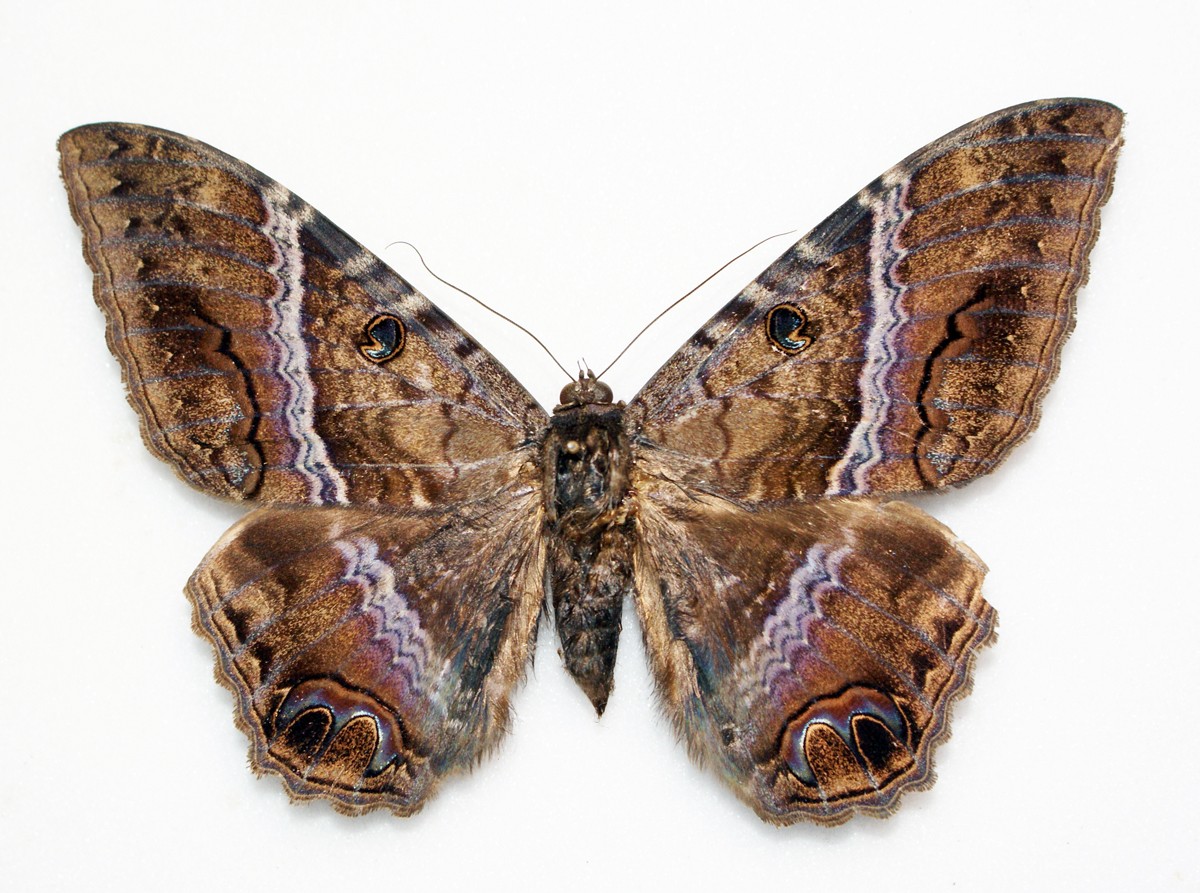
3. Black Witch
The black Witch (Ascalapha odorata) is given this spooky name because its part in folklore being associated with misfortune or death. In the novel, The Silence of the Lambs, they were placed in the mouths of the victims of Buffalo Bill. They can be identified with darker colorings and undertones of purple and pink.
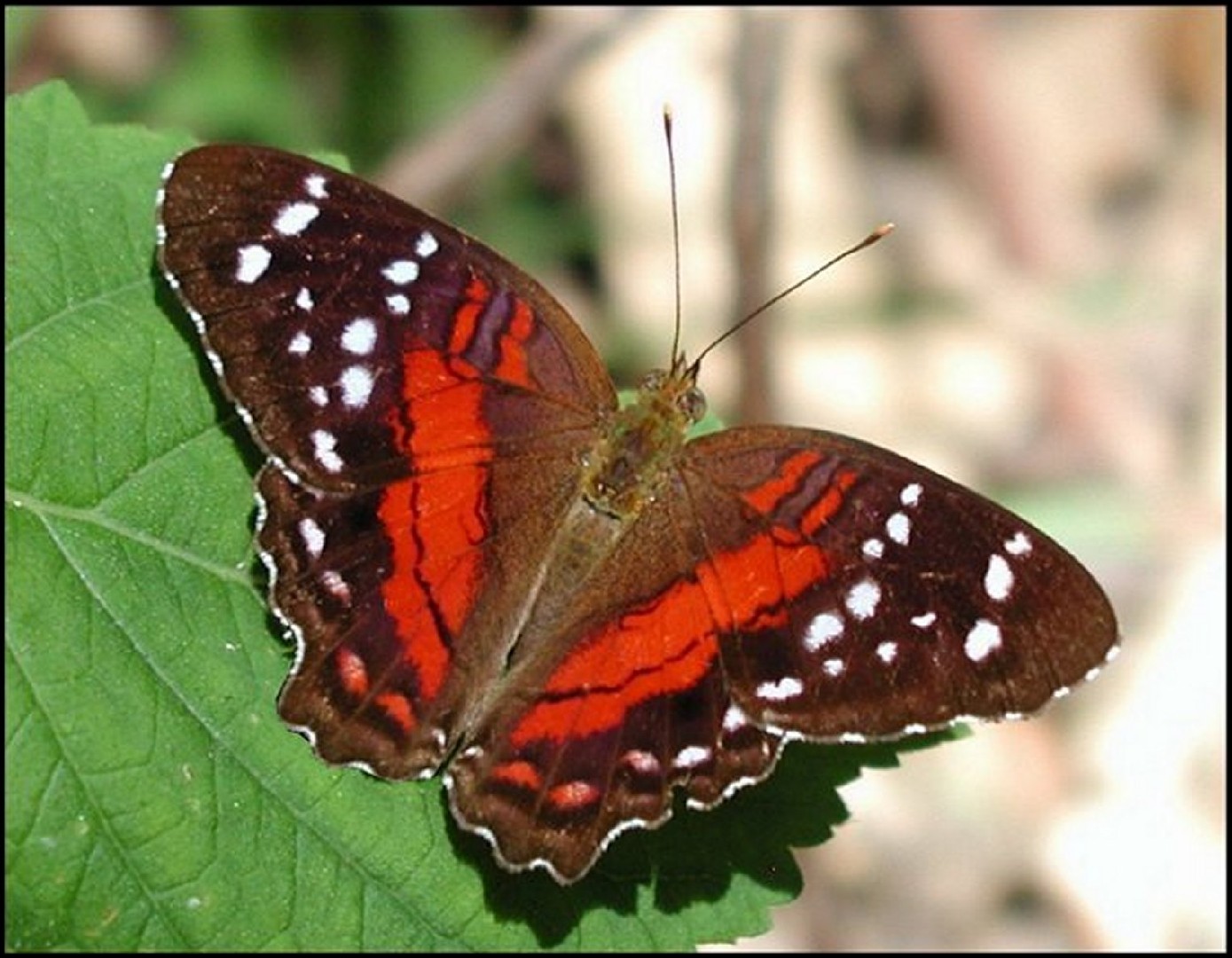
4. Scarlet peacock
Anartia amathea is a butterfly of the family Nymphalidae. In addition to A. amathea amathea there are the subspecies A. amathea thyamis and A. amathea sticheli. The species is represented in the tropical areas of Latin America and the offshore islands, such as Trinidad.

5. Polydamas swallowtail
The wingspan is 90–120 mm without the tail. The uppersides of the wings are black with a broad submarginal band formed by large yellow spots. The undersides of the forewings have the same pattern, while the hindwings have a submarginal row of red lunules. 
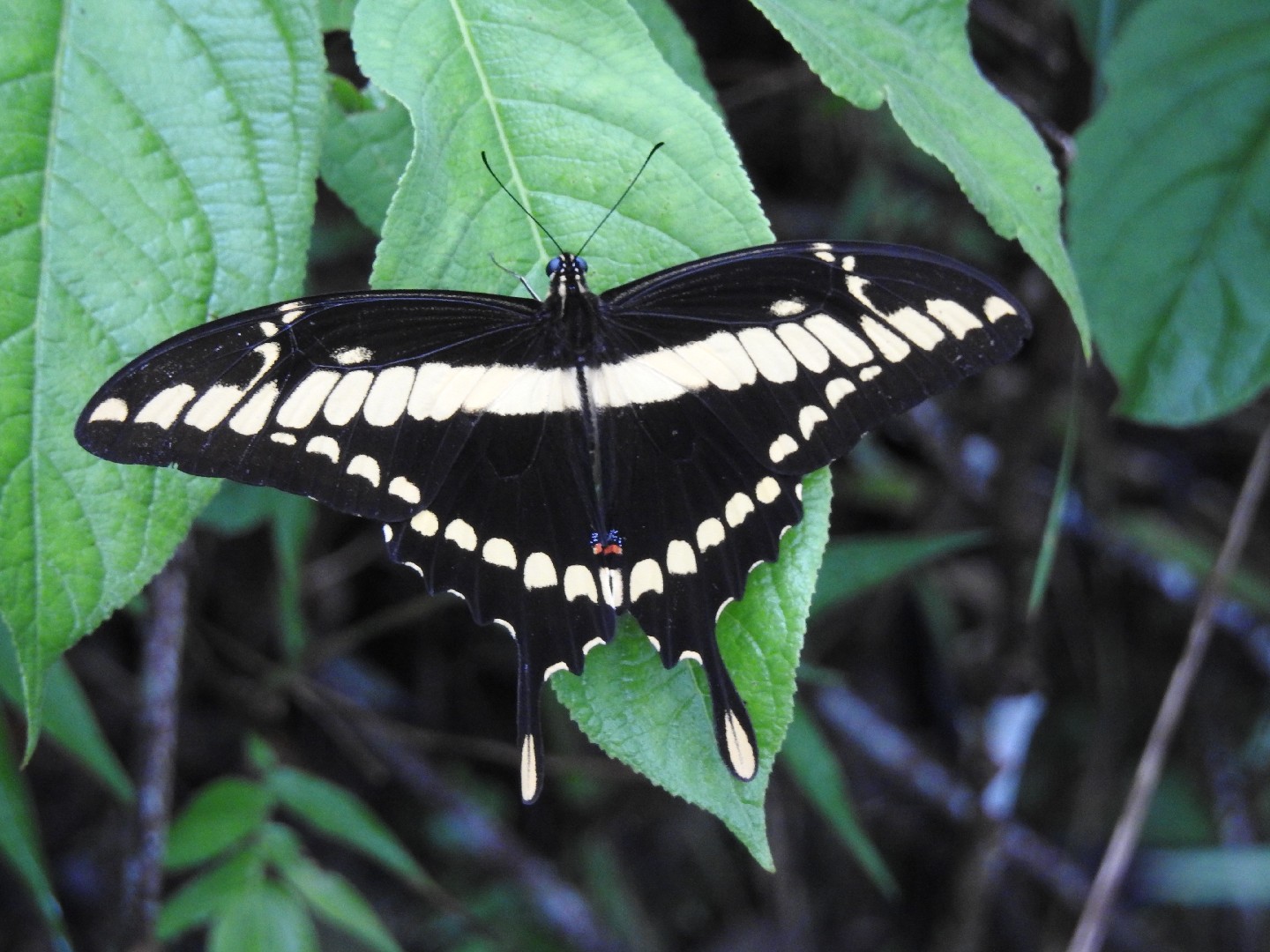
6. King swallowtail
The wingspan is 10 - 13 cm.
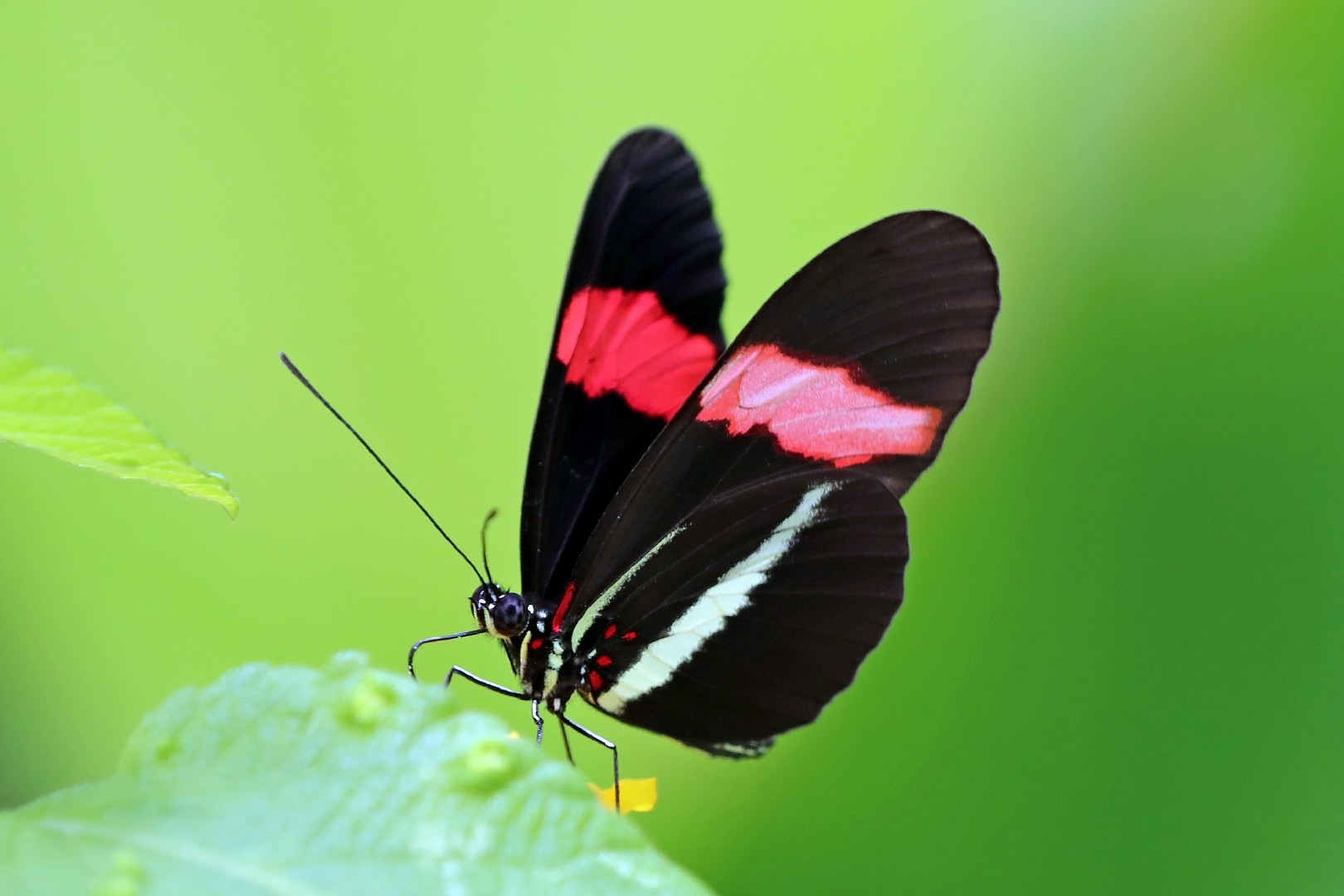
7. Red postman butterfly
The red postman butterfly (Heliconius erato) is a beautiful black and white butterfly that is a skilled actor. It exhibits mimicry to resemble a butterfly similar to the Common postman to deter predators. Also, its favorite host plants are passion flowers. But it has been known to be picky about the quality of the flower.
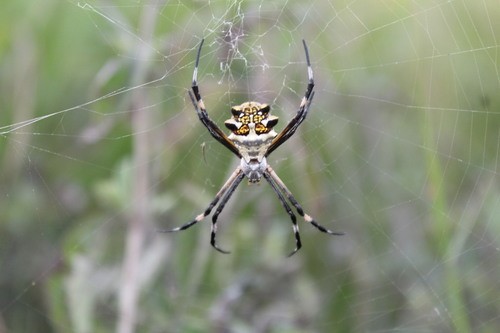
8. Silver argiope
The silver argiope (Argiope argentata) often creates unique zigzag patterns on its webs. It's usually found in warm, dry areas, especially on cacti and aloe vera plants. The females are much larger than males. They can bite and cause irritation to the skin, but the damage won't be life-threatening.
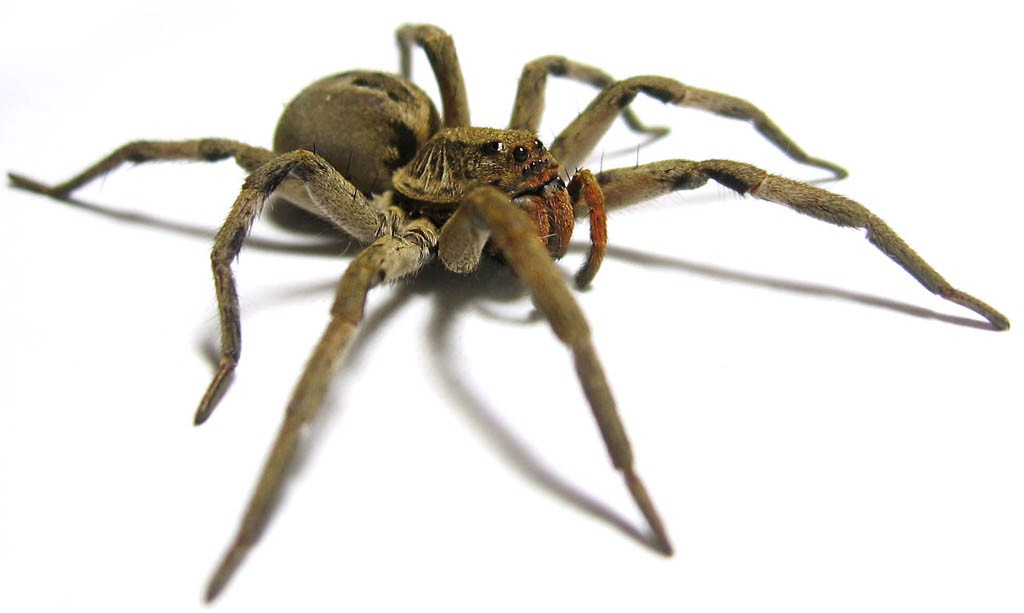
9. Lycosa erythrognatha
The animal belongs to the genus Lycosa. The scientific name of the species was first validly published in 1836 by Hippolyte Lucas.
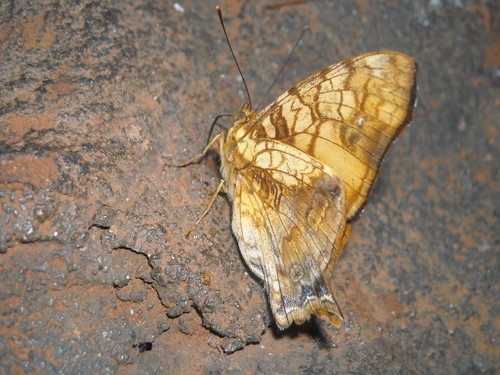
10. Orange mapwing
Hypanartia lethe has a wingspan of about 40–50 millimetres (1.6–2.0 in). Forewings are black with orange-brown spots and an orange-brown fascia composed by a few blotches. Hindwings are orange brown, with a row of black spots in the marginal area and a black narrow strip in the submarginal area near the apex. The underside of the wings shows an ornate pattern and a pale brown coloration resembling the contour lines of a topographic map (hence the common name orange mapwing). Adults have two hindwing tails of variable length.

More







