




Top 8 Most Common Insects in Littoral
Insects, a diverse group boasting unique features and vast habitats within Littoral, are integral to our ecosystem. Their diversity is influenced by Littoral's varied geographical landscapes, particularly in the Littorial regions. In this crucial relationship between environment and inhabitants, insects, whether considered pests or beneficial, play vital roles. Stay with us as we explore the top 8 most common insects buzzing around the Littorial.

Most Common Insects

1. Citrus swallowtail
Papilio demodocus , also known under the English name Citrus Swallowtail ("Citrus Swallowtail"), is a butterfly from the family of the knight butterflies (Papilionidae).
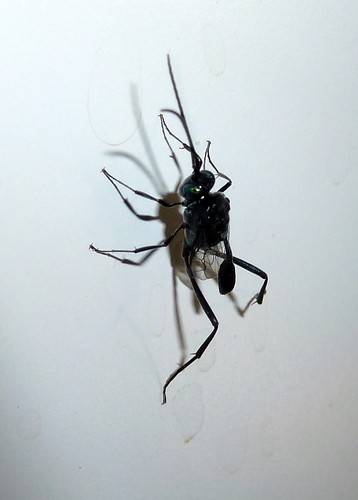
2. Cockroach egg parasitoid wasp
Aptly named, the cockroach egg parasitoid wasp is known for parasitizing cockroaches. The females lay their eggs inside of the cockroach's egg casing, and when the larvae hatch, they can feed off of the cockroach eggs. This process of inserting the eggs requires quite a bit of physical effort and maneuvering lasting, typically lasting up to thirty minutes.
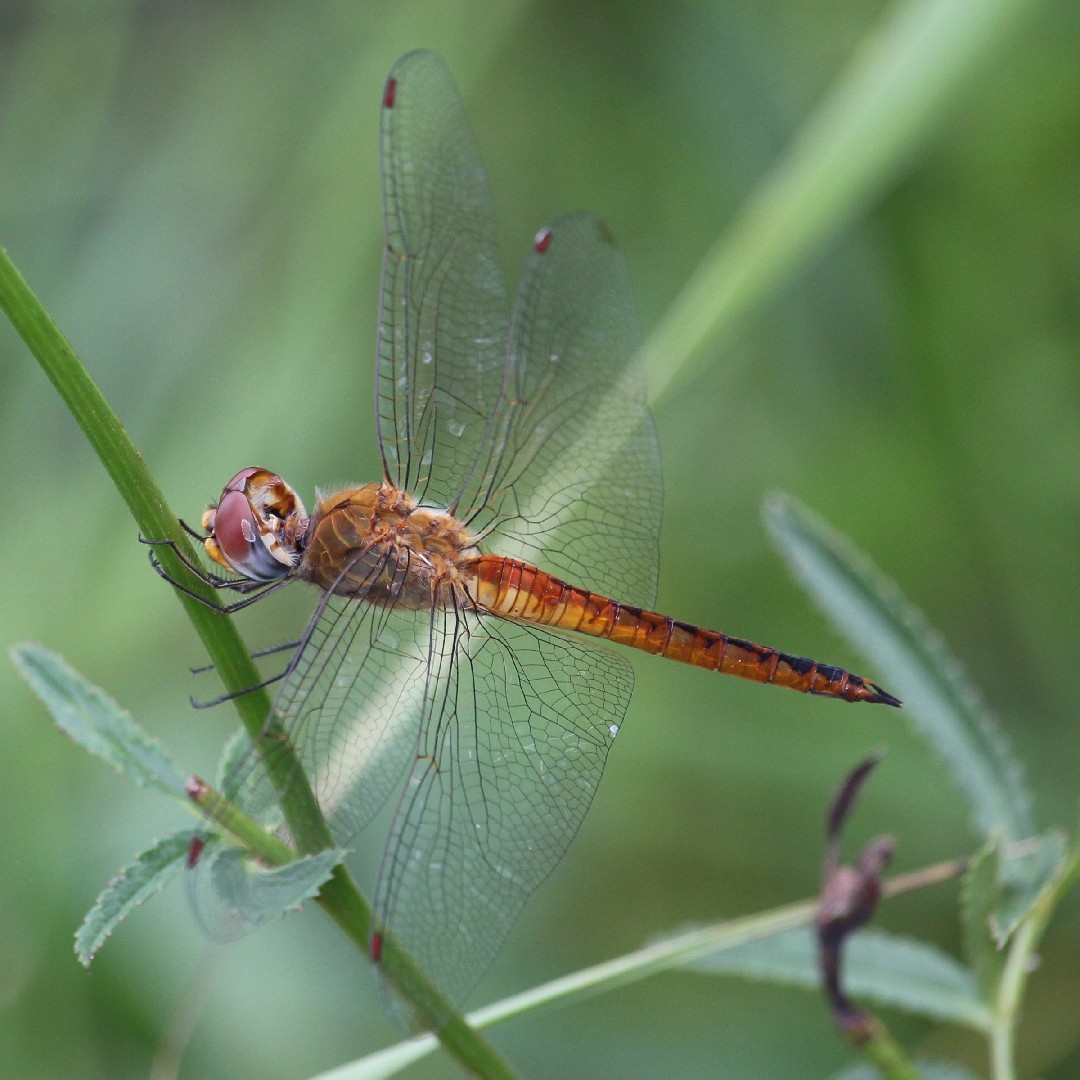
3. Wandering glider
The wandering glider (Pantala flavescens) is a yellow dragonfly that migrates long distances. It's easily recognized by its elegant flight pattern, where it seems to glide across the sky effortlessly, even when it's windy outside. It often lands near still water, which includes ponds and puddles.

4. Danaid eggfly
The danaid eggfly (Hypolimnas misippus) is a unique butterfly where females tend to have a strong advantage. Males are identified by being blackish with white spots. Females exhibit polymorphism, or the ability to have multiple forms. This means that they can resemble males in some cases, but also resemble toxic butterflies like the Monarch butterfly.
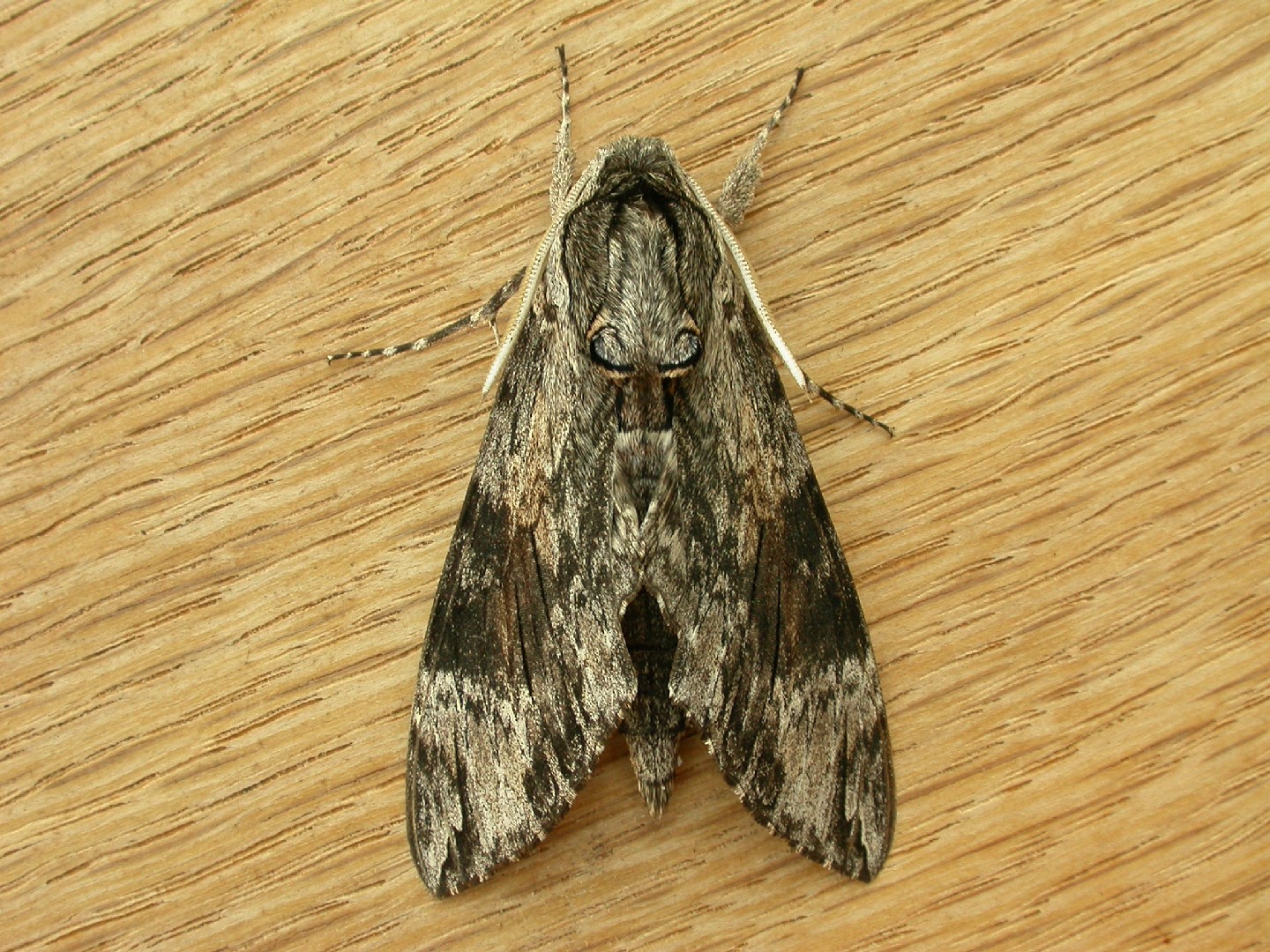
5. Convolvulus hawk moth
Convolvulus hawk moth (Agrius convolvuli) is a species of moth most commonly spotted between sunset and twilight. Its elongated head appendage is exceptionally long; longer than the rest of its body which allows it to drain nectar from trumpet-shaped flowers. It feeds while flying and is attracted to light.
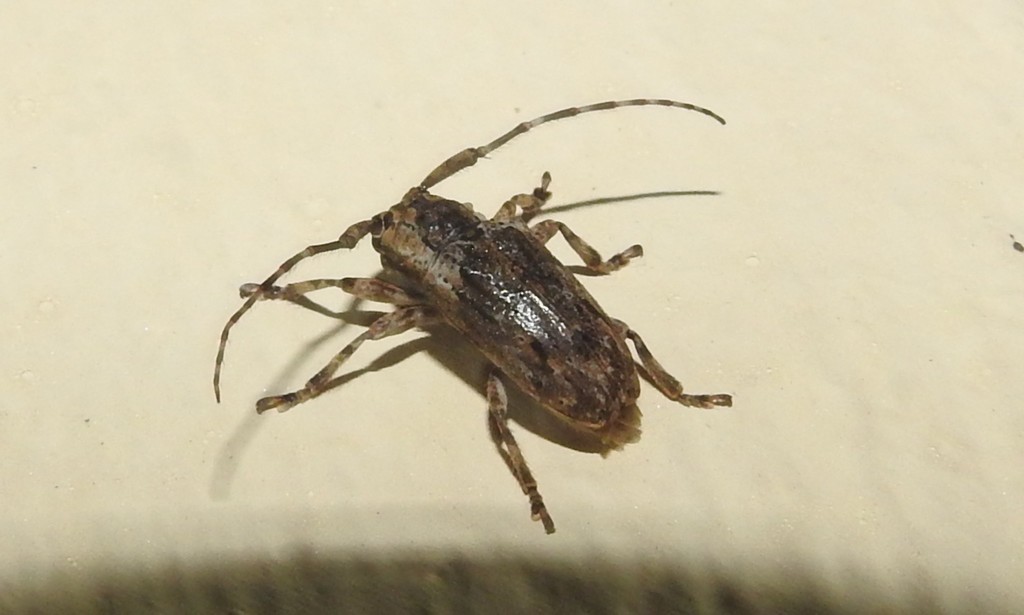
6. Long-horned beetle
Coptops aedificator (Albizia long-horned beetle) is a species of beetle in the family Cerambycidae. It was described by Johan Christian Fabricius in 1792, originally under the genus Lamia. It is known from Djibouti, Tanzania, the Democratic Republic of the Congo, Ethiopia, Oman, Gabon, India, Madagascar, Malawi, Namibia, Nigeria, Saudi Arabia, the Ivory Coast, Cameroon, Senegal, South Africa, Seychelles, Mauritius, Sri Lanka, and Zambia. It was also introduced into Cape Verde, Hawaii, and Taiwan. It feeds on Theobroma cacao and several Coffea species, including C. arabica, C. canephora, and C. liberica var. dewevrei. 
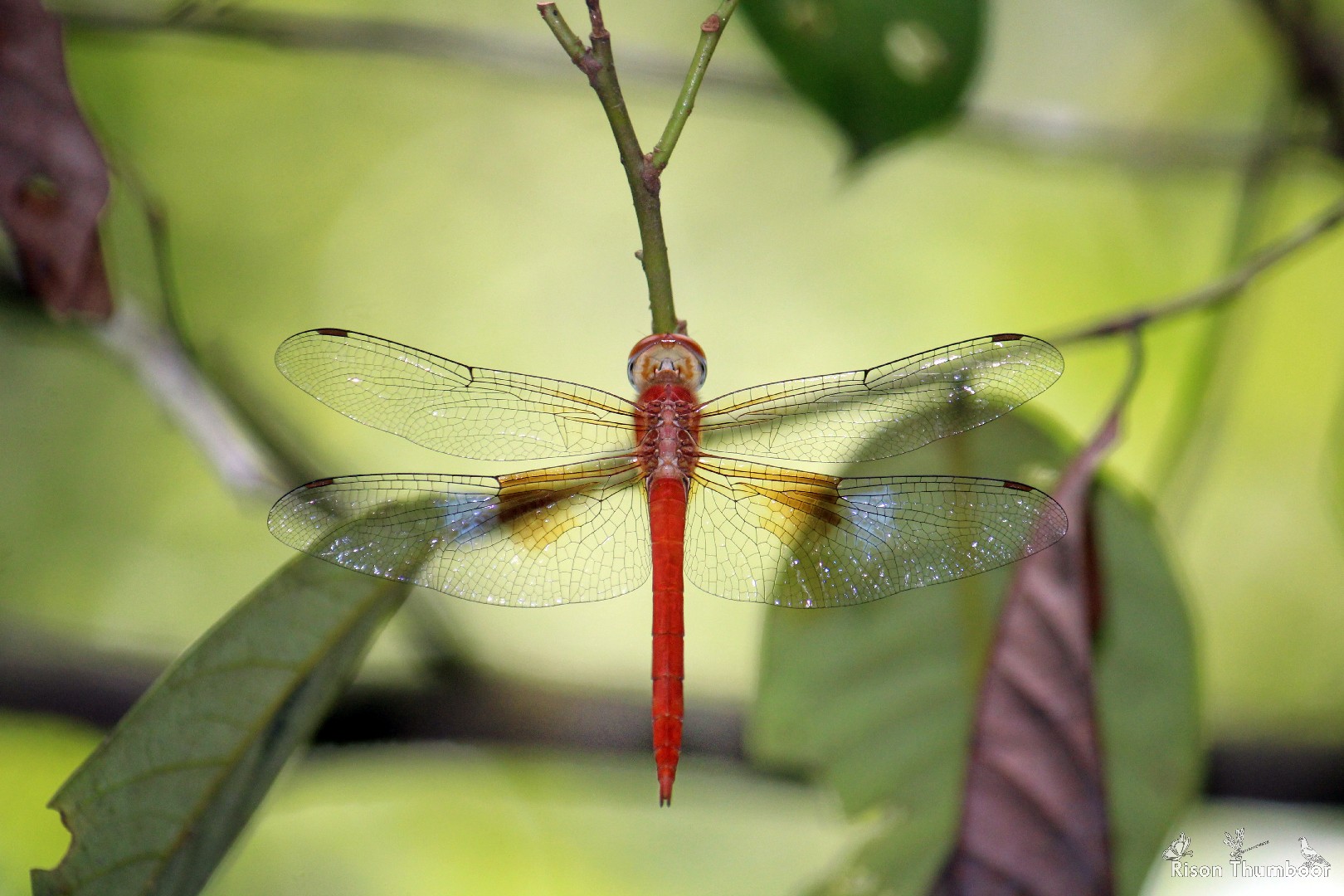
7. Coral-tailed cloud wing
The coral-tailed cloud wing (Tholymis tillarga) is known for having a wide variety of interesting names that include the Old world twister. However, the "cloud wing" name is the most identifiable due to the cloudy section of their hindwing. It has a bright, red abdomen and frequents around humid areas so that it may produce offspring in standing pools of water.
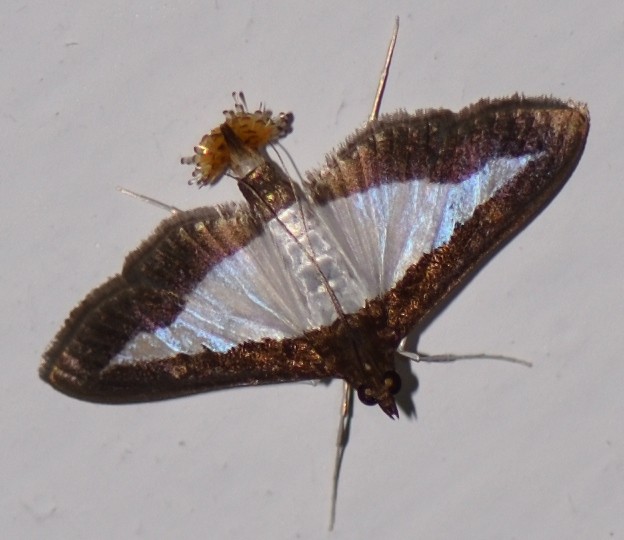
8. Cucumber Moth
The wingspan is about 30 mm. Adults have translucent whitish wings with broad dark brown borders. The body is whitish below, and brown on top of head and thorax as well as the end of the abdomen. There is a tuft of light brown "hairs" on the tip of the abdomen, vestigial in the male but well developed in the female. It is formed by long scales which are carried in a pocket on each side of the 7th abdominal segment, from where they can be everted to form the tufts. Unfertilized females are often seen sitting around with the tuft fully spread, forming two flower-like clumps of scales, which move slowly to spread their pheromones. These have been identified as consisting mainly of (E,E)-10,12-hexadecadienal and (E)-11-hexadecenal. From its closest relatives, the cucumber moth is most reliably distinguished by microscopic examination of the genitals. In the male, the clasper's harpe is twice as long as it is wide, with the costa and sacculus running almost in parallel and being strongly sclerotized, and a rounded cucullus. From the center of the harpe, which is otherwise only weakly sclerotized, a thin spine extends. The uncus is covered in bristles and ends in a small tube; it is a bit longer than the tegumen which in turn is about as wide as it is long. The vinculum is almost quadratic, and the anellus forms a small triangular plate which is more strongly sclerotized. The aedeagus is almost straight, strongly sclerotized below, and has a flattened curved process at end. In the female genitals, the ostium is transverse and oval, and the antrum broadly sclerotized. The ductus seminalis insert from above, a bit before the forward edge of the antrum. The bursa copulatrix is long and slim, with the forward third particularly narrow; its wall is covered with many short spines, and the hind end almost seamlessly merges into a short and barely distinguishable ductus bursae.







