




Top 20 Most Common Insects in Dawson Creek
Insects, characterized by their six legs and three body segments, are a fascinating group residing within Dawson Creek's varied landscapes. Geographic conditions influence the richness of insect species, reflecting Dawson Creek's diverse mix of coastal, urban, and wilderness habitats. Insects play crucial roles in the ecosystem, acting as both beneficial pollinators and challenging pests. This list introduce the top 20 common insects, their ecological roles and how Dawson Creek's environmental factors contribute to their prevalence.

Most Common Insects
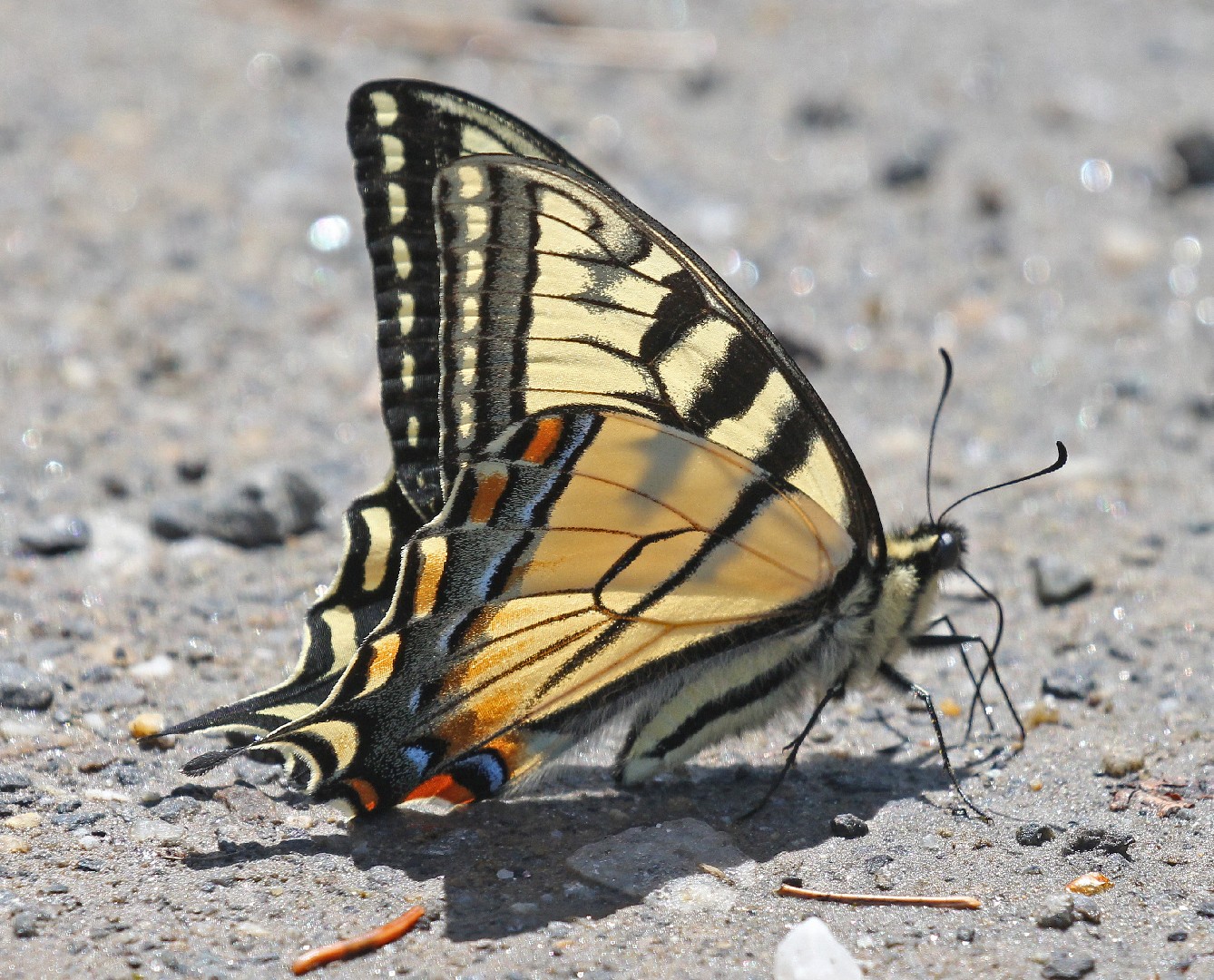
1. Canadian tiger swallowtail
The canadian tiger swallowtail (Papilio canadensis) is a beautiful insect that has earned its name by resembling tiger stripes. They are one of the most popular species when it comes to puddling, which involves butterflies splashing around in mud puddles in an attempt to get nutrients. When mothers lay their eggs, they will fold leave around them as a protective and edible shell, making them great parents.
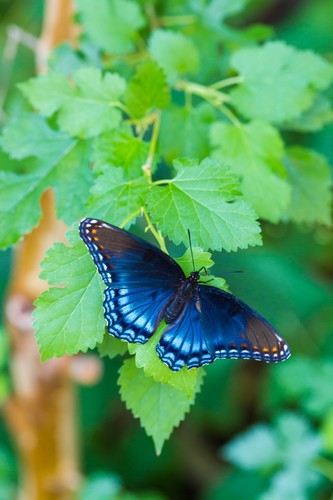
2. Red-Spotted Purple
The red-Spotted Purple (Limenitis arthemis) is a beautiful butterfly that shows off a metallic-blue color. They are also known as White Admirals due to the brilliant, white band that is seen on them. Males are incredibly aggressive in defending areas that have high female traffic. They will regularly patrol these areas to ensure other males do not take over claimed territories.
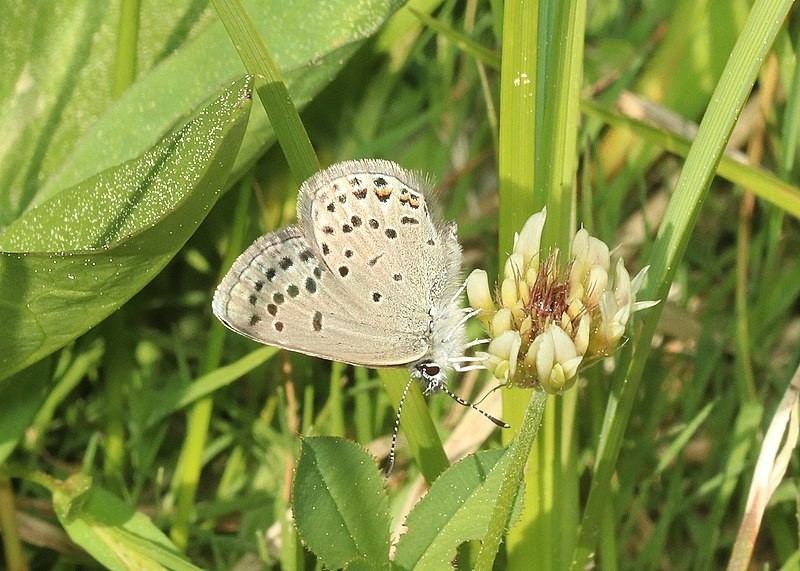
3. Greenish blue
Icaricia saepiolus, the greenish blue, is a butterfly of the family Lycaenidae. It is found from the northwestern United States to southern Saskatchewan and Alberta. The wingspan is 21–28 mm. Adults are on wing from June to August. The larvae feed on Trifolium monathum, Trifolium longipes, and Trifolium wormskioldii. 

4. Strawberry root weevil
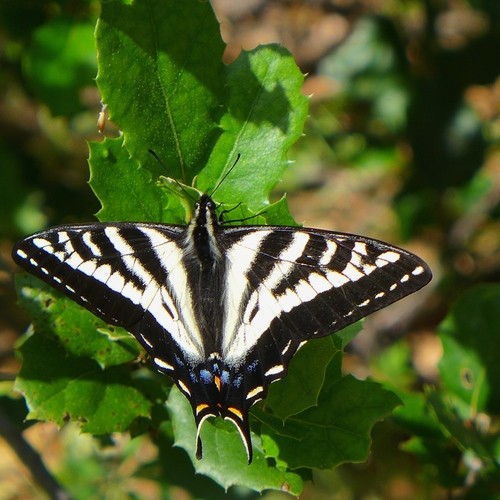
5. Pale swallowtail
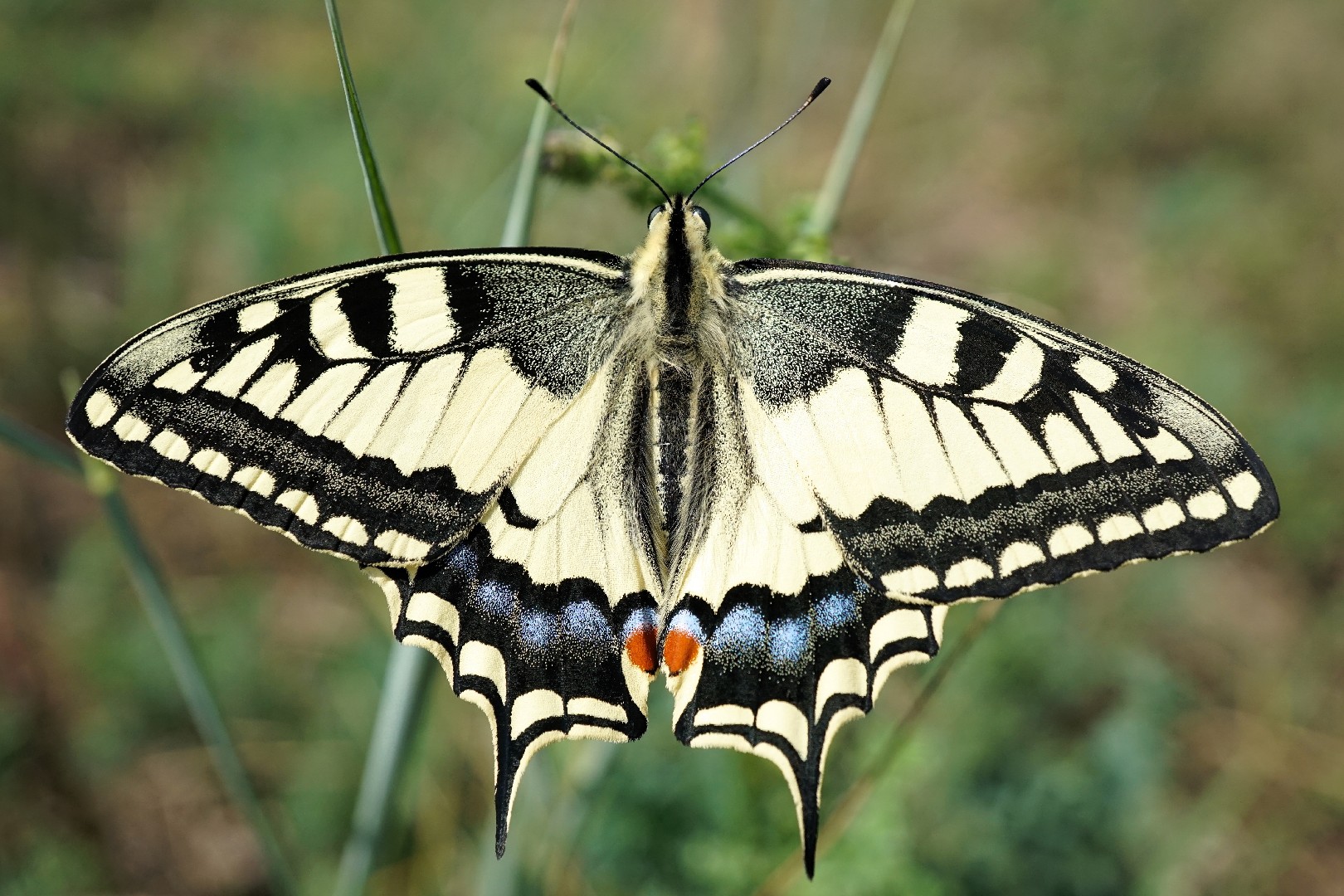
Their appearance is quite similar to that of the western tiger swallowtail, except they are a white-cream color or very pale yellow. Some pale swallowtails also have differing amounts of red-orange patches on the wings just above the tail. Tiger stripes and borders are thicker than those of western tiger swallowtails. The wingspan is typically 9 - 11 cm .Caterpillars are plump green with a single yellow band behind the thorax. They have two eye-shaped spots on the upper thorax, which may help frighten predators. Like most swallowtails, they have a red wishbone-shaped organ called the osmeterium, which pops out from behind the head and releases a foul odor to warn off predators. Caterpillars turn brown just before the fifth moult. The pupa is brown and looks like a piece of bark.
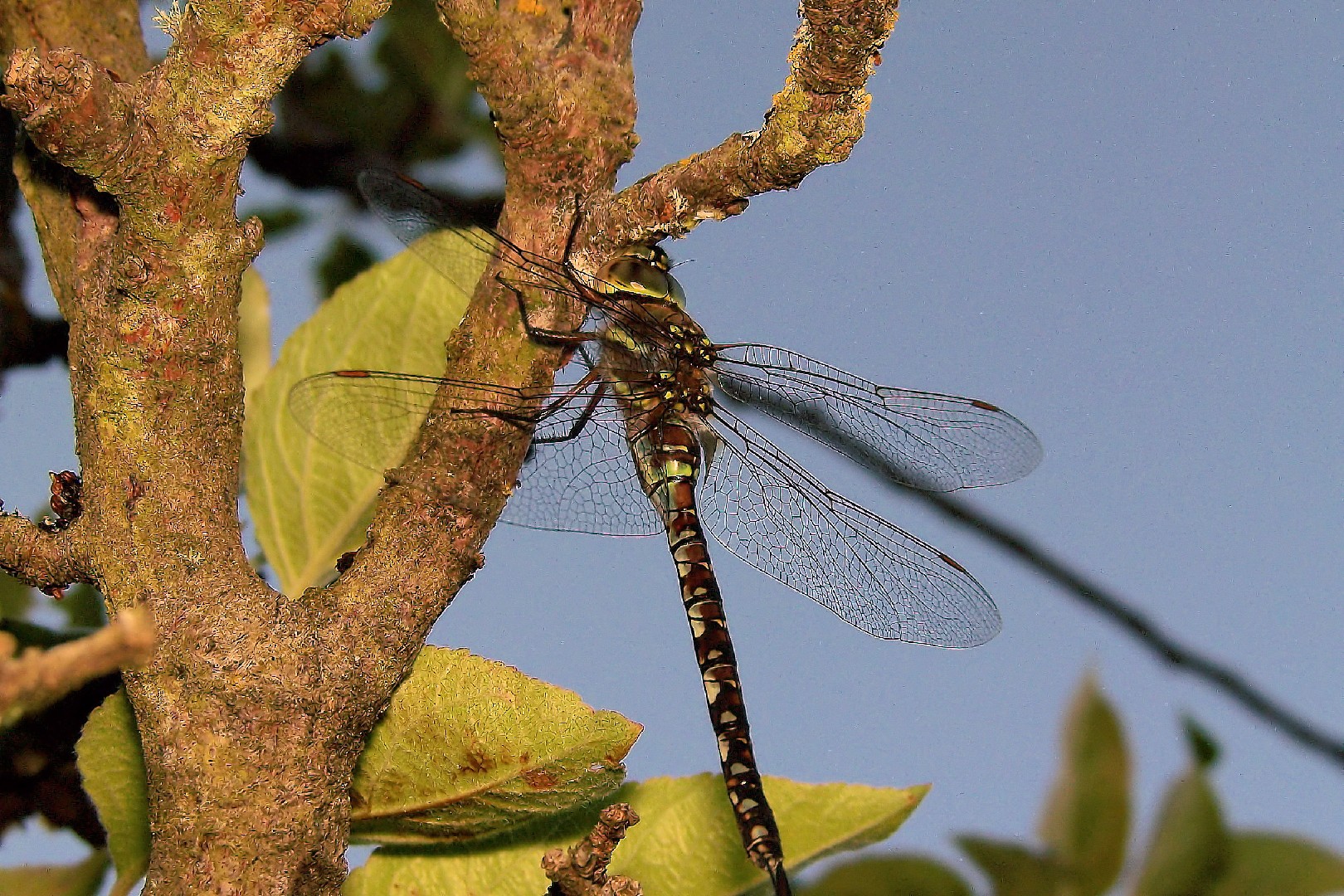
6. Variable darner
It's named after the distinctive broken stripes on the sides of the thorax of many male specimens.
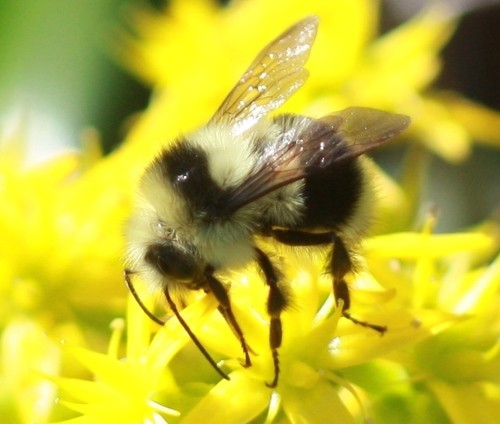
7. Black-tailed bumble bee
Bombus melanopygus is a non-woven insect from the family of bees and bumblebees (Apidae). The scientific name of the species was first validly published in 1848 by Nylander.
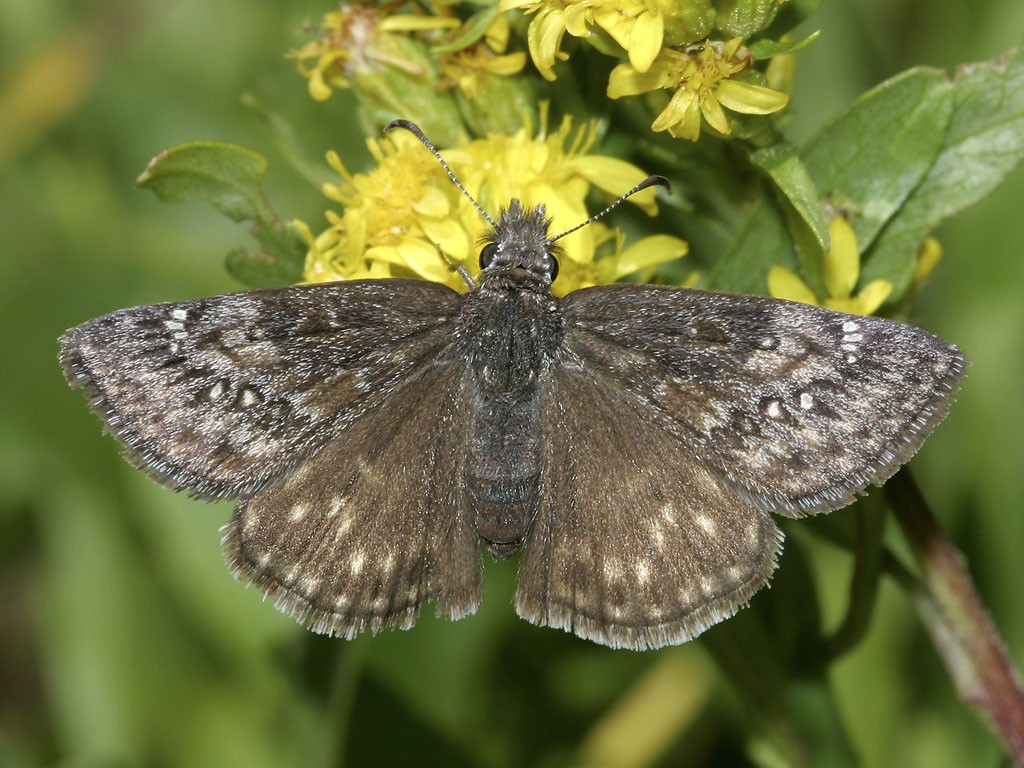
8. Persius duskywing
The upperside of both the forewings and hindwings are a dark chocolate-brown color. The forewing has clear spots with other dim markings and the patch at the end of the cell is gray. Males have raised white hairs on their forewings. The hindwings are fringed with darker brown to black and have another fringe that is creamy white. Females have a scent scale patch on their 7th abdominal segment. Caterpillars of this species are light green with a reddish cast and covered with fine, short hairs. Their head is all brownish black. Caterpillar hosts include Lupine (Lupinus), golden banner (Thermopsis), Lotus, and other legumes. Adults feed on flower nectar. The larval form of subspecies E. persius persius is dependent on the wild blue lupine, Lupinus perennis as a host plant.
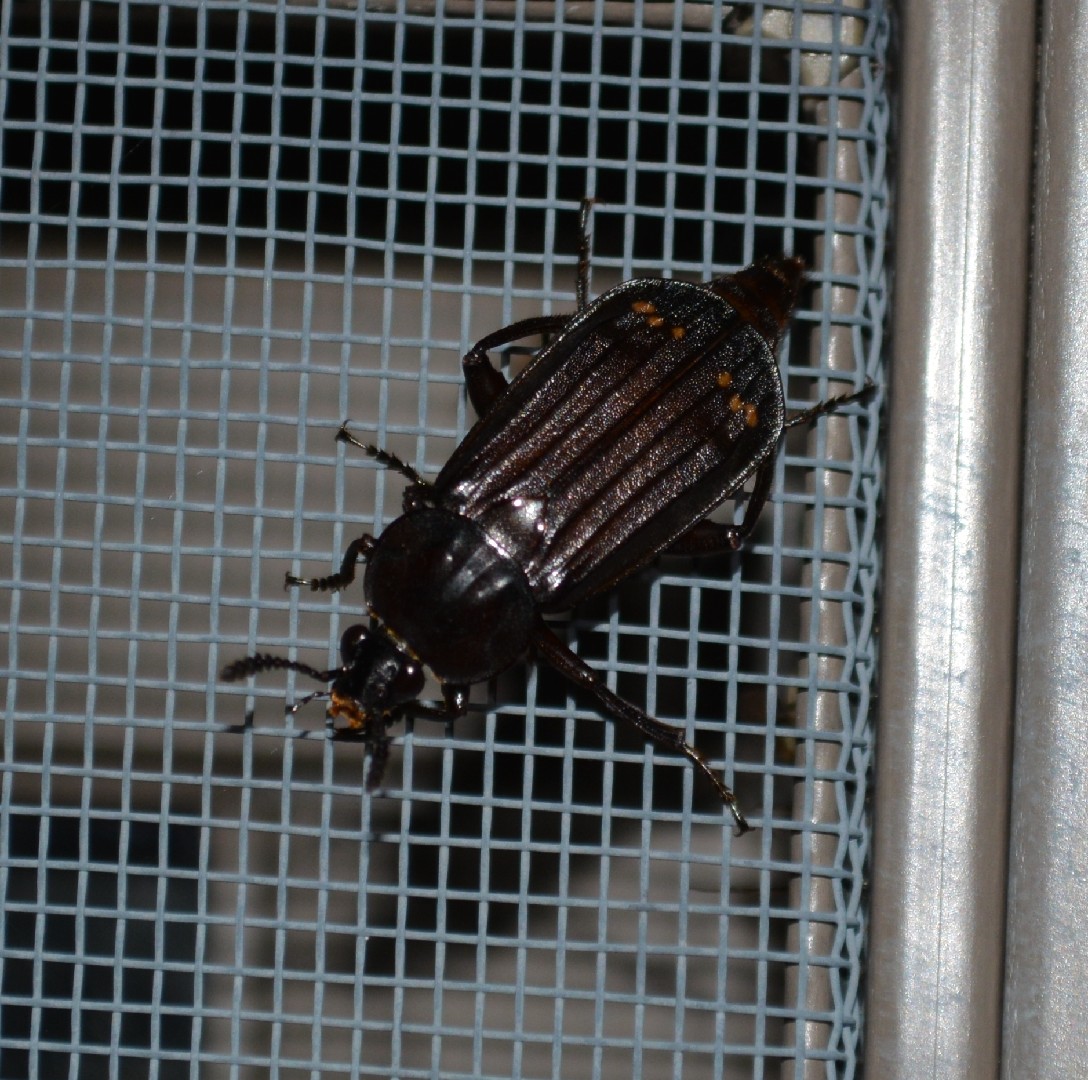
9. Red-lined carrion beetle
The red-lined carrion beetle (Necrodes surinamensis) is a nocturnal species, often attracted to lights. It's usually found near dead things, especially deceased birds. It also consumes fly larvae, which are abundant near carrion. If threatened, these bugs can release a foul-smelling chemical at all life stages.
10. Speckle-winged rangeland grasshopper
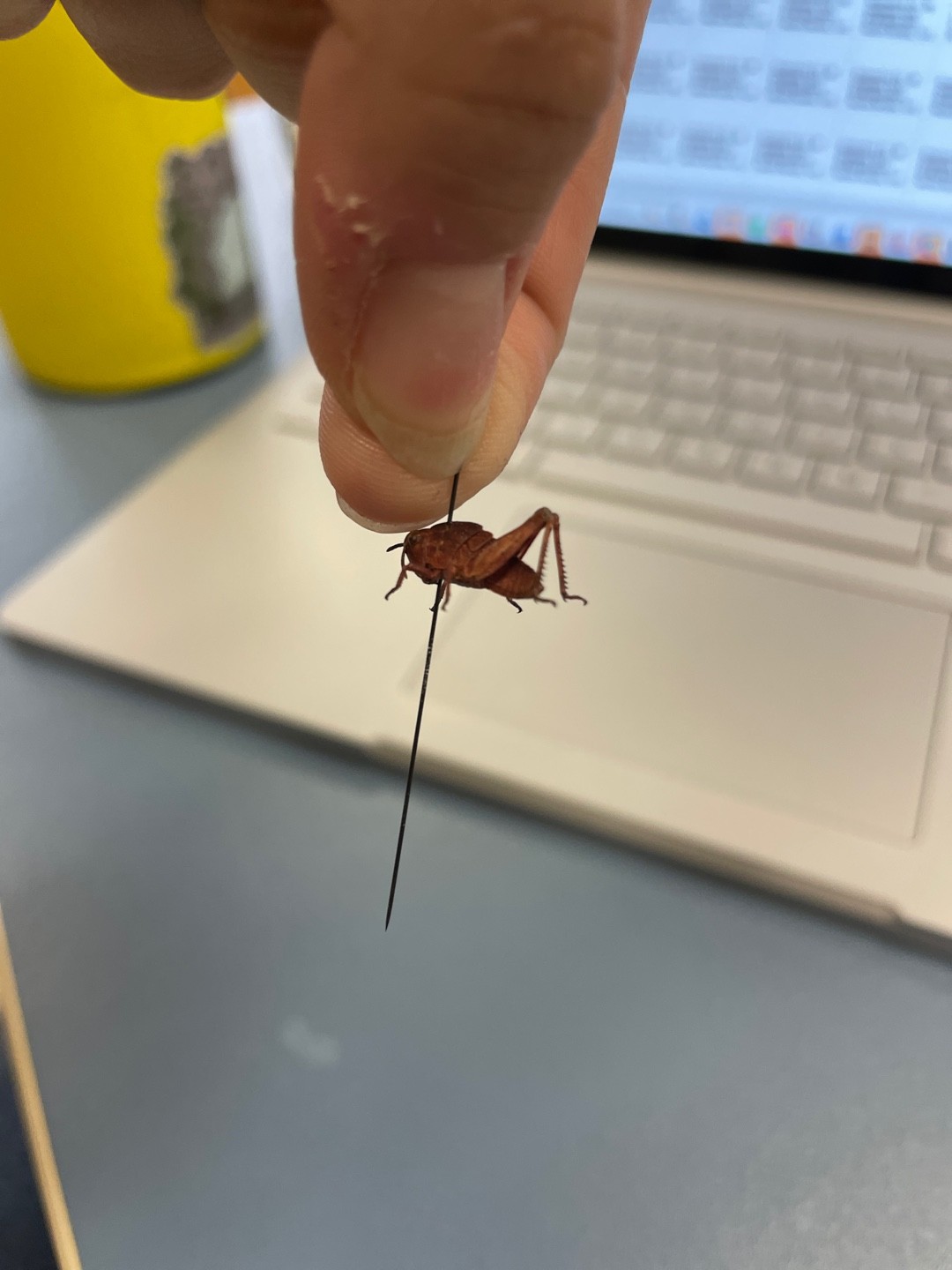
Arphia conspersa, known generally as the speckle-winged rangeland grasshopper or speckled rangeland grasshopper, is a species of band-winged grasshopper in the family Acrididae. It is found in North America.

More







