




Top 18 Most Common Insects in Powell River
Insects, characterized by their six legs and three body segments, are a fascinating group residing within Powell River's varied landscapes. Geographic conditions influence the richness of insect species, reflecting Powell River's diverse mix of coastal, urban, and wilderness habitats. Insects play crucial roles in the ecosystem, acting as both beneficial pollinators and challenging pests. This list introduce the top 18 common insects, their ecological roles and how Powell River's environmental factors contribute to their prevalence.

Most Common Insects
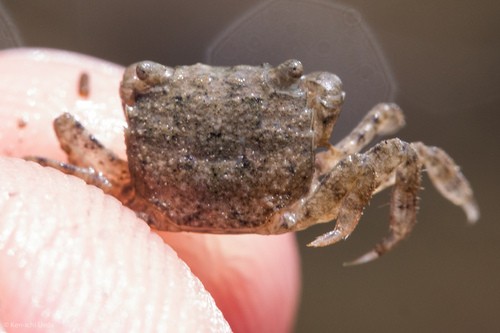
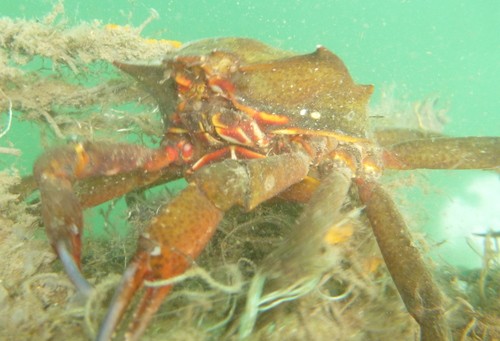
1. Yellow shore crab
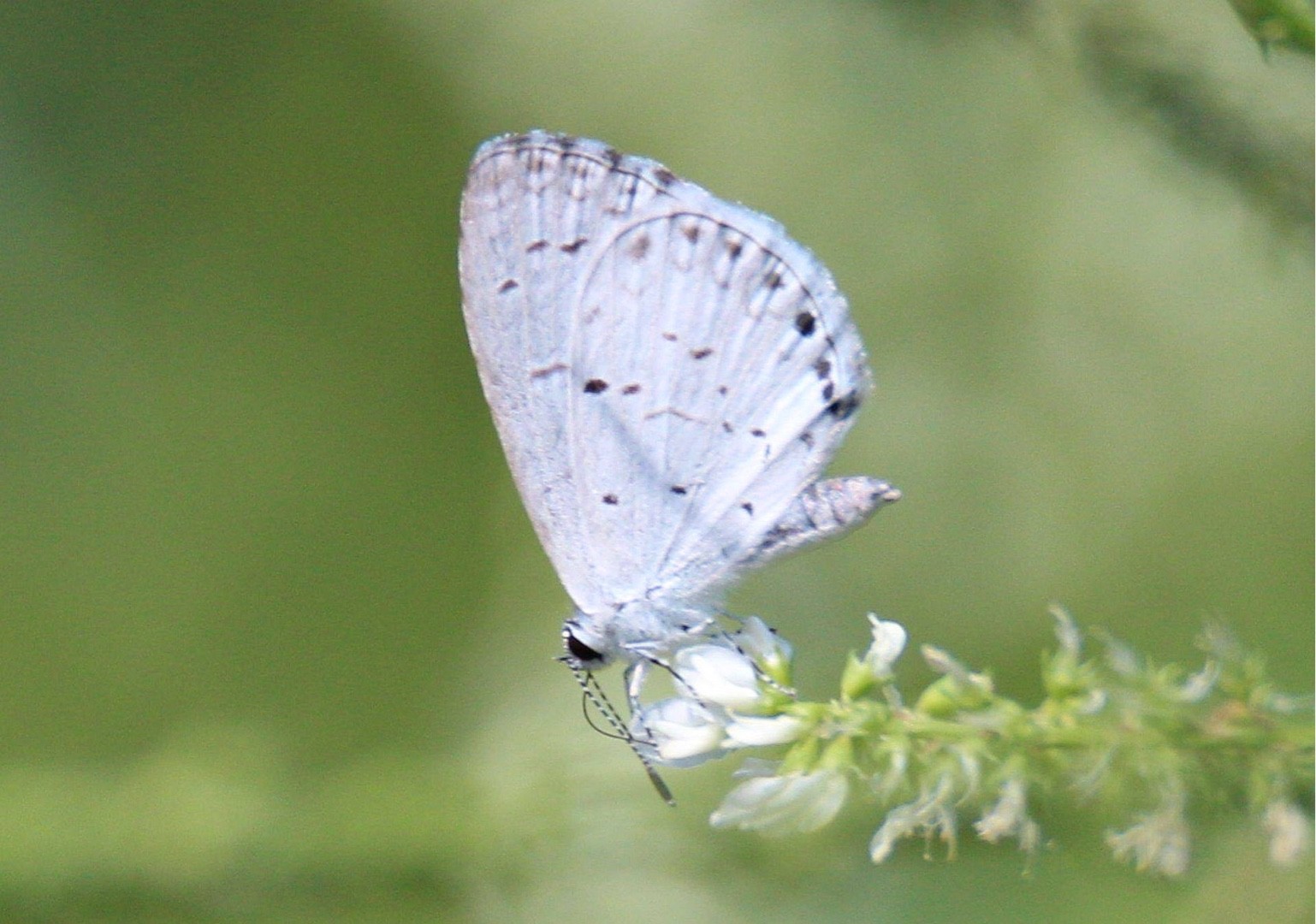
2. Spring azure
Celastrina argiolus ladon is a butterfly from the Lycaenidae family, the small pages, fire butterflies and blues. This subspecies used to be considered as a separate species, but in a revision it is classified as a subspecies of the blue tree. This revision is not accepted by all authors.
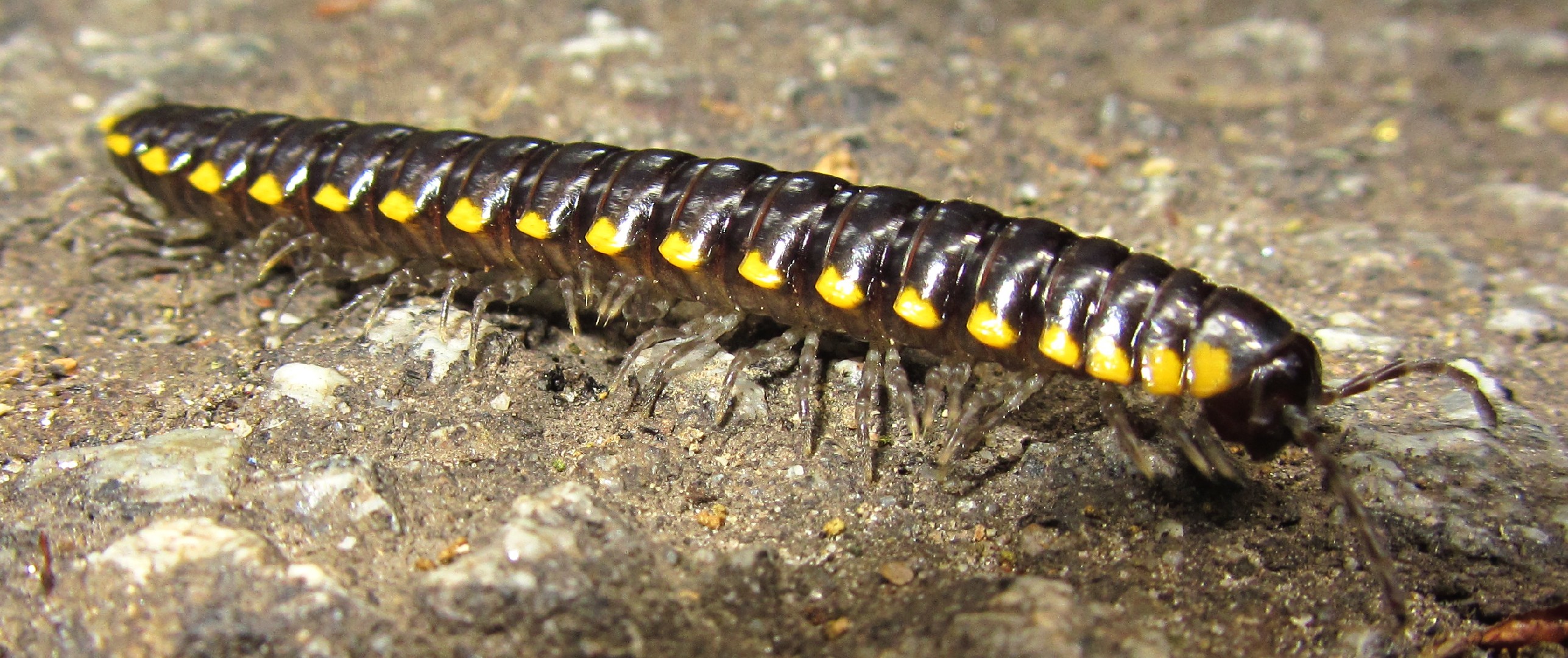
3. Yellow-spotted millipede
Harpaphe haydeniana reach a length of 4 - 5 cm when mature. The upper surface of the body is black to olive green, and is distinctively marked along the sides with patches of a yellowish colour. Harpaphe haydeniana has approximately twenty body segments, bearing a total of 30 (males) or 31 (females) pairs of legs. The difference between males and females is due to one pair of legs on the seventh segment in males being modified to form gonopods used for sperm transfer. 
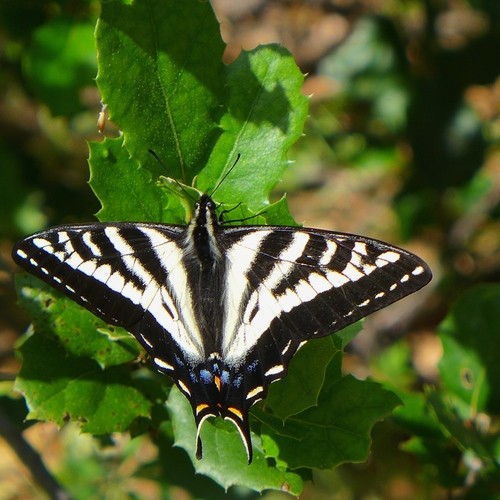
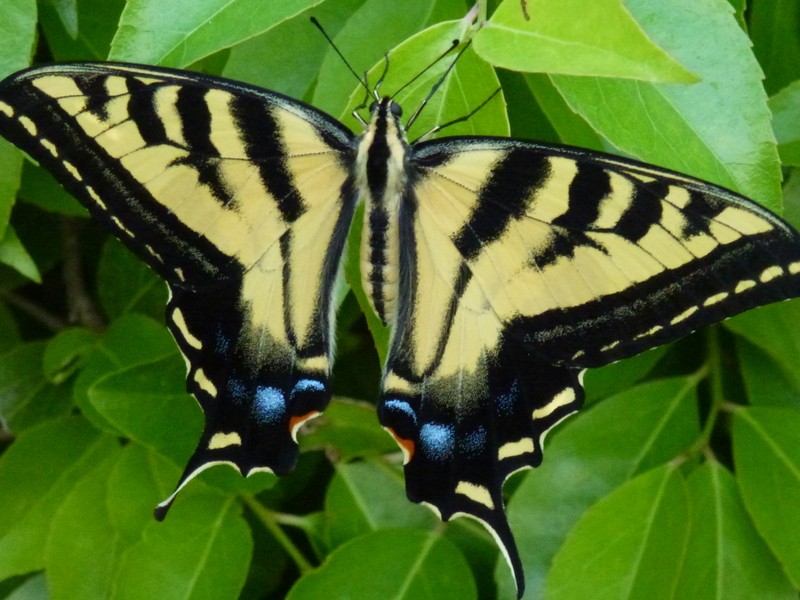
4. Pale swallowtail
Their appearance is quite similar to that of the western tiger swallowtail, except they are a white-cream color or very pale yellow. Some pale swallowtails also have differing amounts of red-orange patches on the wings just above the tail. Tiger stripes and borders are thicker than those of western tiger swallowtails. The wingspan is typically 9 - 11 cm .Caterpillars are plump green with a single yellow band behind the thorax. They have two eye-shaped spots on the upper thorax, which may help frighten predators. Like most swallowtails, they have a red wishbone-shaped organ called the osmeterium, which pops out from behind the head and releases a foul odor to warn off predators. Caterpillars turn brown just before the fifth moult. The pupa is brown and looks like a piece of bark.
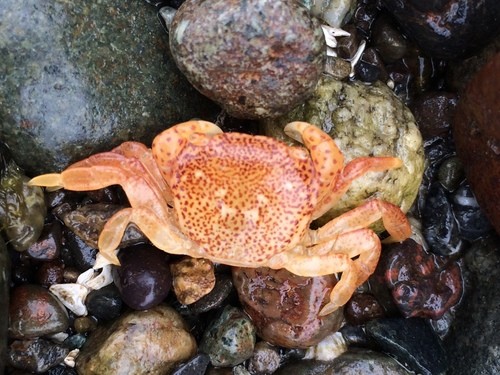
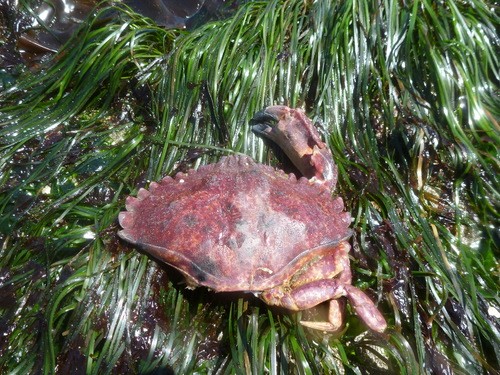
5. Purple shore crab
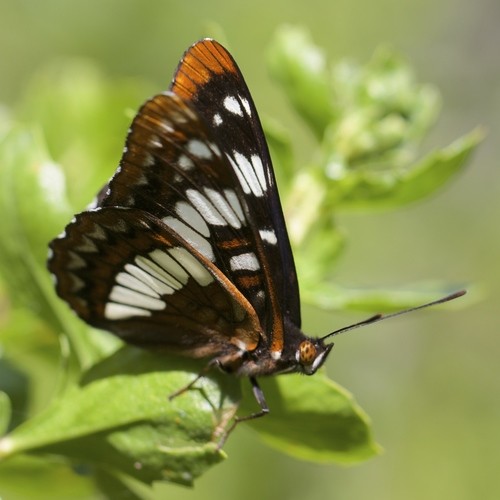
6. Lorquin's admiral
The lorquin's admiral has brown-black wings, each with a row of white spots across it. Its forewings have orange tips. The wingspan is 4.5 - 7 cm; females are generally larger than males. Larvae are usually yellow with a patch of white on the back.
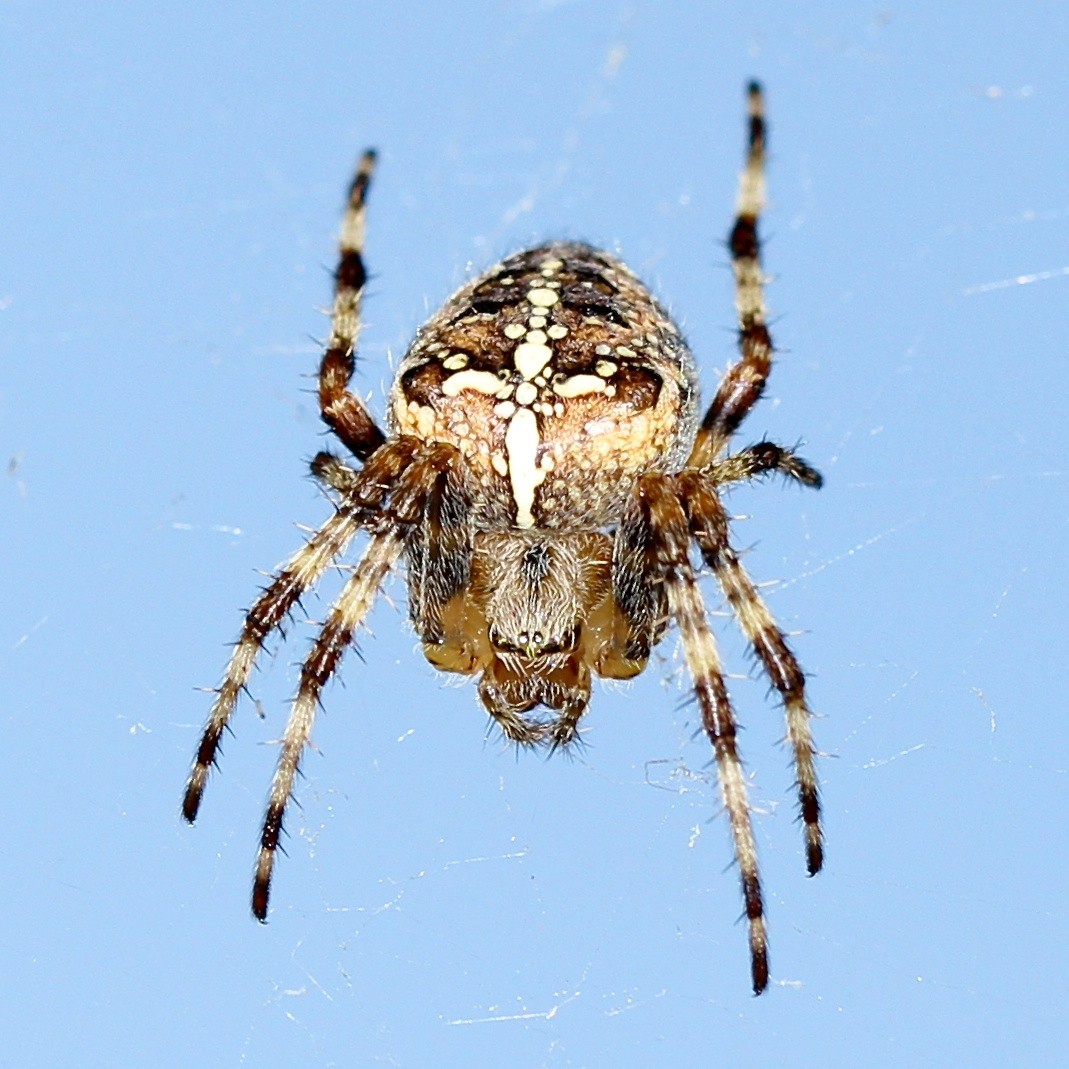
7. Crowned orbweaver
A common species of orb-weaver, crowned orbweaver (Araneus diadematus) builds large and noticeable webs. Only the females build webs, and they may prey upon their mates before, during or after engaging in sexual intercourse. Crowned orbweaver is reluctant to bite humans and will not do so unless scared or provoked. It avoids danger by vibrating in its web until it becomes a blur, confusing predators.
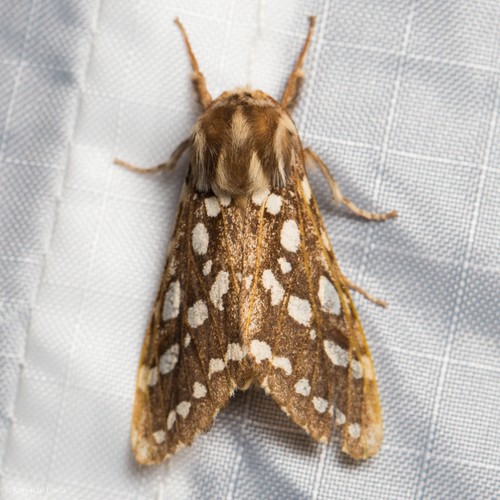
8. Silver-spotted tiger moth
Lophocampa argentata is a bear butterfly from the spider owl family (Erebidae). The scientific name of the species was first validly published in 1864 by Packard.
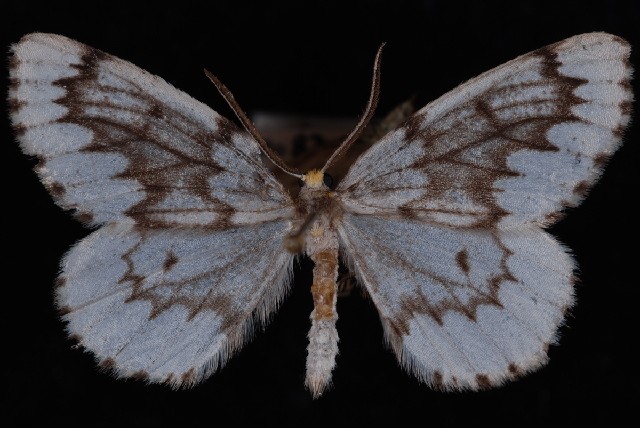
9. Phantom hemlock looper
Nepytia phantasmaria, the phantom hemlock looper, is a species of geometrid moth in the family Geometridae. It was described by Herman Strecker in 1899 and is found in North America. The MONA or Hodges number for Nepytia phantasmaria is 6907.
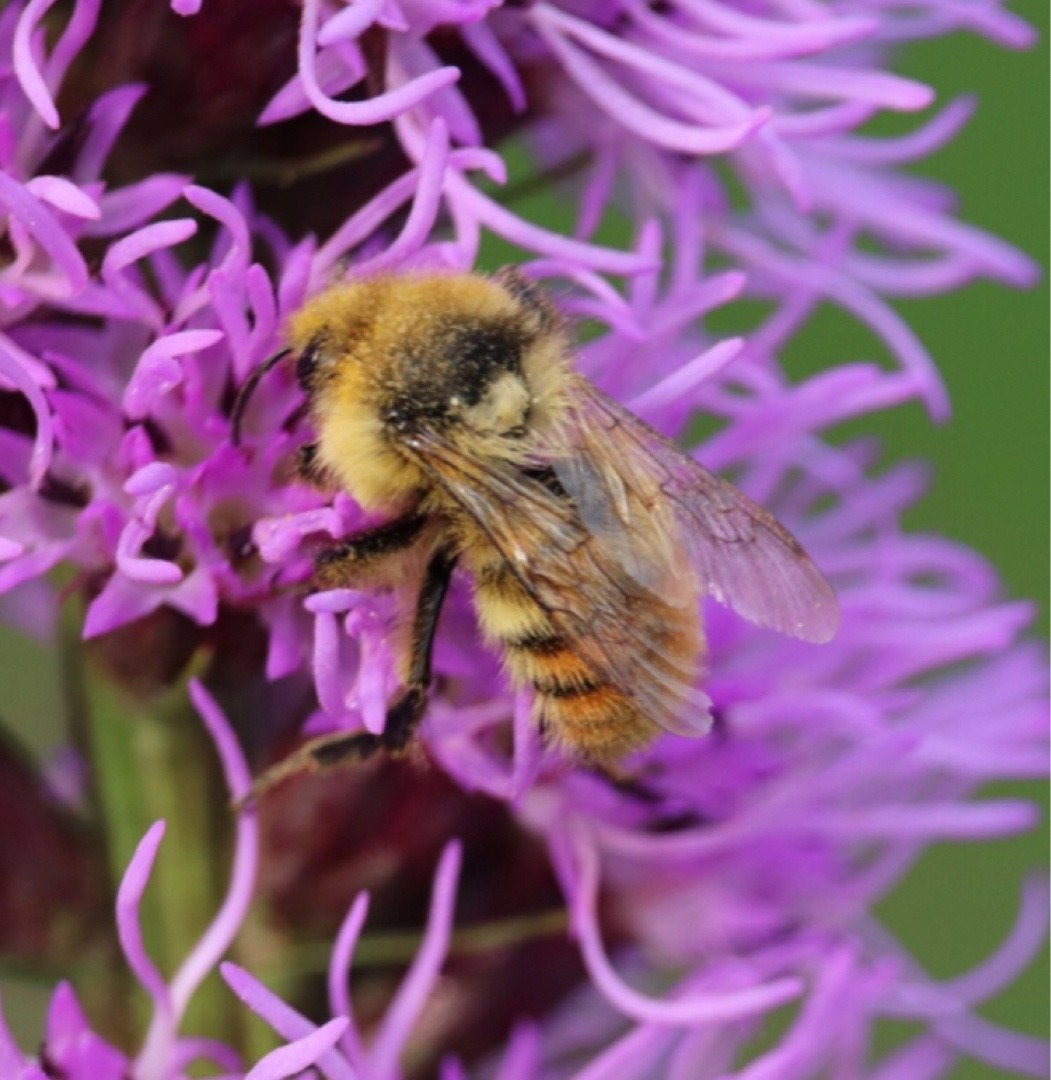
10. Yellow-fronted bumble bee
This is a robust bumblebee; the queen has a body length between 1.3 cm and 1.6 cm and a wingspan of 2.5 - 3.5 cm, the male is 1.09 - 1.2 cm in length with a wingspan of 2.5 - 2.5 cm, and the workers are 9 - 12 mm in length and 1.9 - 2.5 cm in wingspan.The yellow-fronted bumble bee has a dense, untidy fur. The head is yellow with black hairs intermixed on the posterior part, the thorax has a mixed black and yellow colouration, often (always with the queen) with a black, central field. The first two terga (abdominal segments) are yellow, on the females often with a black, central field on terga 1 to 2. Terga 3 and 4 are red, and the tail black, sometimes with yellow fields.

More







