




Top 16 Most Common Insects in Whistler
Insects, characterized by their six legs and three body segments, are a fascinating group residing within Whistler's varied landscapes. Geographic conditions influence the richness of insect species, reflecting Whistler's diverse mix of coastal, urban, and wilderness habitats. Insects play crucial roles in the ecosystem, acting as both beneficial pollinators and challenging pests. This list introduce the top 16 common insects, their ecological roles and how Whistler's environmental factors contribute to their prevalence.

Most Common Insects
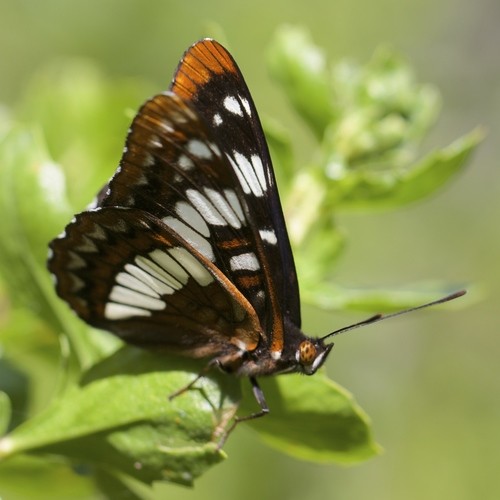
1. Lorquin's admiral
The lorquin's admiral has brown-black wings, each with a row of white spots across it. Its forewings have orange tips. The wingspan is 4.5 - 7 cm; females are generally larger than males. Larvae are usually yellow with a patch of white on the back. 
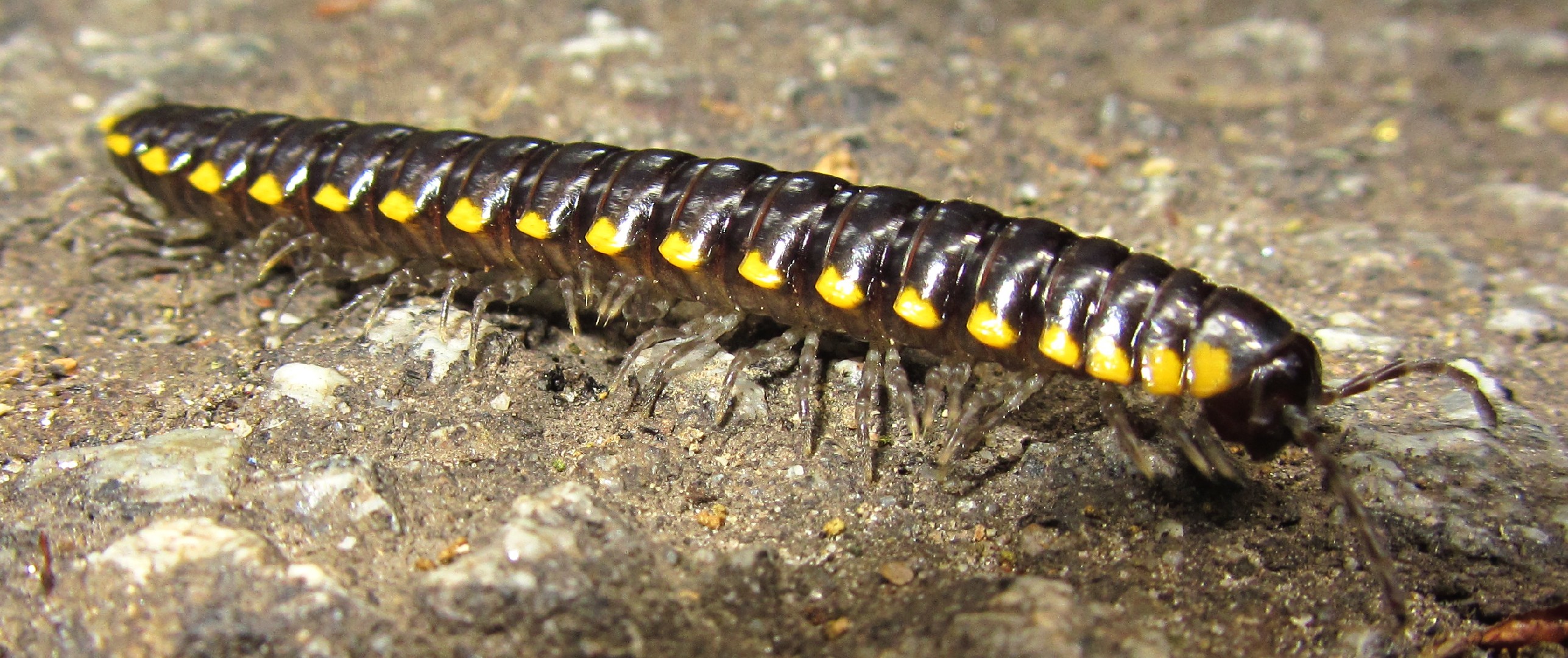
2. Yellow-spotted millipede
Harpaphe haydeniana reach a length of 4 - 5 cm when mature. The upper surface of the body is black to olive green, and is distinctively marked along the sides with patches of a yellowish colour. Harpaphe haydeniana has approximately twenty body segments, bearing a total of 30 (males) or 31 (females) pairs of legs. The difference between males and females is due to one pair of legs on the seventh segment in males being modified to form gonopods used for sperm transfer.
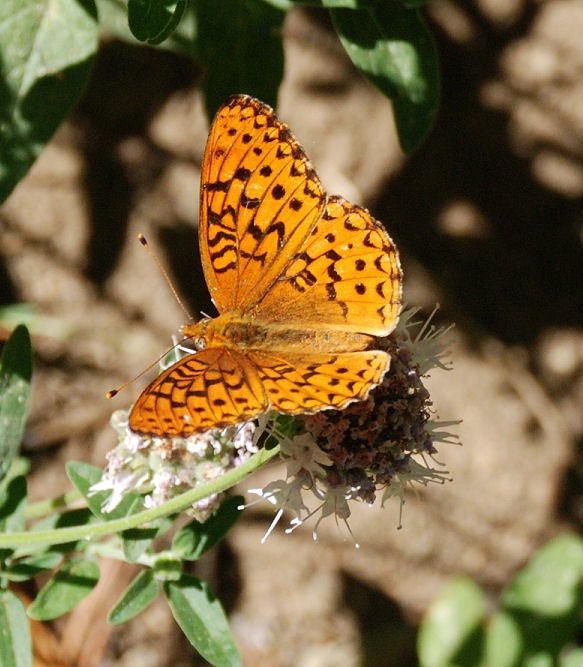
3. Mormon fritillary
Speyeria mormonia is a butterfly from the Nymphalidae family. The scientific name of the species was first validly published in 1869 by Jean Baptiste Boisduval.

4. Rocky mountain parnassian
The butterfly ranges in color from white to pale yellow-brown, with red and black markings that indicate to predators it is unpalatable.
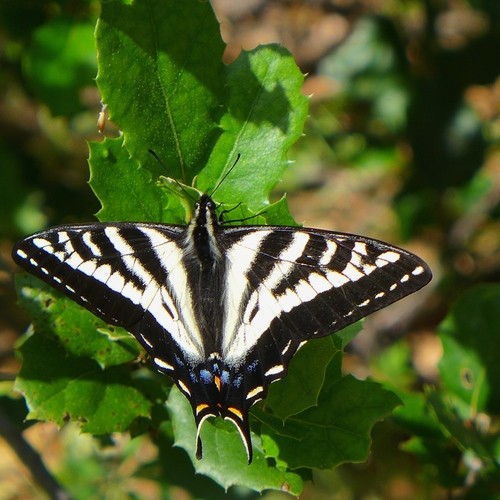
5. Pale swallowtail
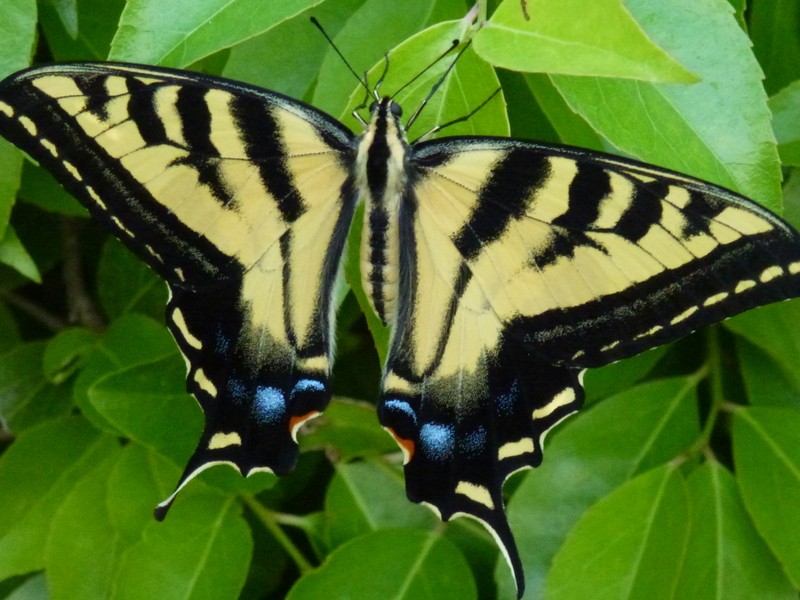
Their appearance is quite similar to that of the western tiger swallowtail, except they are a white-cream color or very pale yellow. Some pale swallowtails also have differing amounts of red-orange patches on the wings just above the tail. Tiger stripes and borders are thicker than those of western tiger swallowtails. The wingspan is typically 9 - 11 cm .Caterpillars are plump green with a single yellow band behind the thorax. They have two eye-shaped spots on the upper thorax, which may help frighten predators. Like most swallowtails, they have a red wishbone-shaped organ called the osmeterium, which pops out from behind the head and releases a foul odor to warn off predators. Caterpillars turn brown just before the fifth moult. The pupa is brown and looks like a piece of bark.
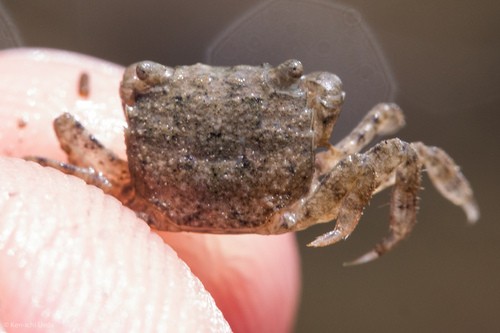
6. Yellow shore crab
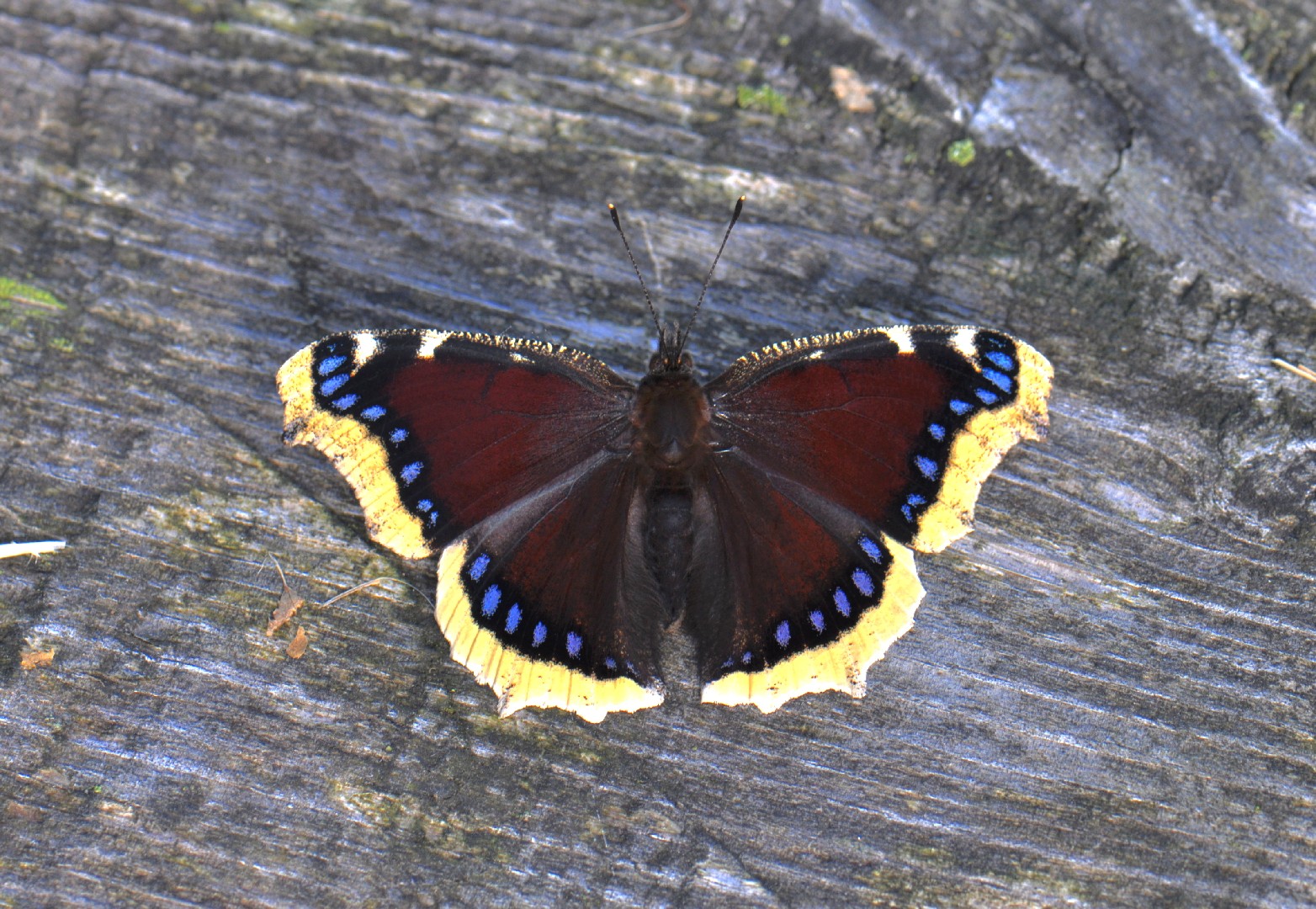
7. Mourning cloak
The state insect of Montana, mourning cloak (Nymphalis antiopa) owes its name to a visual comparison with a girl who, disliking mourning, allows a few inches of color to show from under her mourning garb. Among the longest-lived butterflies, individuals may persist for as long as eleven to twelve months. It is a powerful flier, with vagrants often found many miles from the usual migration paths.
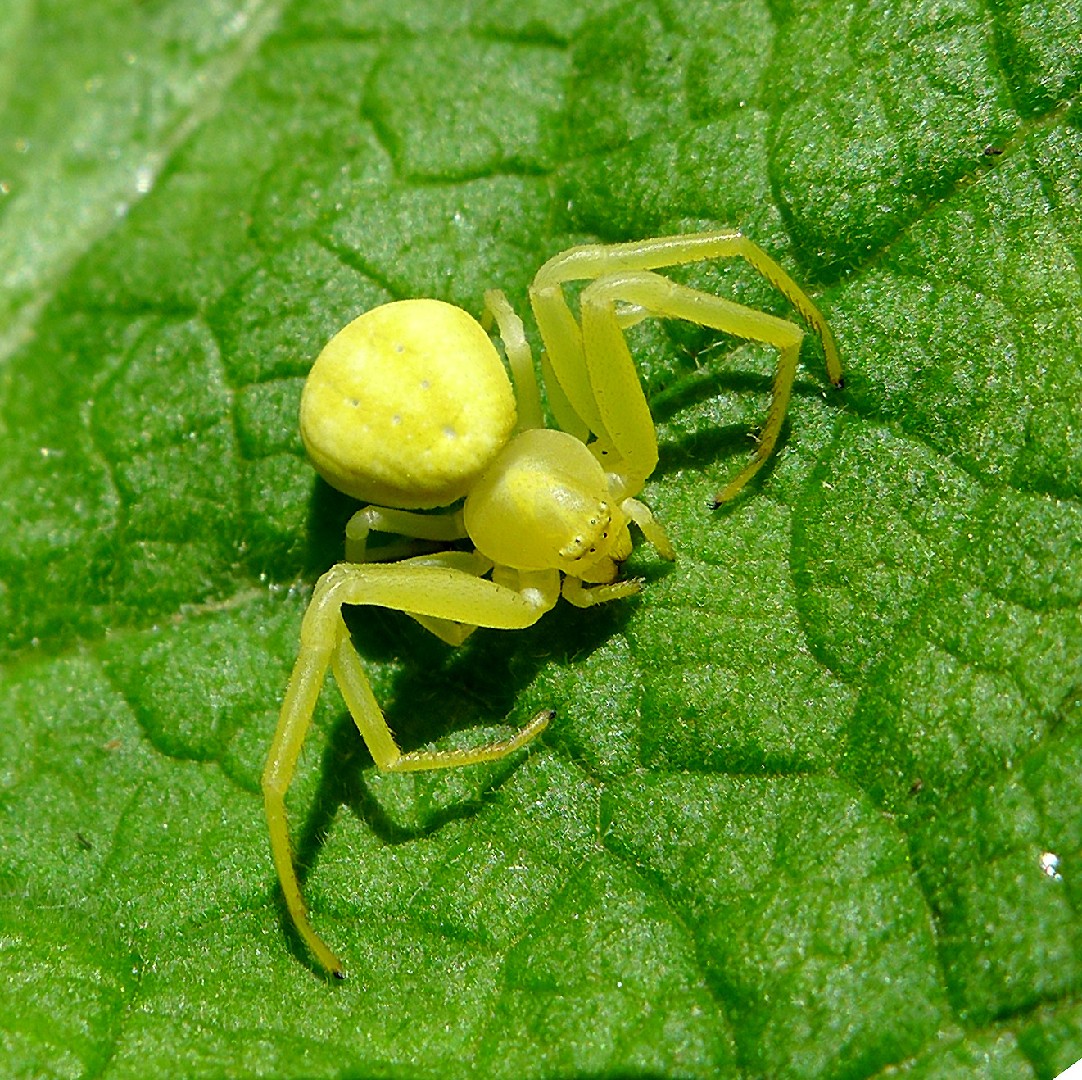
8. Goldenrod crab spider
Rather than for its coloring, goldenrod crab spider (Misumena vatia) is named for its tendency to hunt within sprays of goldenrod. This species is capable of catching and consuming prey several times larger than itself, such as dragonflies or grasshoppers. Loyal parents, the females will guard their eggs until they hatch and the tiny spiders disperse, after which the female will die.
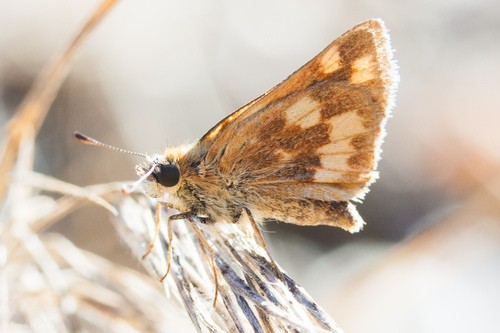
9. Woodland skipper
The wingspan is 2.5 - 3 cm. The upperside is orange with toothed brown borders. The forewing of the males has a black stigma, while females have or a black diagonal band. There is a large reddish patch on the hindwings. The underside is variable in colour, ranging from yellow to reddish to brown. The hindwing varies from unmarked to having a distinct band of cream to yellow spots.
10. Hydaspe fritillary
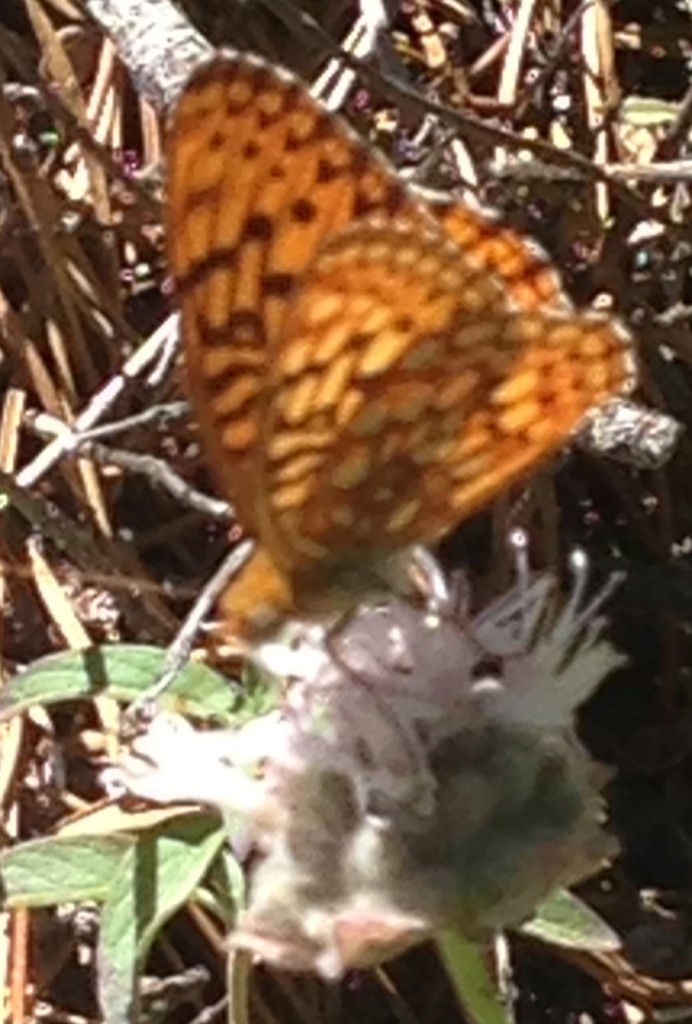
Speyeria hydaspe, the Hydaspe fritillary, is a species of orange-brown butterfly found in the western portions of the United States and Canada. A small fritillary, it usually has cream-colored underwing spots, but the Vancouver Island subspecies has silver spots. It is similar to S. zerene and S. atlantis, but may be distinguished by the smooth and even appearance of its postmedian spotband. The caterpillars feed on violets including Viola glabella. A single brood flies from July through September and feeds on flower nectar. They may be found in moist forests, in clearings and subalpine meadows.
More







