




Top 20 Most Common Insects in Cape Breton
Insects, with their incredible diversity and adaptability, are a vibrant part of Cape Breton's various environments. From coastal terrain to forested areas, insect diversity within Cape Breton reflects unique geographical factors. These diminutive creatures play pivotal roles in our ecosystem, be it as pesky intruders or beneficial polliantors. Our list, the 'Top 20 Most Common Insects of Cape Breton', offers fascinating insight into these everyday wonders.

Most Common Insects
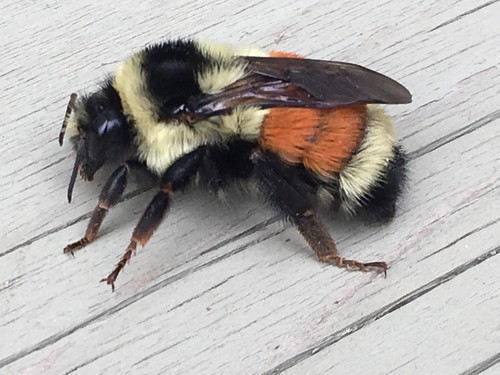
1. Orange-belted bumble bee
Bombus ternarius is a small, fairly slender bumblebee. The queen is 0.67–0.75 in long and the breadth of the abdomen is 0.33–0.35 in. The workers are 0.31–0.51 in, and the drones are 0.37–0.51 in in length. Both the worker and the drone have abdomens about 0.18–0.22 in in breadth. The queen and workers have black heads, with a few pale yellow hairs. The anterior and posterior thorax and the first and fourth abdominal segments are yellow, abdominal segments 2 to 3 are orange, and the terminal segments are black. The queen and the workers are close in resemblance, and the most striking difference between them is in the size of their fat deposits. Workers have very little fat, particularly in their abdomen, leaving plenty of room for the honey stomach, an enlargement of the oesophagus in which nectar can be stored on foraging trips. In contrast, in young queens, the abdomen is largely full of fat.The drone has a yellow head with a few black hairs. The coloration of the thorax and abdomen is similar to that of the females, with the exception that the last abdominal segments are yellow on the sides. The fur of the drone is longer than that of the females. 
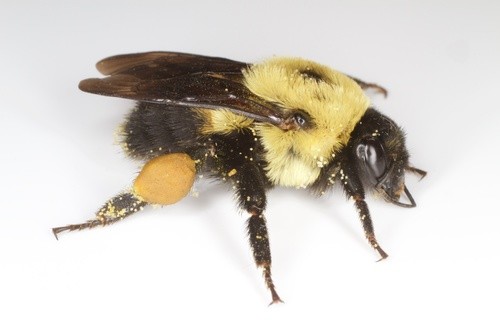
2. Common Eastern Bumble Bee
The common Eastern Bumble Bee (Bombus impatiens) is one of the most important pollinator bees in North America. A decline in the bee population will lead to financial hardships for farmers and reduced food yield. Their efficiency in pollination and foraging comes from their ability to drop "traplines." These lines guide other bees to the correct path for food while informing them of depleted locations.
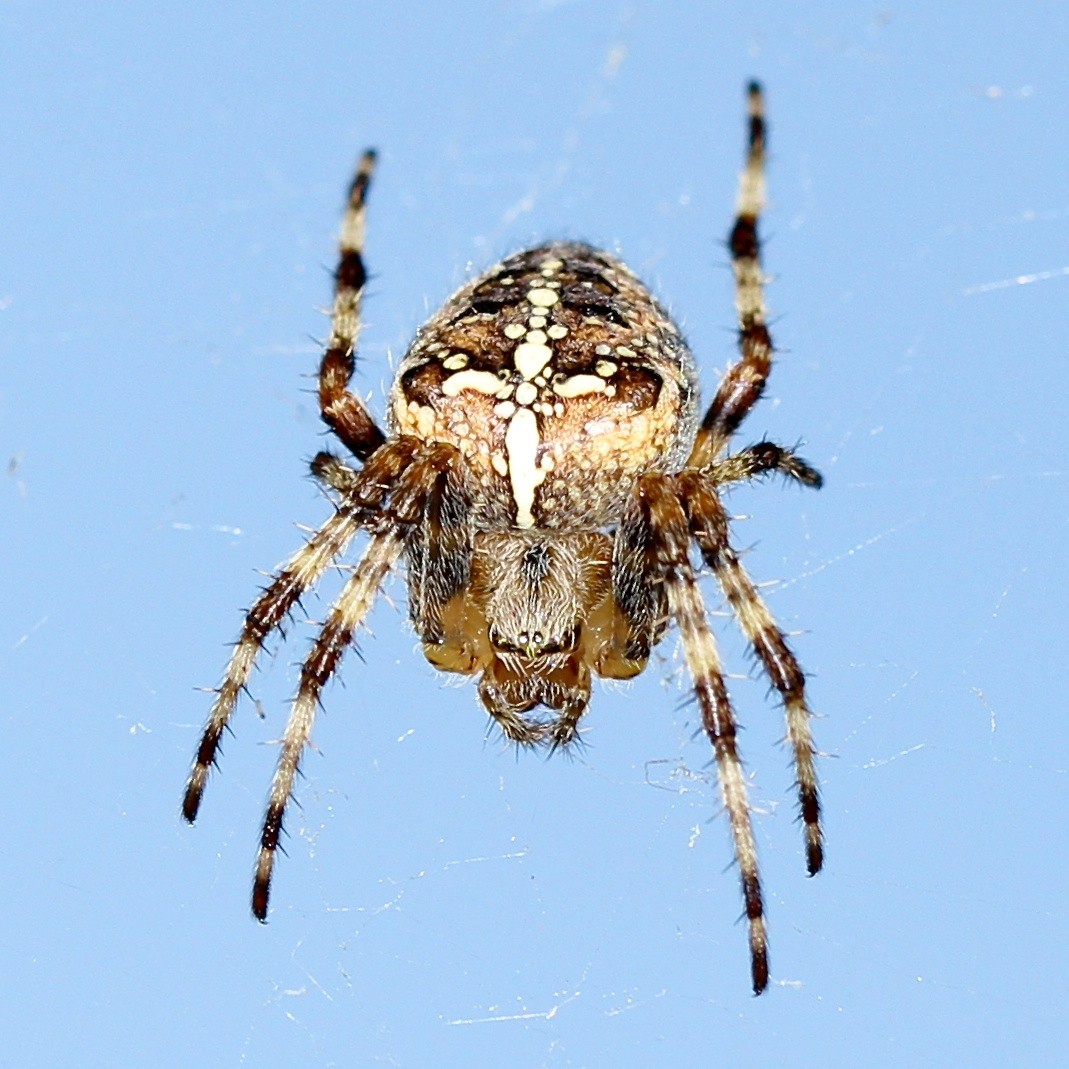
3. Crowned orbweaver
A common species of orb-weaver, crowned orbweaver (Araneus diadematus) builds large and noticeable webs. Only the females build webs, and they may prey upon their mates before, during or after engaging in sexual intercourse. Crowned orbweaver is reluctant to bite humans and will not do so unless scared or provoked. It avoids danger by vibrating in its web until it becomes a blur, confusing predators.
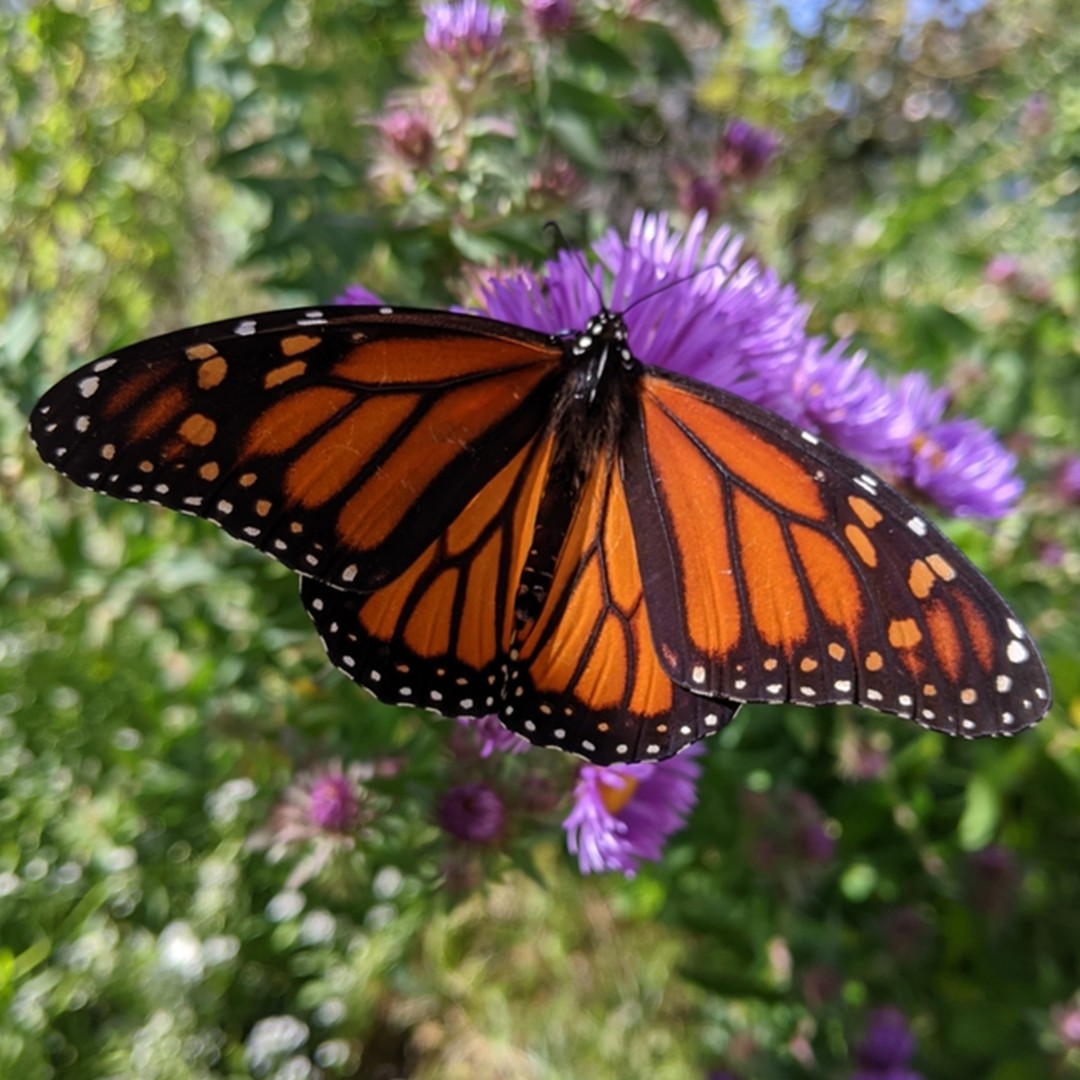
4. Monarch butterfly
The monarch butterfly (Danaus plexippus) is the most recognizable butterfly in North America. It is best known for its appearance, but should be better known for the fact that it has a 3000-mile migration that takes the butterfly 4 generations to complete. Their diet is also a natural deterrent for predators, as they eat milkweed, a poison that induces vomiting.

5. Multicolored asian ladybeetle
Often confused for the ladybug, multicolored asian ladybeetle (Harmonia axyridis) is a separate species that, unlike the ladybug, is a household pest. It is considered particularly annoying for its habit of returning to places from which it is removed. One of the most variable species in the world, there are many different colors and patterns multicolored asian ladybeetle may display, making identification potentially difficult.
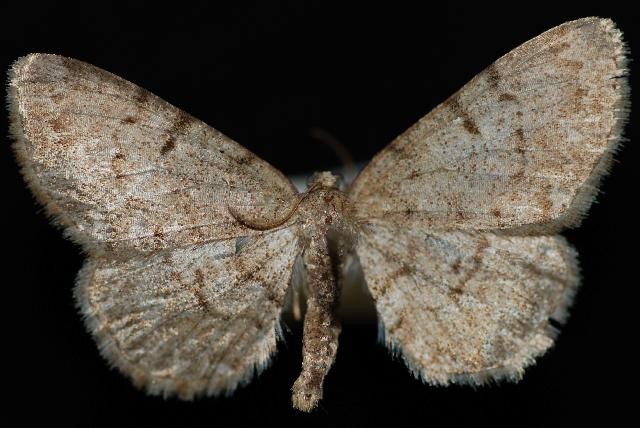
6. Four-Barred Gray
Aethalura intertexta, the four-barred gray or smoky carpet moth, is a moth in the family Geometridae. The species was first described by Francis Walker in 1860. It is found in North America. The MONA or Hodges number for Aethalura intertexta is 6570.
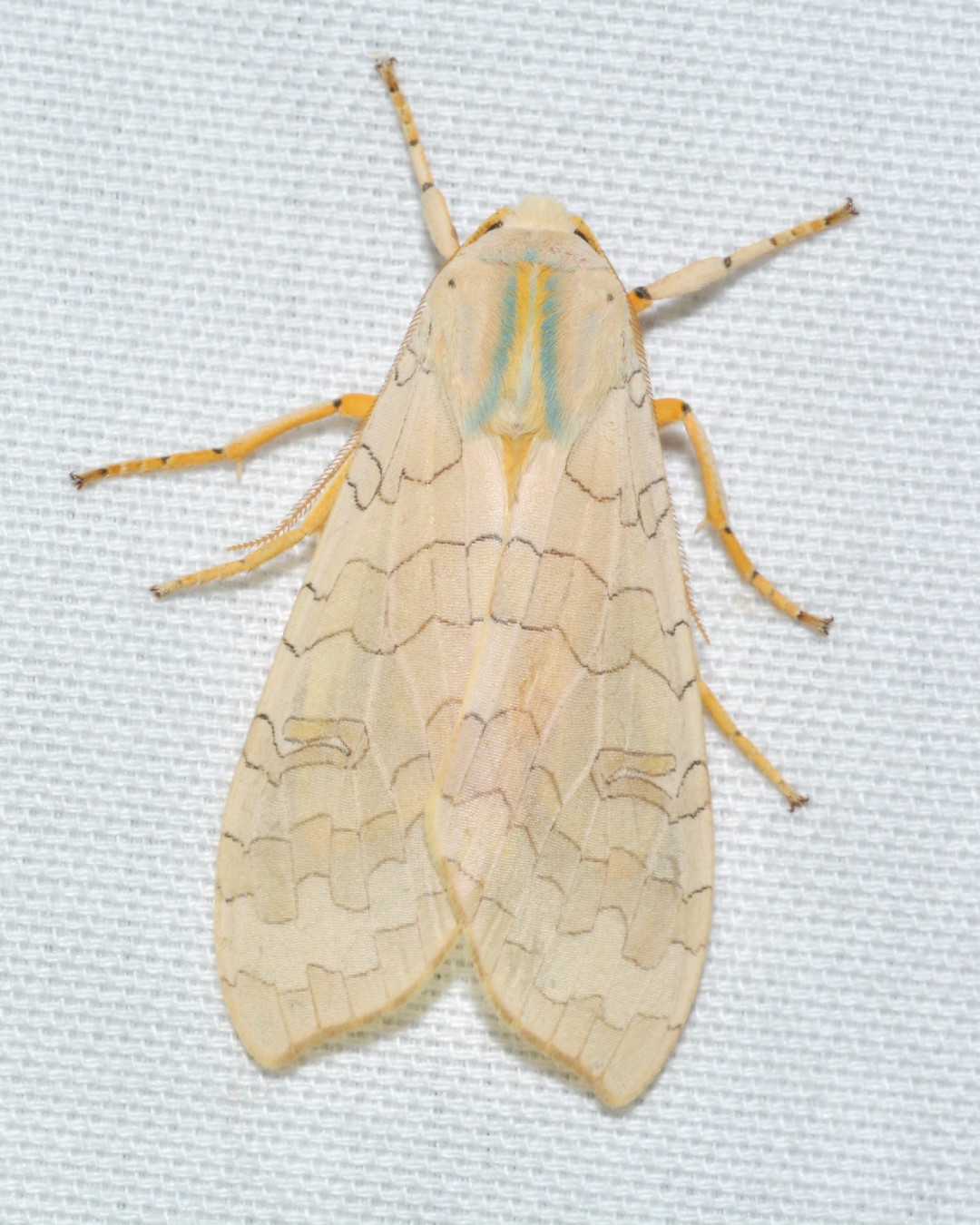
7. Pale Tiger Moth
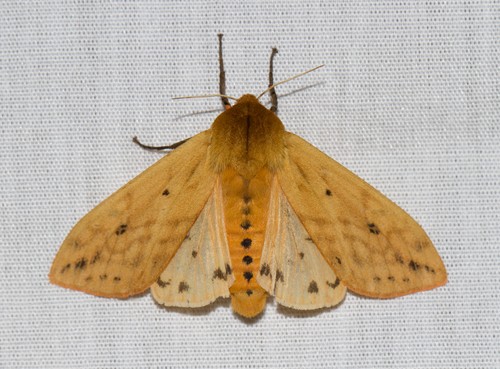
The pale Tiger Moth (Halysidota tessellaris) drinks the liquid of decaying plants in order to take on their capabilities. By retaining chemicals from the plants they drink. By retaining this chemical, predators do not desire to eat the pale Tiger Moth.
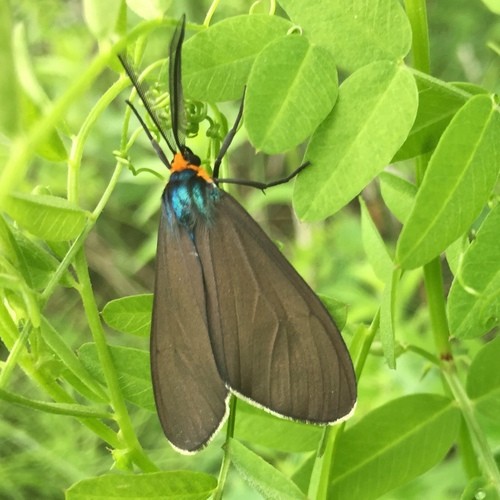
8. Virginia ctenucha
The virginia ctenucha (Ctenucha virginica) is a beautiful moth that is known for its black-blue metallic wings and the orange head, making it stick out when compared to other moths. Their caterpillar forms are fuzzy yellow and black. Despite their name, they are not exclusive to Virginia. They are known to travel as far north as the middle of Canada.
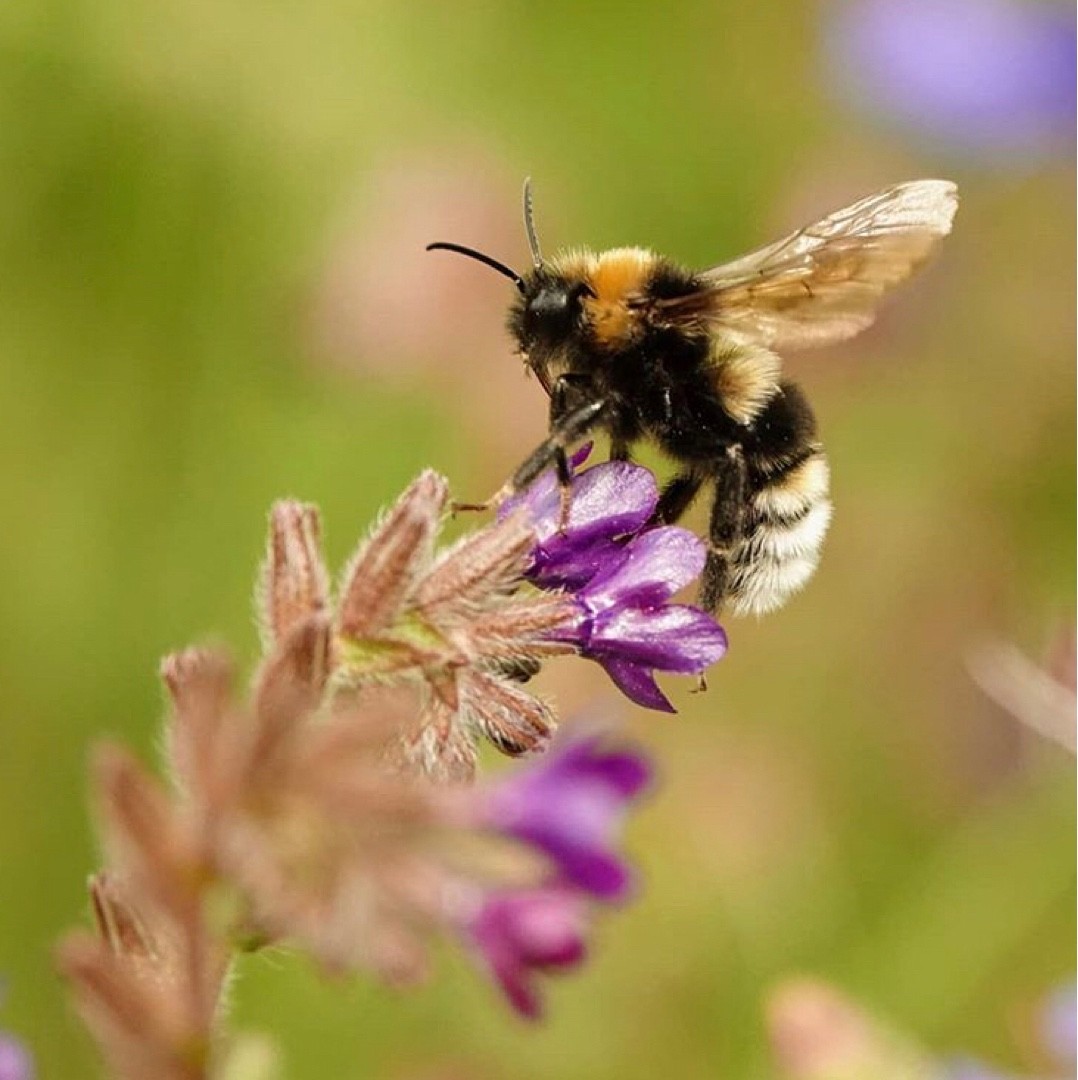
9. Northern amber bumble bee
The queen is 1.8 - 2 cm long. It has yellow hairs on the body and pale to white hairs on the head. The worker is similar in coloration and measures 1.3 cm in length. The male is 1.4 - 1.7 cm long.
10. Gray spruce looper
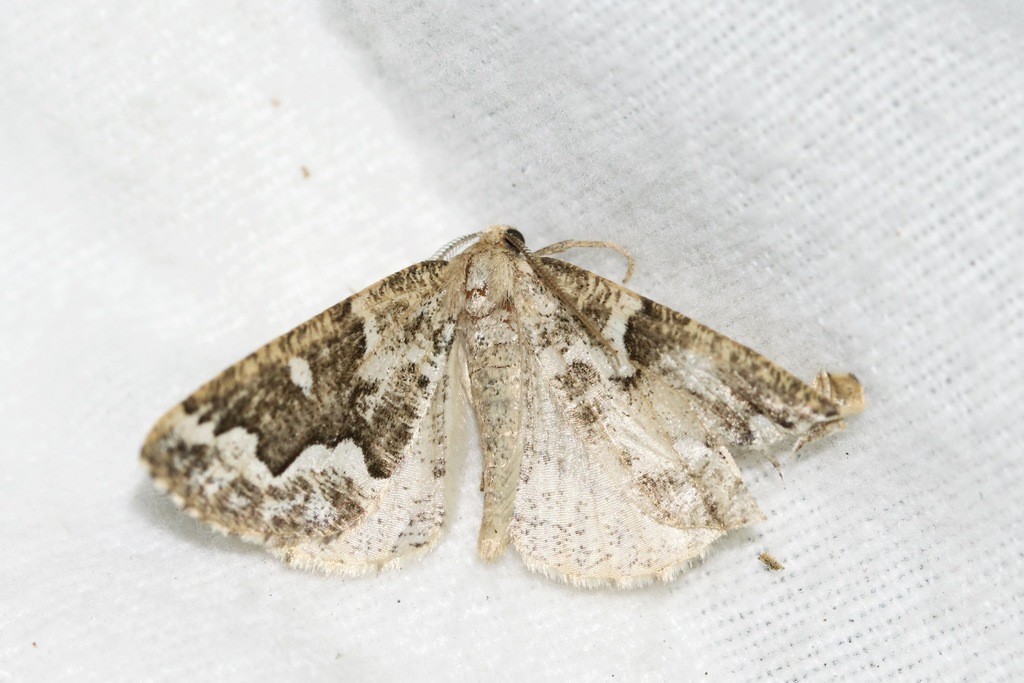
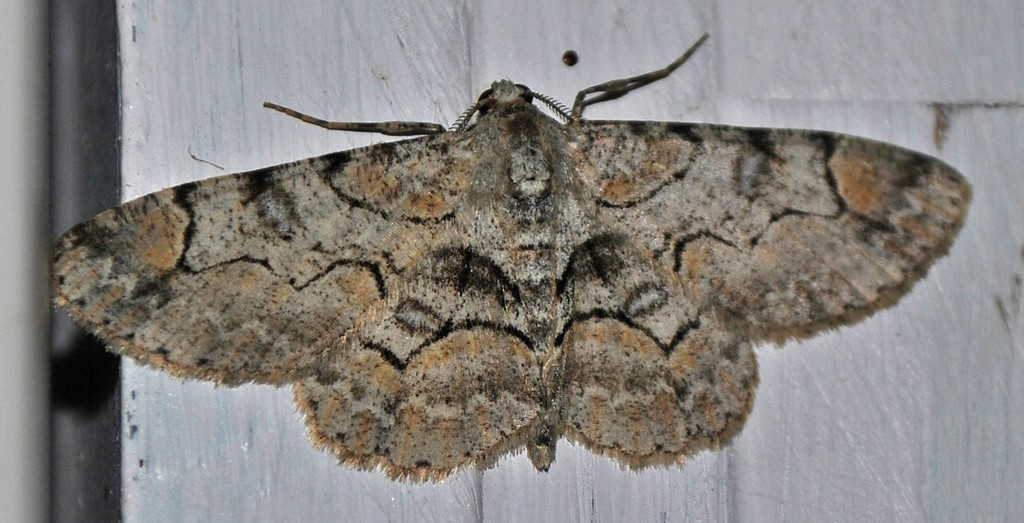
Caripeta divisata, known generally as the gray spruce looper or twin-spot girdle, is a species of geometrid moth in the family Geometridae. It is found in North America. The MONA or Hodges number for Caripeta divisata is 6863.
More







