




Top 7 Most Common Insects in Central African Republic
Insects, distinguished by their segmented bodies, jointed legs, and exoskeletons, thrive in every nook and cranny of Central African Republic. The variety of these tiny creatures is largely dictated by the nation's diverse landscapes, climate, and ecosystems. It's fascinating how Central African Republic's multifaceted environment nurtures a unique community of insects, with roles ranging from bothersome pests to beneficial pollinators. So, join us as we delve into the intriguing world of the 7 most common insects in Central African Republic.

Most Common Insects

1. Citrus swallowtail
Papilio demodocus , also known under the English name Citrus Swallowtail ("Citrus Swallowtail"), is a butterfly from the family of the knight butterflies (Papilionidae).
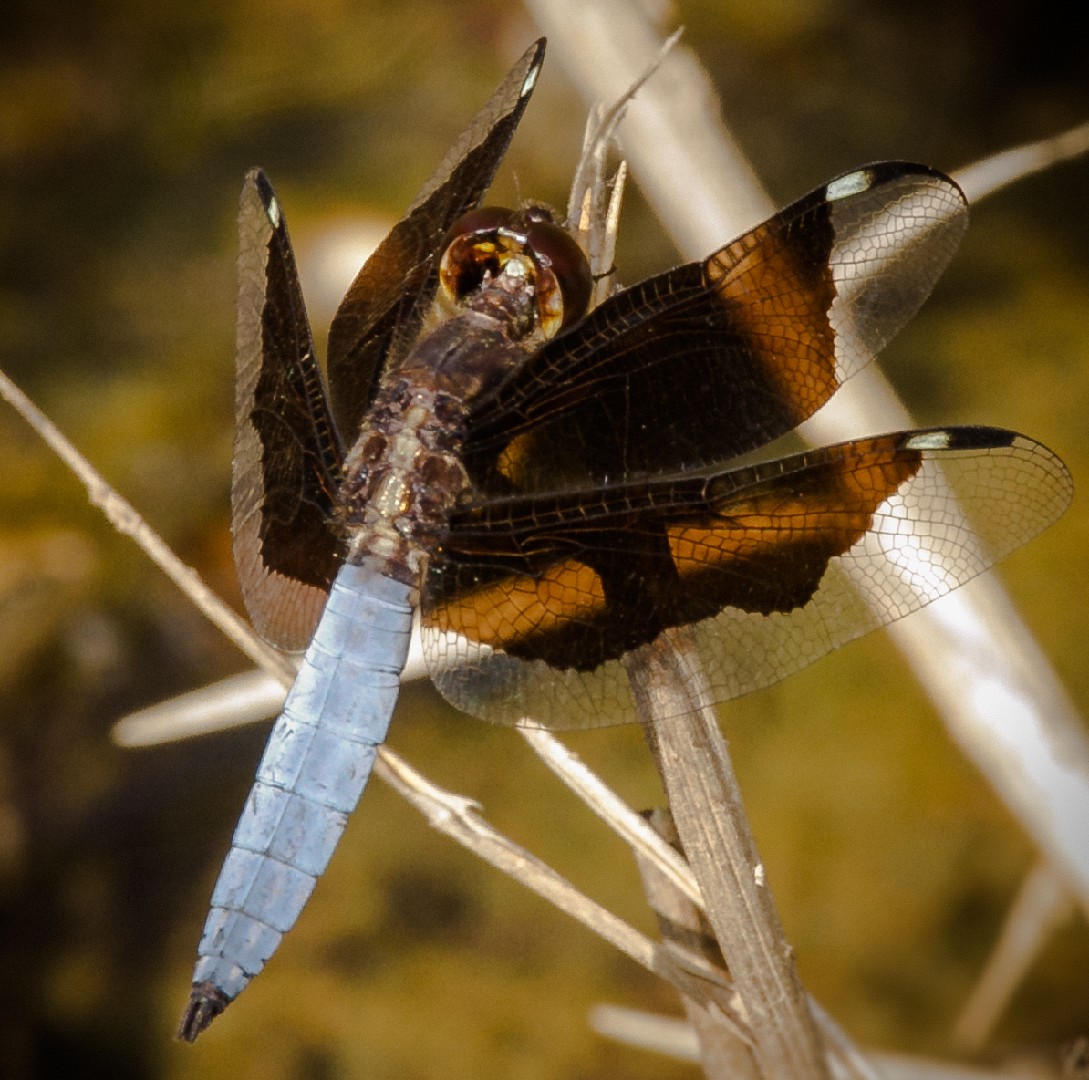
2. Lucia widow
The species is on the IUCN Red List as not endangered, year of assessment 2009.
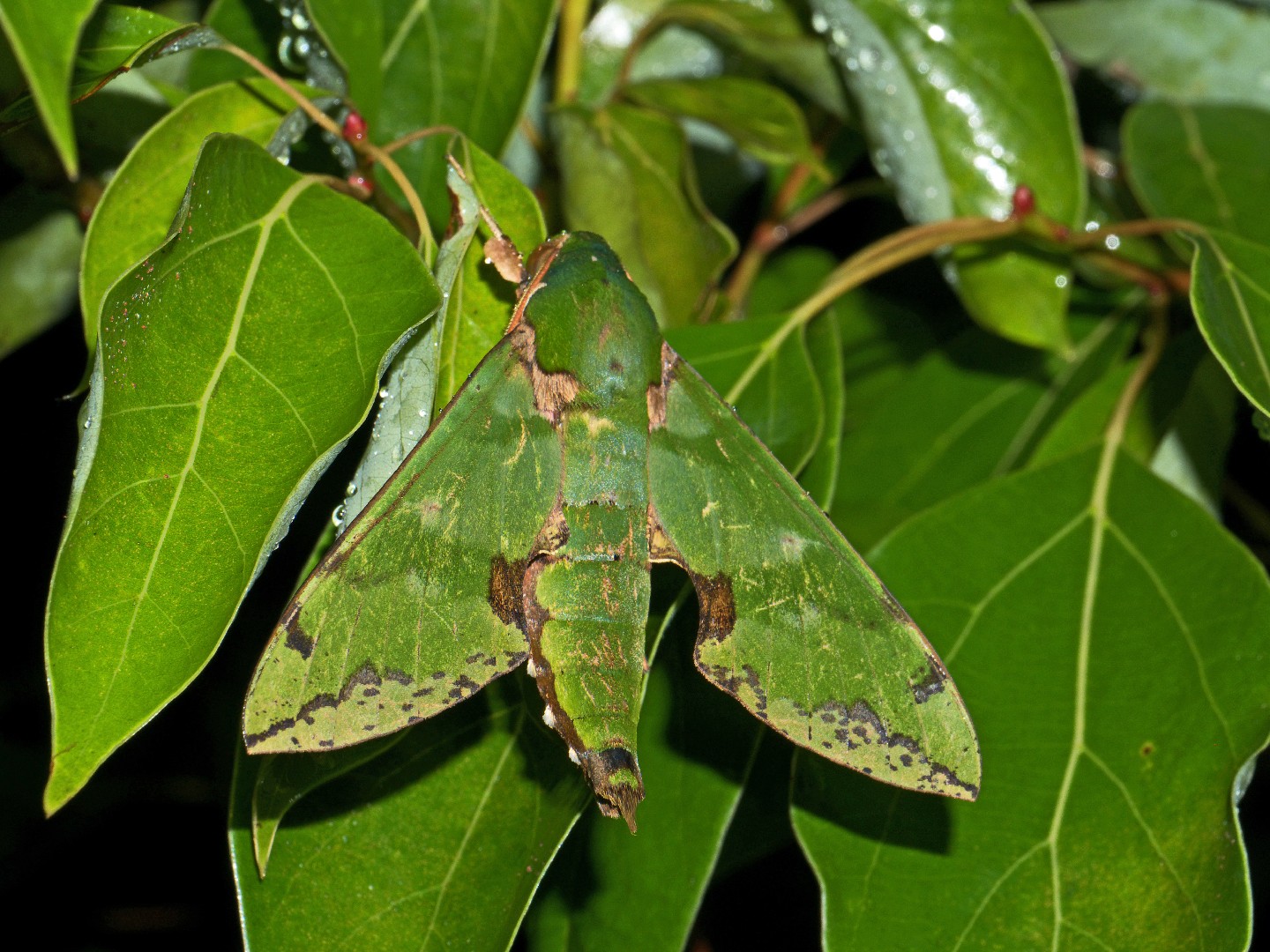
3. Verdant hawk
The length of the forewings is 4 - 5 cm and the wingspan is 10 - 12 cm. The body and forewings are bright deep green. The forewings have a black and white spot at the base, a dark brown spot near the tornus and one or two at the costa. The hindwings are orange yellow with an irregular brown margin turning greenish near the tornus. There is a black spot at the base and a large, elongated black spot from inner margin to vein five. 
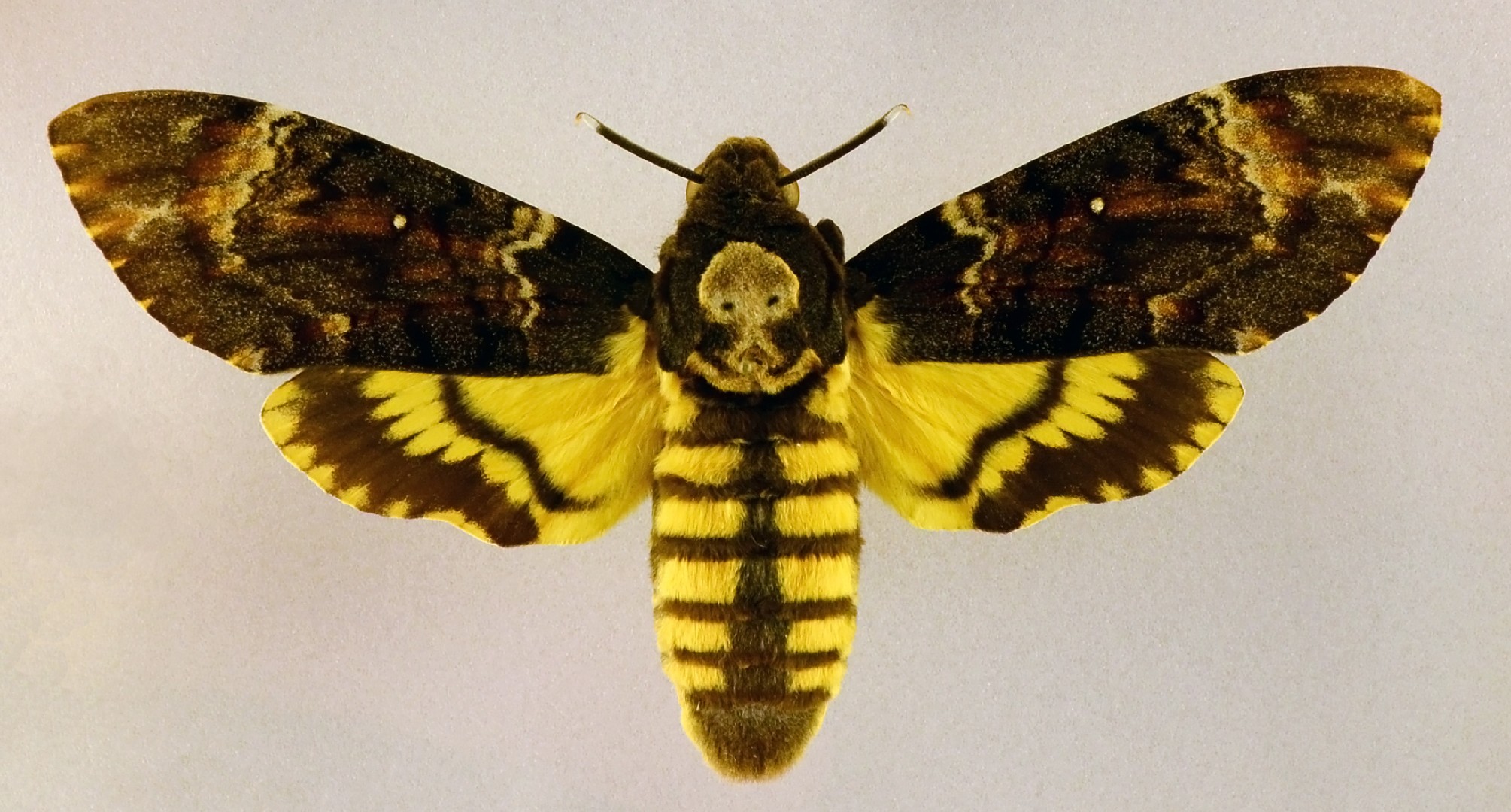
4. Death's-head hawkmoth
The death's-head hawkmoth (Acherontia atropos) is an ominous-looking black and yellow moth with a skull pattern on the thorax. It is best known for being in the 1991 movie: "Silence of the Lambs." and 1952's "Dracula." Despite the threatening appearance, the squeak it can produce while agitated is not as intimidating. Regardless, it is still startling enough to be considered a deterrent against predators.
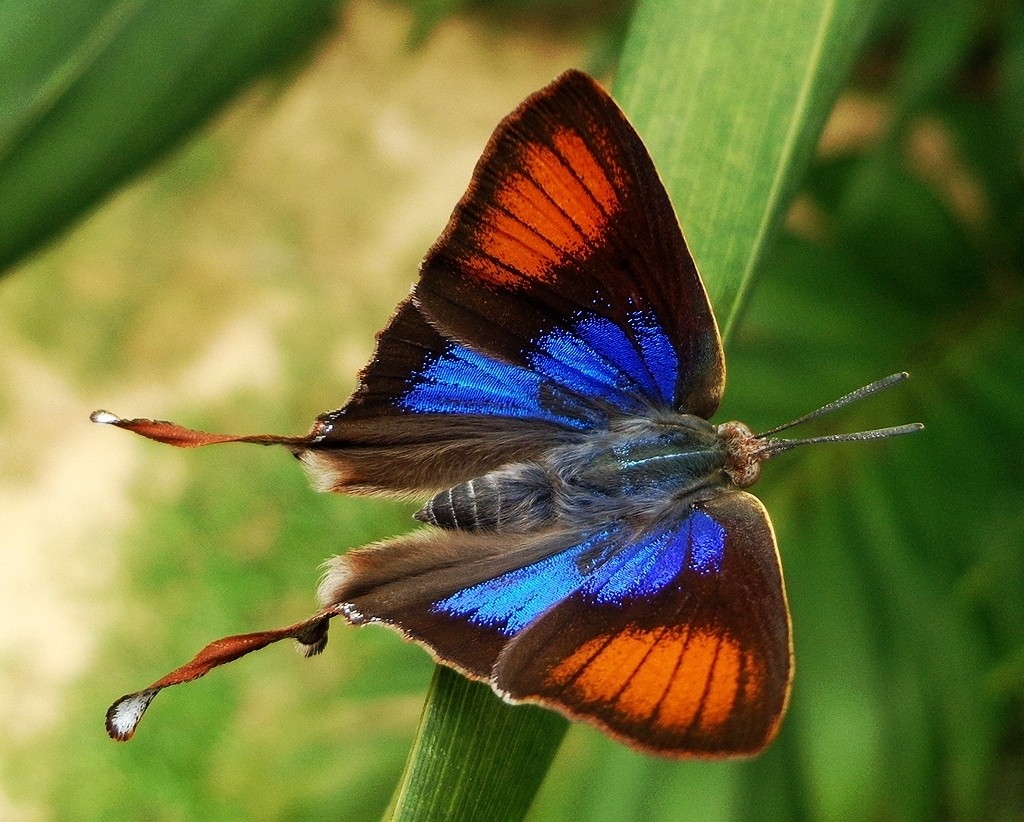
5. Common fig-tree blue
The wingspan is 2.5 - 3.5 cm for males and 3.5 - 4 cm for females.

6. Blue pansy
The wingspan is 4 - 5 cm. The upper surface of the forewings is black with white markings towards the apex. The upper surface of the hindwings is black with white markings on the outer edge, and a characteristic large metallic-blue spot. This blue spot is smaller and more a dull purple in females. The underside of the forewings is brown with white markings corresponding to those on the upper surface. The under surface of the hindwings is almost uniform brown.
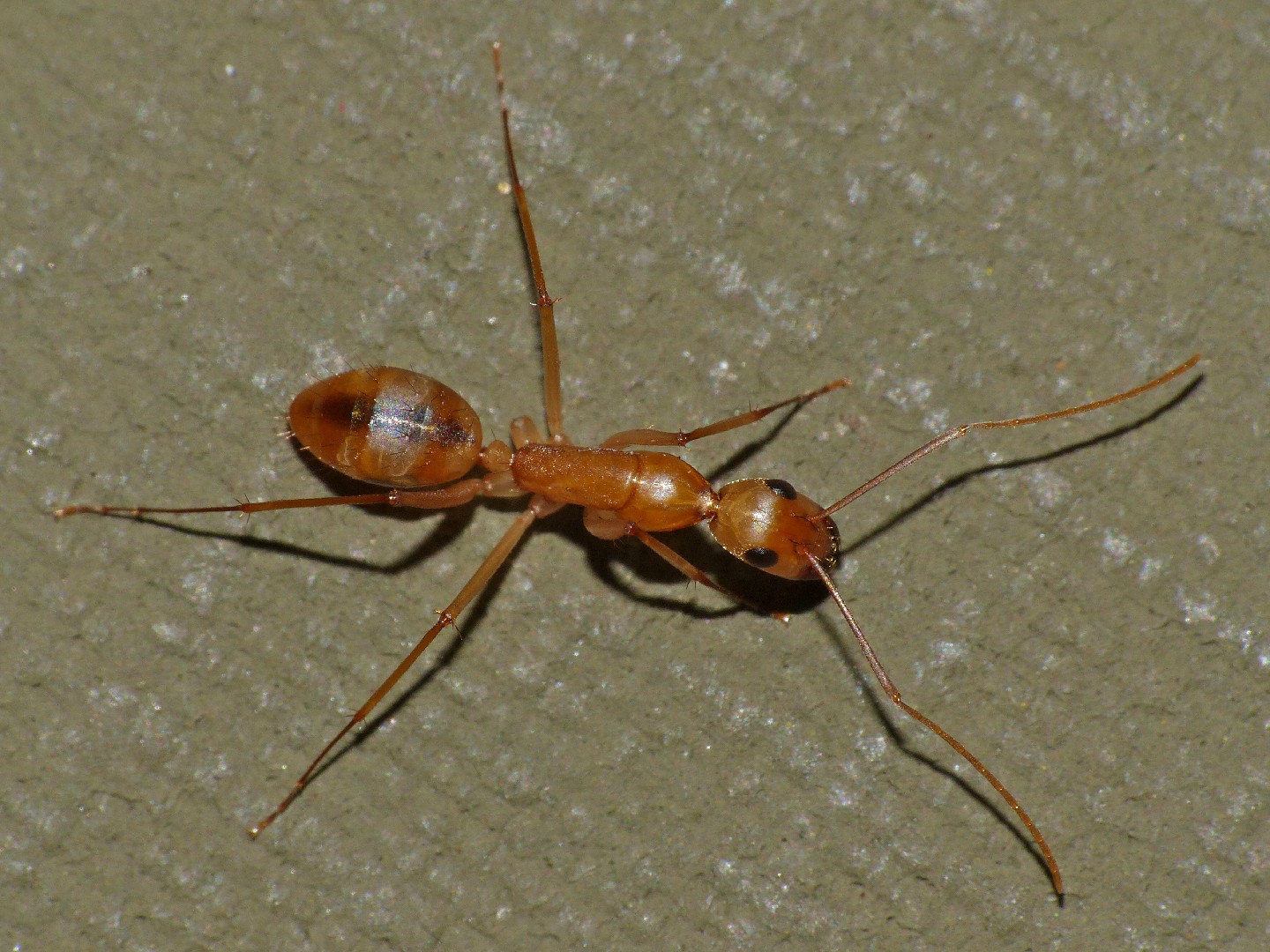
7. Spotted sugar ant
The spotted sugar ant (Camponotus maculatus) is a small, hairy ant that is mostly brown or dark red. They are part of a group under the carpenter ant family, which means that they dig through decaying wood in order to establish their nests. These ants enjoy sugar and do not eat wood.







