




Top 5 Most Common Insects in Antofagasta
Insects, with their diverse morphologies and habitats, play a pivotal role within Antofagasta's ecosystem. Antofagasta's varying geographical landscapes foster a rich insect diversity, displaying how environments deeply influence their local insect communities. From pests that challenge our agriculture to beneficial pollinators, these insects are integral components of Antofagasta. Stay tuned for our 'Top 5 most common insects in Antofagasta'.

Most Common Insects
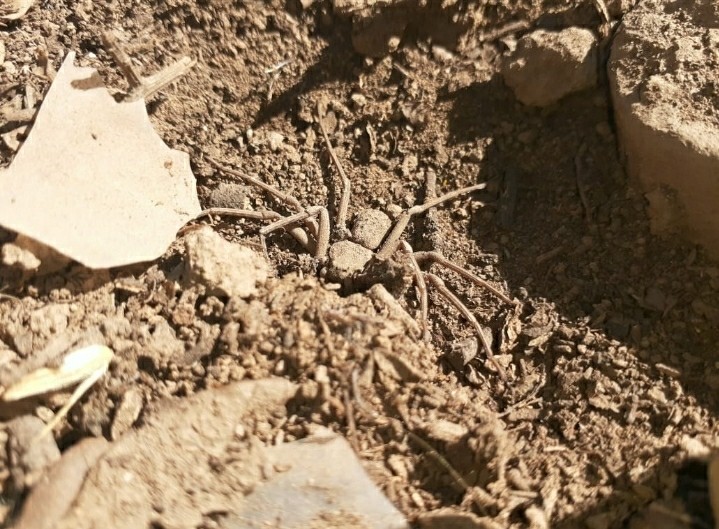
1. Six-eyed sand spider
Sicarius thomisoides is a species of spider in the family Sicariidae, found in Chile. It is the type species of the genus Sicarius. Its correct name has been the source of confusion. It has often been known by the synonym Sicarius terrosus, a name which has also often been used incorrectly for other species. 

2. Red rock crab
Grapsus grapsus is a typically shaped crab, with five pairs of legs, the front two bearing small, blocky, symmetrical chelae (claws). The other legs are broad and flat, with only the tips touching the substrate. The crab's round, flat carapace is slightly longer than 8 centimetres (3.1 in). Young G. grapsus are black or dark brown in colour and are camouflaged well on the black lava coasts of volcanic islands. Adults are quite variable in colour; some are muted brownish-red, some mottled or spotted brown, pink, or yellow.
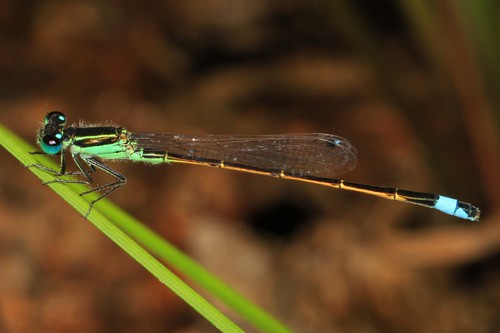
3. Rambur's forktail
Males are green with blue on abdominal segments 8 and 9. Females are orange-red, olive green, or similar to males in coloration.
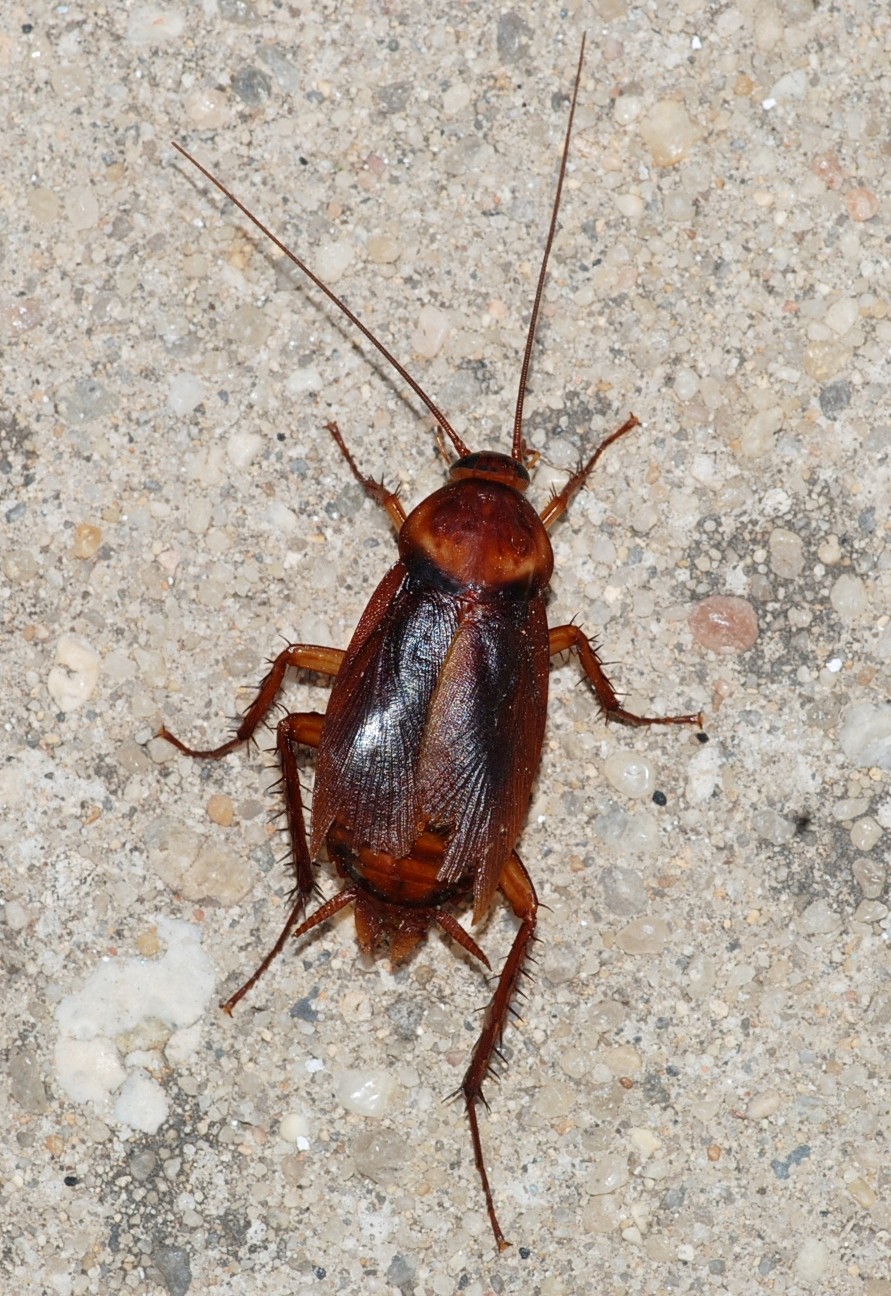
4. American cockroach
Despite its name, american cockroach (Periplaneta americana) is not native to the Americas but rather to Africa and the Middle East, from which it arrived as a result of human commercial patterns. Notably quick and rather resilient, this species is capable of limb regeneration. It requires a certain level of moisture to thrive, and it will avoid drier areas unless it has access to the required level of water.
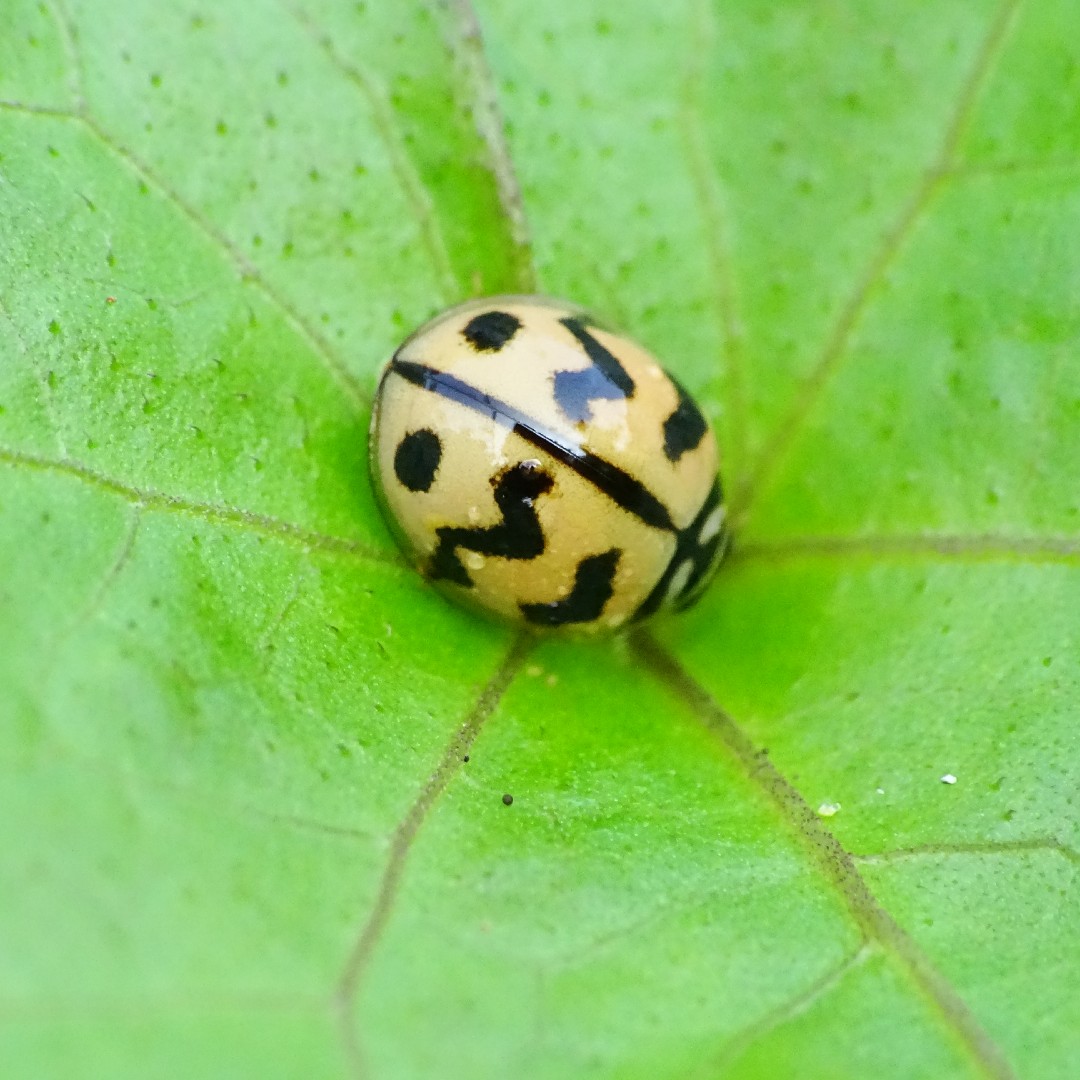
5. Six-spotted zigzag ladybird beetle
The six-spotted zigzag ladybird beetle is a common visitor to agricultural fields in India where it is considered a beneficial insect. It preys on several insects that reduce crop yield and is a more cost-effective and environmentally friendly method of pest control. The insect hibernates in cold temperatures, only appearing from spring through fall.







