




Top 9 Most Common Insects in Atacama
Insects, an insect science marvel known for their diversity and unique adaptations, inhabit every corner of our world, including in Atacama. These tiny species' survival and diversity are greatly influenced by Atacama's varied geographical landscapes. These critters, whether as pests or as beneficial insects, play essential roles in our ecosystem. Understanding this dynamic relationship unravels the intricate bond of Atacama's environment and its insect inhabitants. Stay tuned as we embark on exploring the top 9 most common insects in Atacama.

Most Common Insects
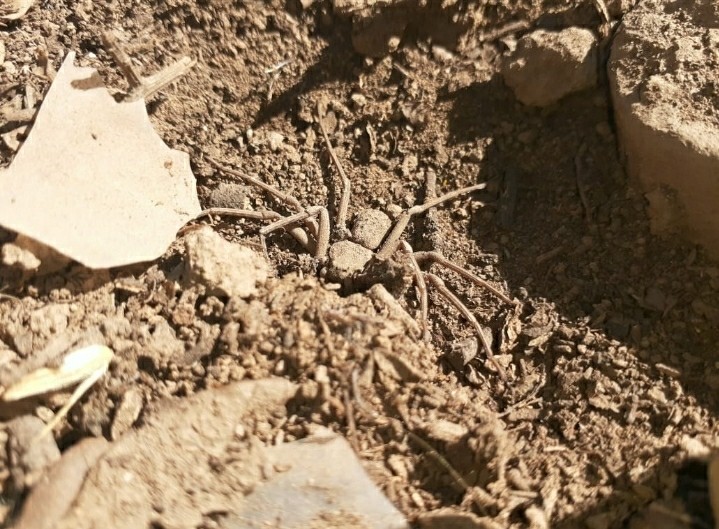
1. Six-eyed sand spider
Sicarius thomisoides is a species of spider in the family Sicariidae, found in Chile. It is the type species of the genus Sicarius. Its correct name has been the source of confusion. It has often been known by the synonym Sicarius terrosus, a name which has also often been used incorrectly for other species. 
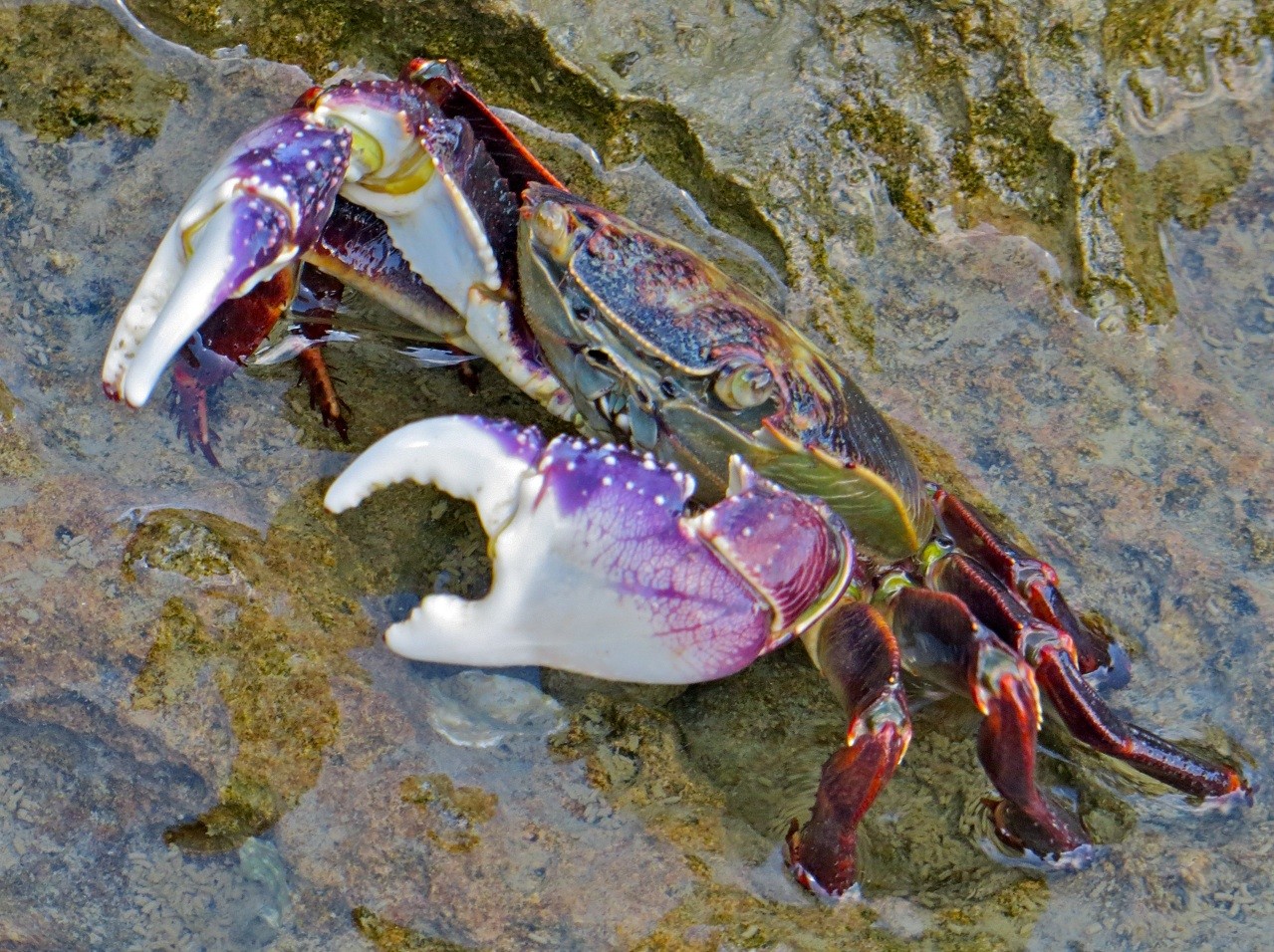
2. Purple rock crab
Leptograpsus variegatus is a crab species from the Grapsidae family. The scientific name of the species was first validly published in 1793 by Fabricius.
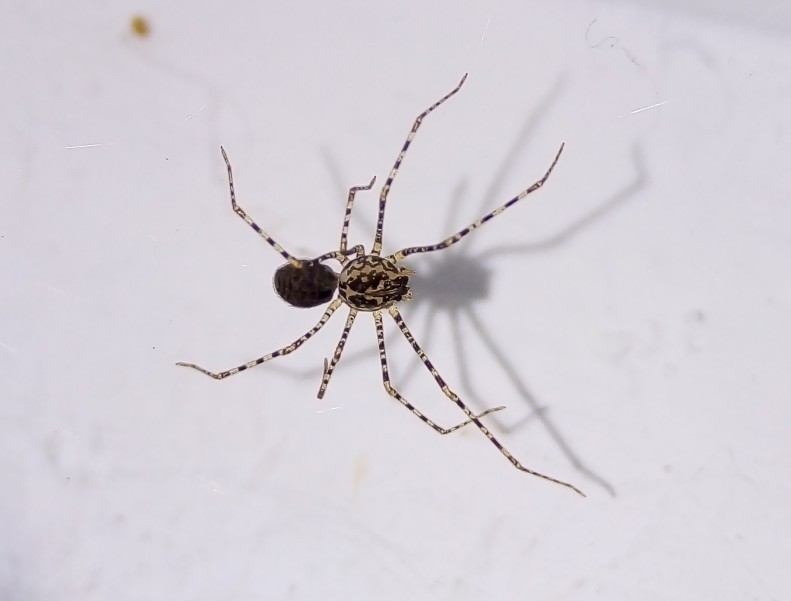
3. Chilean tiger spider
Scytodes globula, the Chilean tiger spider, is a predatory spider of the family Scytodidae. In Spanish, it is known as araña tigre, or "tiger spider", but is also well known as "long-legged spider" (because of the disproportional size of those members) or "spitting spider" (because of its hunting methods, in which it projects an extremely sticky web which immobilizes its prey). It has achieved fame by being the only natural predator of the extremely common and dangerous Chilean recluse spider (Loxosceles laeta).
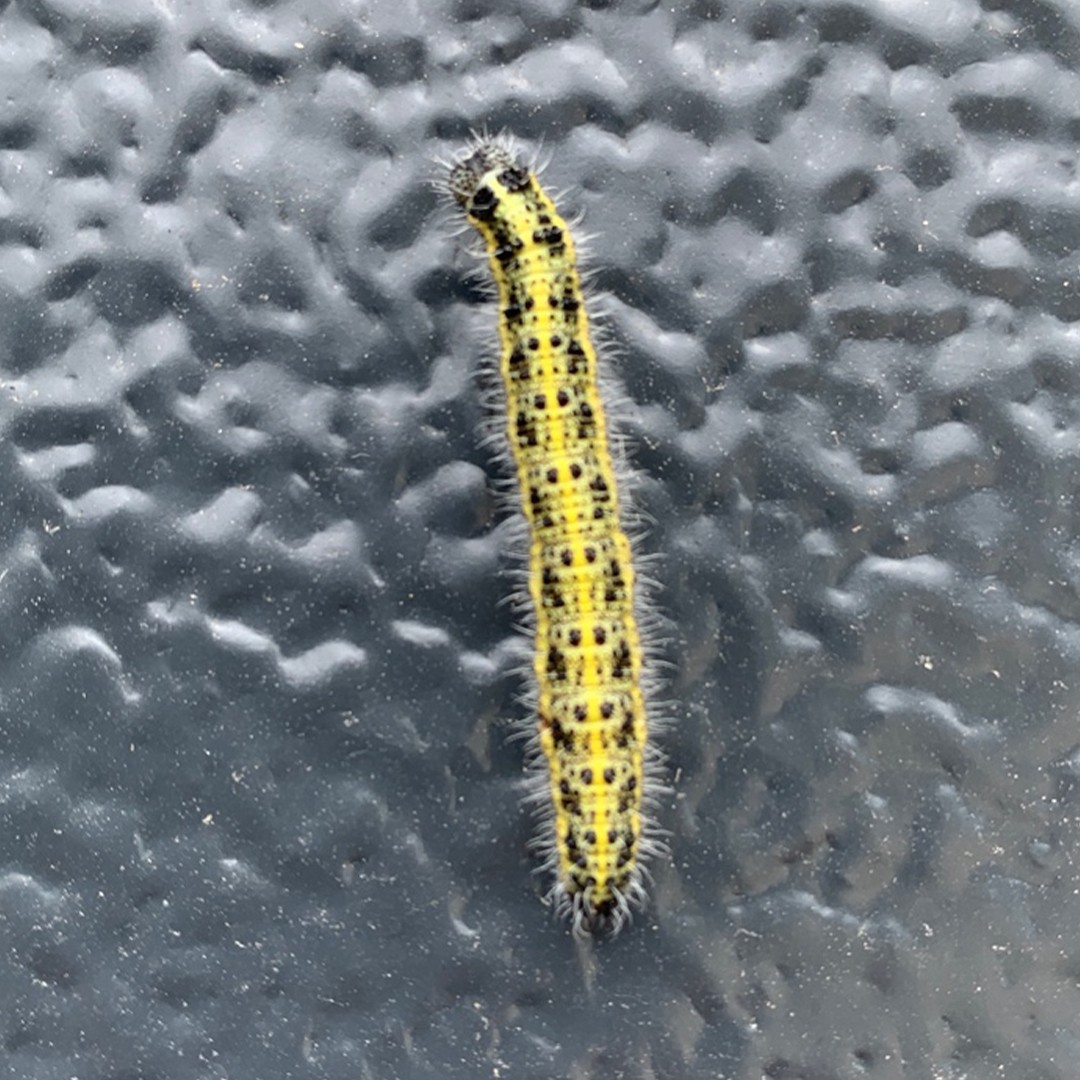
4. Large white
Large white (Pieris brassicae) is visually similar but quite larger than its close relative P. rapae. It lays its eggs on food plants such as cabbages – the origin of its common name – leading to many farmers' classifying this species as a pest.
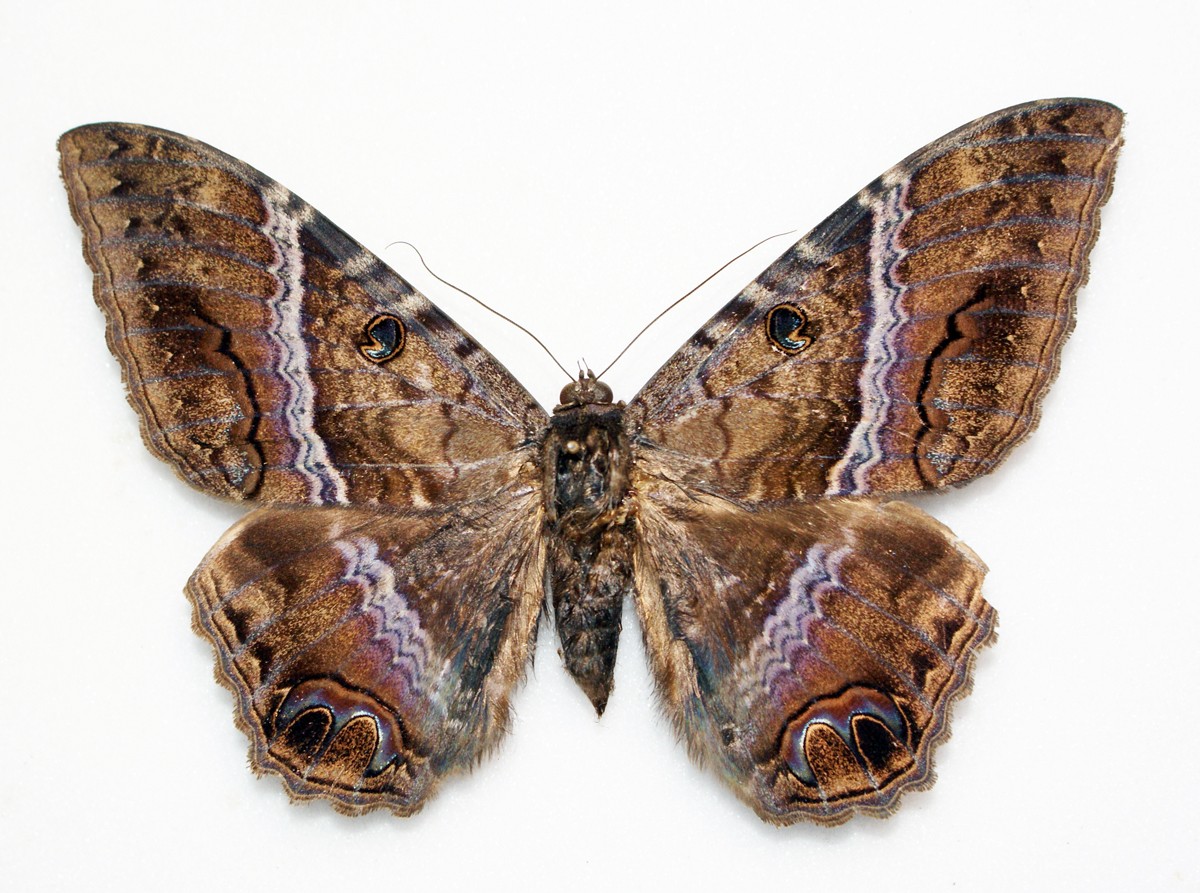
5. Black Witch
The black Witch (Ascalapha odorata) is given this spooky name because its part in folklore being associated with misfortune or death. In the novel, The Silence of the Lambs, they were placed in the mouths of the victims of Buffalo Bill. They can be identified with darker colorings and undertones of purple and pink.
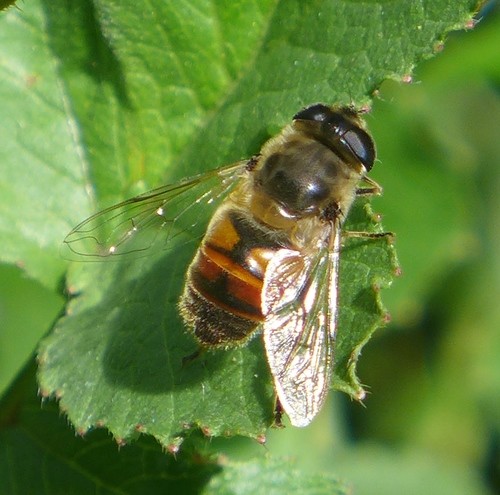
6. Common drone fly
Common drone fly (Eristalis tenax) is the most common hoverfly worldwide. Noted for its remarkable adaptability, it has spread to every continent other than Antarctica and even survives in the frigid Himalayas. It is territorial and will attack any other species that ventures into its chosen territory, and it is apt to dwell within this area for the rest of its life.
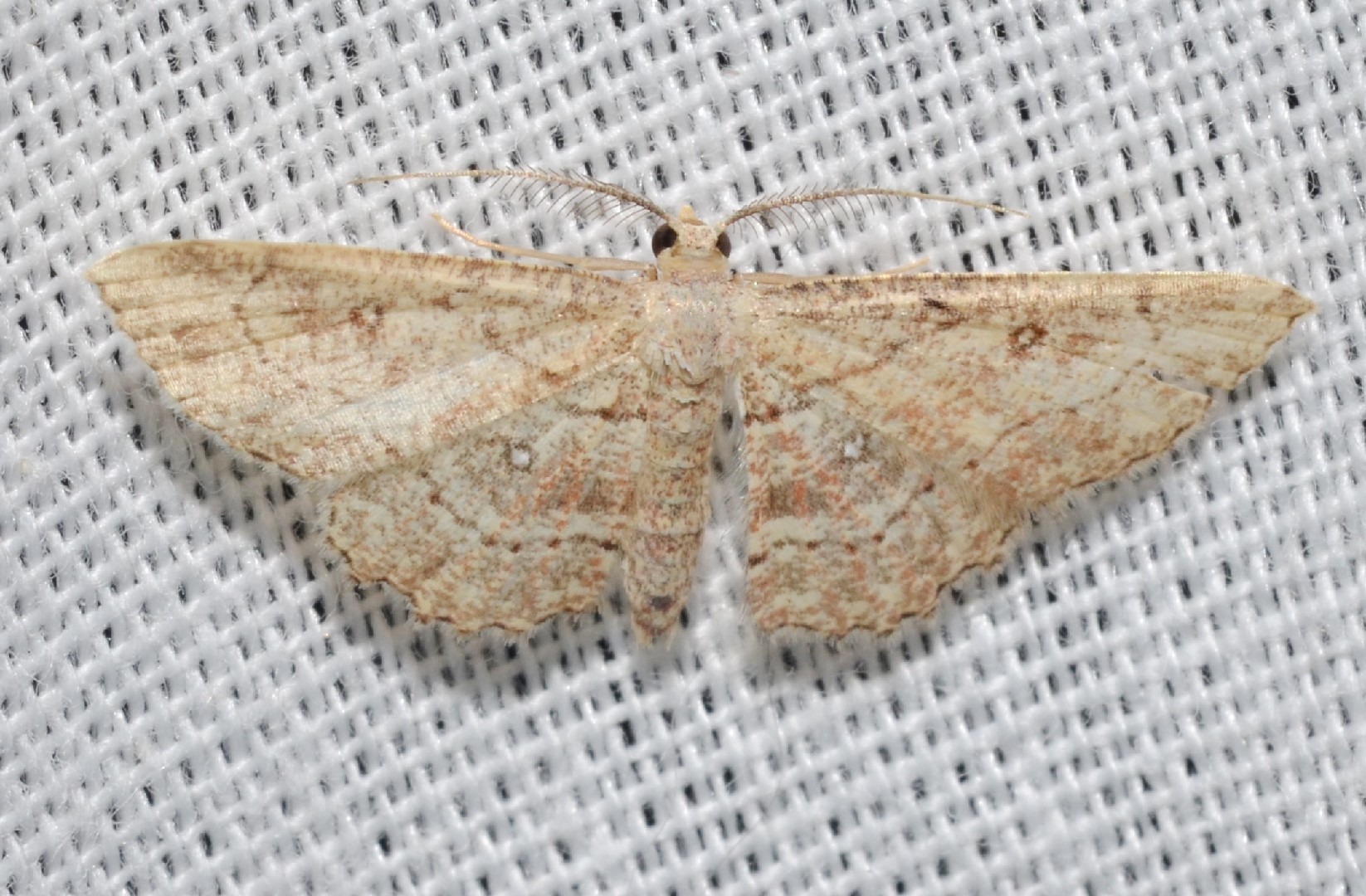
7. Dwarf tawny wave
The wingspan is about 1.6 cm.
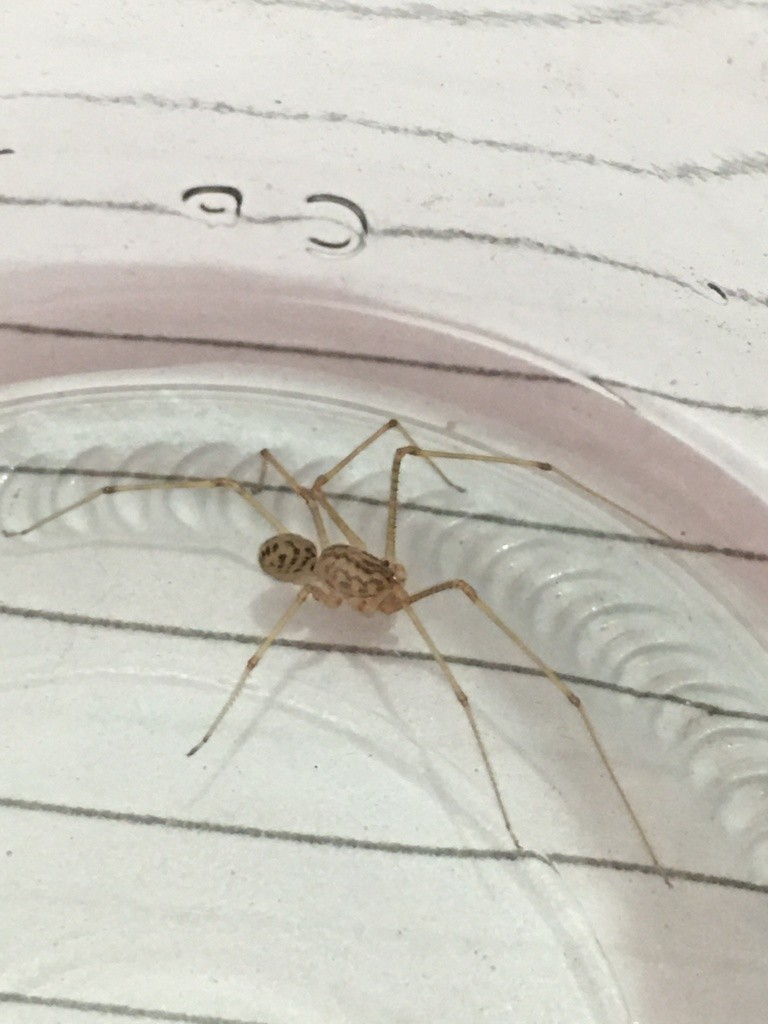
8. Scytodes univittata
Scytodes univittata is a species of spitting spider in the family Scytodidae. It is found in Egypt, Iran, India, Turkmenia, Kirghizia, has been introduced into Hawaii, Mexico, Cuba, Venezuela, Brazil, Paraguay, Chile, CanaryIslands, and Spain.
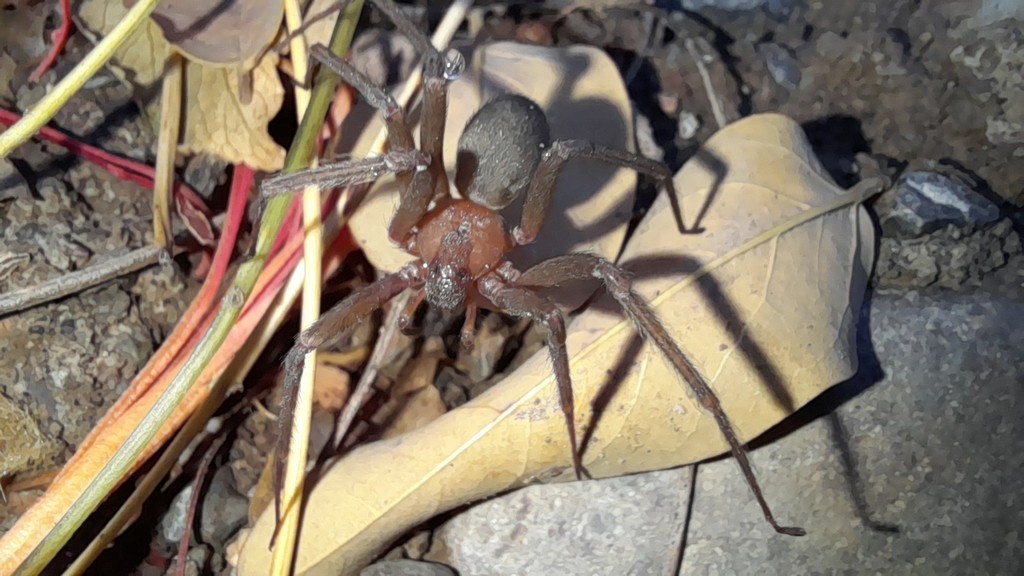
9. Chilean recluse spider
The Chilean recluse is one of the larger species of recluse spiders, generally ranging from 8–40 mm in size (including legs). Like most recluses, it is brown and usually has markings on the dorsal side of its thorax, with a black line coming from it that looks like a violin with the neck of the violin pointing to the rear of the spider resulting in the nickname "fiddleback spider" or "violin spider" in English-speaking areas. Coloring varies from light tan to brown and the violin marking may not be visible. Since the "violin pattern" is not diagnostic, it is far more important, for purposes of identification, to examine the eyes. Most spiders have eight eyes, but recluse spiders have six eyes arranged in pairs (dyads) with one median pair and two lateral pairs. Like other recluse spiders, the Chilean recluse builds irregular webs that frequently include a shelter consisting of disorderly threads. Unlike most web weavers, they leave these webs at night to hunt. People get bitten when they unintentionally squeeze them in clothing and bedding. These spiders frequently build their webs in woodpiles and sheds, closets, garages, and other places that are dry and generally undisturbed. The spider is frequently found in human dwellings. The spiders can last a long time without food or water, a fact that encourages their worldwide spread.







