




Top 8 Most Common Insects in Canete
Welcome to the fascinating, diverse world of insects in Canete! These remarkable beings adapt to varied habitats, with the region's geography notably shaping their diversity. Insects, whether as efficient pollinators or bothersome pests, play critical roles in our ecosystem. As we explore the 8 most common insects in Canete, we'll observe a testament to the profound interconnection between a region and its small, six-legged inhabitants.

Most Common Insects
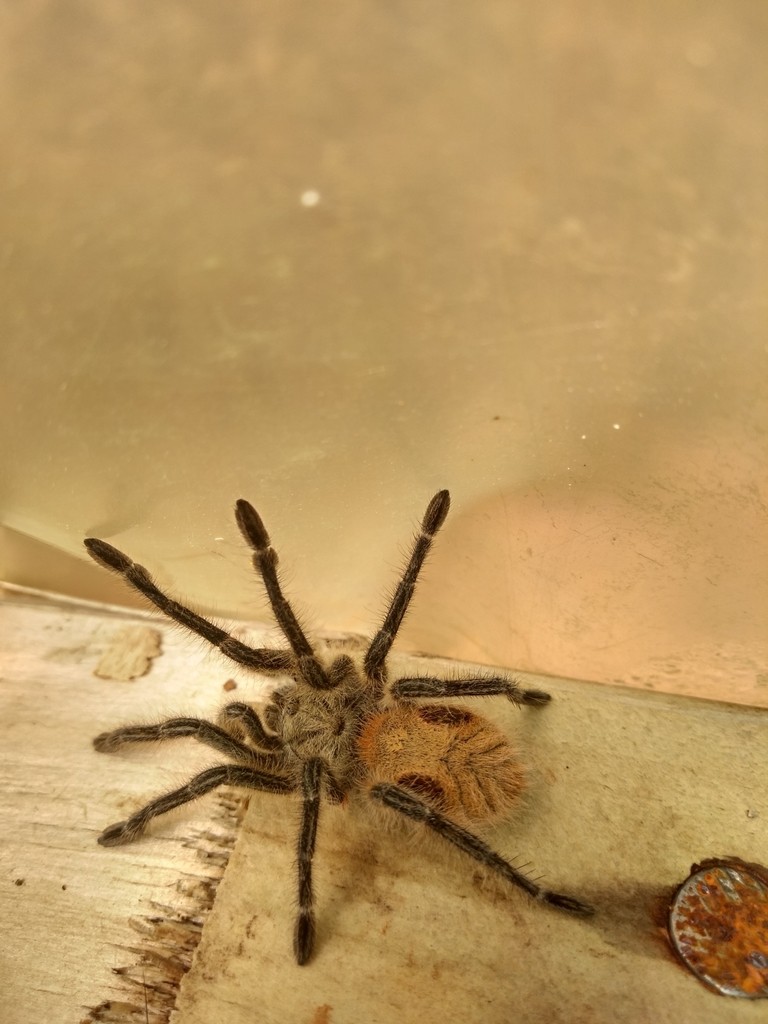
1. Chilean ocelot tarantula
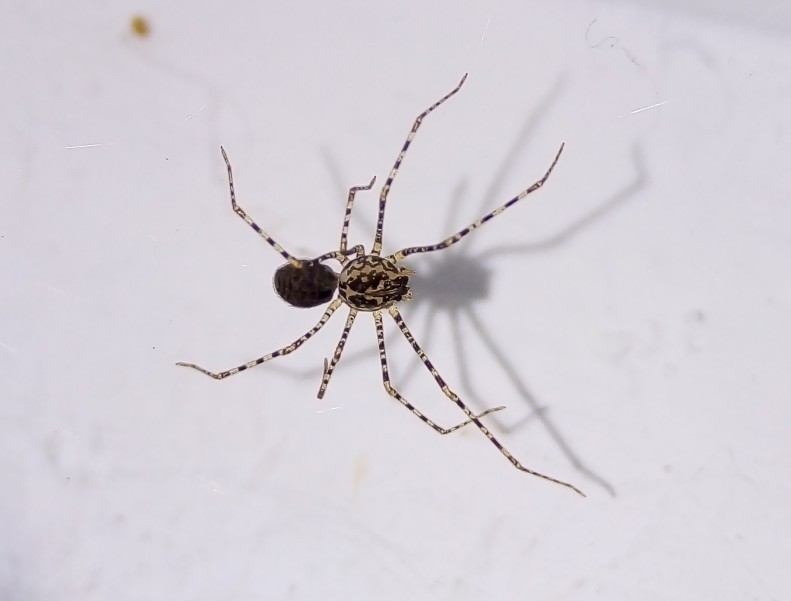
2. Chilean tiger spider
Scytodes globula, the Chilean tiger spider, is a predatory spider of the family Scytodidae. In Spanish, it is known as araña tigre, or "tiger spider", but is also well known as "long-legged spider" (because of the disproportional size of those members) or "spitting spider" (because of its hunting methods, in which it projects an extremely sticky web which immobilizes its prey). It has achieved fame by being the only natural predator of the extremely common and dangerous Chilean recluse spider (Loxosceles laeta). 
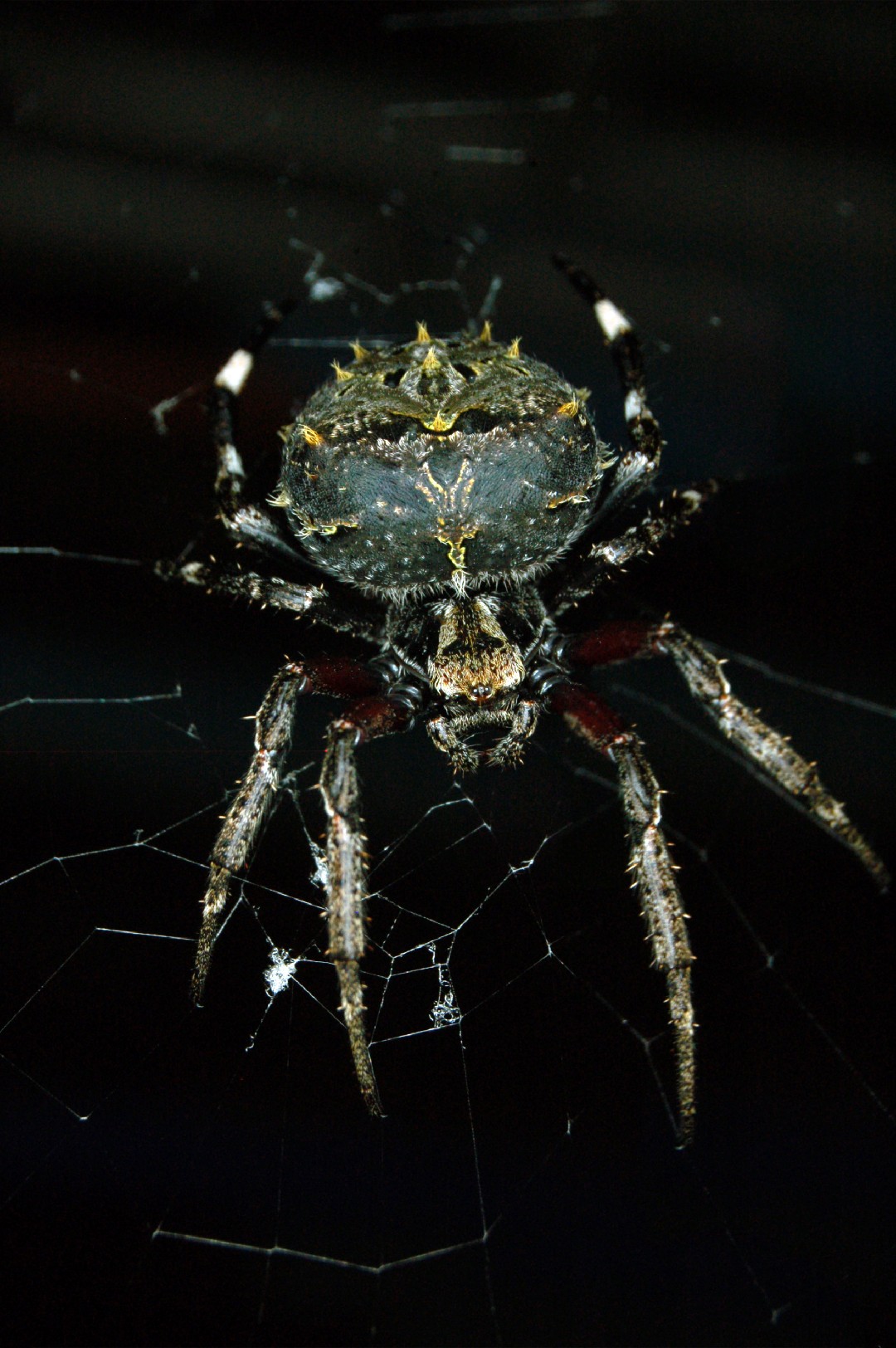
3. Molinaranea clymene
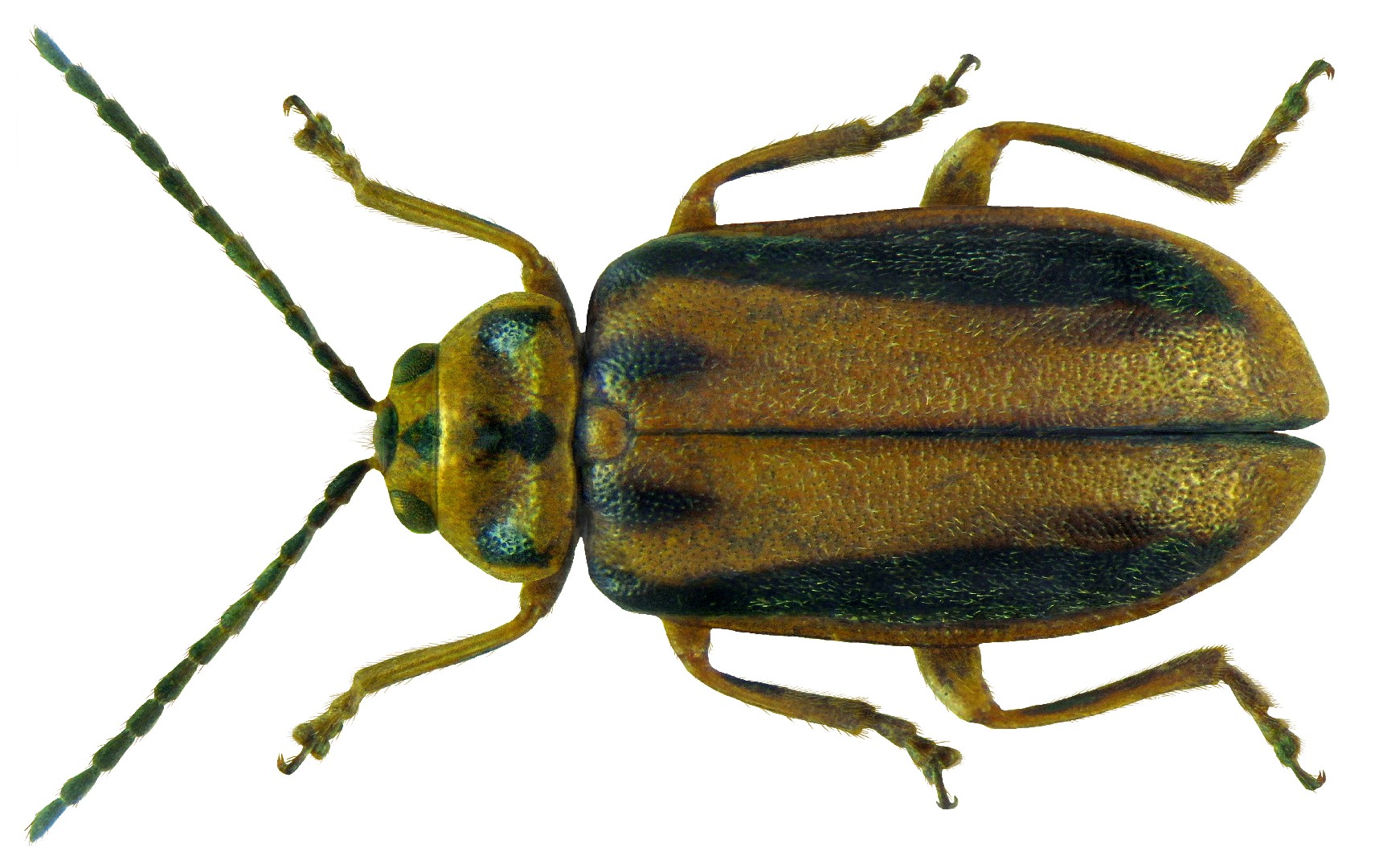
4. Elm leaf beetle
Based on its name, the elm leaf beetle (Xanthogaleruca luteola) is a major defoliator of elm tree leaves. They eat around the larger veins on the leaves, causing them to dry out. As a result, they are considered invasive in most parts of the world. They are yellow or green and can be identified with a spot next to an hourglass shape on the head.
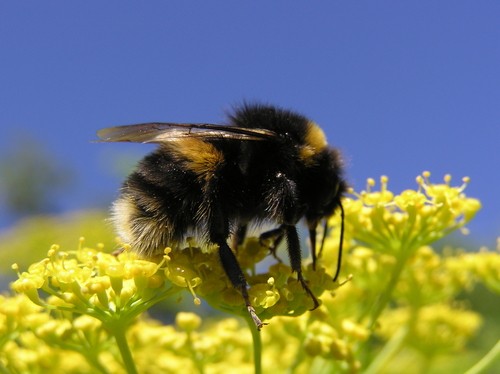
5. Buff-tailed bumble bee
A popular pollinating species in European greenhouses, buff-tailed bumble bee (Bombus terrestris) is one of the more common species of bumblebee worldwide. This species displays comparatively high levels of intelligence, recognizing flowers by color and navigating several miles (if necessary) to return to the hive. Unlike many other bee species, the queen of a buff-tailed bumble bee hive will only mate with one male.
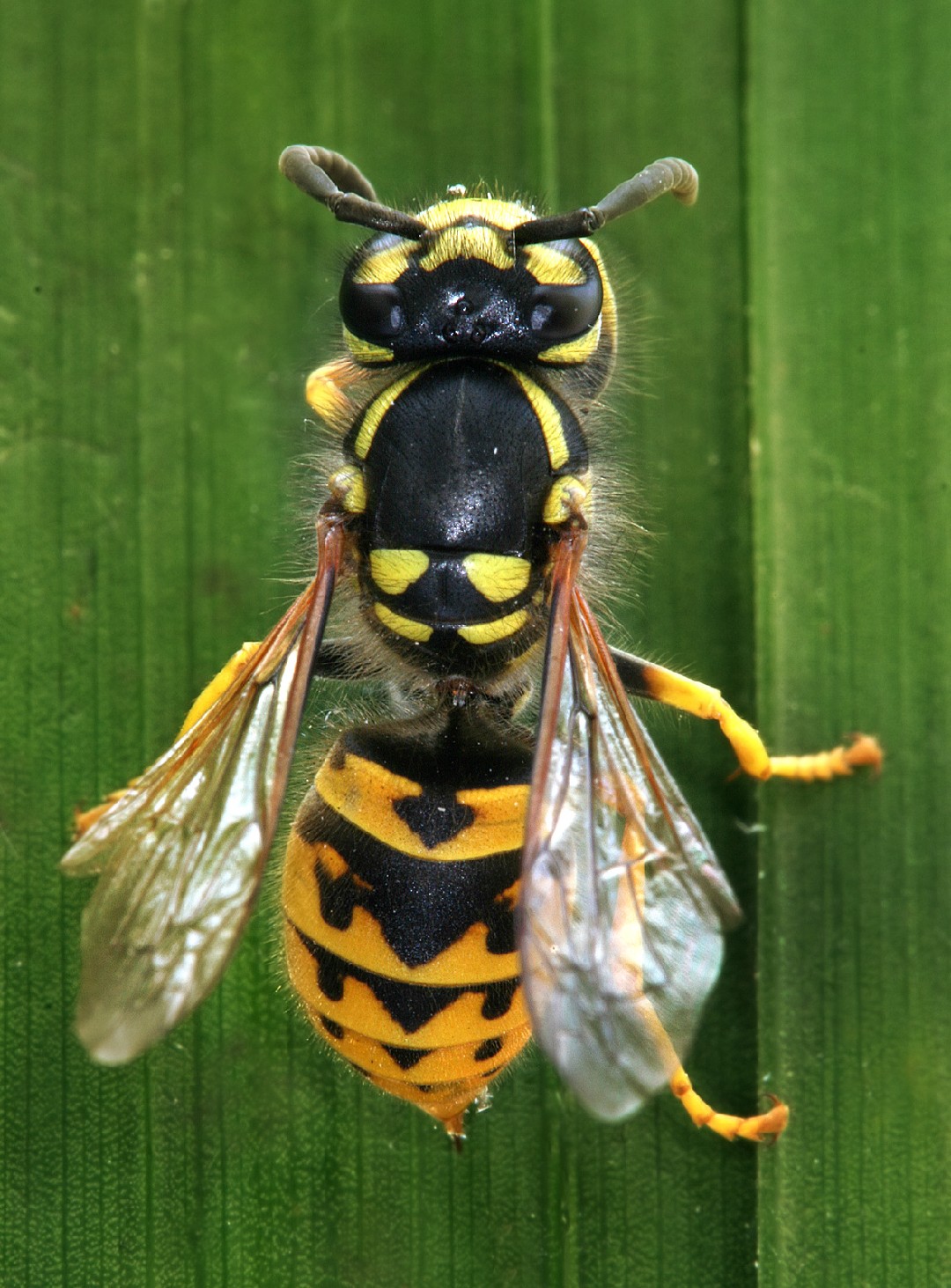
6. German yellowjacket
The german yellowjacket hives have a system of dividing up work that involves focusing on one task at a time and eventually specializing in a different task. These wasps have the cognitive ability to remember certain feeding spots even after there is no food remaining. They also practice "worker policing" where the queen will eat eggs laid by other wasps to ensure her offspring are dominant.
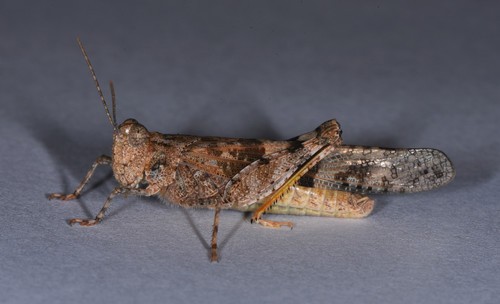
7. Pallid-winged grasshopper
The pallid-winged grasshopper (Trimerotropis pallidipennis) is a brownish insect that enjoys the heat of the desert. Their body seems to agree, as the color of their abdomen and wings blends in well with the gravel of dry river beds. When it isn't hiding in these river beds, it is searching for small tufts of grass to eat in the desert.
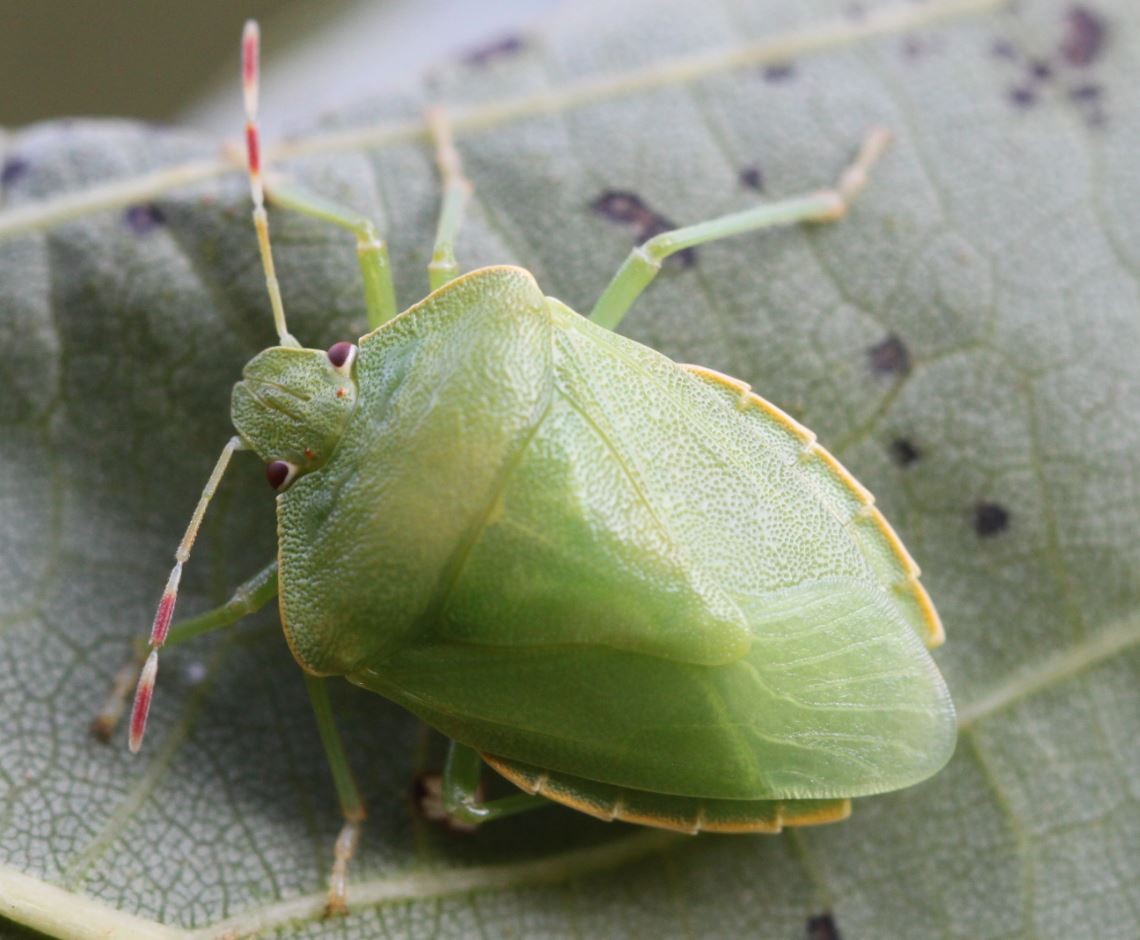
8. Southern green shield bug
The southern green shield bug larvae molt five times before they reach their mature size. They are named for their unpleasant scent and are considered pests due to their preference for feeding on leguminous plants such as soybeans. Wasps and flies that parasitize the southern green shield bug are sometimes used as biological controls for its population.







