




Top 7 Most Common Insects in Concepcion
Welcome to the fascinating, diverse world of insects in Concepcion! These remarkable beings adapt to varied habitats, with the region's geography notably shaping their diversity. Insects, whether as efficient pollinators or bothersome pests, play critical roles in our ecosystem. As we explore the 7 most common insects in Concepcion, we'll observe a testament to the profound interconnection between a region and its small, six-legged inhabitants.

Most Common Insects
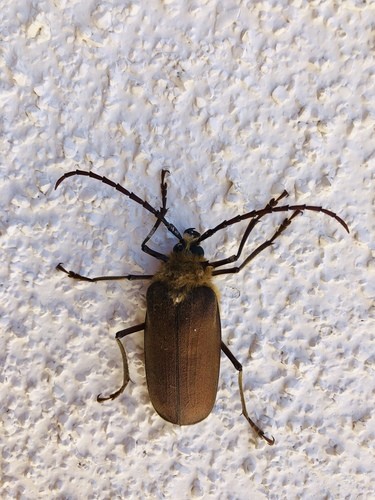
1. Acanthinodera cumingii
The male measures 5 - 6 cm , is light brown and clearly differs from the female. The female is black and measures between 8 - 9 cm on average, although specimens exceeding 12 cm in length have also been found. 
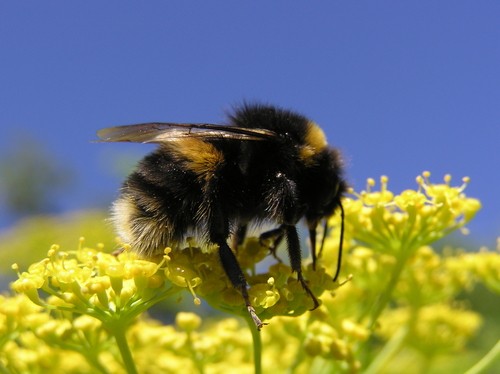
2. Buff-tailed bumble bee
A popular pollinating species in European greenhouses, buff-tailed bumble bee (Bombus terrestris) is one of the more common species of bumblebee worldwide. This species displays comparatively high levels of intelligence, recognizing flowers by color and navigating several miles (if necessary) to return to the hive. Unlike many other bee species, the queen of a buff-tailed bumble bee hive will only mate with one male.
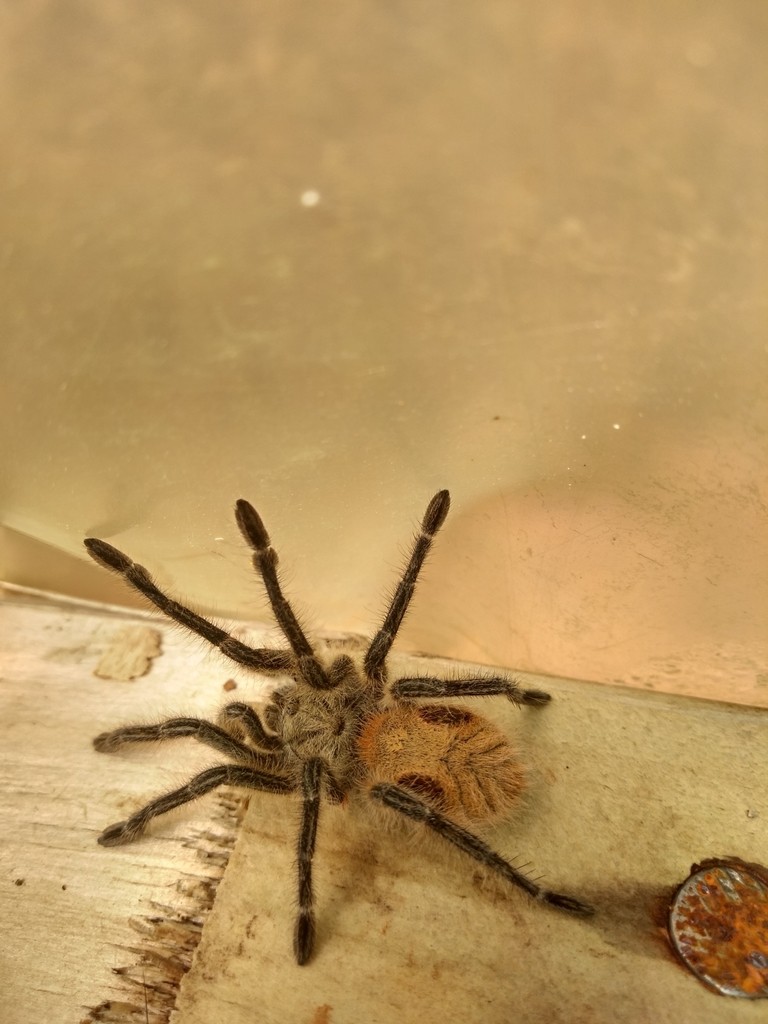
3. Chilean ocelot tarantula

4. Multicolored asian ladybeetle
Often confused for the ladybug, multicolored asian ladybeetle (Harmonia axyridis) is a separate species that, unlike the ladybug, is a household pest. It is considered particularly annoying for its habit of returning to places from which it is removed. One of the most variable species in the world, there are many different colors and patterns multicolored asian ladybeetle may display, making identification potentially difficult.
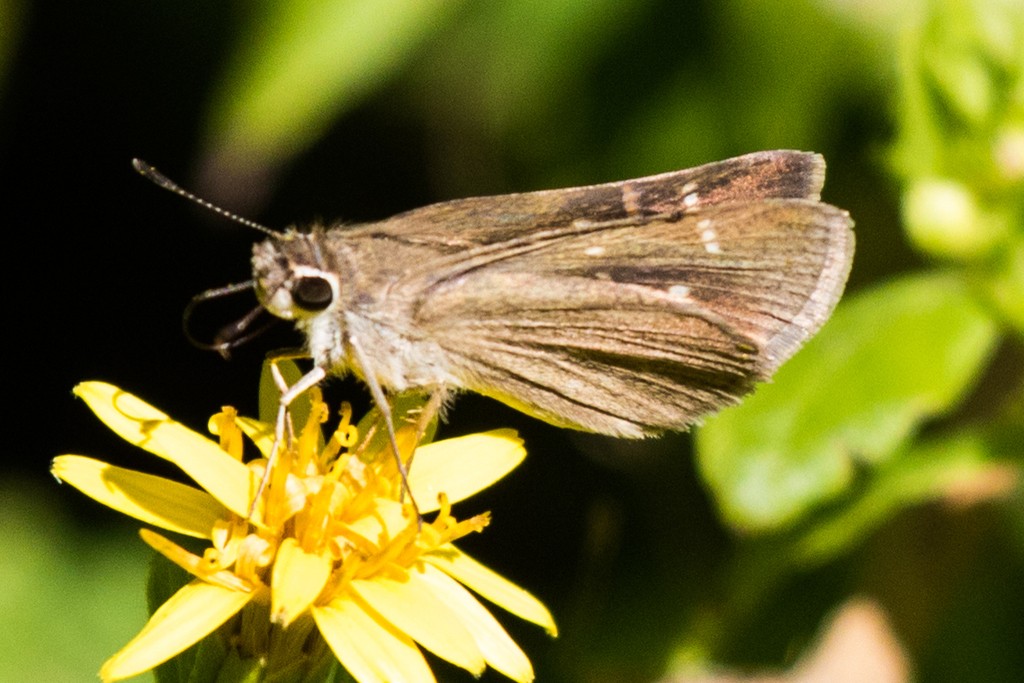
5. Eufala skipper
Lerodea eufala, the Eufala skipper or rice leaffolder, is a butterfly of the family Hesperiidae. It is found from the coast of Georgia, south through Florida and west across the southern United States to southern California, south through Mexico and Central America to Patagonia. In the summer, it expands its range north to central California, North Dakota, southern Wisconsin, northern Michigan and Washington, D.C. The wingspan is 25–32 mm. There are two generations, with adults on wing from February to October in the deep south. There are multiple generations throughout the year in Florida, southern Texas and Arizona. The larvae feed on various grasses including Sorghum halepense, Cynodon dactylon and Saccharum officinarum. Adults feed on the nectar from various flowers including croton, alfalfa, composites and lippia.
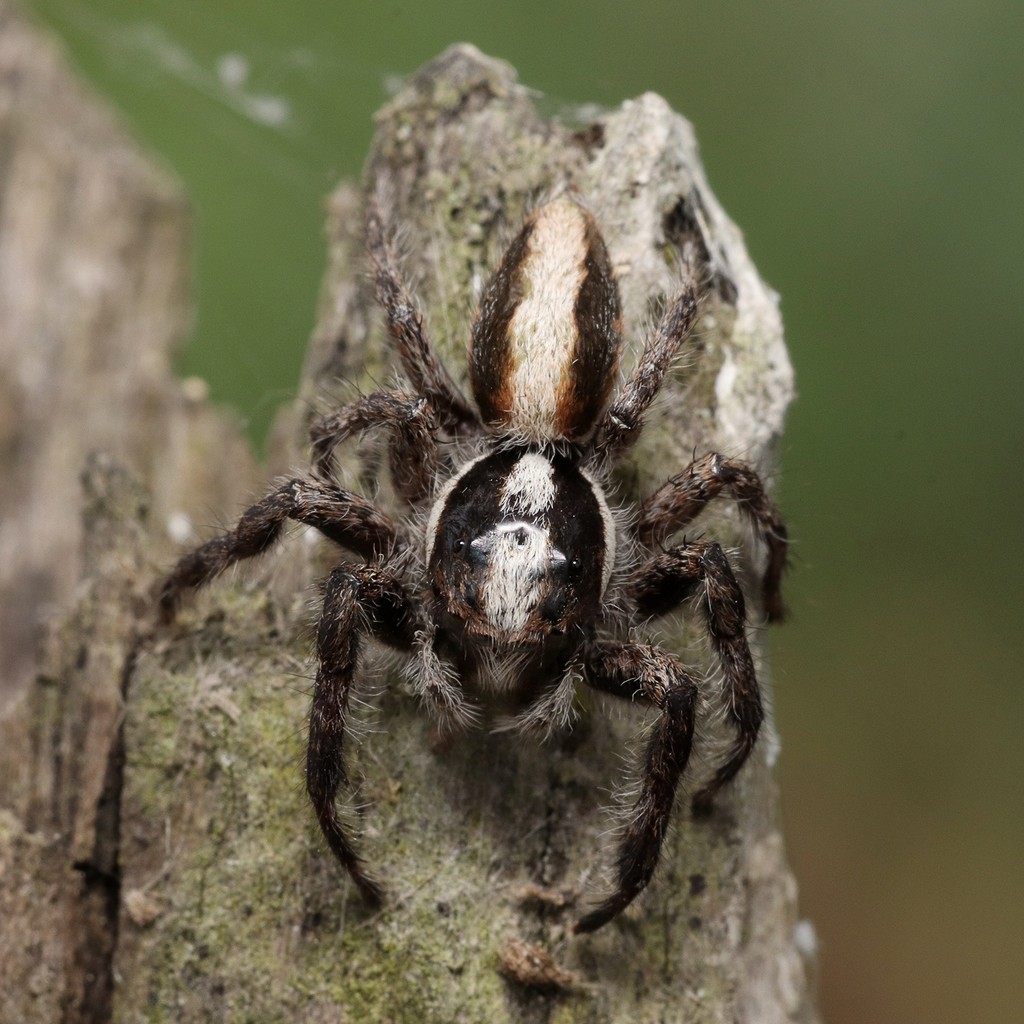
6. Megafreya sutrix
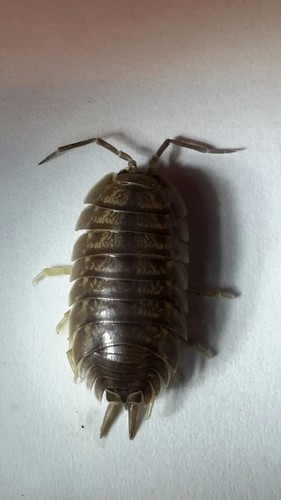
7. Swift Woodlouse
The swift Woodlouse (Porcellio laevis) has the unusual distinction of being called the dairy cow isopod due to their tendency to hang around "urban dairy farms." In the 20th century, dairy farms were kept in urban locations to enable to delivery of fresh milk, creating the perfect habitat for these isopods. It gets the name swift Woodlouse from the quick bursts of speed it has when intimidated.