




Top 14 Most Common Insects in Huangshan
Insects, with their fascinating features and diverse habitats, play a vital role in Huangshan's ecosystem. Our diverse geography, from temperate plains to mountainous terrain, greatly enhances insect variety in Huangshan. It's fascinating and crucial to understand both pests and beneficial insects, as they help maintain our environment's delicate balance. So, let's explore our list of top 14 most common insects in Huangshan.

Most Common Insects
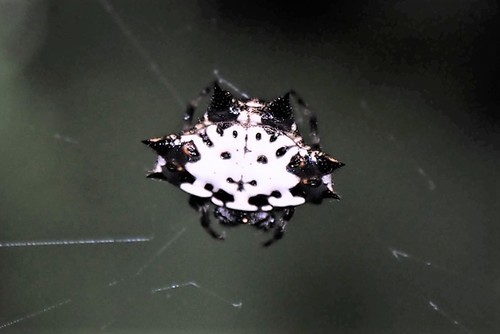
1. Black-and-white spiny spider
Female black-and-white spiny spider are 6 - 9 mm wide and possess a hard, shiny abdomen armed with six black conical spines. The upper surface of the abdomen is white to yellowish with variable black or dark brown markings and sigilla. Males are much smaller at 3 - 4 mm and in place of spines have small bumps on their abdomens. 
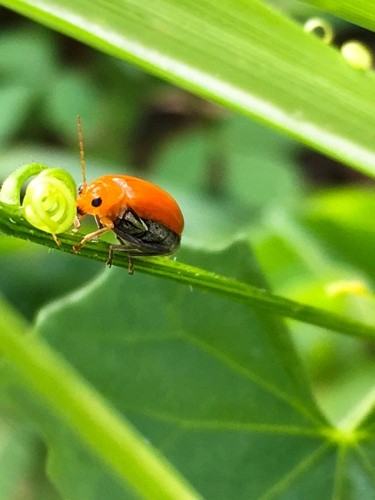
2. Cucurbit beetle
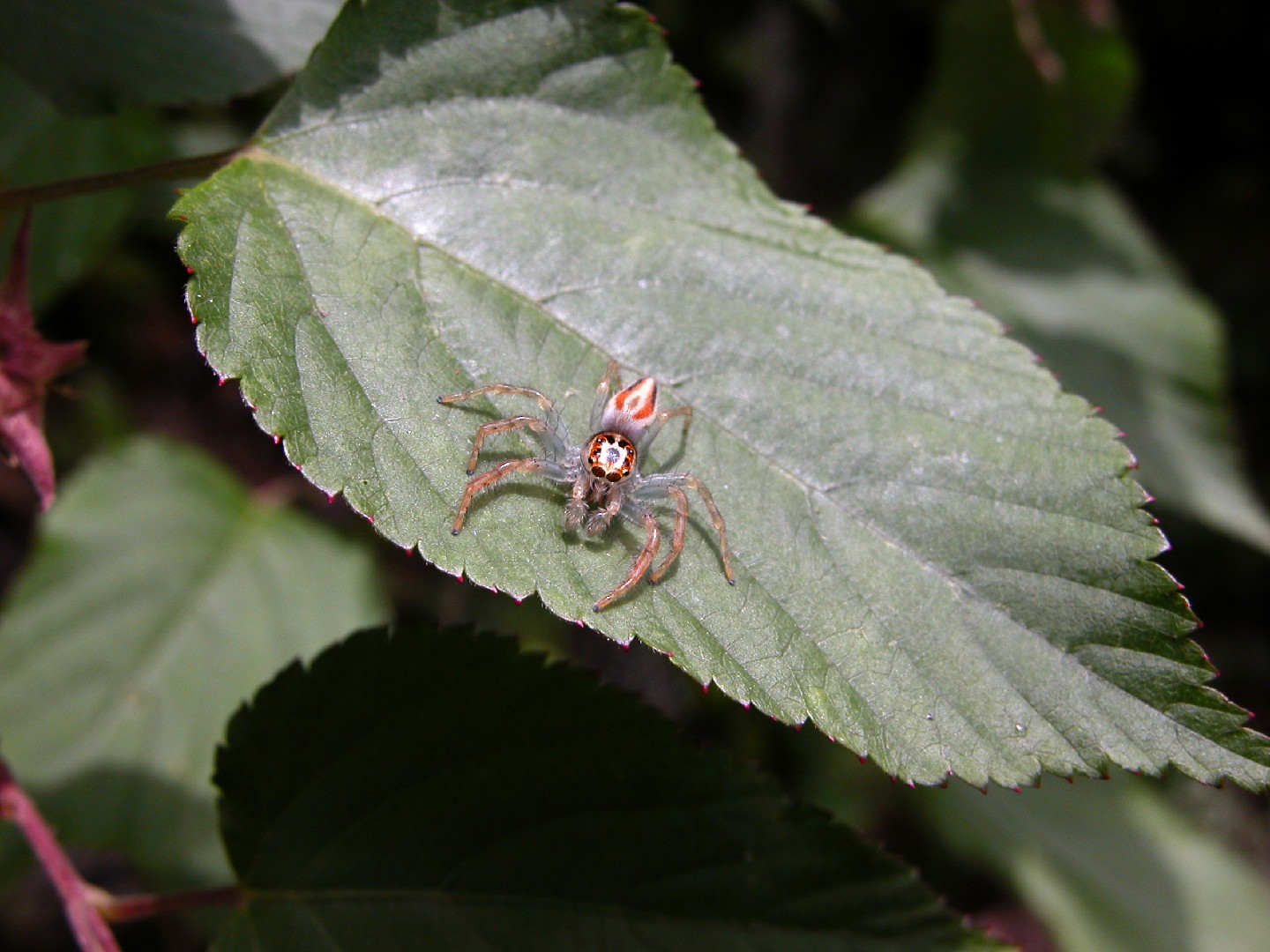
3. Telamonia vlijmi
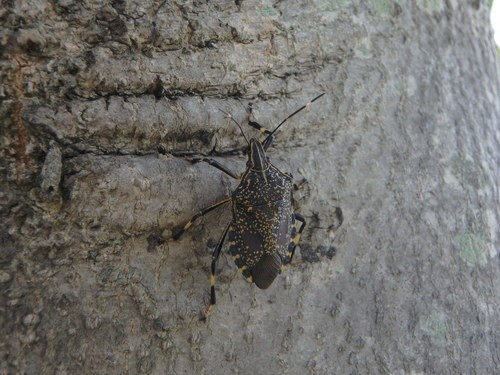
4. Yellow-spotted stink bug
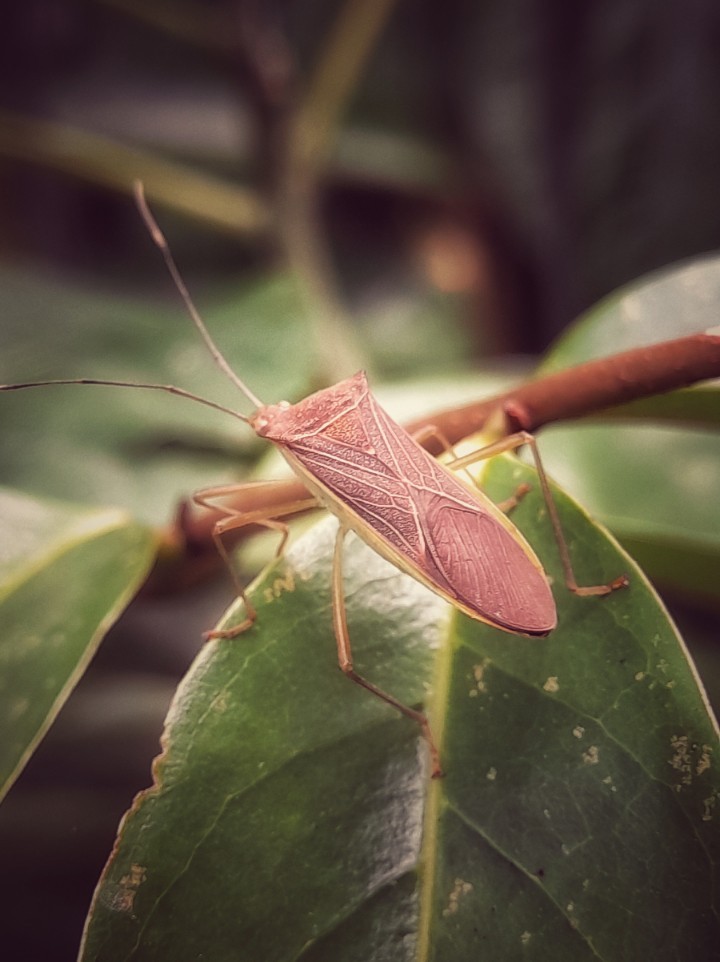
The yellow-spotted stink bug has a wide distribution across Asia. In China, the insect is a pest to more than 57 plants, including fruit trees. It can damage plants and reduce crop yields. Adults overwinter in natural and manmade shelters like building crevices and underneath tree bark, emerging in the spring to feed on the tree’s new growth.
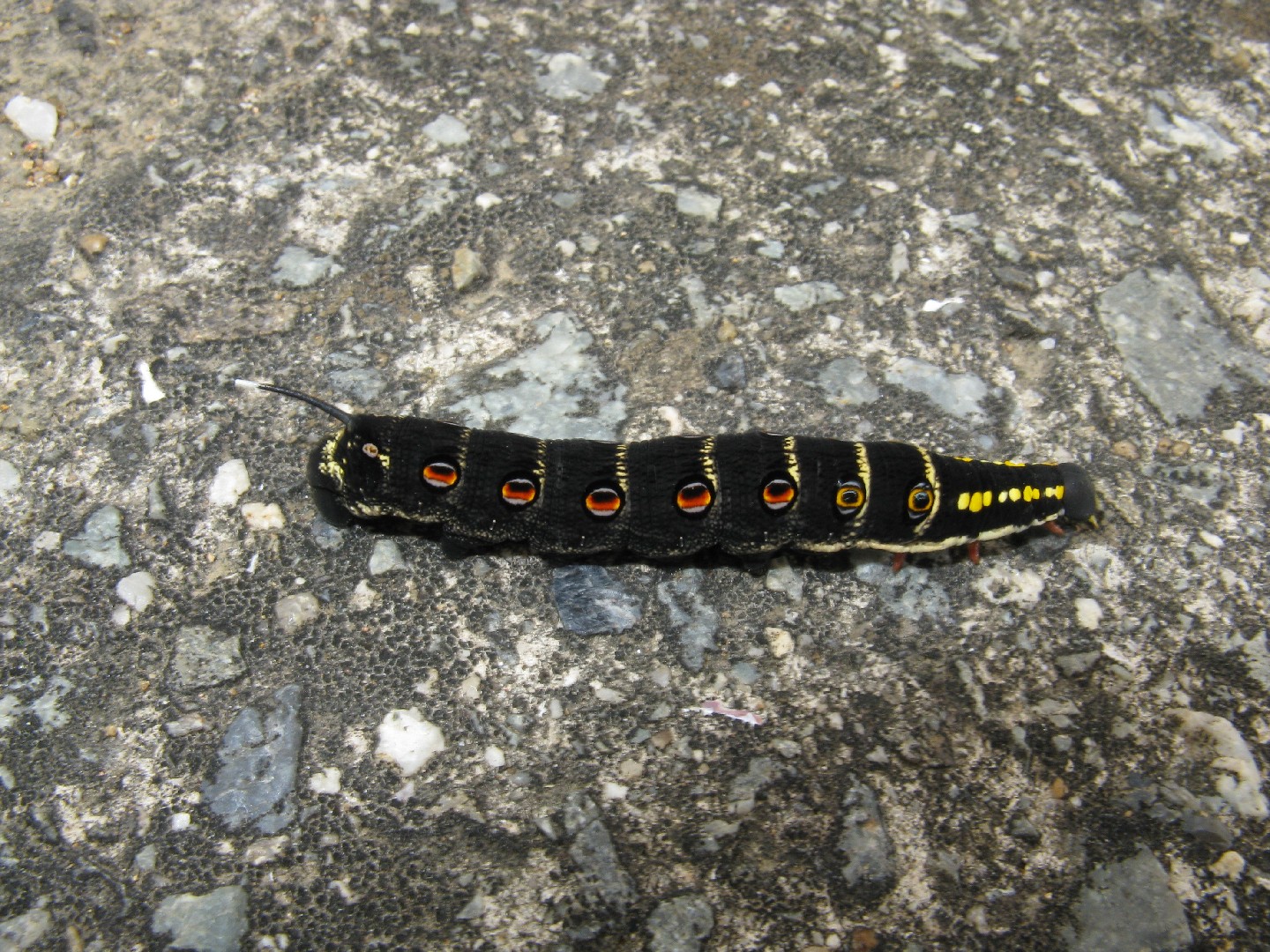
5. Impatiens hawk moth
The impatiens hawk moth can be considered a pest among commercial and residential gardeners. Both the moth and caterpillar feed on several flowering plants, including fuchsias and the Australian native violet. Adult females lay their eggs on the plant’s foliage, ensuring the hatching larvae have a ready food source.
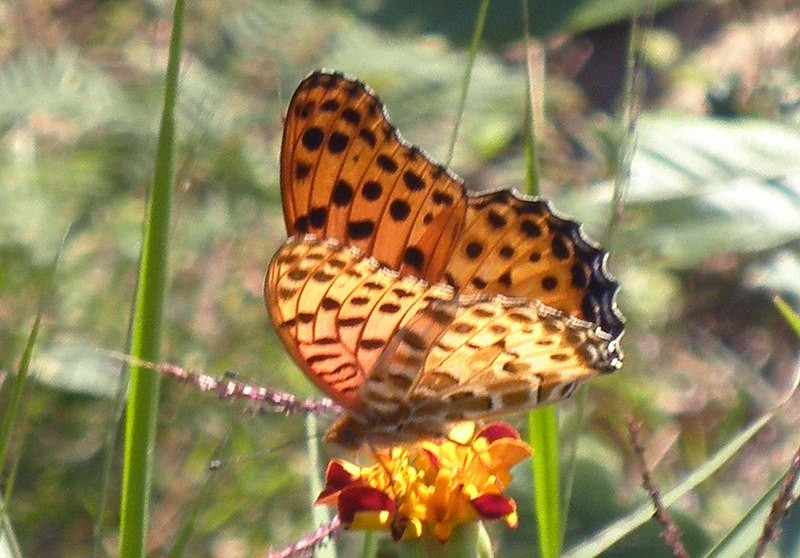
6. Indian fritillary
Male: Upperside: forewing rich orange yellow, hindwing paler yellow, with the following black markings: Forewing: cell with a basal short transverse streak, a medial broad oval loop, its outer margin sinuous; a broad transverse streak beyond cell not reaching the median nervure; a broad streak along the discocellulars; a zigzag discal series of large spots, angulated outwardly in interspace 4, inwardly in interspace 2, a minute spot at base of interspace 1; a somewhat diffuse large postdiscal spot below the costa in interspace 6; a postdiscal sinuous series of round spots, those in interspaces 1 and 4 very small; an inner complete subterminal sinuous series of round spots; an outer subterminal line, widening on the veins, and a terminal slender line. Hindwing: a basal, transverse, obscure narrow mark in cell, another above it in interspace 7, a transverse lunule across the middle of the cell; a small spot outwardly bordering the lower discocellular; a discal series of transverse spots from interspaces 1 to 7, sinuous posteriorly; a postdiscal series of five spots in interspaces 2 to 6; a subterminal series of somewhat lunular spots; finally, a narrow band on term en traversed posteriorly by a series of blue, anteriorly by a series of ochraceous lunules. Underside forewing pale terracotta red, shading into ochraceous towards the apex, the apex broadly suffused with that colour; markings as on the upperside, with the following exceptions: subcostal spot in interspace 6, upper two spots of postdiscal series, upper four spots of the inner subterminal series, and the anterior portions of the outer subterminal and of the terminal line olivaceous brown; the upper two postdiscal spots centred with white, with a white spot on each side; the upper four spots of the sub terminal series connate (united), forming a short curved band. Hindwing variegated with ochraceous, olivaceous-brown and silvery-white markings, the last for the most part narrowly margined on the outer side by short black lines; the veins prominently pale ochraceous; the medial silvery markings form a well-marked sinuous discal series, followed by a curved postdiscal series of five olivaceous round spots; each spot and the olivaceous-brown quadrate patch near base of cell with a minute white central spot; a slender black subterminal line widening at the veins, as on the forewing, followed by an ochraceous narrow lunular band and an outer slender black anteciliary line; the subterminal black line margined on the inner side by a series of: slender white lunules, bordered inwardly by a series of broad olivaceous-brown markings in the interspaces. Antennae brown above, ochraceous red beneath; head, thorax and abdomen olivascent tawny; beneath, palpi, thorax and abdomen pale ochraceous. Female similar. Differs from the male as follows: Upperside: apical half of forewing from about the middle of the costa obliquely to just above the tornus black, inwardly suffused with purple, crossed by a broad white band from costa to the subterminal series of black spots; four preapical white spots, the upper three bordering on each side and above a very obscure ocellus scarcely visible on the black background, an inner and an outer subterminal transverse series of slender white lunules. Underside: forewing markings similar to those on the upperside, but the apex of the wing beyond the white oblique band ochraceous green. Hindwing as in the male, but the markings slightly broader. Antennae, head, thorax and abdomen as in the male, the abdomen paler beneath. Wingspan: 80–98 mm (3.1–3.9 in). Var. taprobana, Moore, is a slightly darker race from Ceylon, with markings similar in both sexes to those of hyperbius. Moore, however, states that taprobana is an intermediate between the south Indian form (castetsi) and typical hyperbius specimens from Ceylon that do not differ from upper India, Assam, and Burmese specimens, except in the very slightly darker ground colour on the upperside. Race castetsi, Oberthur: The females of this remarkable form seem to be locally dimorphic. Male closely resembles the male of hyperbius but differs as follows: Upperside: ground colour a richer brighter shade of orange yellow; black markings similar but distinctly smaller, of a deeper black: subterminal transverse series of slender lunules traversing the terminal black margin on the hindwing of the same shade of orange yellow as the ground colour, not blue on the posterior half of the wing. Underside: the olivaceous brown at apex of forewing and variegating the hindwing more of a greenish golden tint. A sex-mark of specialized raised scales along middle of vein 1 on the upperside of the forewing very prominent. Female Nilgiri form: resembles the female of typical hyperbius differs as follows: Upperside: ground colour pale golden yellow; basal half of both forewings and hindwings shaded with metallic green in the forewing; in some specimens this tint is slightly olivaceous; black markings and the white oblique band on the apical area of the forewing as in hyperbius, but proportionately smaller, the purplish-blue shading along inner margin of the white band much less conspicuous, as is also the bluish tint; on the white preapical spots and subterminal markings on the forewing and on the posterior half of the subterminal line of limules on the hindwing. Underside as in hyperbius but the ground colour on the forewing a paler shade of terracotta red; the olivaceous brown variegating the hindwing of a distinctly greener tint. Female typical form as described from Trichinopoly. Similar to the male differs as follows: Upperside: ground colour pale golden yellow; basal half of the wings suffused with dark olivaceous green; black markings as in the male but larger; on the forewing the spots of the subterminal series very large, coalescent or nearly coalescent with one another and with the dentate spots on the veins in the inner terminal line; the upper two spots also of the postdiscal series very large and coalescent, the upper of the two joining on above and below to the inner postdiscal lunate spot in interspace 6, thus enclosing a prominent lunule of the ground colour. Underside as in the male but paler.
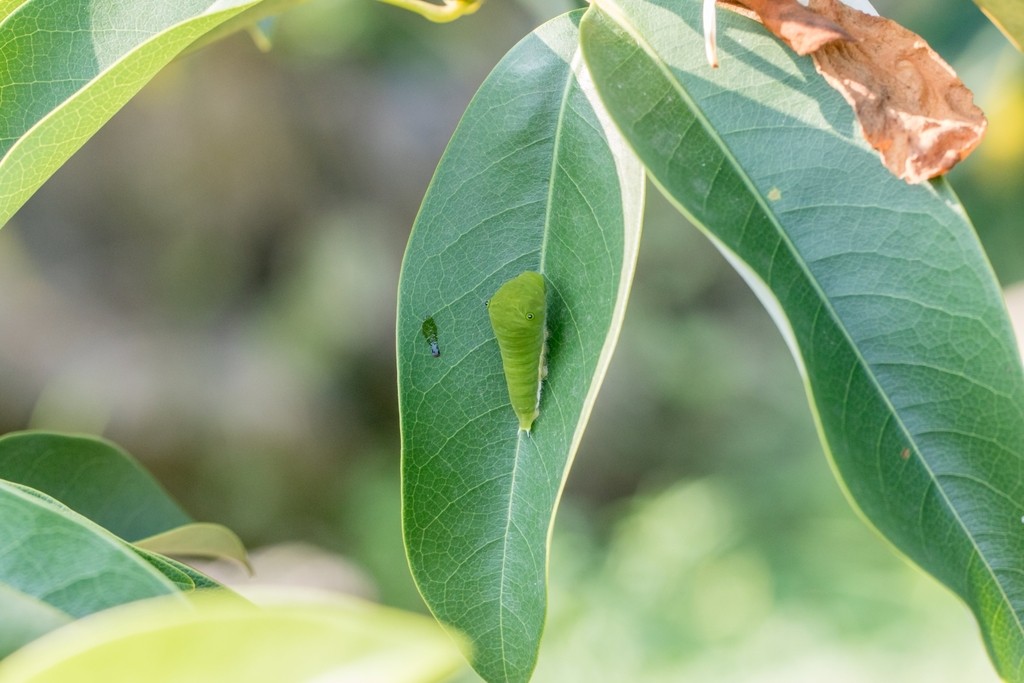
7. Veined jay
Closely resembles in colour and in the disposition of the markings Graphium eurypylus, races jason and axion more especially the latter, but on the upperside the anterior markings are all strongly tinged with yellow and the spots or patches that compose the discal band on both forewing and hindwing are well separated one from the other; on the hindwing, moreover, the apical spot of the subterminal series is invariably white, not pale green like the other spots of the series, and is very often elongate and diffuse. Underside: forewing very similar to that of axion. Hindwing: with the following silvery white markings: a moderately broad basal band reaches from costa across the wing and along the dorsum to the tornal angle, broad elongate streaks in the cell and in interspaces 2 and 3, a small spot at base of interspace 4, an inwardly conical larger elongate spot at base of 6, a very large quadrate spot in 7, and an elongate spot like that in 6 in interspace but outwardly not inwardly conical, interior to the two latter spots are two broad lunular spots in interspaces 7 and 8; all the anteriorly basal markings are strongly tinged with silky yellow; on the outer half of the wing there is a postdiscal series of orange yellow and a subterminal complete series of silvery-white spots, the upper two of which have further short narrow similarly-coloured streaks below them in the interspaces. Antennae head and thorax black, the thorax with dark greyish pubescence, abdomen brownish black; beneath and the abdomen laterally marked and streaked with white.
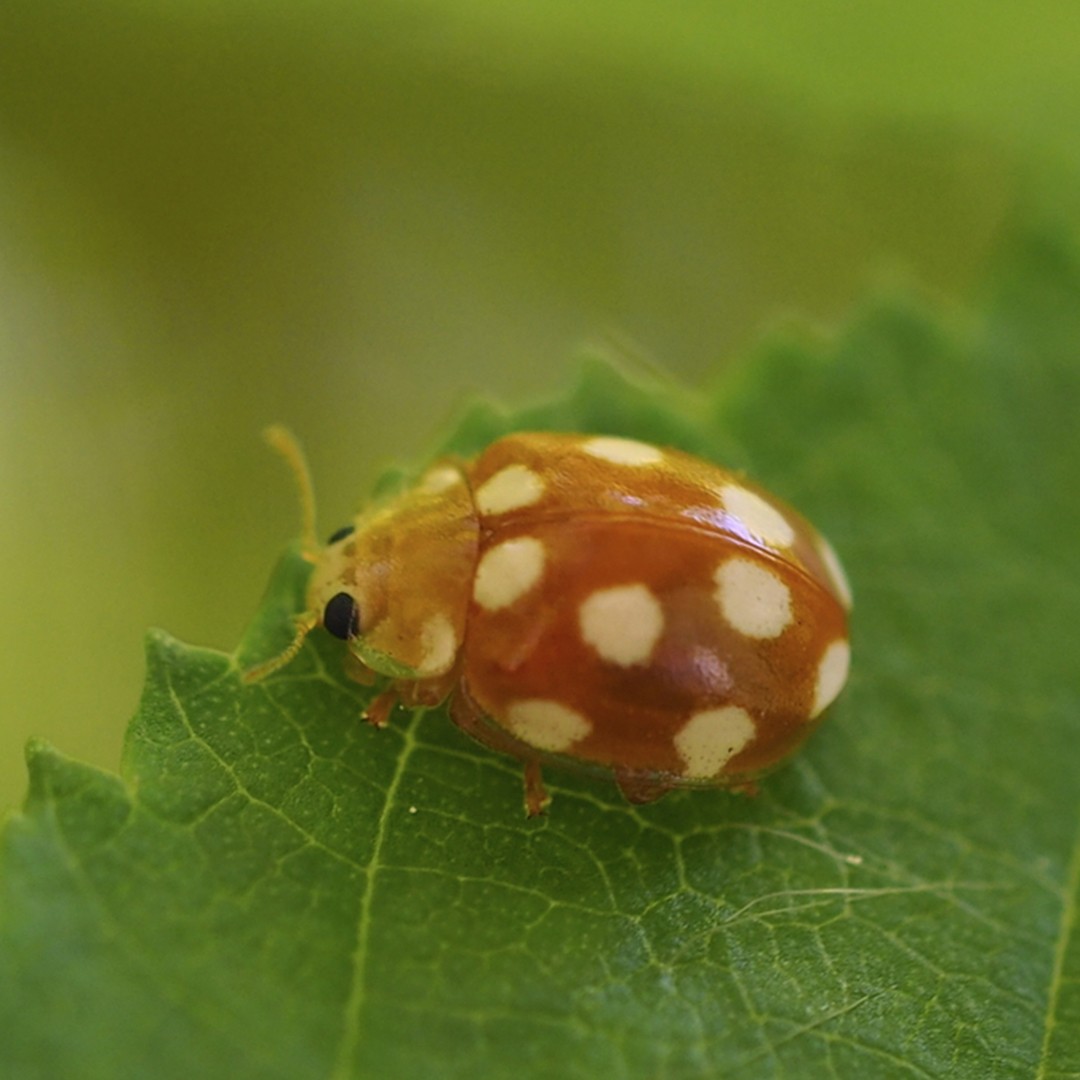
8. Vibidia 12-guttata
Vibidia duodecimguttata can reach a length of about 4 millimetres (0.16 in). These beetles have an oval shaped body. The light brown antennae are quite long. The elytra have a slightly wider side edge. Their entire body has a light brown basic color on the upper and lower side, only the eyes are black. Elytra show 12 whitish spots, six on each elytron (hence the Latin word duodecimguttata, meaning twelve-spotted as if by drops). There is a whitish spot on both sides of the throat. This species is rather similar to Calvia decemguttata and Halyzia sedecimguttata.
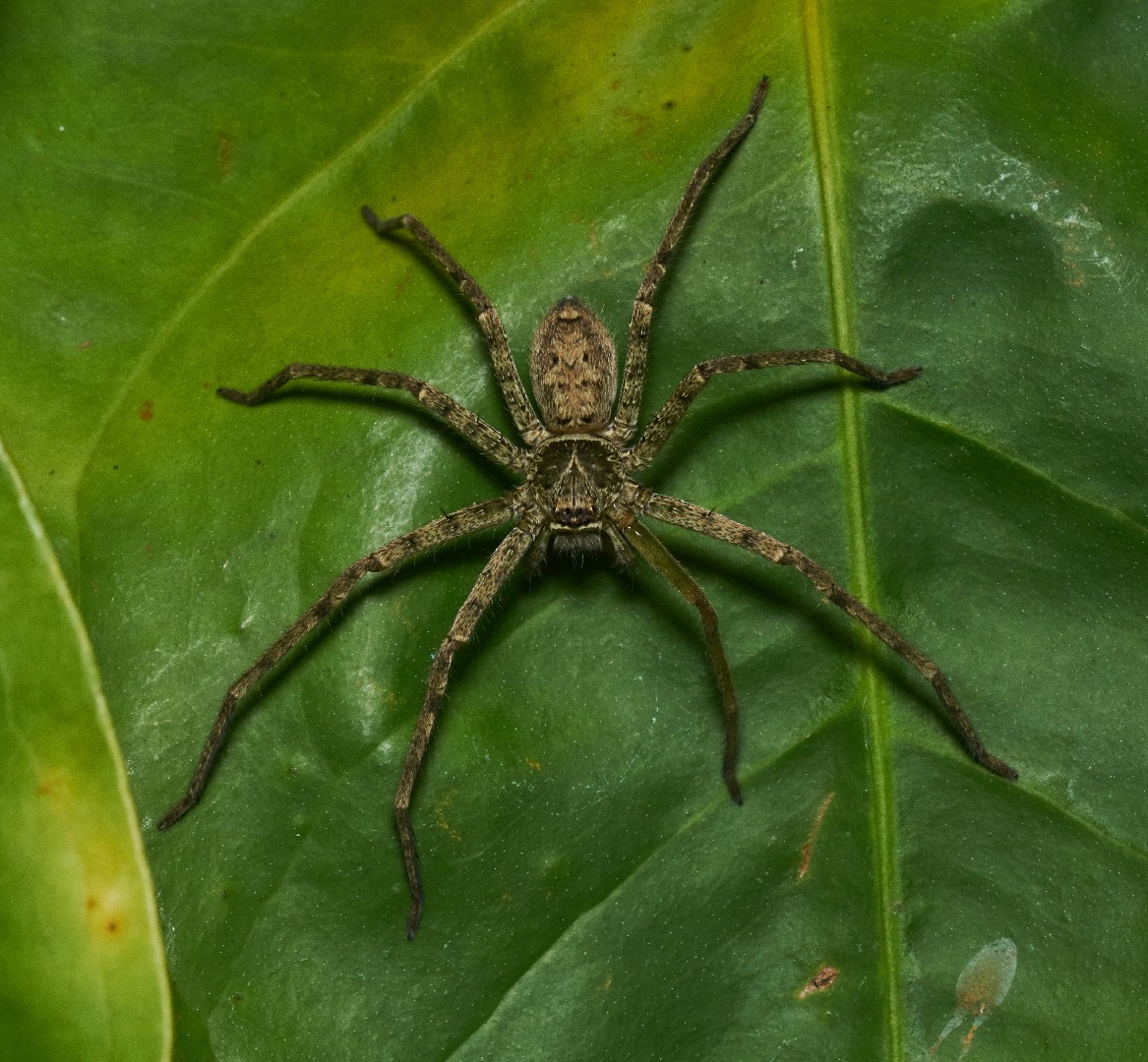
9. Giant Crab Spider
The giant Crab Spider is a large spider native to the tropics; the largest reported individual had a leg span of 30 cm. This cosmopolitan spider is highly valued in some areas, as it's able to catch cockroaches and other indoor pests. Reportedly, it hunts even scorpions and bats. This spider is venomous and sometimes bites humans, but it's considered harmless.
10. Notonagemia analis
More







