




Top 19 Most Common Insects in Beijing
Insects, armed with unique features and adaptations, immensely populate Beijing. Diverse geographic conditions across this region contribute to an extensive number of insect species, from pests to important pollinators. Each of these 19 insects plays a crucial role in the ecosystem, hence revealing the complex intertwining of Beijing's environment and the multi-faceted insect world it nurtures.

Most Common Insects
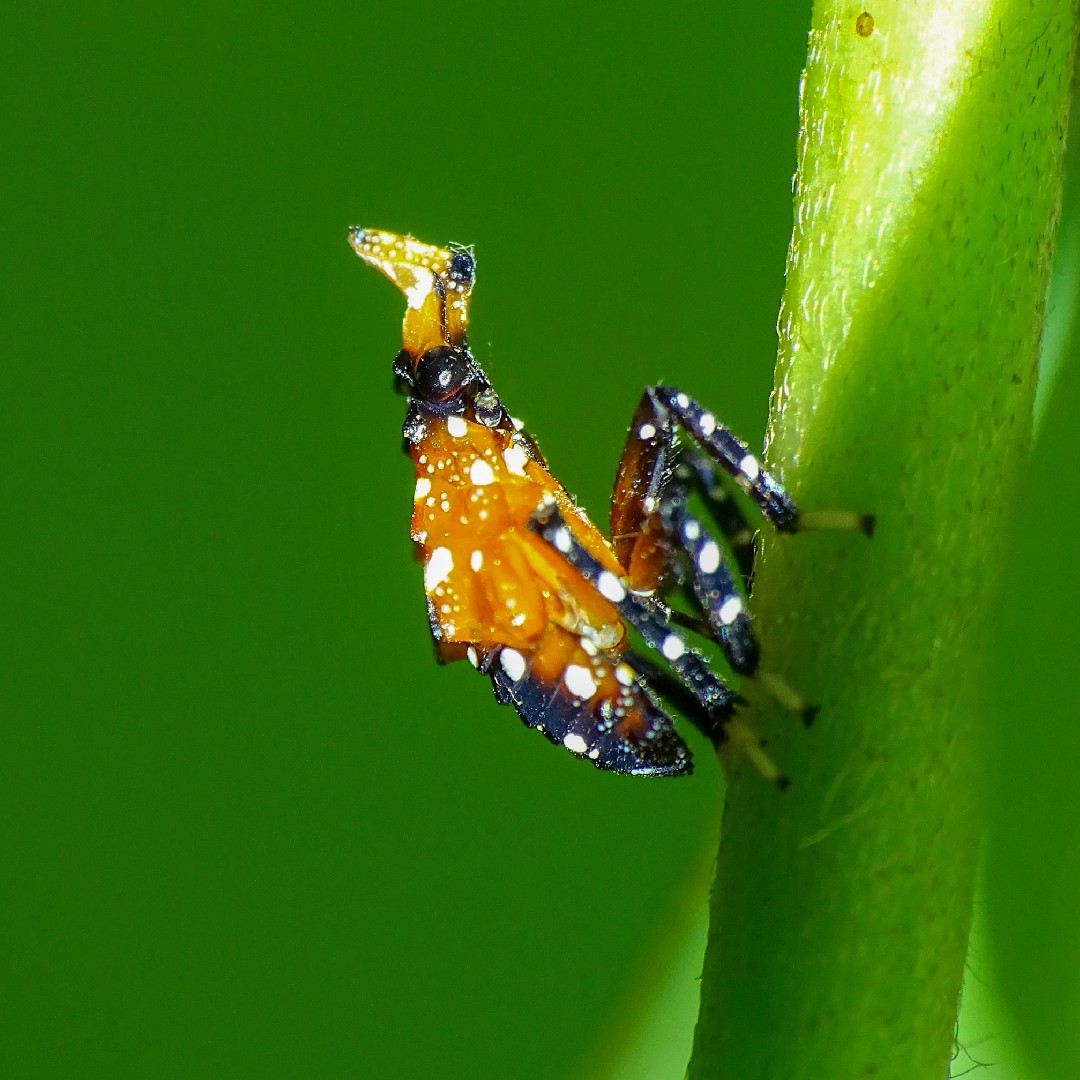
1. Spotted Lanternfly
The spotted Lanternfly (Lycorma delicatula), also known as the "spotted wax cicada", is considered a pest due to its ability to reproduce frequently. As a nymph, it has a black or red body with small, white dots. However, as an adult, it develops white wings with black spots and orange underwings. It pierces plant stems for food, stunting plant growth.

2. Multicolored asian ladybeetle
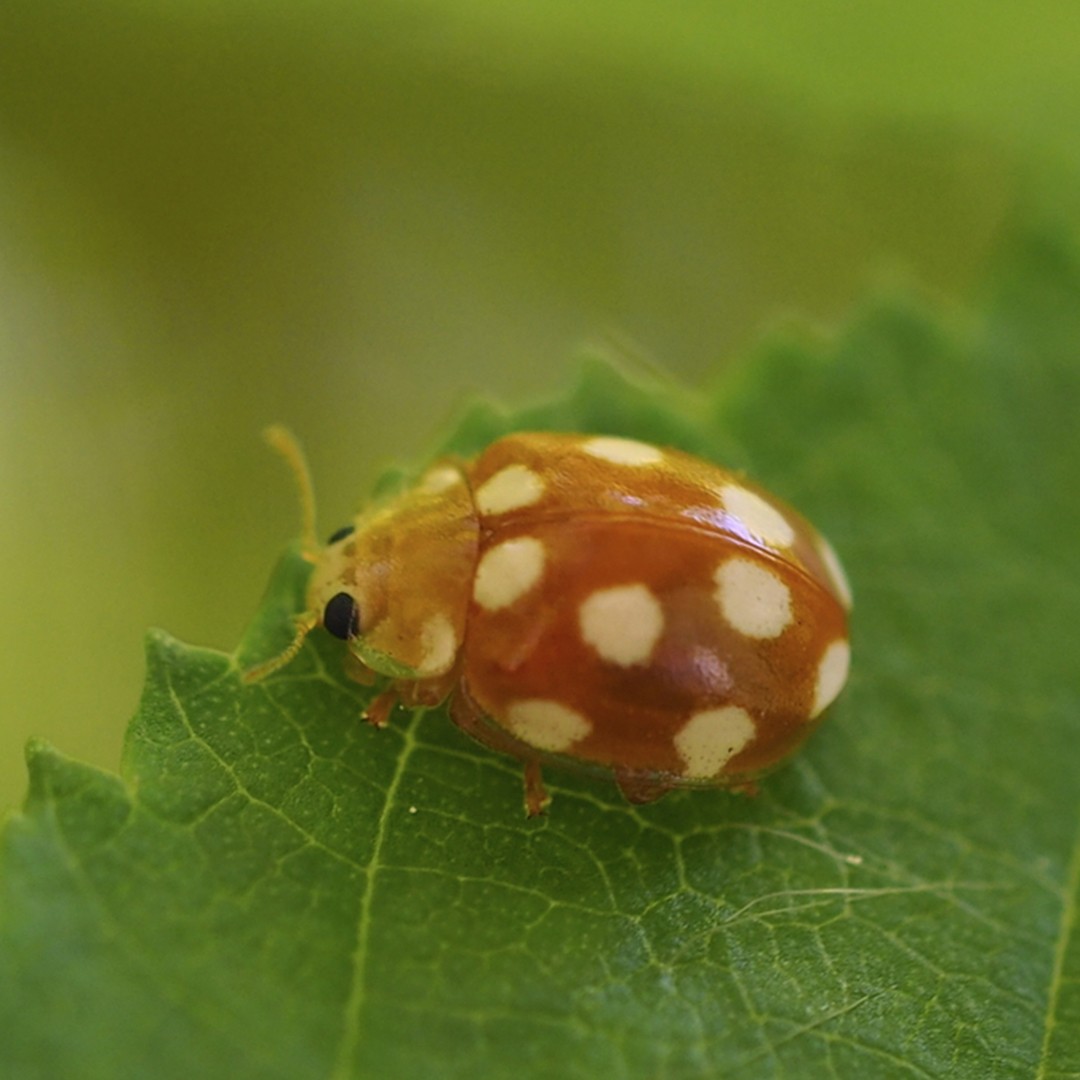
Often confused for the ladybug, multicolored asian ladybeetle (Harmonia axyridis) is a separate species that, unlike the ladybug, is a household pest. It is considered particularly annoying for its habit of returning to places from which it is removed. One of the most variable species in the world, there are many different colors and patterns multicolored asian ladybeetle may display, making identification potentially difficult.
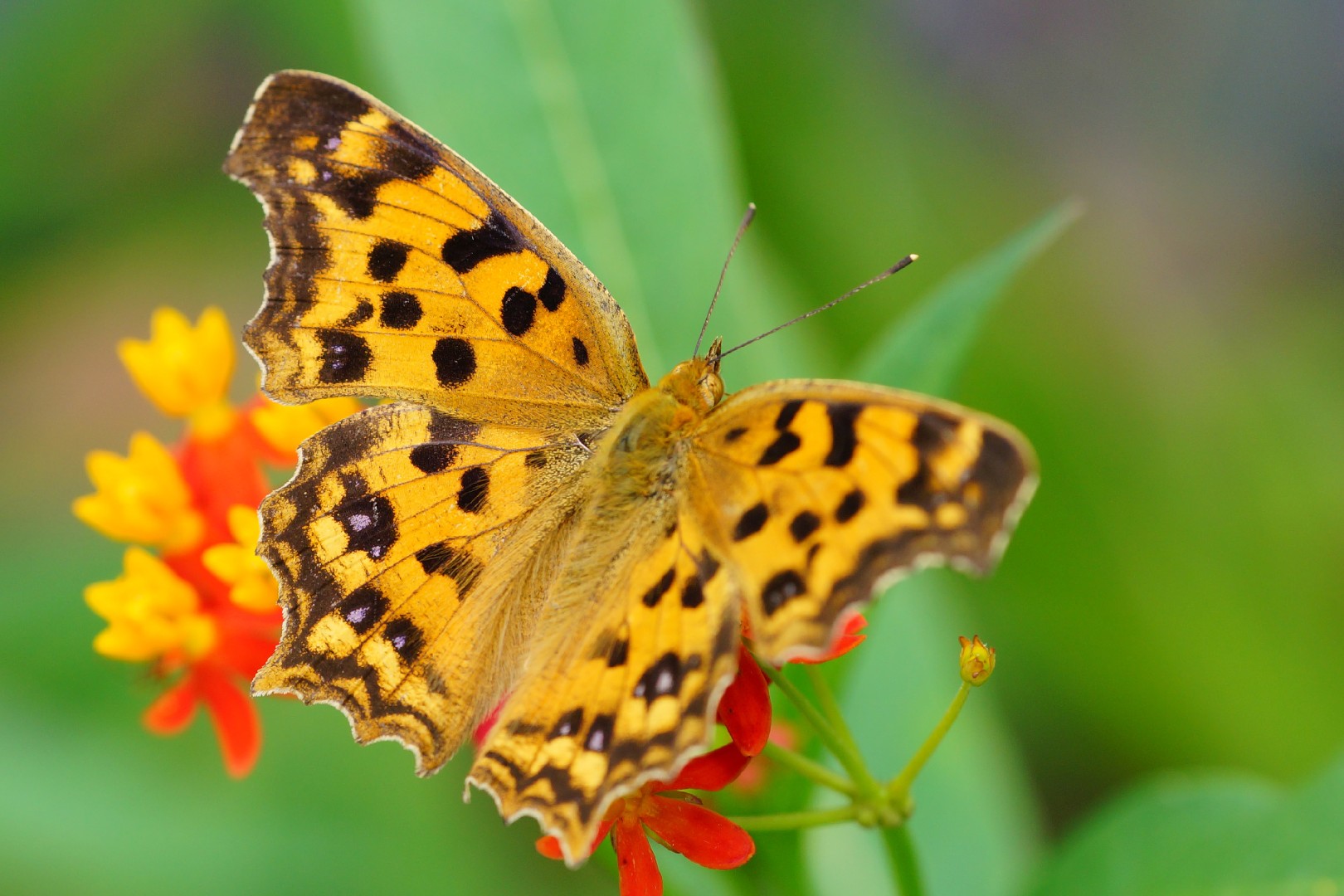
3. Asian comma
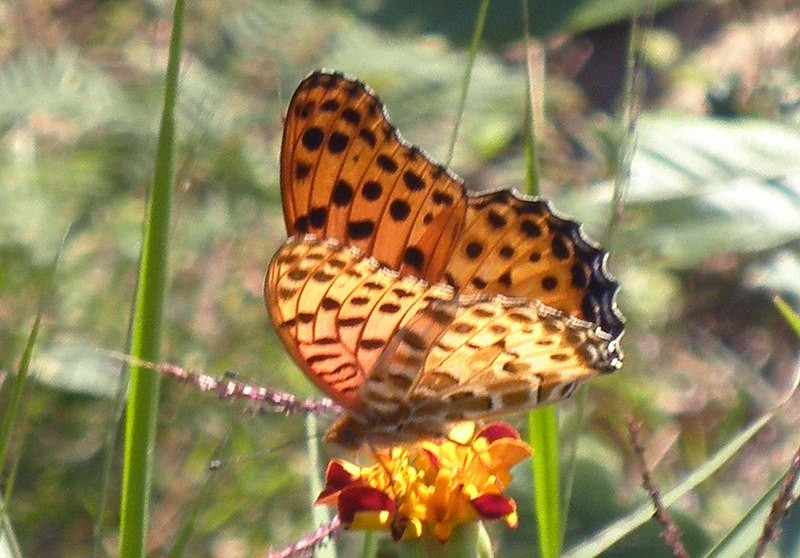
It has a wingspan of 2.5 cm. Wings are orange with black dots. The undersides of the wings is mottled brown (tree bark like) with a shiny comma mark on the center of the hindwing. The main difference with other comma species is that it has blueish markings on the bottom of its hindwing. 
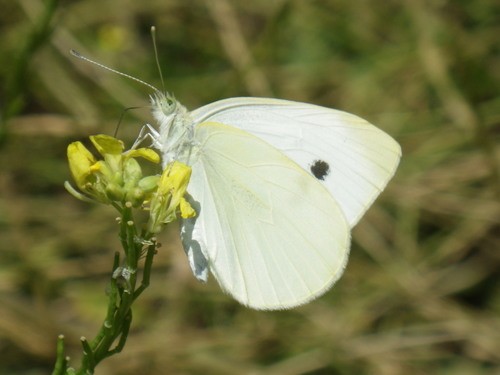
4. Cabbage white
Cabbage white (Pieris rapae) derives its common name from its habits as a caterpillar, which is a ferocious pest for cabbage, kale and broccoli farmers. In North America, it is one of the first butterflies to emerge in spring, heralding the beginning of the season.
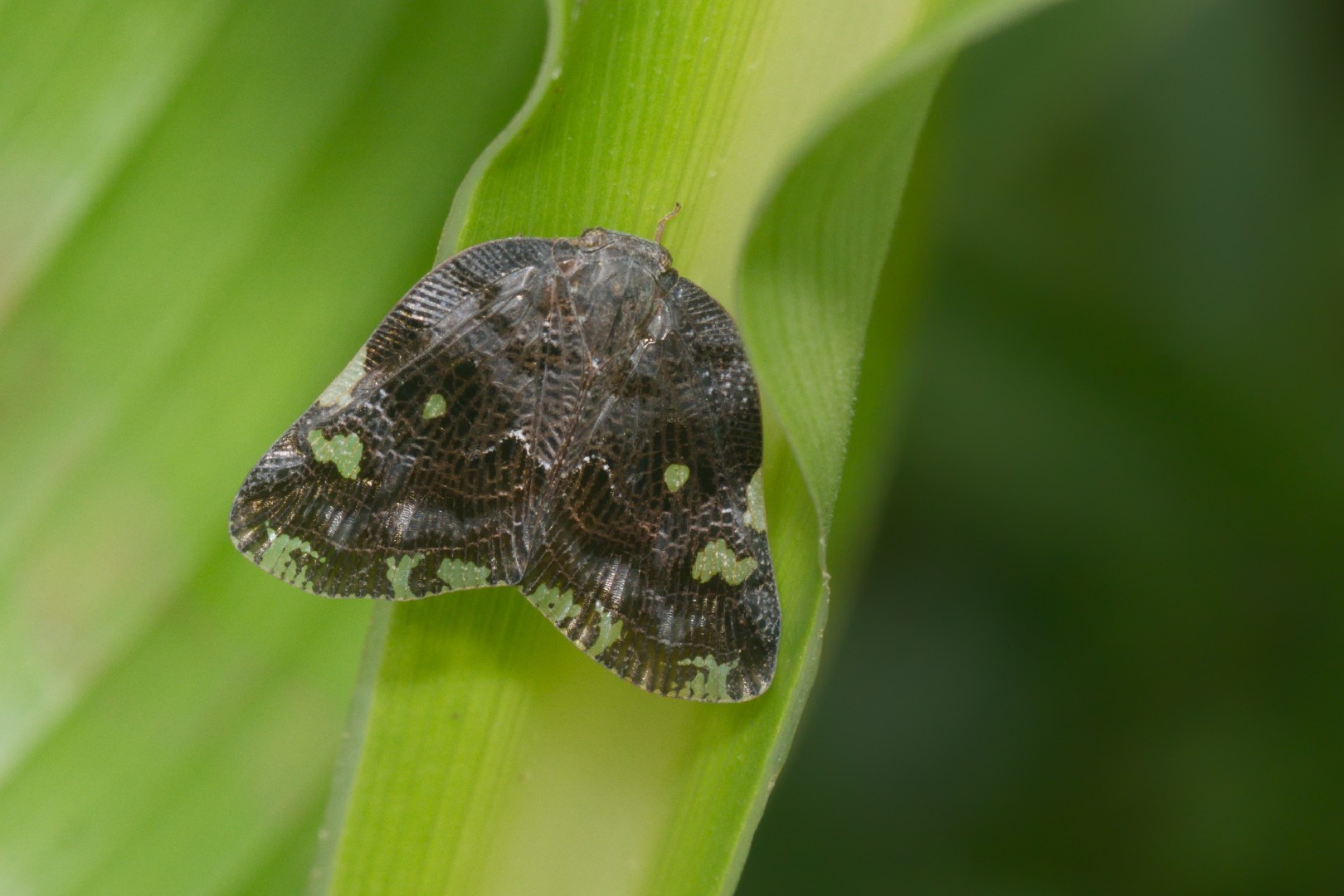
5. Black planthopper
Ricania speculum can reach a length of about 8 mm, with a wingspan of about 1.5 cm. These planthoppers have dark brown wings with central wavy horizontal bands and irregular transparent patches of different sizes. The precostal area of the forewings shows dense transverse veinlets and the costal margin is distinctly convex near the base. In males the tip of the abdomen is pointed, while in females is rounded. The final instar nymphs are white with dark brown markings and waxy secretions on the abdomen.
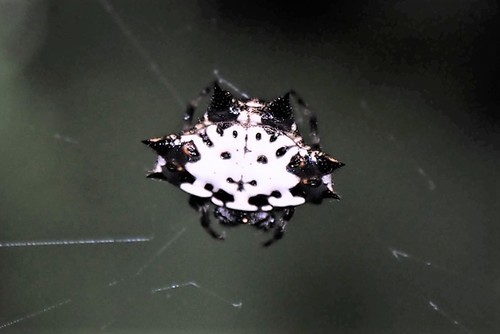
6. Black-and-white spiny spider
Female black-and-white spiny spider are 6 - 9 mm wide and possess a hard, shiny abdomen armed with six black conical spines. The upper surface of the abdomen is white to yellowish with variable black or dark brown markings and sigilla. Males are much smaller at 3 - 4 mm and in place of spines have small bumps on their abdomens.
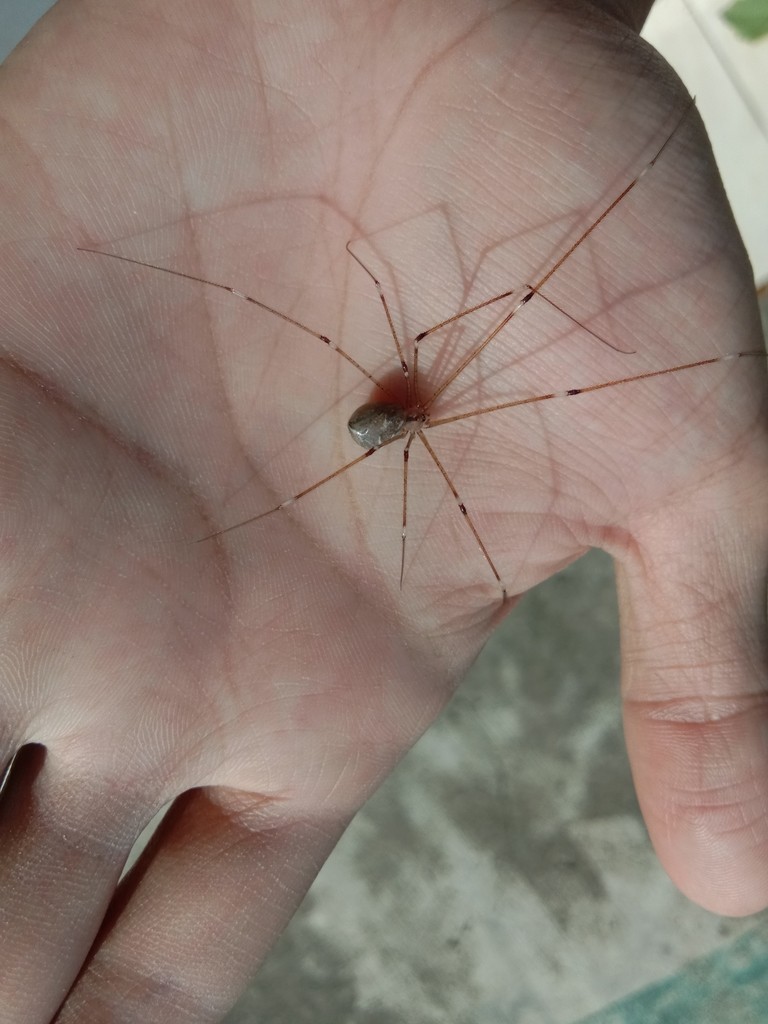
7. Short-bodied cellar spider
Physocyclus globosus, sometimes known as the short-bodied cellar spider is a species of spider belonging to the family Pholcidae. This is a cosmopolitan species, found in caves and buildings throughout the warmer parts of the world.
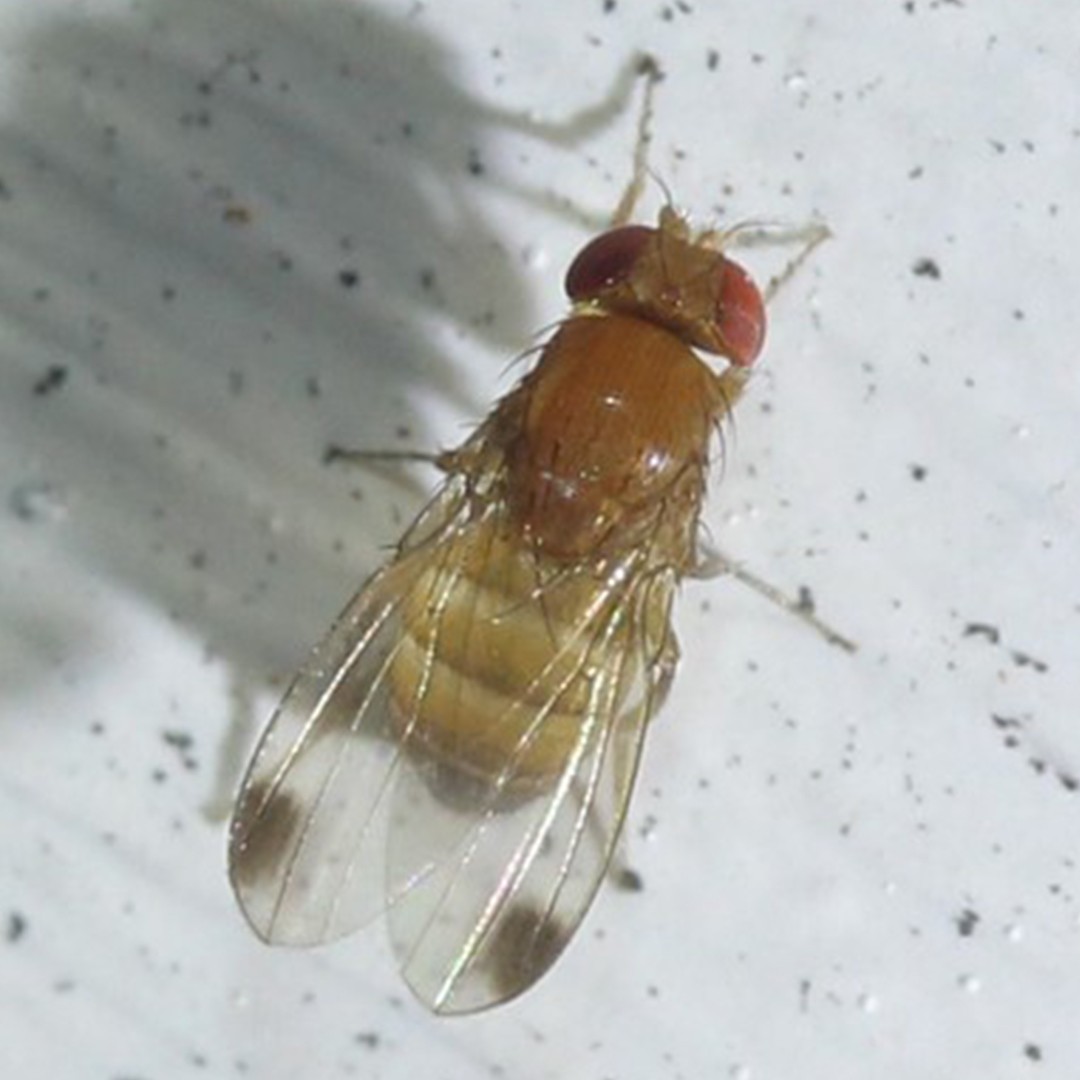
8. Spotted-wing drosophila
Spotted-wing drosophila is a pest insect that causes significant damage to fruit crops like grapes, strawberries, and cherries (hence the common name). It lays eggs in the fruit, contaminating them and introducing bacteria. This fast-breeding, short-lived pest can produce three generations during a single fruit season.
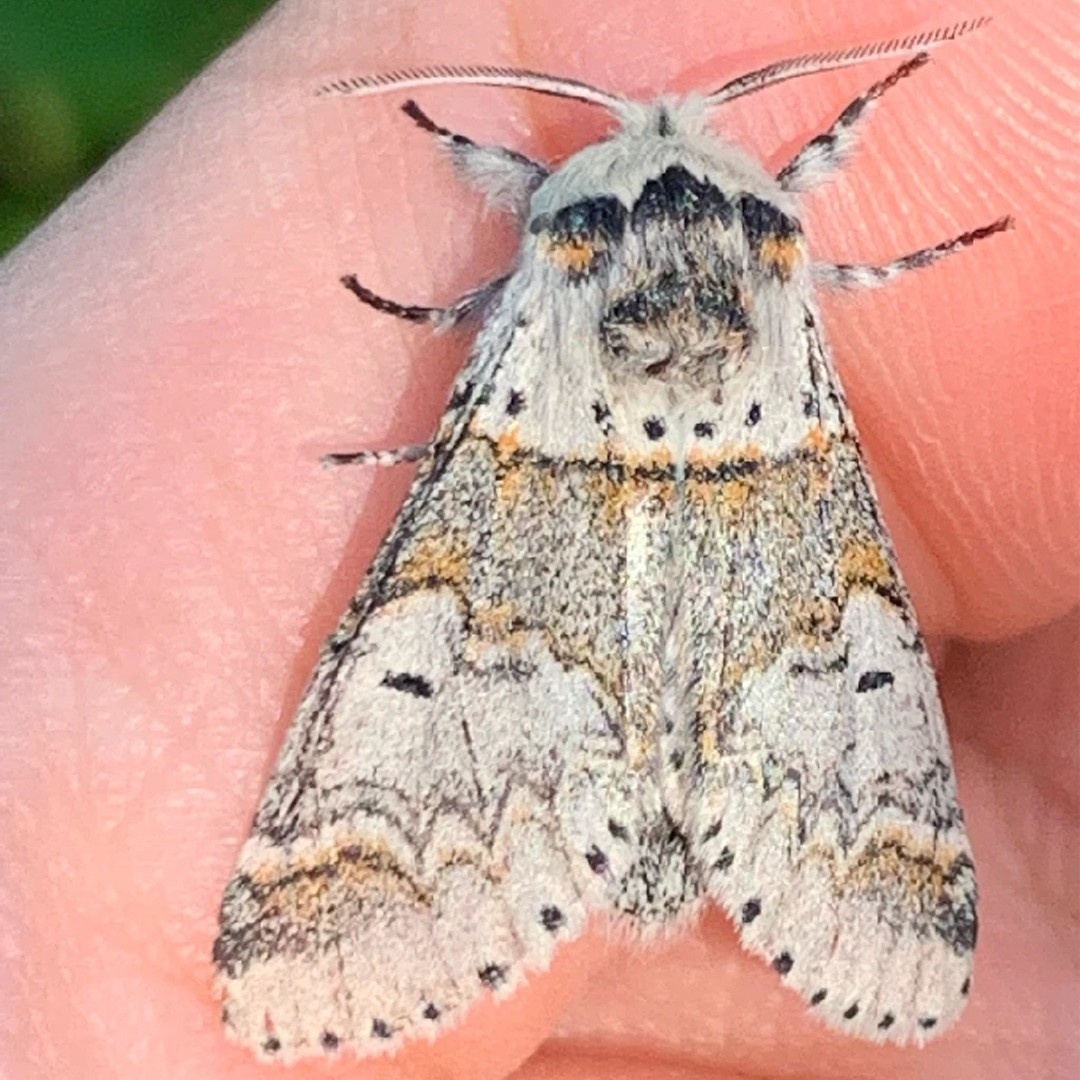
9. Sallow kitten
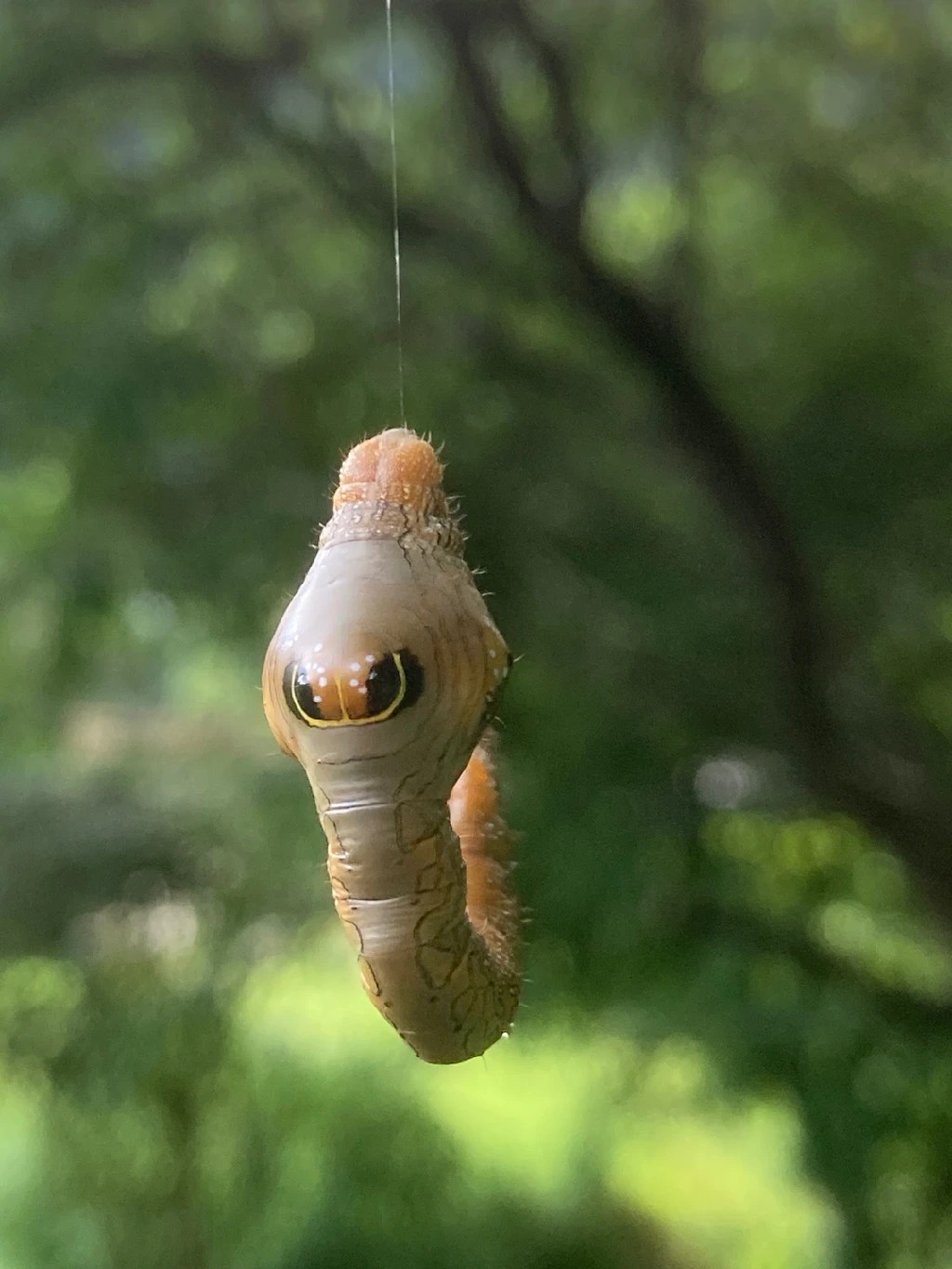
The sallow kitten is grey/white and has a wingspan of 27 to 35 mm. The first part of the wing has a large grey middle band. It differs from the poplar kitten (Furcula bifida) in its generally smaller size, but more especially in the shape of the black line forming the outer margin of the central band; this is always more or less angled or dentate towards the front margin of the wings, whereas, in the poplar kitten, this portion of the line forms a clean curve. The flight period ranges from April to the end of August. Depending on location the moth has one or two generations per year and is attracted to light. Ova The dark purple, hemispericle eggs are laid in batches of two or three on the upper surface of leaves in May or June and again in August. They hatch after nine days. Larva The caterpillar can grow up to 35 mm and is bright green with a purple brown marking on the saddle and can be found from May through to September. The main host plants are willow (Salix species) and occasionally aspen (Populus tremula) and other poplar (Populus species). Larvae can be found on small isolated moorland bushes. Pupa Before pupation the larva hollows out a recess. The pupa is dark purple-brown and pupation takes place in a tough cocoon constructed from a mixture of chewed wood-pulp and silk.
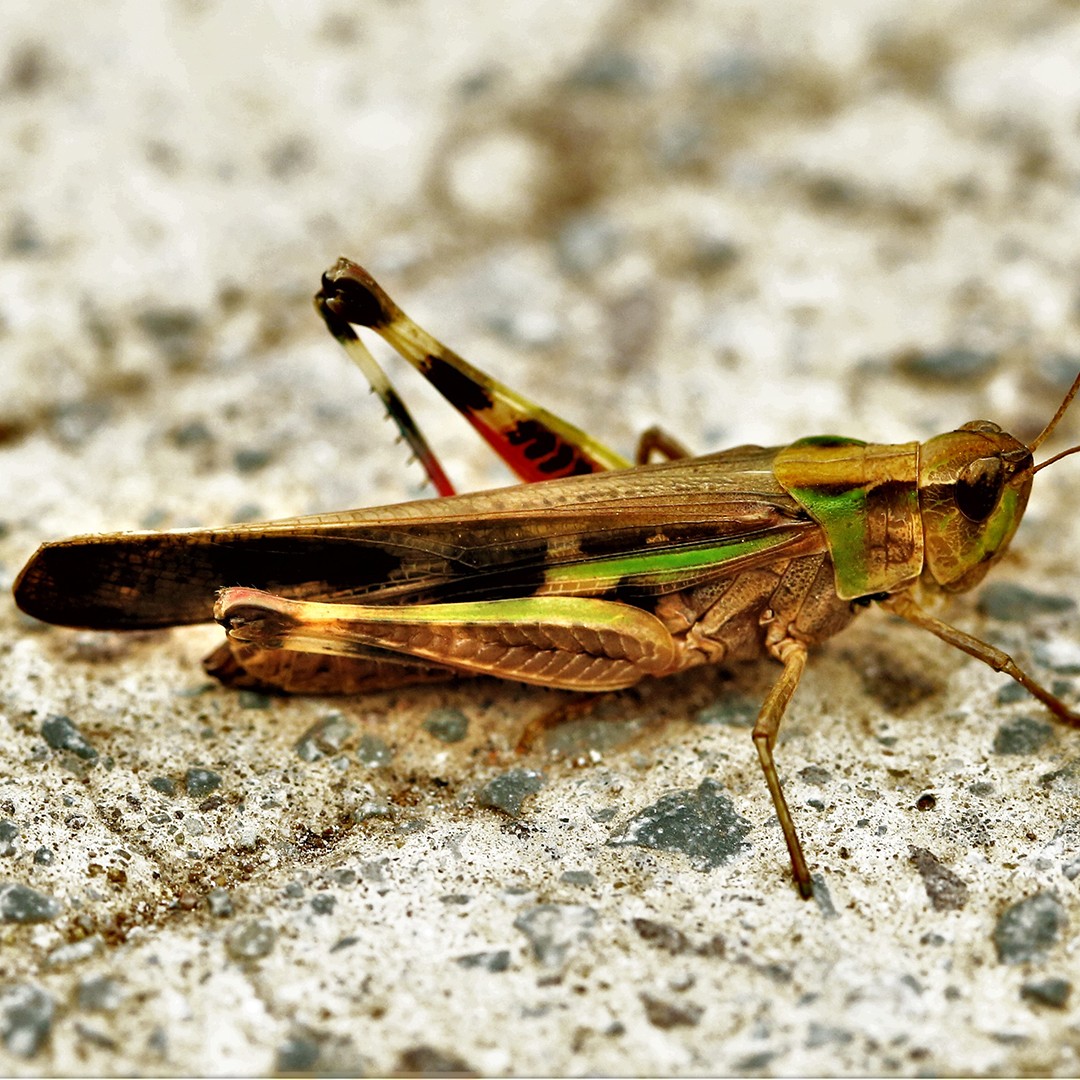
10. Long-winged grasshopper
Aiolopus thalassinus is a species of grasshopper belonging to the family Acrididae, subfamily Oedipodinae. It is present in many countries of Europe (but not the British Isles or Scandinavia), and in the Afrotropical realm to Asia and the Pacific islands. The colouration of this species is generally from clear brown to dark brown. Females have a size of 21–29 mm and males of 15–19 mm.

More







