




Top 8 Most Common Insects in Harbin
Insects are a fascinating segment of Harbin's vibrant ecosystem, offering a multitude of species with diverse characteristics and roles. From pests to pollinators, Harbin's diverse geography helps shape these species' diversity and illustrates the interconnectedness of our environment. Join us as we unveil the top 8 most common insects in Harbin, furthering our understanding of these tiny titans and their indispensable roles.

Most Common Insects
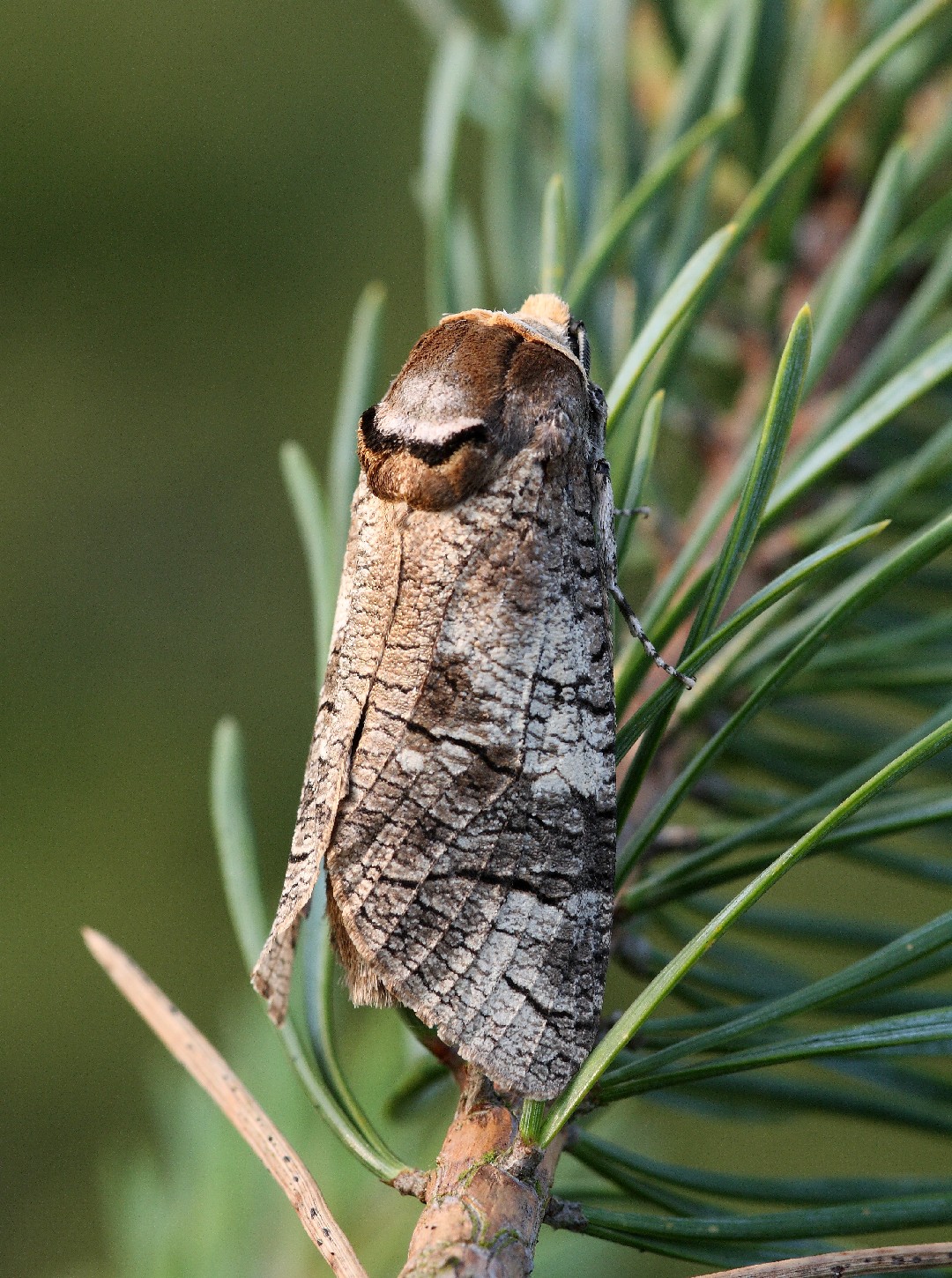
1. Goat moth
The goat moth (Cossus cossus) is a large moth that may make you believe it eats everything by the name. The adults of this species do not eat. Instead, its larva stages will eat through deciduous trees. The holes leading to their exit will leak with the sap of the tree and their waste product, attracting the Red admiral butterfly.

2. Parnassius stubbendorfi
Dull white, the veins being black, forewing narrowly grey at the costal edge, rather more broadly transparent - grey at the apex and distal margin; near the apex a more or less distinct dark grey shadow - transverse band; two grey spots in the cell, which are sometimes absent. Hindwing almost without pattern, only the abdominal border being somewhat dusted with black; on the underside sometimes some yellow hairs at the abdominal margin. Pouch of female sphragis whitish, similar to that of mnemosyne. Antenna, legs and fringes of wings black. There occur singly specimens of the female sex which are, as in the previous species, darkened all over, being grey or blackish: ab. melanophia Honr. The markings of this aberration are indistinct or absent, not being visible on the dark ground, and the abdomen is thinly covered with yellowish hairs. In the female of Parnassius stubbendorfi tartarus Austaut, 1895 the grey markings are intensified, the cell-spots are more distinct and connected with one another and with the costal spot situated beyond the apex of the cell by a grey dusting along the sides of the cell. Submarginal band of forewing more distinctly marked, on both wings along both sides of the veins a more or less abundant dusting of blackish scaling; generally a grey spot at the costal margin of hindwing. Kuku-nor, Sining, Kashmir. — Larva conspicuously different from that of all other Parnassii, being similar to a large Agrotis caterpillar, black with pale yellow oblique side stripes, after the last moult light red-brown, with two pale yellow longitudinal stripes bearing black spots, there being moreover black dashes, lines, arrowhead-shaped spots and other black markings on the back. The under surface and sides as far as the yellow stripes greyish brown, the former with numerous pale dots. Head and thoracical legs black. The whole body short-hairy; reversible fork whitish yellow, almost transparent; in May and June on Corydalis species, especially C. gigantea, concealed in day time. Pupa in a rather strongly built cocoon, which lies underneath old pieces of wood, stones etc. (Graeser). In the Altai Mts., Amurland, Ussuri (Eastern Asiatic coast-provinces). 
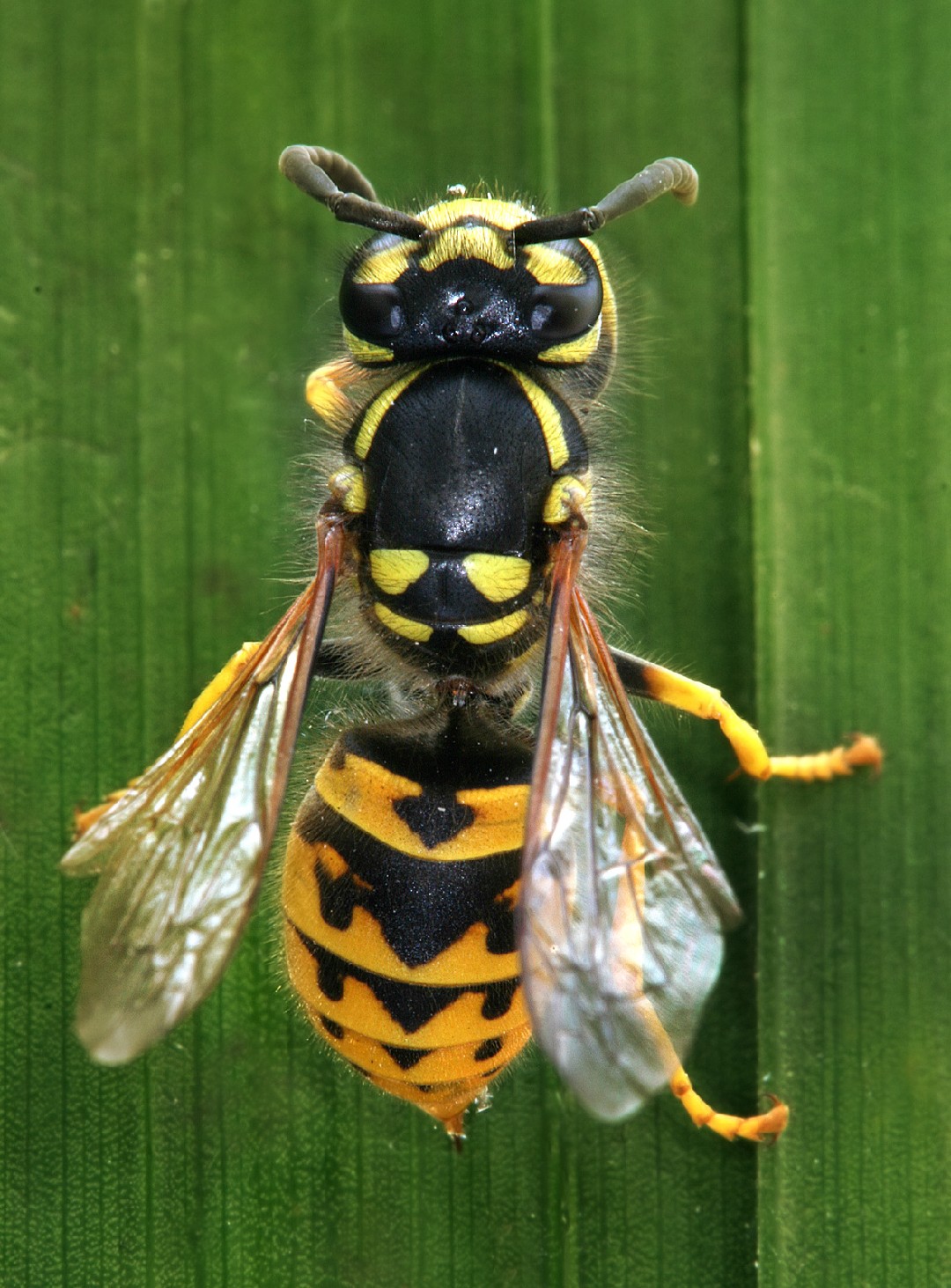
3. German yellowjacket
The german yellowjacket hives have a system of dividing up work that involves focusing on one task at a time and eventually specializing in a different task. These wasps have the cognitive ability to remember certain feeding spots even after there is no food remaining. They also practice "worker policing" where the queen will eat eggs laid by other wasps to ensure her offspring are dominant.
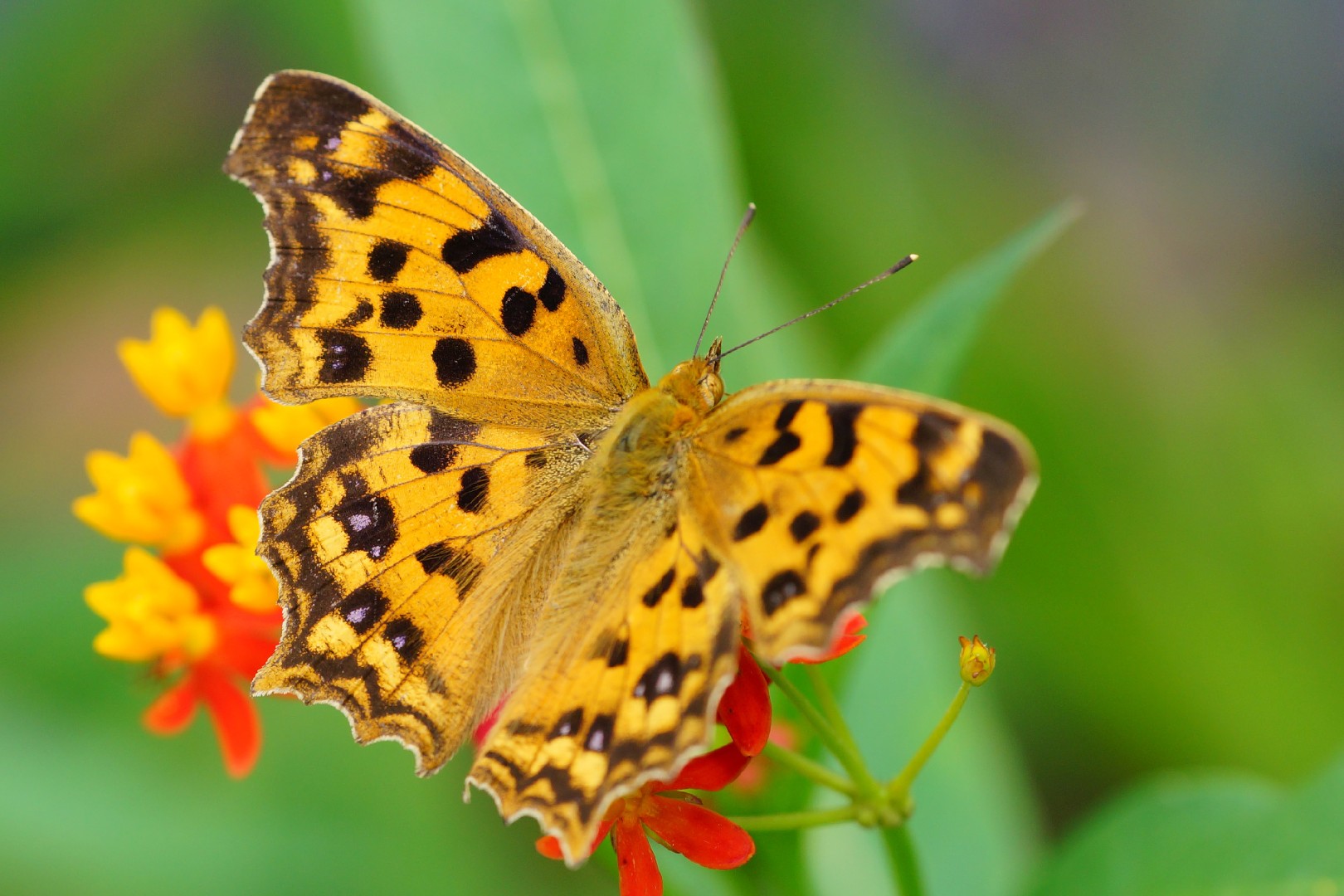
4. Asian comma
It has a wingspan of 2.5 cm. Wings are orange with black dots. The undersides of the wings is mottled brown (tree bark like) with a shiny comma mark on the center of the hindwing. The main difference with other comma species is that it has blueish markings on the bottom of its hindwing.
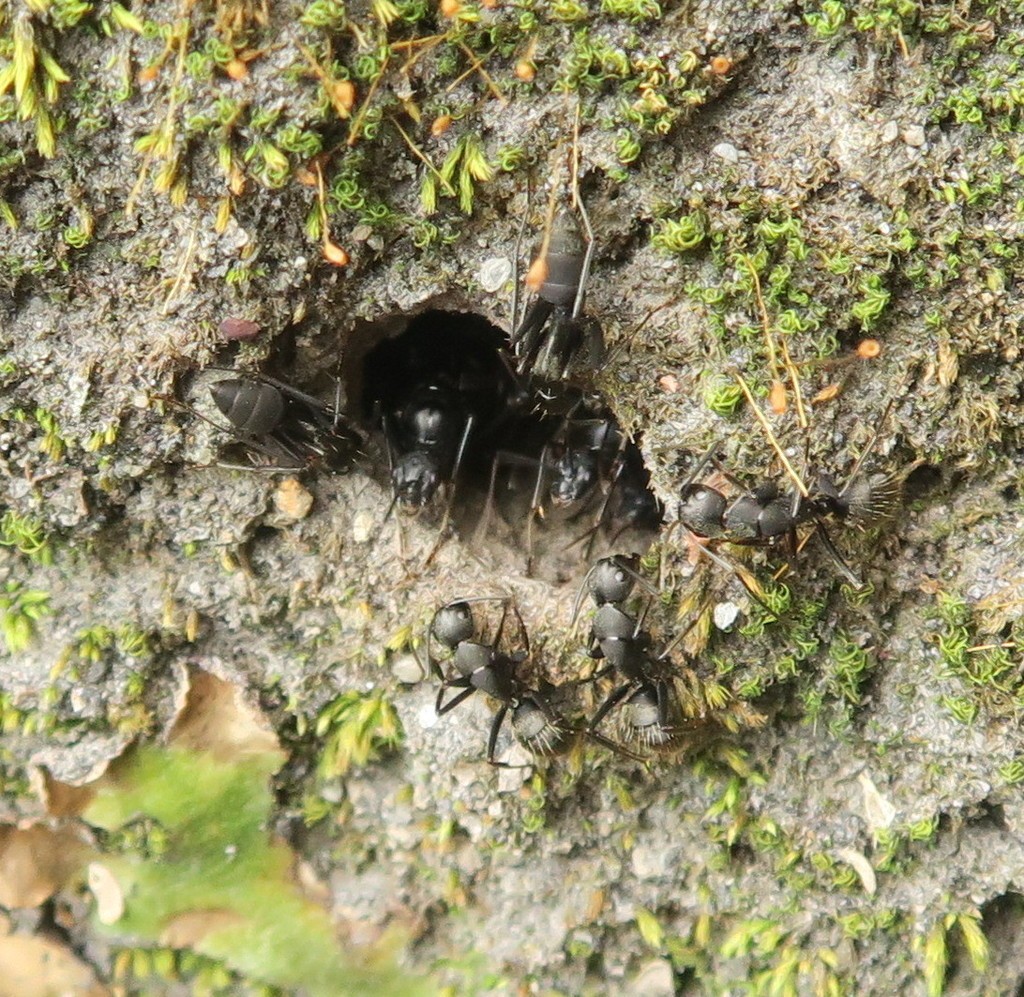
5. Japanese carpenter ant
Camponotus japonicus, more often known under the common name Japanese carpenter ant, is a species of ant native to East Asia. It is black, and one of the largest ants. A nest has about ten to thousands of individuals, and it can be a pest when it enters households or protects aphids. There are several subspecies of this ant in different areas of Asia, with the largest of the species being located in Northern China.
6. Common wasp
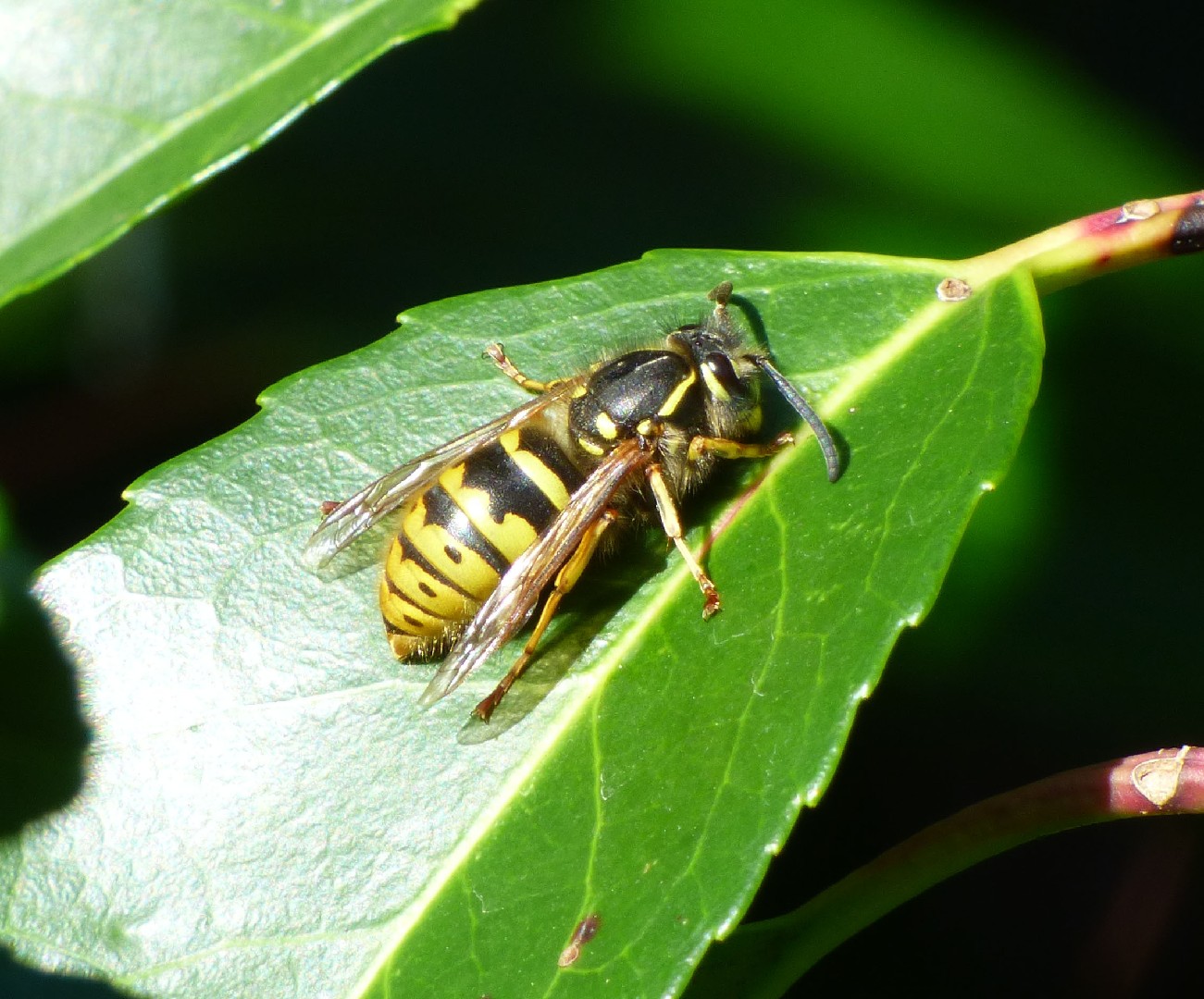
The common wasp (Vespula vulgaris) is otherwise known as the common yellow-jacket. Despite what the name may make you believe, these industrious insects will look for a free space in a rock crevice, mammal hole, or tree to build its paper nests. This makes them pretty extraordinary, as these nests can host several thousand larvae. Queens can go through a long process in finding the perfect nest.
7. Japanese silk moth
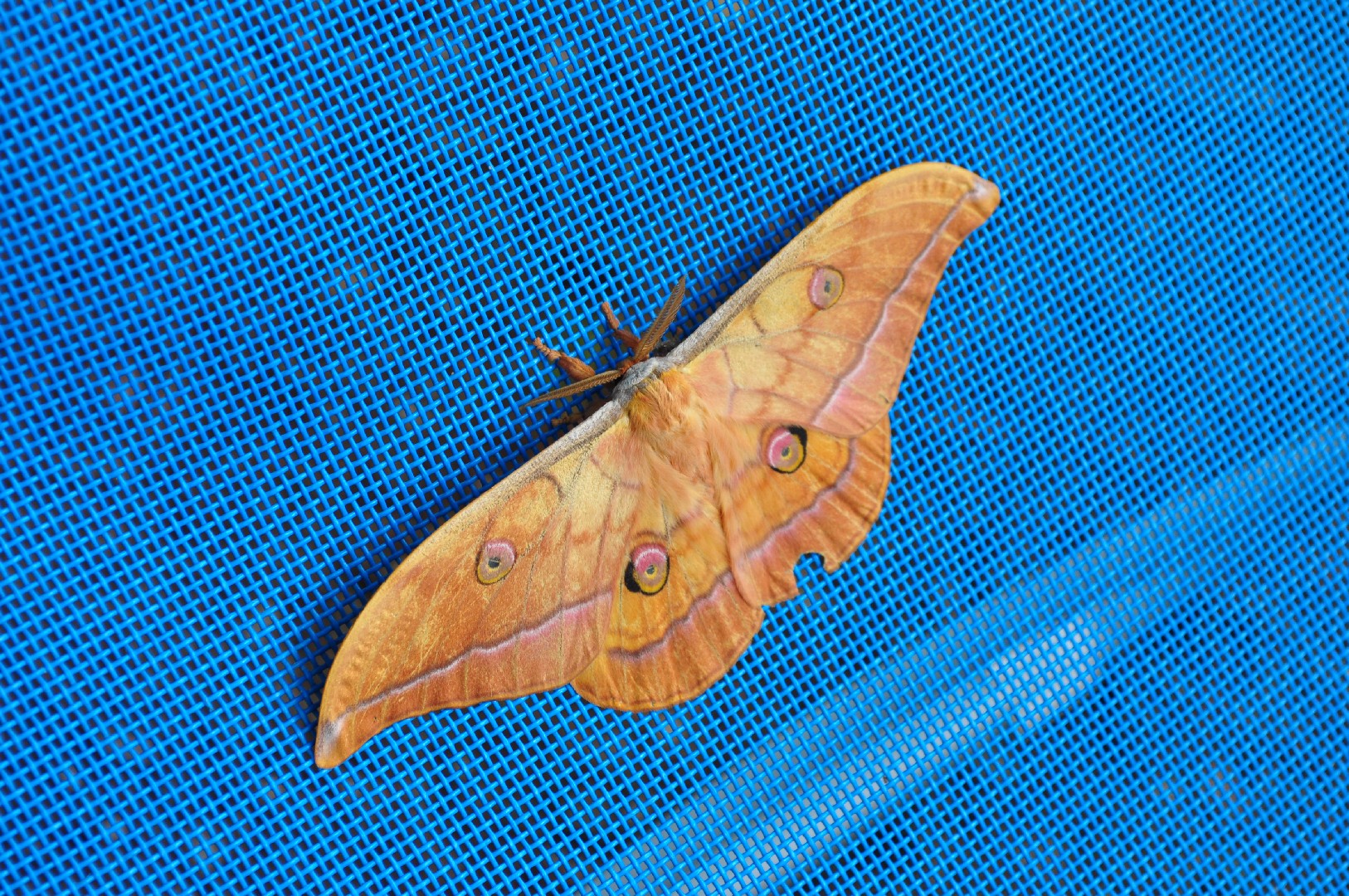
Antheraea yamamai, the Japanese silk moth or Japanese oak silkmoth (Japanese: yamamayu(ga) (山繭(蛾)・ヤママユ(ガ)) or tensan (天蚕)) is a moth of the family Saturniidae. It is endemic to east Asia, but has been imported to Europe for tussar silk production and is now found in southeastern Europe, mainly in Austria, northeastern Italy, and the Balkans. It seems to be spreading north and a population has been reported near Deggendorf and Passau in Germany. The species was first described by Félix Édouard Guérin-Méneville in 1861. It has been hybridized artificially with Antheraea polyphemus of North America. This moth has been cultivated in Japan for more than 1000 years. It produces a naturally white silk that is very strong and elastic, but does not dye well. It is now very rare and expensive. The wingspan is 110–150 millimetres (4.3–5.9 in). Adults are on wing from August to September in one generation depending on the location. The larva mainly feed on Quercus species, but have also been reported on Fagus sylvatica, Castanea sativa, Carpinus, Rosa, and Crataegus. In order to look at the tensan silk genes in more detail a de novo genome and set of transcriptomes have been sequenced, producing a 700Mb reference with 15,481 genes.
8. Asian paper wasp
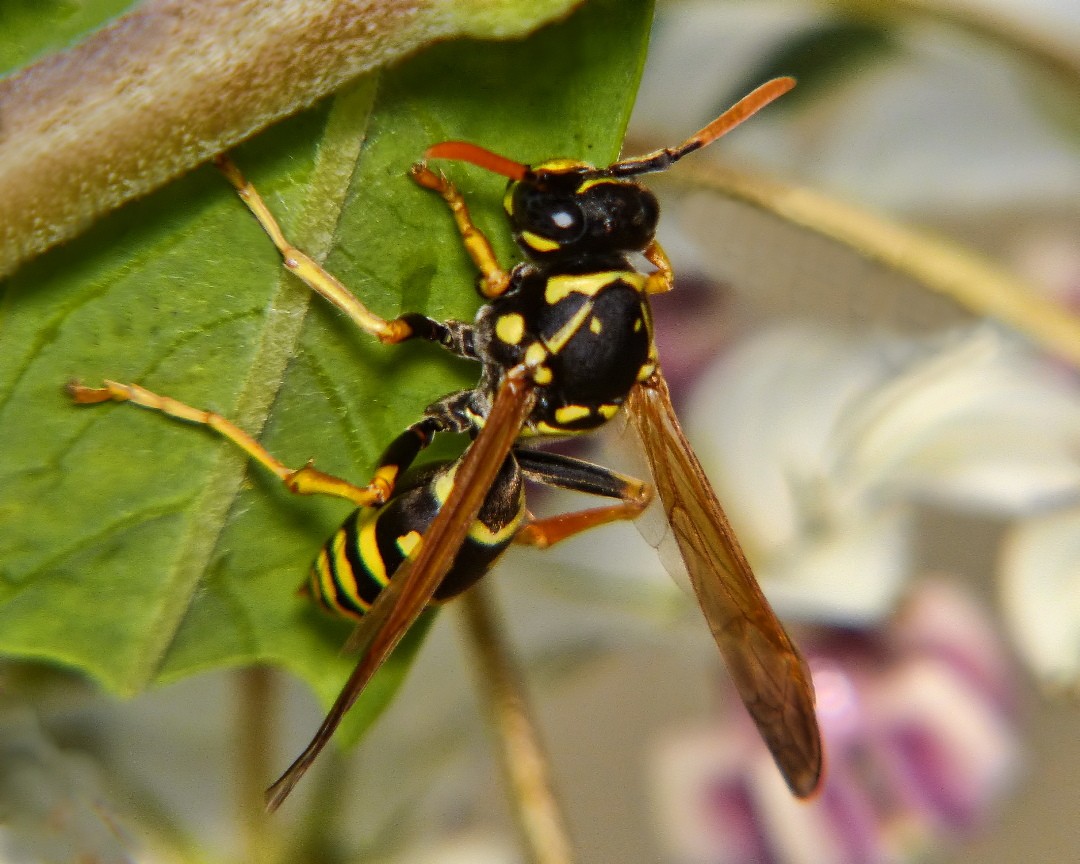
Polistes chinensis is a species of hymenopterous insects in the family Vespidae, subfamily Vespinae, of the genus Polistes.







