




Top 20 Most Common Insects in Shandong
In the diverse landscapes of Shandong, insects play vital roles in the ecosystem, from pollination to pest management. Dependent on habitat type, different insects breed and sustain. Our list of the top 20 most common insects serves to enlighten readers about the nuanced relationship between a state's environment and the insects it hosts, be they friend or foe.

Most Common Insects
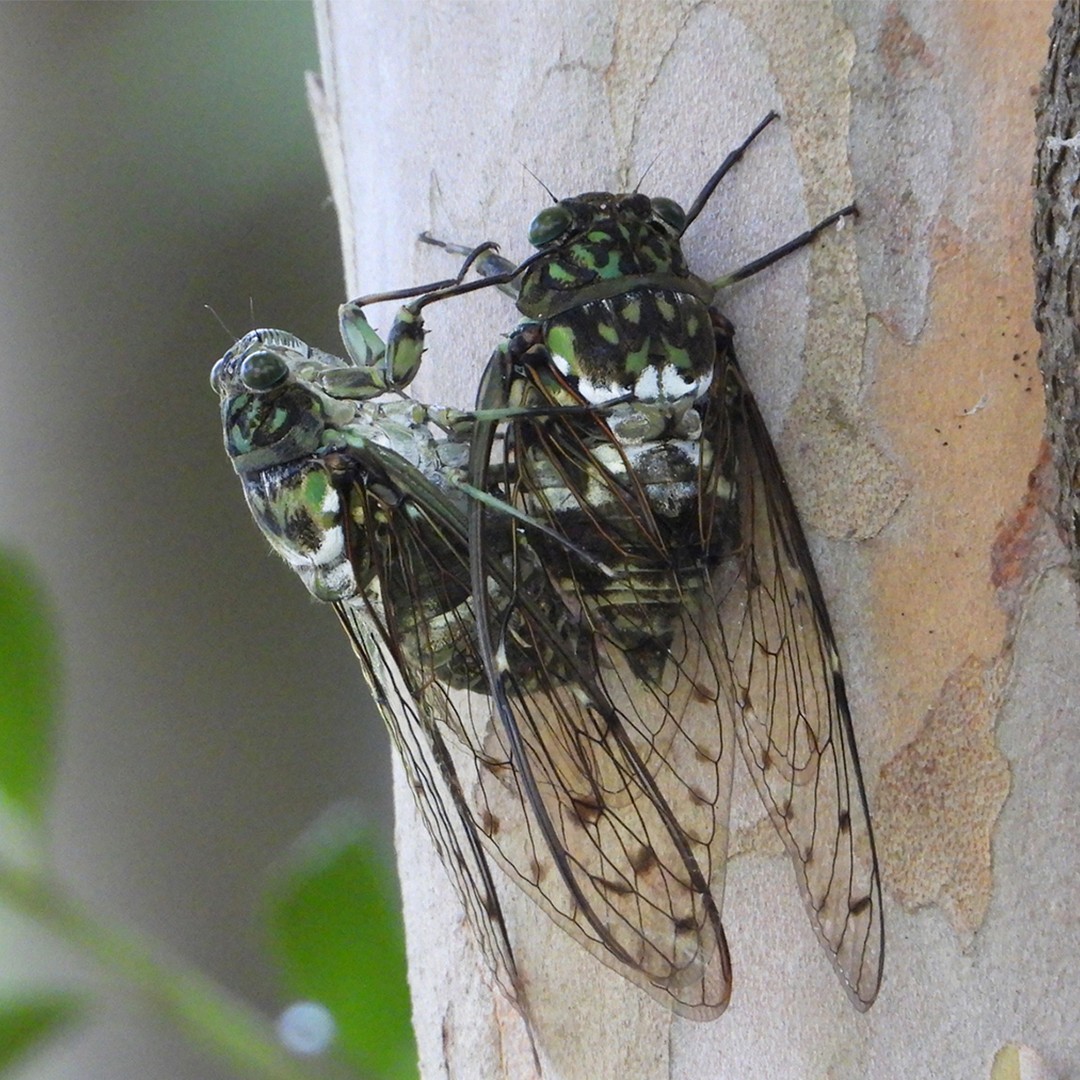
1. East asian robust cicada
The colour of Hyalessa maculaticollis varies between green and black depending on the location. Also, only the males make a calling sound, and this changes depending on the location. Japanese individuals have a call that sounds like 'min—minminminminmi...' (Japanese: ミーンミンミンミンミンミー…). Meanwhile, the sound of Korean individuals is like 'minminminminmi...' (Korean: 맴맴맴맴맴...) and a longer note duration (min—....) is found in the latter half of the sound. The sound of this species affected the Korean word '매미' (cicada). Chinese individuals' sound is similar to that of Korean individuals. 
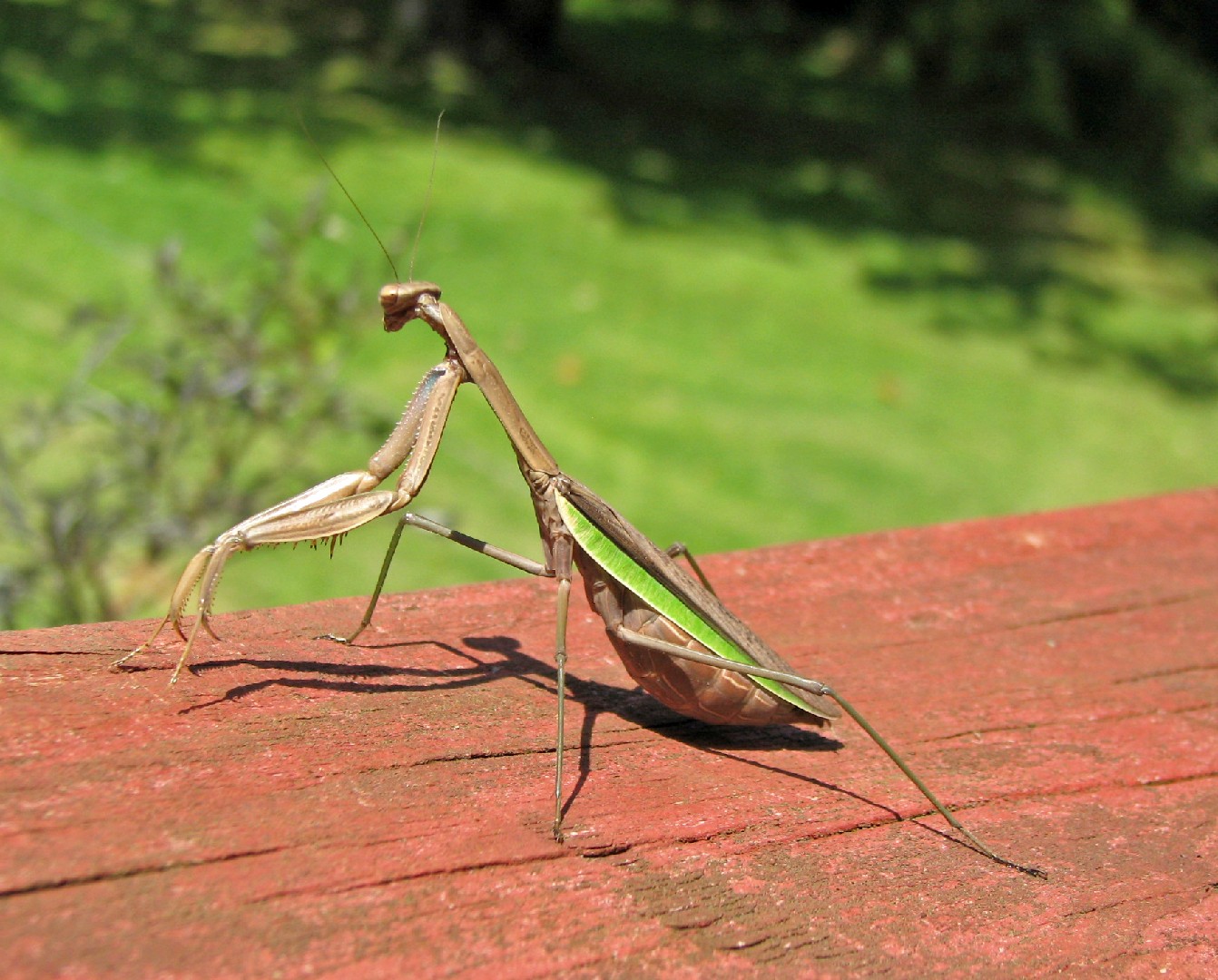
2. Chinese Mantis
The chinese Mantis (Tenodera sinensis) is one of the largest mantis species, often growing as long as a human hand. It is always alert since its head is capable of swiveling 180 degrees. This mantis is highly aggressive, so it can consume just about any other insect, including butterflies, cockroaches, and grasshoppers.
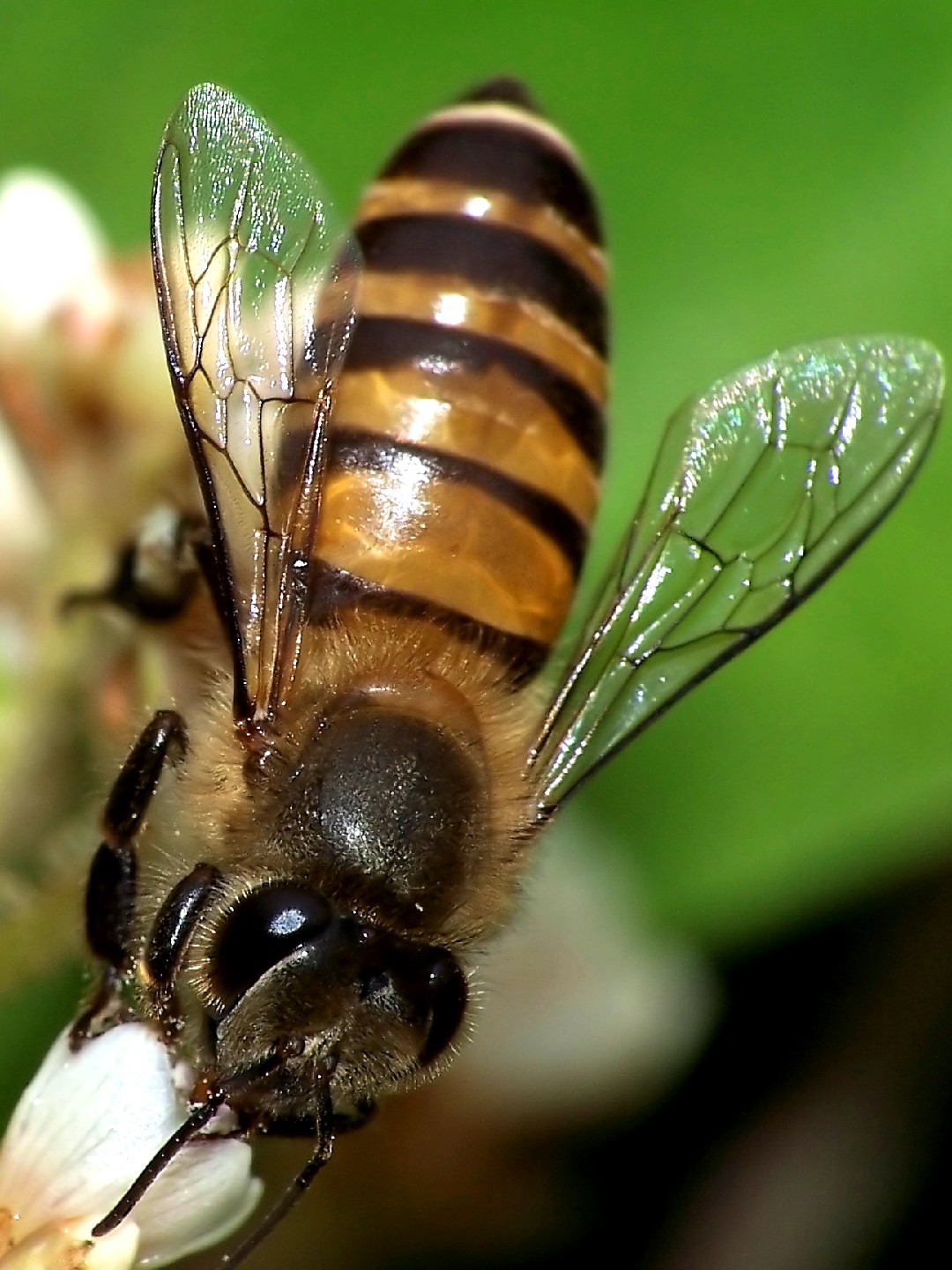
3. Eastern honey bee
Eastern honey bees communicate to one another about good sources of nectar and pollen through the "waggle dance". A bee will perform this descriptive dance to other bees, after which they can interpret the dance and find their way to the food source. When they need to defend their nest from a wasp, they will surround the wasp and vibrate their muscles to generate heat, eventually killing the wasp via "heat balling".
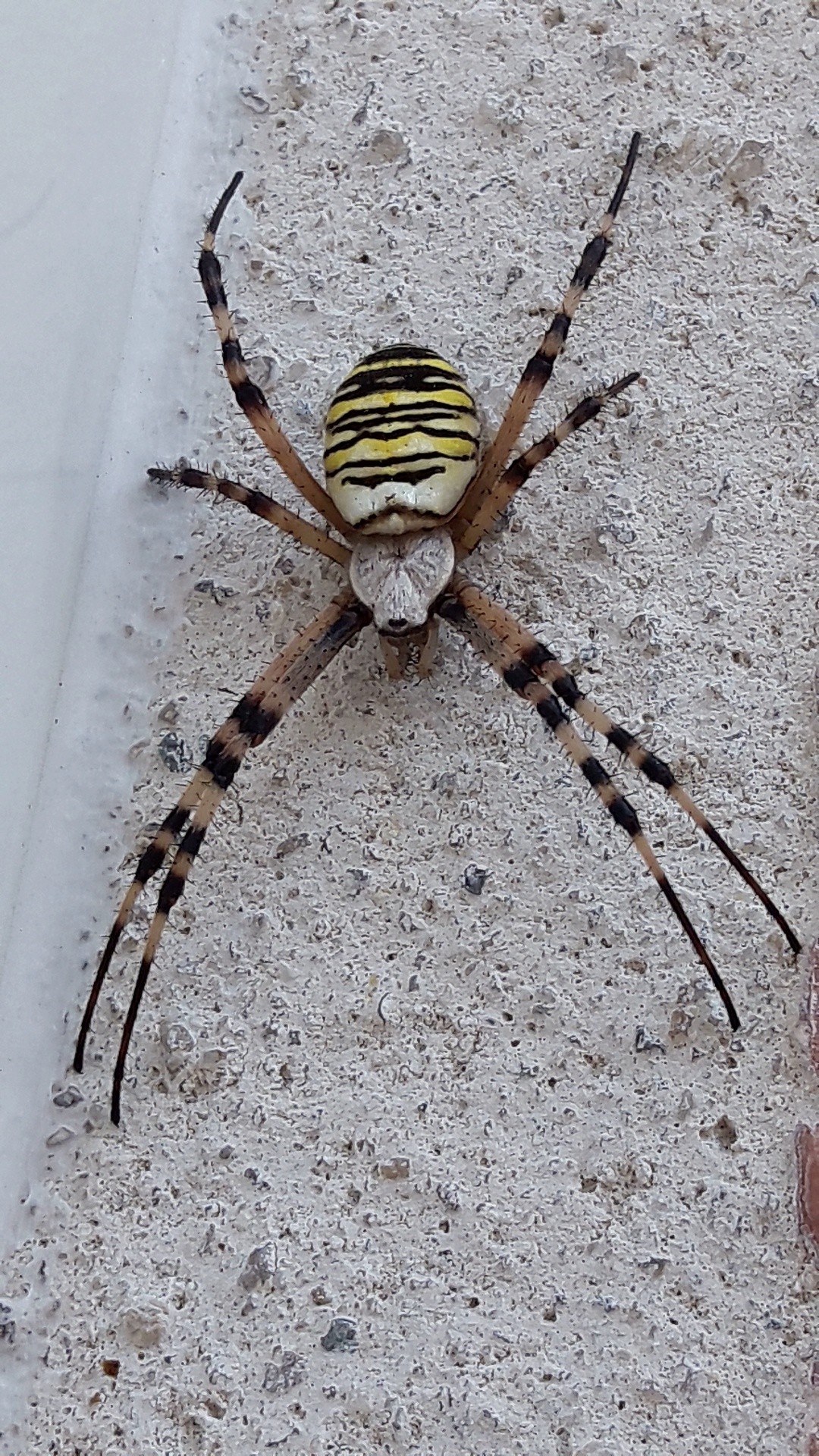
4. Wasp spider
An orb-weaving species, wasp spider (Argiope bruennichi) spins large, beautiful webs that require an hour to create. The thick, zigzagging line in the middle of the web may serve to entrance and attract its prey. As its name suggests, it is capable of wrapping, biting, and injecting various species of wasp. Females consume the smaller males after copulation.
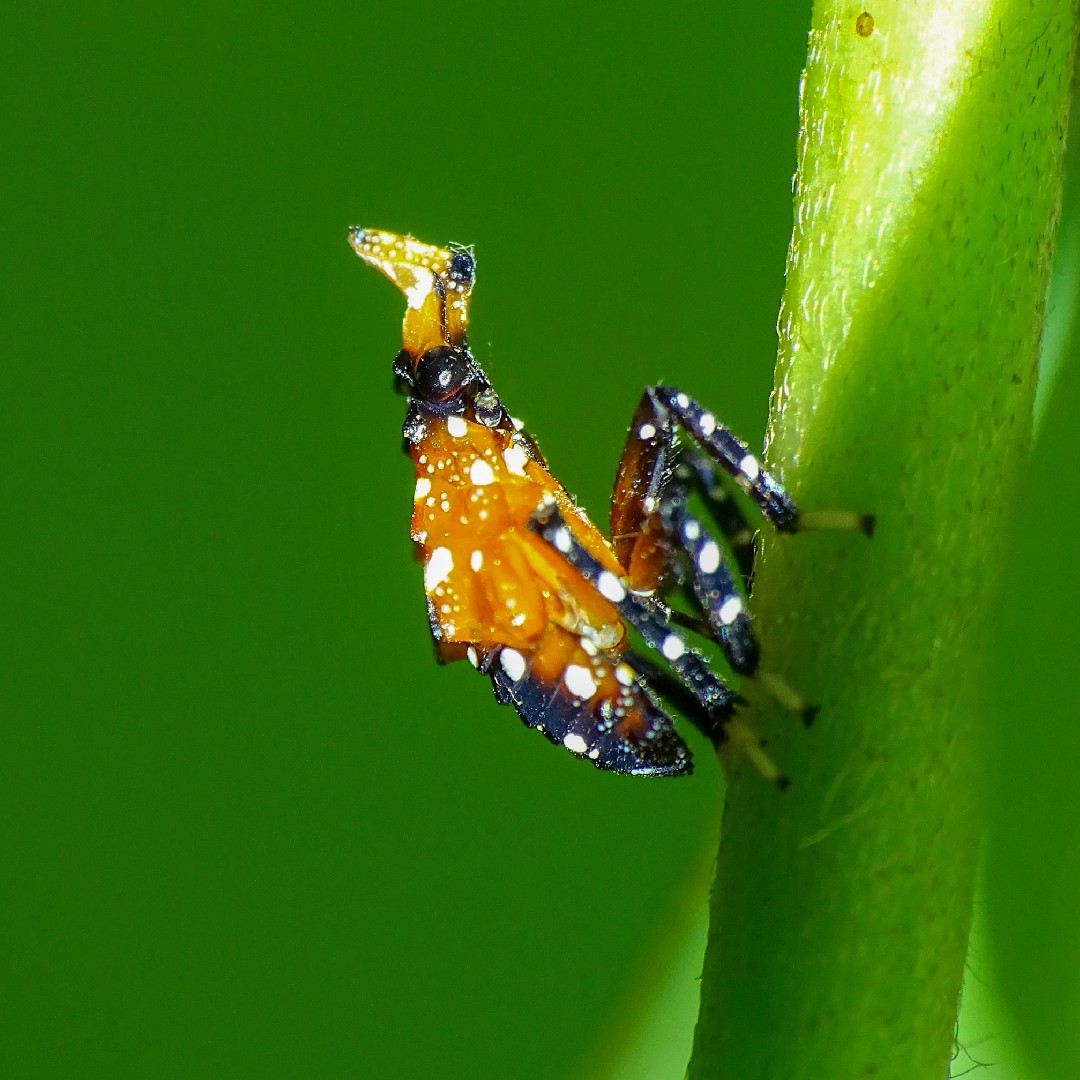
5. Spotted Lanternfly
The spotted Lanternfly (Lycorma delicatula), also known as the "spotted wax cicada", is considered a pest due to its ability to reproduce frequently. As a nymph, it has a black or red body with small, white dots. However, as an adult, it develops white wings with black spots and orange underwings. It pierces plant stems for food, stunting plant growth.
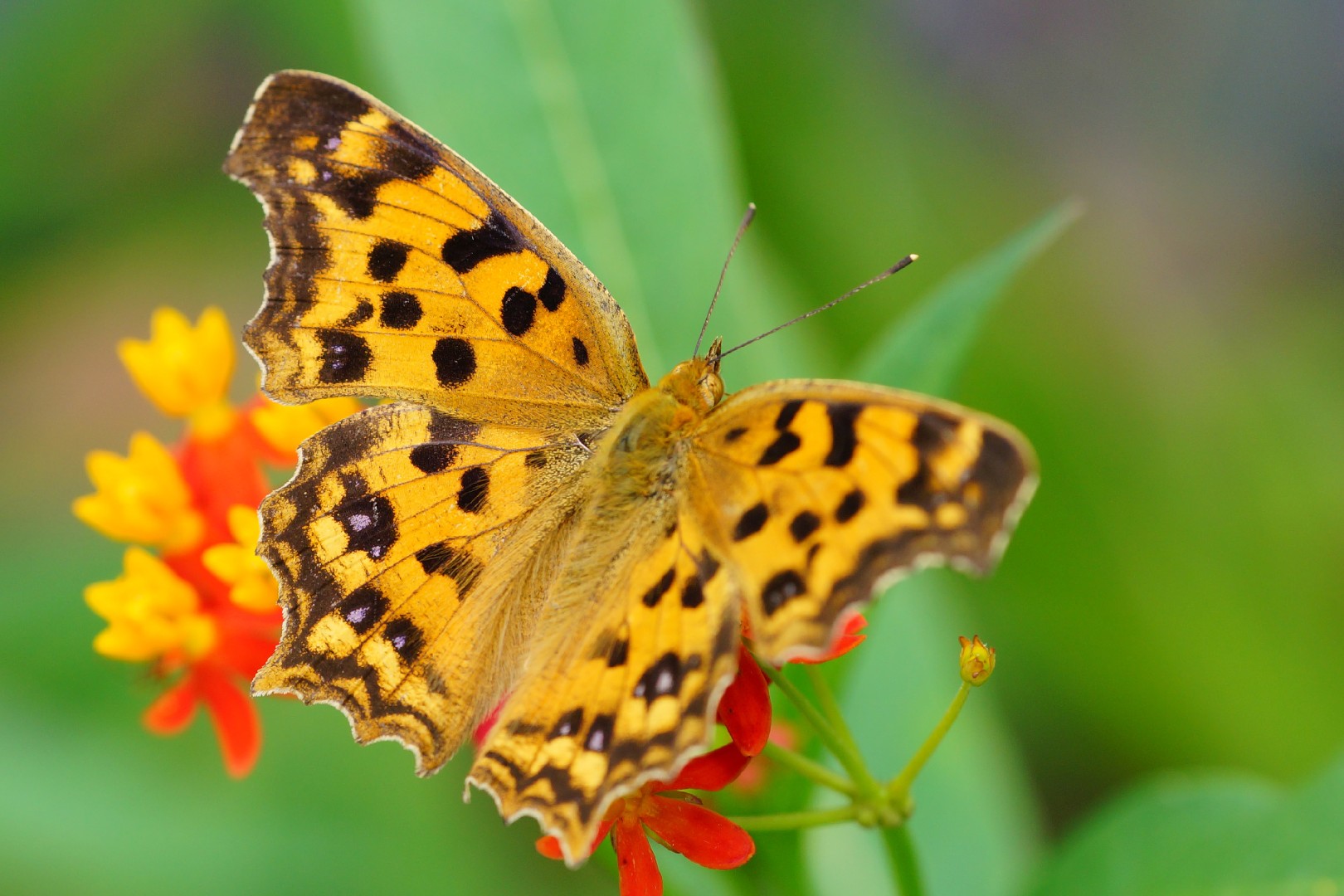
6. Asian comma
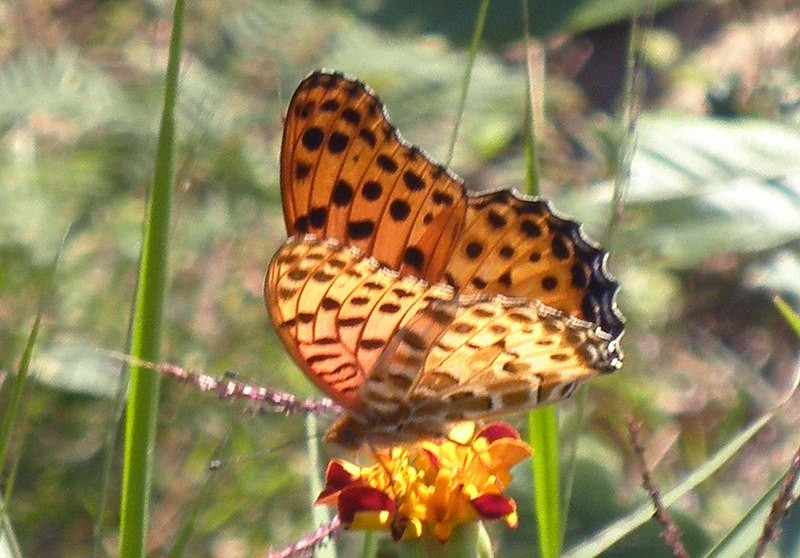
It has a wingspan of 2.5 cm. Wings are orange with black dots. The undersides of the wings is mottled brown (tree bark like) with a shiny comma mark on the center of the hindwing. The main difference with other comma species is that it has blueish markings on the bottom of its hindwing.
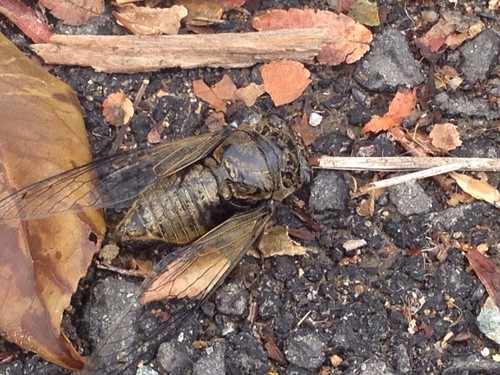
7. Cryptotympana atrata
The Cryptotympana atrata is a dark cicada with an unusual feature. Many people to this day use the shredded skin that they expel to treat various skin issues, which is an aspect of ancient medicine. Otherwise, this cicada can be identified by seeing its mostly black bodies with orange accents.
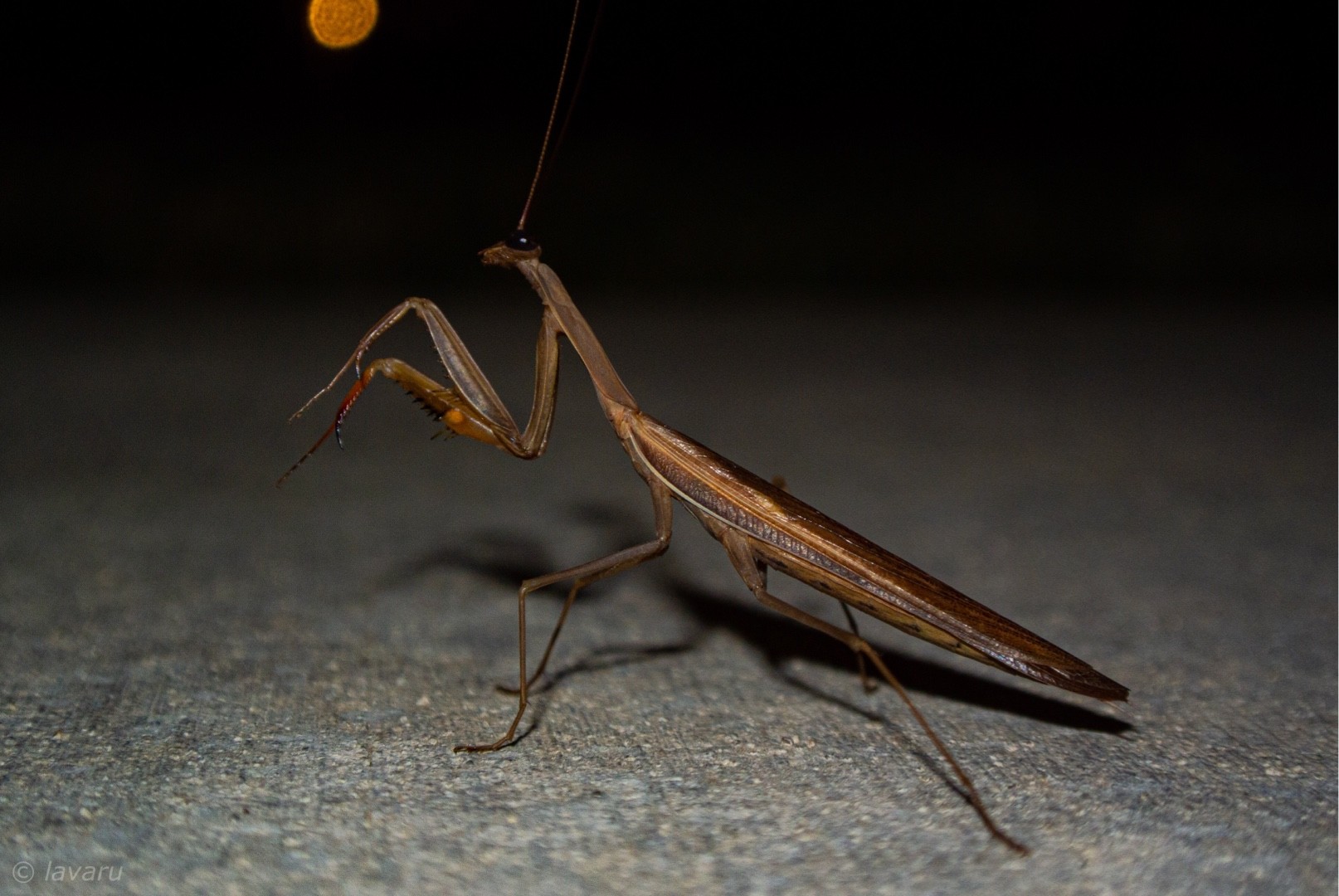
8. Asian jumping mantis
The asian jumping mantises (Statilia maculata) are smaller mantises that also have a home in the eastern US. They are being closely monitored given their recent introduction in 2019. They have also been observed participating in nymphal cannibalism, where they eat their own kids. Also, they have participated in sexual cannibalism, where they eat their mate.
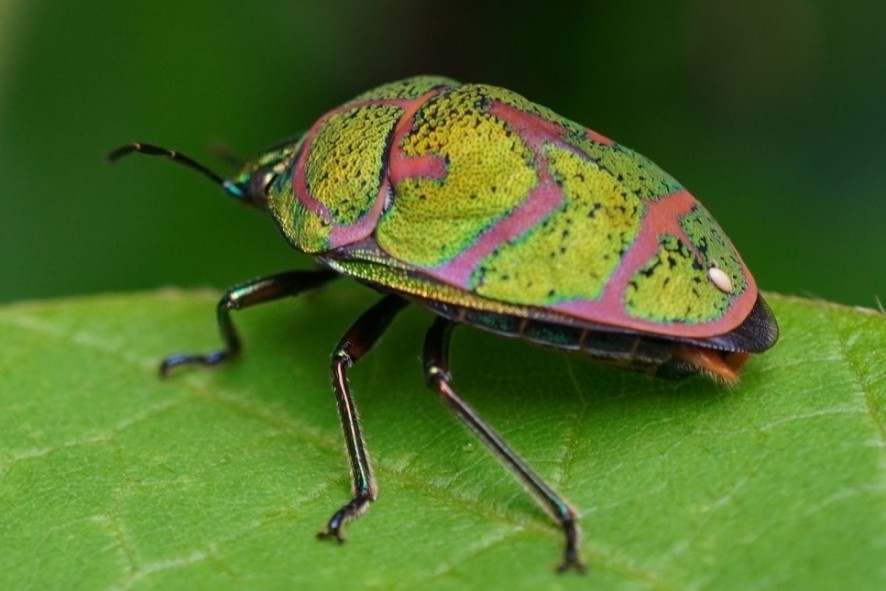
9. Clown Stink Bug
Poecilocoris lewisi, known as the clown stink bug, is a species of shield bug found in eastern Asia.
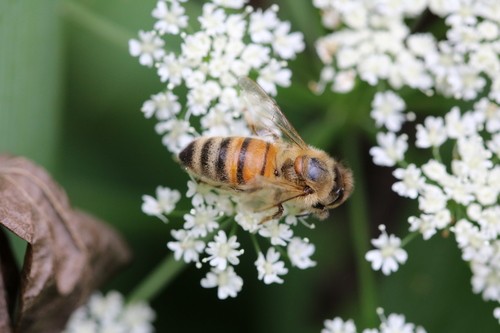
10. Western honey bee
Western honey bee(Apis mellifera) is the most common species of honeybee in the world. Among the first domesticated insects, its cultural and economic impact on humanity has been vast and far-reaching, providing honey, wax and its services as a pollinator. Western honey bee faces challenges worldwide, such as colony collapse disorder, and populations are thought to be decreasing.


More







