




Top 15 Most Common Insects in Andes
Insects, a diverse group marked by exoskeletons and segmented bodies, display a dynamic array of species within the diverse terrains of Andes. Different environments, from the dense rainforests to the highland valleys, harbor distinct insects, contributing to an enriched biodiversity. These creatures are pivotal to the ecosystem, as pollinators, recyclers, prey species, and even as pests. Our 'Top 15 Most Common Insects in Andes', reveals the intriguing interplay between Andes's unique habitats and its widespread insect inhabitants, providing a comprehensive view of both advantageous and nuisances species.

Most Common Insects
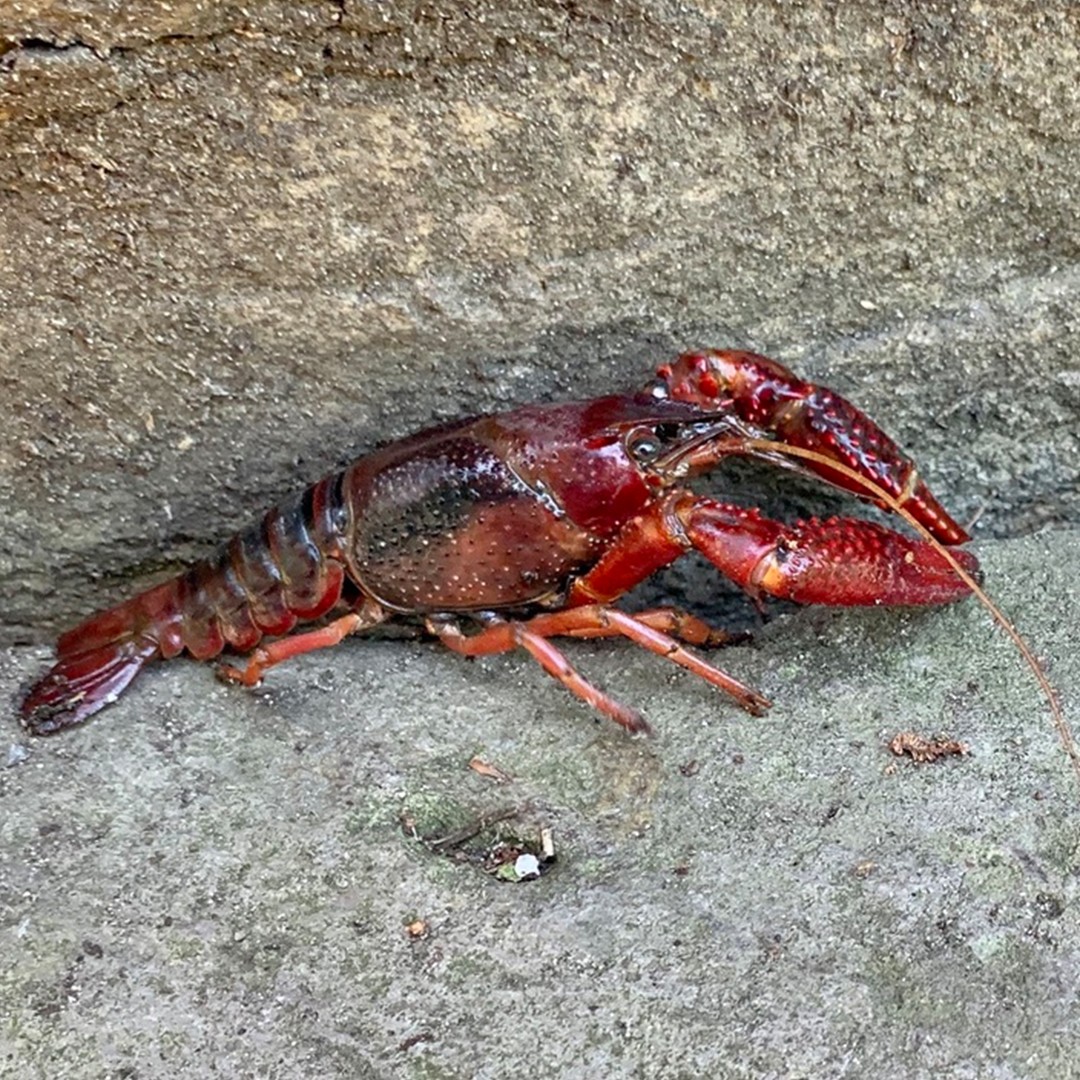
1. Red Swamp Crayfish
The economically important red Swamp Crayfish is a seasonal seafood staple around the world. It is also called the Louisiana crawfish, an apt name given that the US state produces 90-95% of all harvested specimens. The red Swamp Crayfish is invasive in the EU due to its aggressively spreading populations and competitiveness to native crayfish species. It is also known to cause damage to rice crops from its burrowing habit, which displaces the plants.
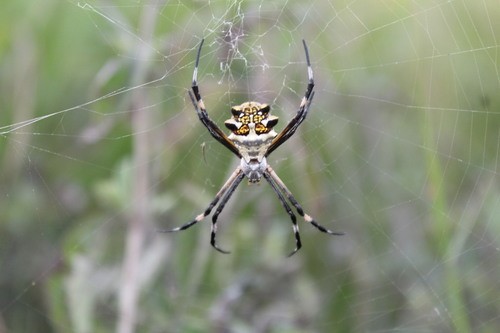
2. Silver argiope
The silver argiope (Argiope argentata) often creates unique zigzag patterns on its webs. It's usually found in warm, dry areas, especially on cacti and aloe vera plants. The females are much larger than males. They can bite and cause irritation to the skin, but the damage won't be life-threatening.
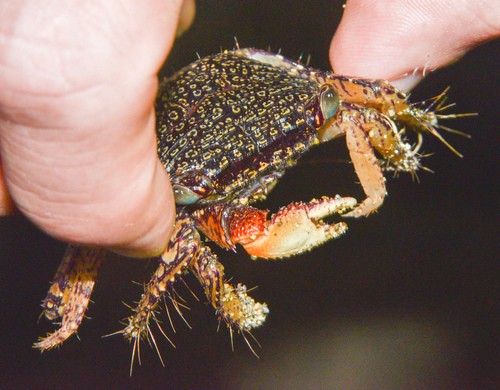
3. Racer mangrove crab
Goniopsis pulchra is a crab species from the Grapsidae family. The scientific name of the species was first validly published in 1877 by Lockington.
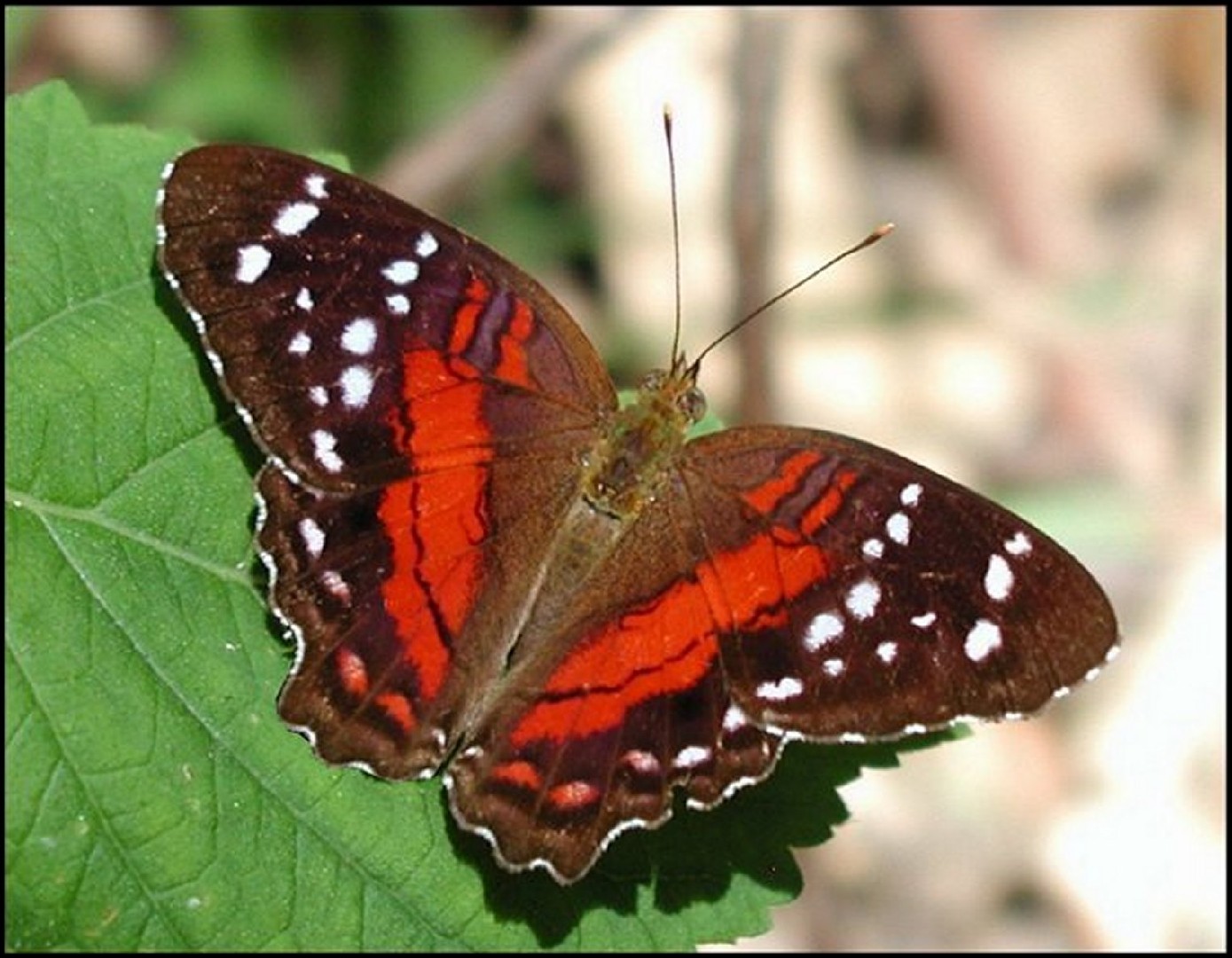
4. Scarlet peacock
Anartia amathea is a butterfly of the family Nymphalidae. In addition to A. amathea amathea there are the subspecies A. amathea thyamis and A. amathea sticheli. The species is represented in the tropical areas of Latin America and the offshore islands, such as Trinidad.
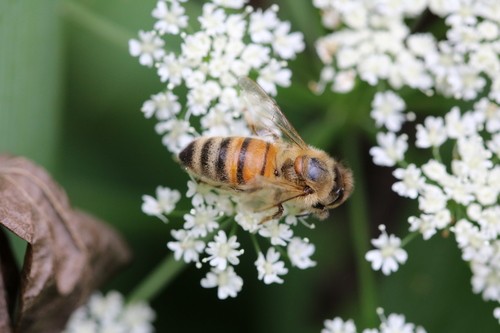
5. Western honey bee
Western honey bee(Apis mellifera) is the most common species of honeybee in the world. Among the first domesticated insects, its cultural and economic impact on humanity has been vast and far-reaching, providing honey, wax and its services as a pollinator. Western honey bee faces challenges worldwide, such as colony collapse disorder, and populations are thought to be decreasing.
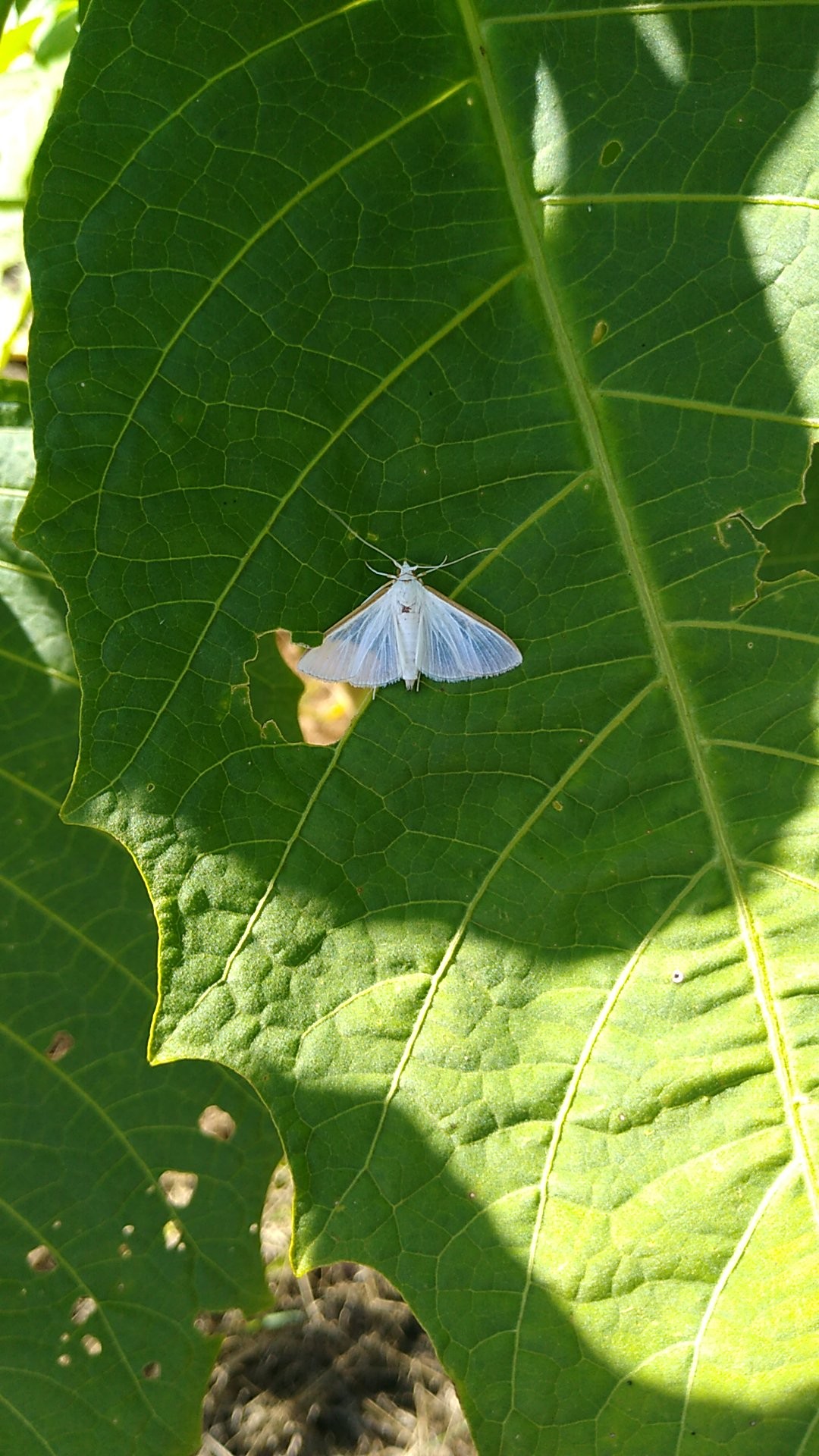
6. Orange-Shouldered Sherbet Moth
Diaphania costata, the orange-shouldered sherbet moth or erroneously the white palpita moth, is a moth of the family Crambidae. The species was first described by Johan Christian Fabricius in 1794. It is widely dispersed, being found in the Indomalayan realm, as well as Europe. It is also found in Mexico and Texas, possibly having been introduced accidentally. It is a small moth (less than 20 mm wingspan) with translucent white wings, and a gold line on the front edge of the forewing. 
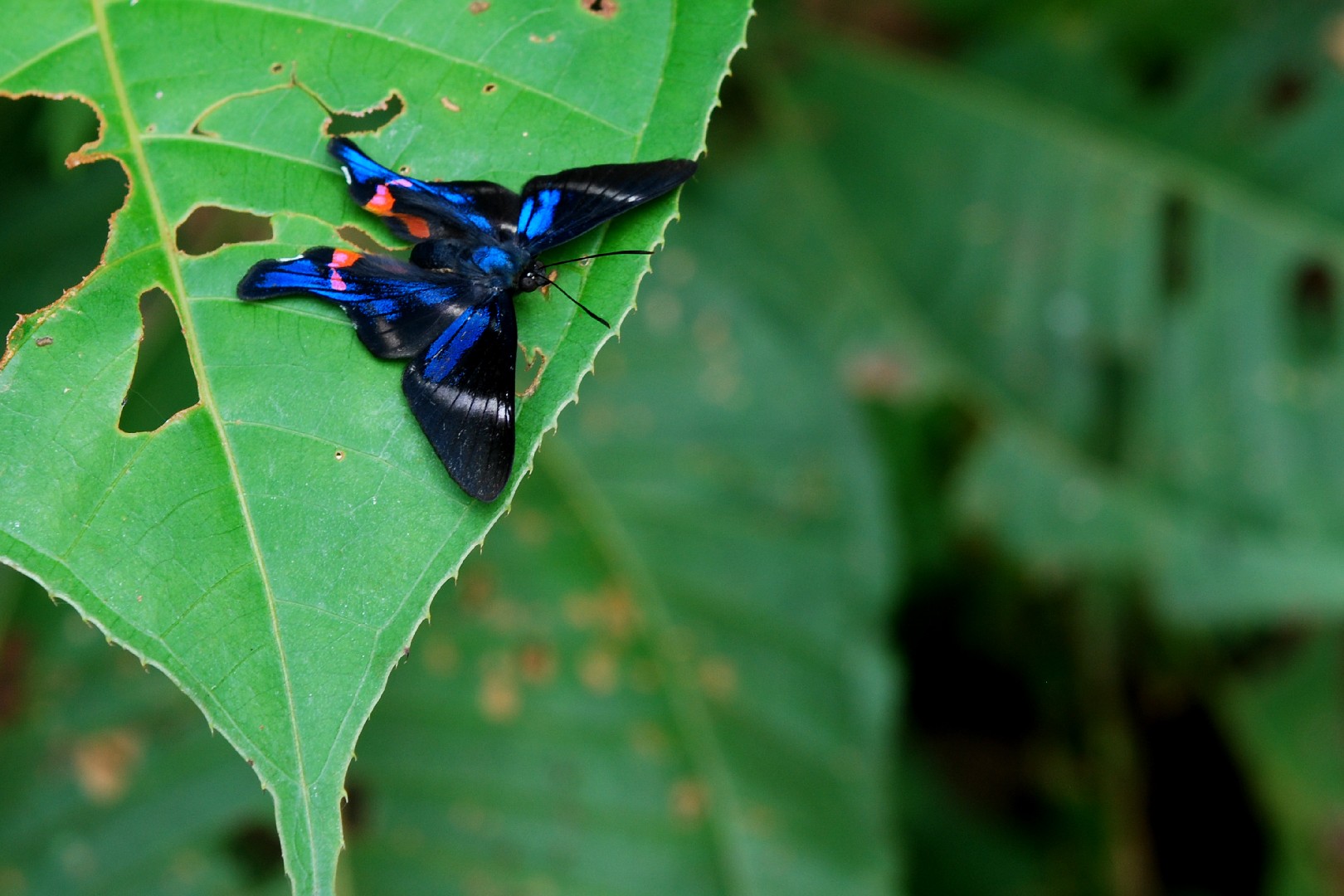
7. Periander metalmark
Rhetus periander, the Periander metalmark or variable beautymark, is a butterfly of the family Riodinidae. It is found in most of Central America and South America, ranging from Mexico to Brazil and Argentina.
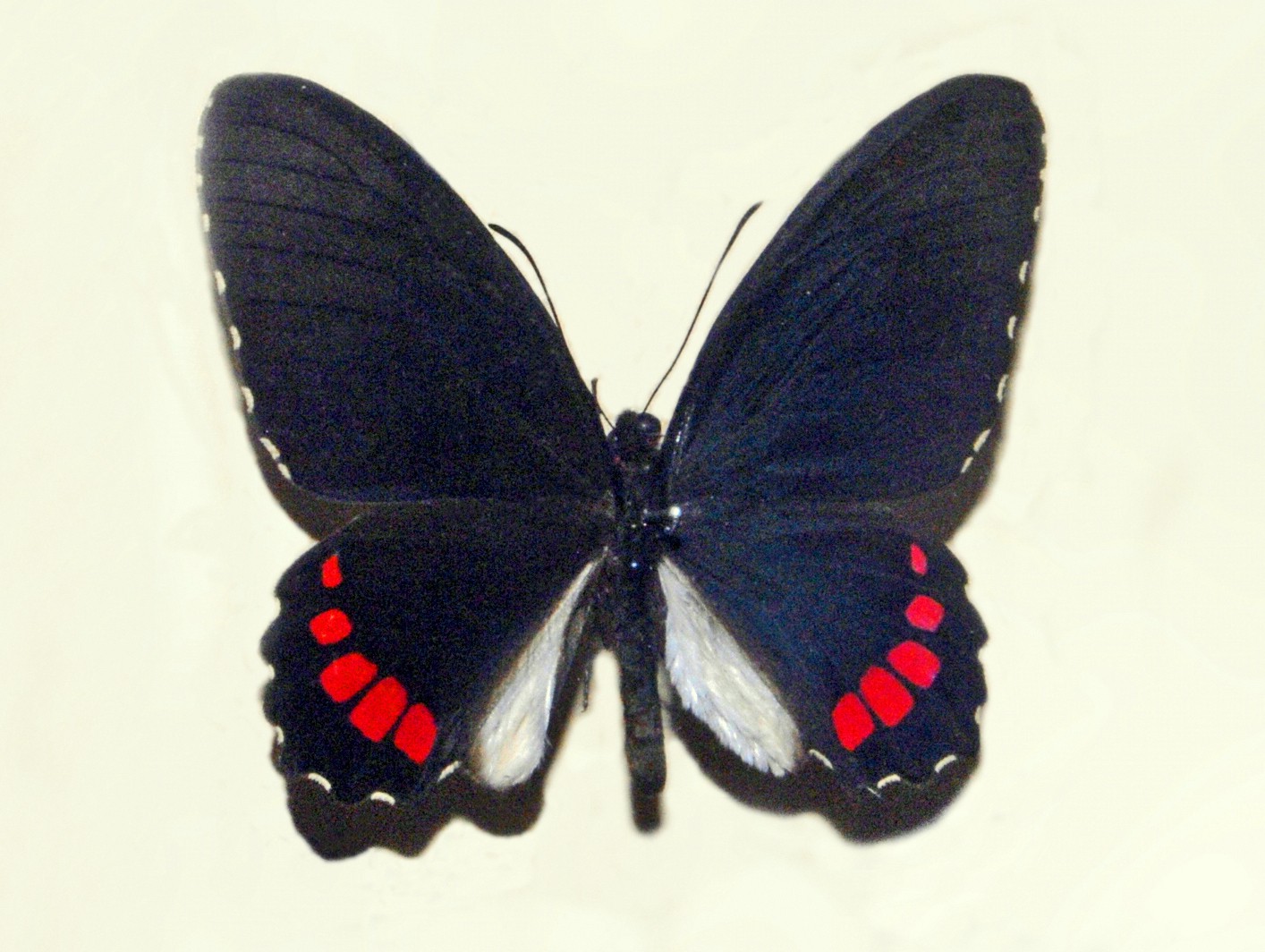
8. Variable cattleheart
The upper side of the wings is black with a row of red postmedian spots. The underside of the wings is also black with a row of pink and whitish spots.
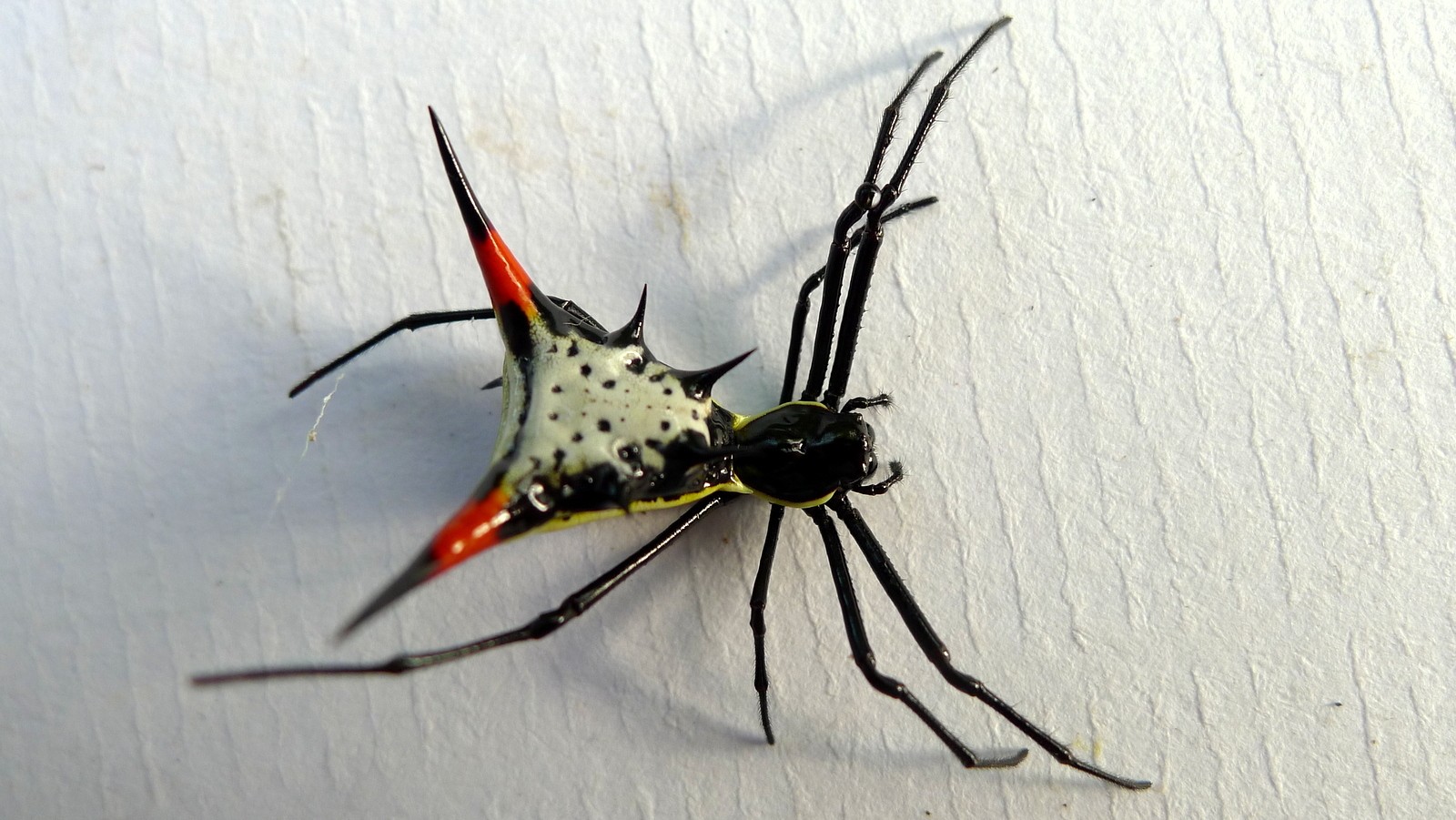
9. Amazon thorn spider
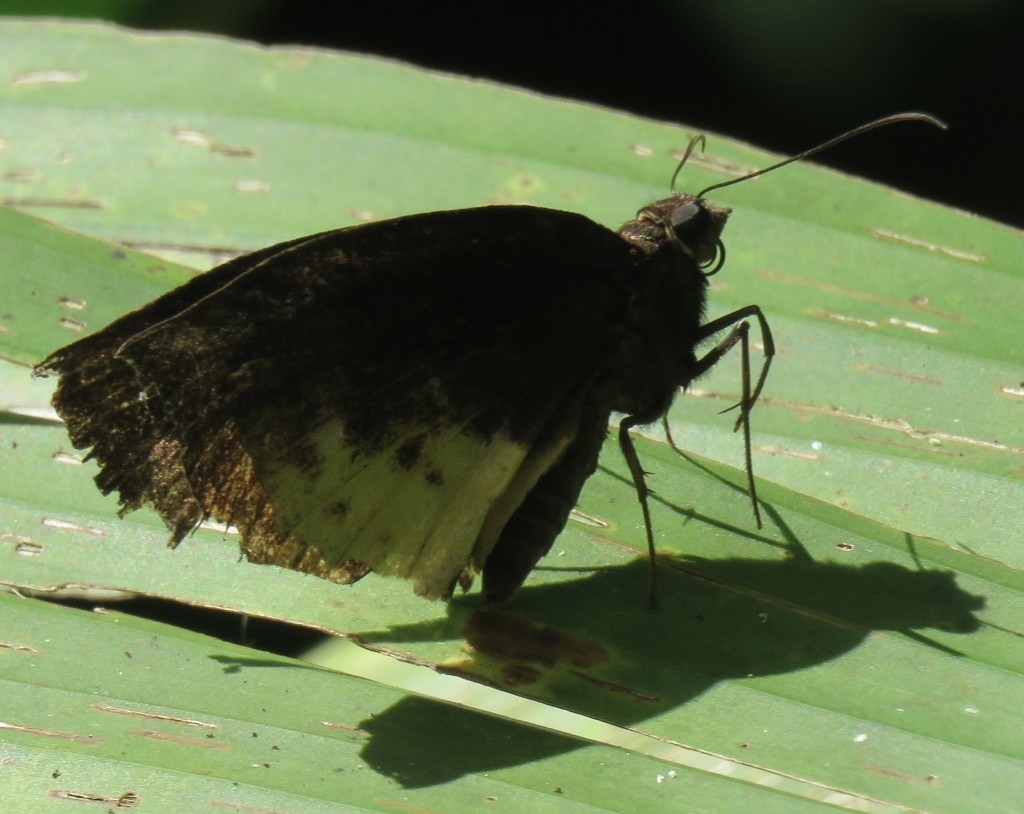
10. Giant sicklewing
More







