




Top 12 Most Common Insects in Jardin
Insects, a diverse group marked by exoskeletons and segmented bodies, display a dynamic array of species within the diverse terrains of Jardin. Different environments, from the dense rainforests to the highland valleys, harbor distinct insects, contributing to an enriched biodiversity. These creatures are pivotal to the ecosystem, as pollinators, recyclers, prey species, and even as pests. Our 'Top 12 Most Common Insects in Jardin', reveals the intriguing interplay between Jardin's unique habitats and its widespread insect inhabitants, providing a comprehensive view of both advantageous and nuisances species.

Most Common Insects
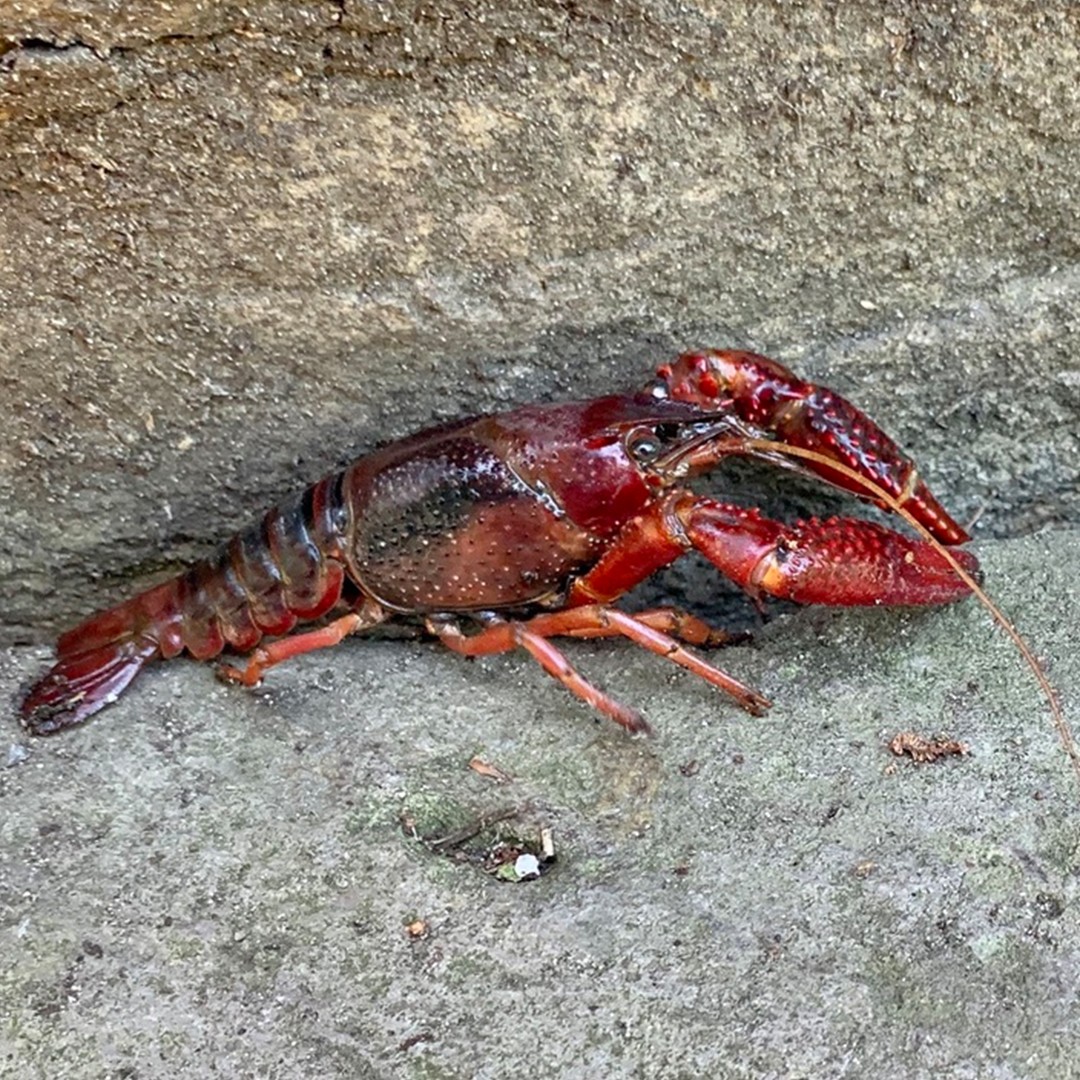
1. Red Swamp Crayfish
The economically important red Swamp Crayfish is a seasonal seafood staple around the world. It is also called the Louisiana crawfish, an apt name given that the US state produces 90-95% of all harvested specimens. The red Swamp Crayfish is invasive in the EU due to its aggressively spreading populations and competitiveness to native crayfish species. It is also known to cause damage to rice crops from its burrowing habit, which displaces the plants.
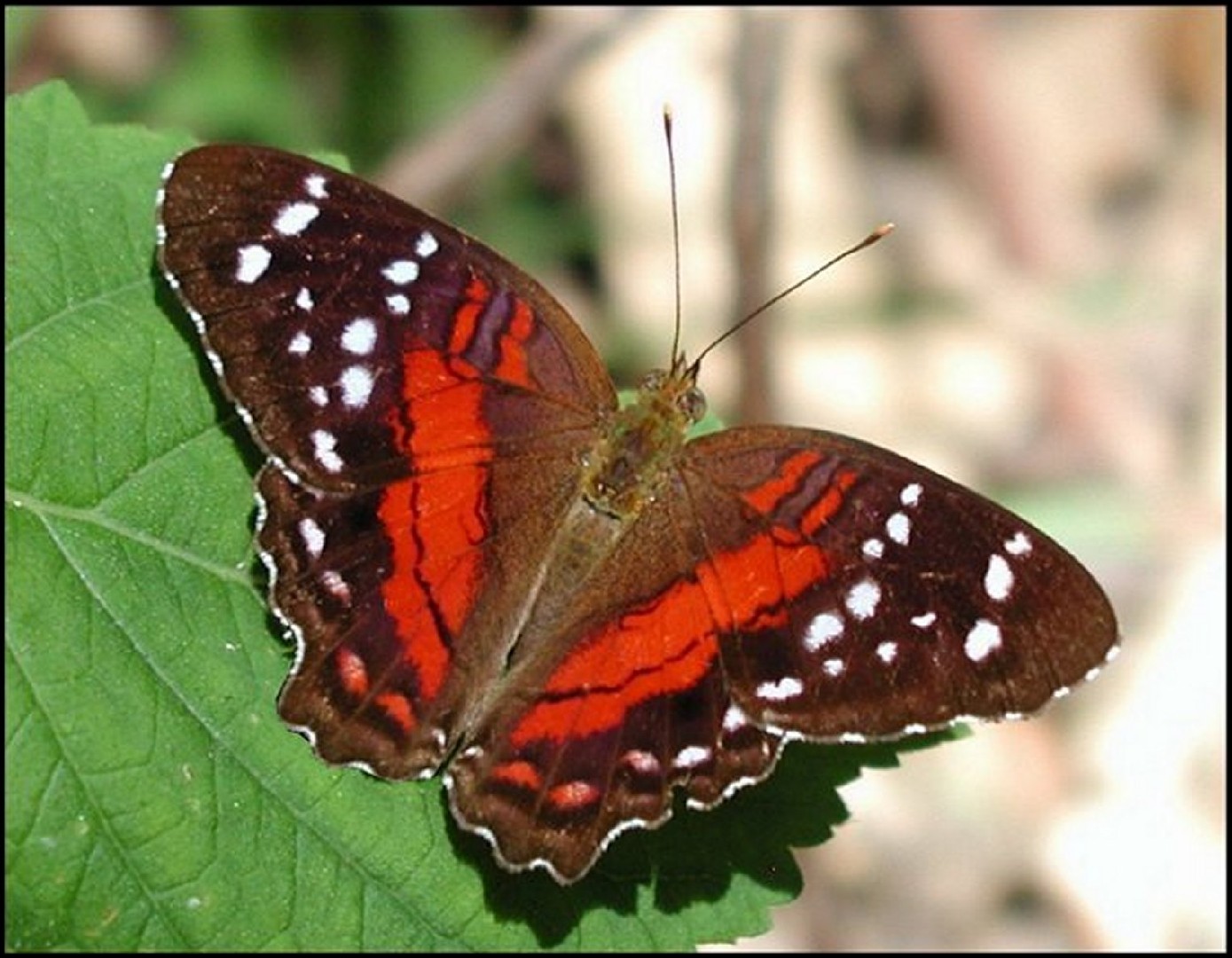
2. Scarlet peacock
Anartia amathea is a butterfly of the family Nymphalidae. In addition to A. amathea amathea there are the subspecies A. amathea thyamis and A. amathea sticheli. The species is represented in the tropical areas of Latin America and the offshore islands, such as Trinidad.
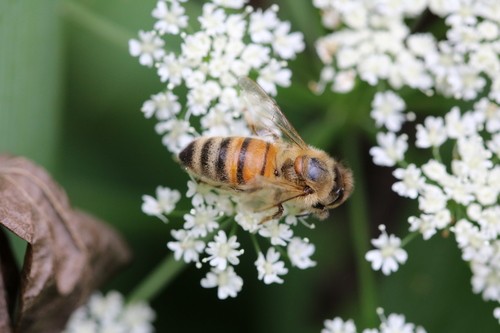
3. Western honey bee
Western honey bee(Apis mellifera) is the most common species of honeybee in the world. Among the first domesticated insects, its cultural and economic impact on humanity has been vast and far-reaching, providing honey, wax and its services as a pollinator. Western honey bee faces challenges worldwide, such as colony collapse disorder, and populations are thought to be decreasing.
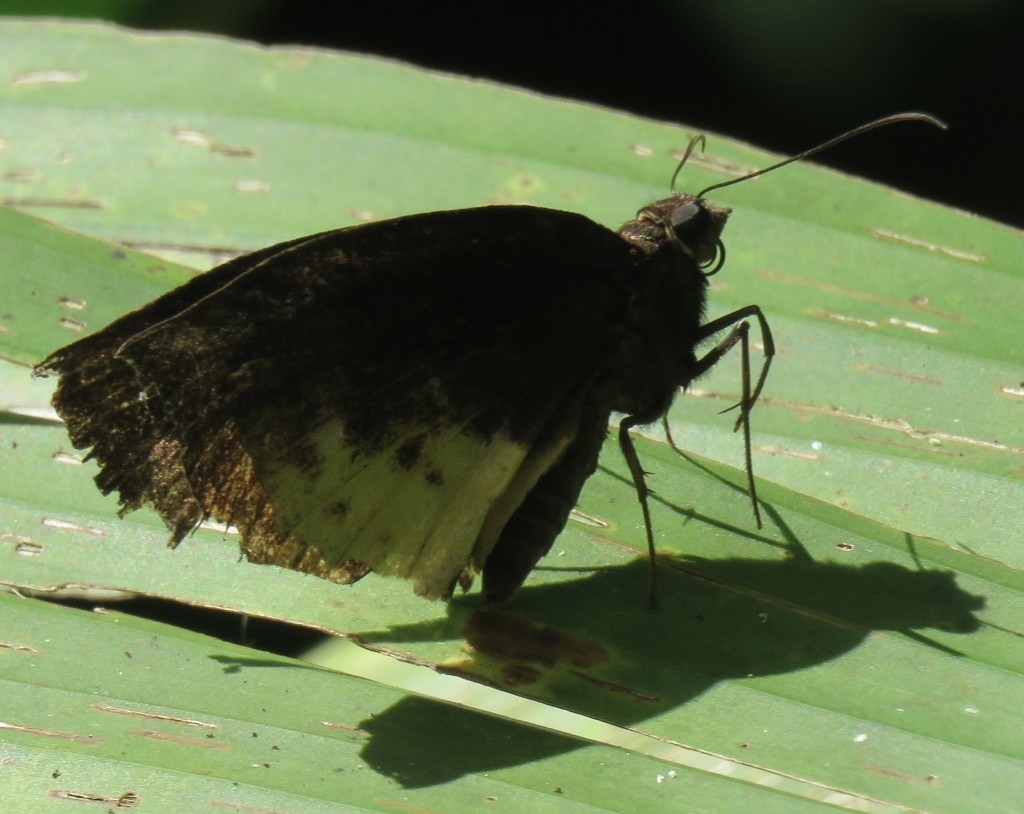
4. Giant sicklewing
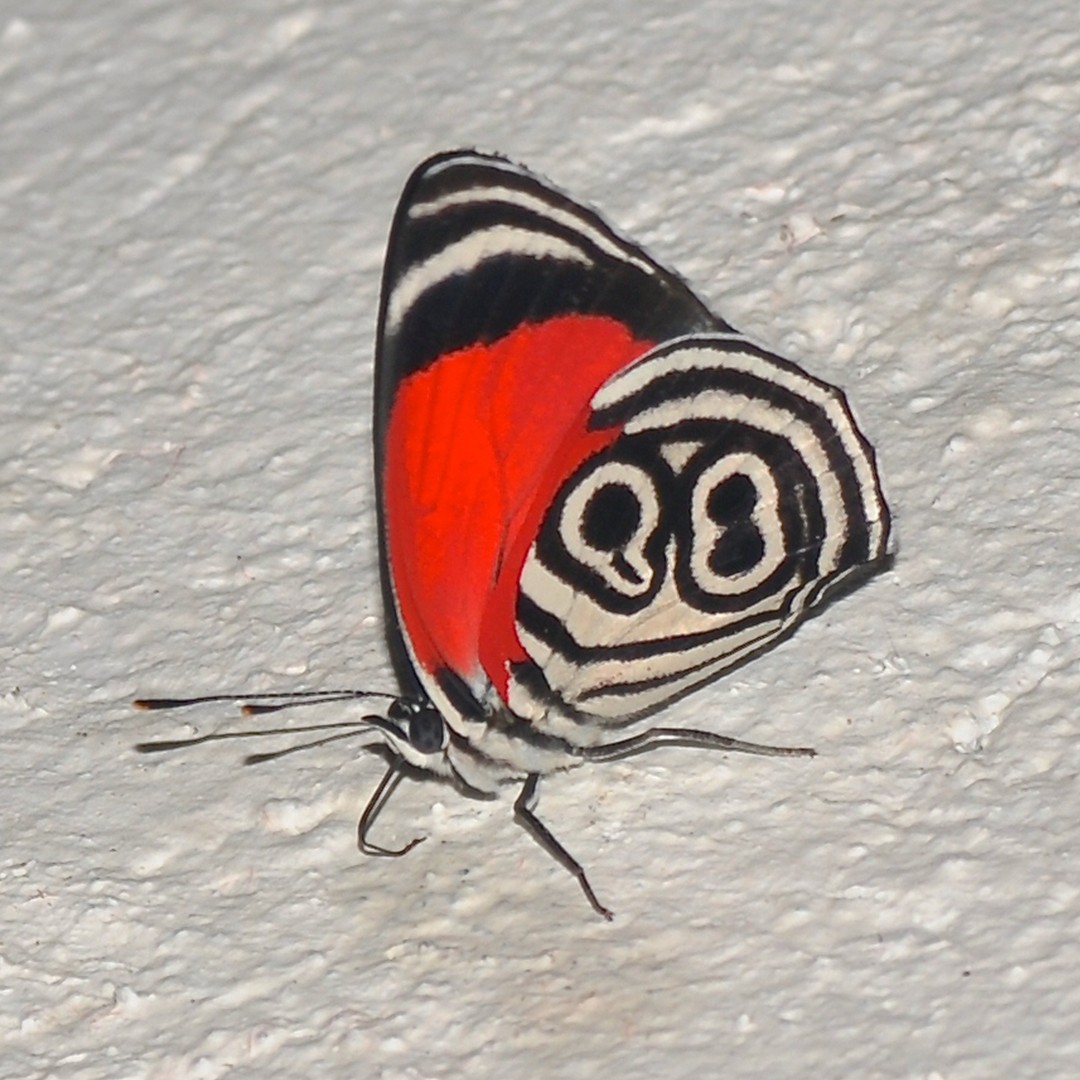
5. Cramer's eighty-eight
The wingspan is about 3 - 4 cm. Adults are black with a blue band on each wing. The underside is red and white with black stripes that look like an outlined number "89" or "98". 
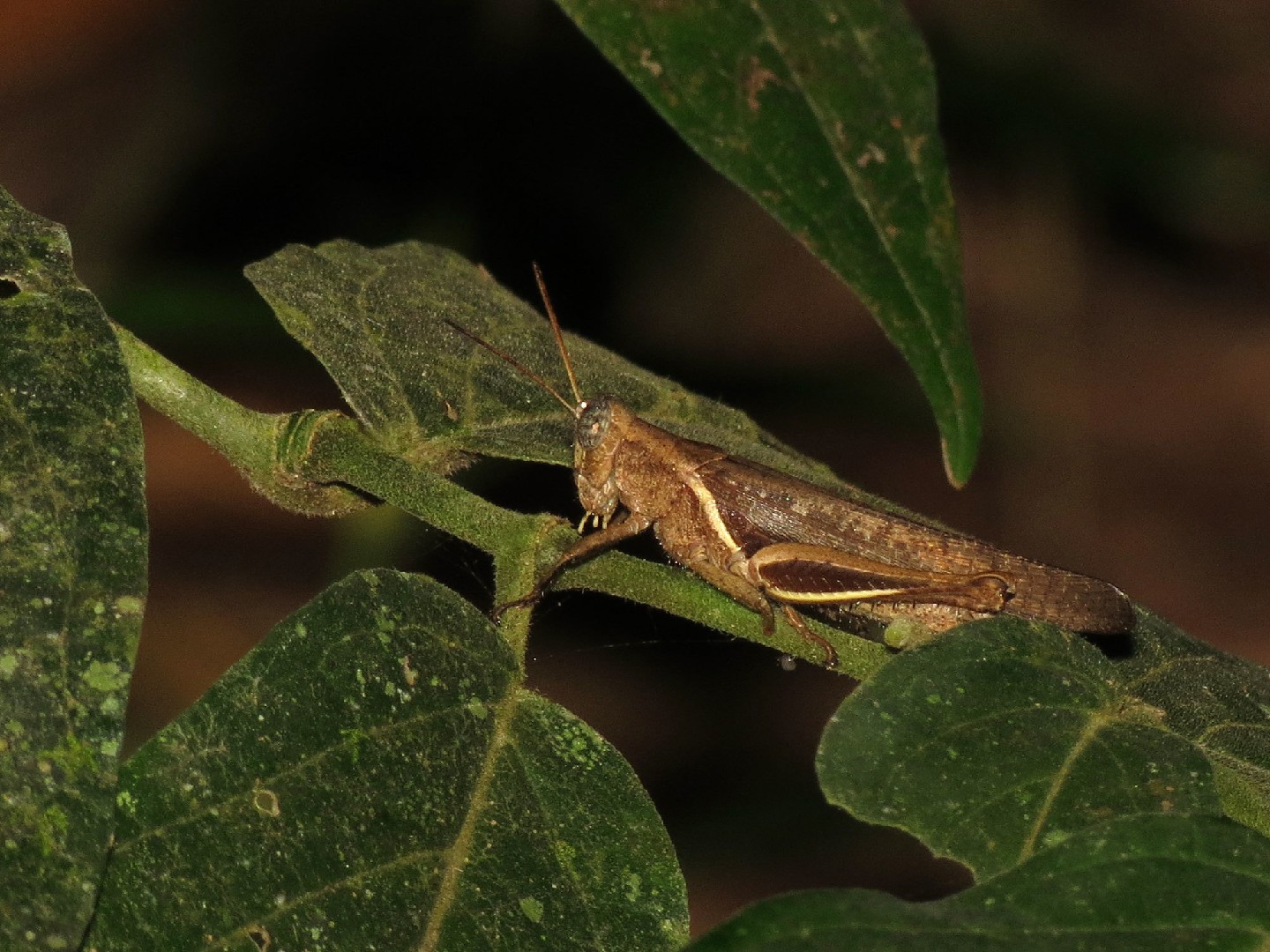
6. Abracris flavolineata
Abracris flavolineata is a right-winged insect from the family locusts (Acrididae). The scientific name of this species was first validly published in 1773 by De Geer.
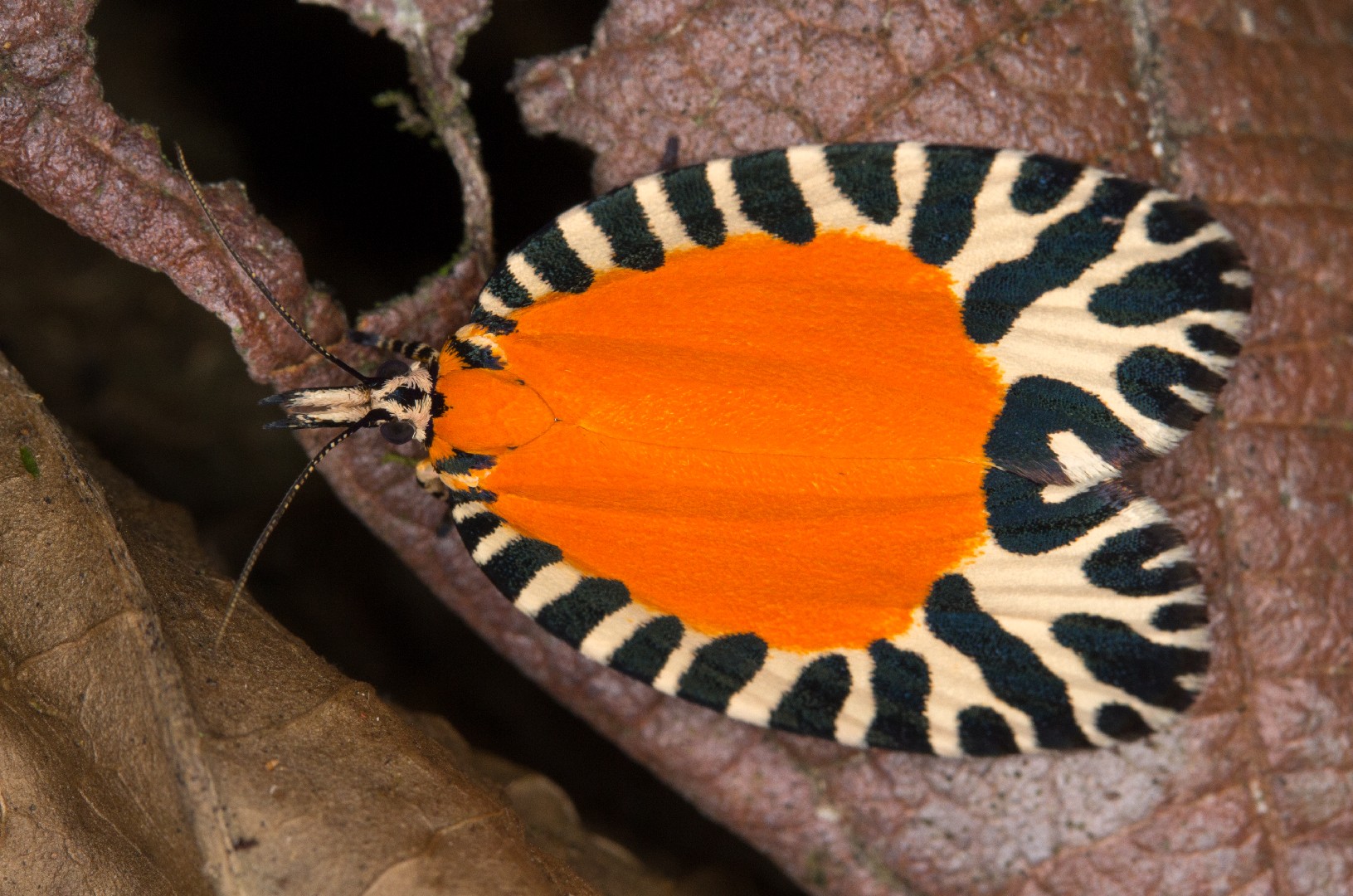
7. Pseudatteria volcanica
Pseudatteria volcanica is a species of moth of the family Tortricidae. It is found in Mexico, Panama, Costa Rica, Colombia and Peru.
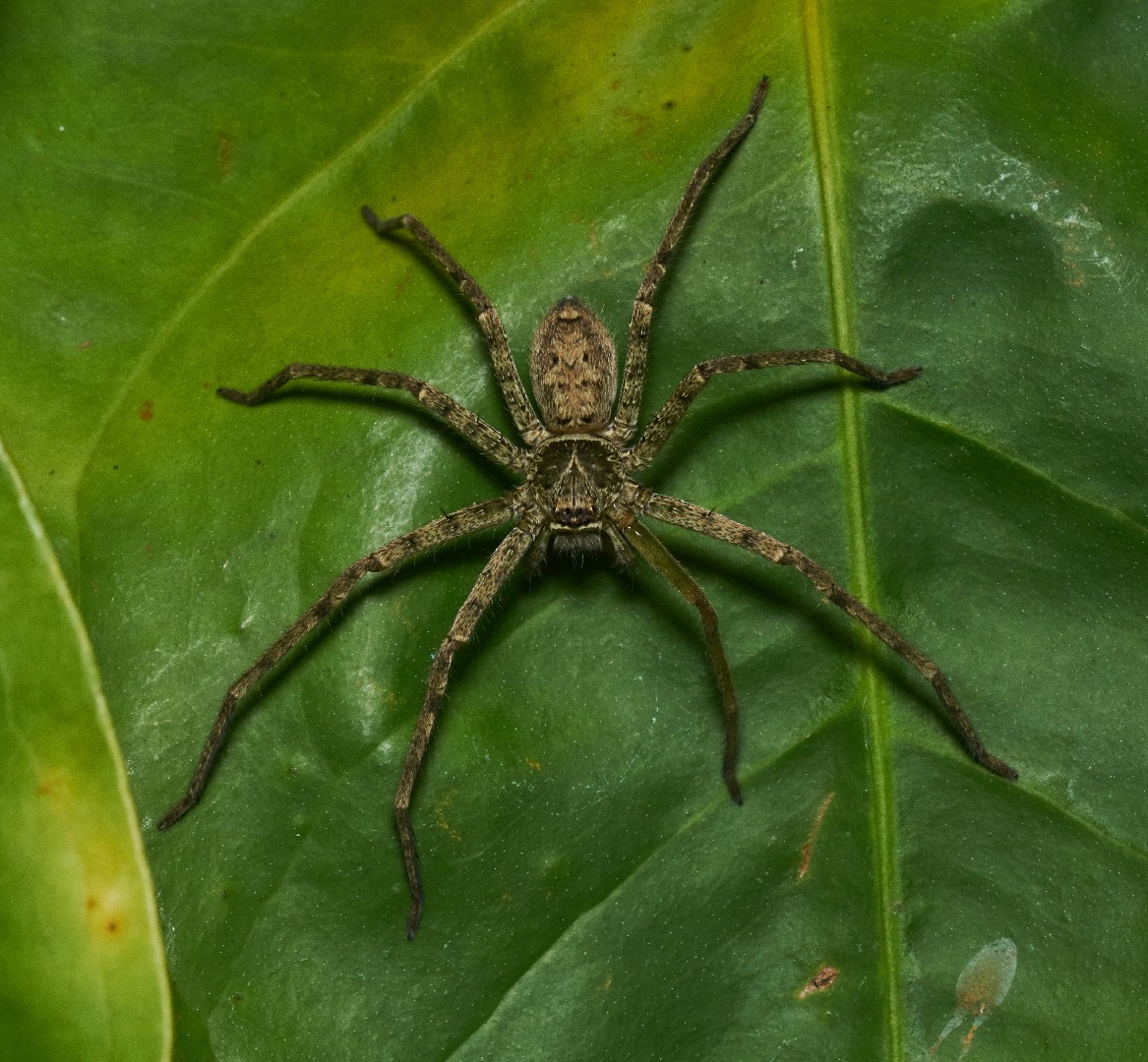
8. Giant Crab Spider
The giant Crab Spider is a large spider native to the tropics; the largest reported individual had a leg span of 30 cm. This cosmopolitan spider is highly valued in some areas, as it's able to catch cockroaches and other indoor pests. Reportedly, it hunts even scorpions and bats. This spider is venomous and sometimes bites humans, but it's considered harmless.
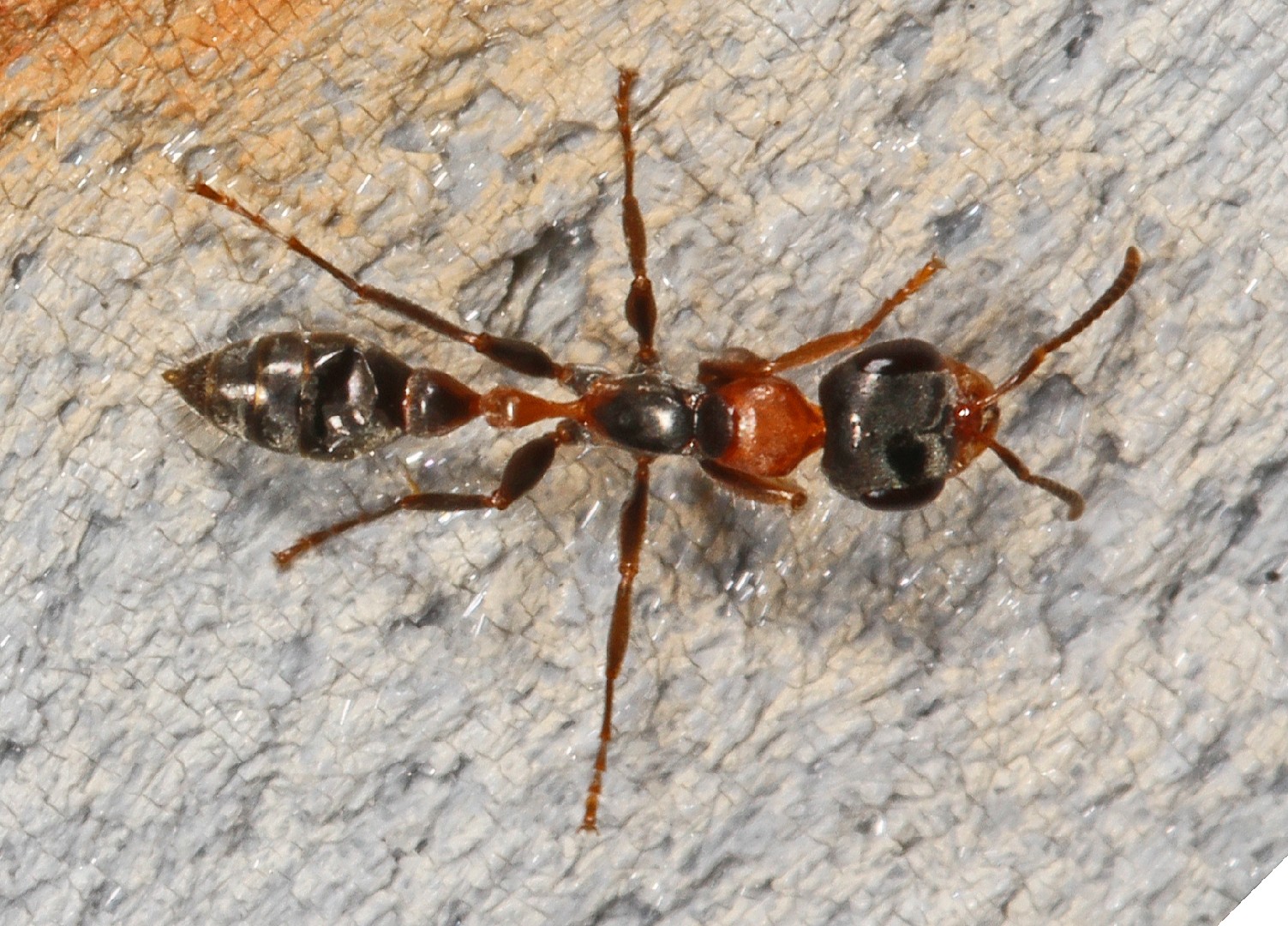
9. Graceful twig ant
The graceful twig ant (Pseudomyrmex gracilis) is a solitary wasp-like ant that can deliver a powerful sting if threatened. It lives in a small nest with a single queen, whose only role is to lay eggs once enough workers are born. This species eats a wide range of items, including live insects and fungus spores.
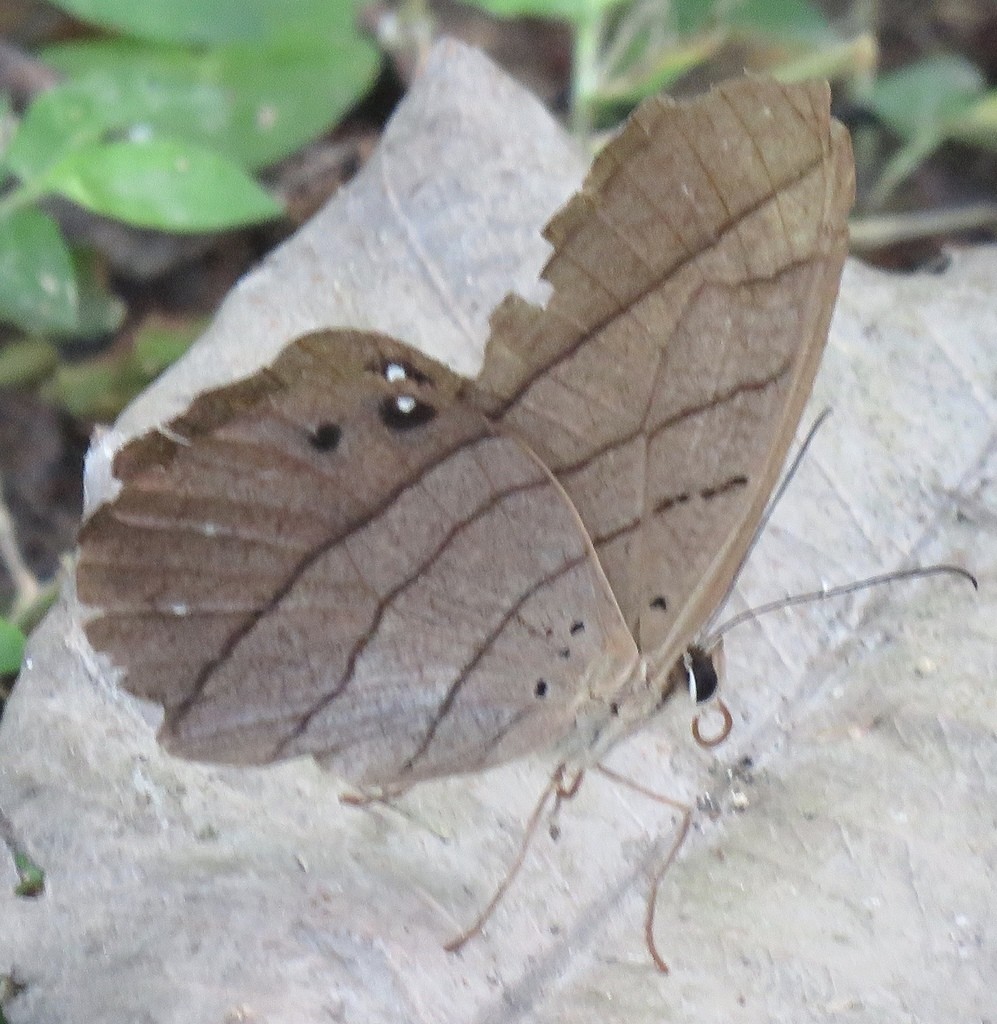
10. Moon satyr

More







