




Top 18 Most Common Insects in Choco
Insects, with their diverse traits and forms, inhabit virtually all corners of Choco. Remarkably, changes in geographical landscapes here can affect the varieties of these tiny creatures. Insects, as integral parts of our ecosystem, contribute greatly to biodiversity, serving as both beneficial helpers and pesky intruders. In our list of “18 Most Common Insects,” we’ll explore the intimate connection between Choco's environments and its insect populations.

Most Common Insects
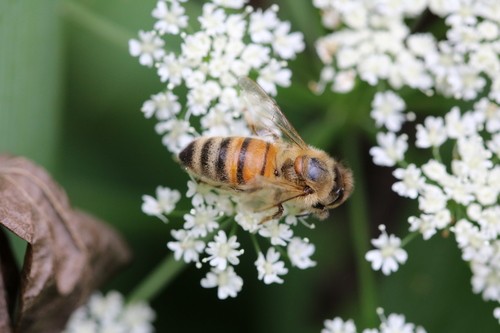
1. Western honey bee
Western honey bee(Apis mellifera) is the most common species of honeybee in the world. Among the first domesticated insects, its cultural and economic impact on humanity has been vast and far-reaching, providing honey, wax and its services as a pollinator. Western honey bee faces challenges worldwide, such as colony collapse disorder, and populations are thought to be decreasing.
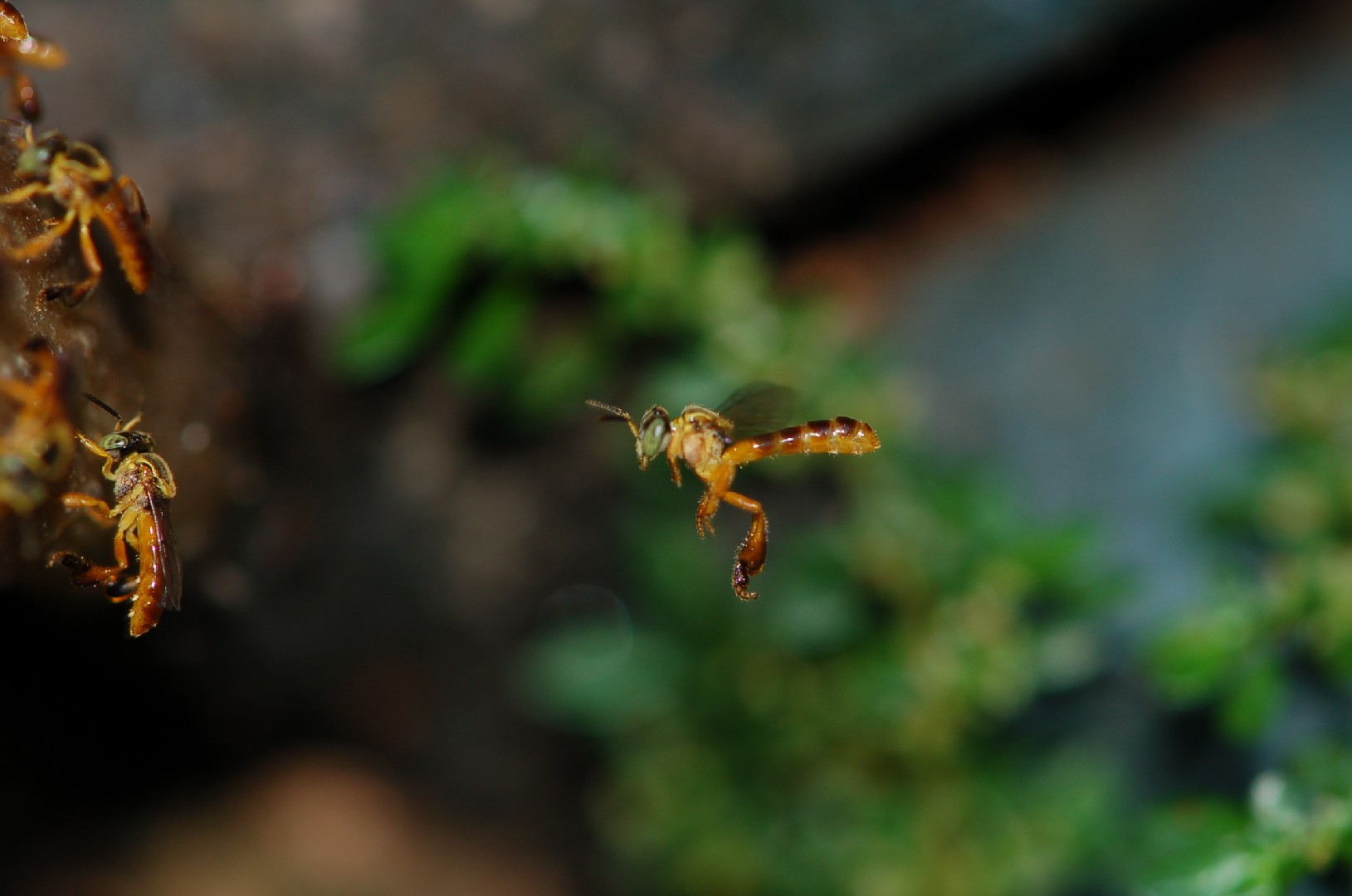
2. Tetragonisca angustula
The Tetragonisca angustula is a bee that makes up as the best of all worlds. First, this is a bee that does not have a stinger, which means that they are not harmful to humans. They also produce honey, which is an awesome addition that makes them perfect for beekeeping. However, they do produce "bouncers" in the form of larger soldiers that are good at protecting the nest.
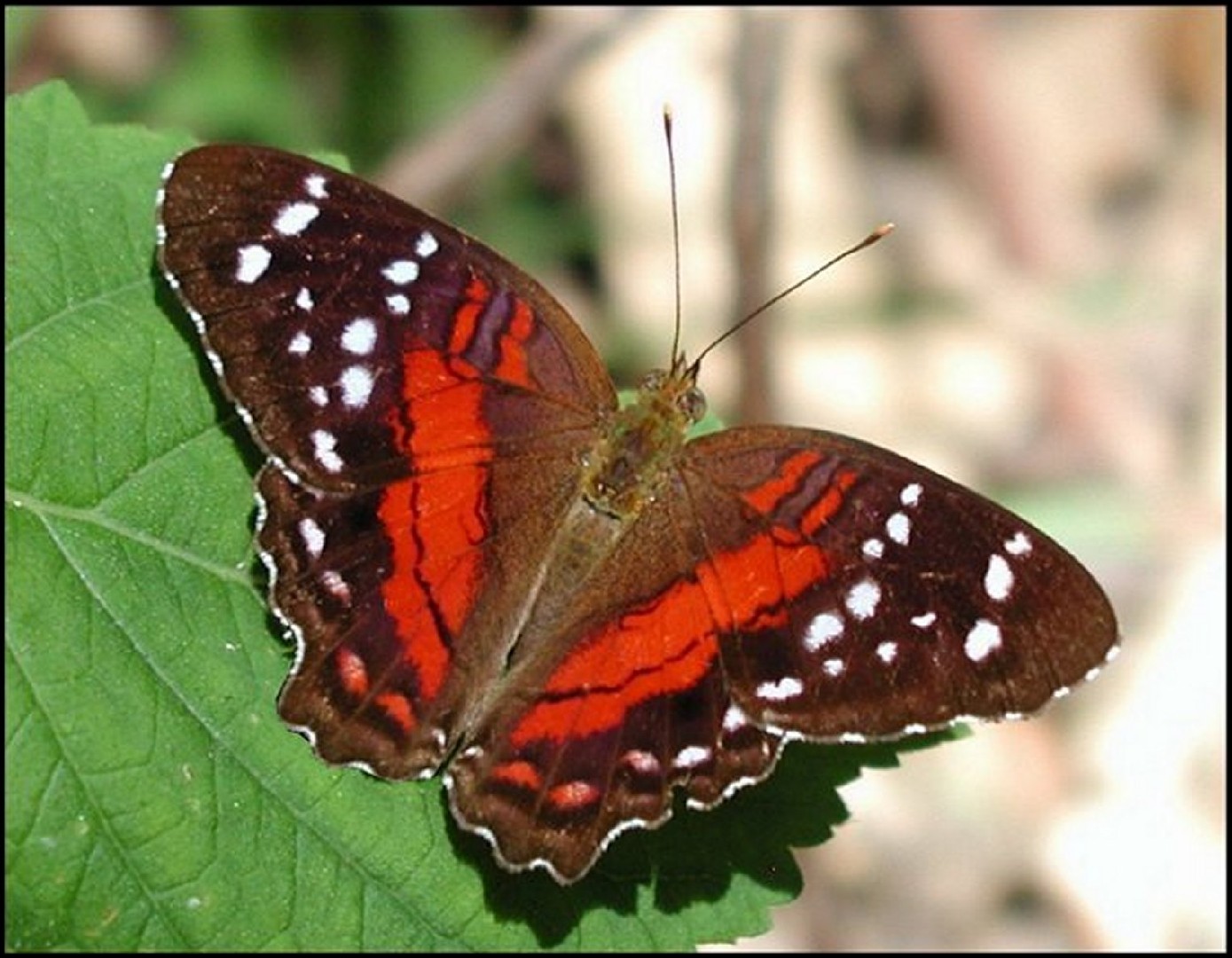
3. Scarlet peacock
Anartia amathea is a butterfly of the family Nymphalidae. In addition to A. amathea amathea there are the subspecies A. amathea thyamis and A. amathea sticheli. The species is represented in the tropical areas of Latin America and the offshore islands, such as Trinidad.
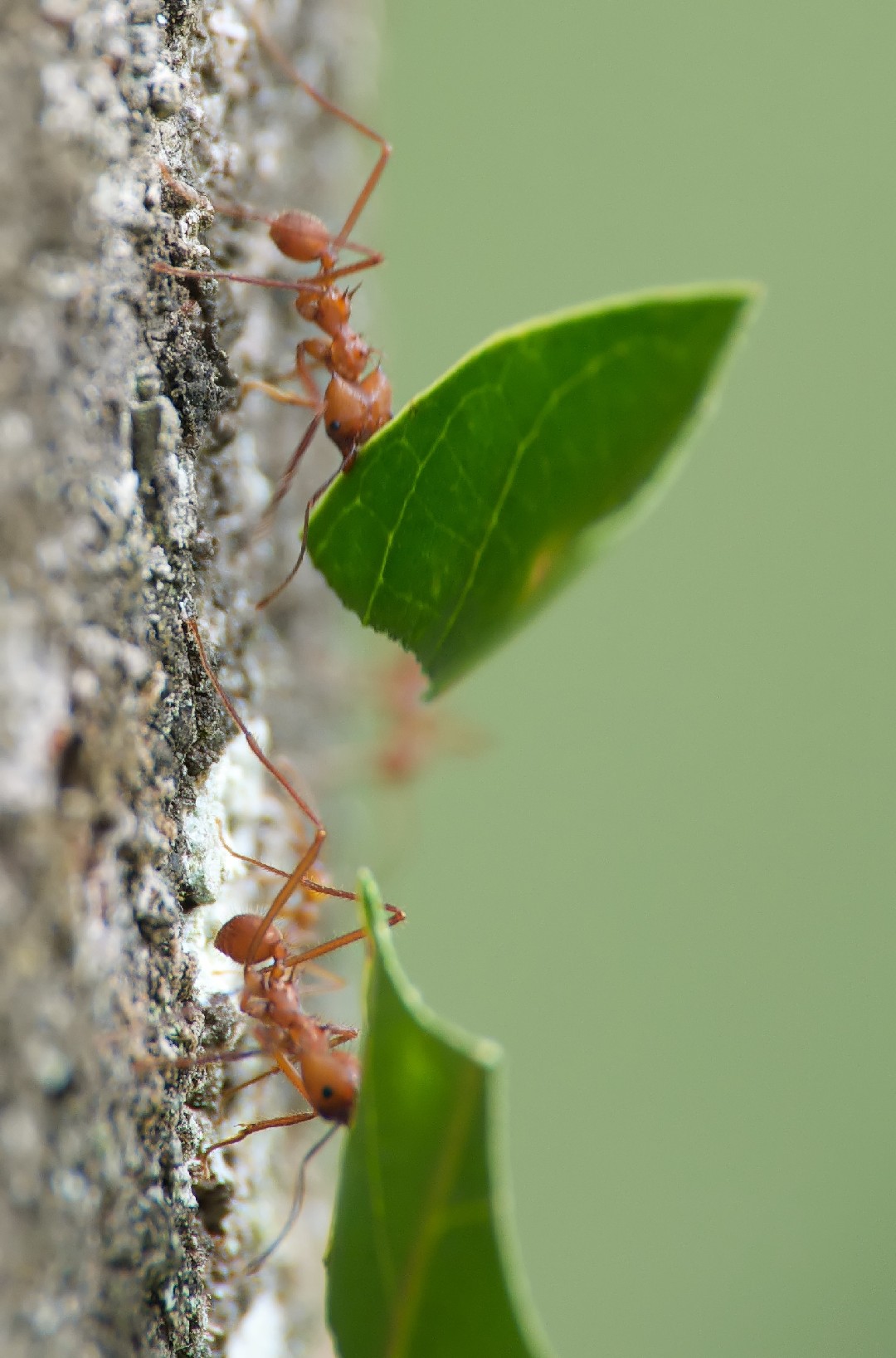
4. Leaf cutter ant
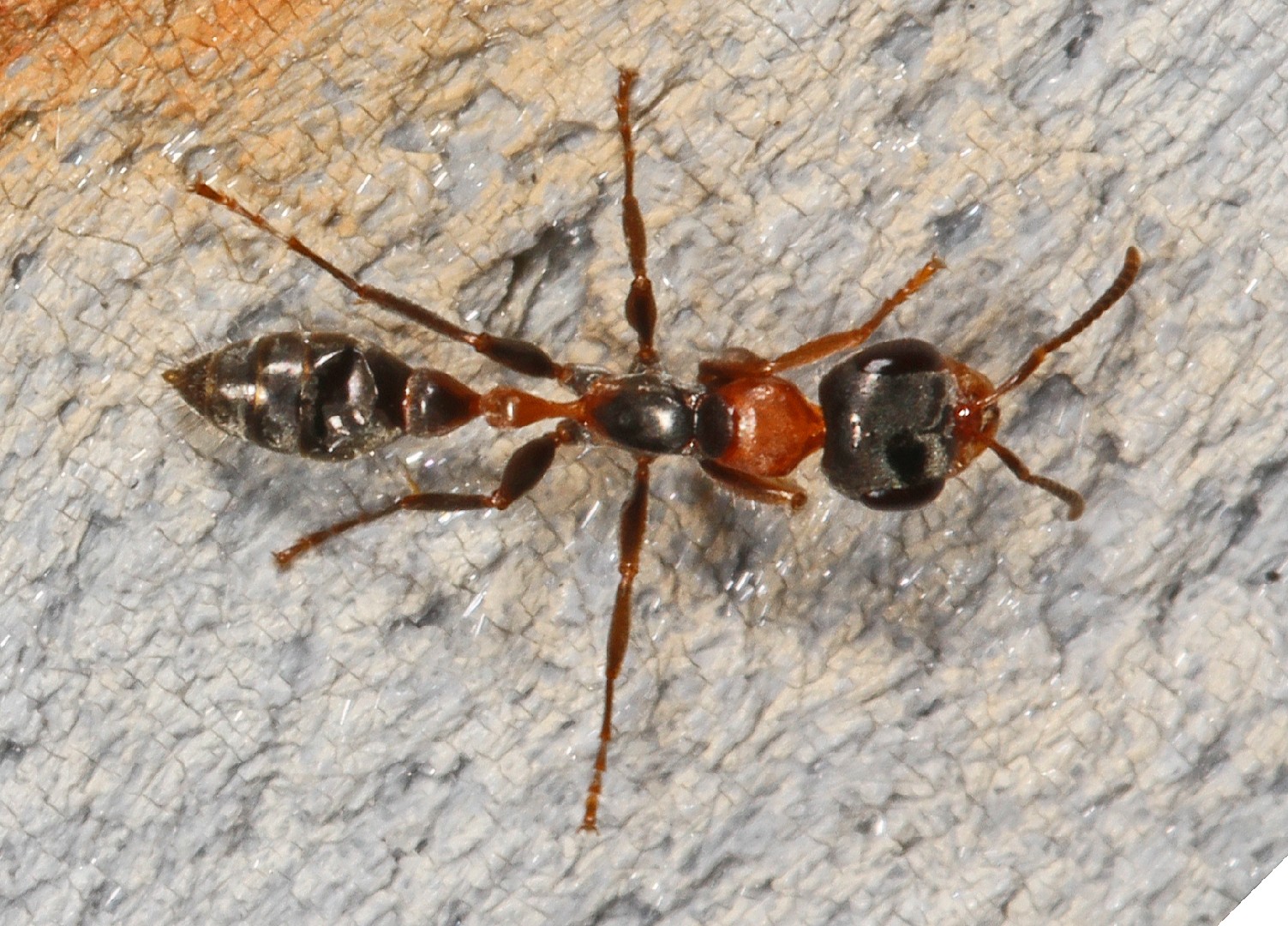
Atta cephalotes is a kind of ant from the Formicidae family that occurs in Central and South America.
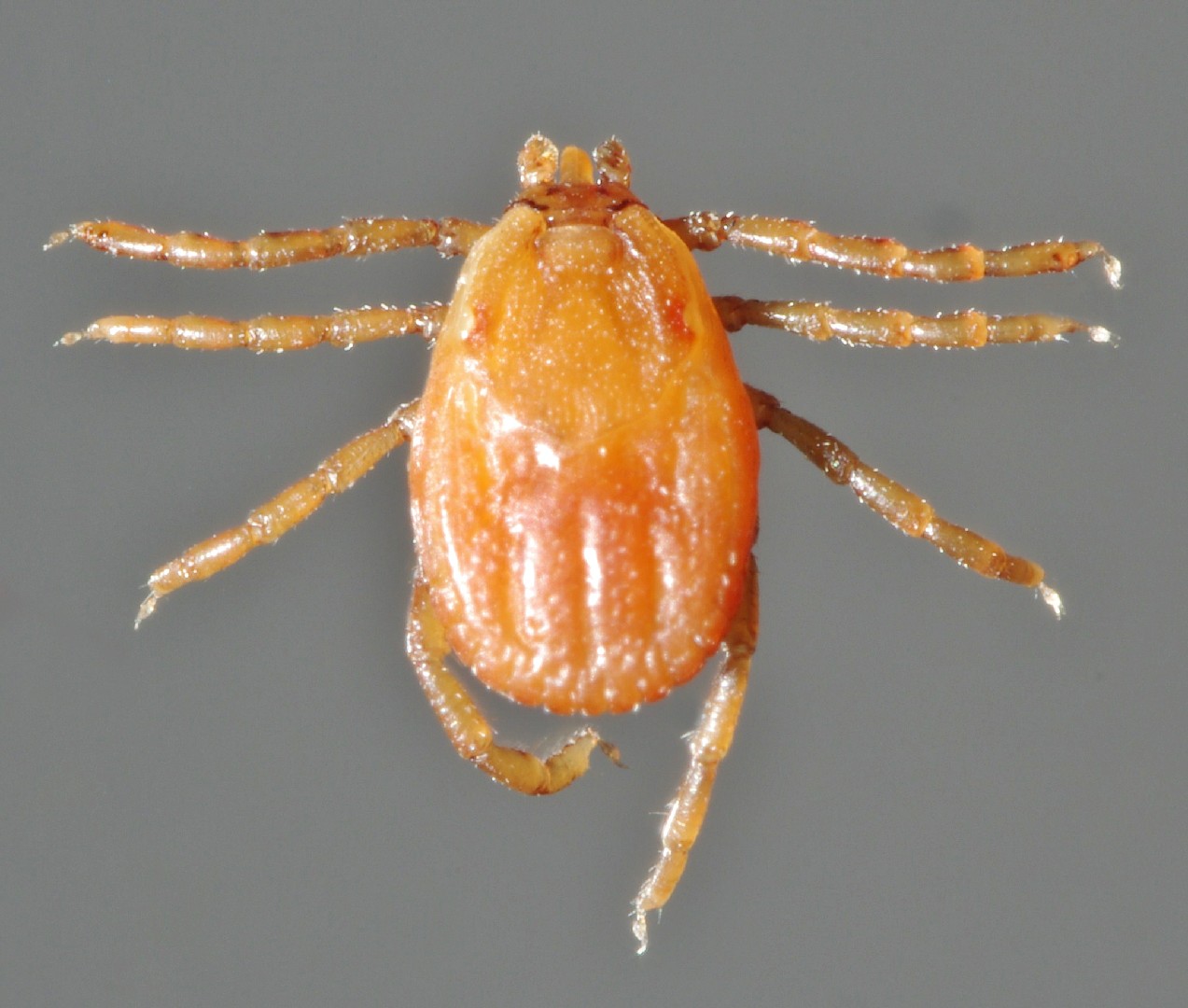
5. Brown dog tick
The brown dog tick is a global parasite and can survive a wide range of temperatures. These ticks are mostly found on the ears, heads, and paws of dogs and can transmit diseases like canine ehrlichiosis and canine babesiosis. If there is no viable host, then the brown dog tick may attach to other mammals, such as rodents, deer, and humans.
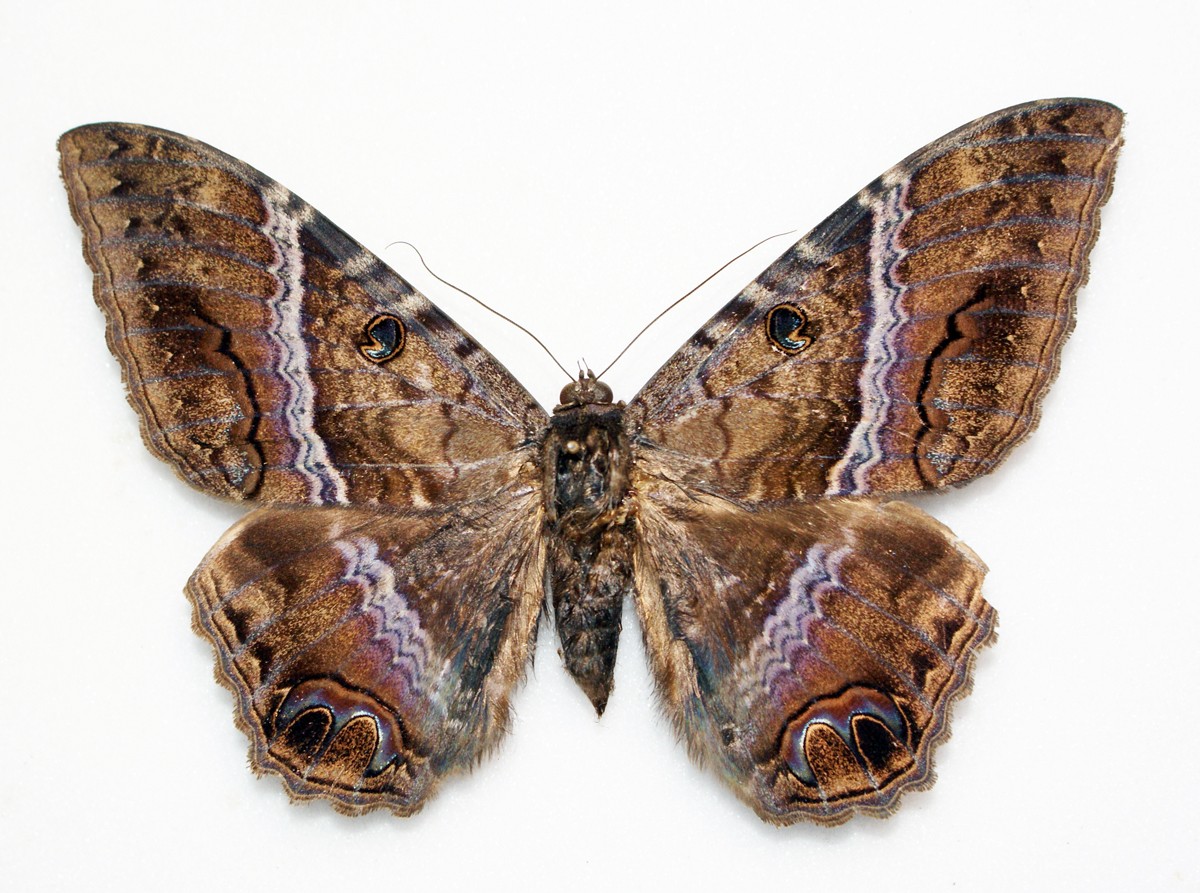
6. Black Witch
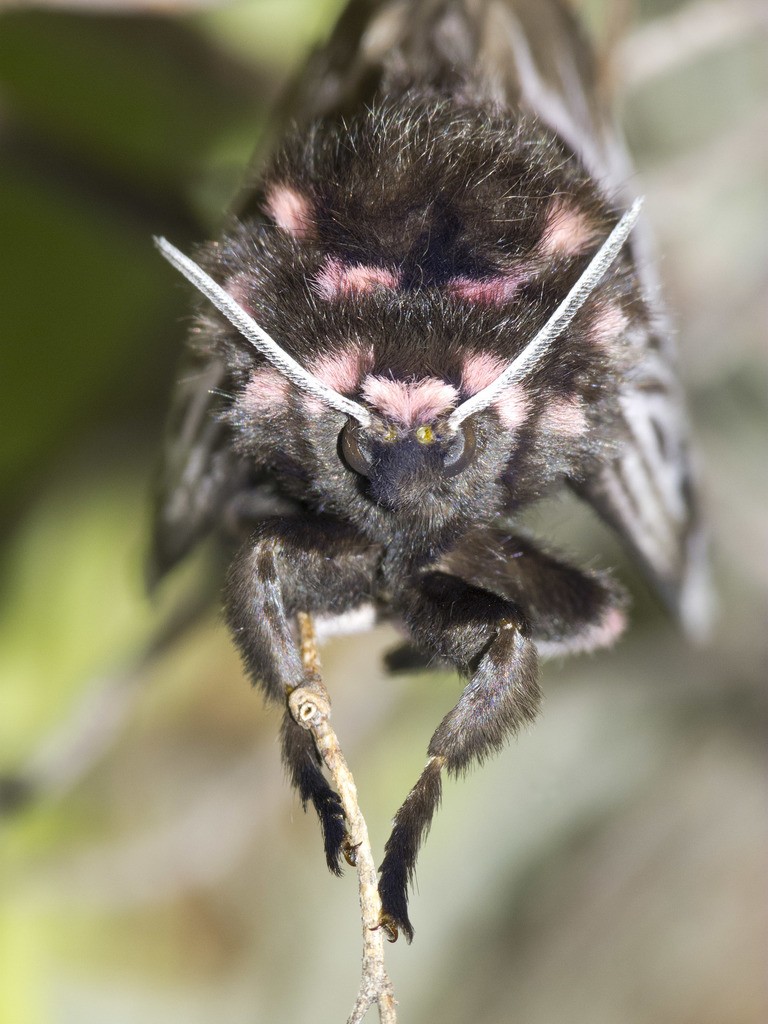
The black Witch (Ascalapha odorata) is given this spooky name because its part in folklore being associated with misfortune or death. In the novel, The Silence of the Lambs, they were placed in the mouths of the victims of Buffalo Bill. They can be identified with darker colorings and undertones of purple and pink.
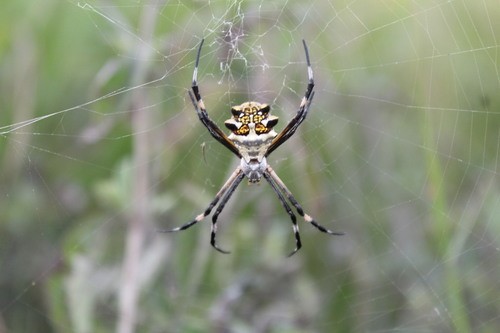
7. Silver argiope
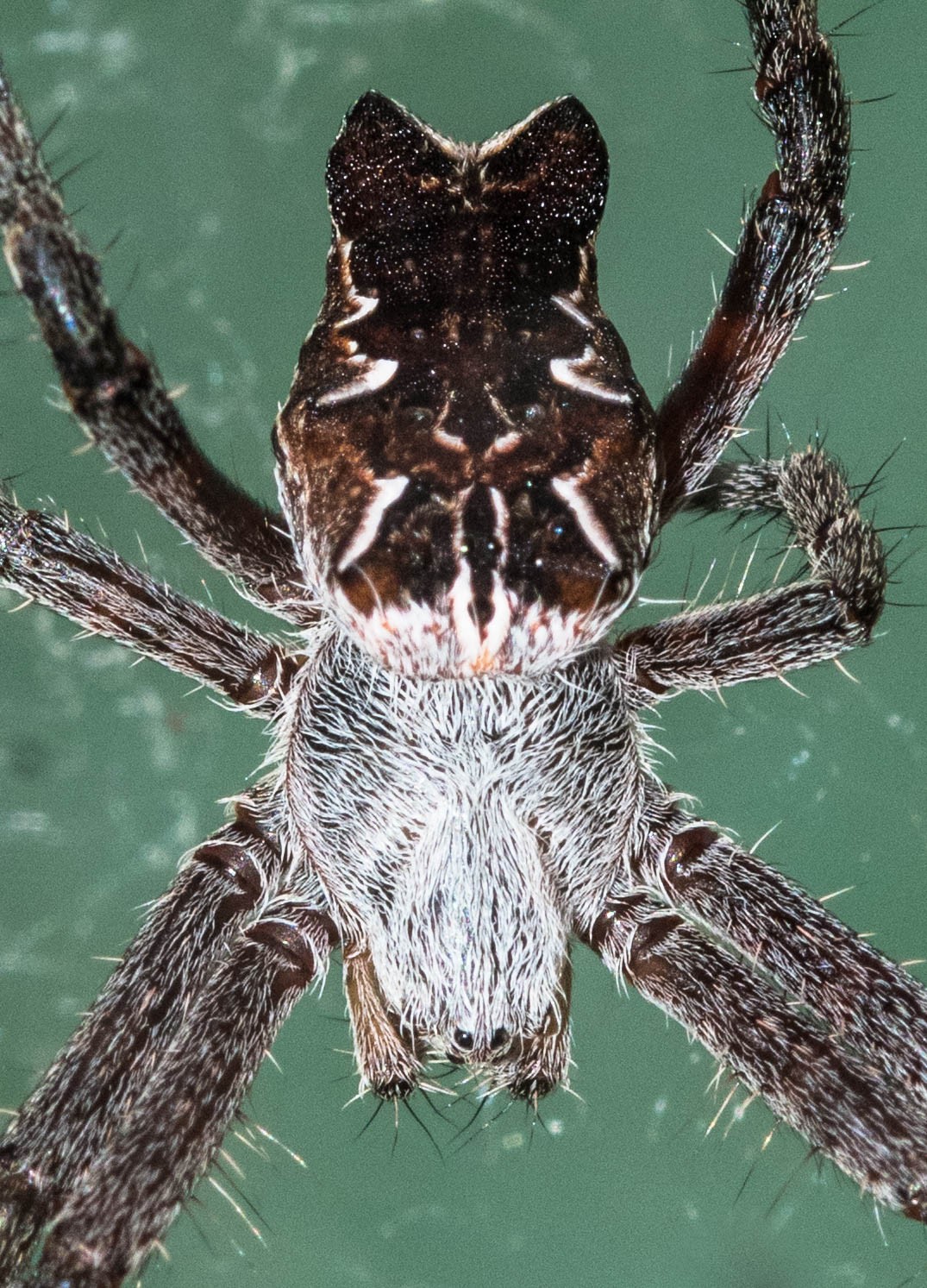
The silver argiope (Argiope argentata) often creates unique zigzag patterns on its webs. It's usually found in warm, dry areas, especially on cacti and aloe vera plants. The females are much larger than males. They can bite and cause irritation to the skin, but the damage won't be life-threatening.
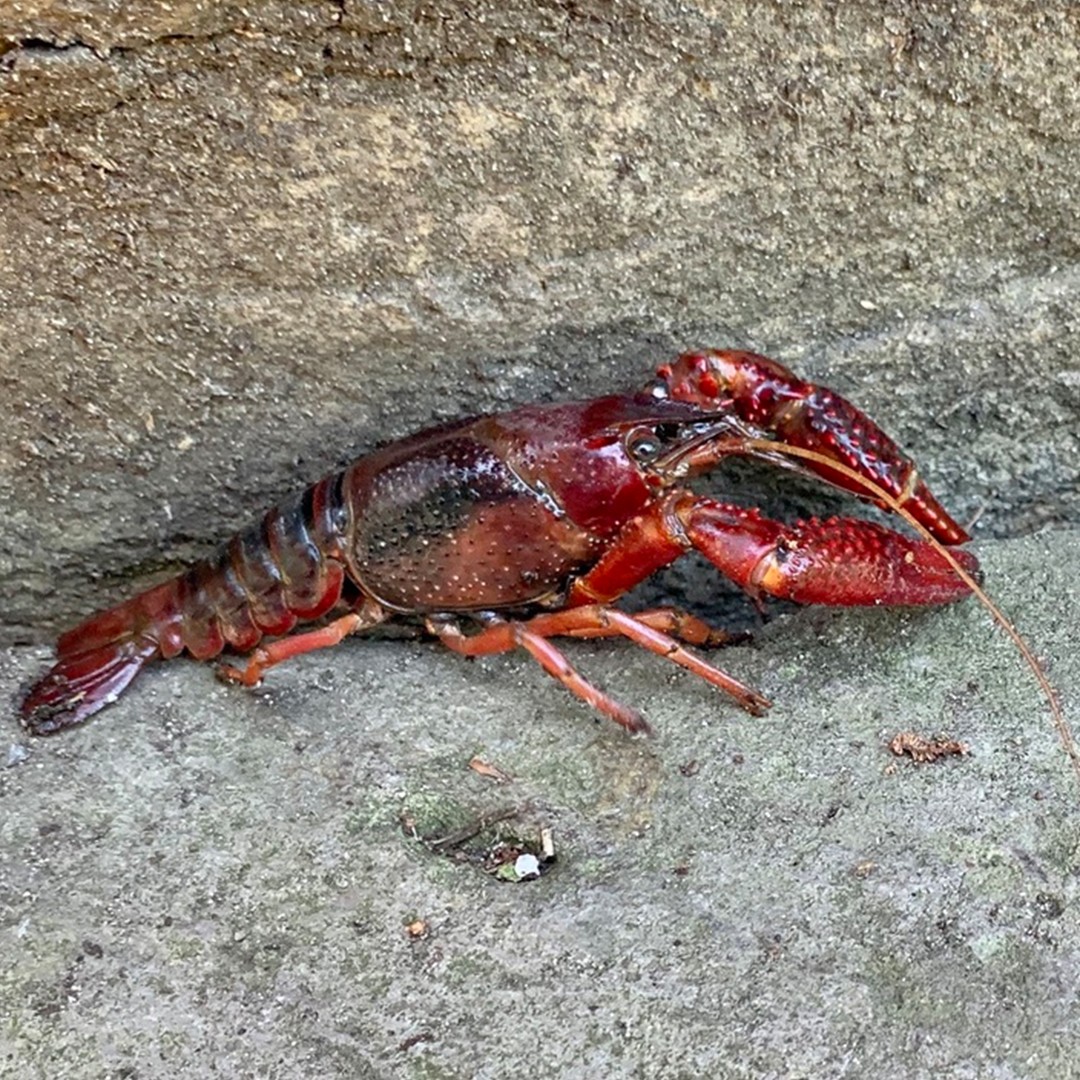
8. Red Swamp Crayfish
The economically important red Swamp Crayfish is a seasonal seafood staple around the world. It is also called the Louisiana crawfish, an apt name given that the US state produces 90-95% of all harvested specimens. The red Swamp Crayfish is invasive in the EU due to its aggressively spreading populations and competitiveness to native crayfish species. It is also known to cause damage to rice crops from its burrowing habit, which displaces the plants.
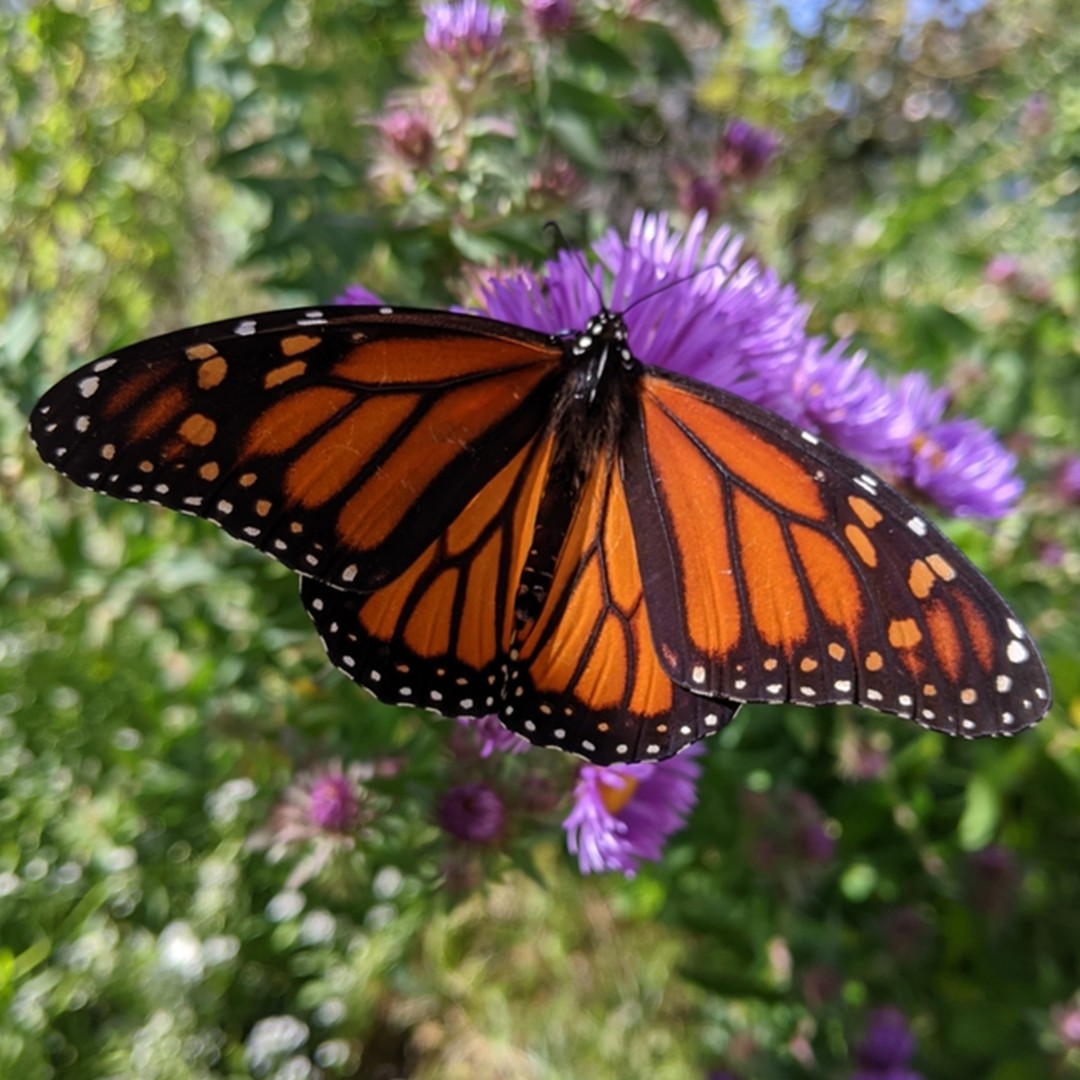
9. Monarch butterfly
The monarch butterfly (Danaus plexippus) is the most recognizable butterfly in North America. It is best known for its appearance, but should be better known for the fact that it has a 3000-mile migration that takes the butterfly 4 generations to complete. Their diet is also a natural deterrent for predators, as they eat milkweed, a poison that induces vomiting.
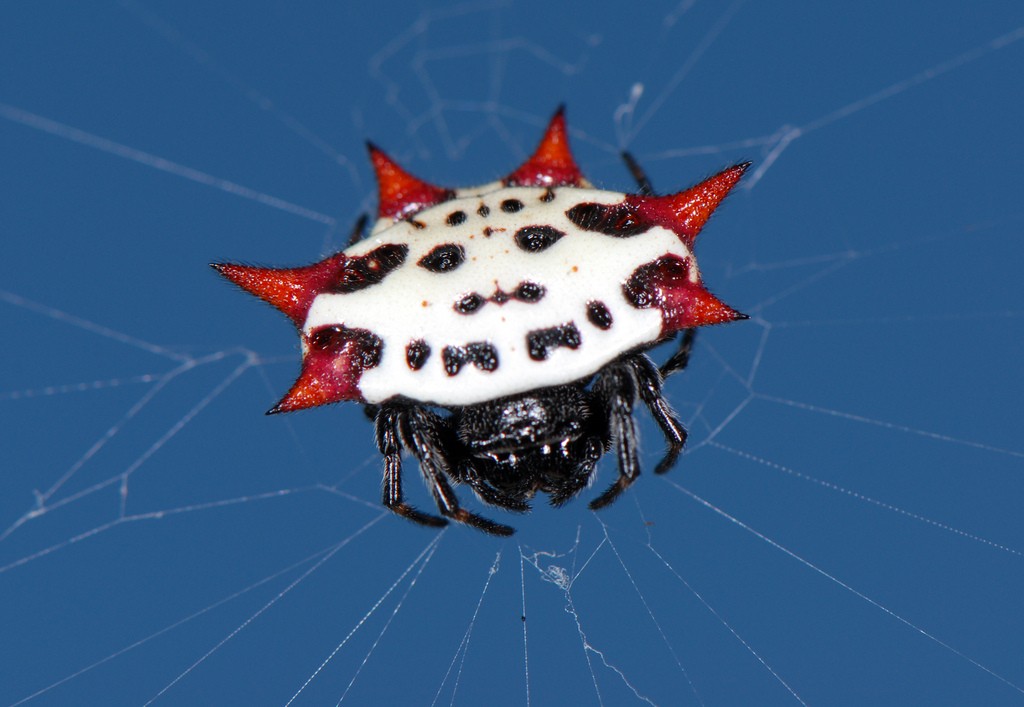
10. Spinybacked Orbweaver
The spinybacked Orbweaver (Gasteracantha cancriformis) has a crab-like structure with six spines on its abdomen. The color of this species varies based on where it lives, and the colors are usually red, orange, yellow, or white. Males and females communicate by creating patterns of vibration on their webs.

More







