




Top 12 Most Common Insects in Madrid
Insects, nature's ubiquitous, small yet crucial creatures, are famed for their significant ecological roles and impressive diversity, especially within the varied landscapes of Madrid. Geographical variations in Madrid lend to a fascinating array of insect life. Their importance extends beyond being either pests or beneficial, often delicately balancing the region's ecosystems. This list celebrates the top 12 most common insects in Madrid, each mirroring the state's unique environmental backdrop, illuminating the compelling relationship between a region and its insect occupants.

Most Common Insects
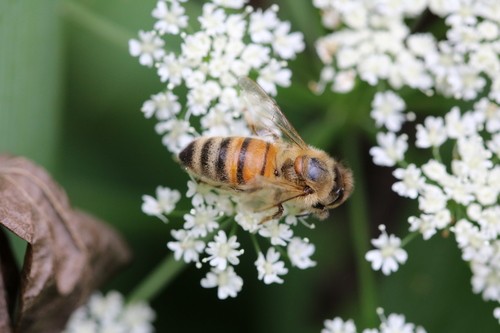
1. Western honey bee
Western honey bee(Apis mellifera) is the most common species of honeybee in the world. Among the first domesticated insects, its cultural and economic impact on humanity has been vast and far-reaching, providing honey, wax and its services as a pollinator. Western honey bee faces challenges worldwide, such as colony collapse disorder, and populations are thought to be decreasing.

2. Multicolored asian ladybeetle
Often confused for the ladybug, multicolored asian ladybeetle (Harmonia axyridis) is a separate species that, unlike the ladybug, is a household pest. It is considered particularly annoying for its habit of returning to places from which it is removed. One of the most variable species in the world, there are many different colors and patterns multicolored asian ladybeetle may display, making identification potentially difficult.
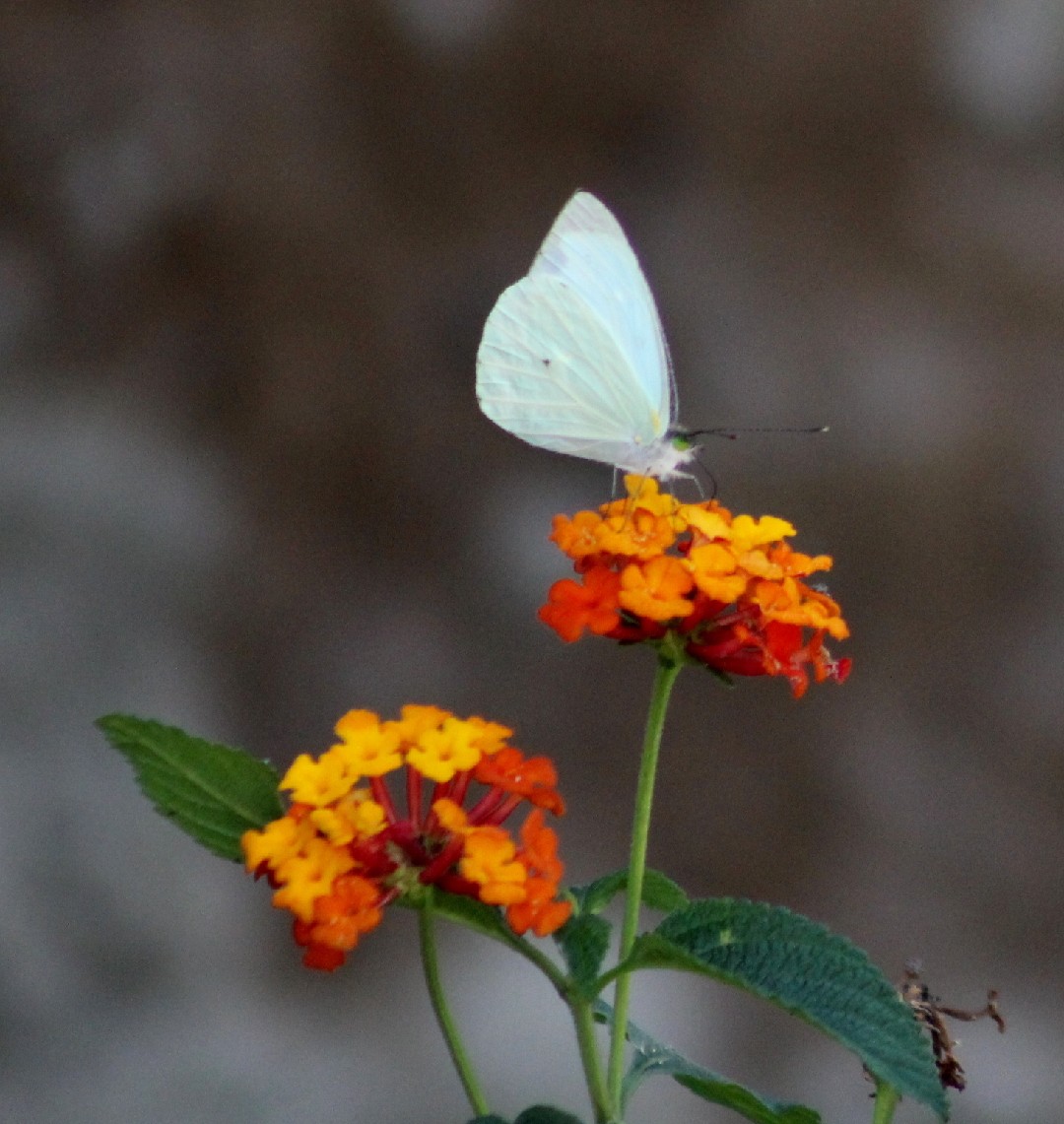
3. Green-eyed white
Leptophobia aripa was described in 1836 by Boisduval.
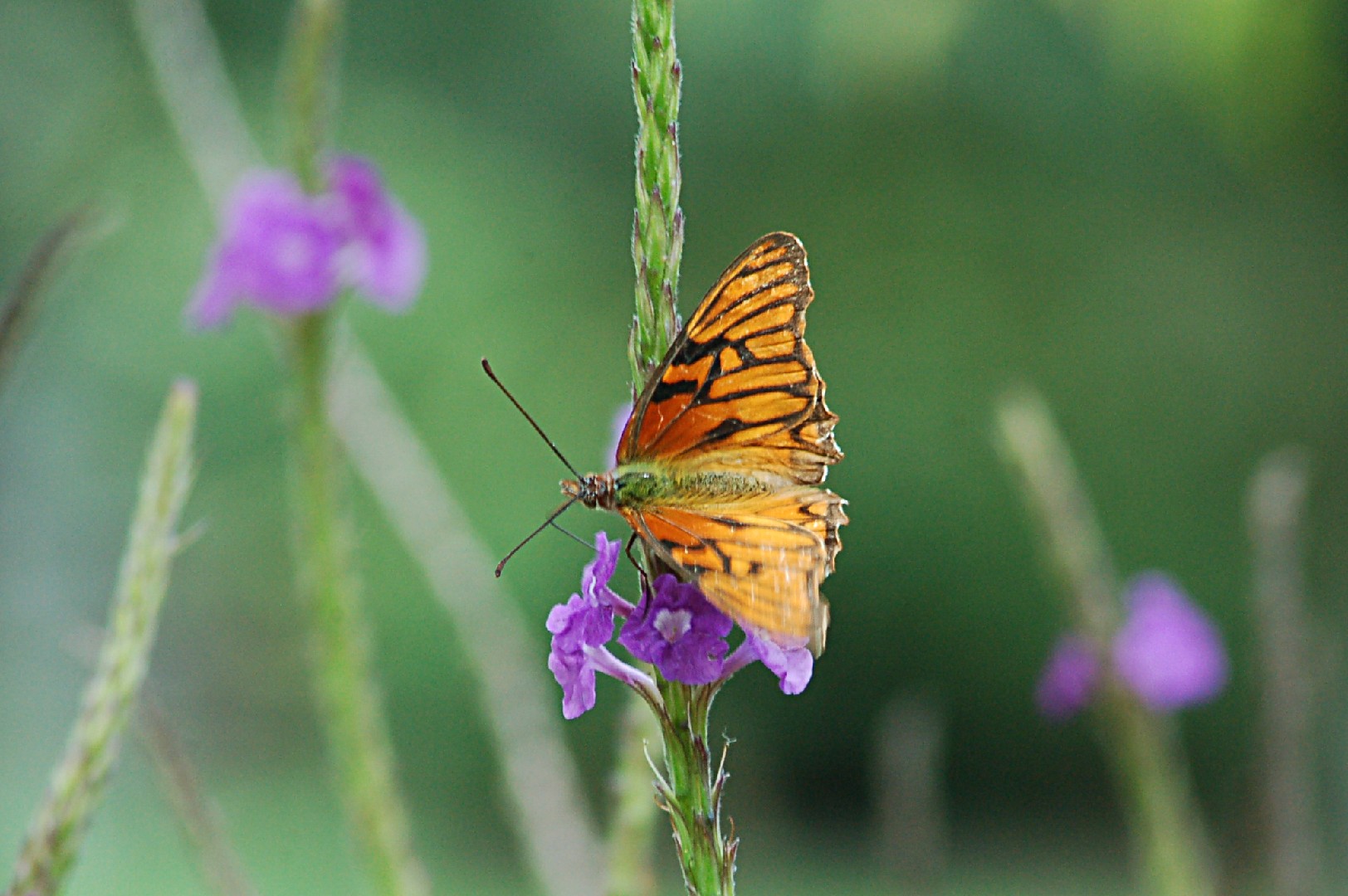
4. Andean silverspot
Dione glycera is a butterfly from the Nymphalidae family. The scientific name of the species was first validly published in 1861 by Cajetan Freiherr von Felder & Felder.
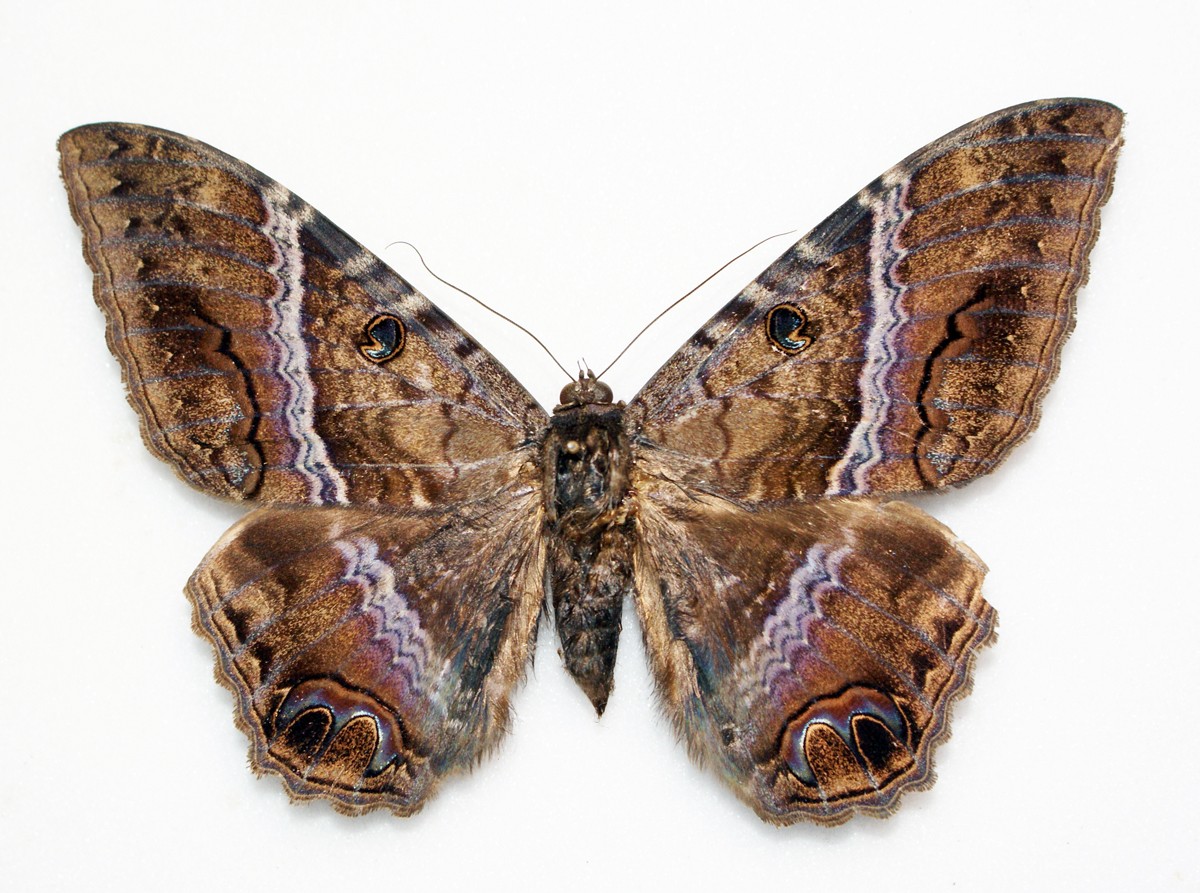
5. Black Witch
The black Witch (Ascalapha odorata) is given this spooky name because its part in folklore being associated with misfortune or death. In the novel, The Silence of the Lambs, they were placed in the mouths of the victims of Buffalo Bill. They can be identified with darker colorings and undertones of purple and pink.
6. Scarlet peacock
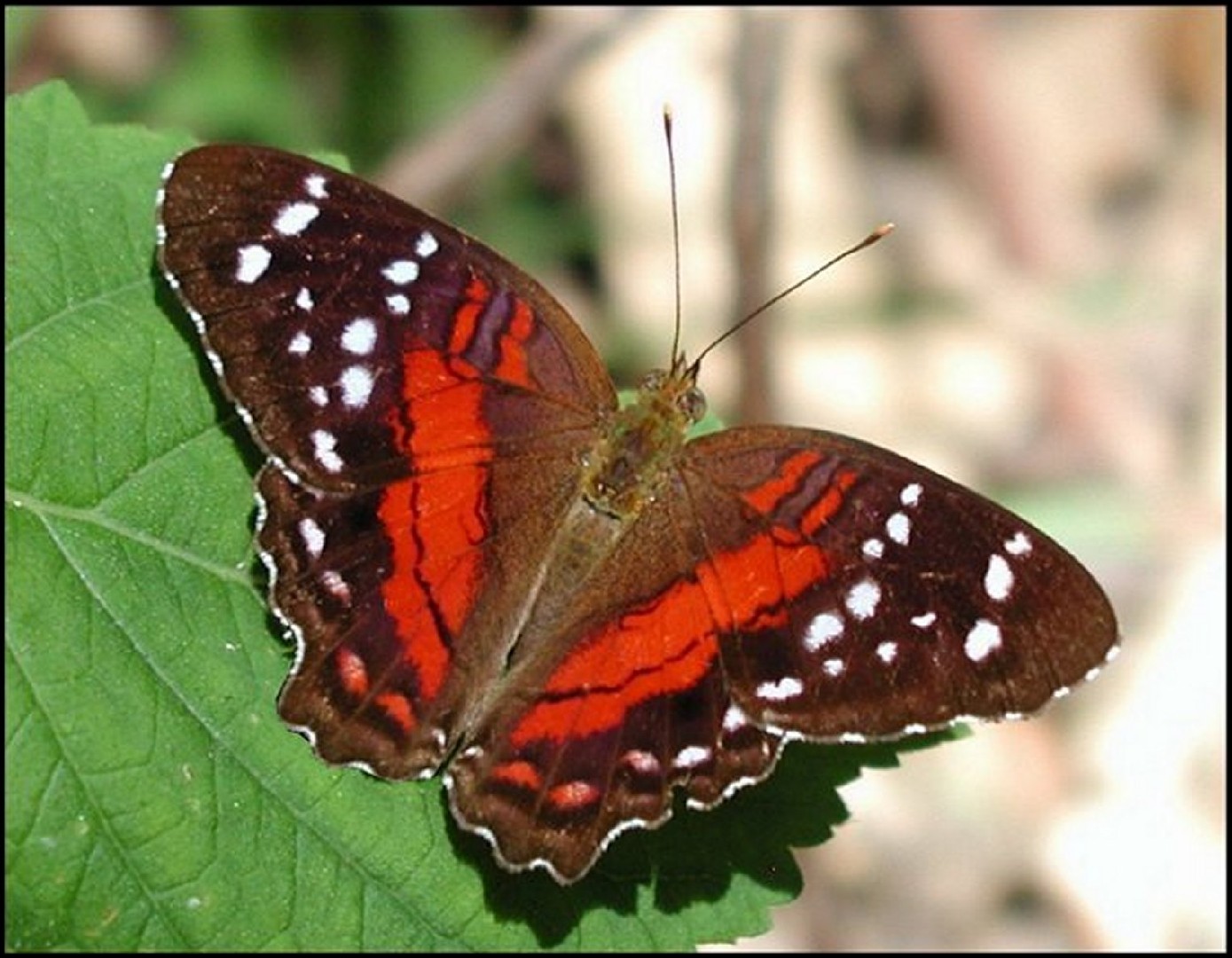
Anartia amathea is a butterfly of the family Nymphalidae. In addition to A. amathea amathea there are the subspecies A. amathea thyamis and A. amathea sticheli. The species is represented in the tropical areas of Latin America and the offshore islands, such as Trinidad.
7. Pale sicklewing
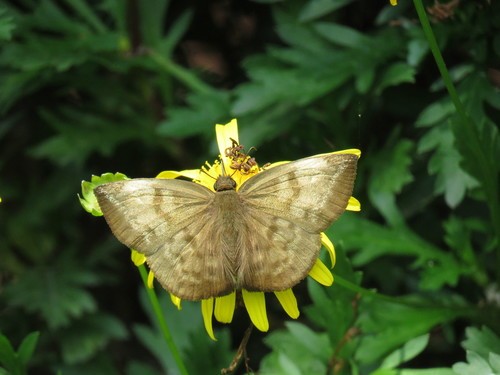
Achlyodes pallida is a butterfly from the family of the Achlyodes pallida (Hesperiidae). The scientific name of the species was first validly published in 1869 by Felder.
8. Alpaida variabilis
9. Mesamphiagrion laterale
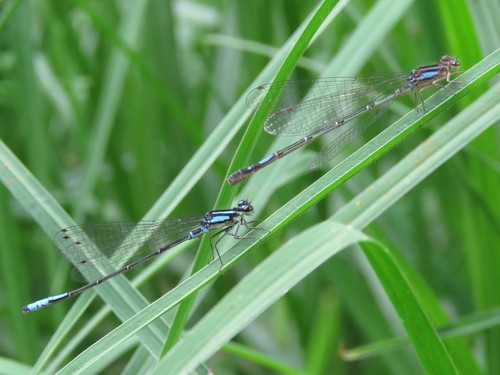
The scientific name of the species was first validly published in 1876 by Selys.
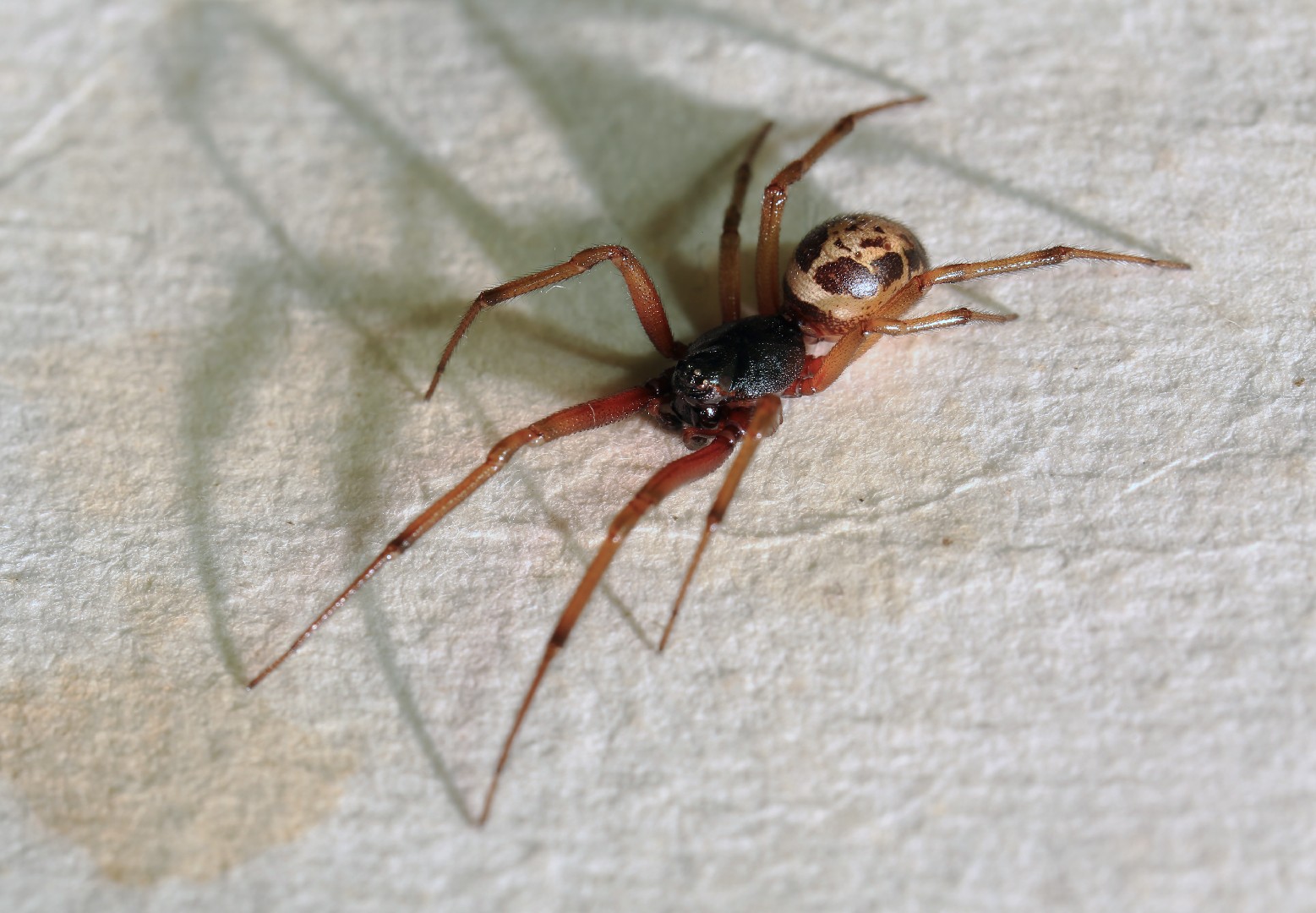
10. Noble false widow
The noble false widow (Steatoda nobilis) is named because it tends to be confused with the black widow spider (Latrodectus mactans). Despite its natural acting abilities, the venom it has can still cause a painful, but not harmful, bite. Despite the venom's non-lethal nature, people in the UK have still taken the time to post about it in the news.
More







