




Top 18 Most Common Insects in San Andres y Providencia
Insects, a fascinating group of organisms characterized by their chitinous exoskeletons and three-part body structure, find widespread homes throughout the diverse landscapes of San Andres y Providencia. This region's unique geographical terrains play host to a range of insect diversity, shaping 18 most common species documented. Insects, often unsung, are paramount in maintaining ecological balance, fulfilling roles from crop defenders to key pollinators. Explore this relationship between San Andres y Providencia's environments and its insect population, discover the pests, the benefactors, and the ones in between!

Most Common Insects
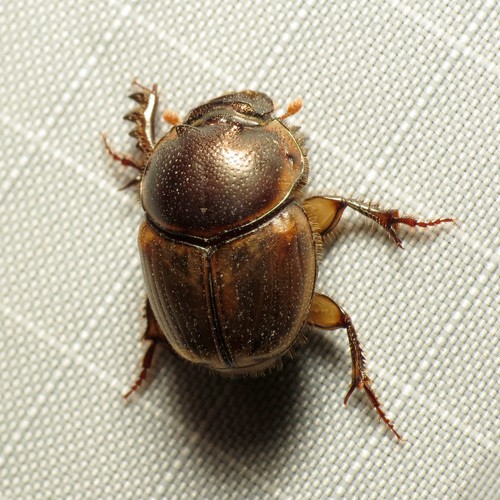
1. Brown dung beetle
The brown dung beetle( Digitonthophagus gazella) has an unusual food preference: animal dungs. It is native to Africa and India and has been introduced to different parts of the world in order to help remove cattle feces from pastures. In general, females lay eggs in the dung and then larvae grow inside of it and feed on the solid matter surrounding them until they mature.
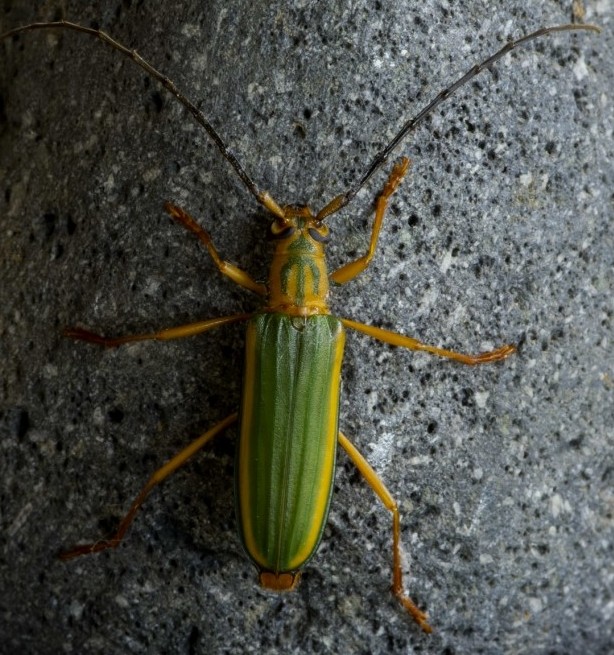
2. Chlorida festiva
Chlorida festiva is a beetle species from the family of the boktorren (Cerambycidae). The scientific name of the species was first validly published in 1758 by Linnaeus.
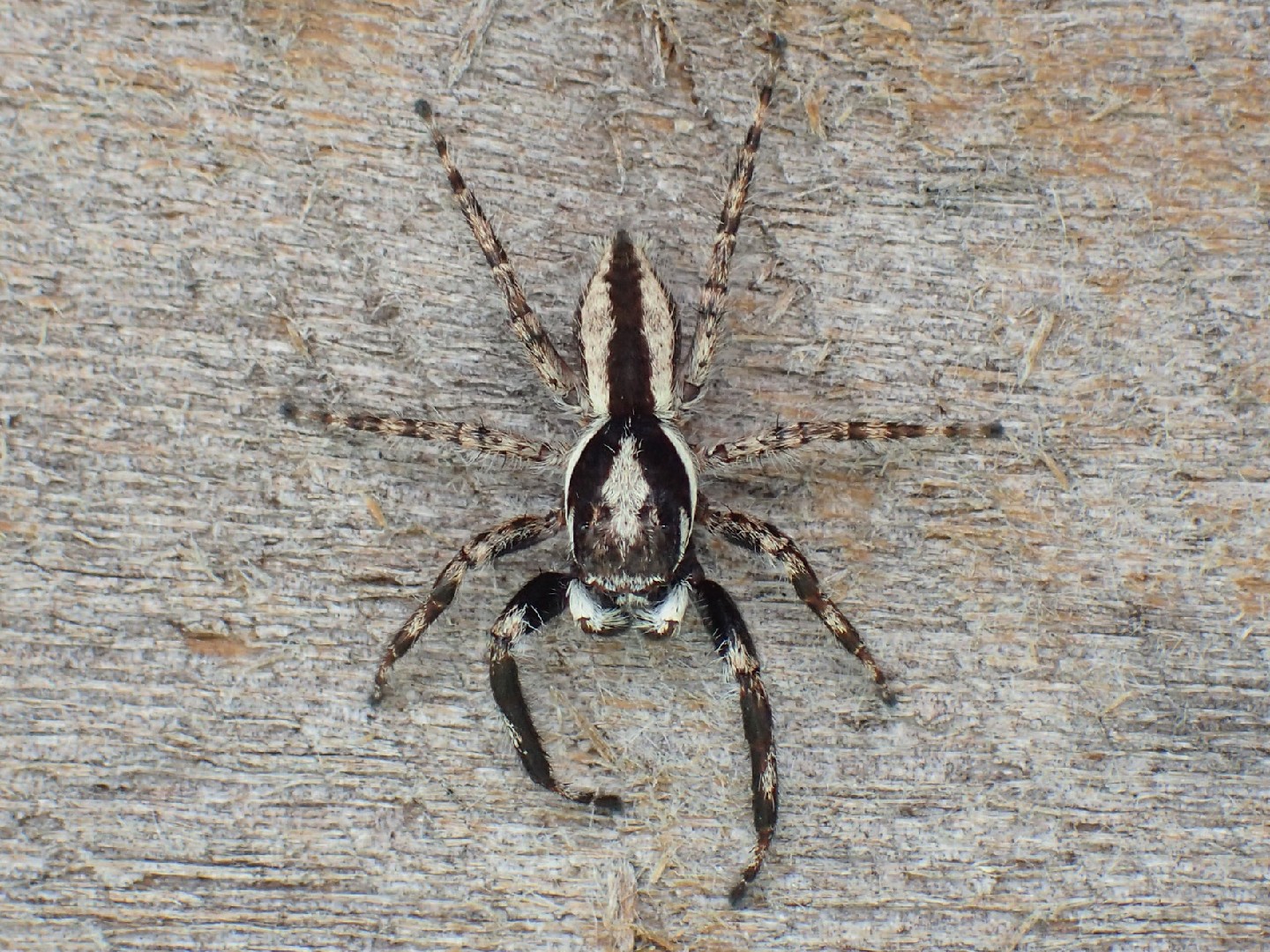
3. Gray wall jumper
The female gray wall jumper lays her eggs in cracks or other hidden areas. The young and mature spiders feed on flies, making them useful residents in a household. They do not make webs, but carefully hunt and jump on their prey.
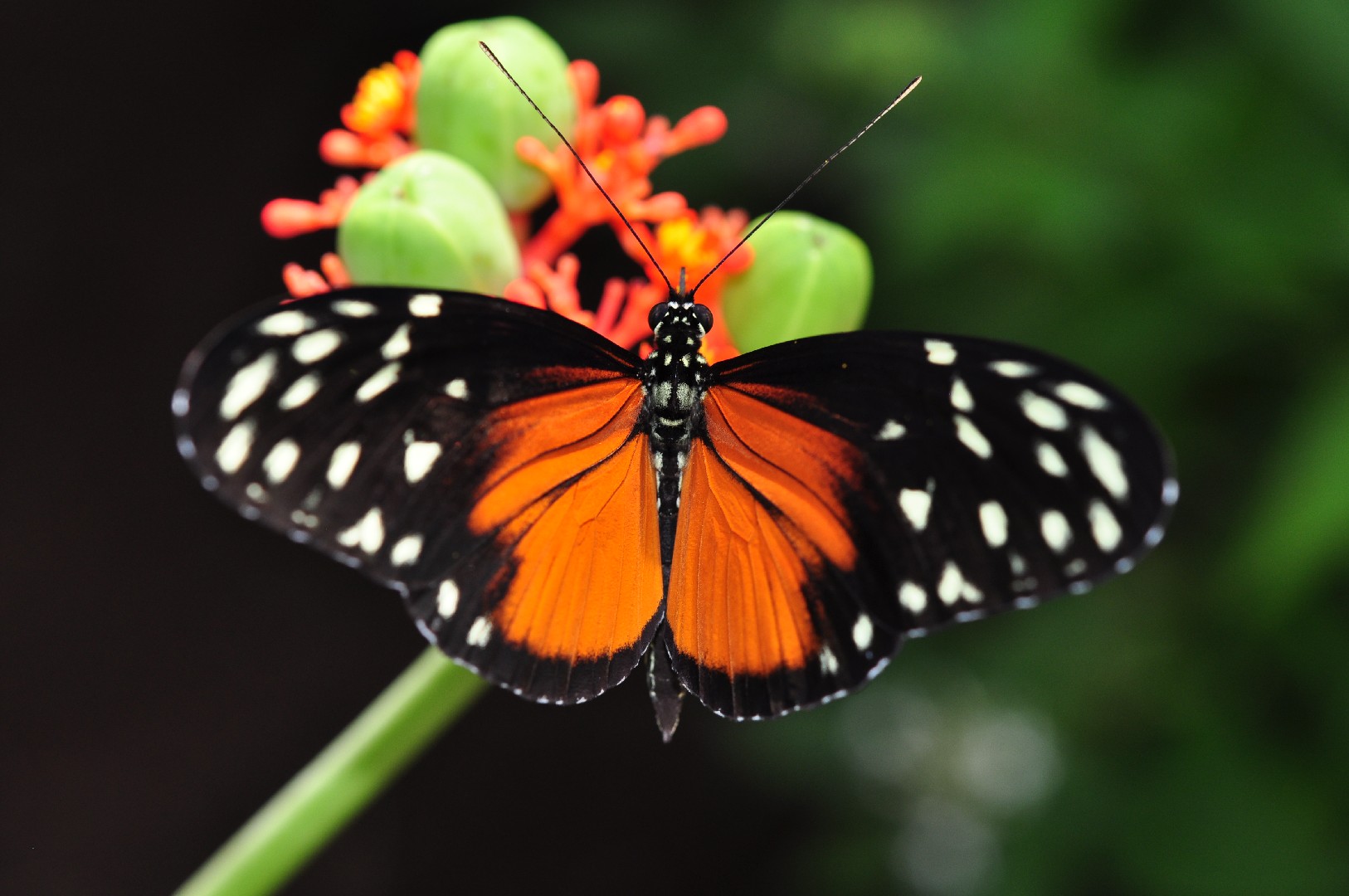
4. Tiger longwing
Heliconius hecale (synonym: Philaethria hecale) is a species of butterfly that occurs from Mexico to Peru. The butterfly is found both in open meadows and in tropical rain forests.
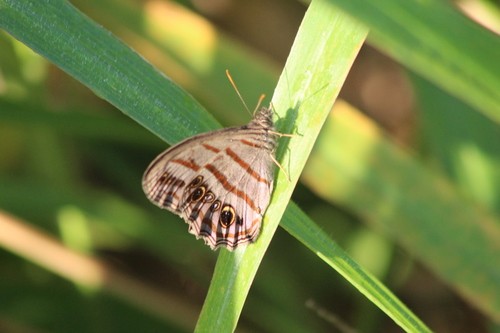
5. Blue-gray satyr
Magneuptychia libye is a butterfly from the subfamily Satyrinae of the family Nymphalidae. The scientific name of the species was first validly published in 1767 by Carl Linnaeus.
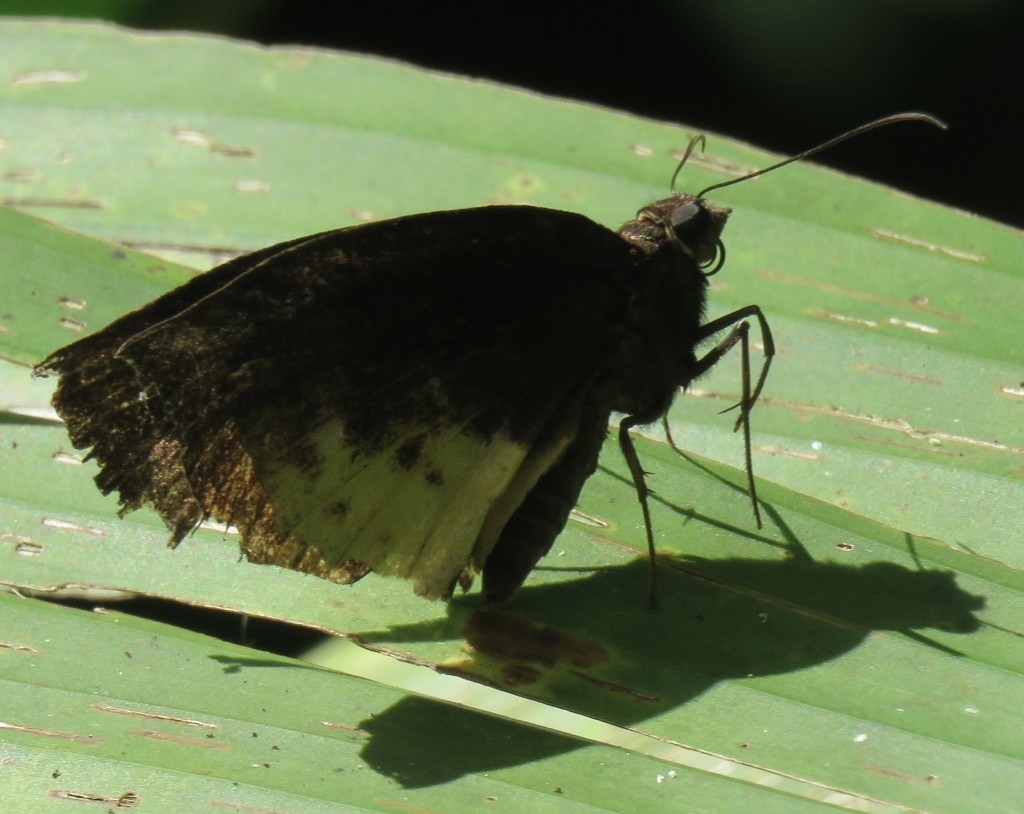
6. Giant sicklewing
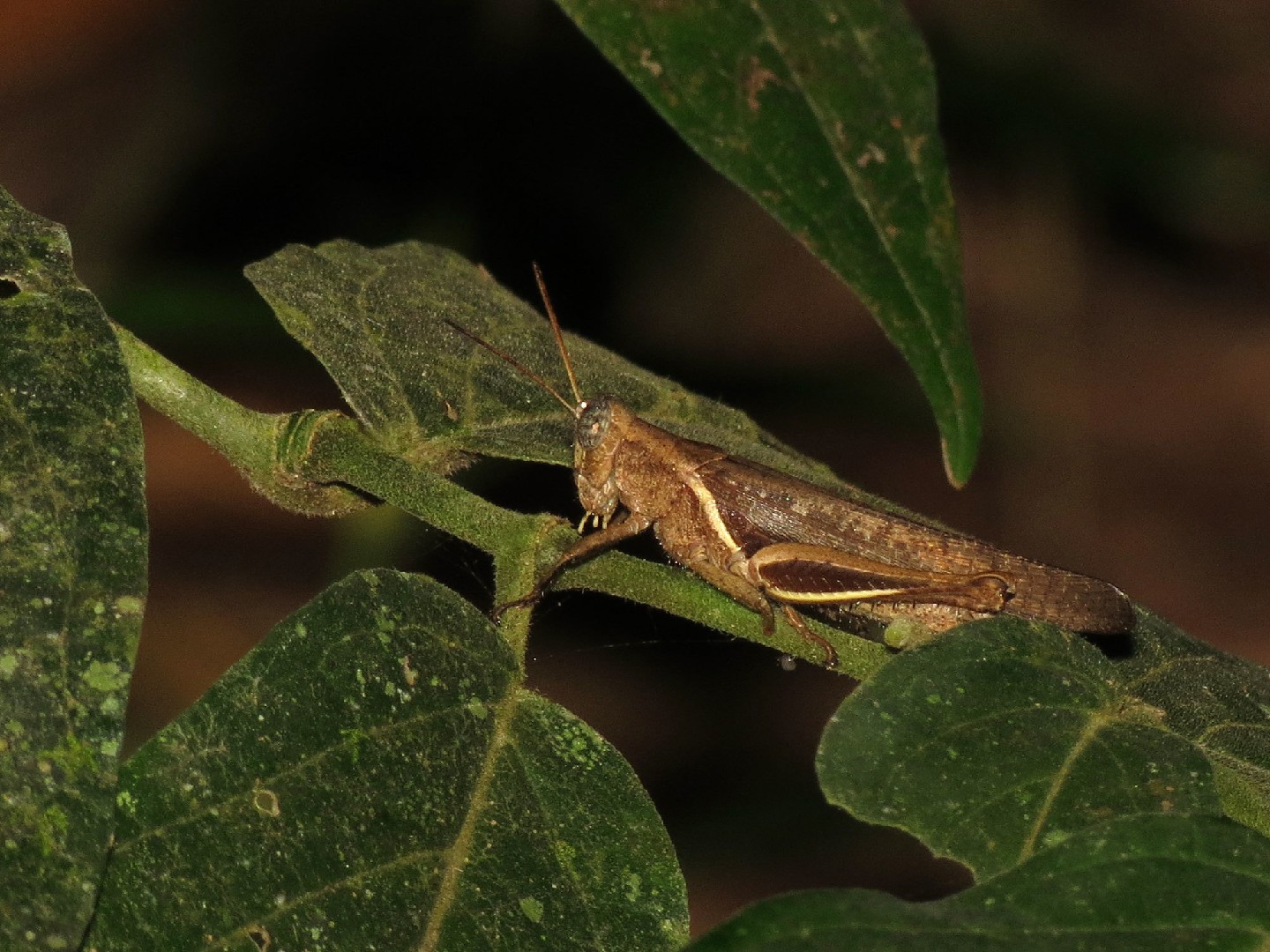
7. Abracris flavolineata
Abracris flavolineata is a right-winged insect from the family locusts (Acrididae). The scientific name of this species was first validly published in 1773 by De Geer.
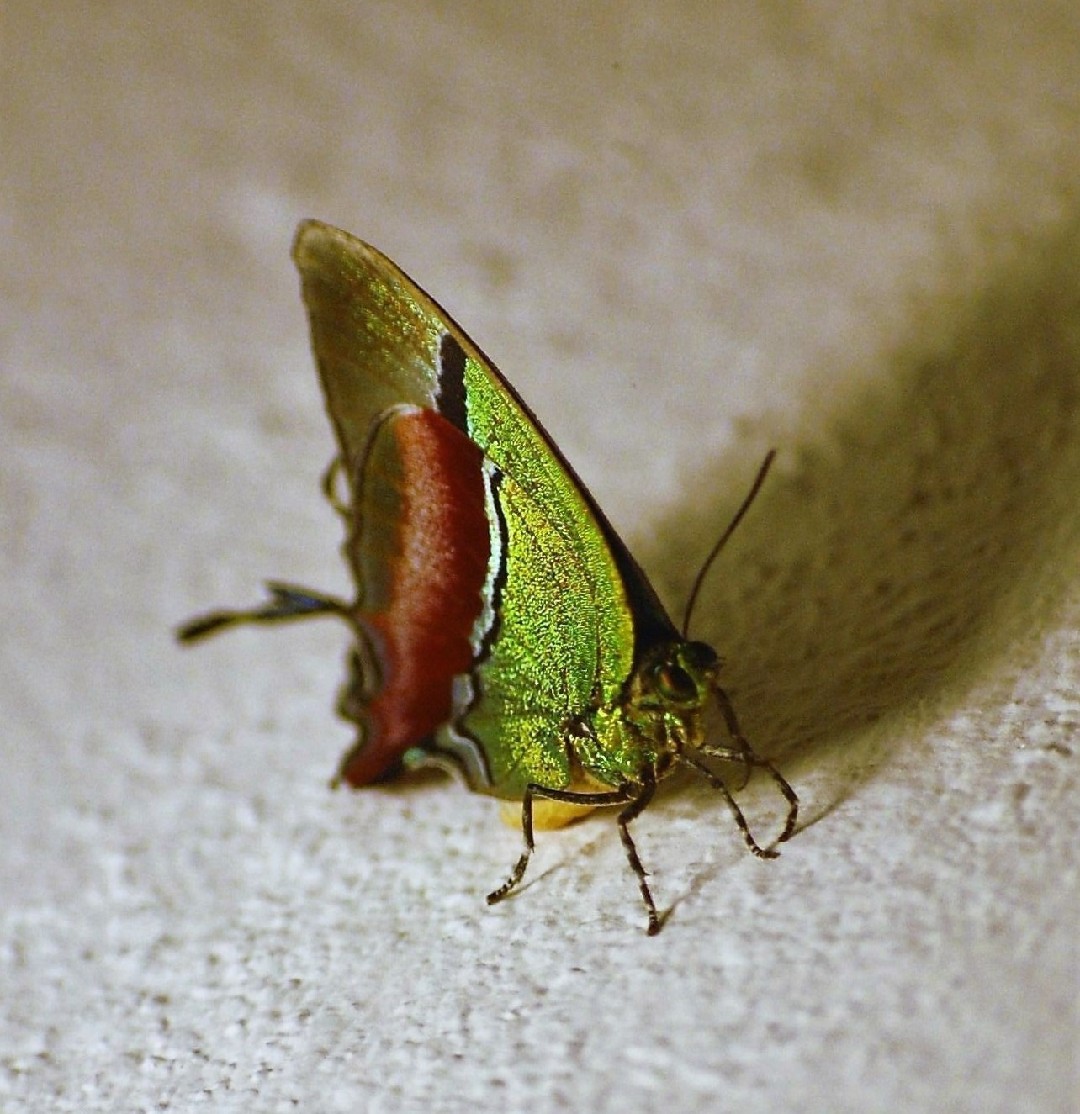
8. Regal hairstreak
Evenus regalis is a butterfly from the Lycaenidae family. The scientific name of the species was first validly published in 1779 by Cramer.
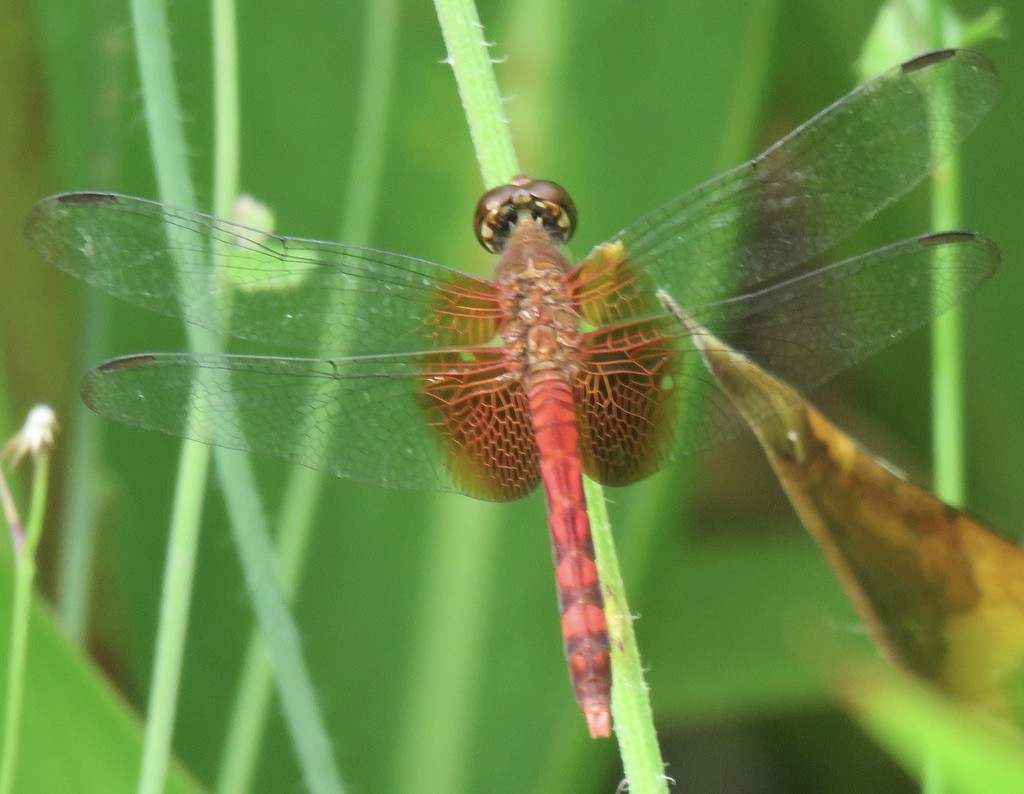
9. Red-mantled dragonlet
Erythrodiplax fervida is a species of skimmer in the dragonfly family Libellulidae. It is found in the Caribbean Sea and South America. The IUCN conservation status of Erythrodiplax fervida is "LC", least concern, with no immediate threat to the species' survival. The population is stable. The IUCN status was reviewed in 2017. 
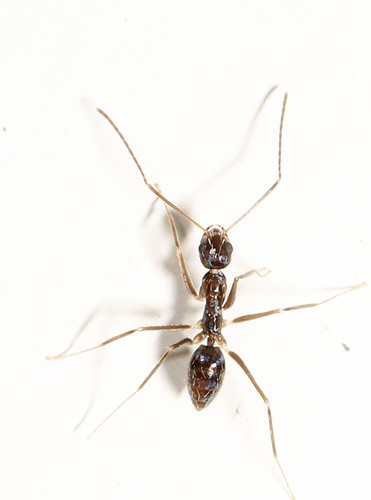
10. Longhorn Crazy Ant
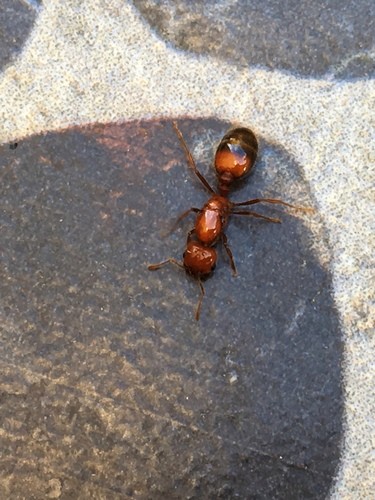
The longhorn Crazy Ant (Paratrechina longicornis) has earned its name through two interesting features. First, the "longhorn" part of their name comes from the 12-segmented antennae, which is incredibly long. The "crazy" part of its name comes from its rebellious nature to move in erratic patterns. Other ants tend to stay in more orderly patterns.

More