




Top 12 Most Common Insects in Sucre
Insects, renowned for their diversity and adaptability, make their homes in virtually every corner of Sucre, shaping the landscape and ecology in fascinating ways. Geographic variations across Sucre influence insect biodiversity, causing different species to thrive in different areas. From pollinators to pests, insects play crucial roles in our ecosystem. Stay tuned as we reveal 12 of the most common insects you may encounter in Sucre.

Most Common Insects
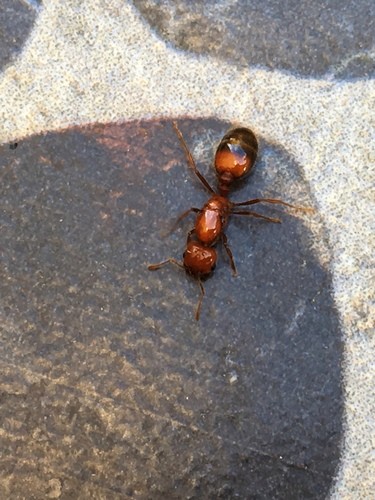
1. Fire ant
Solenopsis geminata is an ant species from the Myrmicinae subfamily. The scientific name of the species was first validly published in 1804 by Fabricius.
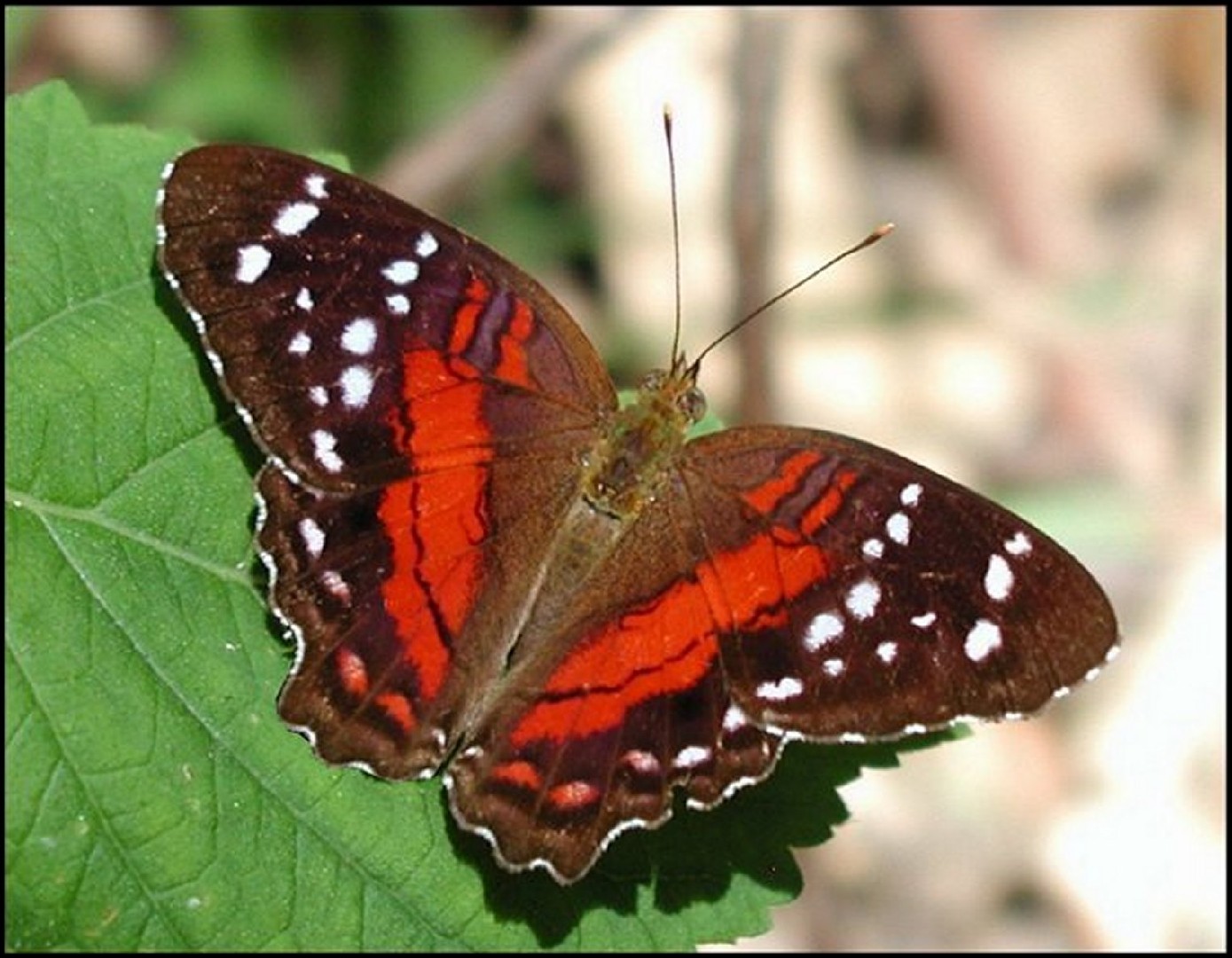
2. Scarlet peacock
Anartia amathea is a butterfly of the family Nymphalidae. In addition to A. amathea amathea there are the subspecies A. amathea thyamis and A. amathea sticheli. The species is represented in the tropical areas of Latin America and the offshore islands, such as Trinidad.
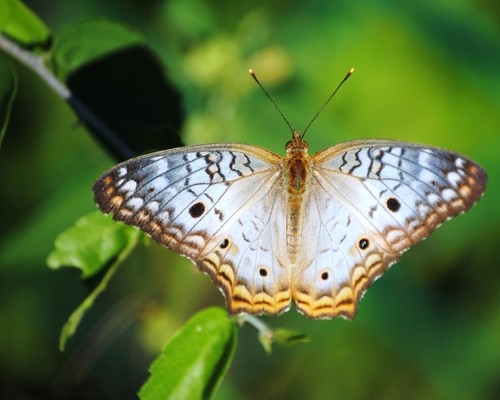
3. White peacock
The wingspan of the moths is 51 to 70 millimeters. The basic color is whitish. On the forewings there is a black, circular spot near the inner angle. At the front edge, two to three oblong, yellow-brown spots stand out. The Submarginalregion is also yellow-brown colored and crossed by dark lines. On the hind wings are two more small, black, circular spots near the tawny and dark-colored submarginal region. A short tail is more or less strong. The wing underside shows similar drawing elements as the top, but these are paler and weaker pronounced.
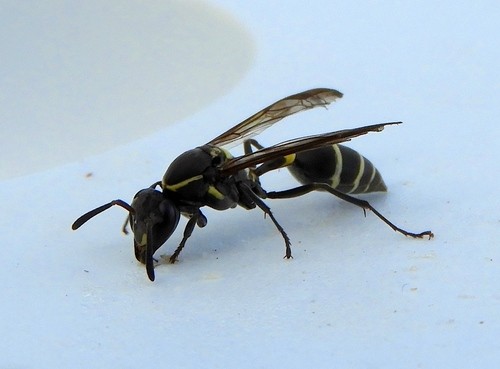
4. Yellow-banded polybia wasp
The yellow-banded polybia wasp (Polybia occidentalis) can be identified with their yellow bands, like most wasps. These are unique in the fact that they are swarm founders, which means that they will start a nest in swarms. They are also known to communicate with each other by biting each other, which would not be socially acceptable for most humans.
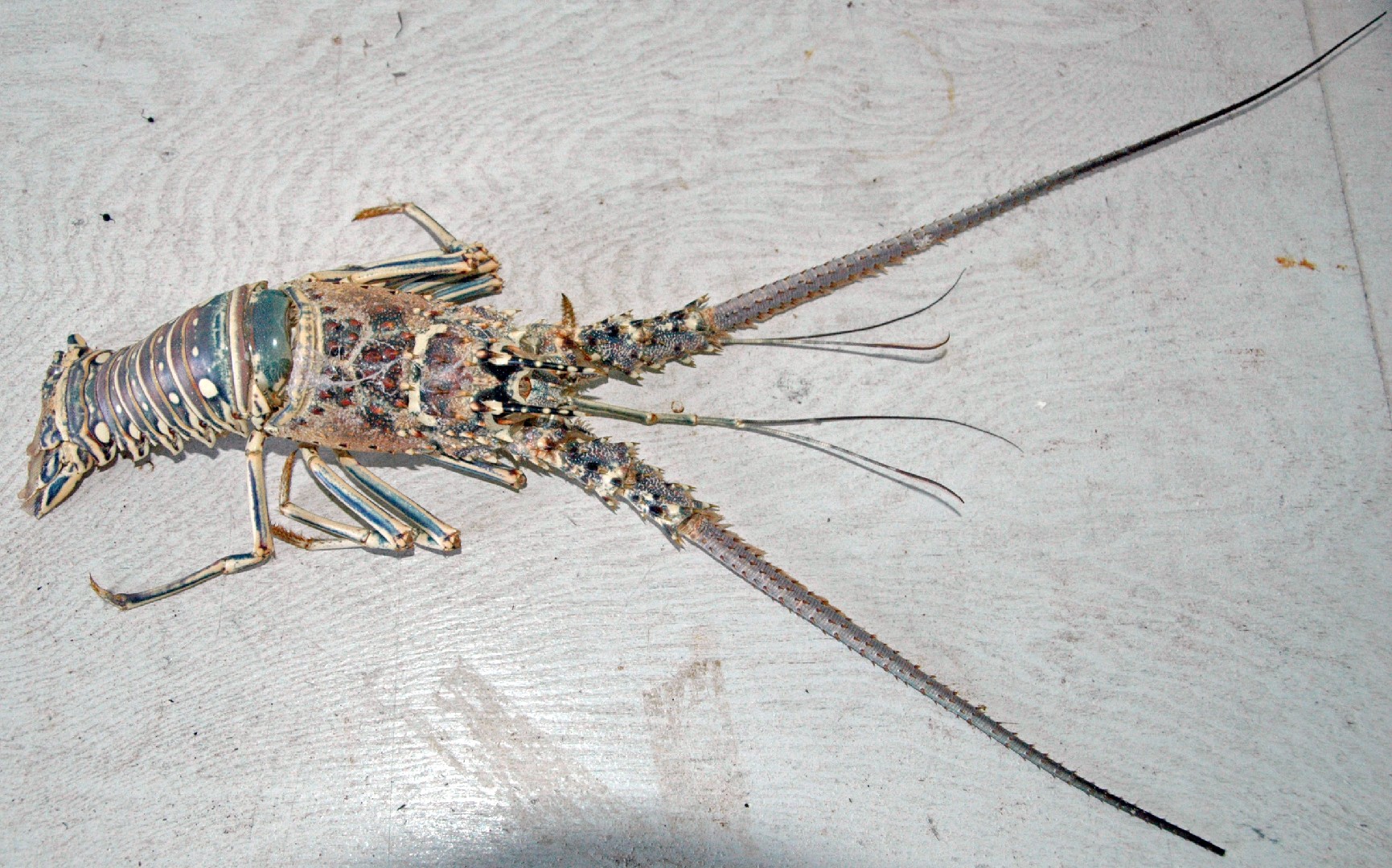
5. Caribbean spiny lobster
Caribbean spiny lobster (Panulirus argus) is a crustacean found in reefs and mangrove swamps in the western Atlantic Ocean. It is the most commonly harvested Panulirus species in the Caribbean region, highly valued for its meat. It is nocturnal and lives a relatively secluded lifestyle hiding in various shelters. Still, odd migrations of hundreds of individuals lined up and marching on the seafloor happen from time to time near Florida and the Bahamas.
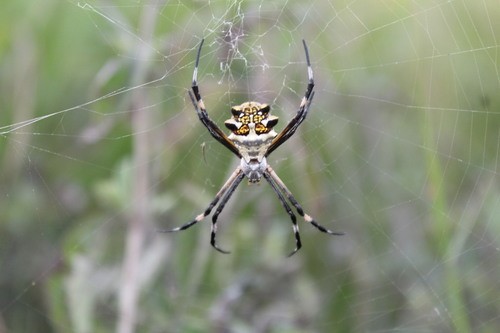
6. Silver argiope
The silver argiope (Argiope argentata) often creates unique zigzag patterns on its webs. It's usually found in warm, dry areas, especially on cacti and aloe vera plants. The females are much larger than males. They can bite and cause irritation to the skin, but the damage won't be life-threatening.
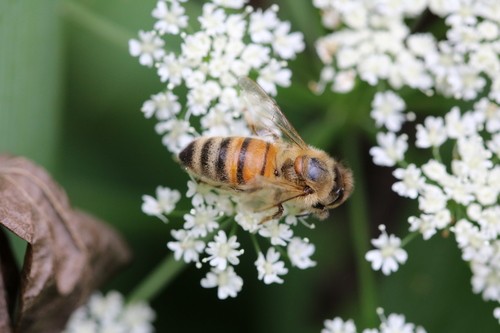
7. Western honey bee
Western honey bee(Apis mellifera) is the most common species of honeybee in the world. Among the first domesticated insects, its cultural and economic impact on humanity has been vast and far-reaching, providing honey, wax and its services as a pollinator. Western honey bee faces challenges worldwide, such as colony collapse disorder, and populations are thought to be decreasing.
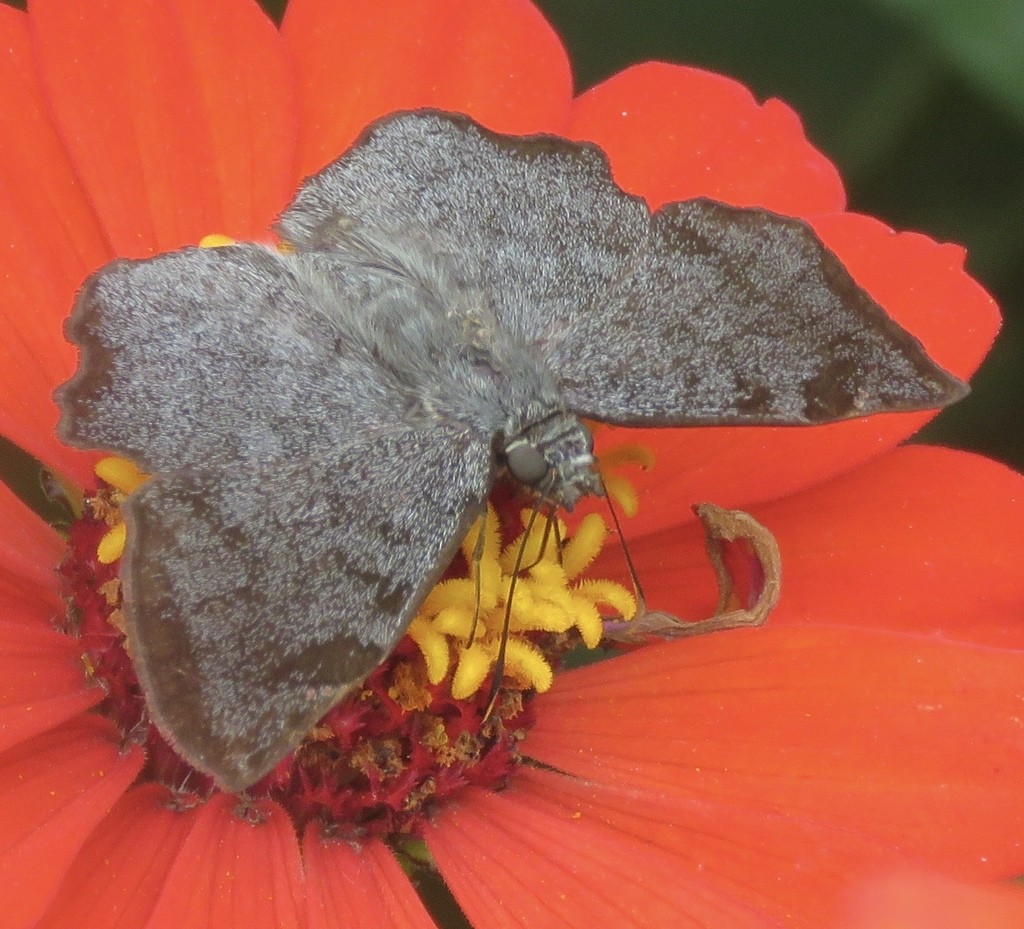
8. Common dusted spurwing

9. Lagocheirus araneiformis
Lagocheirus araneiformis can reach a length of 0.79–1.10 in. The basic coloration of these longhorn beetles is grey-brown. 
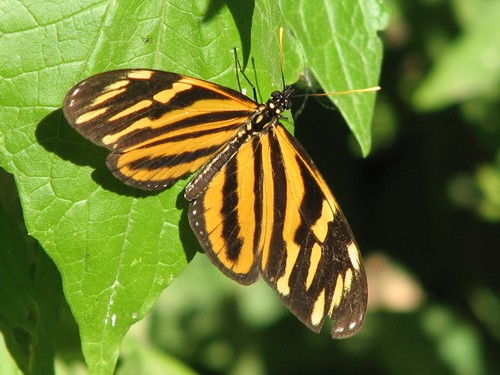
10. Isabella's longwing
Eueides isabella is a large butterfly with a wingspan of 7 - 9 cm. The uppersides of the wings is dark brown, with orange bands and yellowish markings on the edges of the forewings. The undersides of the wings are quite similar to the uppersides, but the edges of the hindwings show a series of small blue spots.

More







