




Top 20 Most Common Insects in Guanacaste
Insects, marvels of biodiversity adorned with unique attributes and adapted to a variety of habitats, reside in every corner of Guanacaste. Geographic diversity, spanning from sunny coastal plains to dense rainforests, multiplies insect variety in Guanacaste. Recognizing their crucial role in nature, from pollinators to pests, is central in understanding the harmony between insect life and Guanacaste's diverse landscapes. Let's explore the 20 most common insects that encompass Guanacaste's eco-system complexity.

Most Common Insects
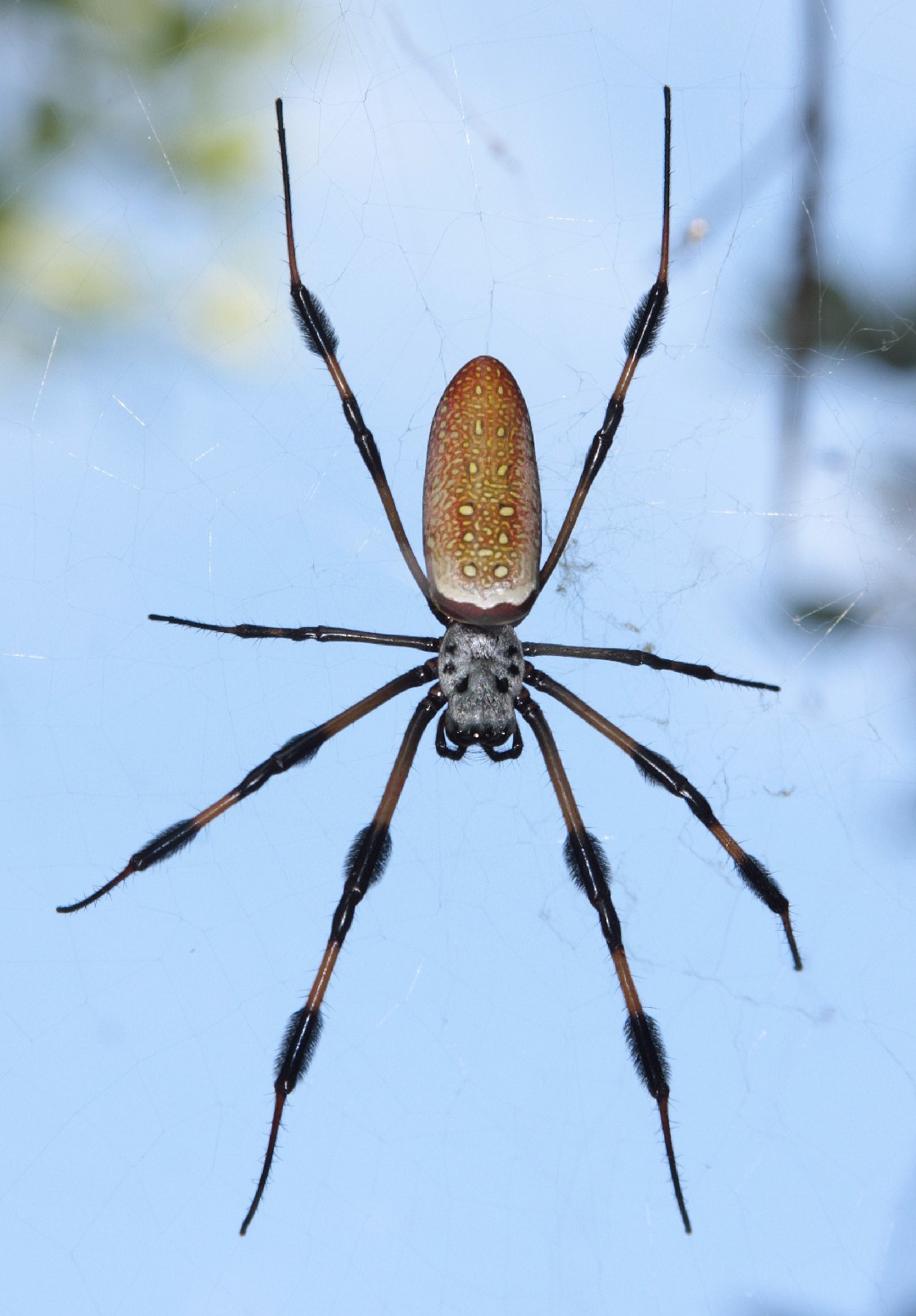
1. Banana spider
The banana spider (Nephila clavipes) is called that because it is commonly found in banana shipments leading from South America. There are many spiders that fit this category (often found in banana shipments), so this one is also called the Golden silk orb-weaver to distinguish them. This name is more related to the strength of its silk, which is stronger than steel based on tensile strength.
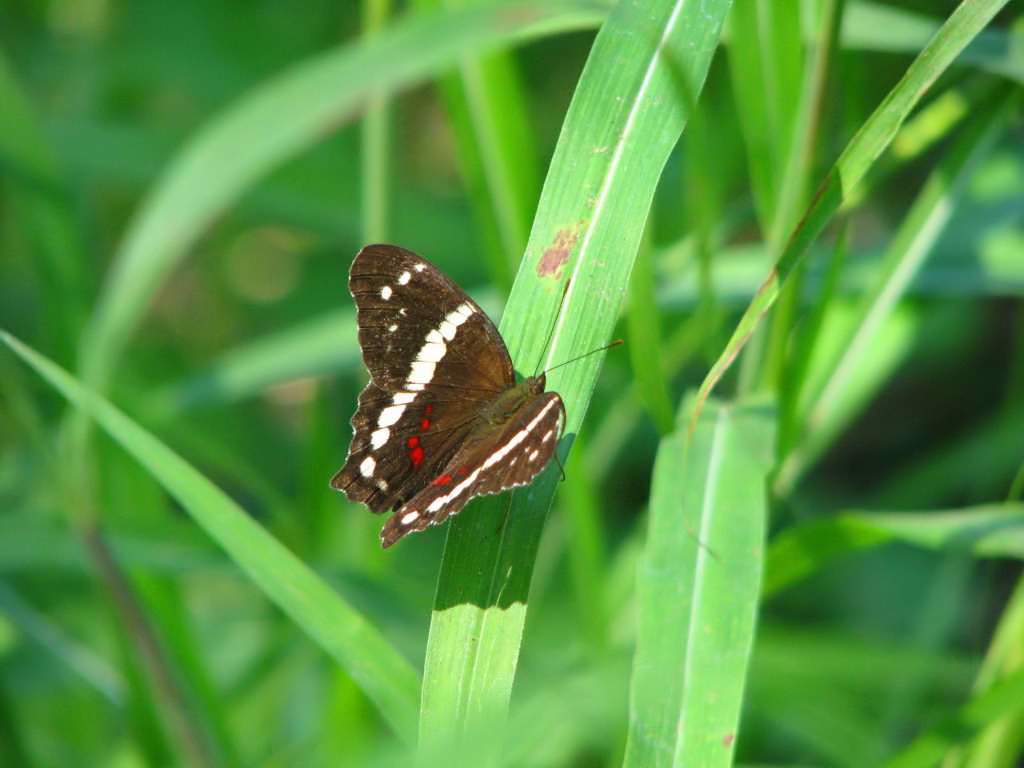
2. Banded peacock
The wingspan of the moths is 60 to 70 millimeters. The basic color of the wings is black-brown to black. On the front wing top, a white, sometimes yellowish bandage extends through the Diskalregion, which continues on the hind wings. Near the apex, some small whitish spots are highlighted. The hind wings show some striking red, sometimes orange spots. The tail at the Analwinkel are very short. All wing bottoms show similar drawing elements as the tops, but these are paler and weaker.
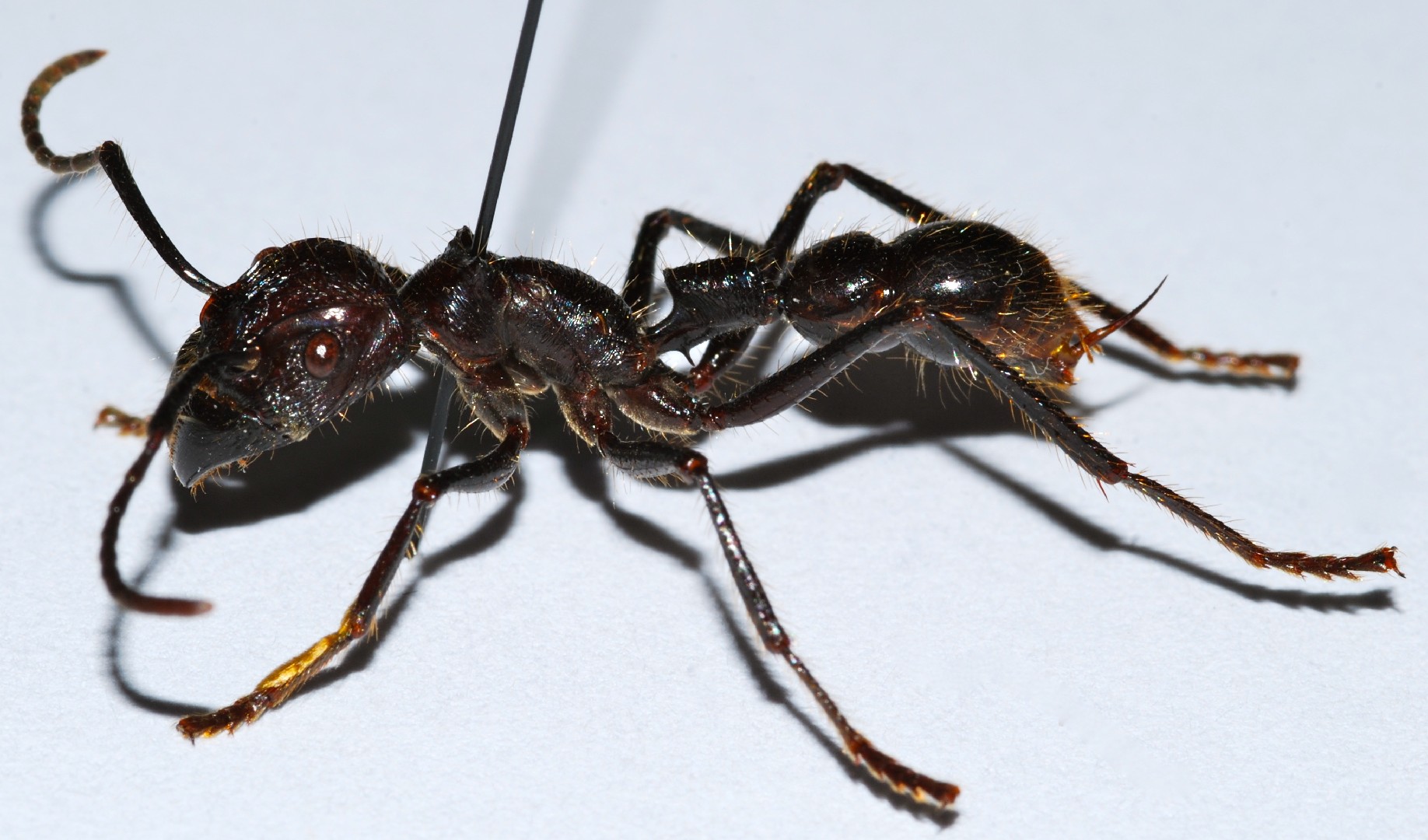
3. Bullet ant
Worker ants are 1.8 - 3 cm long and resemble stout, reddish-black, wingless wasps. 
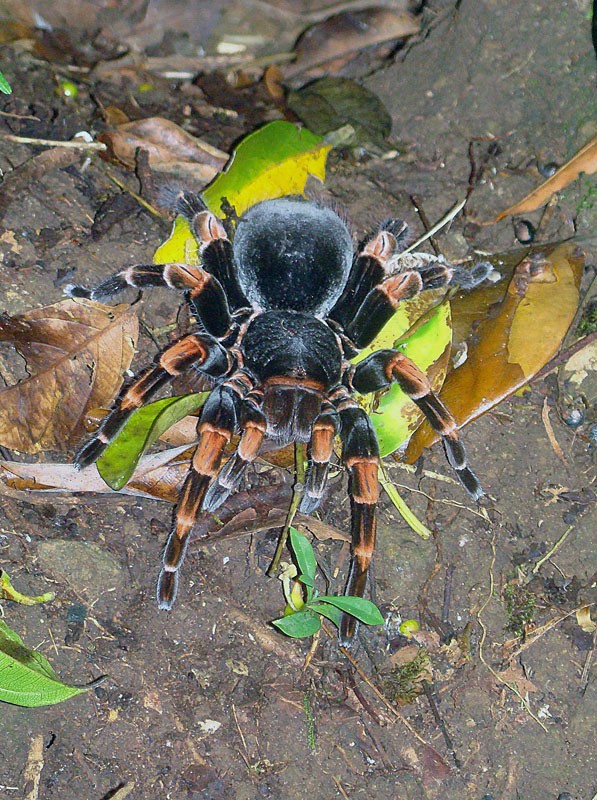
4. Costa Rican Redleg
The costa Rican Redleg (Megaphobema mesomelas) is a very distinct tarantula with red coloring leading along its black legs. They prefer tropical climates, much like people who take frequent vacations. Given their unique color scheme, they are fairly popular to keep as pets. They are part of a genus of tarantulas that are known for having strong third and fourth pairs of legs.
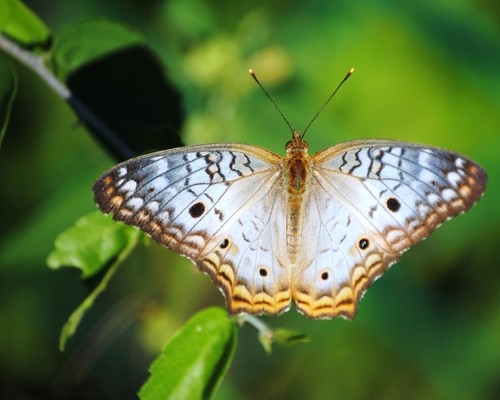
5. White peacock
The wingspan of the moths is 51 to 70 millimeters. The basic color is whitish. On the forewings there is a black, circular spot near the inner angle. At the front edge, two to three oblong, yellow-brown spots stand out. The Submarginalregion is also yellow-brown colored and crossed by dark lines. On the hind wings are two more small, black, circular spots near the tawny and dark-colored submarginal region. A short tail is more or less strong. The wing underside shows similar drawing elements as the top, but these are paler and weaker pronounced.
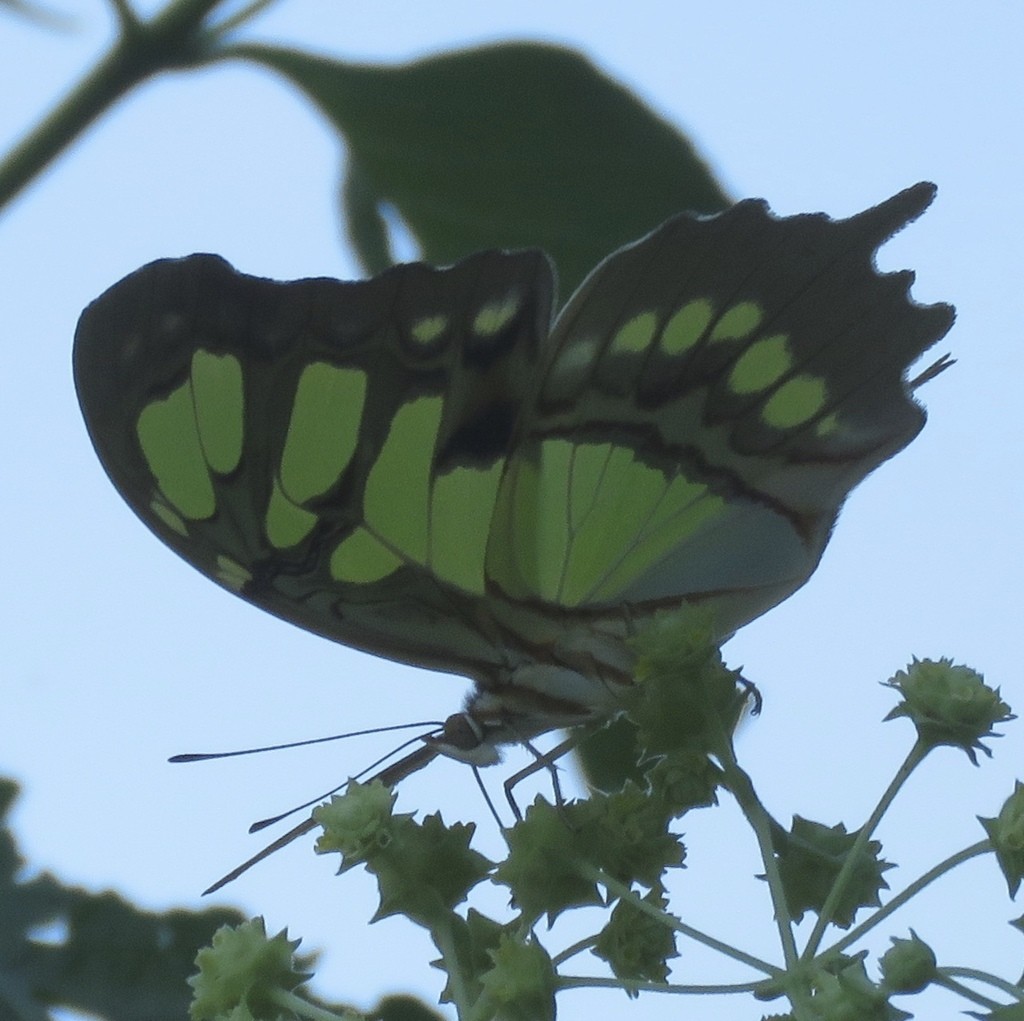
6. Malachite
Siproeta stelenes (malachite) is a Neotropical brush-footed butterfly (family Nymphalidae). The malachite has large wings that are black and brilliant green or yellow-green on the upperside and light brown and olive green on the underside. It is named for the mineral malachite, which is similar in color to the bright green on the butterfly's wings. Typically, the wingspread is between 8.5 and 10 cm (3.3 and 3.9 in). The malachite is found throughout Central and northern South America, where it is one of the most common butterfly species. Its distribution extends as far north as southern Texas and the tip of Florida, to Cuba as subspecies S. s. insularis (Holland, 1916), and S. s. biplagiata, and south to Brazil. Adults feed on flower nectar, rotting fruit, dead animals, and bat dung. Females lay eggs on the new leaves of plants in the family Acanthaceae, especially ruellia. The larvae are horned, spiny, black caterpillars with red markings, The pupa stage is green and have sharp, gold spines that can puncture predators. Malachites often are confused with Philaethria dido. They have similar coloration, but their wing shapes are different.
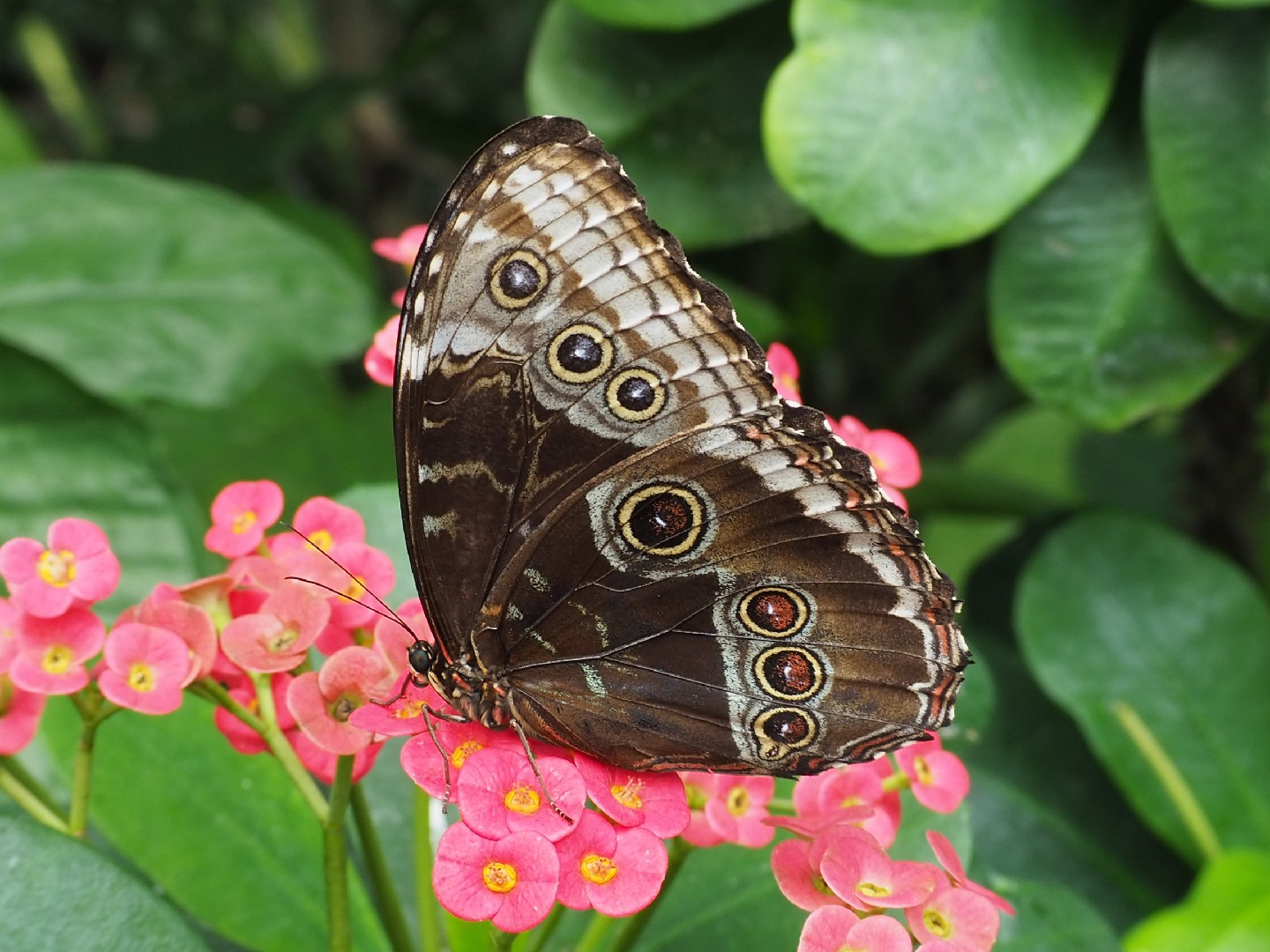
7. Common blue morpho
Morpho helenor, the Helenor blue morpho or common blue morpho, is a Neotropical butterfly found throughout Latin America, including Panama, El Salvador, Nicaragua, Costa Rica, Mexico, Suriname, French Guiana, Bolivia, Colombia, Peru, Ecuador, Venezuela, Honduras, Guatemala, Paraguay, Brazil, Argentina, and Trinidad and Tobago. It is a species group that may or may not be several species. Many subspecies have been described.
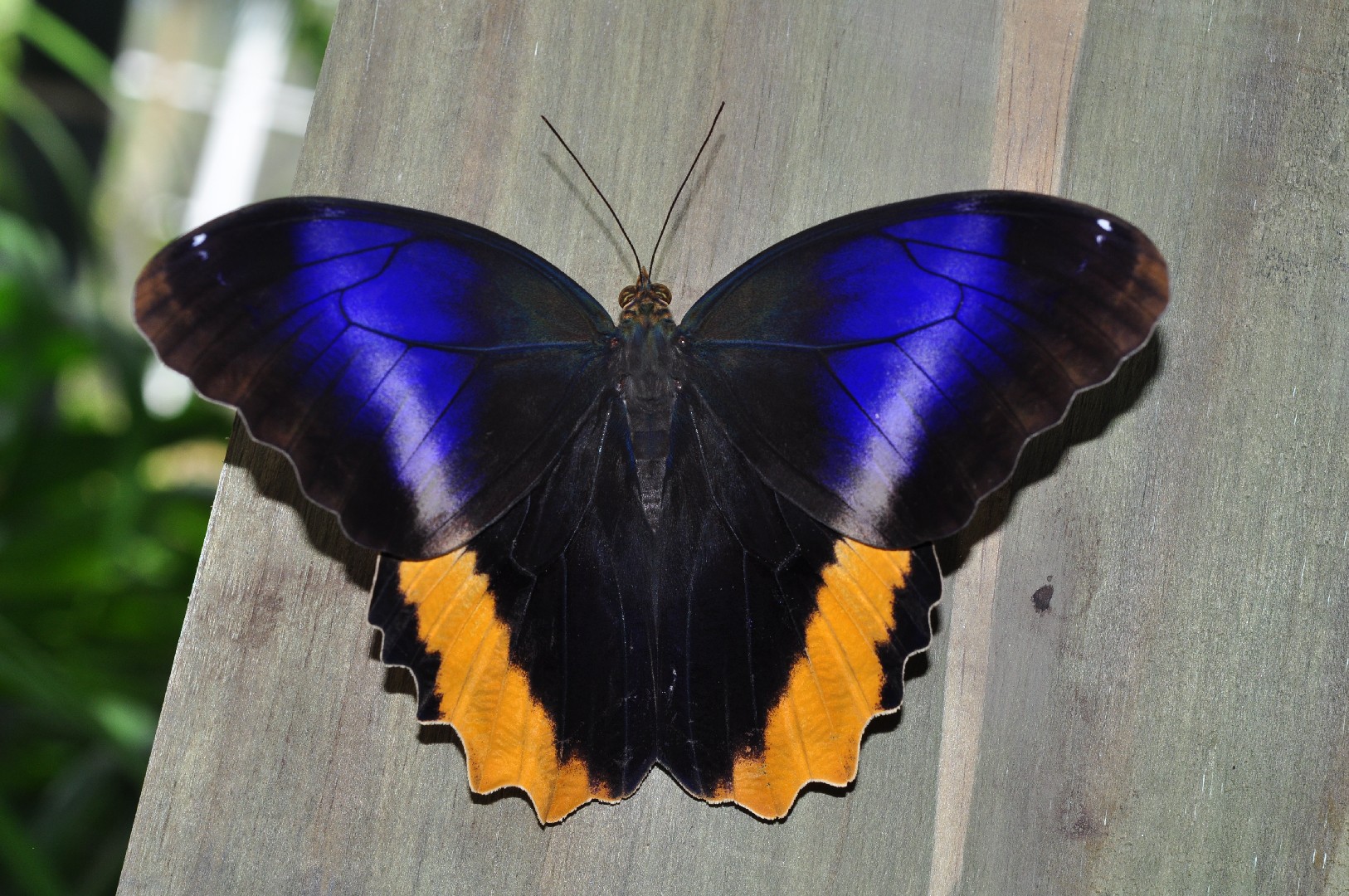
8. Yellow-edged giant owl
The yellow-edged giant owl (Caligo atreus) is a beautiful insect that earns its name with the yellow edging along with its wings. While it mostly feeds on rotting fruit juices, this insect is considered to be a pest wherever bananas are grown. Work is being done to find a biological control agent for this issue.
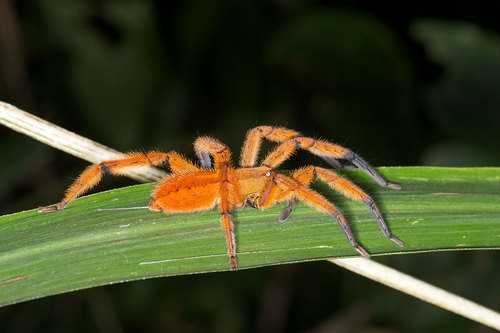
9. Spot-legged bromeliad spider
The hallmark of spot-legged bromeliad spider is its uncanny knack for selecting unique habitats, primarily in bromeliad plants. This meticulous insect redefines the survival tactics of its peers by concealing itself within the plants as an effective defense mechanism against predators. Furthermore, spot-legged bromeliad spider adds intrigue through its unconventional hunting strategy, utilizing the water pools within bromeliads to suffocate its prey before consumption.
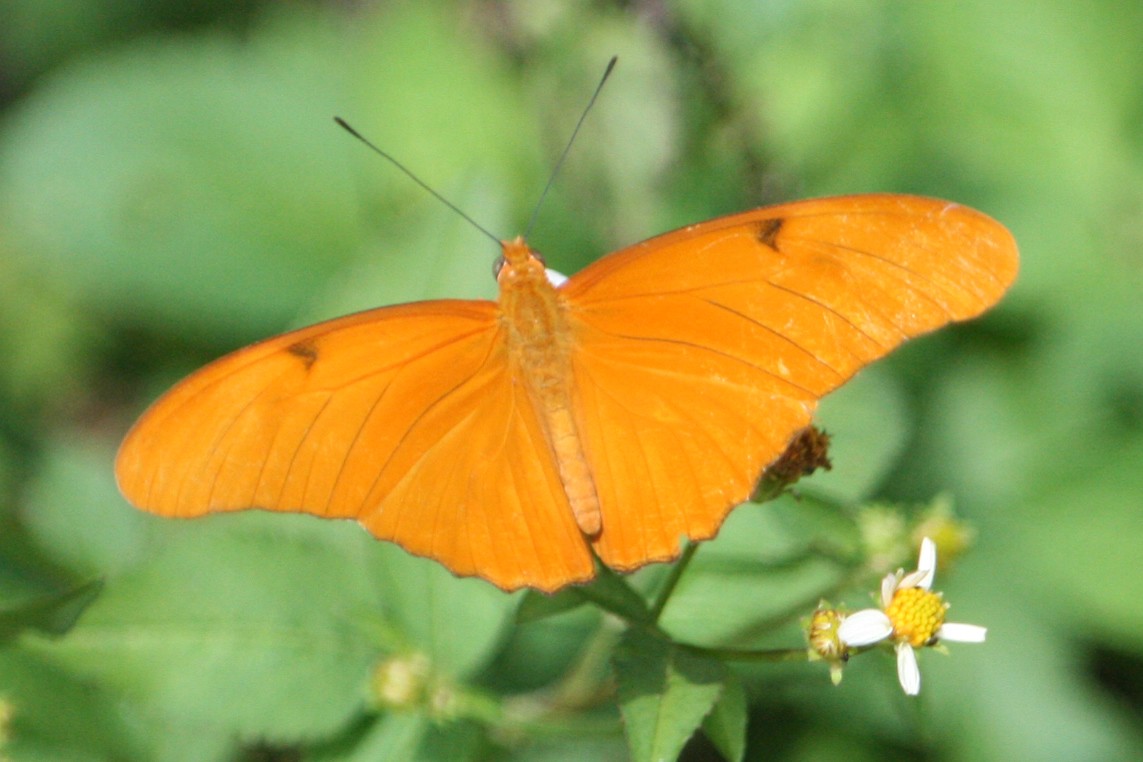
10. Julia heliconian
The julia heliconian feeds on nectar, with the passionfruit vine being a common host plant. The males will suck fluid from mud and decomposing plant matter to gain essential minerals, and they sometimes irritate the eyes of caimans and turtles in order to suck the tears they produce.

More