




Top 17 Most Common Insects in Jarabacoa
Insects, teeming with diversity, play a fundamental roles within Jarabacoa's varied ecosystem - from pest control to pollination. In the stunning landscape of Cibao Sur, geographical differences nurture a rich spectrum of these creatures. For instance, the top 17 most common insects vary significantly across the region. Observing these insects offers fascinating insights into the intricate web of life in Jarabacoa, underscored by both beneficial insects and pests alike.

Most Common Insects
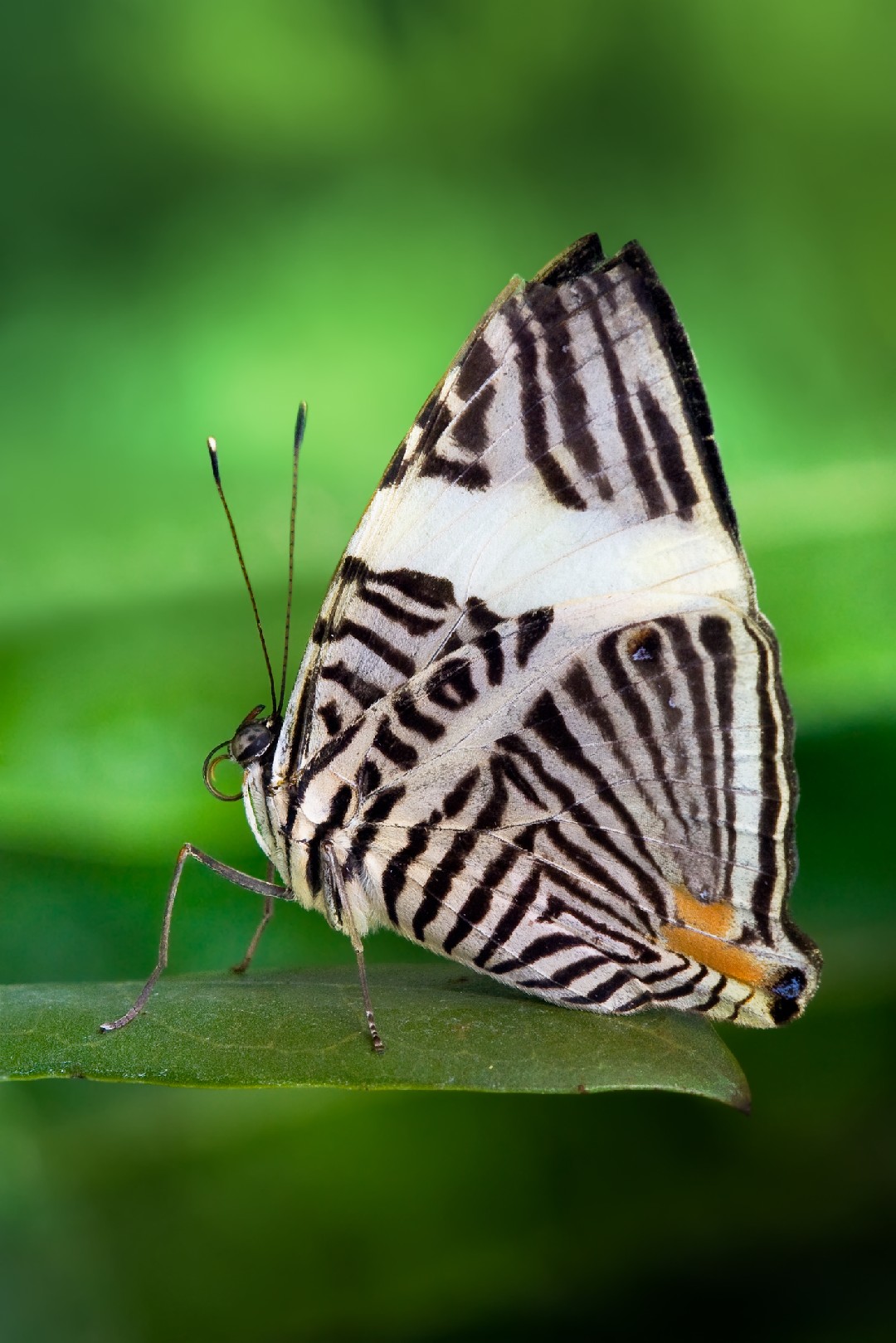
1. Dirce beauty
The length of the forewings is about 3.5 cm. 
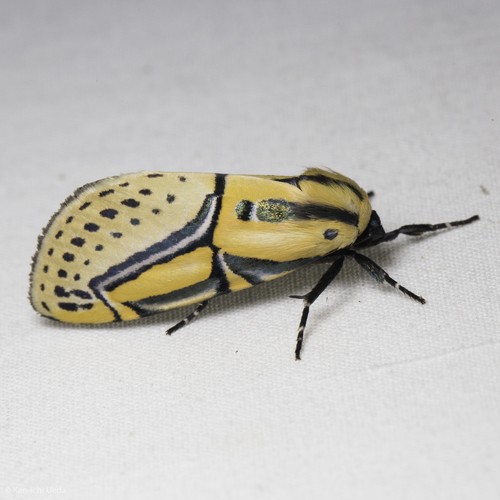
2. Hieroglyphic moth
Diphthera festiva is a butterfly from the spider owls family (Erebidae). The scientific name of the species was first validly published in 1775 by Fabricius.
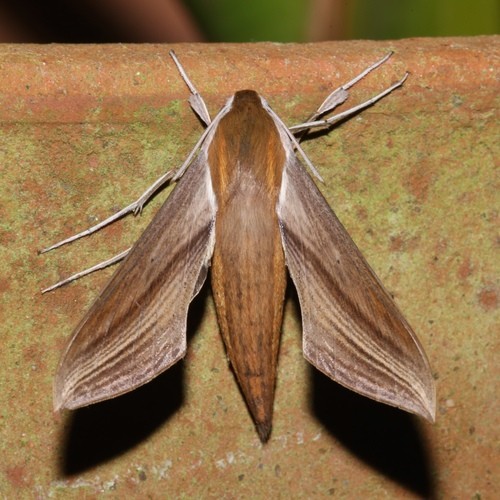
3. Tersa sphinx
The tersa sphinx (Xylophanes tersa) has stiff wings that make it resemble a small bird. The adults might seem intimidating because their abdomen comes to a sharp point, but they have no stinger and are harmless to humans. The larvae are typically a bright green color or brown color with eye-spots, much different than the dull brown color of the adults.
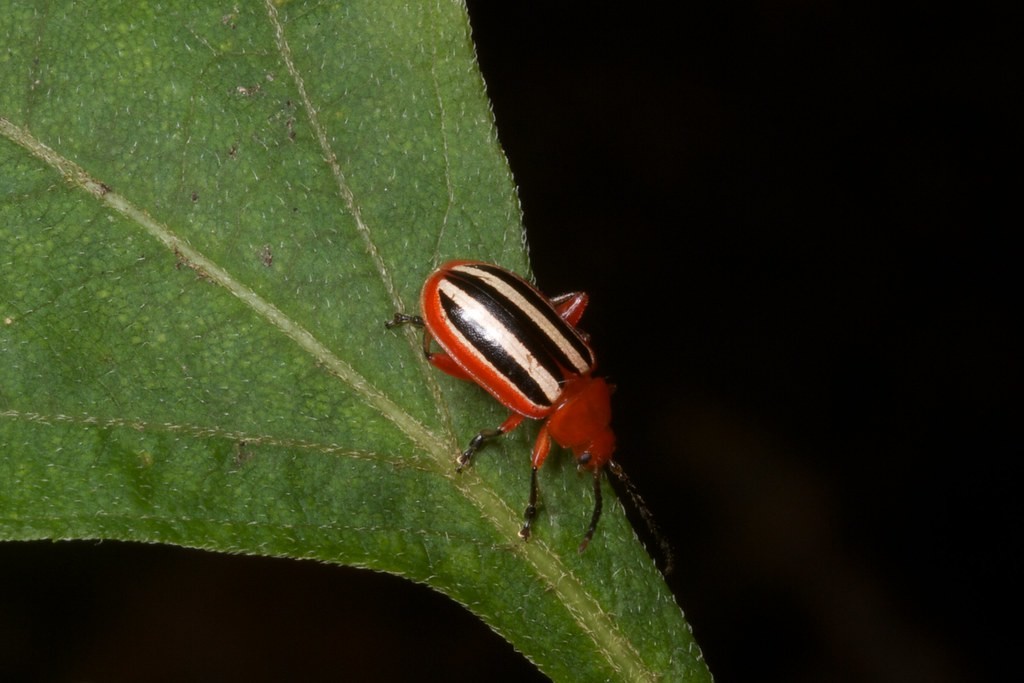
4. Disonycha leptolineata
Disonycha leptolineata is a species of flea beetle in the family Chrysomelidae. It is found in the Caribbean Sea, Central America, and North America.
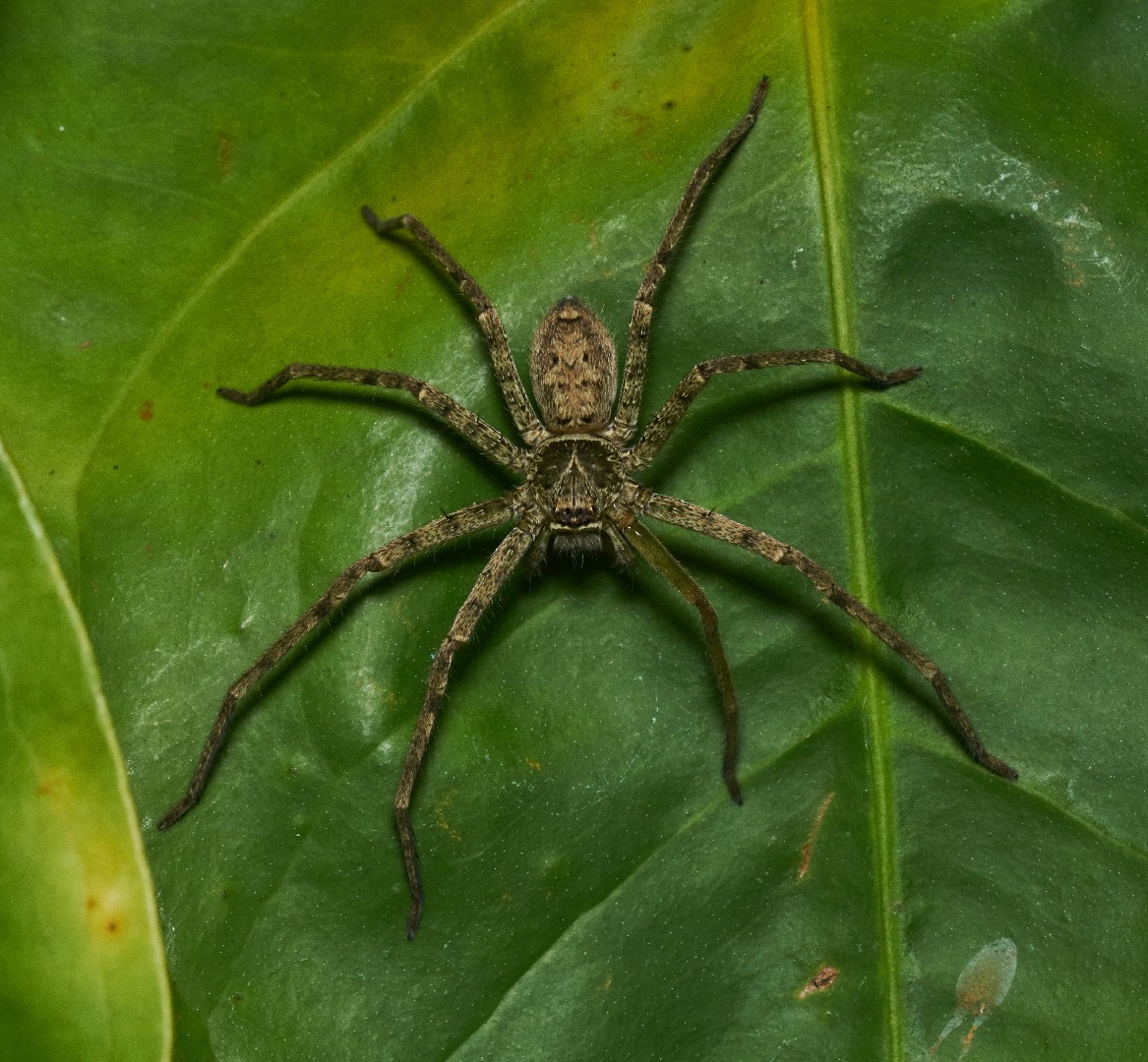
5. Giant Crab Spider
The giant Crab Spider is a large spider native to the tropics; the largest reported individual had a leg span of 30 cm. This cosmopolitan spider is highly valued in some areas, as it's able to catch cockroaches and other indoor pests. Reportedly, it hunts even scorpions and bats. This spider is venomous and sometimes bites humans, but it's considered harmless.
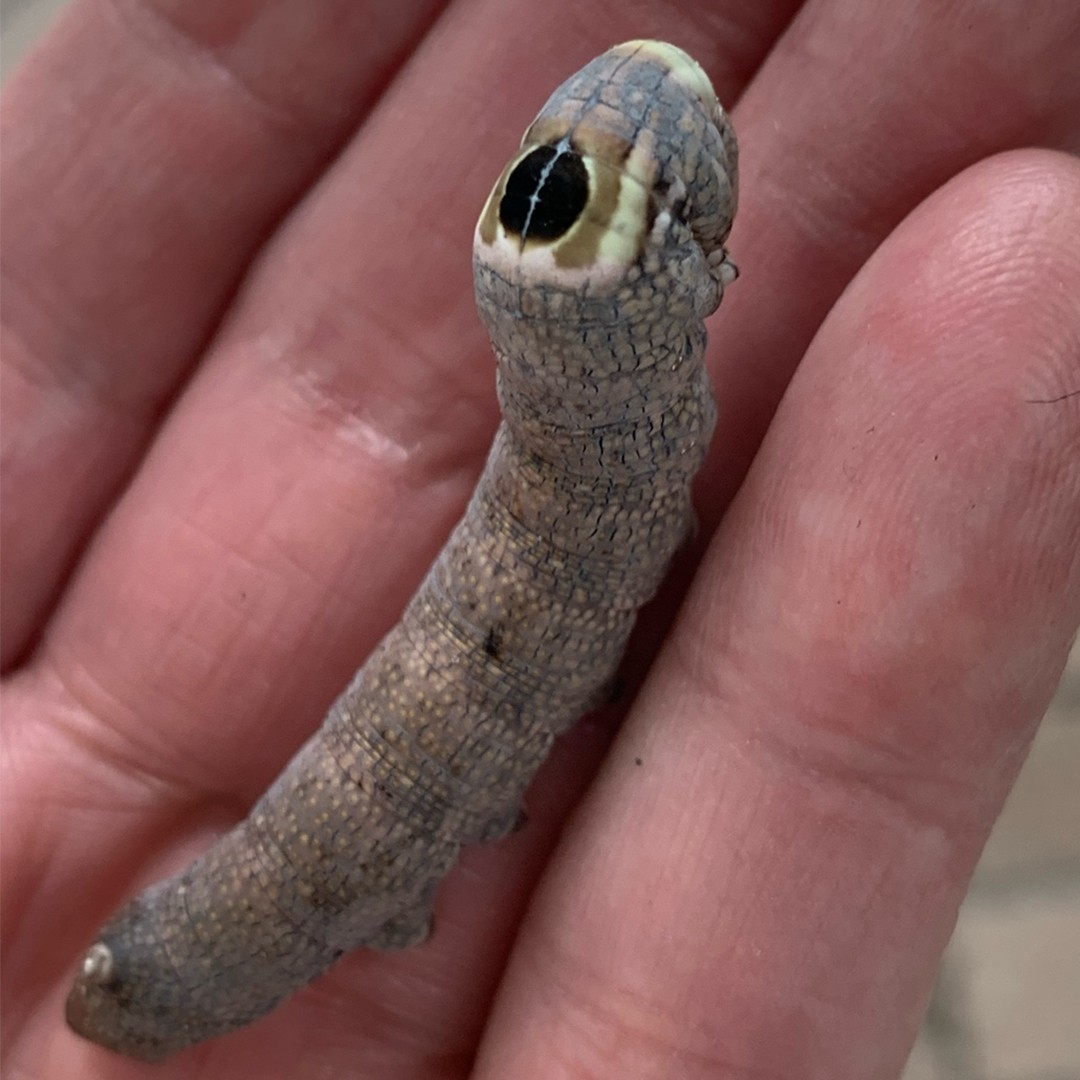
6. Ello sphinx
Erinnyis ello, the ello sphinx, is a moth of the family Sphingidae. The species was first described by Carl Linnaeus in his 1758 10th edition of Systema Naturae. It is distributed from Argentina through Central America to the United States as far north as Nevada. The wingspan is 75–85 mm. The abdomen has gray and black bands. The forewing upperside of the female is pale gray with a few dark dots near the outer margin, while the forewing upperside of the male is dark gray and brown with a black band running from the base to the tip. In both sexes, the hindwing upperside is orange with a wide black border. Adults are on wing year-round in the tropics and southern Florida. Adults feed on the nectar of flowers, including common soapwort (Saponaria officinalis) and Chinese violet (Asystasia gangetica). The larva feeds on a variety of host plants, including papaya (Carica papaya) in the family Caricaceae; poinsettia (Euphorbia pulcherrima), Mexican jumping bean (Sebastiania pavoniana), Cnidoscolus urens, and cassava (Manihot esculenta) in the Euphorbiaceae; guavas (Psidium spp.) in the Myrtaceae; and saffron plum (Sideroxylon celastrinum) in the Sapotaceae. The ello sphinx can be parasitized by the braconid wasp Microplitis figueresi.
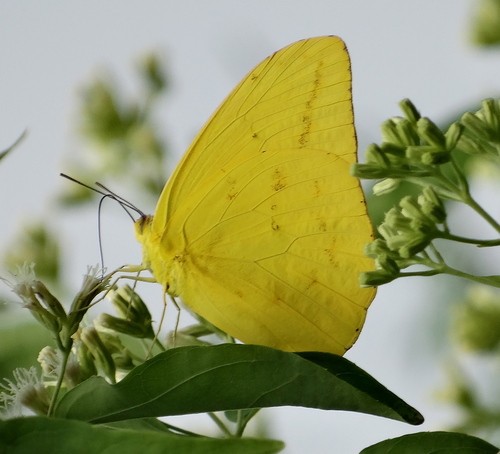
7. Large orange sulphur
The wingspan is 6 - 9 cm. The upper surface of the males is bright orange without markings. There are two female forms, a pink-white and yellow-orange form. The underside of the forewings of both sexes has a straight submarginal line. There are two seasonal forms: the winter form has heavier underside markings.
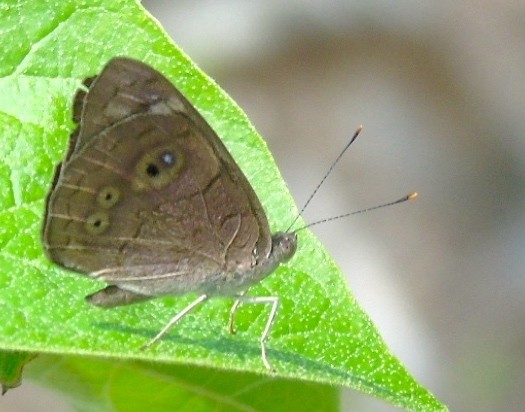
8. Dingy purplewing
Eunica monima is a butterfly of the Nymphalidae family. The scientific name of the species was first validly published in 1782 by Pieter Cramer.
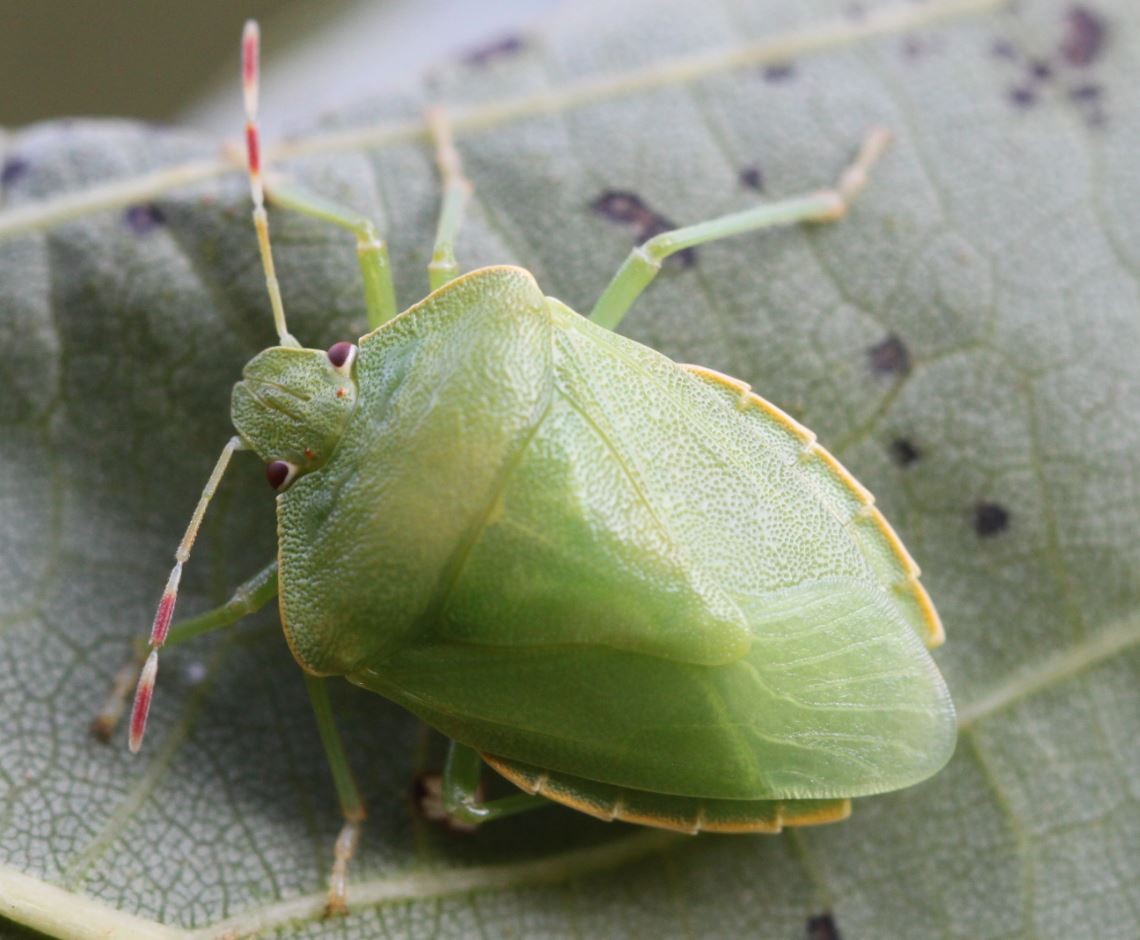
9. Southern green shield bug
The southern green shield bug larvae molt five times before they reach their mature size. They are named for their unpleasant scent and are considered pests due to their preference for feeding on leguminous plants such as soybeans. Wasps and flies that parasitize the southern green shield bug are sometimes used as biological controls for its population.

10. Sphacelodes vulneraria
Sphacelodes vulneraria is a butterfly from the family of the spanners (Geometridae). The scientific name of the species was first validly published in 1823 by Hübner.


More







