




Top 13 Most Common Insects in Cuenca
Insects, with their myriad variety, are the unsung heroes in the natural tapestry of region Cuenca. Factors like elevation and vegetation can breed an impressive diversity of these critters. From playing crucial roles in pollination to pest management, the relationship between the local environment and its insect inhabitants unveils a complex web of ecological interdependence. Stay tuned for our ‘Top 13 most common insects in Cuenca' feature!

Most Common Insects
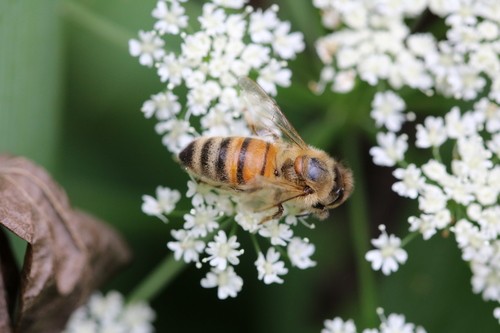
1. Western honey bee
Western honey bee(Apis mellifera) is the most common species of honeybee in the world. Among the first domesticated insects, its cultural and economic impact on humanity has been vast and far-reaching, providing honey, wax and its services as a pollinator. Western honey bee faces challenges worldwide, such as colony collapse disorder, and populations are thought to be decreasing.
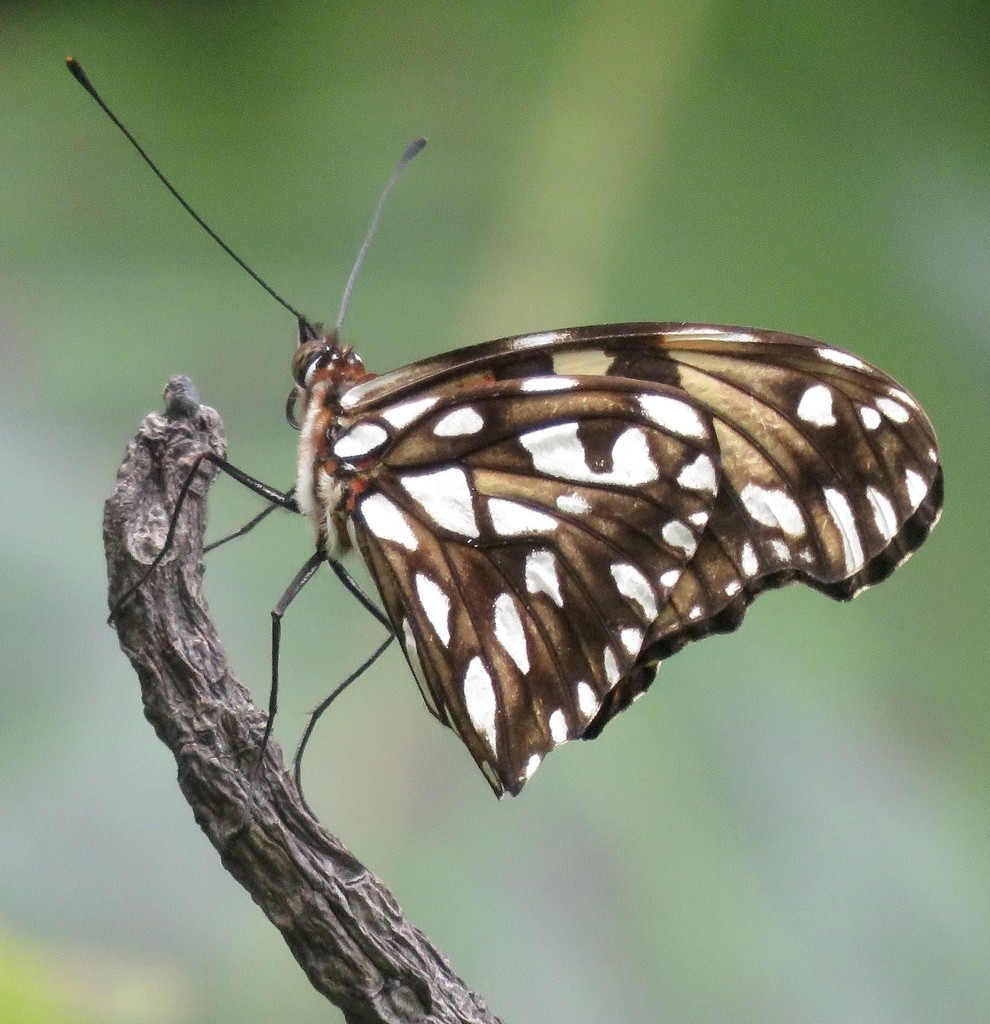
2. Juno longwing
Dione juno, the Juno silverspot, juno longwing, or Juno heliconian, is a species of butterfly of the subfamily Heliconiinae in the family Nymphalidae found from southern United States to South America. 
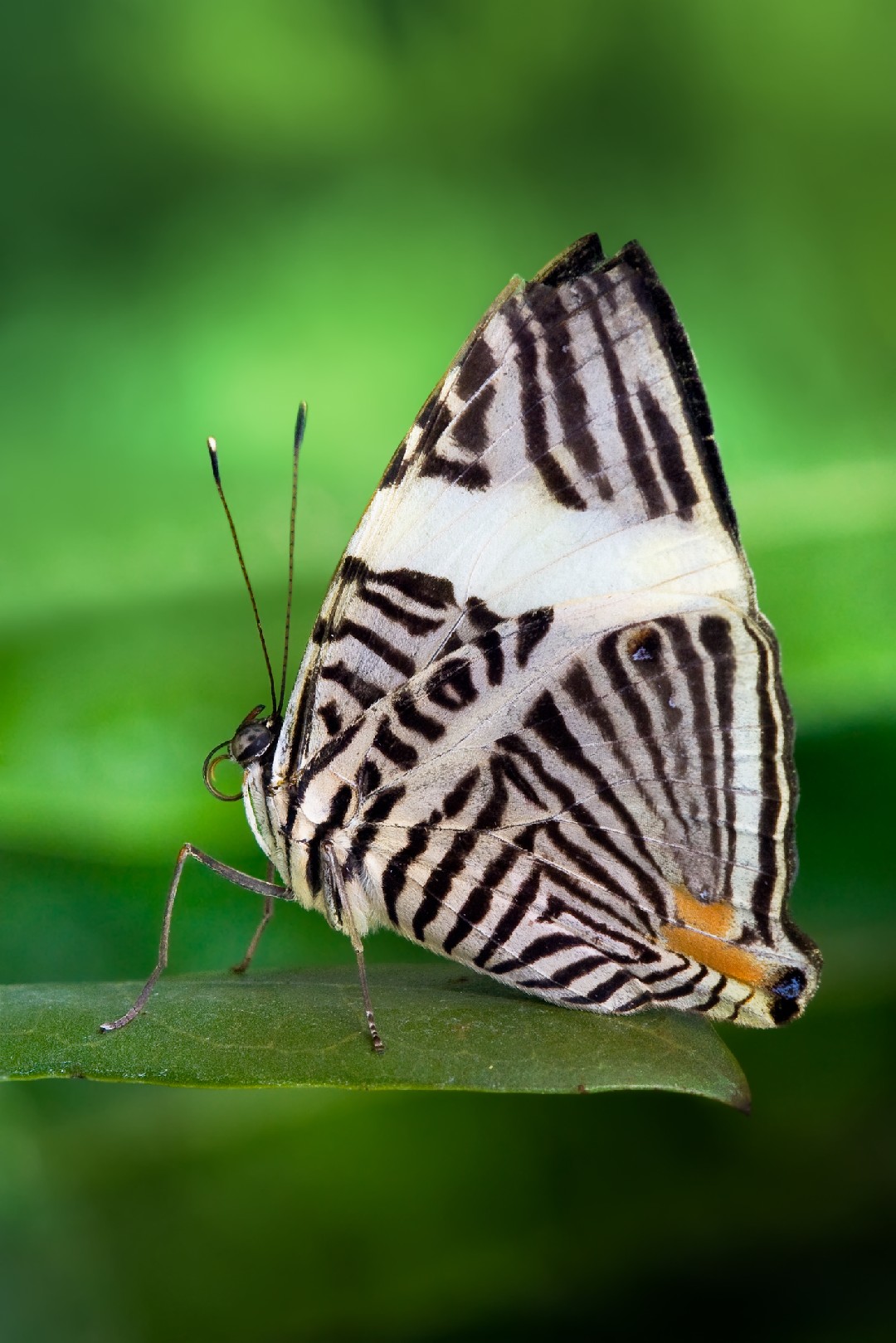
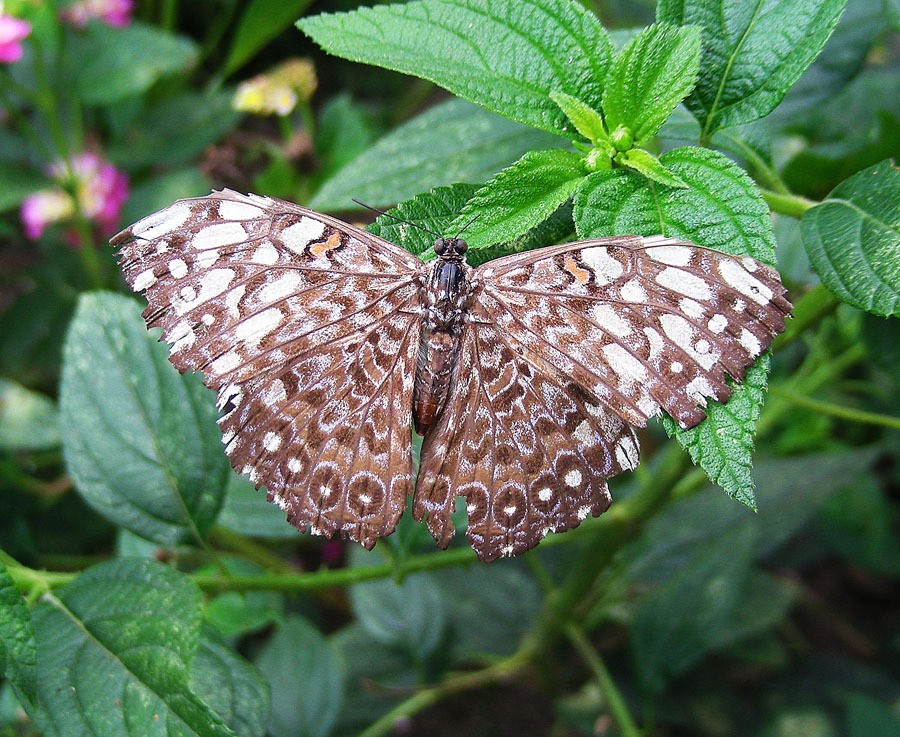
3. Dirce beauty
The length of the forewings is about 3.5 cm.
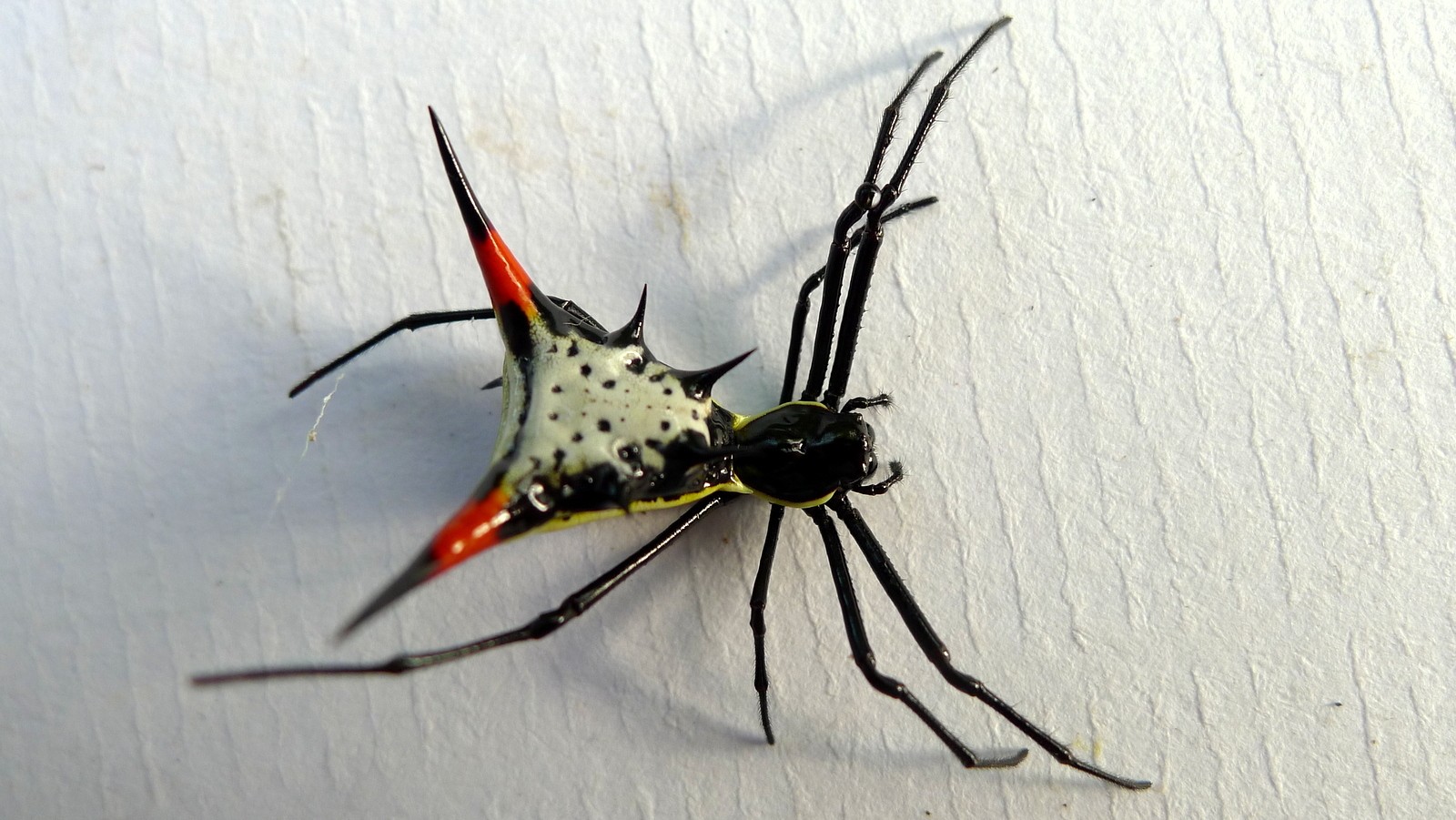
4. Amazon thorn spider
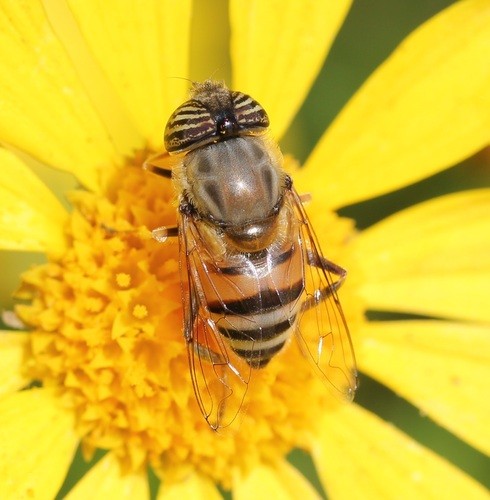
5. Band-eyed drone fly
Eristalinus taeniops can reach a length of 1.09 - 1.4 cm. These hoverflies exhibit a bee-like yellow-black drawing. The thorax has a metallic yellow-brown color and it is densely yellow hairy. Also the scutellum are yellow-brown colored. The abdomen is reddish-yellow, with transversal black bands. The compound eyes have five distinct, vertical, dark stripes. The wings are transparent, usually yellowish-brown at the base, while the halteres are brightly pale yellow colored.
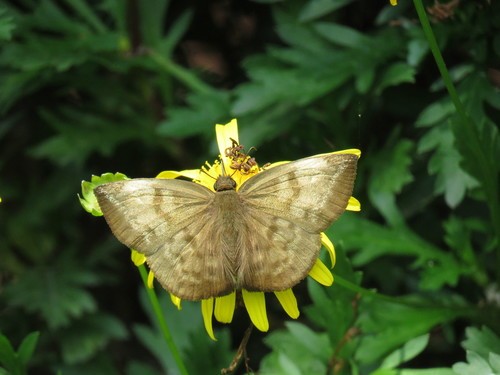
6. Pale sicklewing
Achlyodes pallida is a butterfly from the family of the Achlyodes pallida (Hesperiidae). The scientific name of the species was first validly published in 1869 by Felder.
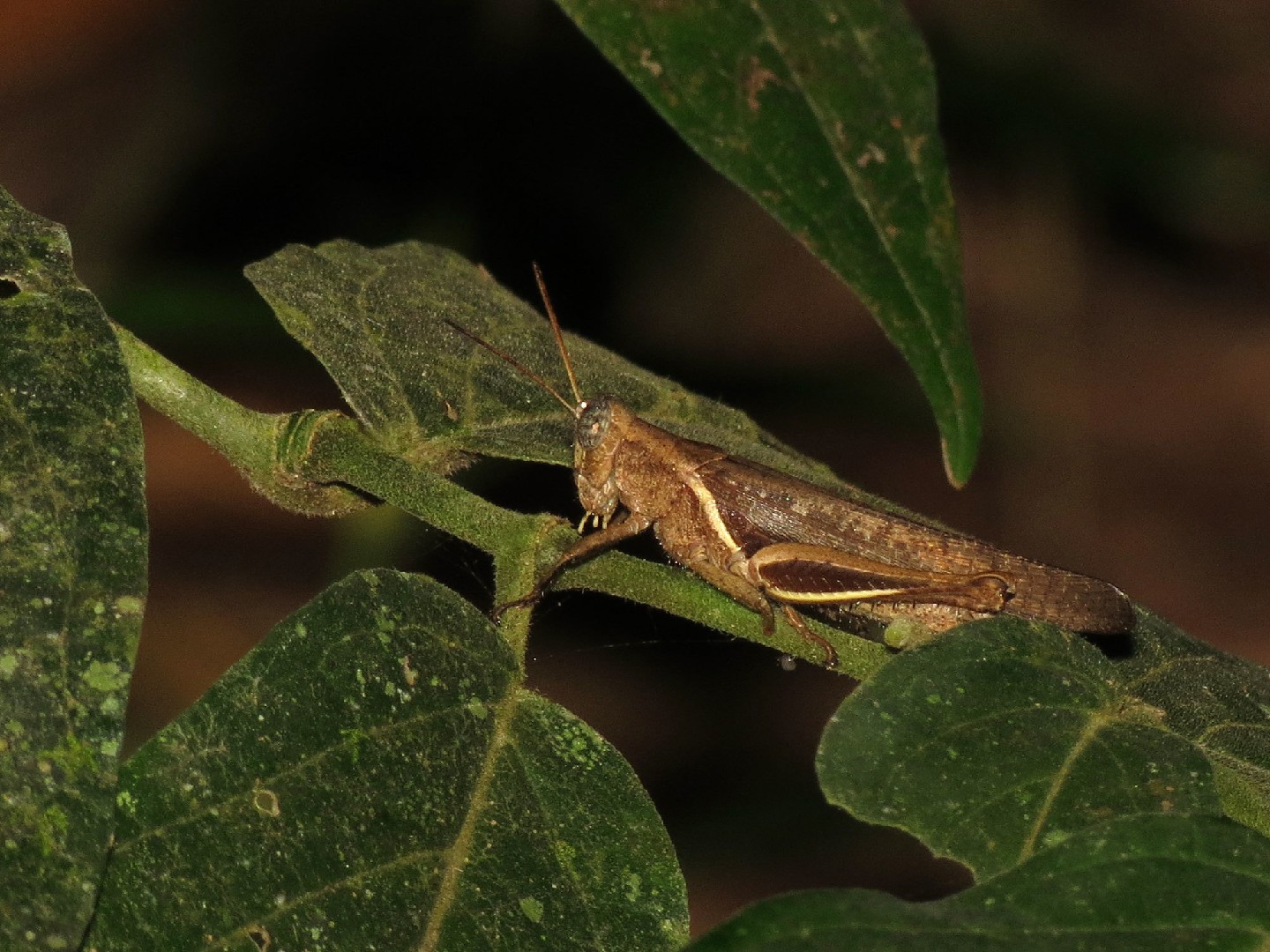
7. Abracris flavolineata
Abracris flavolineata is a right-winged insect from the family locusts (Acrididae). The scientific name of this species was first validly published in 1773 by De Geer.
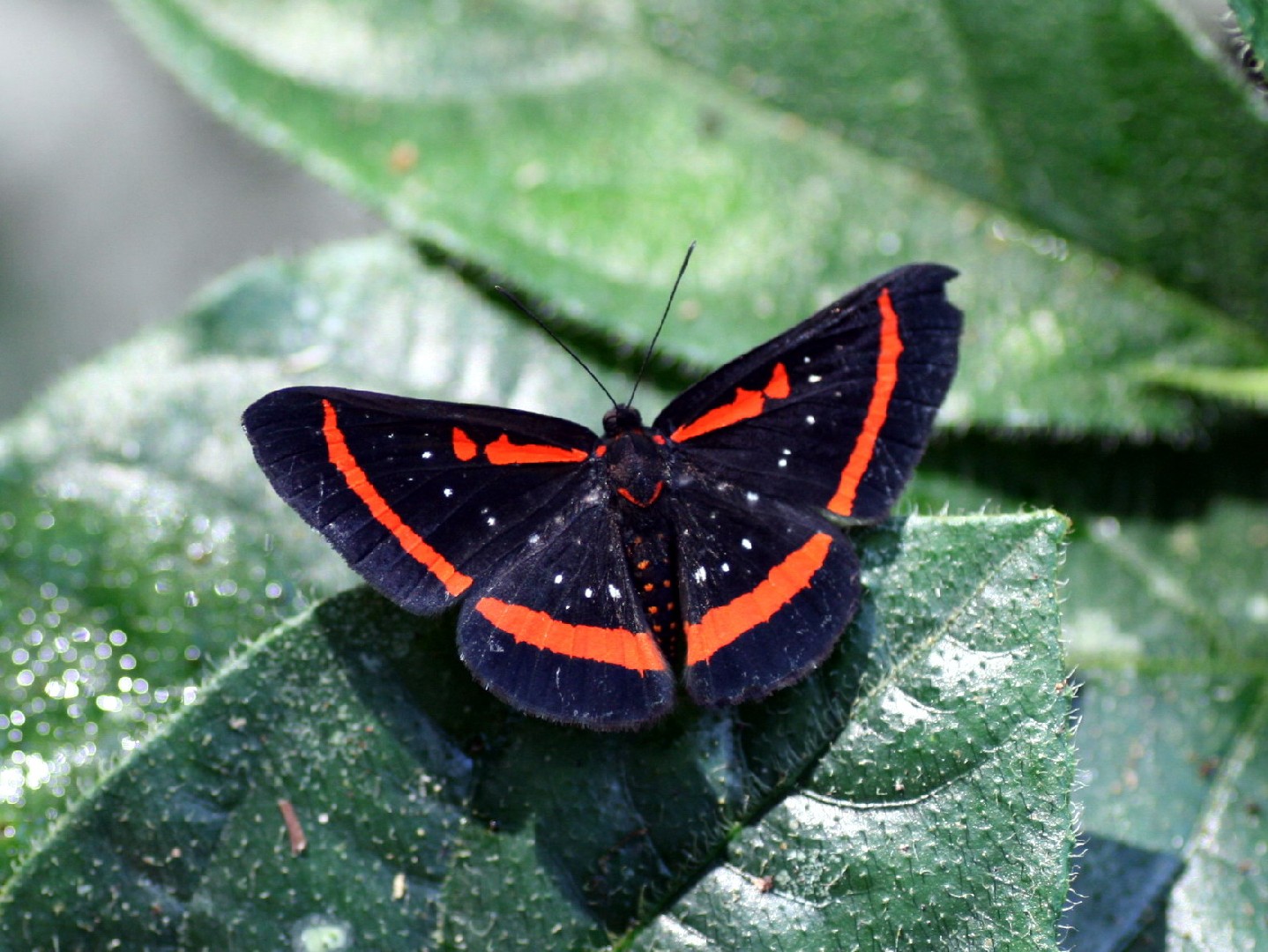
8. Meneria metalmark
Amarynthis meneria was described by Cramer in 1776.
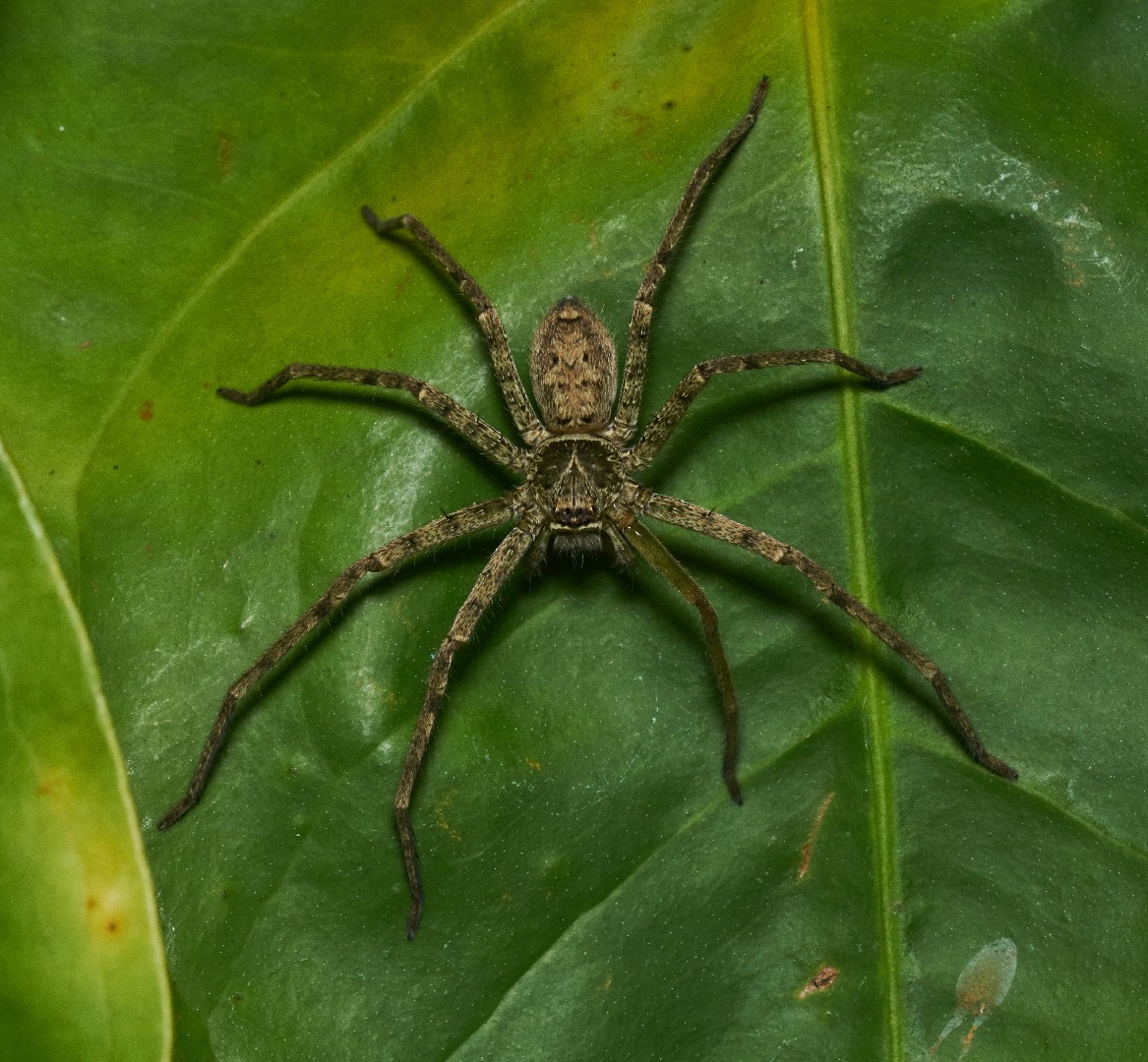
9. Giant Crab Spider
The giant Crab Spider is a large spider native to the tropics; the largest reported individual had a leg span of 30 cm. This cosmopolitan spider is highly valued in some areas, as it's able to catch cockroaches and other indoor pests. Reportedly, it hunts even scorpions and bats. This spider is venomous and sometimes bites humans, but it's considered harmless.
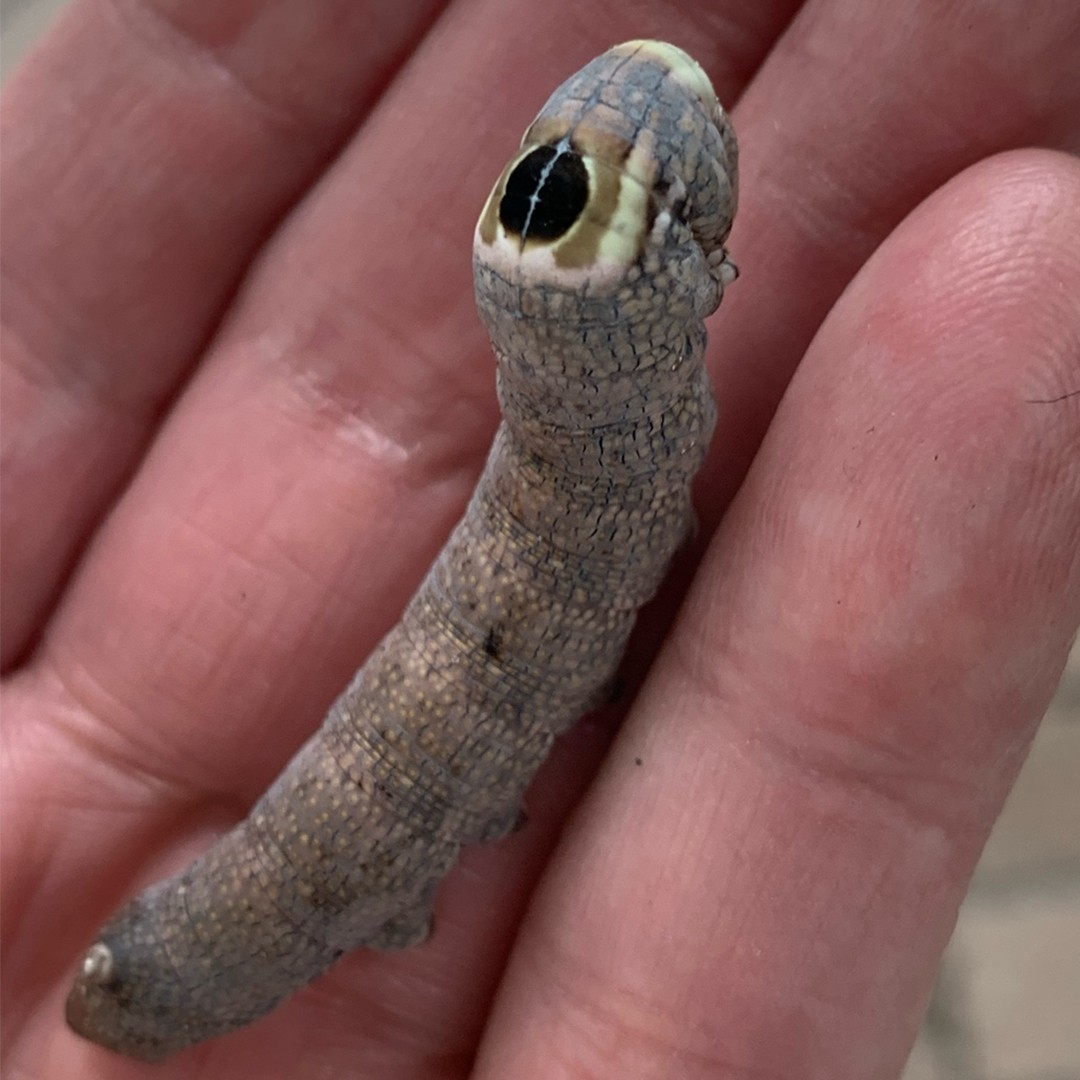
10. Ello sphinx
Erinnyis ello, the ello sphinx, is a moth of the family Sphingidae. The species was first described by Carl Linnaeus in his 1758 10th edition of Systema Naturae. It is distributed from Argentina through Central America to the United States as far north as Nevada. The wingspan is 75–85 mm. The abdomen has gray and black bands. The forewing upperside of the female is pale gray with a few dark dots near the outer margin, while the forewing upperside of the male is dark gray and brown with a black band running from the base to the tip. In both sexes, the hindwing upperside is orange with a wide black border. Adults are on wing year-round in the tropics and southern Florida. Adults feed on the nectar of flowers, including common soapwort (Saponaria officinalis) and Chinese violet (Asystasia gangetica). The larva feeds on a variety of host plants, including papaya (Carica papaya) in the family Caricaceae; poinsettia (Euphorbia pulcherrima), Mexican jumping bean (Sebastiania pavoniana), Cnidoscolus urens, and cassava (Manihot esculenta) in the Euphorbiaceae; guavas (Psidium spp.) in the Myrtaceae; and saffron plum (Sideroxylon celastrinum) in the Sapotaceae. The ello sphinx can be parasitized by the braconid wasp Microplitis figueresi.
More







