




Top 20 Most Common Insects in Guayaquil
Insects, nature's most diverse group of creatures, abound in all corners of Guayaquil, with distinctive features defining each specie's way of life. The diverse geography of Guayaquil significantly influences the insect diversity. Each insect, whether a pesky nuisance or beneficial aide, plays a pivotal role in our ecosystem. The interplay between insects and Guayaquil's environments is quintessential, making our top 20 most common insects list worth exploring.

Most Common Insects
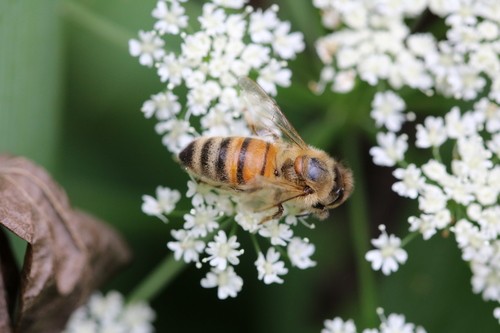
1. Western honey bee
Western honey bee(Apis mellifera) is the most common species of honeybee in the world. Among the first domesticated insects, its cultural and economic impact on humanity has been vast and far-reaching, providing honey, wax and its services as a pollinator. Western honey bee faces challenges worldwide, such as colony collapse disorder, and populations are thought to be decreasing.
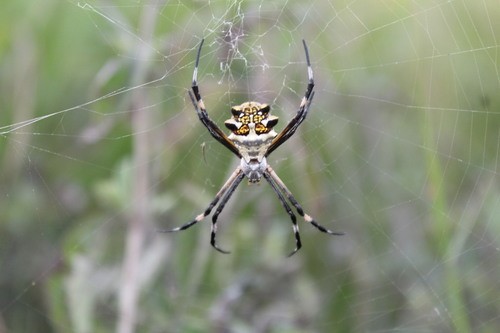
2. Silver argiope
The silver argiope (Argiope argentata) often creates unique zigzag patterns on its webs. It's usually found in warm, dry areas, especially on cacti and aloe vera plants. The females are much larger than males. They can bite and cause irritation to the skin, but the damage won't be life-threatening.

3. Red rock crab
Grapsus grapsus is a typically shaped crab, with five pairs of legs, the front two bearing small, blocky, symmetrical chelae (claws). The other legs are broad and flat, with only the tips touching the substrate. The crab's round, flat carapace is slightly longer than 8 centimetres (3.1 in). Young G. grapsus are black or dark brown in colour and are camouflaged well on the black lava coasts of volcanic islands. Adults are quite variable in colour; some are muted brownish-red, some mottled or spotted brown, pink, or yellow. 
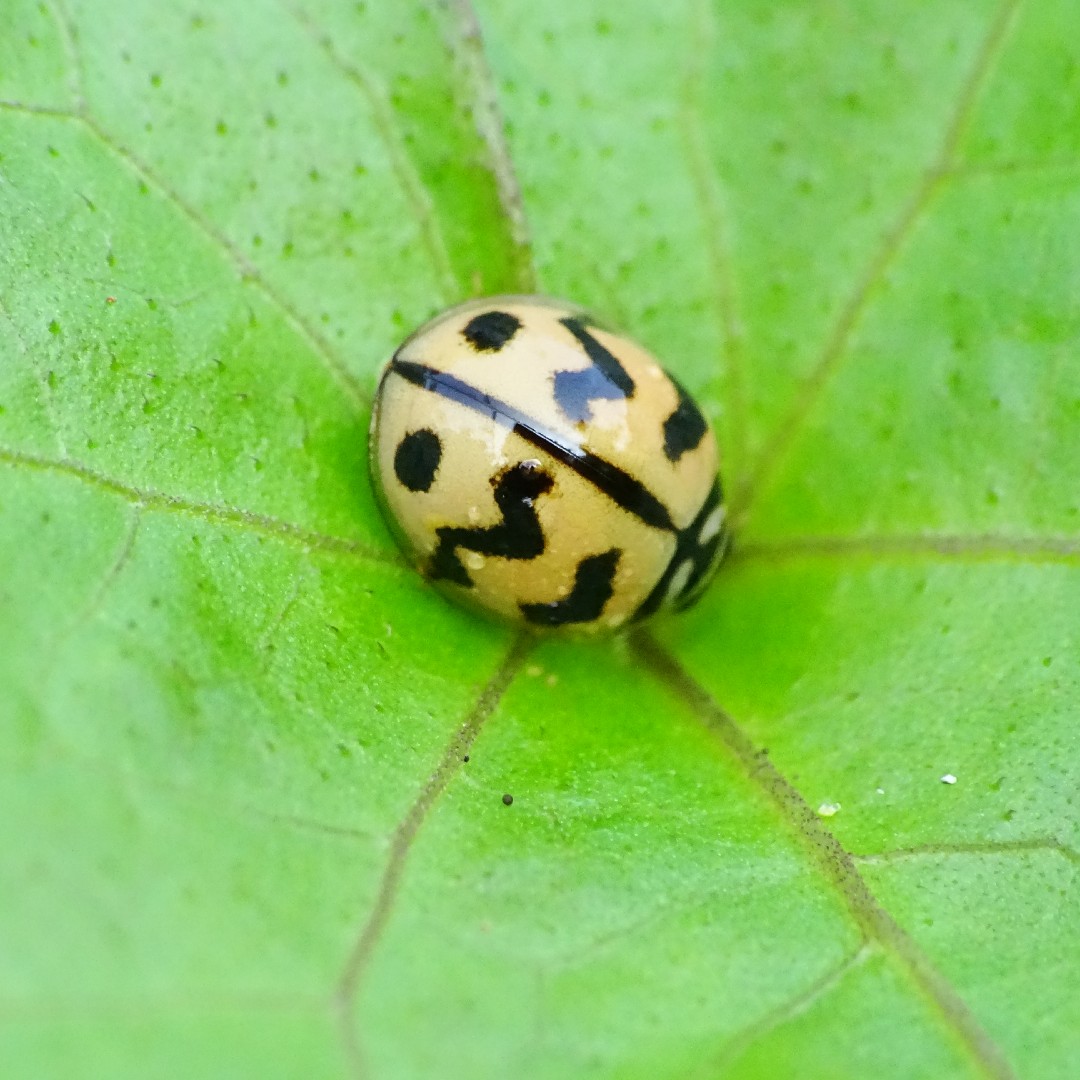
4. Six-spotted zigzag ladybird beetle
The six-spotted zigzag ladybird beetle is a common visitor to agricultural fields in India where it is considered a beneficial insect. It preys on several insects that reduce crop yield and is a more cost-effective and environmentally friendly method of pest control. The insect hibernates in cold temperatures, only appearing from spring through fall.
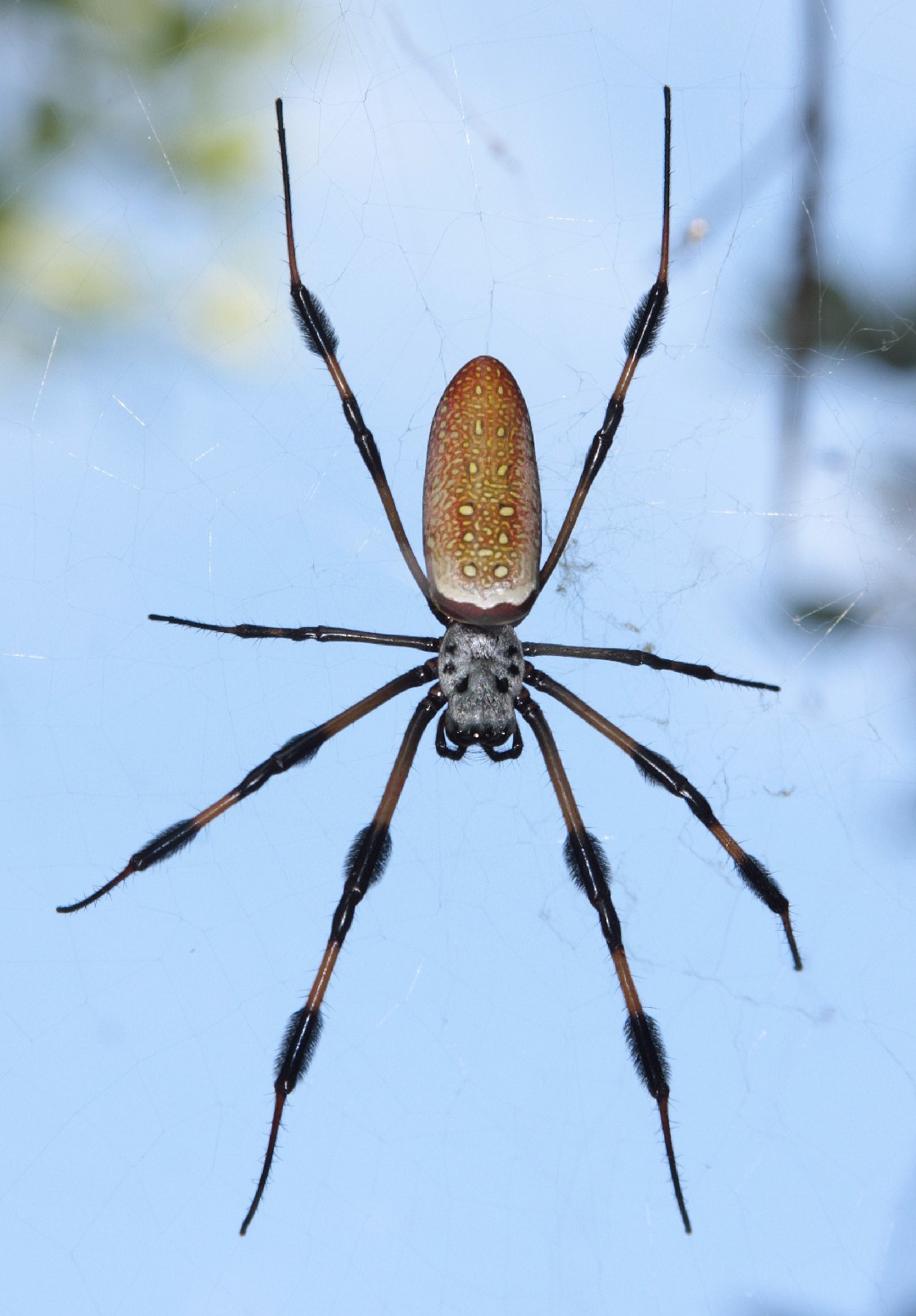
5. Banana spider
The banana spider (Nephila clavipes) is called that because it is commonly found in banana shipments leading from South America. There are many spiders that fit this category (often found in banana shipments), so this one is also called the Golden silk orb-weaver to distinguish them. This name is more related to the strength of its silk, which is stronger than steel based on tensile strength.
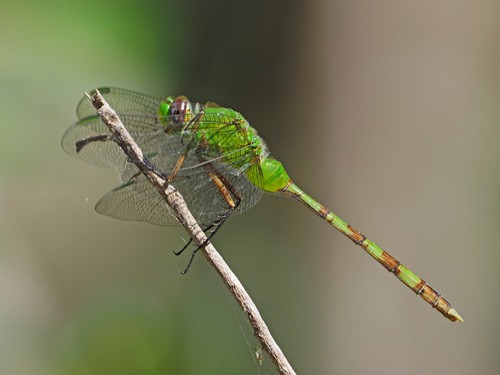
6. Great pondhawk
The erythemis vesiculosa is a dragonfly species of the genus Erythemis from the subfamily Sympetrinae. Its distribution area extends from the south of the USA throughout Central and South America.
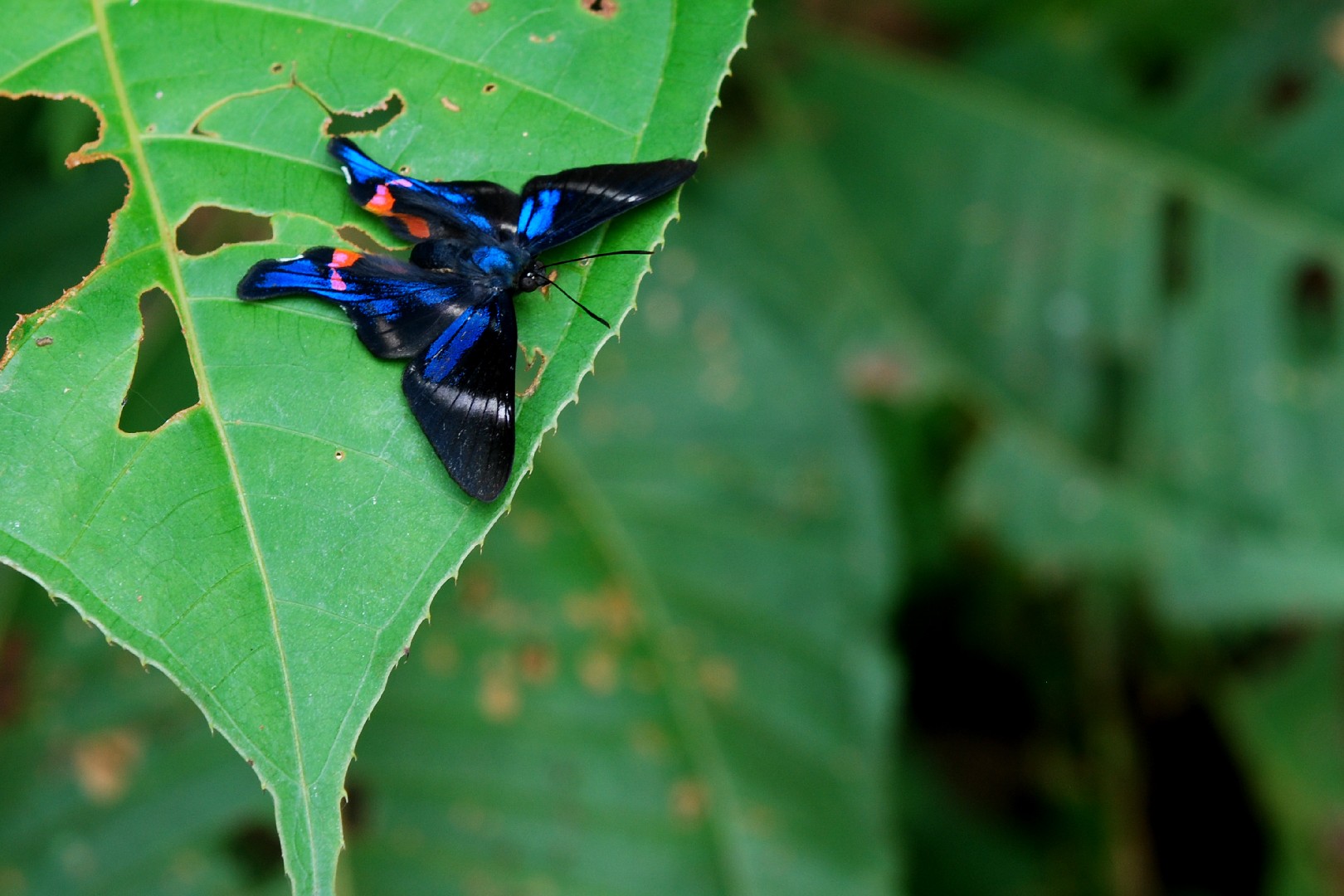
7. Periander metalmark
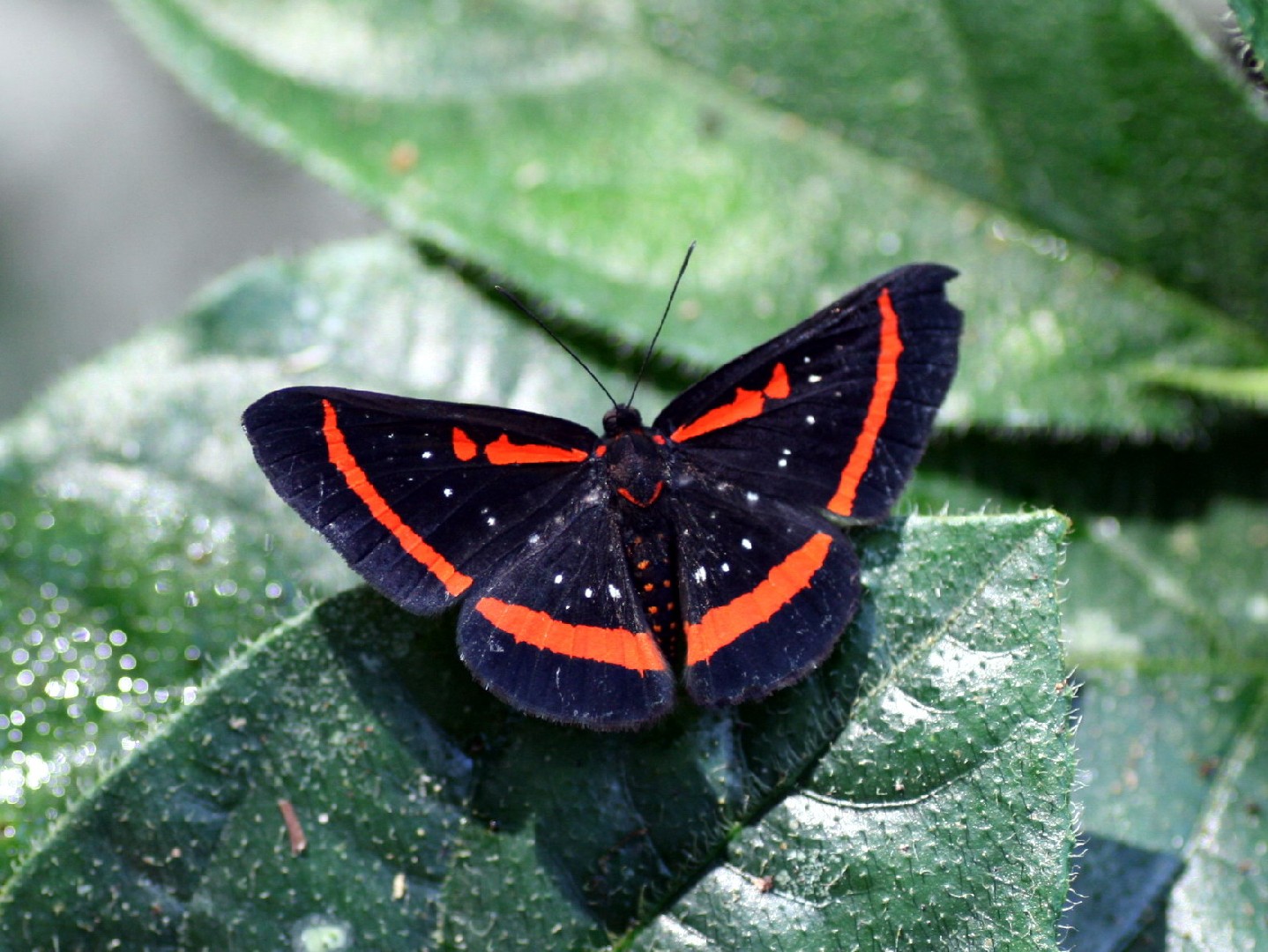
Rhetus periander, the Periander metalmark or variable beautymark, is a butterfly of the family Riodinidae. It is found in most of Central America and South America, ranging from Mexico to Brazil and Argentina.
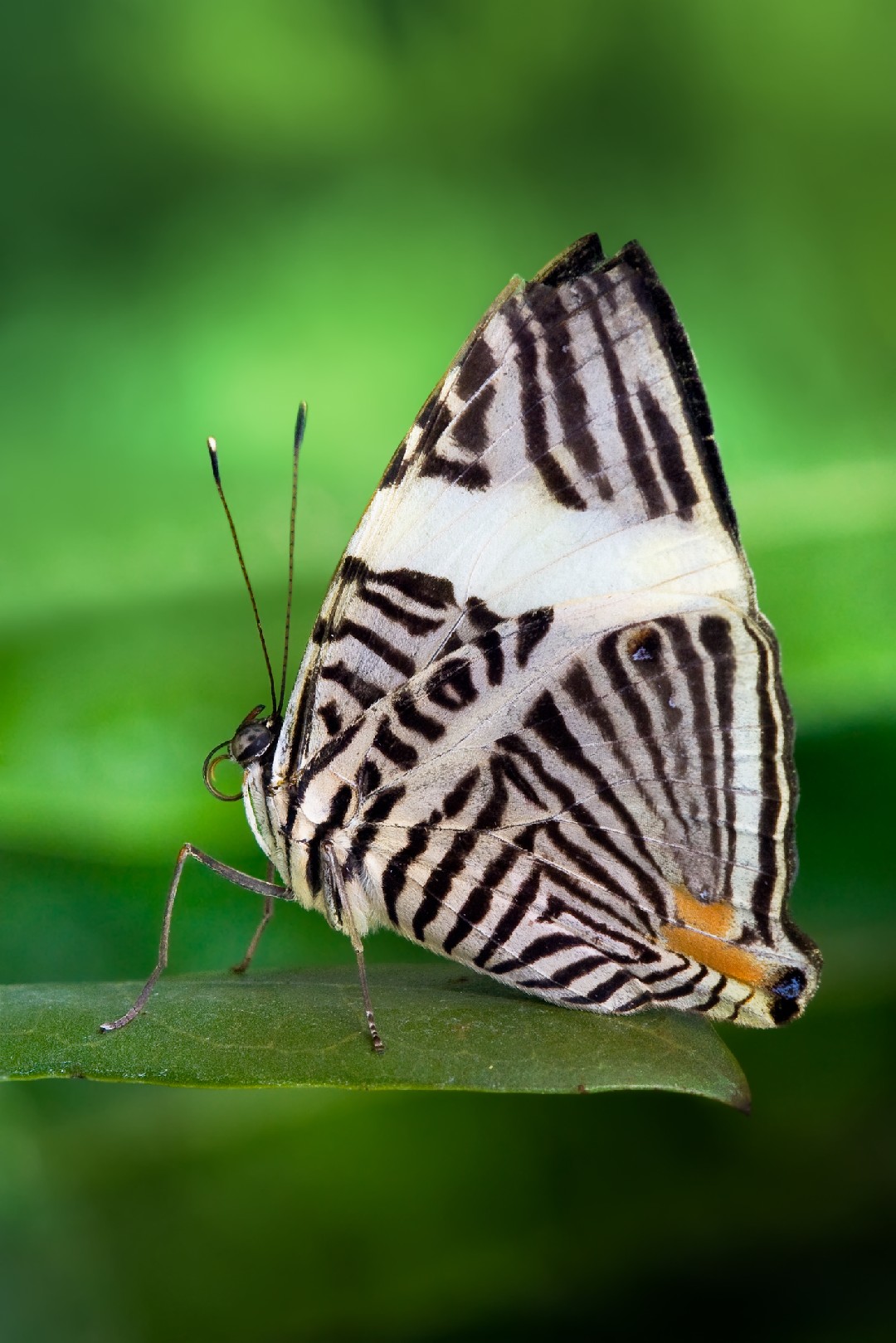
8. Dirce beauty
The length of the forewings is about 3.5 cm.
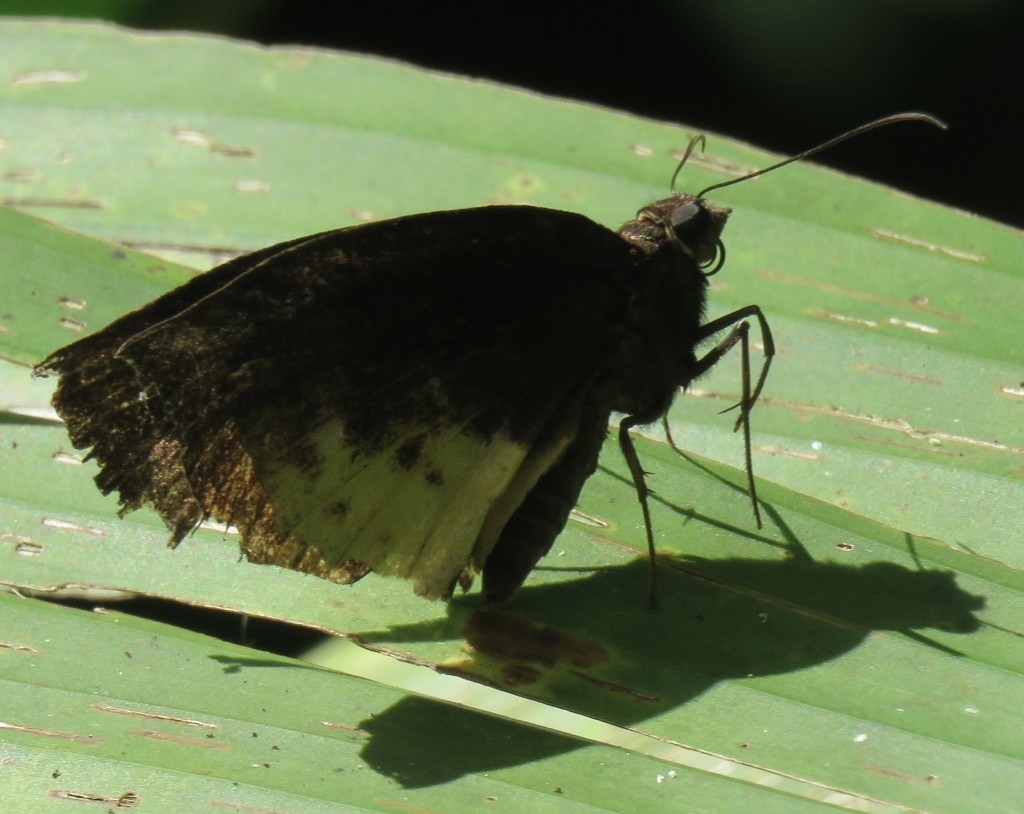
9. Giant sicklewing
10. Hieroglyphic moth
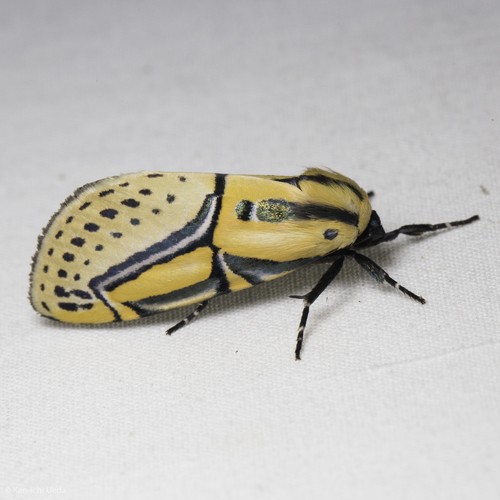
Diphthera festiva is a butterfly from the spider owls family (Erebidae). The scientific name of the species was first validly published in 1775 by Fabricius.
More







