




Top 18 Most Common Insects in Salinas
Insects, nature's most diverse group of creatures, abound in all corners of Salinas, with distinctive features defining each specie's way of life. The diverse geography of Salinas significantly influences the insect diversity. Each insect, whether a pesky nuisance or beneficial aide, plays a pivotal role in our ecosystem. The interplay between insects and Salinas's environments is quintessential, making our top 18 most common insects list worth exploring.

Most Common Insects

1. Red rock crab
Grapsus grapsus is a typically shaped crab, with five pairs of legs, the front two bearing small, blocky, symmetrical chelae (claws). The other legs are broad and flat, with only the tips touching the substrate. The crab's round, flat carapace is slightly longer than 8 centimetres (3.1 in). Young G. grapsus are black or dark brown in colour and are camouflaged well on the black lava coasts of volcanic islands. Adults are quite variable in colour; some are muted brownish-red, some mottled or spotted brown, pink, or yellow. 
2. Western honey bee
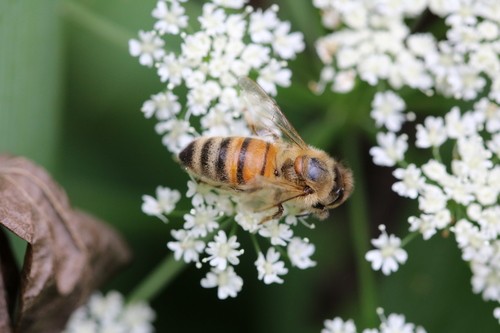
Western honey bee(Apis mellifera) is the most common species of honeybee in the world. Among the first domesticated insects, its cultural and economic impact on humanity has been vast and far-reaching, providing honey, wax and its services as a pollinator. Western honey bee faces challenges worldwide, such as colony collapse disorder, and populations are thought to be decreasing.
3. Painted ghost crab
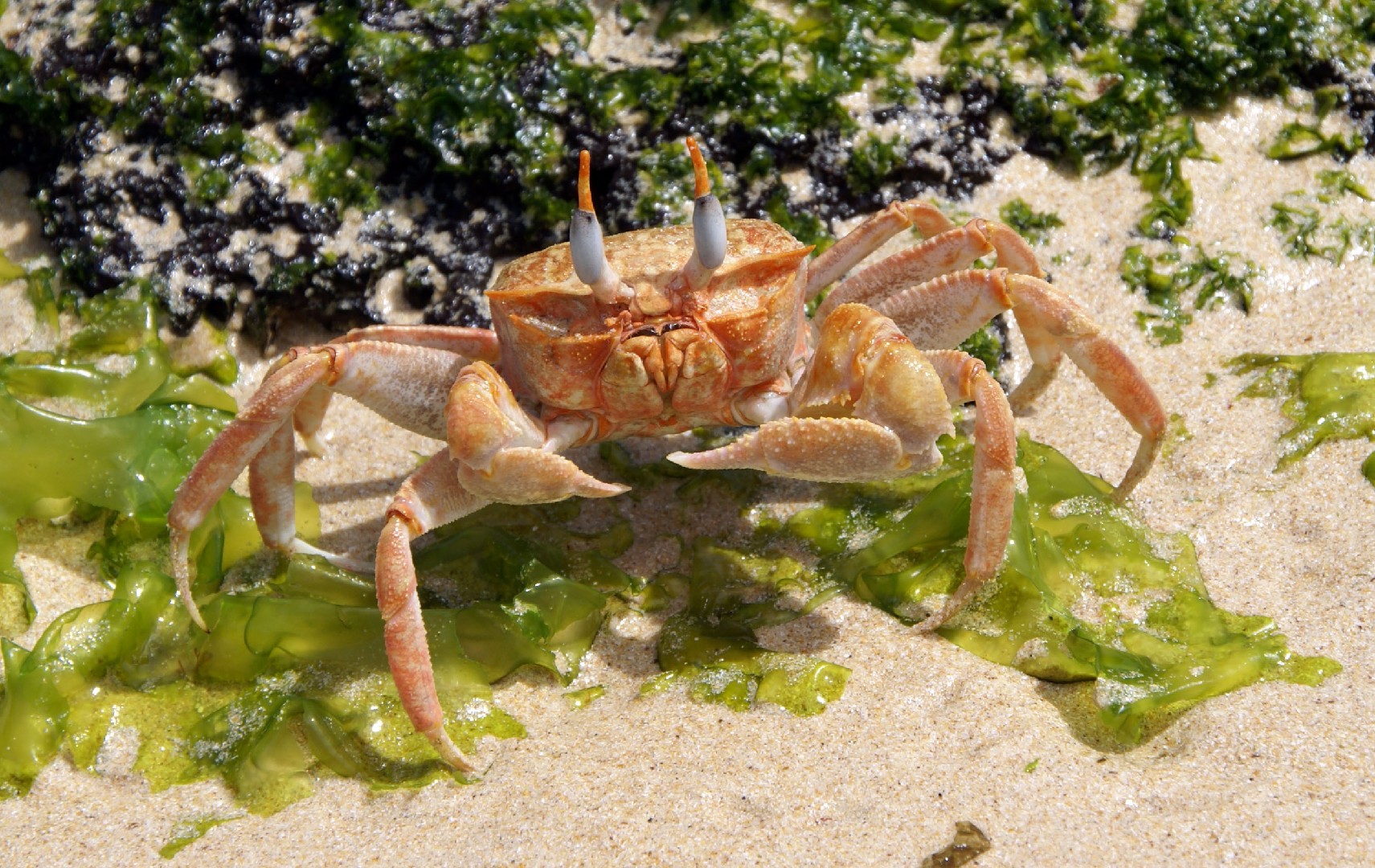
Ocypode gaudichaudii is a crab species from the family of the Ocypodidae. The scientific name of the species was first validly published in 1843 by H. Milne Edwards & Lucas.
4. Dirce beauty
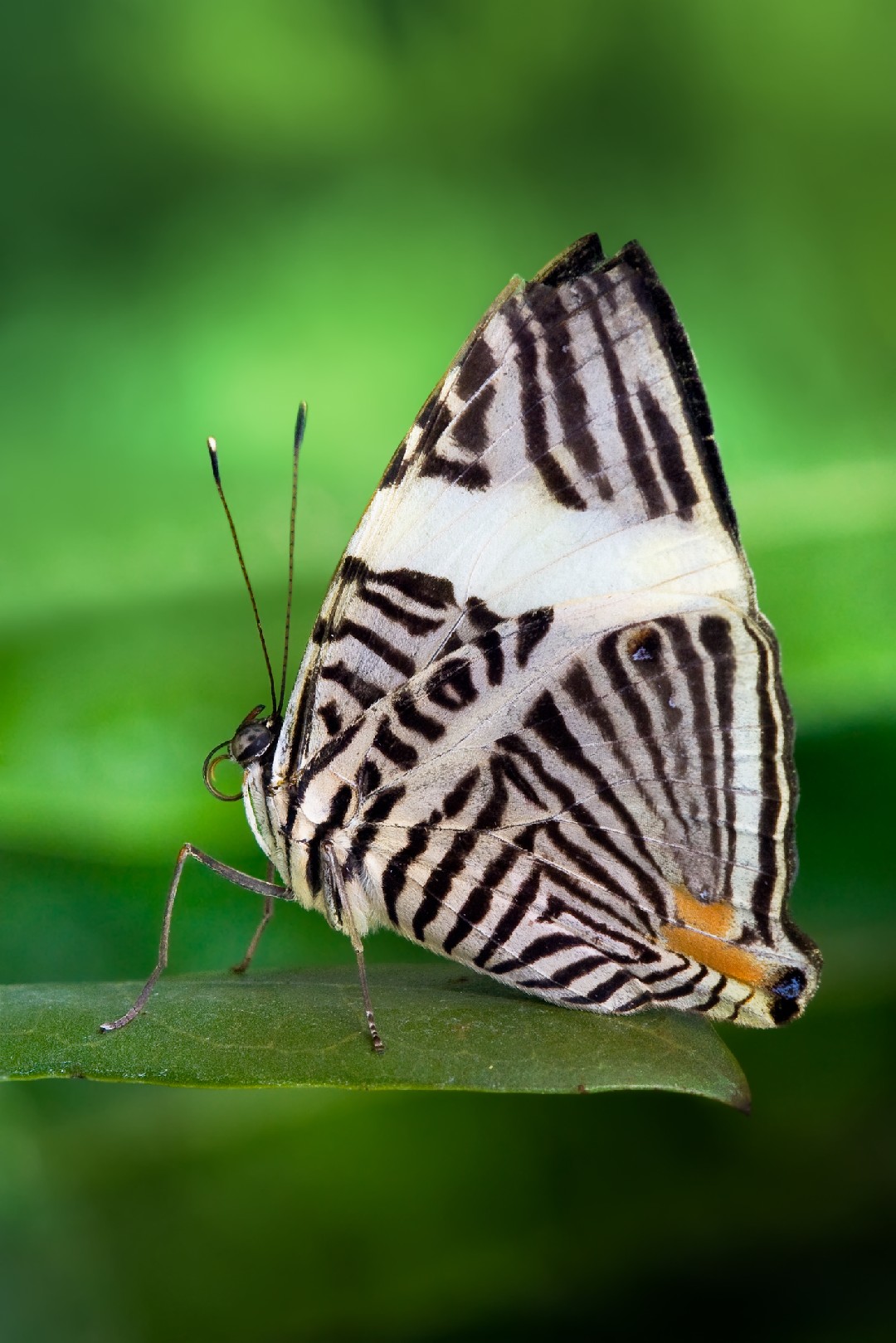
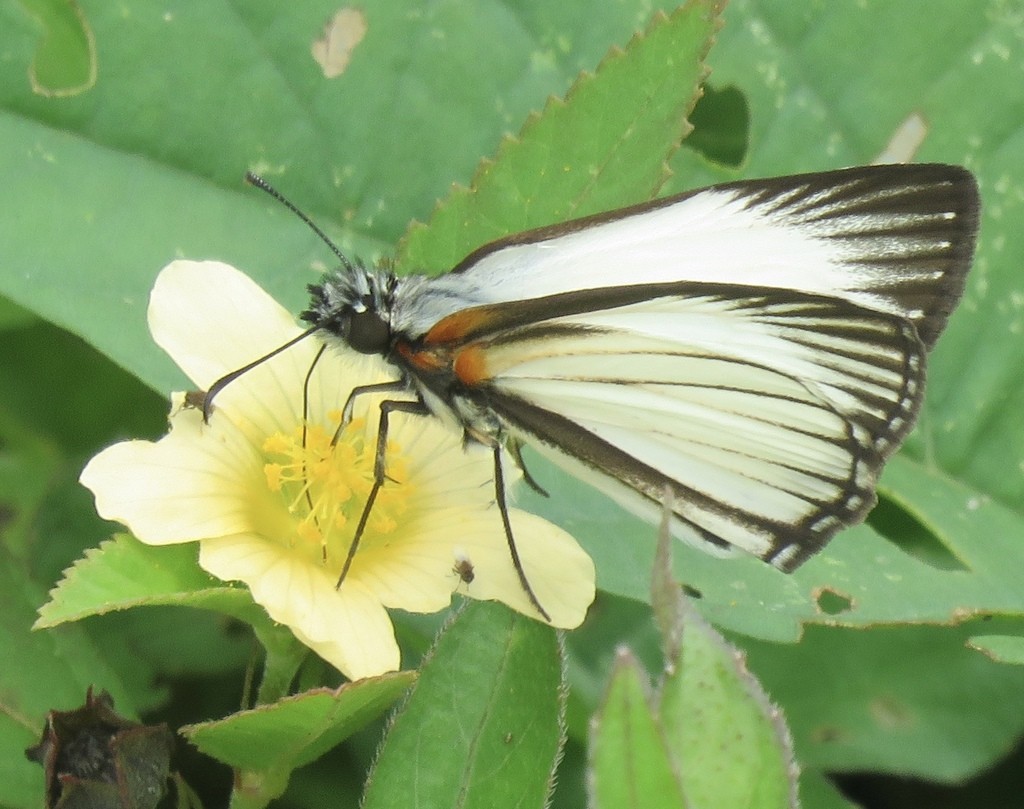
The length of the forewings is about 3.5 cm.
5. Giant sicklewing
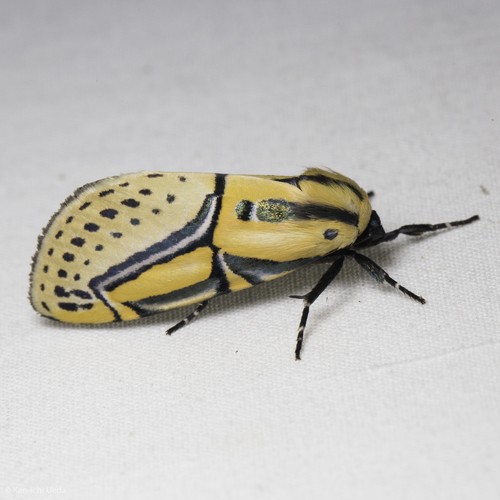
6. Hieroglyphic moth
Diphthera festiva is a butterfly from the spider owls family (Erebidae). The scientific name of the species was first validly published in 1775 by Fabricius.
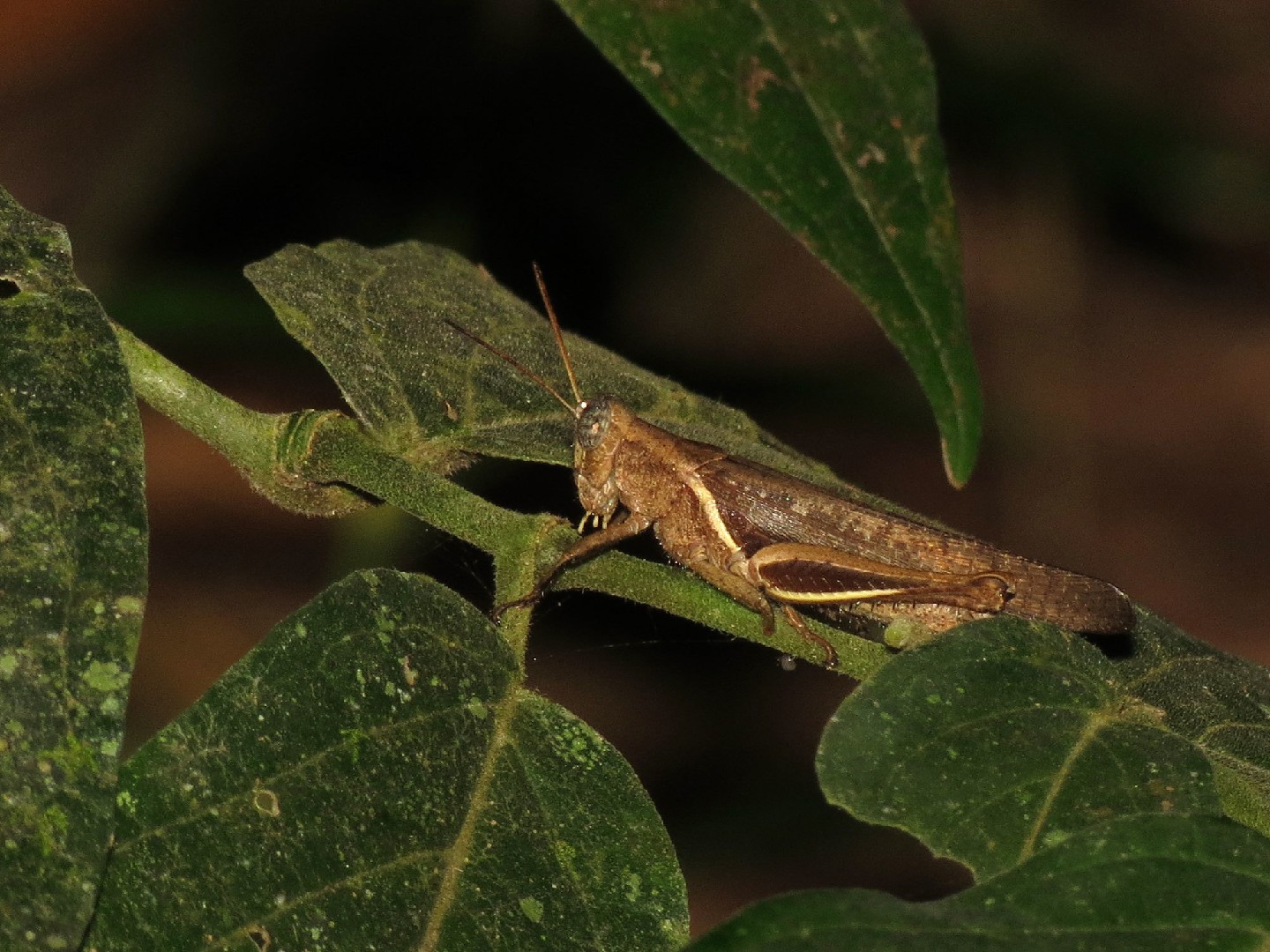
7. Abracris flavolineata
Abracris flavolineata is a right-winged insect from the family locusts (Acrididae). The scientific name of this species was first validly published in 1773 by De Geer.
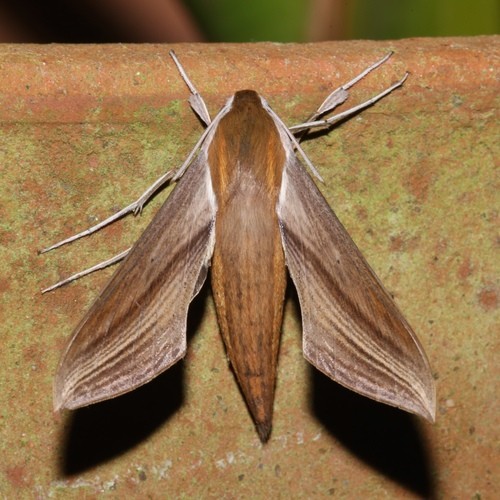
8. Tersa sphinx
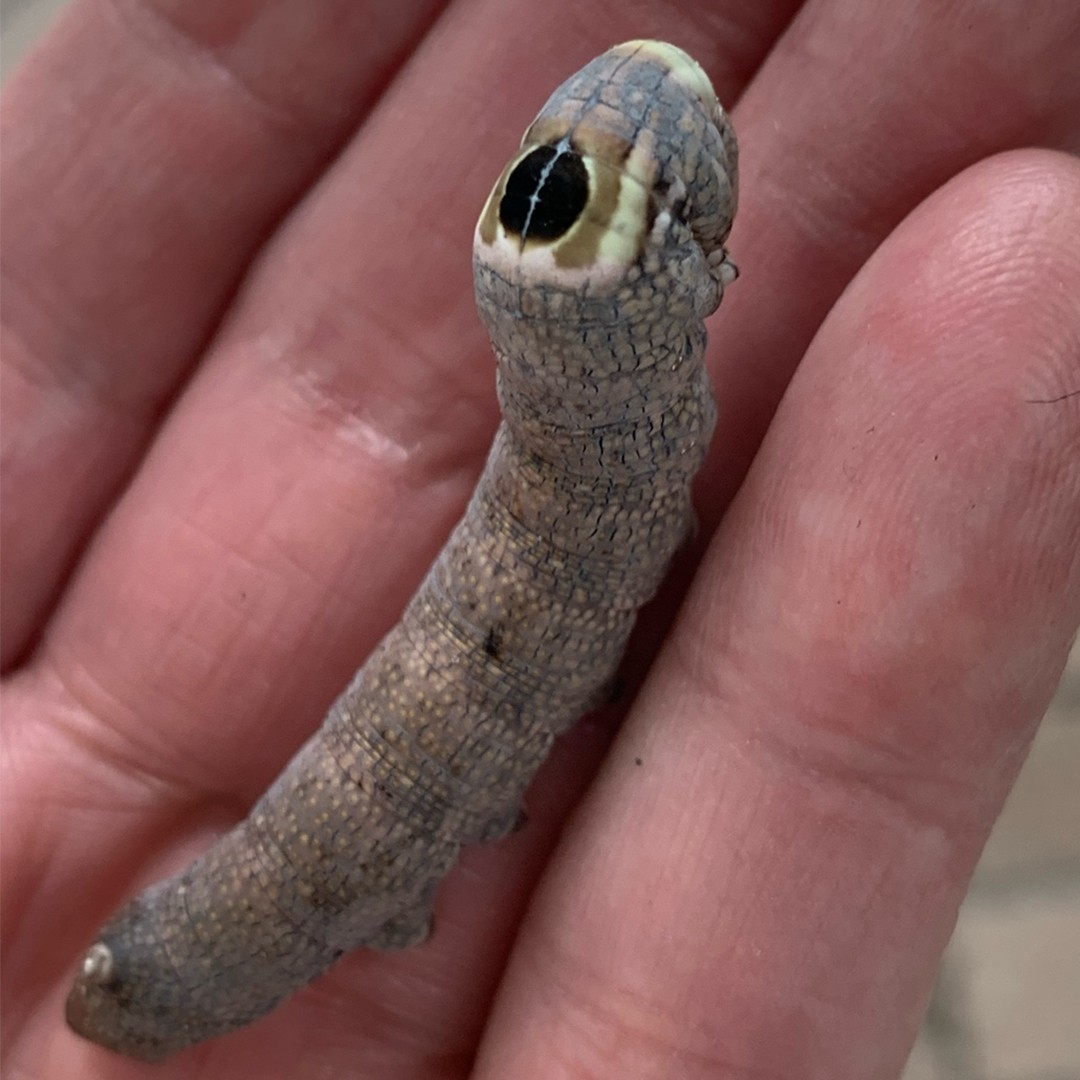
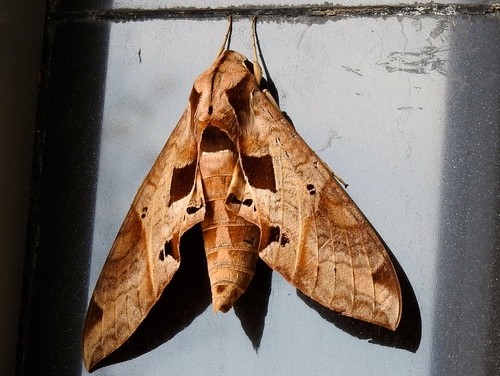
The tersa sphinx (Xylophanes tersa) has stiff wings that make it resemble a small bird. The adults might seem intimidating because their abdomen comes to a sharp point, but they have no stinger and are harmless to humans. The larvae are typically a bright green color or brown color with eye-spots, much different than the dull brown color of the adults.
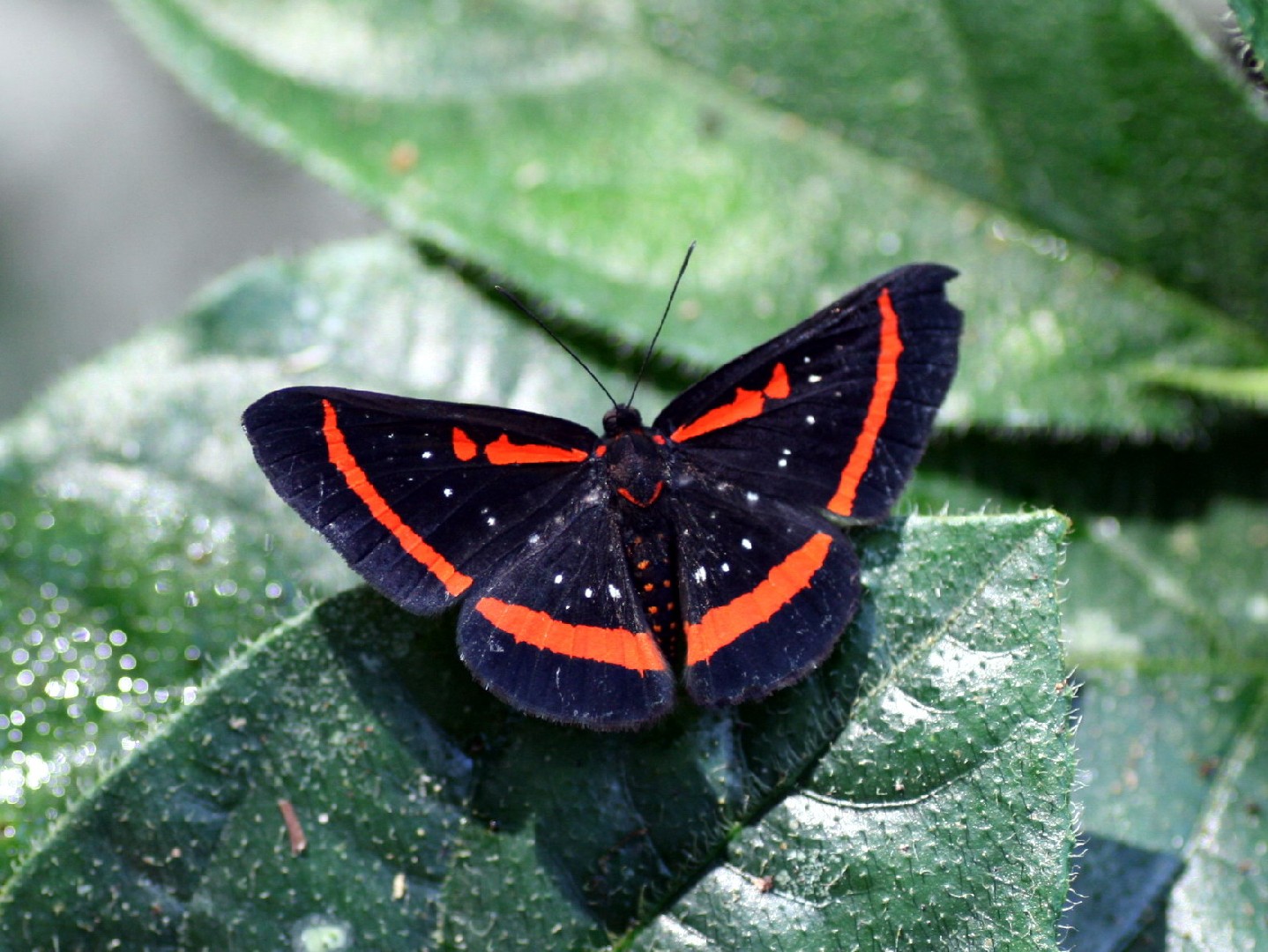
9. Meneria metalmark
Amarynthis meneria was described by Cramer in 1776.
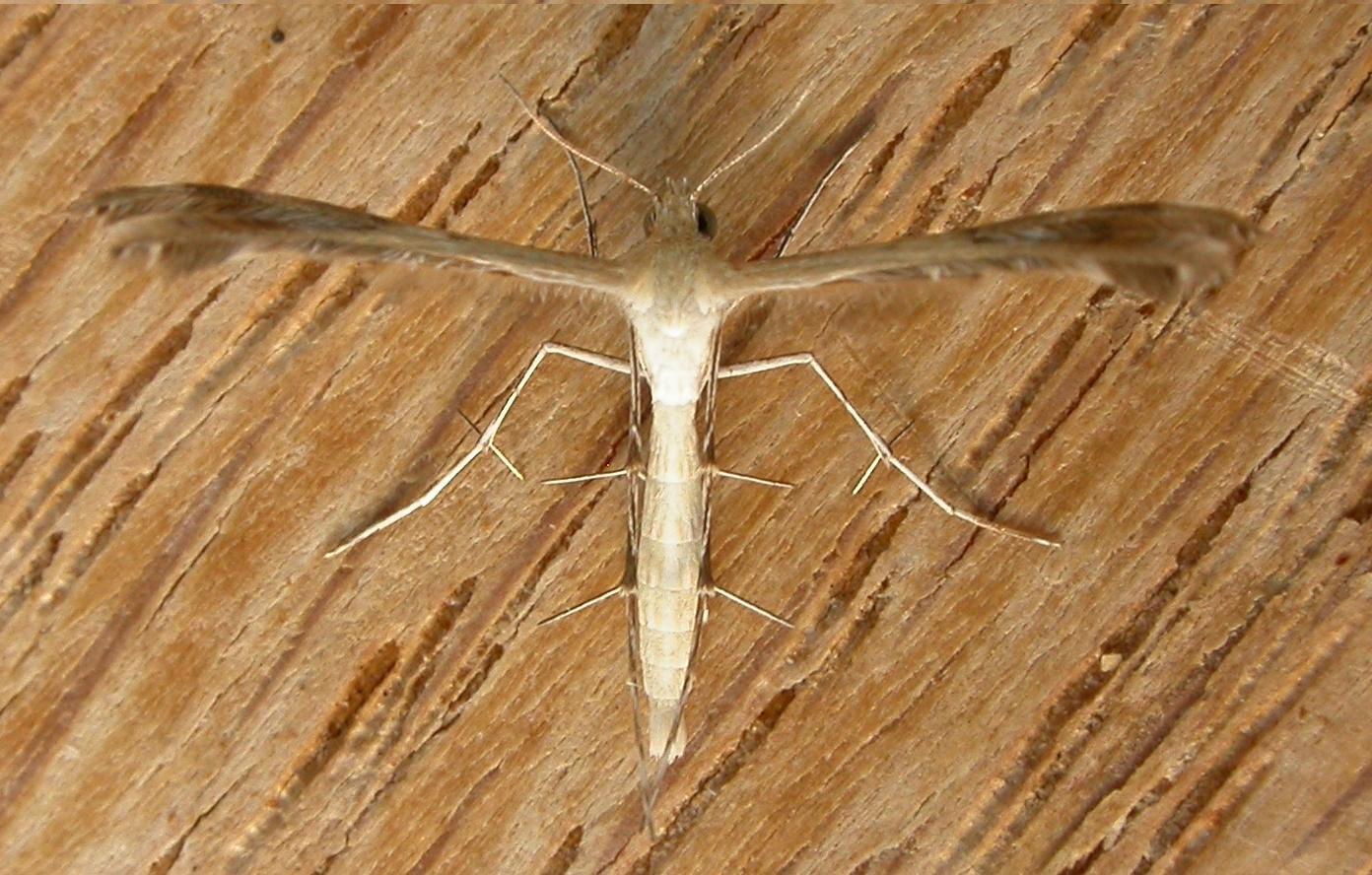
10. Plume moth
The species is found in Europe.
More







