




Top 11 Most Common Insects in Manta
Insects, with their unique features and versatile habitats, are an integral part of Manta's rich biodiversity. The insect species in diverse geographical locations within the region highlight Manta's environmental diversity. These tiny creatures play crucial roles in our ecosystem, as both helpful pollinators and challenging pests, signifying how closely entwined Manta's environment is with its insect inhabitants. So, let's uncover the '11' most commonly found insects in Manta!

Most Common Insects
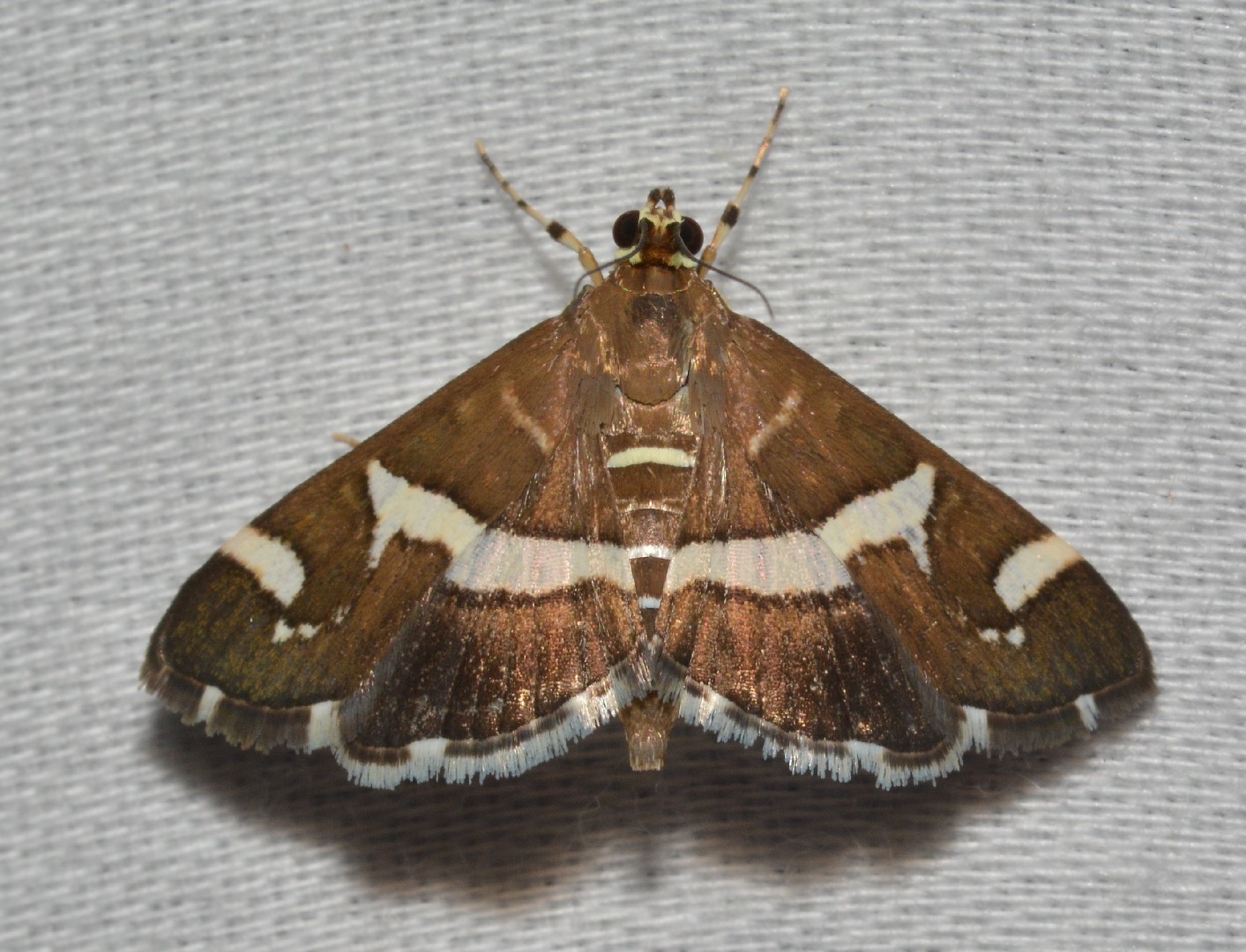
1. Hawaiian beet webworm
The wingspan is 2 - 2.5 cm. 
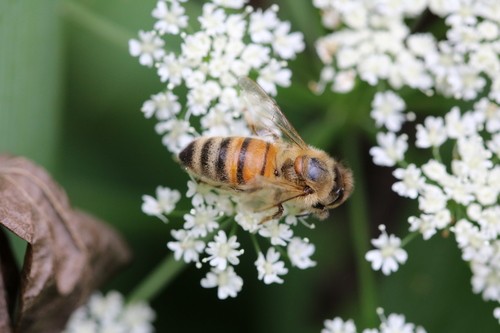
2. Western honey bee
Western honey bee(Apis mellifera) is the most common species of honeybee in the world. Among the first domesticated insects, its cultural and economic impact on humanity has been vast and far-reaching, providing honey, wax and its services as a pollinator. Western honey bee faces challenges worldwide, such as colony collapse disorder, and populations are thought to be decreasing.
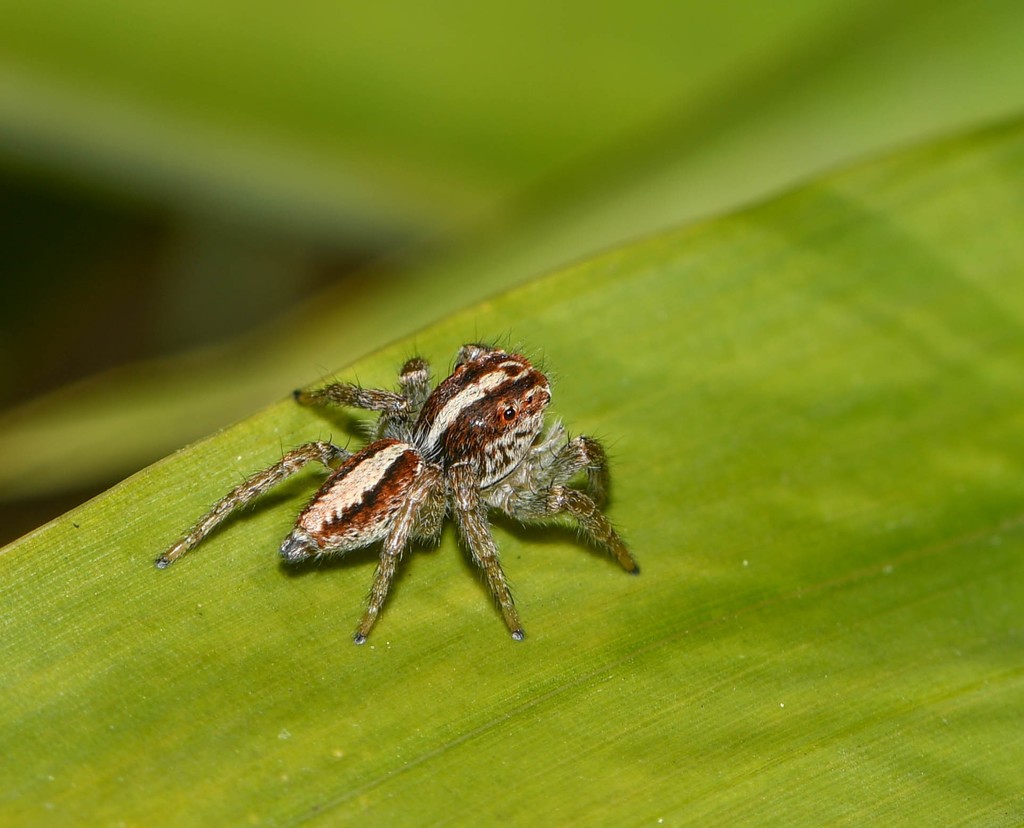
3. Frigga crocuta
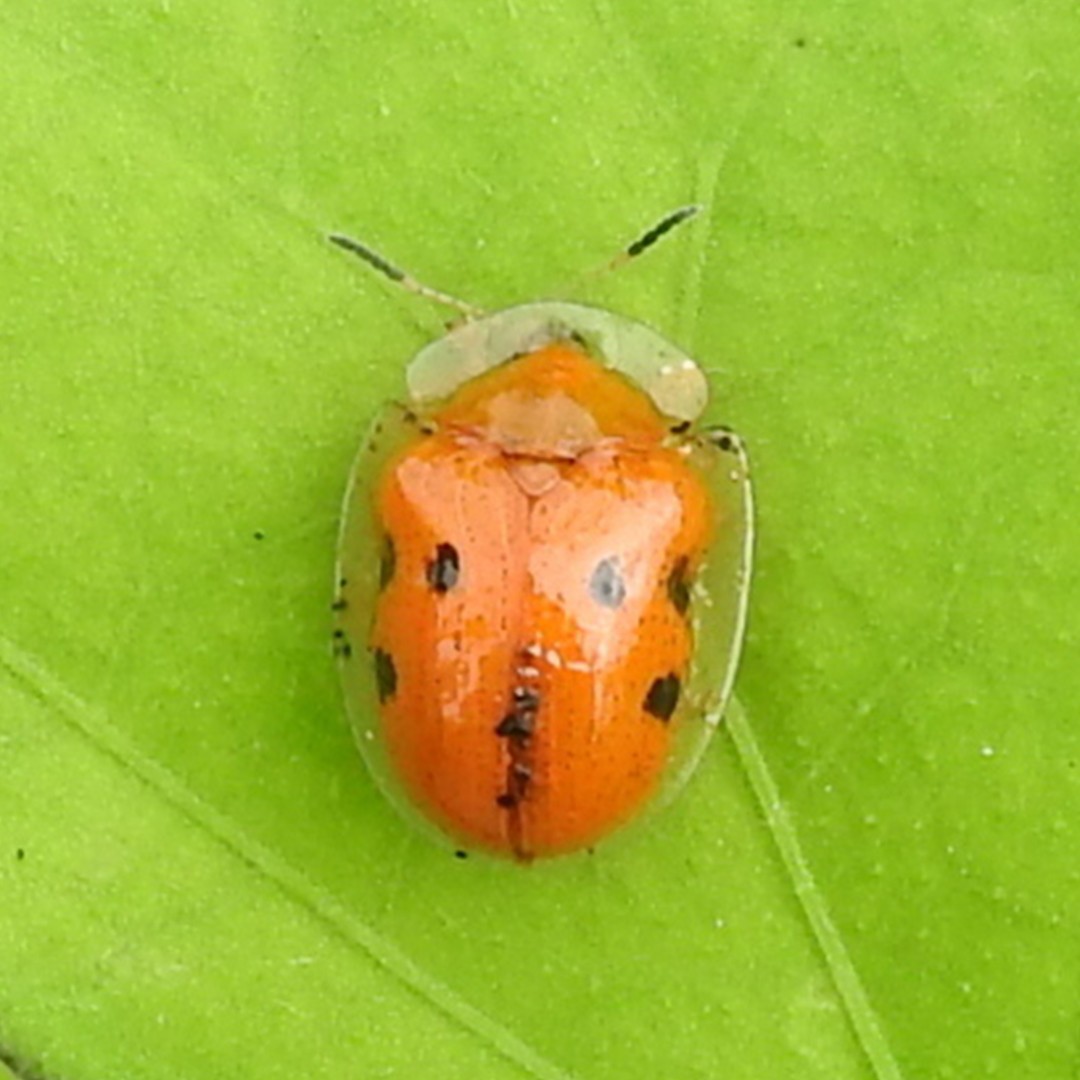
4. Golden Tortoise Beetle
Adult C. sexpunctata measure 5–7 mm in length. They are variable in color from reddish-brown with black spots to brilliant, mirror-like gold, earning it the nickname "goldbug". Elytral margins are expanded and nearly transparent. The color changes through its development, during mating, and during times of disturbance, such as when it is touched by a human researcher. Scientists have not examined the color-change mechanism in this species. However, color change in the related Panamanian Charidotella egregia (also called 'golden tortoise beetle'), occurs when this beetle's elytra hydrate and dehydrate. Adults of both species can turn from shiny gold through reddish-brown when disturbed.

5. Red rock crab
Grapsus grapsus is a typically shaped crab, with five pairs of legs, the front two bearing small, blocky, symmetrical chelae (claws). The other legs are broad and flat, with only the tips touching the substrate. The crab's round, flat carapace is slightly longer than 8 centimetres (3.1 in). Young G. grapsus are black or dark brown in colour and are camouflaged well on the black lava coasts of volcanic islands. Adults are quite variable in colour; some are muted brownish-red, some mottled or spotted brown, pink, or yellow.
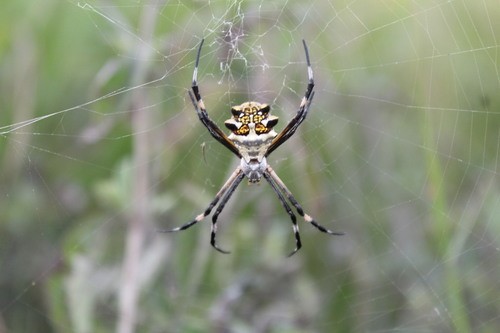
6. Silver argiope
The silver argiope (Argiope argentata) often creates unique zigzag patterns on its webs. It's usually found in warm, dry areas, especially on cacti and aloe vera plants. The females are much larger than males. They can bite and cause irritation to the skin, but the damage won't be life-threatening.
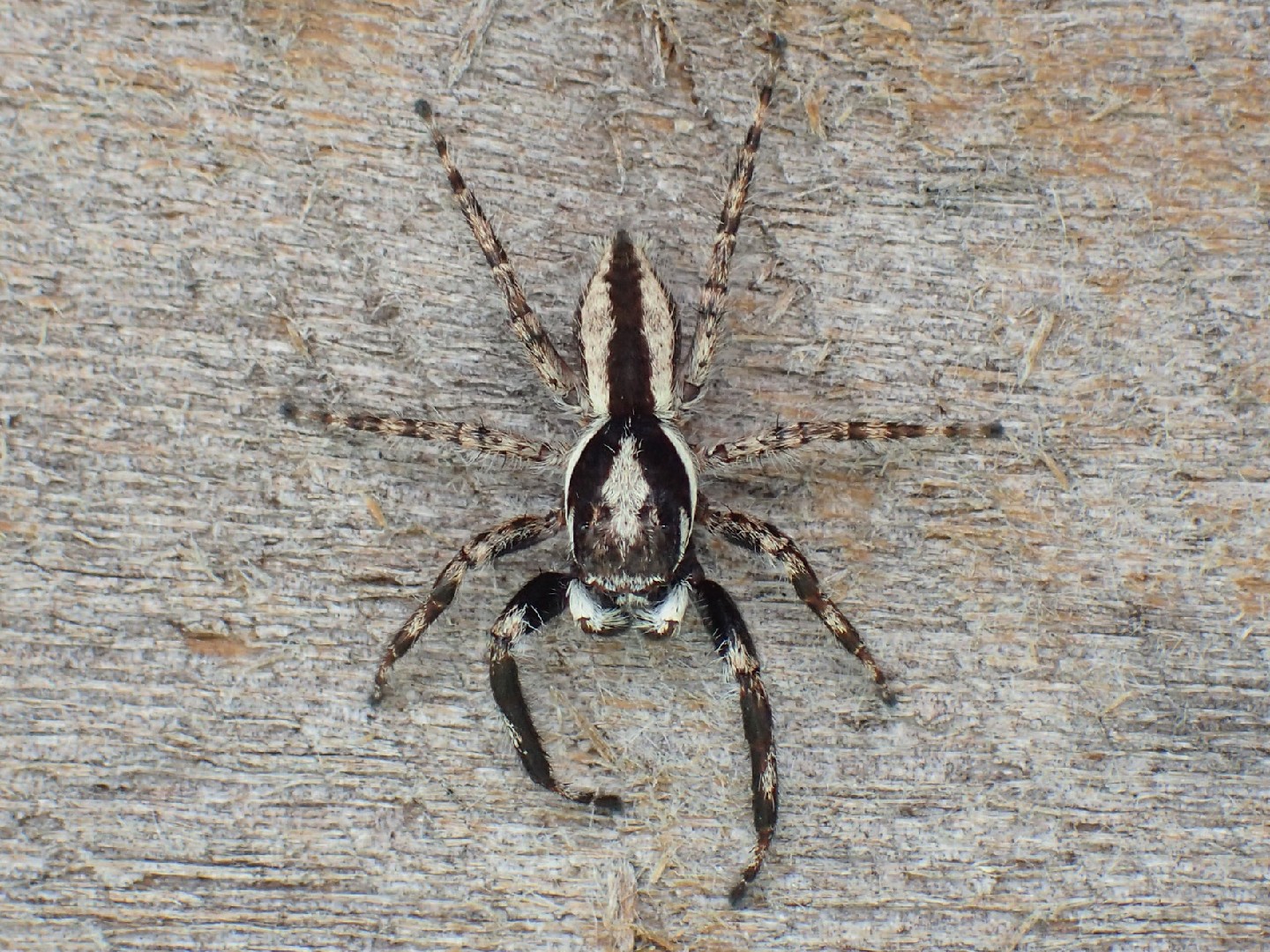
7. Gray wall jumper
The female gray wall jumper lays her eggs in cracks or other hidden areas. The young and mature spiders feed on flies, making them useful residents in a household. They do not make webs, but carefully hunt and jump on their prey.
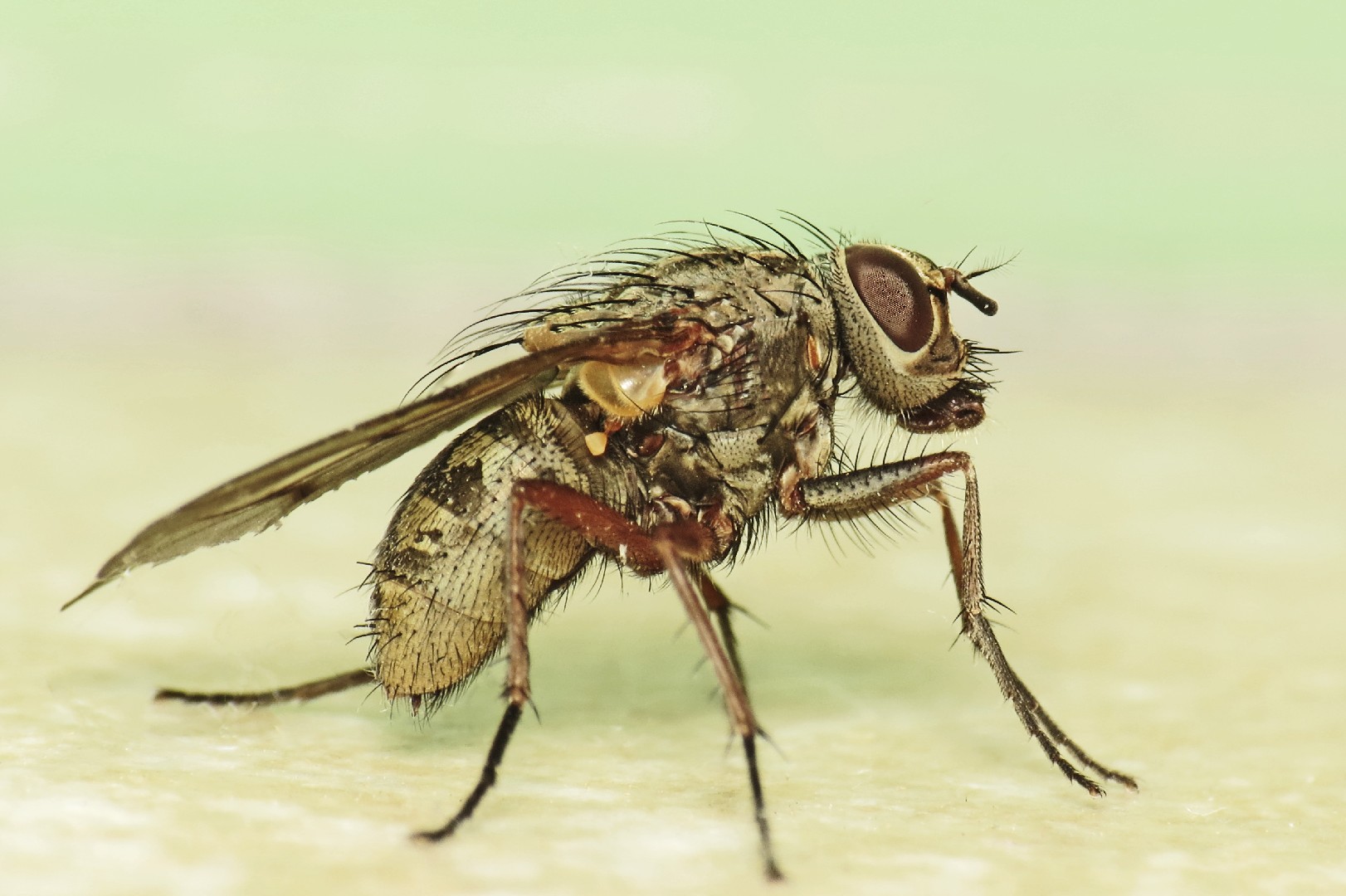
8. Phaonia tuguriorum
Phaonia tuguriorum is a species of fly which is distributed across parts the Palaearctic.
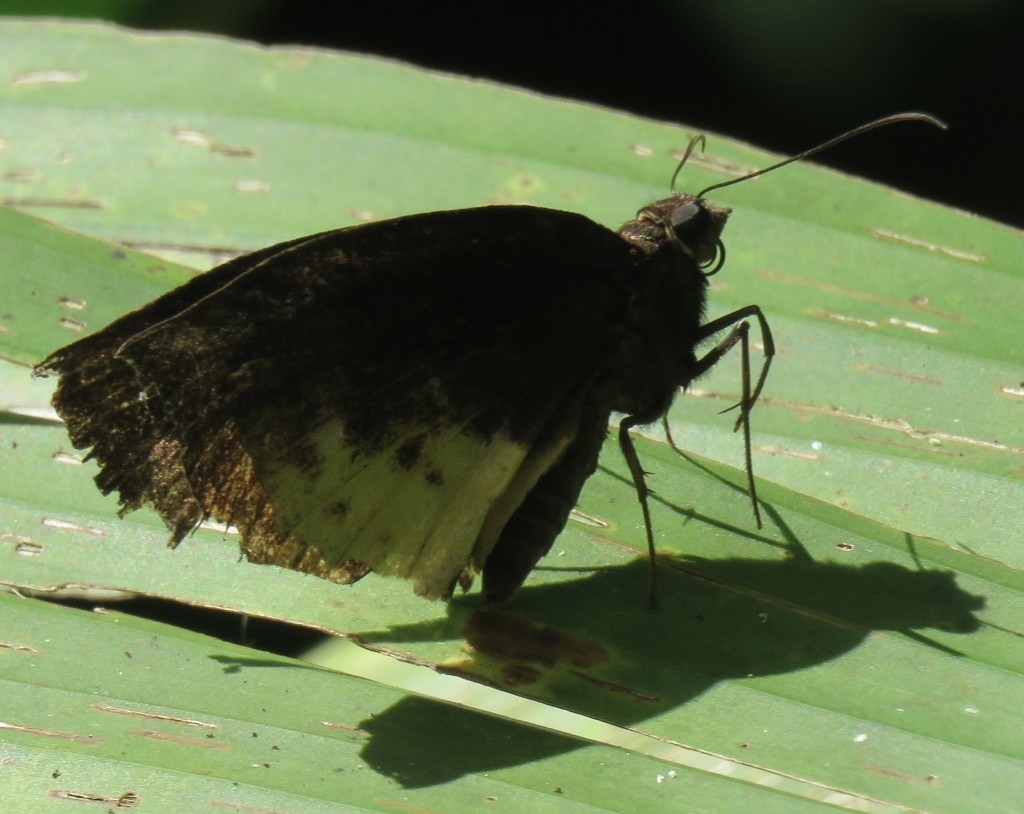
9. Giant sicklewing
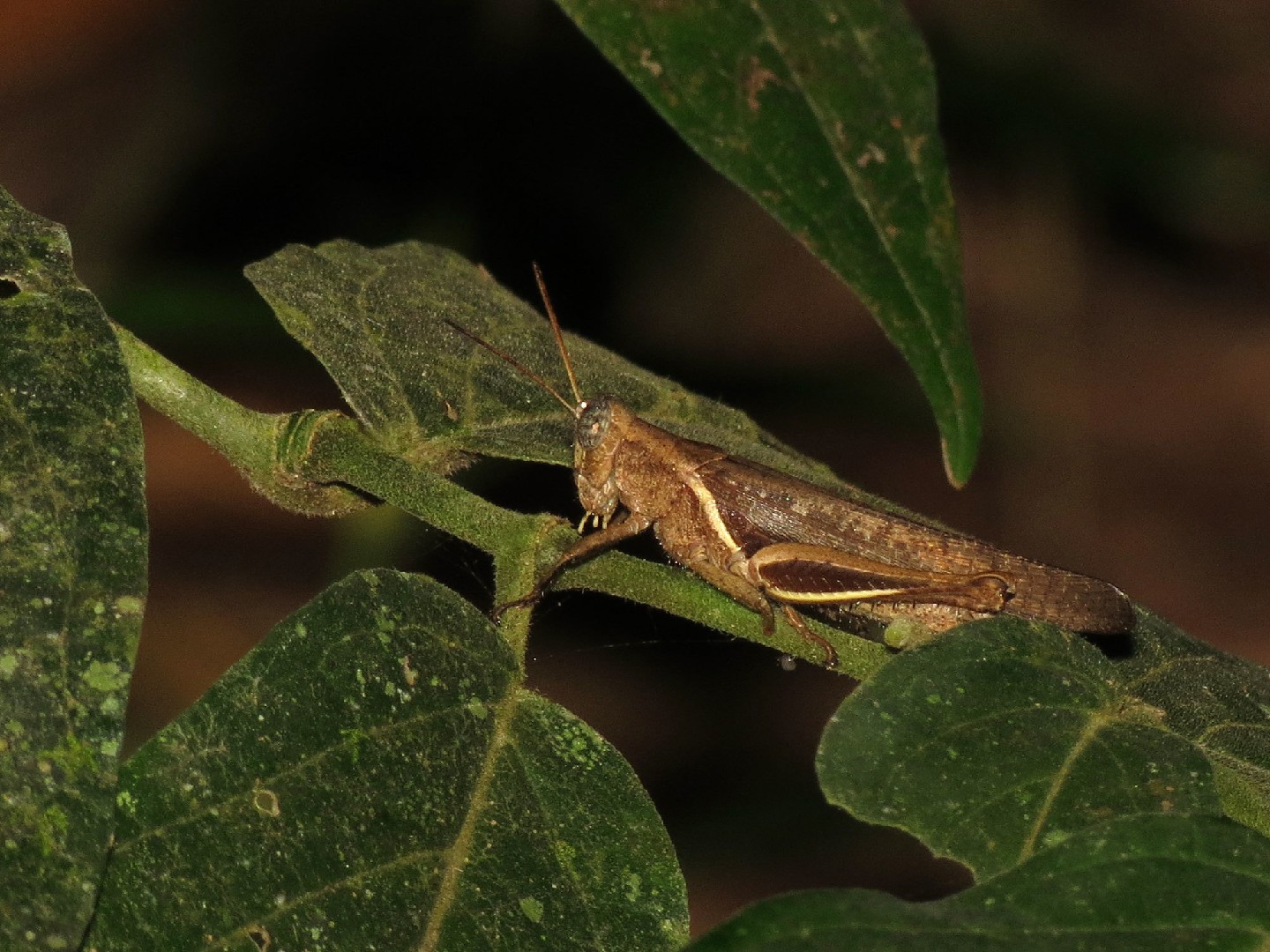
10. Abracris flavolineata
Abracris flavolineata is a right-winged insect from the family locusts (Acrididae). The scientific name of this species was first validly published in 1773 by De Geer.
More







