




Top 20 Most Common Insects in Quito
Insects, endowed with distinct features and poignant resilience, boast an impressive presence in Quito. The diversity of their populations is nurtured by the region's varied geography, producing an array of fascinating signatures. These tiny beings profoundly impact our ecosystem in remarkable ways, both as pest controllers and nutrient cyclers. Revel in our specially curated list of 20 most common insects of Quito, a testament to the intricate nexus between an area's ecology and the tiny lives it nurtures.

Most Common Insects
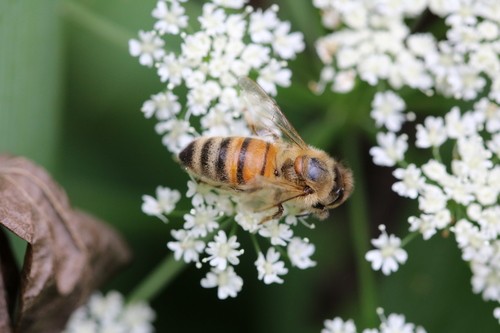
1. Western honey bee
Western honey bee(Apis mellifera) is the most common species of honeybee in the world. Among the first domesticated insects, its cultural and economic impact on humanity has been vast and far-reaching, providing honey, wax and its services as a pollinator. Western honey bee faces challenges worldwide, such as colony collapse disorder, and populations are thought to be decreasing.
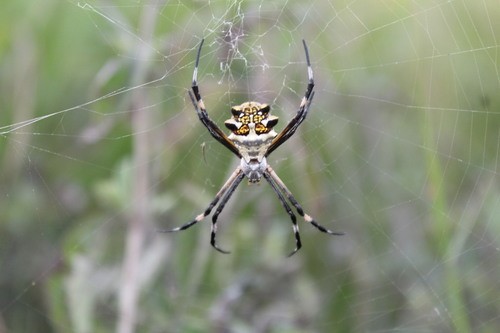
2. Silver argiope
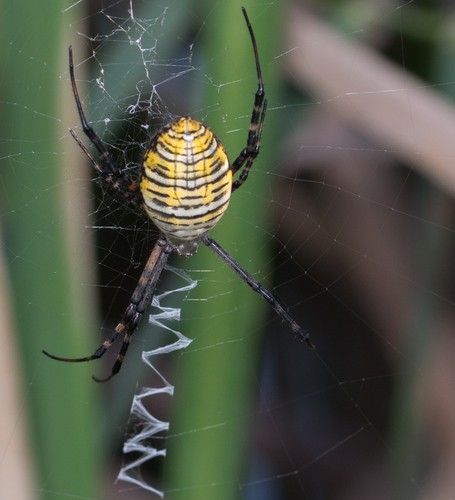
The silver argiope (Argiope argentata) often creates unique zigzag patterns on its webs. It's usually found in warm, dry areas, especially on cacti and aloe vera plants. The females are much larger than males. They can bite and cause irritation to the skin, but the damage won't be life-threatening.
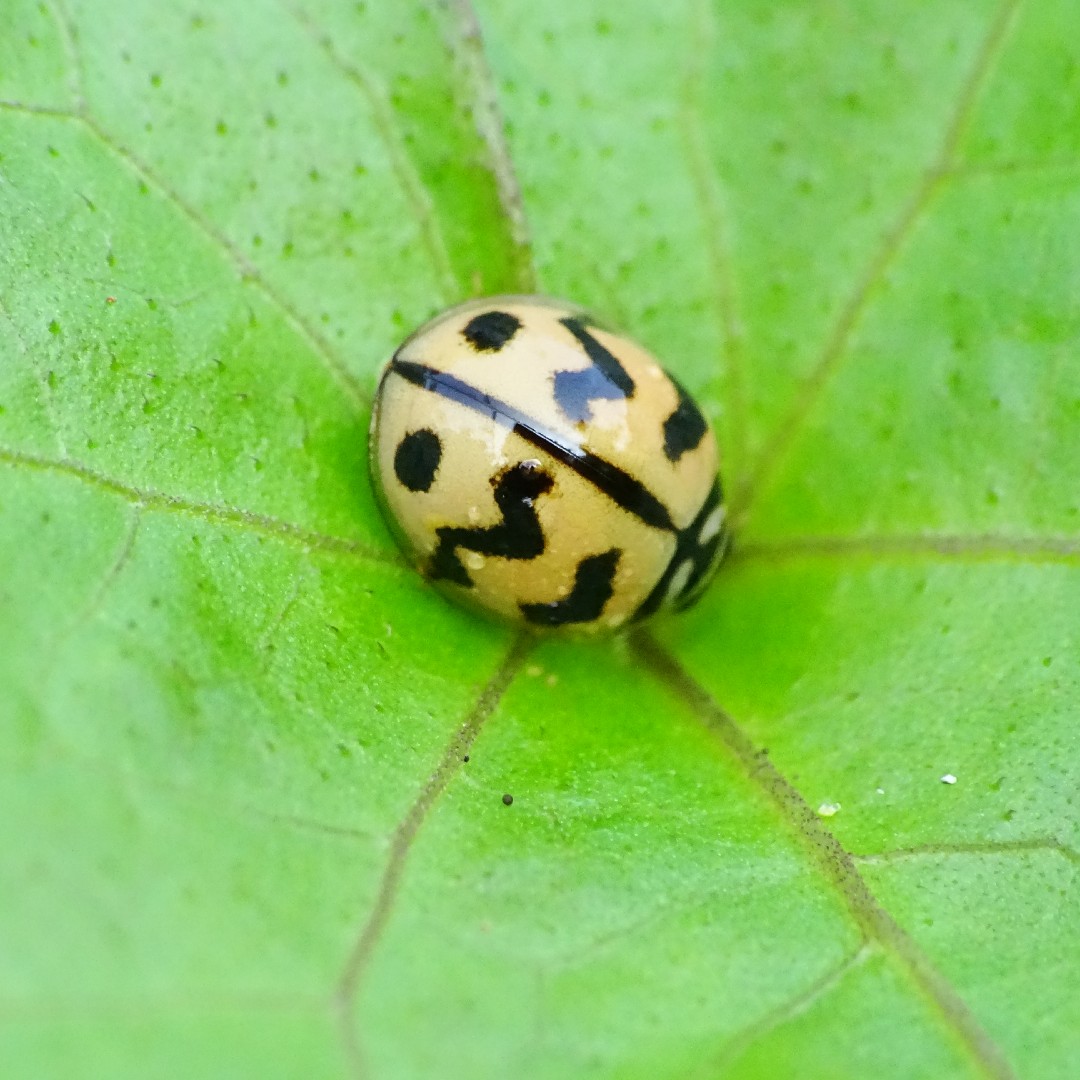
3. Six-spotted zigzag ladybird beetle
The six-spotted zigzag ladybird beetle is a common visitor to agricultural fields in India where it is considered a beneficial insect. It preys on several insects that reduce crop yield and is a more cost-effective and environmentally friendly method of pest control. The insect hibernates in cold temperatures, only appearing from spring through fall.

4. Multicolored asian ladybeetle
Often confused for the ladybug, multicolored asian ladybeetle (Harmonia axyridis) is a separate species that, unlike the ladybug, is a household pest. It is considered particularly annoying for its habit of returning to places from which it is removed. One of the most variable species in the world, there are many different colors and patterns multicolored asian ladybeetle may display, making identification potentially difficult.
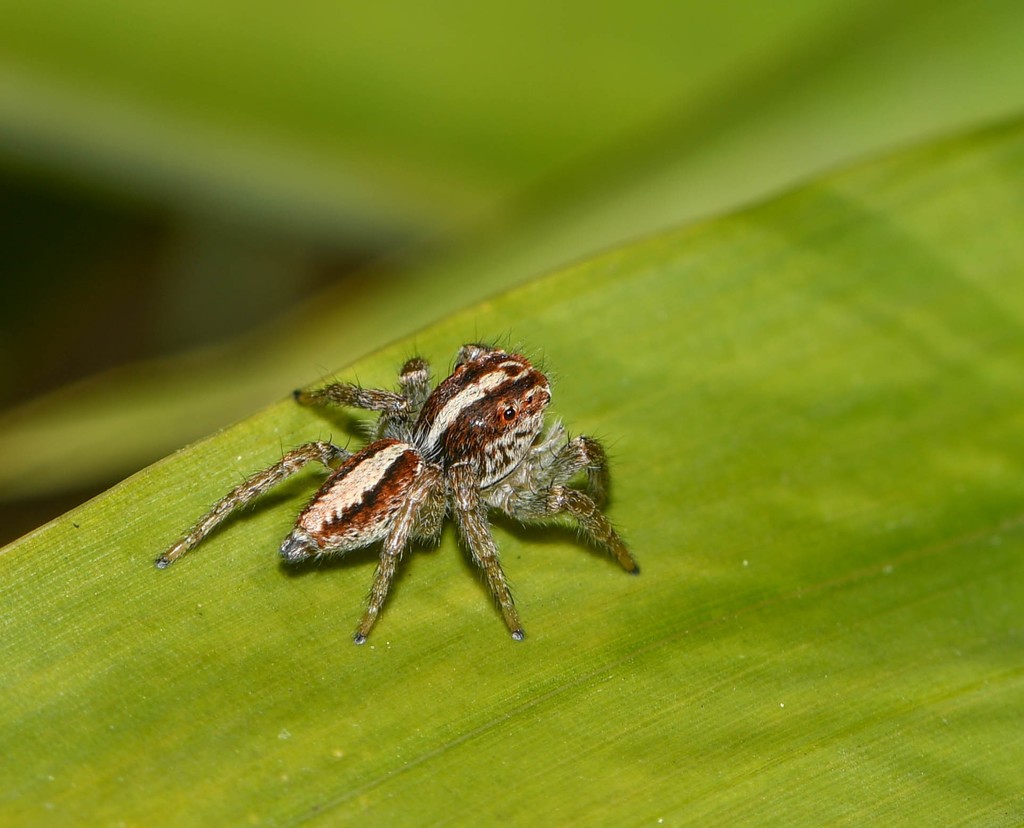
5. Frigga crocuta
6. Spinybacked Orbweaver
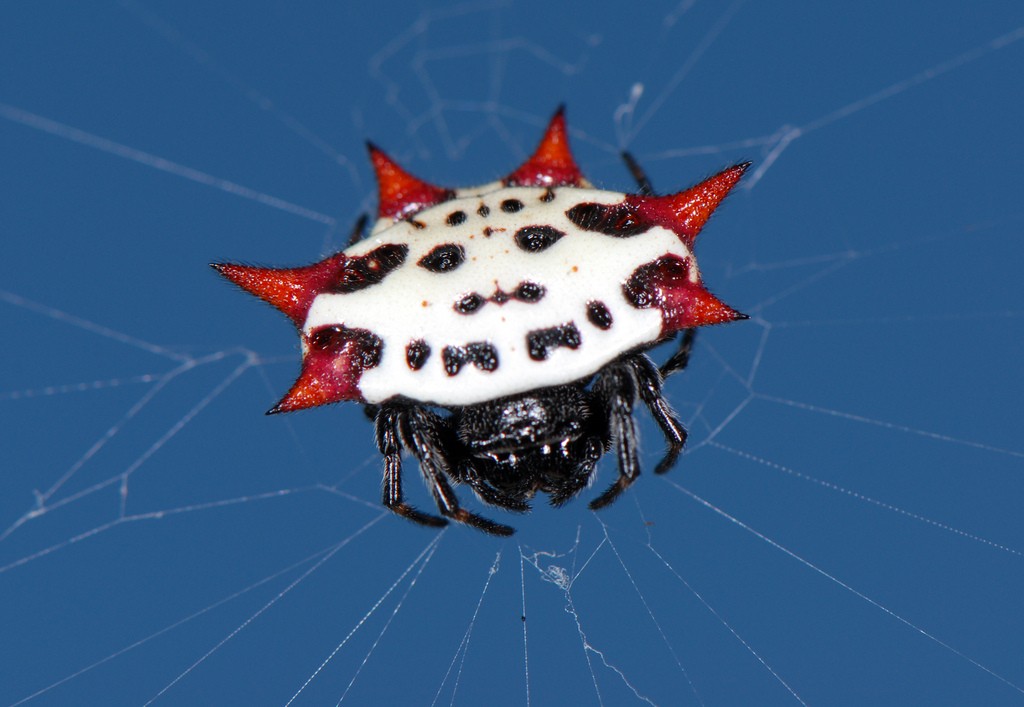
The spinybacked Orbweaver (Gasteracantha cancriformis) has a crab-like structure with six spines on its abdomen. The color of this species varies based on where it lives, and the colors are usually red, orange, yellow, or white. Males and females communicate by creating patterns of vibration on their webs.
7. Milkweed Assassin Bug
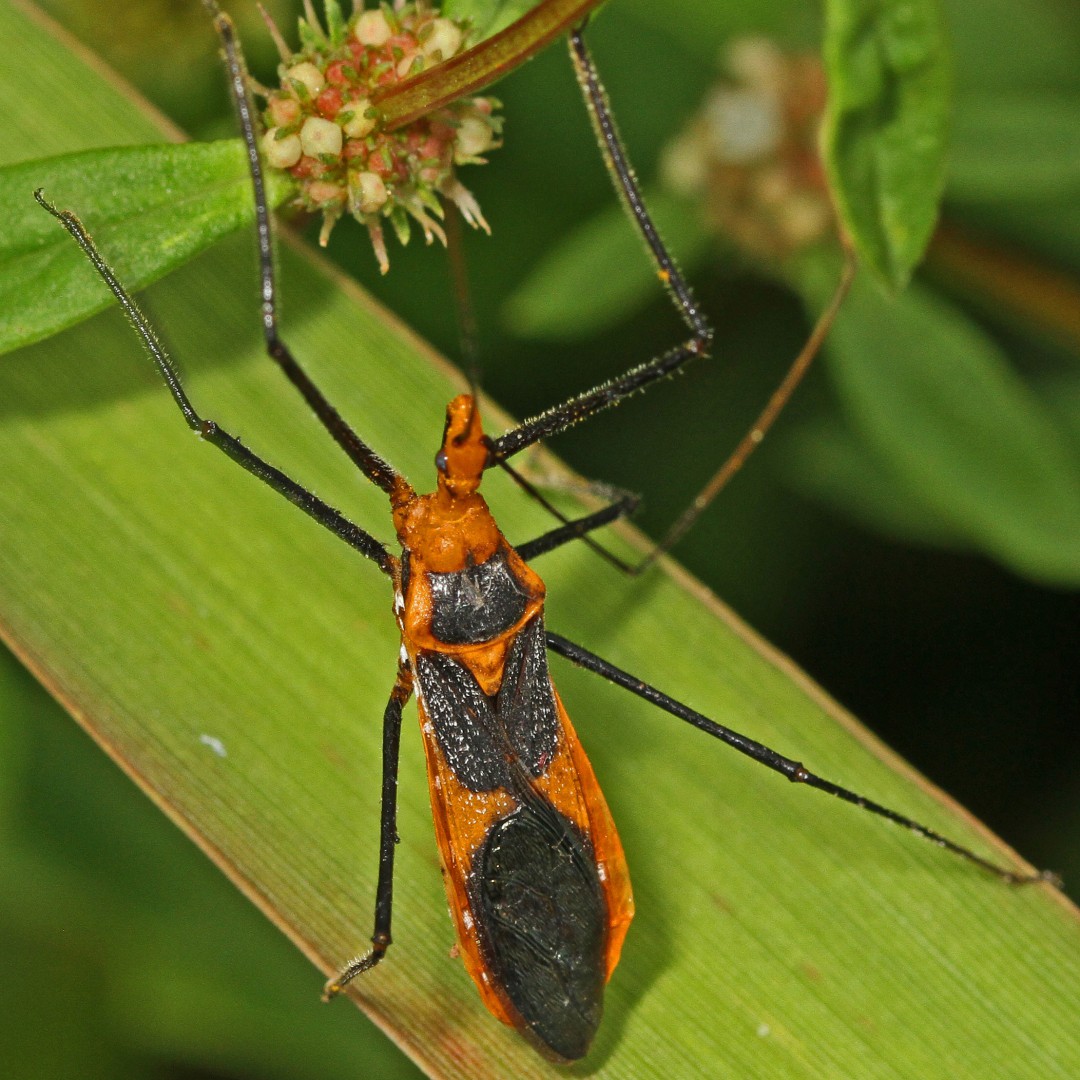
The milkweed Assassin Bug (Zelus longipes) targets all sorts of pests that affect crops, flowers, and grasses. And it was named milkweed assassin bug for its striking resemblance to the milkweed bug (Oncopeltus fasciatus). If you discover a milkweed Assassin Bug in your garden, be sure to leave it there as it is very beneficial for your plants!
8. Convergent lady beetle
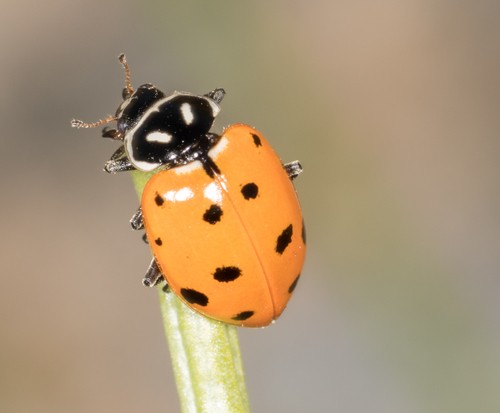
The convergent lady beetle (Hippodamia convergens) is one of the most common lady beetles in North America, which is a great thing given that it is a common biological control agent of aphids. They lay a good chunk of eggs over a couple of months. If you have ever seen a small, black alligator-like insect, you may have seen one of its larva.
9. Common Pill-Bug
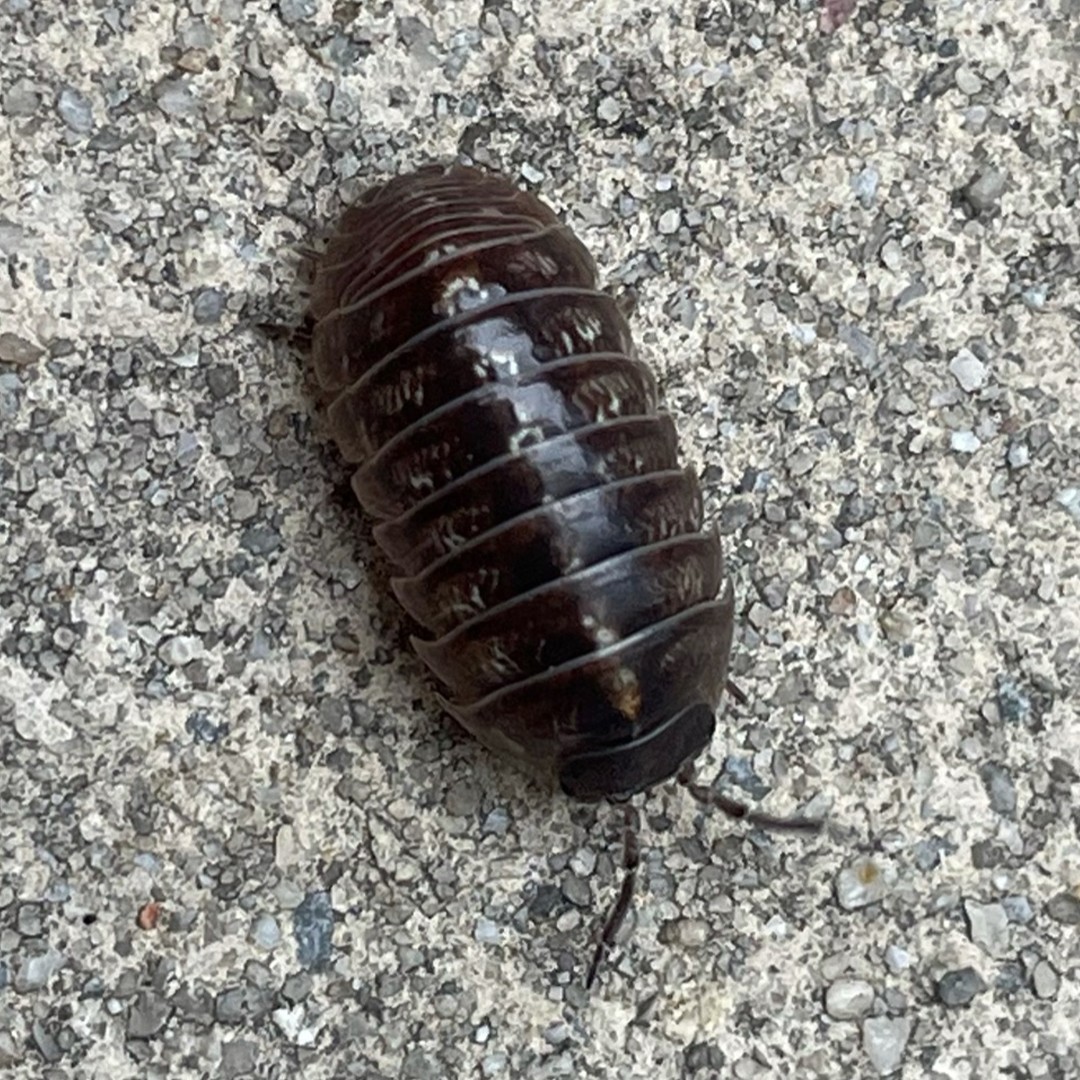
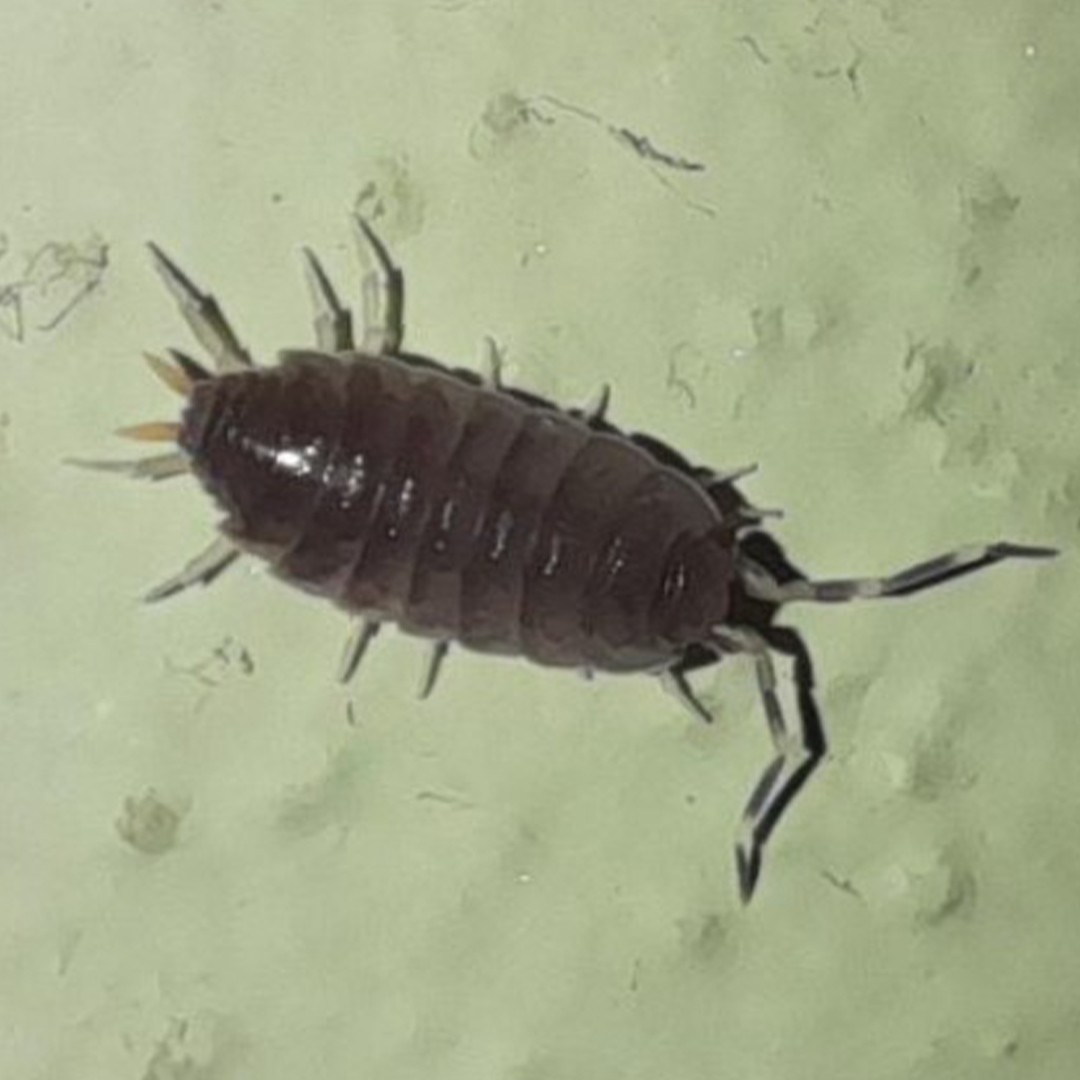
The common Pill-Bug is a nocturnal woodlouse species that's fairly popular among hobbyists and sometimes kept as a pet. When disturbed, this small bug rolls into a ball, resembling a pill or armadillo, hence both its Latin and common English names. Compared to other Armadillidium species, this one is able to withstand drought more than any other. 
10. Noble false widow
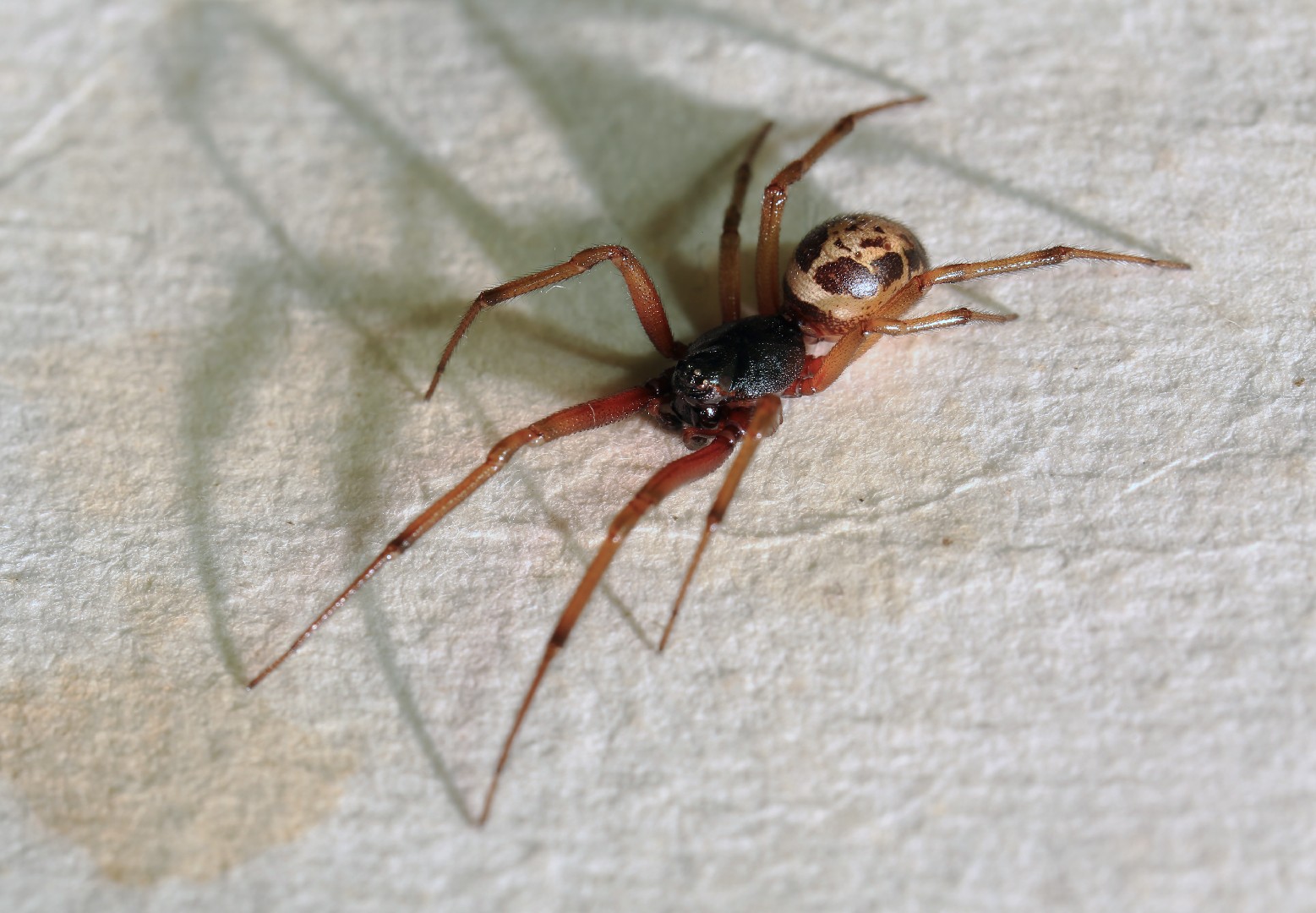
The noble false widow (Steatoda nobilis) is named because it tends to be confused with the black widow spider (Latrodectus mactans). Despite its natural acting abilities, the venom it has can still cause a painful, but not harmful, bite. Despite the venom's non-lethal nature, people in the UK have still taken the time to post about it in the news.
More







