




Top 19 Most Common Insects in Batumi
Insects, characterized by their segmented bodies and jointed limbs, are crucial components of Batumi's diverse ecosystem. Geography greatly influences Batumi's insect diversity, with the varied landscapes such as open fields and lush green mountains harboring unique species. These admirable creatures play vital roles, functioning as both beneficial pollinators and challenging pests. Our 'Top 19 Most Common Insects in Batumi' list offers a glimpse into the fascinating insect life influencing Batumi's environmental health.

Most Common Insects
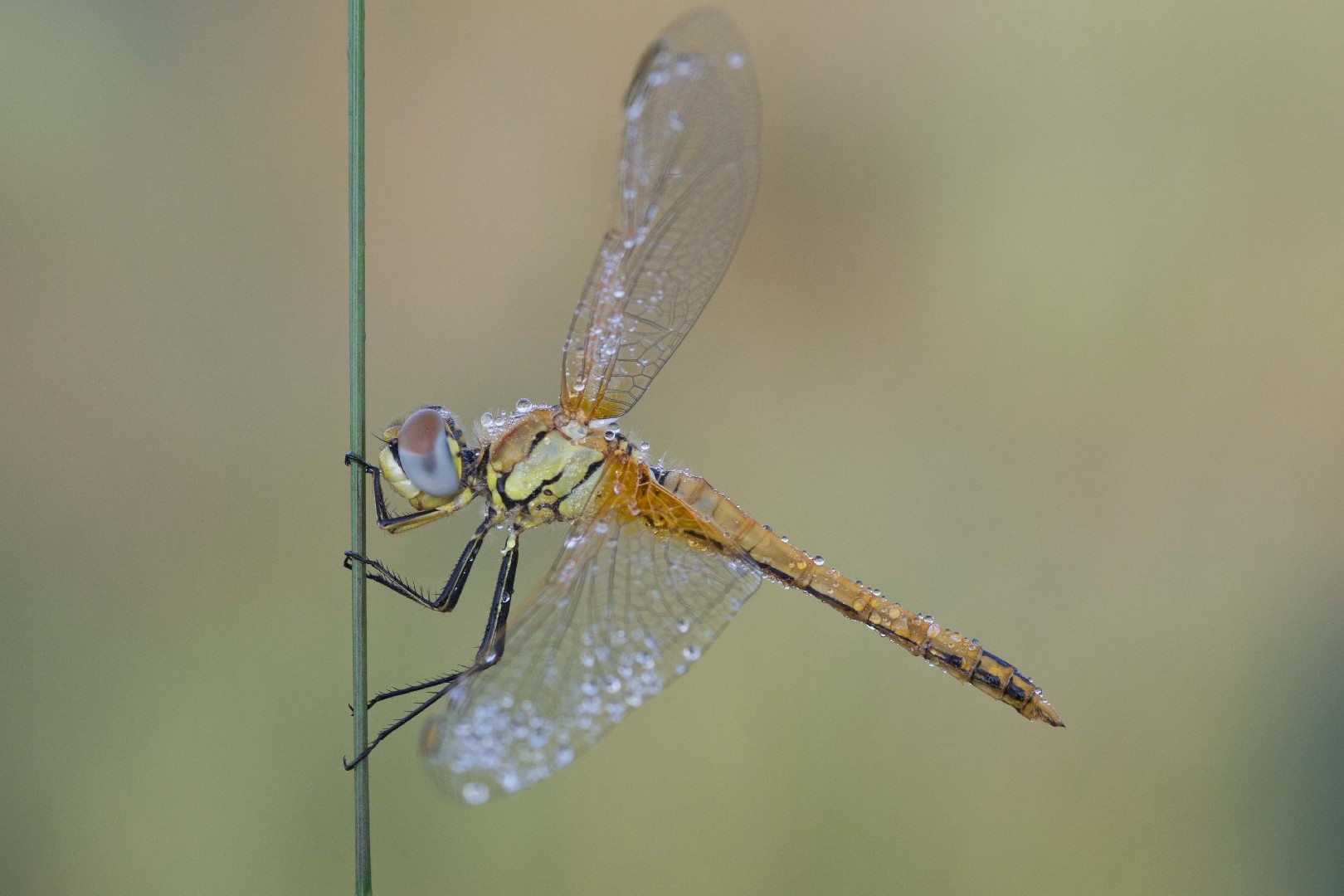
1. Red-veined darter
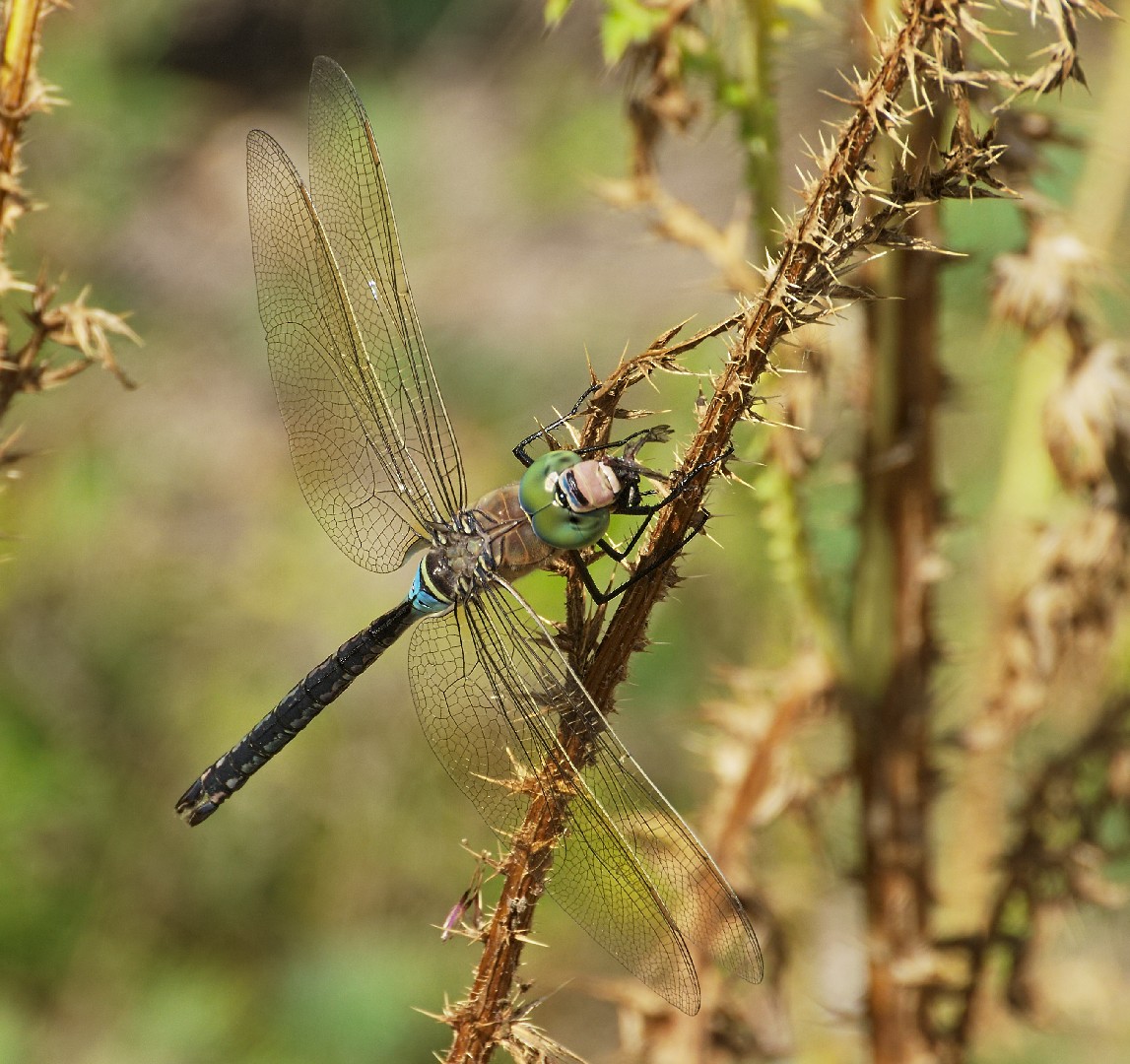
The Early Darter (Sympetrum fonscolombii) is a species of dragonfly in the family of the leaflets (Libellulidae), which belongs to the great dragonfly (Anisoptera).
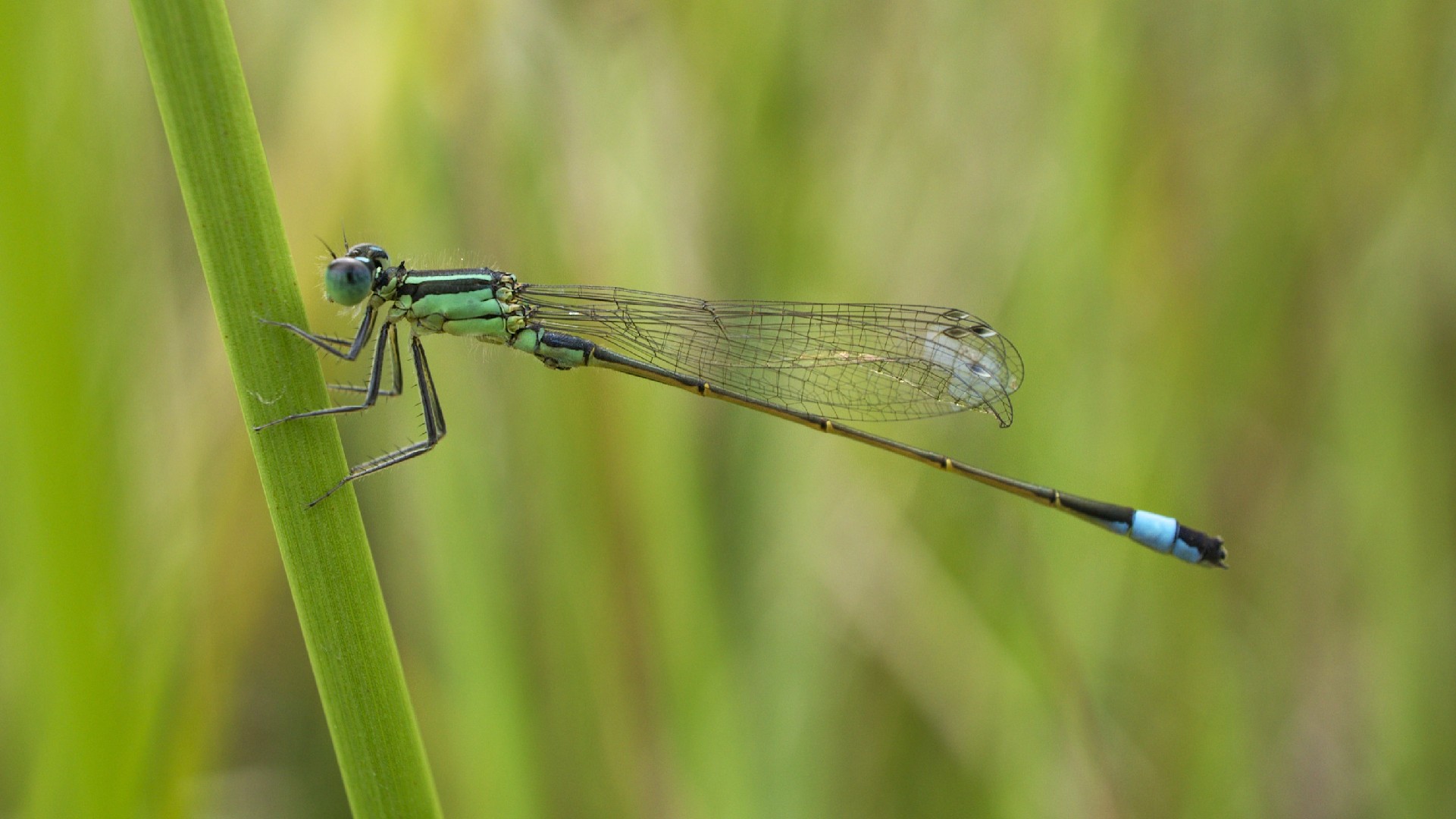
2. Blue-tailed damselfly
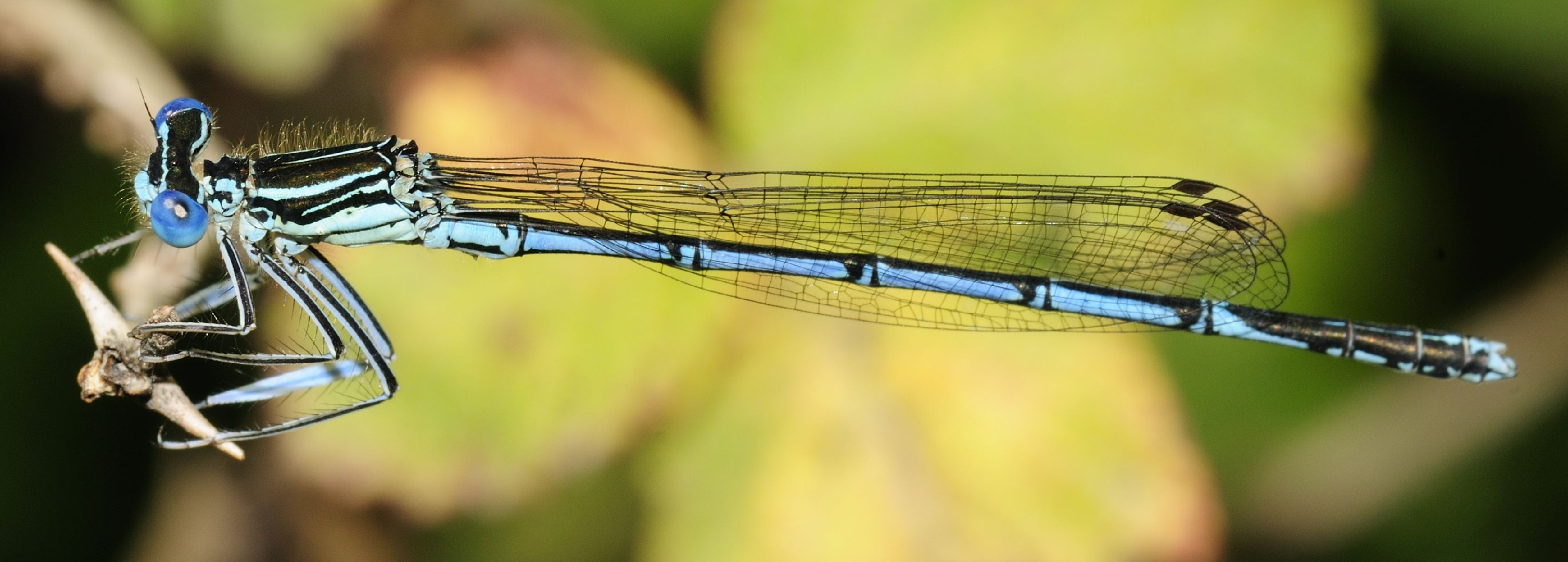
Ischnura elegans can reach a body length of 2.5 - 3.5 cm and a wingspan of about 3.5 cm. Hindwings reach alength of 1.4 - 2 cm. Adult male blue-tailed damselflies have a head and thorax patterned with blue and black. There is a bi-coloured pterostigma on the front wings. Eyes are blue. They have a largely black abdomen with very narrow pale markings where each segment joins the next. Segment eight, however, is entirely pale blue. At rest, the wings of most damselfly species are held back together, unlike dragonflies, which rest with their wings out flat. The thorax of juvenile males has a green tinge. Female blue-tailed Damselflies come in a variety of colour forms.Juveniles may be salmon pink, form rufescens; violet, form violacea and a pale green form. The colour darkens as the damselfly ages. Mature females may be blue like the male, form typica; olive green thorax and brown spot, form infuscans or pale brown thorax and brown spot, form infusca-obseleta. 
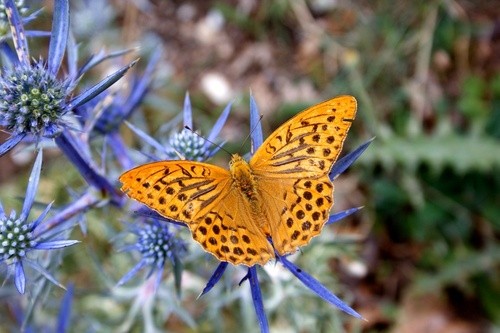
3. Silver-washed fritillary
The silver-washed fritillary (Argynnis paphia) is a beautiful, orange butterfly that is covered in black spots. It earns the "silver-washed" portion of its name through silver streaks you can find running along with it. It produces a scent using "scales" that allows it to distinguish itself when females are trying to locate it.
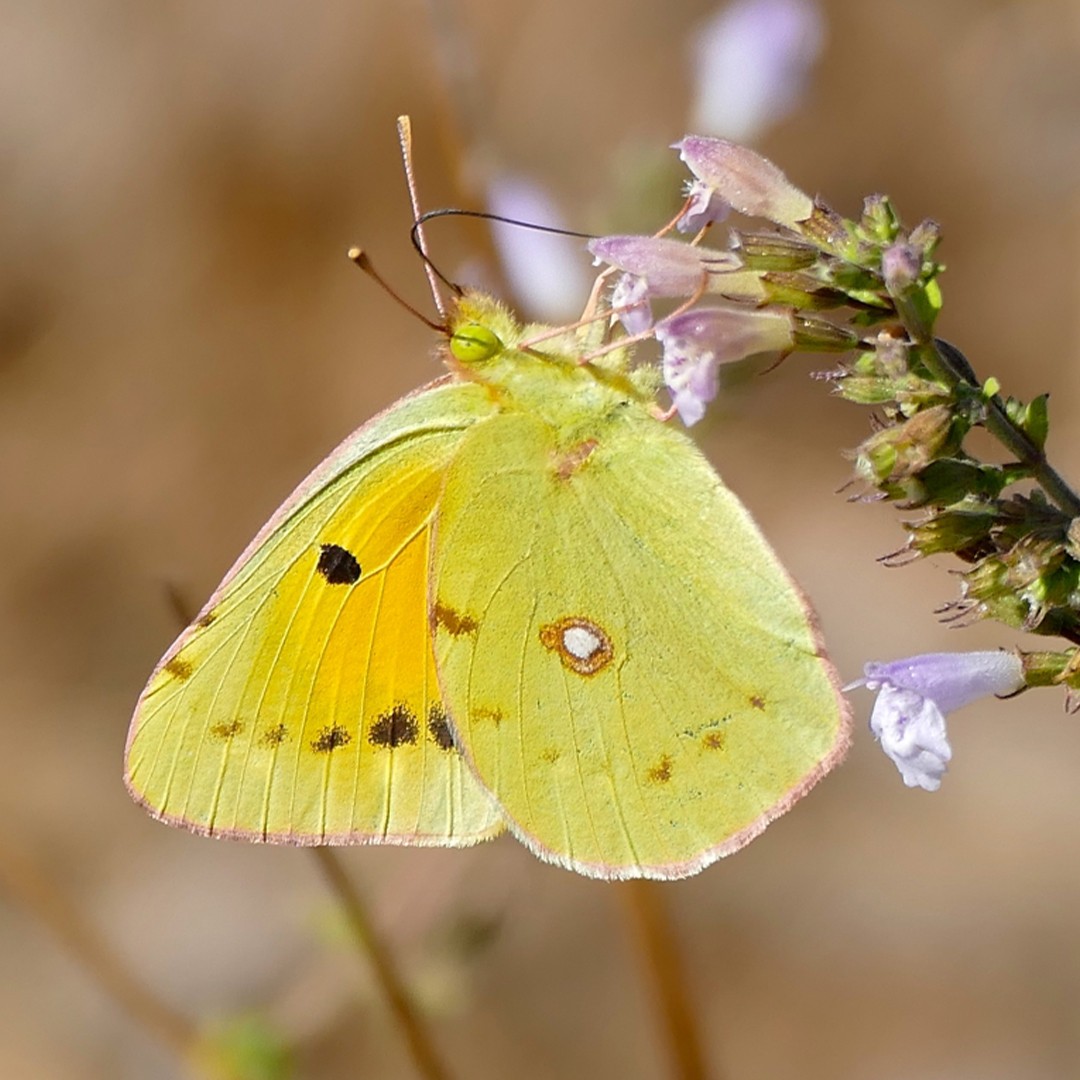
4. Clouded yellow
Colias croceus has a wingspan of 46–54 millimetres (1.8–2.1 in). The upperside of the wings is golden to orange yellow with a broad black margin on all four wings and a black spot near the centre forewing. Usually these butterflies settles with its wings closed, consequently the black margin of the uppersides of the wings is difficultly visible. The underside lacks the black borders and is lighter, with a more greenish tint, particularly on the forewings. In the forewing underside is the same dark spot as on the upperside, but often with a light centre; the hindwing underside has a white centre spot, often with a smaller white or dark dot immediately above it. Sometimes, a row of black dots occurs on the underwings' outer margins, corresponding to where the black border ends on the upperside. Females differ from the males in having yellow spots along the black borders on the upperside. In flight, Colias croceus is easily identifiable by the intense yellow colouring, much brighter than that of the lemon-yellow male common brimstone which also lacks black markings. Like all Colias species they never open their wings at rest. In a small proportion of females (about 5%) the golden upperside colouration is replaced by a pale cream colour. These females have been distinguished as form helice. The pale form helice does not seem to be that distinct as intermediates exist and the variation is to some extent related to humidity during development, with dryer conditions producing paler colouration. These pale forms helice can be confused with Berger's clouded yellow (Colias alfacariensis) and the rarer Pale clouded yellow (Colias hyale). Even the palest C. croceus tends to have more black on the upperside however, in particular on the hindwings. Young caterpillars are yellow-green, with a black head. Later they become completely dark green, with a white red spotted lateral line after the third moult. The pupae are green and have a yellow side stripe. This species is rather similar to Colias myrmidone, Colias chrysotheme, Colias erate, Colias hyale, Colias alfacariensis, Colias caucasica, Colias aurorina.
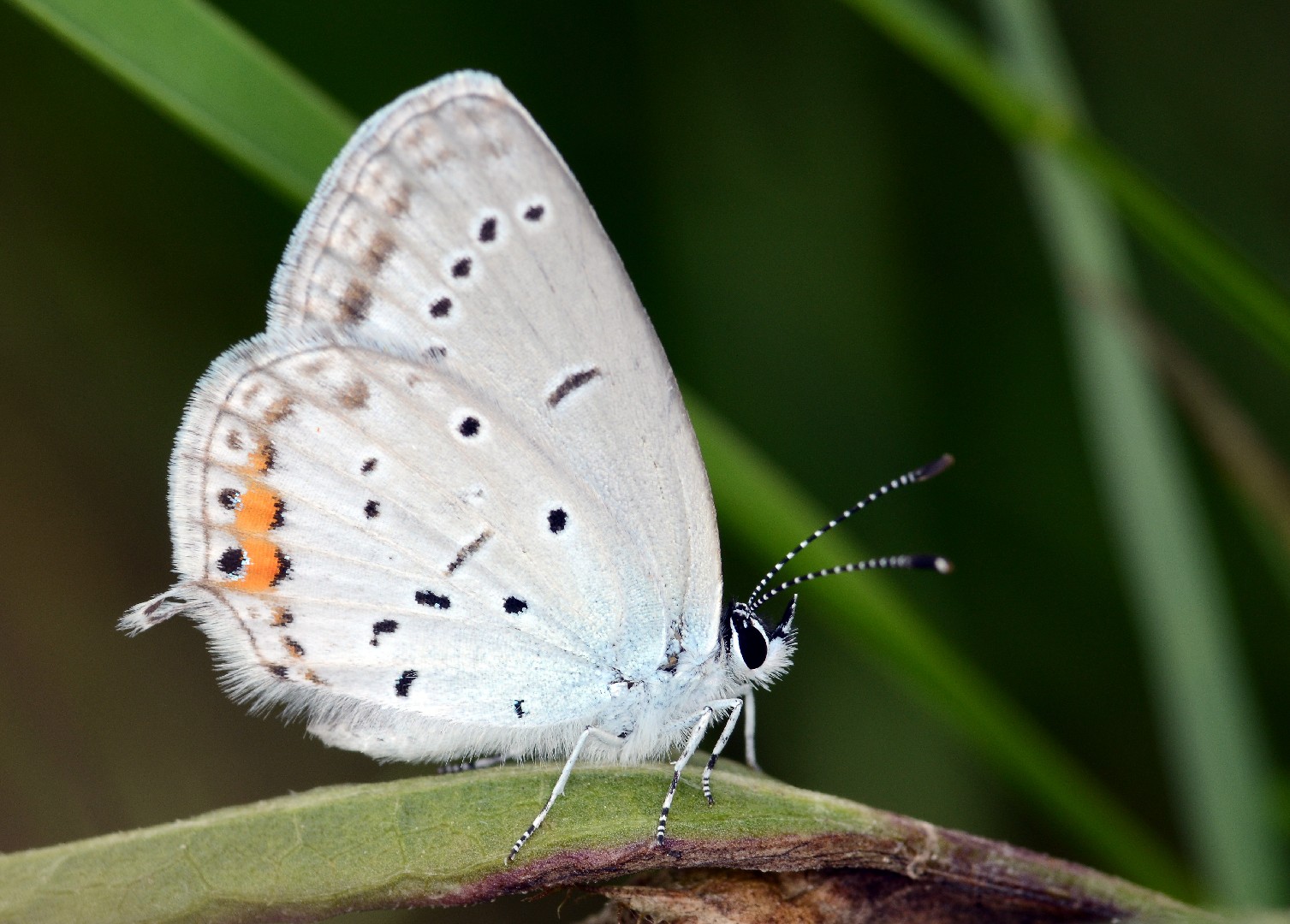
5. Short-tailed blue
The male has a violet upperside, a violet forewing with brown edging, and a violet hindwing with a brown edging of varying length. The wings have black spots, some of which have slight white edging. The tail is black with a white tip. The underside of the wings are white or brownish grey, the markings prominent or very faint. The antennae are black with white speckling on the shafts. The body is brown with a purple flush on fresh specimens. The female has a dark grey-blue upperside, with black parts and broader edging. The undersides of the wings are like those of the male but with more stark markings. The body is like that of the male but without the purple flush. Specimens from very dry localities in Upper Burma and from Great Nicobar Island are remarkably small and pale, with the markings on the underside, especially the subtornal ochraceous yellow patch, more or less obsolescent.
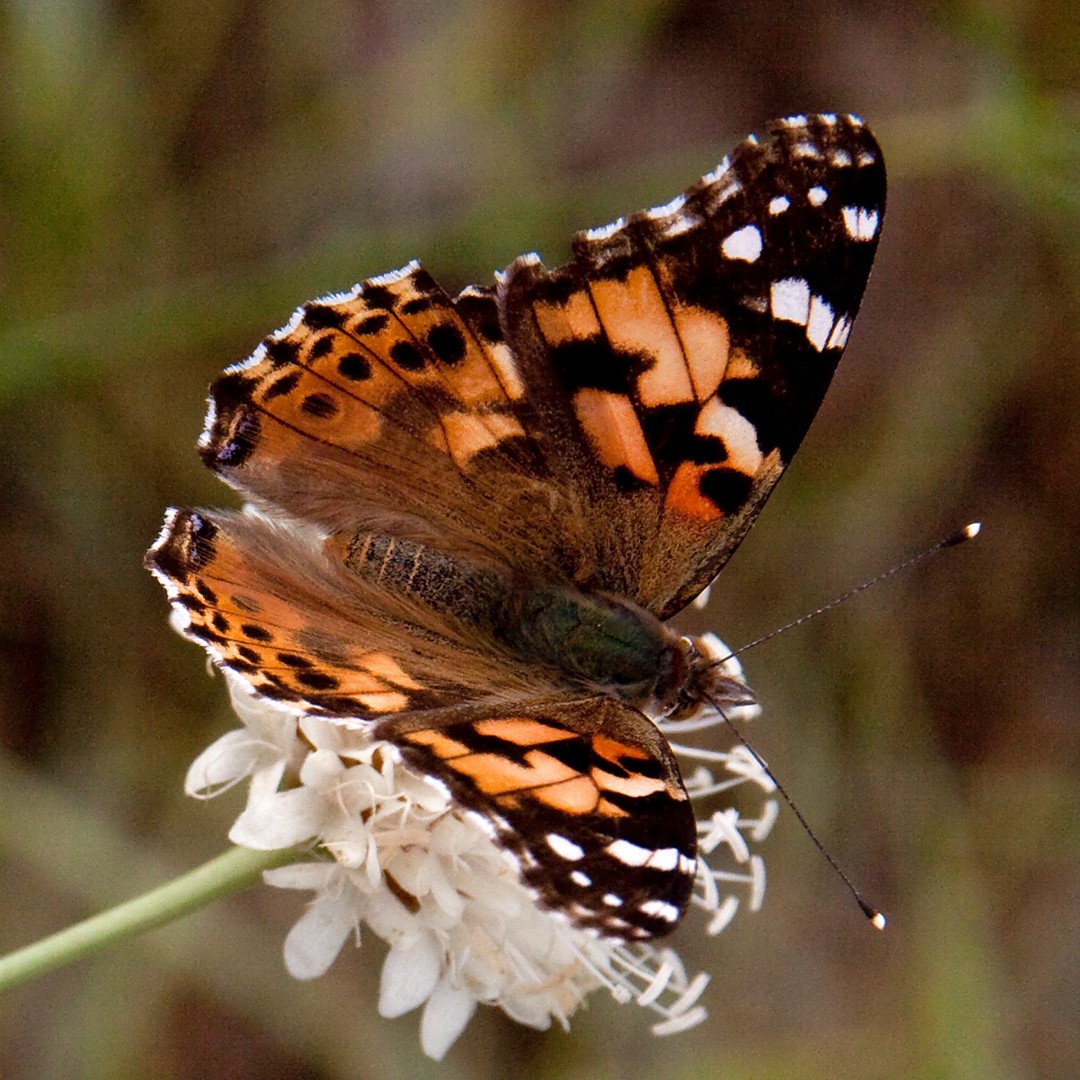
6. Painted lady
The painted lady is a migratory butterfly that spends part of the year in Northern Africa and then migrates to Europe during the warmer months. Although the adults feed on nectar from flowers, the larvae feed on the leaves of nettles and thistles.
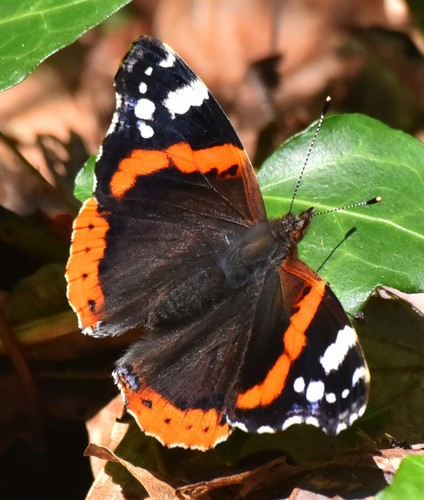
7. Red admiral
Red admiral (Vanessa atalanta) is a visually striking species of butterfly. Unusually territorial, males will compete for choice areas, and females will only mate with males that maintain their own territories. This butterfly is known for being particularly patient with human interactions, even to the point of perching on clothing or flesh.
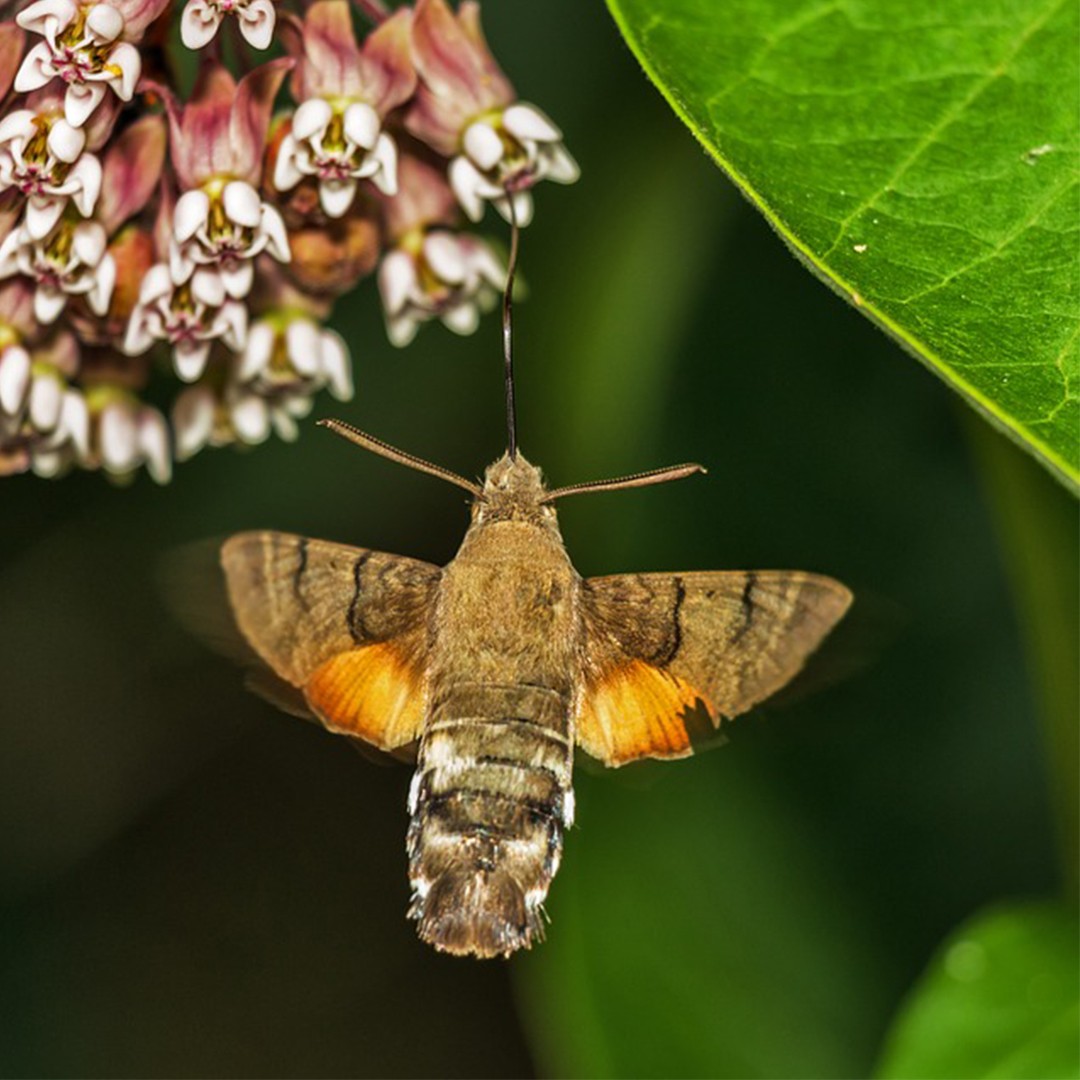
8. Hummingbird hawk-moth
Named after its resemblance to hummingbirds, the hummingbird hawk-moth feeds on nectar-rich, tube-shaped flowers. This large, fast, buzzing insect is known for its ability to learn colors; its food preferences are based on visual recognition. It is a migratory species that starts its journey in Africa. The hummingbird hawk-moth is considered a lucky omen.
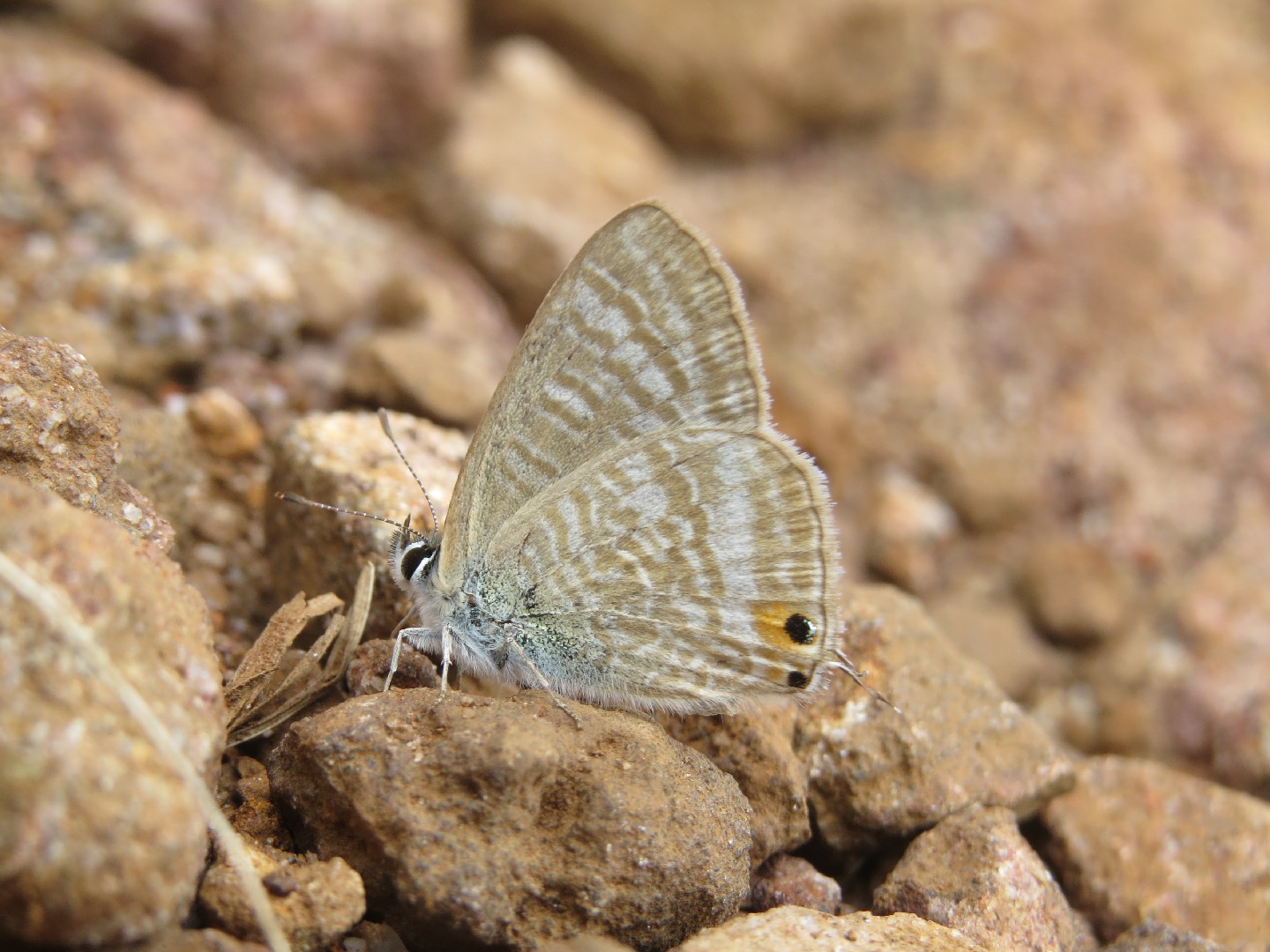
9. Pea blue
The wingspan is 24–32 mm for males and 24–34 mm for females. In these small butterflies the males have a mainly blue violet upper face of the wings with the brown edges, while the females have only a small amount of blue colour in the centre of the wings (sexual dimorphism). Both sexes have a thin, long tail in the hindwings and two black spots in the anal angle. The underface of the wings is ocher and adorned with white markings and with a larger white submarginal streak. The underface of each hindwing shows a pair of small black eye-spots beside each tail, with an orange marginal spots at the anal angle.
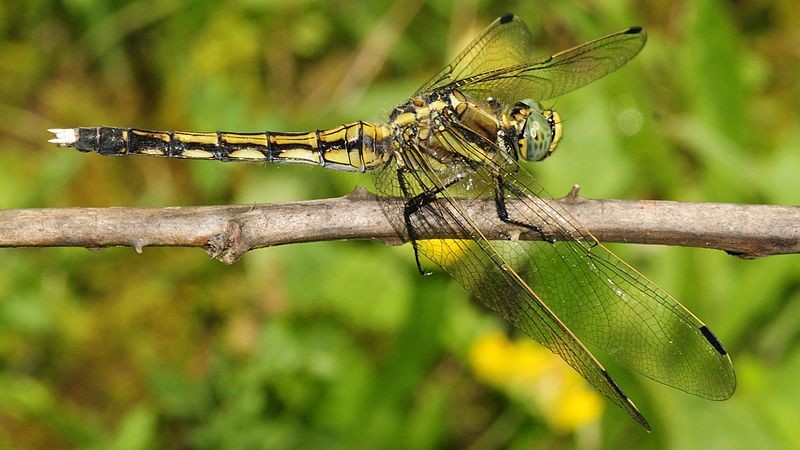
10. White-tailed skimmer
Orthetrum albistylum is a dragonfly species, which occurs from central and south Europe to China and Japan. Its distribution is often patchy but in many areas it is common. The species has recently spread its range northwards to the Baltic Sea coast in Poland. The common name for this species is white-tailed skimmer. One of the ongoing threats affecting the habitat of Orthetrum albistylum is the production of crops. The water pollution associated with crop production is also having a direct effect on the quality of the habitat of this species.

More







