




Top 20 Most Common Insects in Hamburg
Welcome to the diverse world of insects, creatures known for their little bodies and powerful adaptability across Hamburg's rich landscapes. Every corner of this region, from its frigid mountains to sunny coastlines, nurtures a unique set of insect residents. These tiny beings play a vital role in maintaining our ecosystem; pest management, pollination, and more come under their domain. So, stay tuned as we unfold the fascinating tales of the 20 most common insects of Hamburg, each humming its own symphony of life.

Most Common Insects
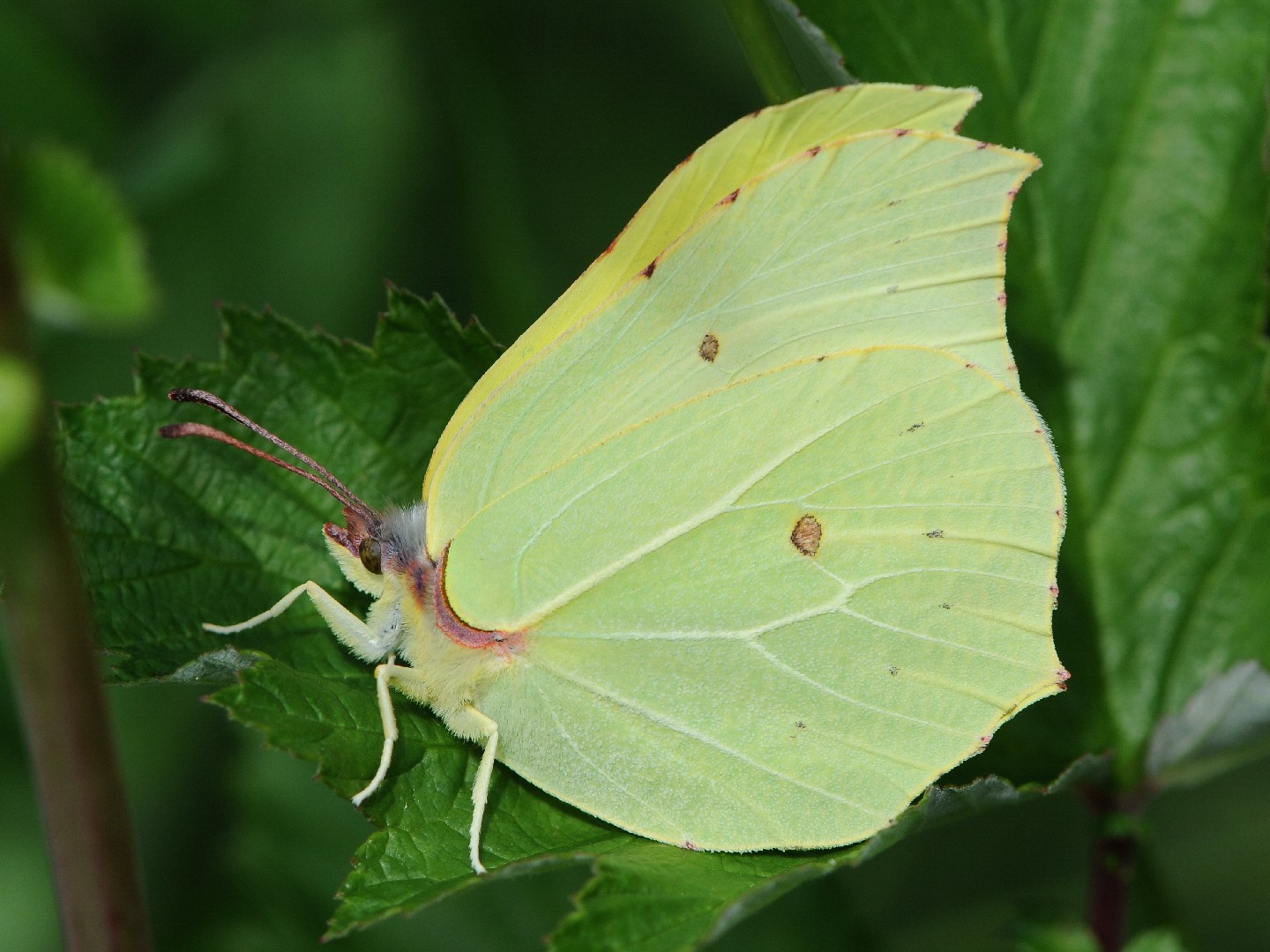
1. Common brimstone
Common brimstone (Gonepteryx rhamni) is an attractive species of butterfly; males display iridescence and have yellow wings, whereas females have white-green, non-iridescent wings. This species is wholly reliant on two species of buckthorn plant to lay its eggs. Consequently, the larvae consume large amounts of buckthorn.
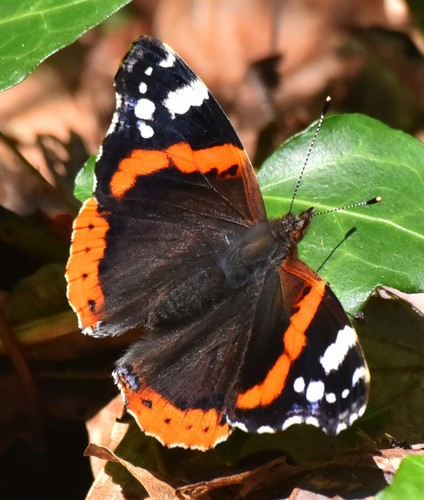
2. Red admiral
Red admiral (Vanessa atalanta) is a visually striking species of butterfly. Unusually territorial, males will compete for choice areas, and females will only mate with males that maintain their own territories. This butterfly is known for being particularly patient with human interactions, even to the point of perching on clothing or flesh.
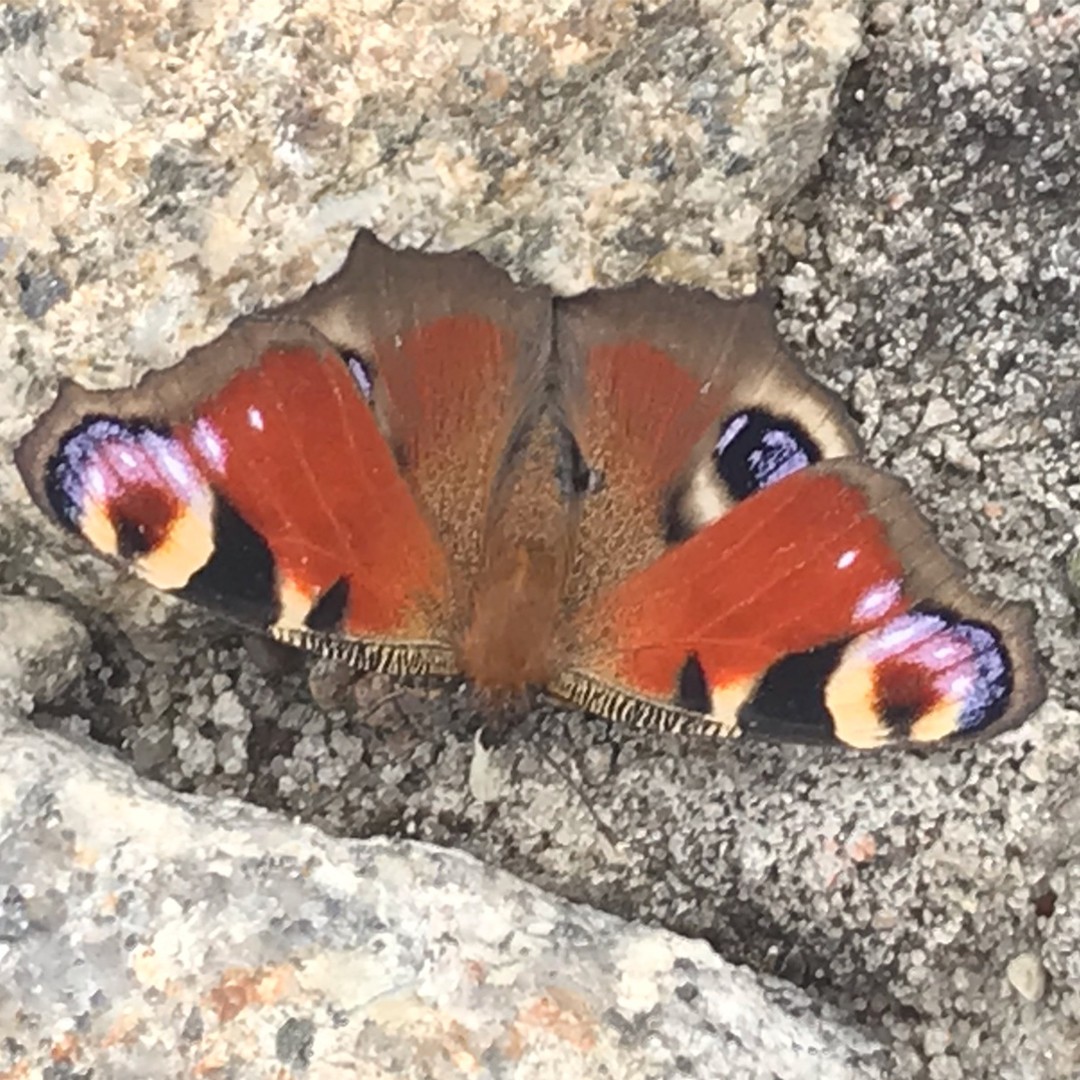
3. European peacock
European peacock (Aglais io) is a colorful butterfly that resides in temperate Asia and Europe – hence its common name. Its prominent eyespots deter would-be predators, who mistake them for the eyes of a bigger, more dangerous species. In recent years, this species appears to be expanding its range into previously uncolonized territory.
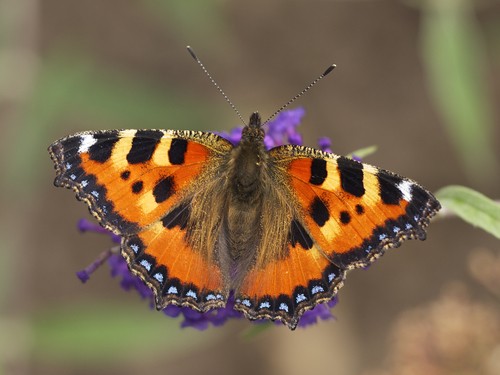
4. Small tortoiseshell
Small and colorful, small tortoiseshell (Aglais urticae) is the national butterfly of Denmark. However, it is capable of surviving anywhere the common nettle leaf may be found, which the larvae of this species depend on. Once among the most common butterflies in Europe and temperate Asia, this species is experiencing rapid declines for reasons still being investigated.
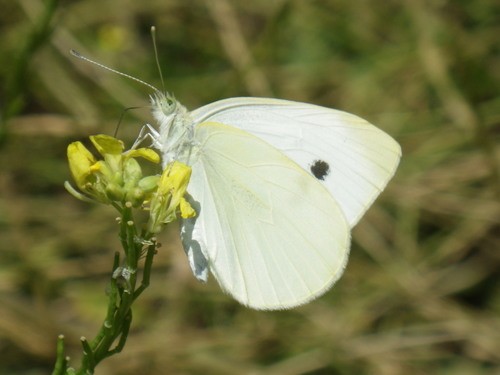
5. Cabbage white
Cabbage white (Pieris rapae) derives its common name from its habits as a caterpillar, which is a ferocious pest for cabbage, kale and broccoli farmers. In North America, it is one of the first butterflies to emerge in spring, heralding the beginning of the season.
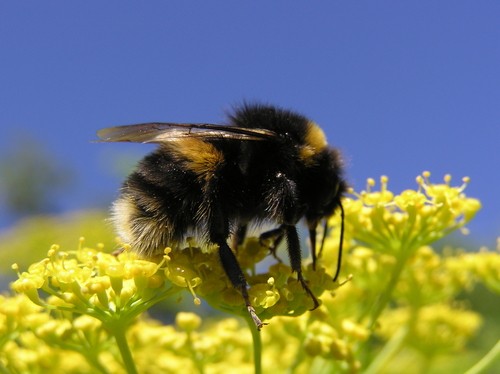
6. Buff-tailed bumble bee
A popular pollinating species in European greenhouses, buff-tailed bumble bee (Bombus terrestris) is one of the more common species of bumblebee worldwide. This species displays comparatively high levels of intelligence, recognizing flowers by color and navigating several miles (if necessary) to return to the hive. Unlike many other bee species, the queen of a buff-tailed bumble bee hive will only mate with one male.
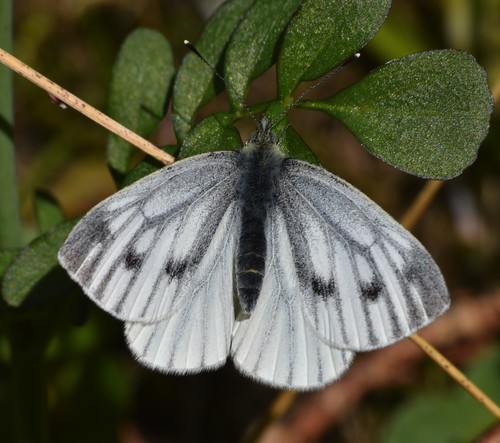
7. Green-veined white
Green-veined white (Pieris napi) is a distinctively white-winged butterfly that lays its eggs in a variety of food plants. This species displays observable differences dependent on sex: males possess only one dark spot on each forewing, whereas females display two. Unlike several of its cousin species, green-veined white prefers not to lay eggs in garden cabbages, rendering it less of a pest to farmers.
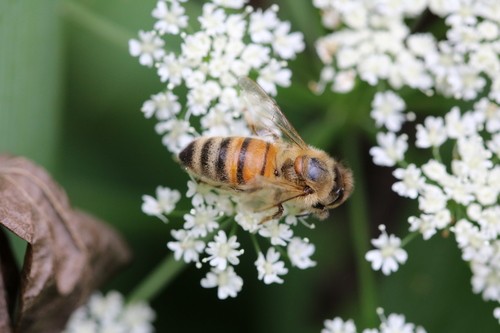
8. Western honey bee
Western honey bee(Apis mellifera) is the most common species of honeybee in the world. Among the first domesticated insects, its cultural and economic impact on humanity has been vast and far-reaching, providing honey, wax and its services as a pollinator. Western honey bee faces challenges worldwide, such as colony collapse disorder, and populations are thought to be decreasing.
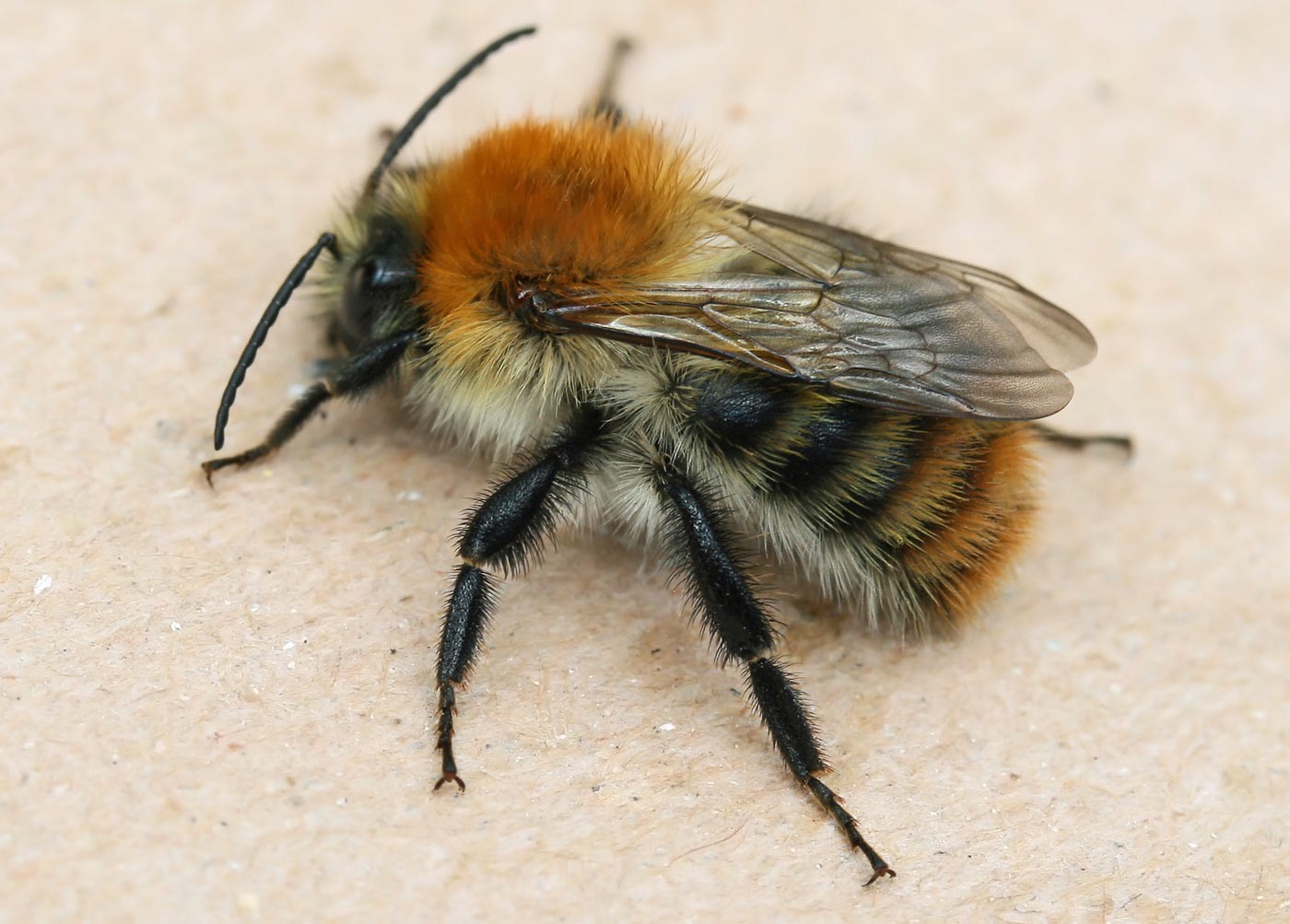
9. Common carder bee
The common carder bee (Bombus pascuorum) earns this name from its ability to be found almost anywhere. It isn't picky and can set up shop in a ditch or a meadow. During this time, it collects moss and combines it with wax to form their nests. They reach more than 100 individuals until they rapidly die off. Dramatically, the last surviving females and males leave the nest for greener pastures.
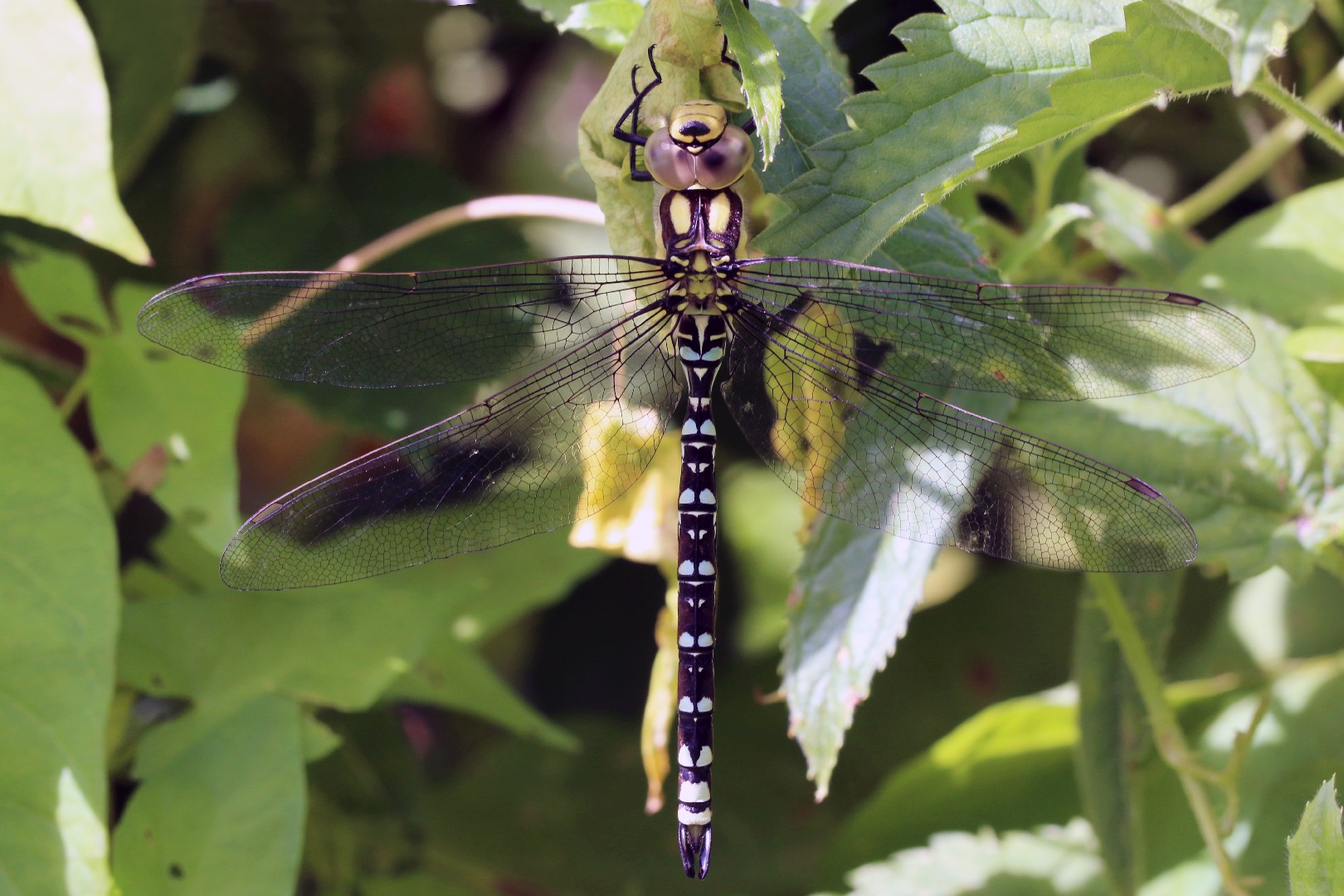
10. Southern hawker
Southern hawker is a curious dragonfly that is not afraid to fly close to an individual in its territory. The dragonfly is common in southern England, often visiting manmade ponds, lakes, and canals. The best time to spot the dragonfly is in the summer through the fall. The female lays her eggs in decaying wood and vegetation where the eggs will hatch the following spring.


More







