




Top 20 Most Common Insects in Athens
Insects, remarkable creatures known for distinct features and diversity, thrive in many habitats within Athens. From the coastal areas to mountainous regions, this diversity reflects the geographic diversity of Athens. Insects play a vital role in our biodiversity, acting as both pesky intruders and beneficial players in our ecosystem. Today, we will explore the 20 most common insects in Athens, showcasing the intricate relationship between our environment and these unique inhabitants.

Most Common Insects
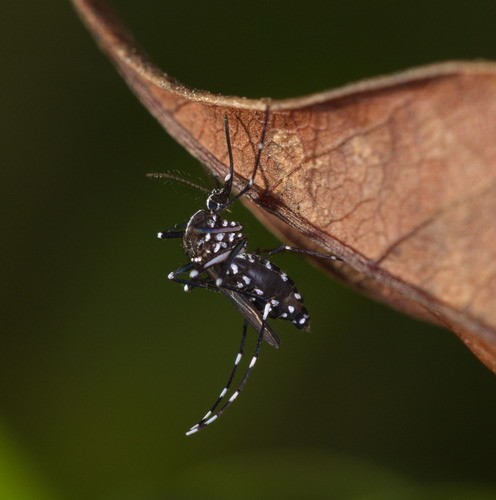
1. Asian Tiger Mosquito
The asian Tiger Mosquito (Aedes albopictus) has recently (the 1970s) infested every corner of the world through the shipment of used tired, lucky bamboo (Dracaena sanderiana), and other similar products. The asian Tiger Mosquito is known to transmit many deadly diseases that include West Nile Virus.
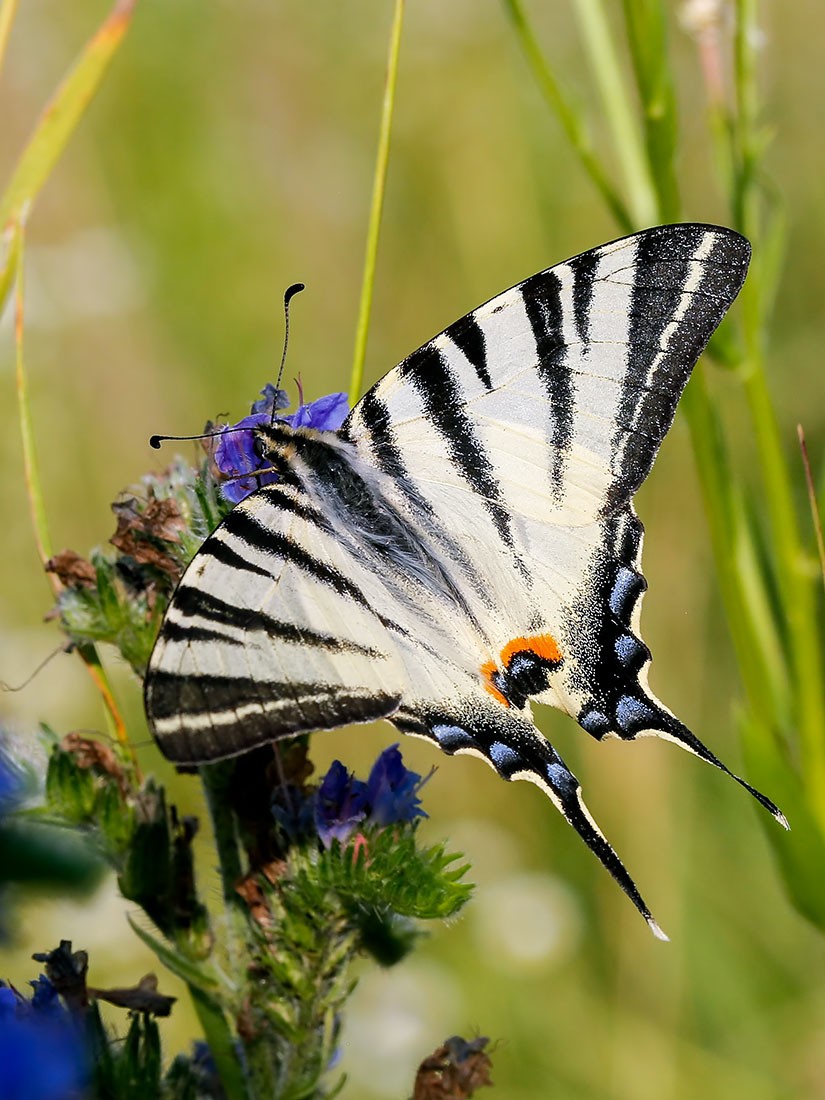
2. Scarce swallowtail
Its slow and floating flight pattern makes it easy to identify the scarce swallowtail as it soars over gardens, orchards, and scrublands. The butterfly has a large presence across Europe, the Middle East, and Asia. The adult lifespan is brief, only two or three weeks. Planting flowers like blackthorn can encourage the butterfly to visit a garden.
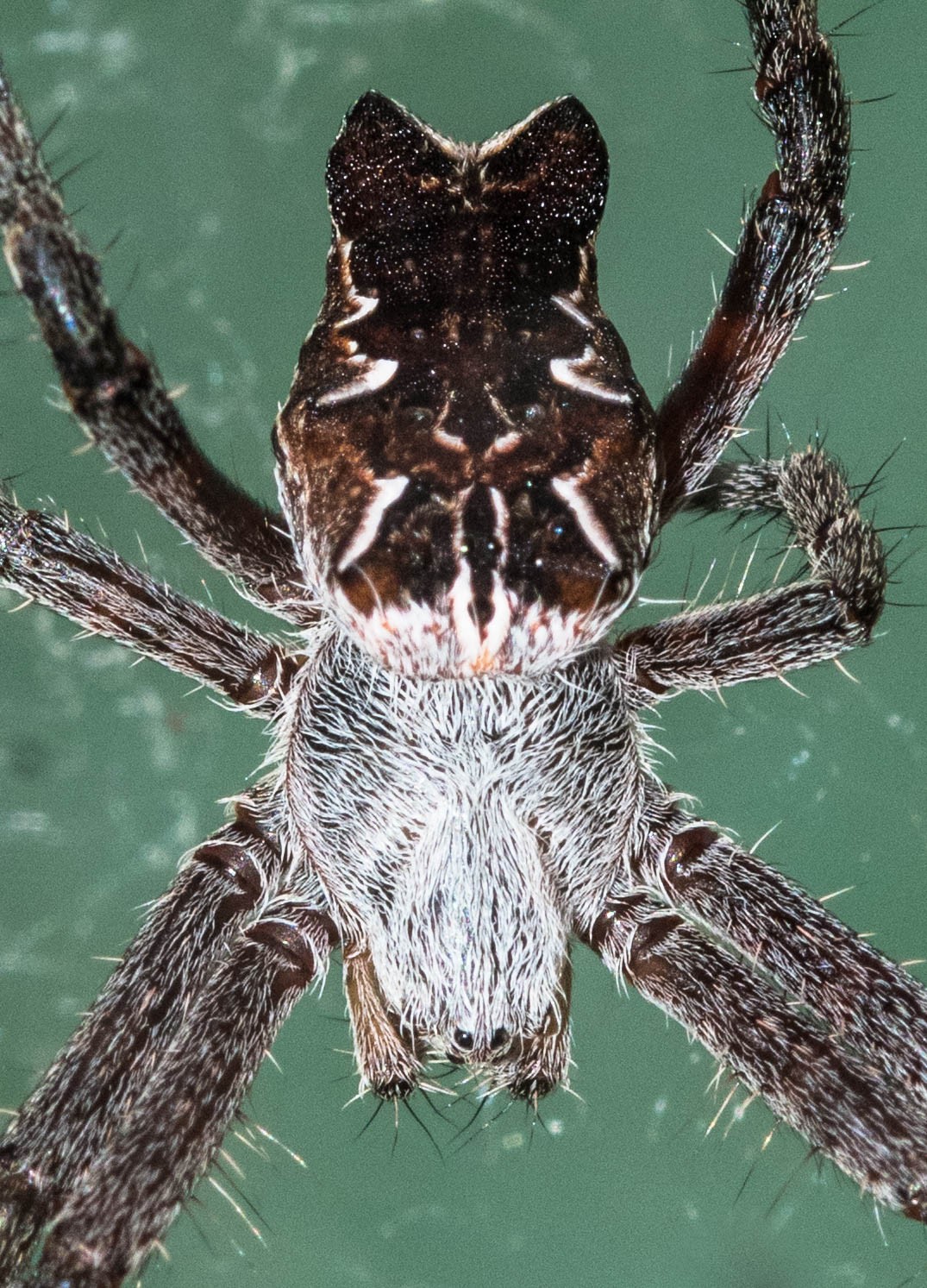
3. Tropical tent-web spider
The tropical tent-web spider (Cyrtophora citricola) is a spider that is known to participate in communal cooperation. Other spiders in its vicinity can build their webs into each other, providing greater mating access and defense against predators. They are strikingly beautiful spiders that have much color variance from black and white to brown. Females tend to resemble a dead leaf.
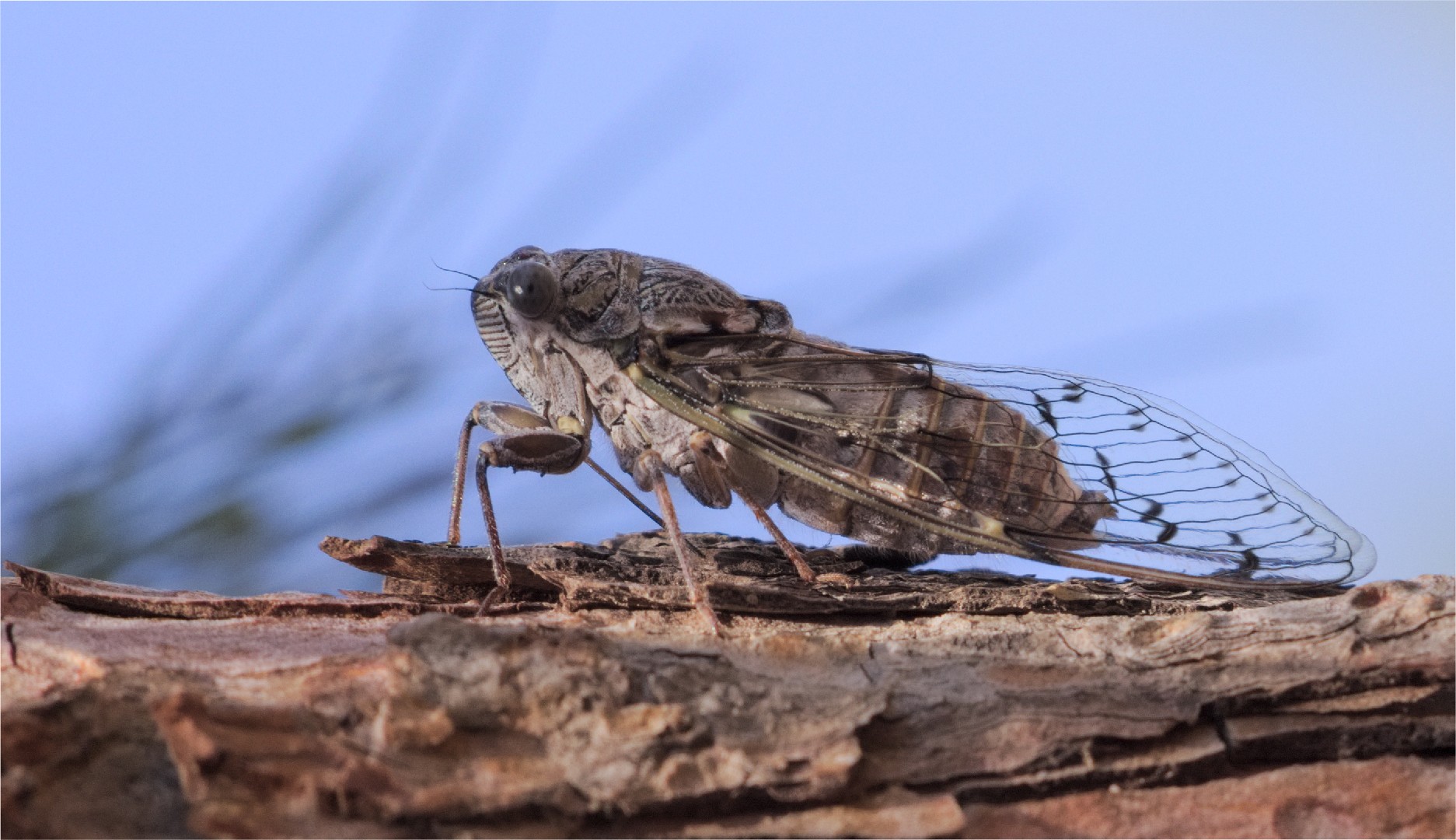
4. Ash cicada
The ash cicada (Cicada orni) earns its name from the somber grey and brown colors that it adopts. When its color scheme isn't depressing people, you can see the odd placement of its eyes on the far ends of its head. Males are the only ones who sing. Once they attract a female with their song, they can hug and touch each other with their legs.
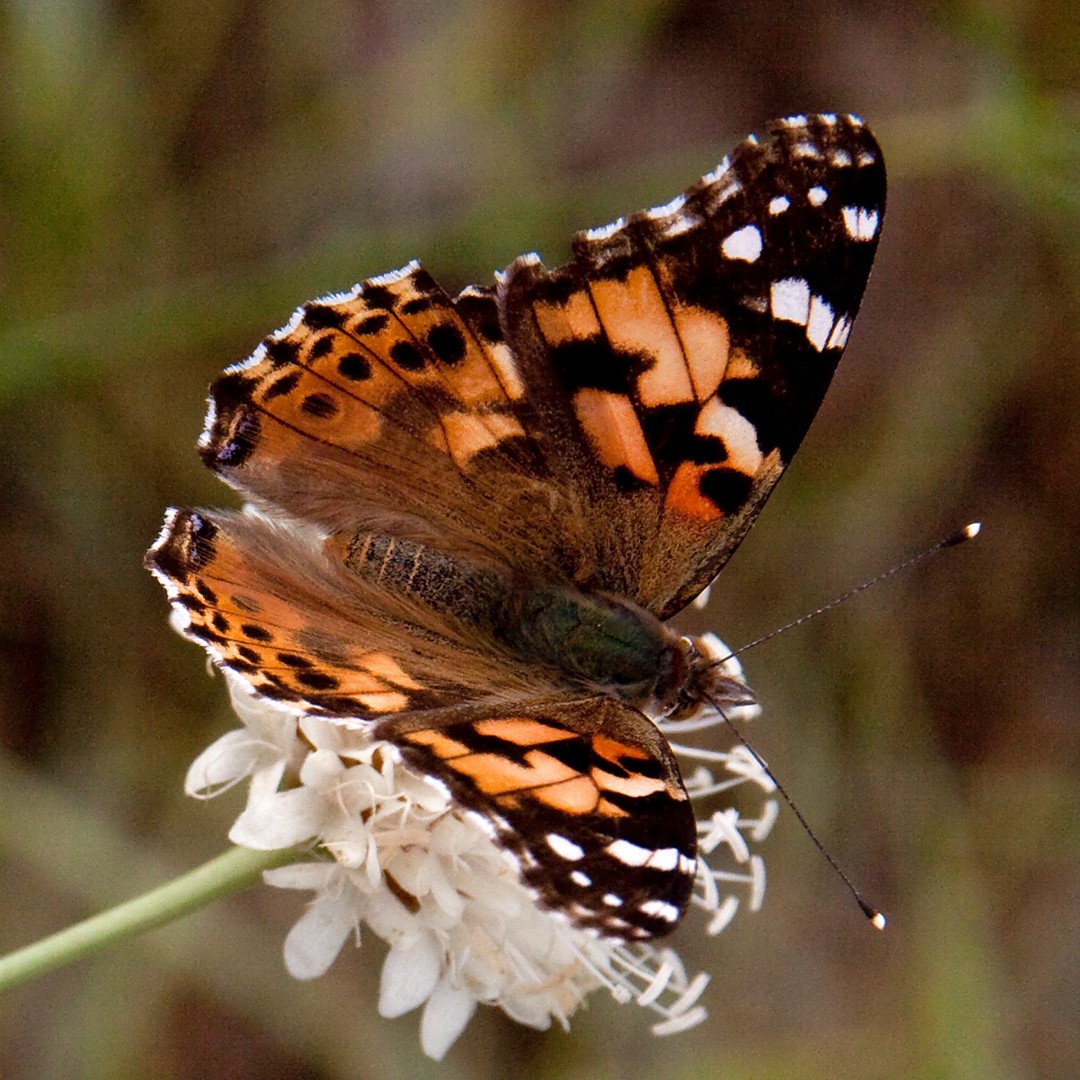
5. Painted lady
The painted lady is a migratory butterfly that spends part of the year in Northern Africa and then migrates to Europe during the warmer months. Although the adults feed on nectar from flowers, the larvae feed on the leaves of nettles and thistles.
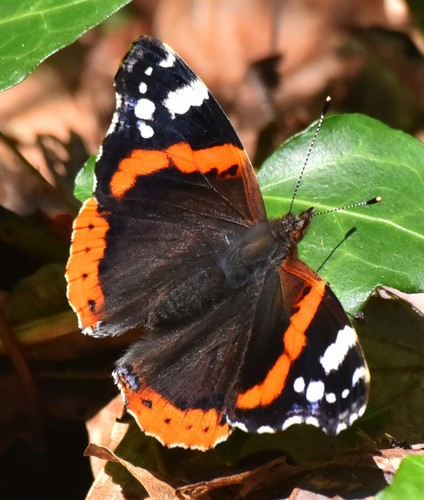
6. Red admiral
Red admiral (Vanessa atalanta) is a visually striking species of butterfly. Unusually territorial, males will compete for choice areas, and females will only mate with males that maintain their own territories. This butterfly is known for being particularly patient with human interactions, even to the point of perching on clothing or flesh.
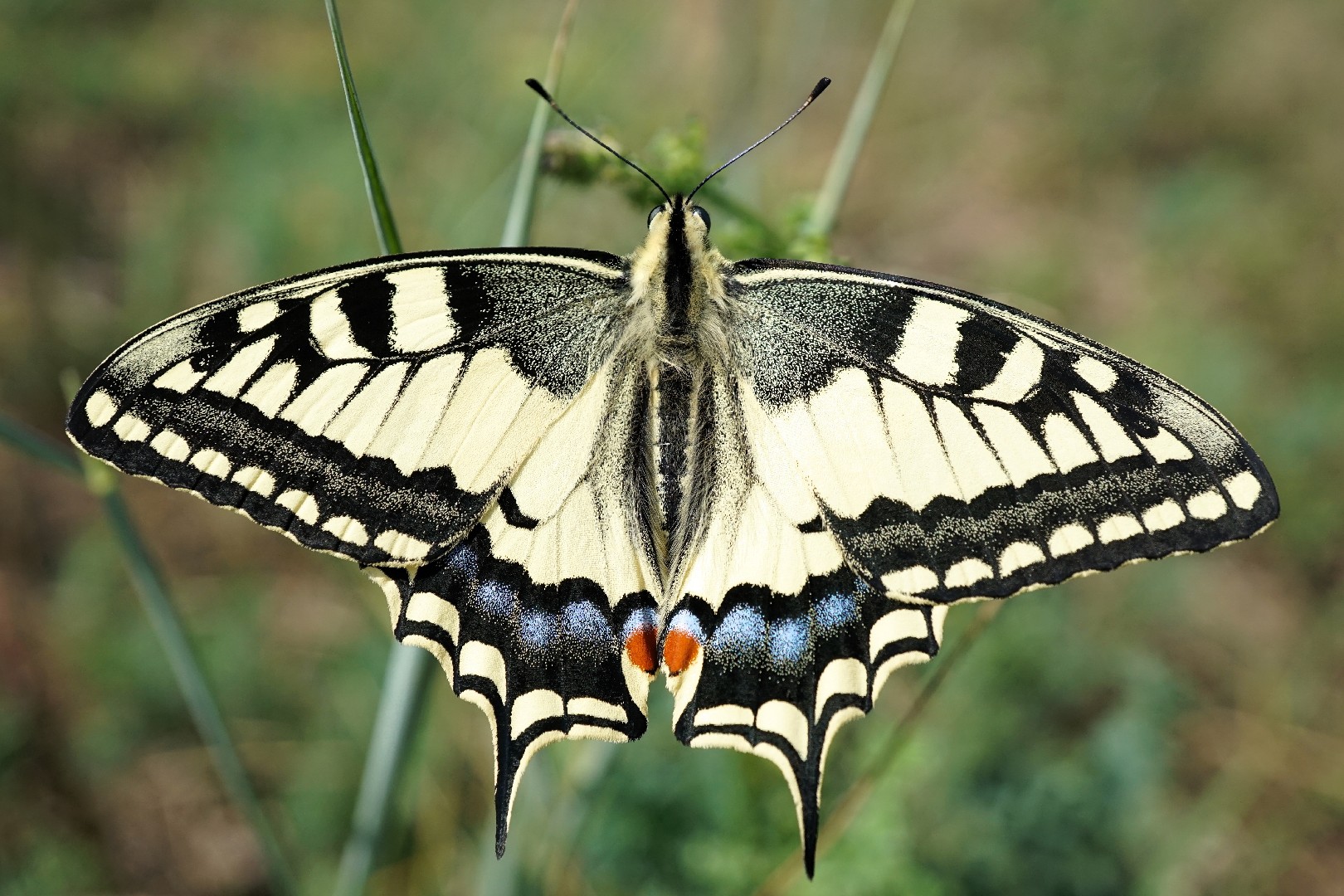
7. Old World swallowtail
The old World swallowtail (Papilio machaon) is commonly just called the "swallowtail," giving it the added title of "old world" to distinguish it and remind us that it comes from the "old world" (Asia, Africa, Europe). The upper side of them is a beautiful combination of pure white with black striping, the underside being a brownish version of the same thing. There is blue and two red dots on its back side.
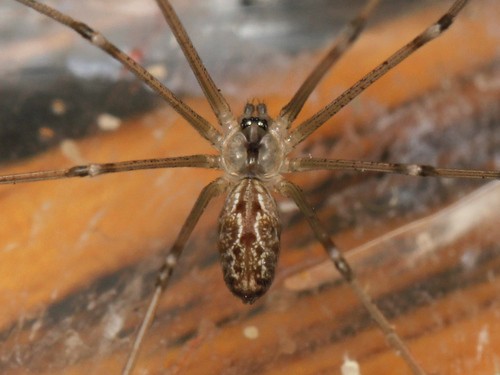
8. Marbled cellar spider
The marbled cellar spider (Holocnemus pluchei) has long, skinny legs and a dark stripe along its abdomen, accompanied by a marbled pattern. It's considered an urban pest because it's often found making flimsy webs on the ceilings of homes. You will almost never see its eggs because it carries the egg sacs around in its fangs.
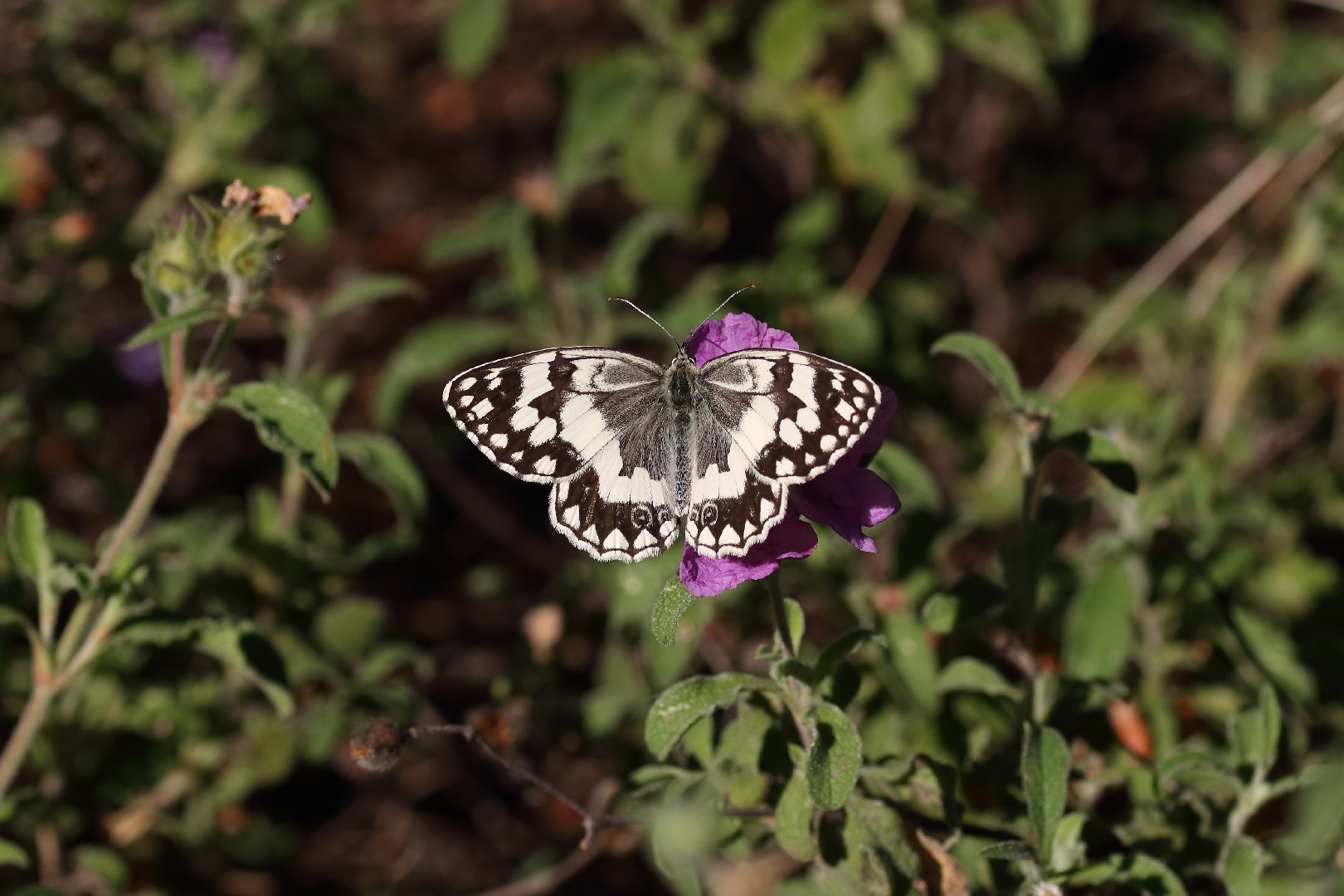
9. Balkan marbled white
Melanargia larissa, the Balkan marbled white, is a butterfly in the family Nymphalidae. It is found from south-eastern Europe (Croatia, Serbia, Albania, Bulgaria, Greece) and Asia Minor to Transcaucasia and north-western Iran. The habitat consists of dry grasslands, scrubby hillsides and grassy woodland glades. Adults are on wing from mid-May to July in one generation per year. The wingspan is about 52 mm. The nymotypical form larissa Hbn. (38f) is easily recognized by the strongly sooty blackening of the bases of the wings, only the cell having some light places left...the forms allied to larissa can be separated from the japygia- forms only withdifficulty and some arbitrariness. The transverse cell-bar of the forewing is not so close to the centre of the cell, being apparently a little shifted towards the apex of the same, and the median band of the hindwing has a somewhat different position, but also varies rather considerably.The countries inhabited by the forms of larissa are more or less grouped around the Black Sea, while the distribution area of the japygia -forms encircles that of larissa in a wide arch. The larvae feed on Brachypodium species. 
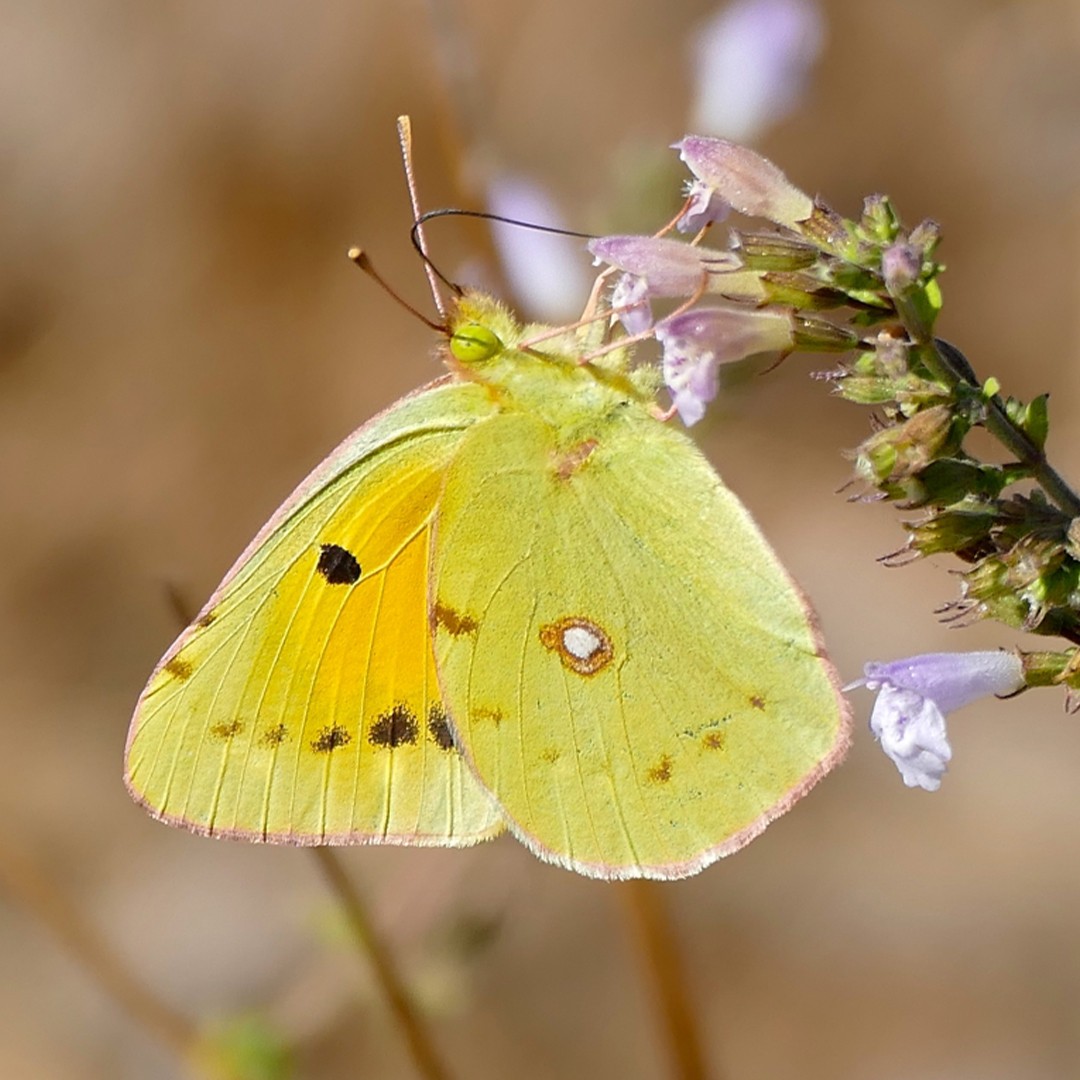
10. Clouded yellow
Colias croceus has a wingspan of 46–54 millimetres (1.8–2.1 in). The upperside of the wings is golden to orange yellow with a broad black margin on all four wings and a black spot near the centre forewing. Usually these butterflies settles with its wings closed, consequently the black margin of the uppersides of the wings is difficultly visible. The underside lacks the black borders and is lighter, with a more greenish tint, particularly on the forewings. In the forewing underside is the same dark spot as on the upperside, but often with a light centre; the hindwing underside has a white centre spot, often with a smaller white or dark dot immediately above it. Sometimes, a row of black dots occurs on the underwings' outer margins, corresponding to where the black border ends on the upperside. Females differ from the males in having yellow spots along the black borders on the upperside. In flight, Colias croceus is easily identifiable by the intense yellow colouring, much brighter than that of the lemon-yellow male common brimstone which also lacks black markings. Like all Colias species they never open their wings at rest. In a small proportion of females (about 5%) the golden upperside colouration is replaced by a pale cream colour. These females have been distinguished as form helice. The pale form helice does not seem to be that distinct as intermediates exist and the variation is to some extent related to humidity during development, with dryer conditions producing paler colouration. These pale forms helice can be confused with Berger's clouded yellow (Colias alfacariensis) and the rarer Pale clouded yellow (Colias hyale). Even the palest C. croceus tends to have more black on the upperside however, in particular on the hindwings. Young caterpillars are yellow-green, with a black head. Later they become completely dark green, with a white red spotted lateral line after the third moult. The pupae are green and have a yellow side stripe. This species is rather similar to Colias myrmidone, Colias chrysotheme, Colias erate, Colias hyale, Colias alfacariensis, Colias caucasica, Colias aurorina.

More