




Top 20 Most Common Insects in Kalymnos
Insects, fascinating creatures with distinct attributes like exoskeletons and segmented bodies, flourish in various habitats in Kalymnos. Different geographical factors heavily influence Kalymnos's diverse insect population. These tiny titans play crucial roles in our ecosystem, where both beneficial insects and pests hold significant importance. This list explores the 20 most common insects in Kalymnos, demonstrating the fascinating interplay between Kalymnos's ecosystems and its insect inhabitants.

Most Common Insects
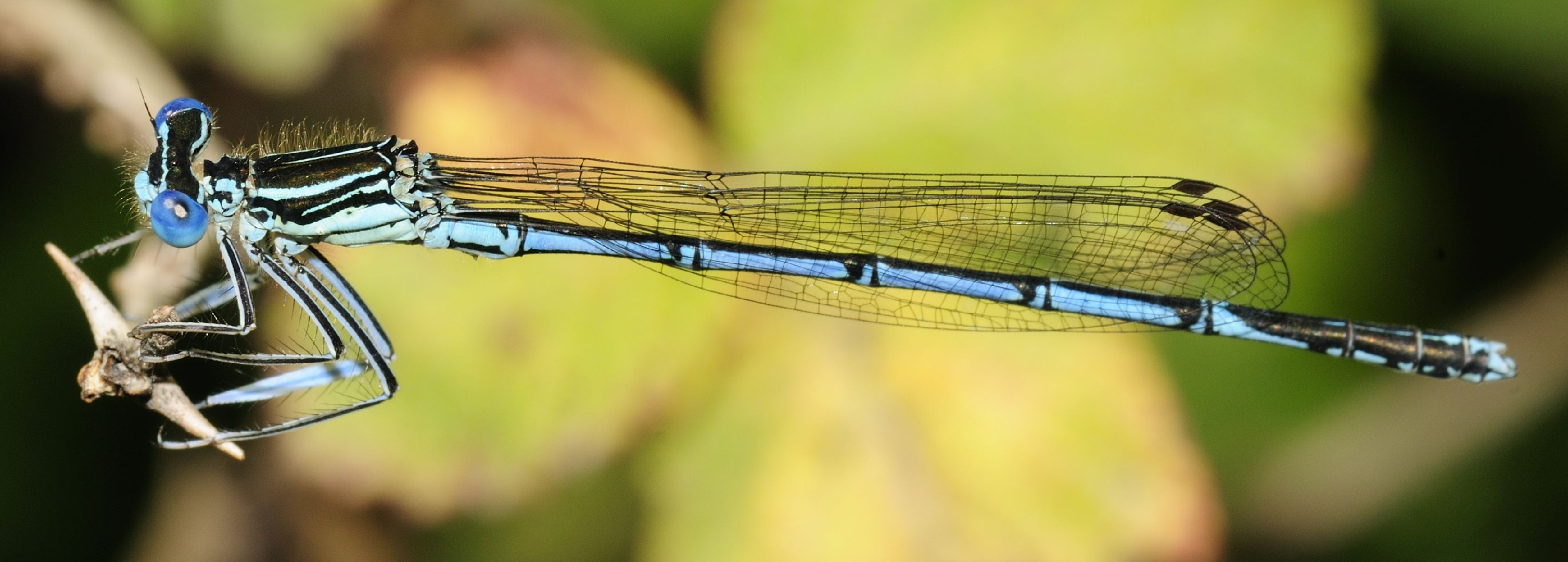
1. White-legged damselfly
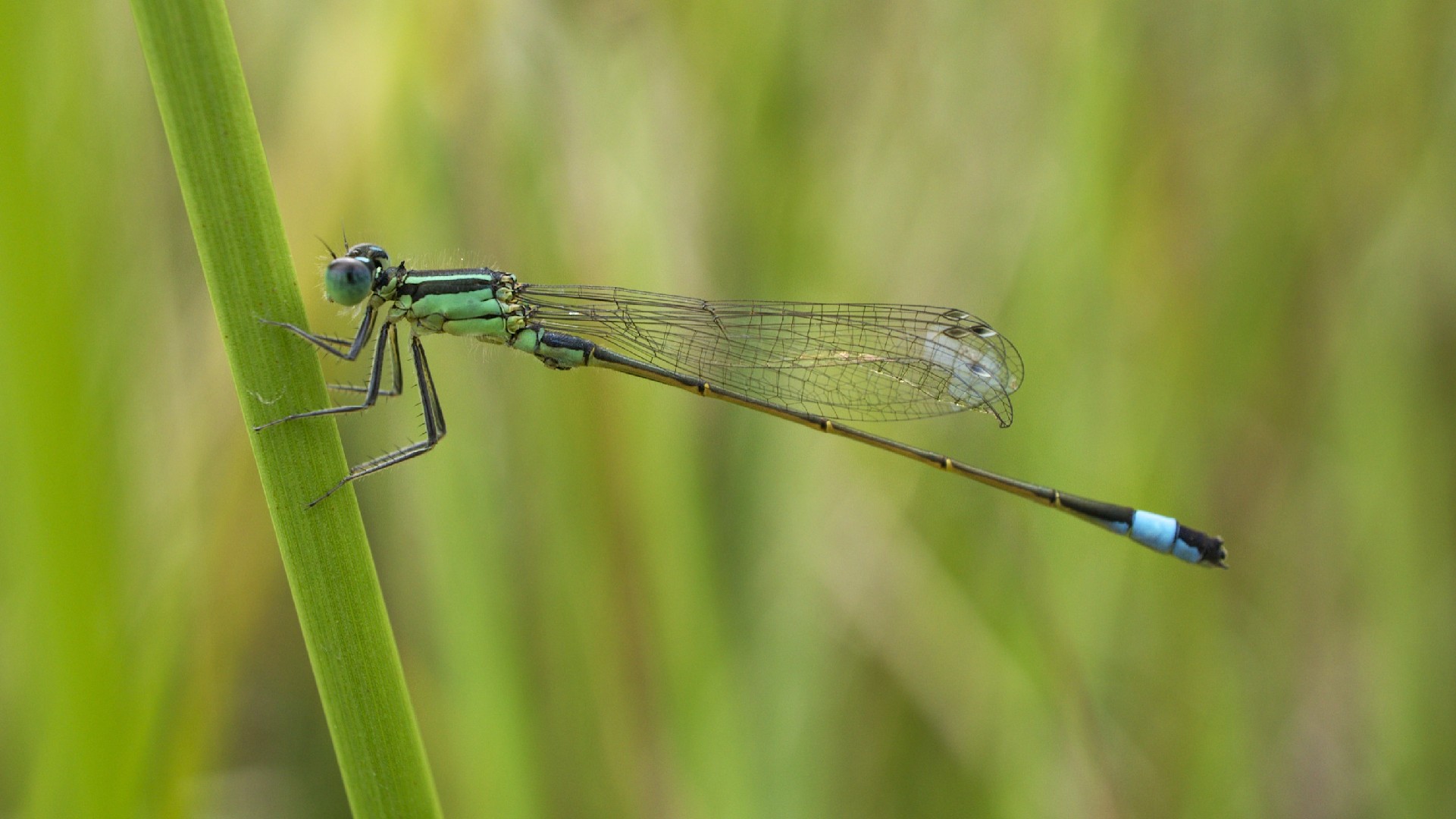
The white-legged damselfly or blue featherleg (Platycnemis pennipes) is a damselfly of slow-flowing, muddy waters. It occurs from the Atlantic to Siberia and is often abundant throughout its range. 
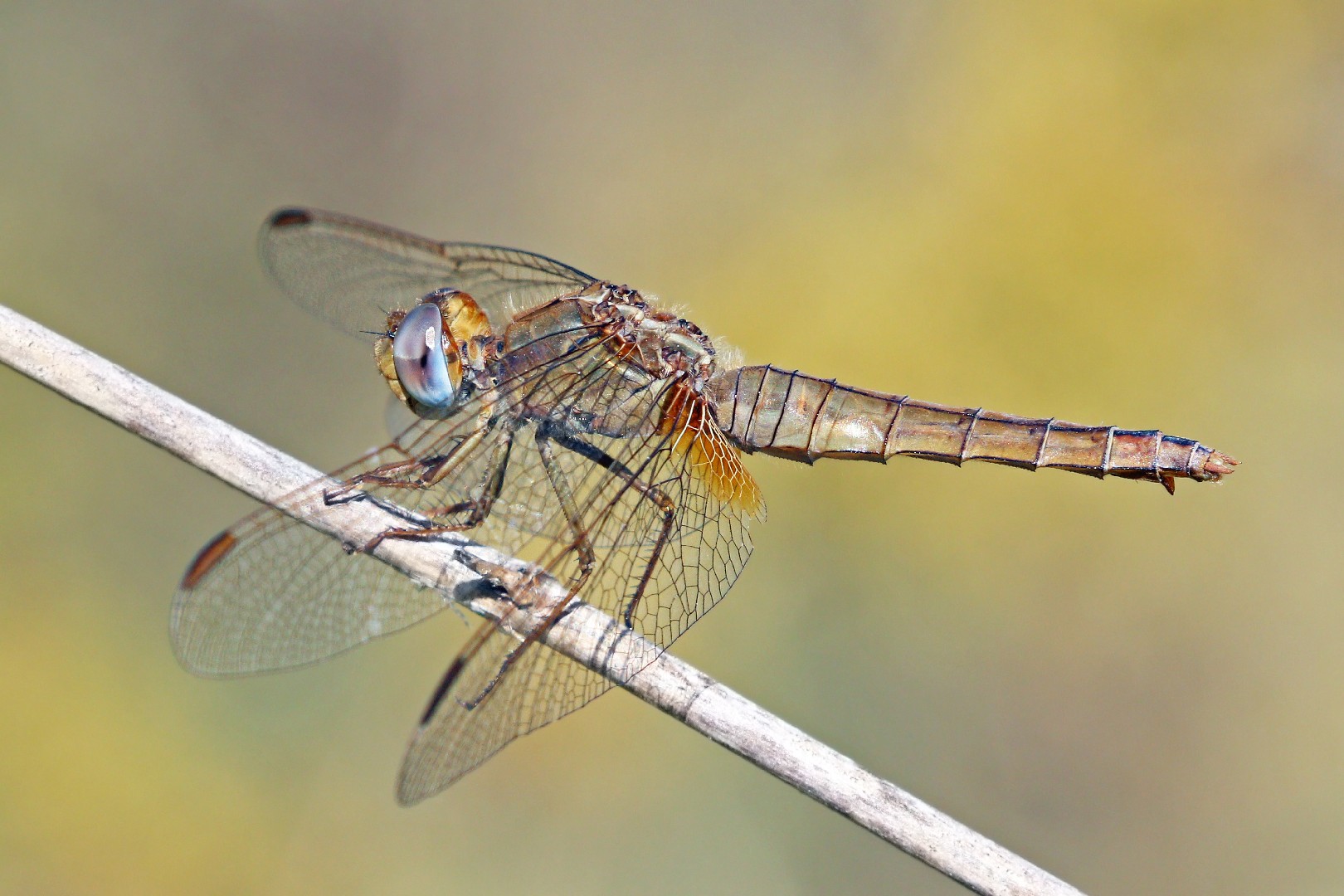
2. Scarlet dragonfly
Crocothemis erythraea can reach a length of 3.5 - 4.5 cm. These dragonflies haves a flattened and rather broad abdomen. The adult male scarlet dragonfly has a bright scarlet red, widened abdomen, with small amber patches at the bases of the hindwings. Also the veins on the leading edges of the wings are red. Females and immatures are yellow-brown and have a conspicuous pale stripe along the top of the thorax.
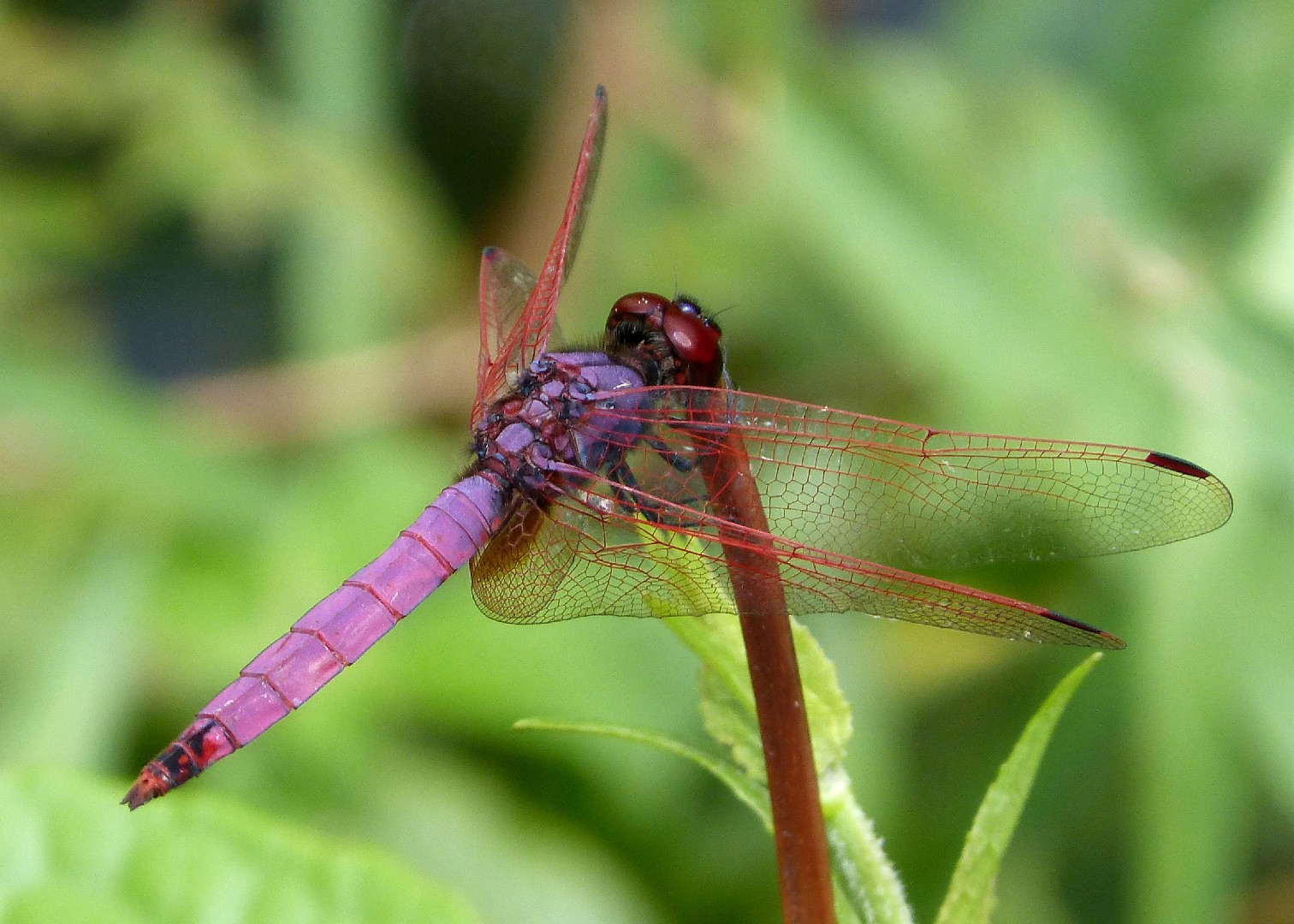
3. Violet dropwing
Trithemis annulata is a robust medium-sized species with a wingspan of 6 cm. The mature male has a dark red head and a yellow labium with brown central spot. The eyes are red with white spots on the rear edge, and the frons is dark metallic purplish-red. The prothorax is violet with slightly darker longitudinal stripes. The membranous wings have distinctive red veins, the pterostigma is orange-brown and there is a large orange-brown splash at the base of the hind wings. The abdomen is fairly broad and is pinkish-violet, with purple markings on the top of each segment and blackish markings on the terminal three segments. Females are a similar size to males but the thorax is brownish and the abdomen is yellow with dark brown markings. The wings of females lack the red veins of males but have similar orange-brown patches.
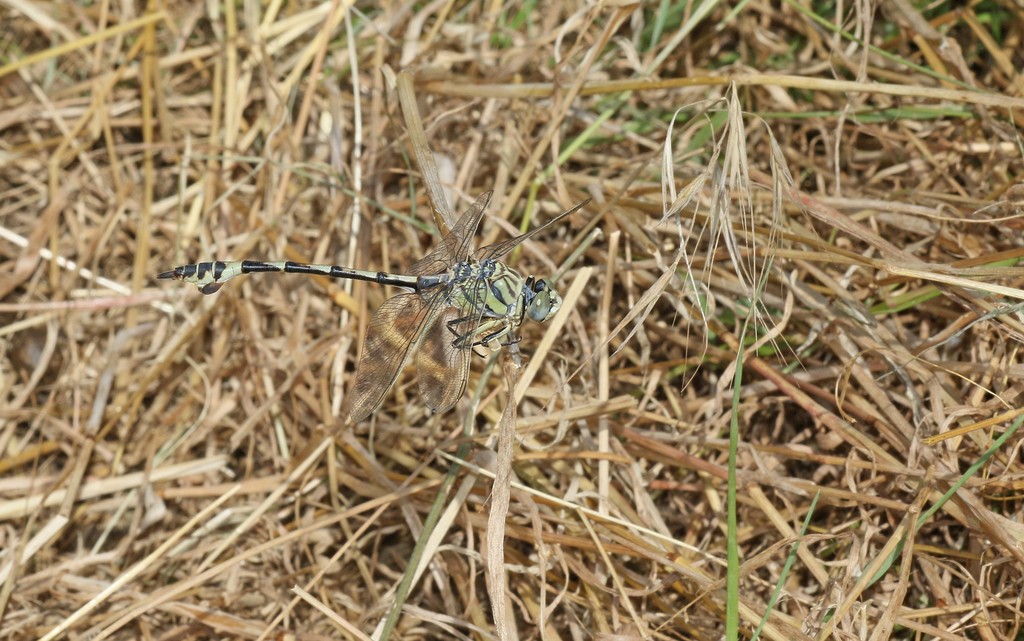
4. Bladetail
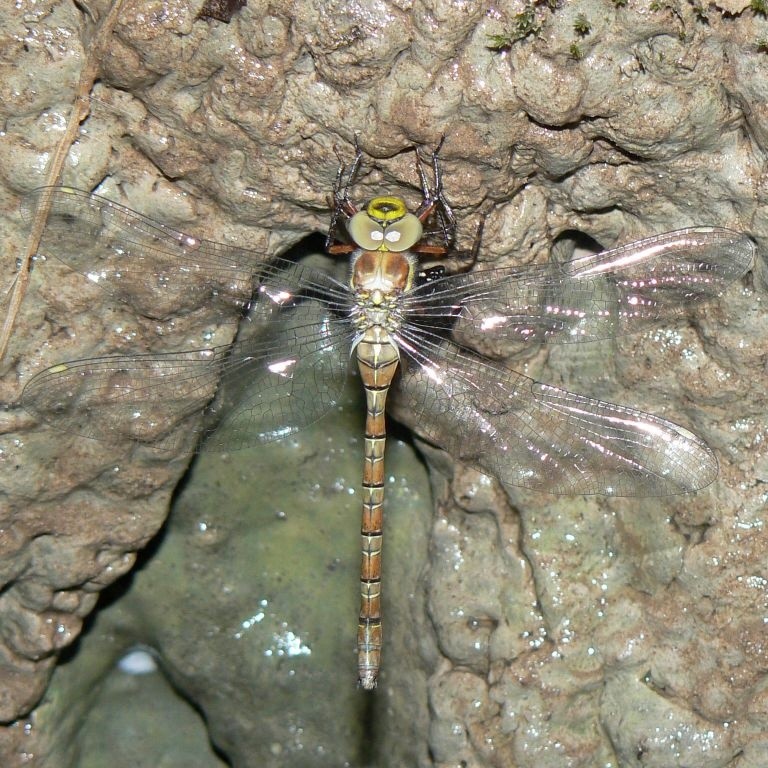
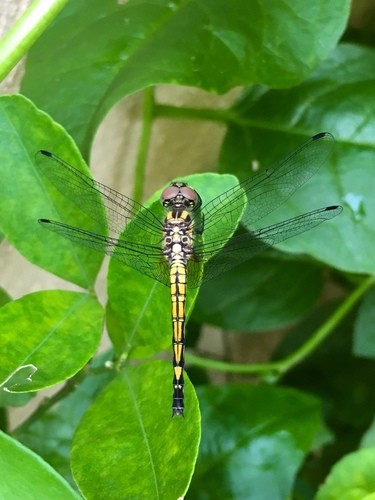
Adults are easily recognizable due to their impressive body size with 69–80 mm length, the leaf-shaped flaps on the bottom side of the abdomen tip which are unique in European species, and wing venation. The flaps give the narrow and long abdomen club-shaped appearance. Basic color is pale yellow with dark brown or black markings of variable size. The pterostigma is also similarly colored. In south Croatia and Montenegro, it is possible to observe completely black individuals, which is probably a consequence of them developing in cold springs. The adults fly in the summer, from the end of May until August.

5. Beautiful demoiselle
The body length of larvae is variable and highly dependent on environmental conditions. The final stage (F-0-stage) larvae are 3.5 - 4.5 mm and weigh about 4 mg, slightly below the banded demoiselle. Calopteryx virgo can reach a body length of 5 - 5 cm, with a length of hindwings of 3 - 4 cm. These large, dark damselflies have small hemispherical eyes located laterally on the head, two pair of wings similar in shape and a slender abdomen. The basal area of the wings is transparent, otherwise wings are uniformly colored. The wings are also traversed by a dense network of veins. This species presents an evident sexual dimorphism in colour pattern. The male usually has much more extensive pigmentation on the wings than other Calopteryx species in its range: in the south east of its range (the Balkans and Turkey) the wings are entirely metallic blue while in other areas, there are clear areas at the base and tip of the wing. Immature males show brown wings, as the metallic blue wing color develops only with age. They have metallic blue-green bodies and blue-green eyes. The female has dark brown iridescent wings, a white patch near the tip of the wings (called a pseudopterostigma) and a metallic green body with a bronze tip of the abdomen.

6. Banded demoiselle
This is a large damselfly with a total length of up to 1.9 in and a hindwing length of up to 1.4 in. Male and female are variable in color and pattern. The male has translucent wings which each have a broad, dark iridescent blue-black spot (or band) across the outer part. On immature dragonflies the spot is dark brown. The body can be a metallic blue or bluish green or a combination of both colours, depending on the time of year and location. The dark wing patch of the male starts at the nodus (the slight dip midway down the upper edge of the wing) but can reach up to the wing-tip in southern races.
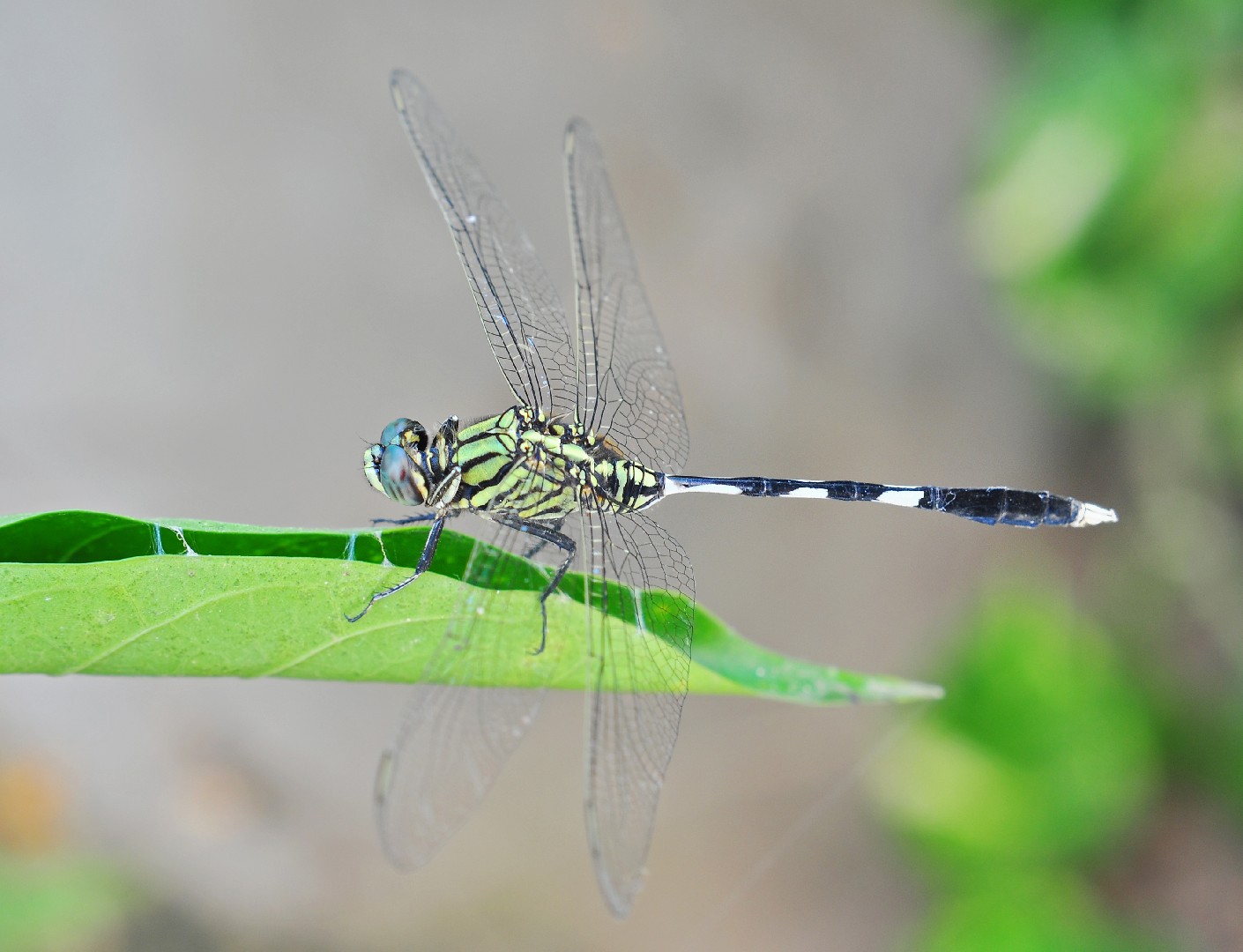
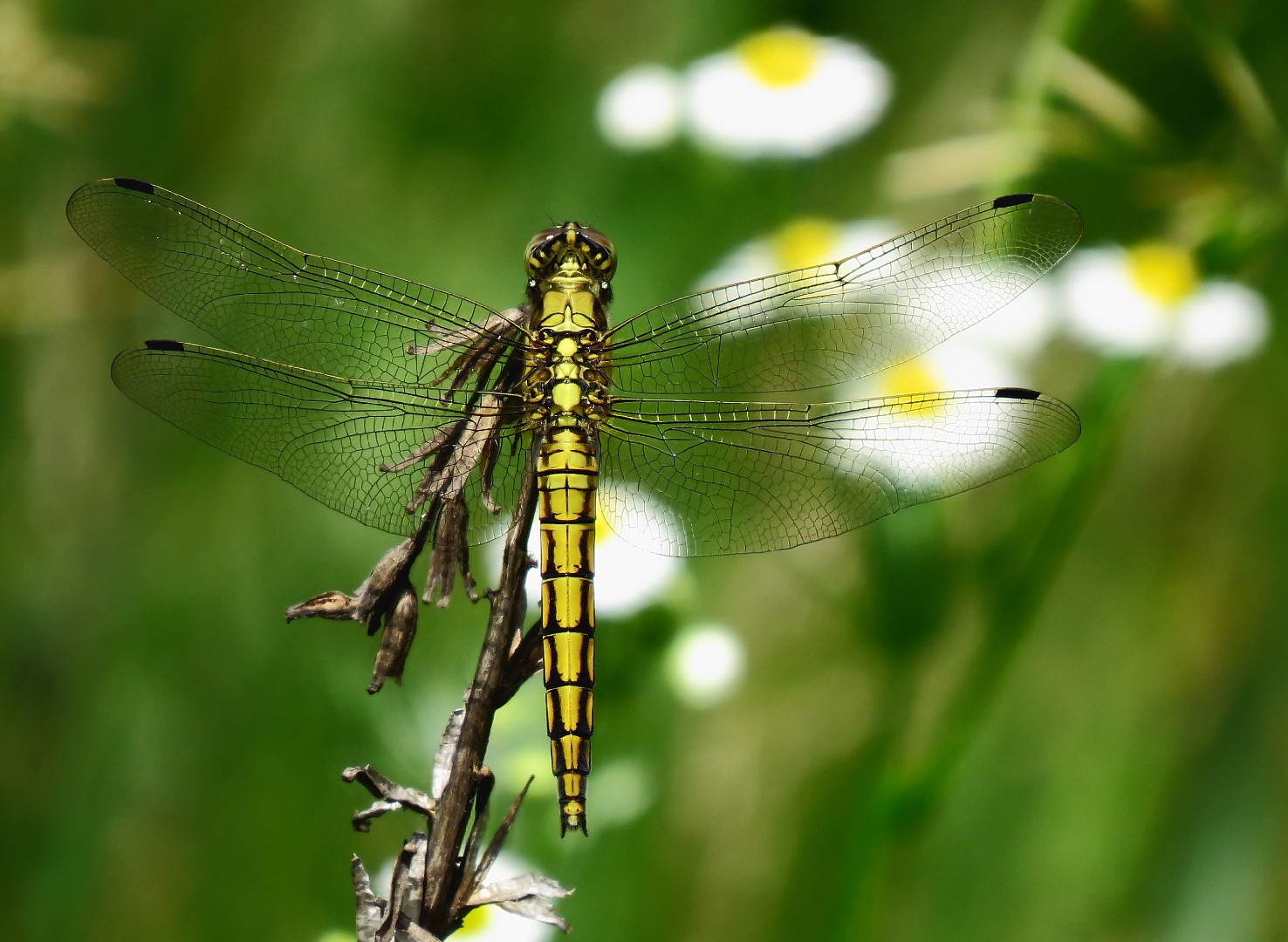
7. Slender skimmer
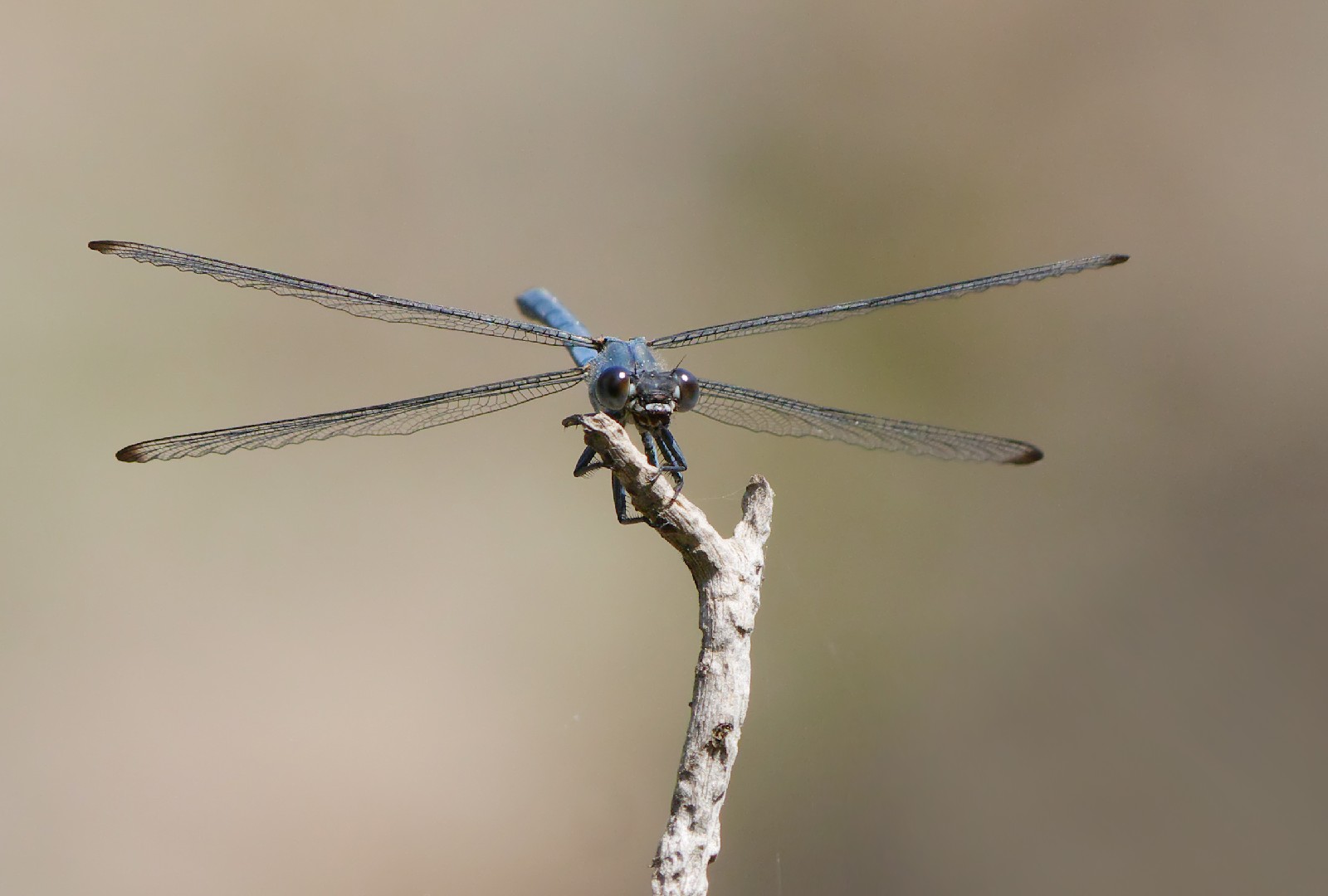
The species is on the IUCN Red List as not endangered, year of assessment 2009. The slender bank dragonfly occurs from Southeastern Europe and North Africa to Japan and Australia
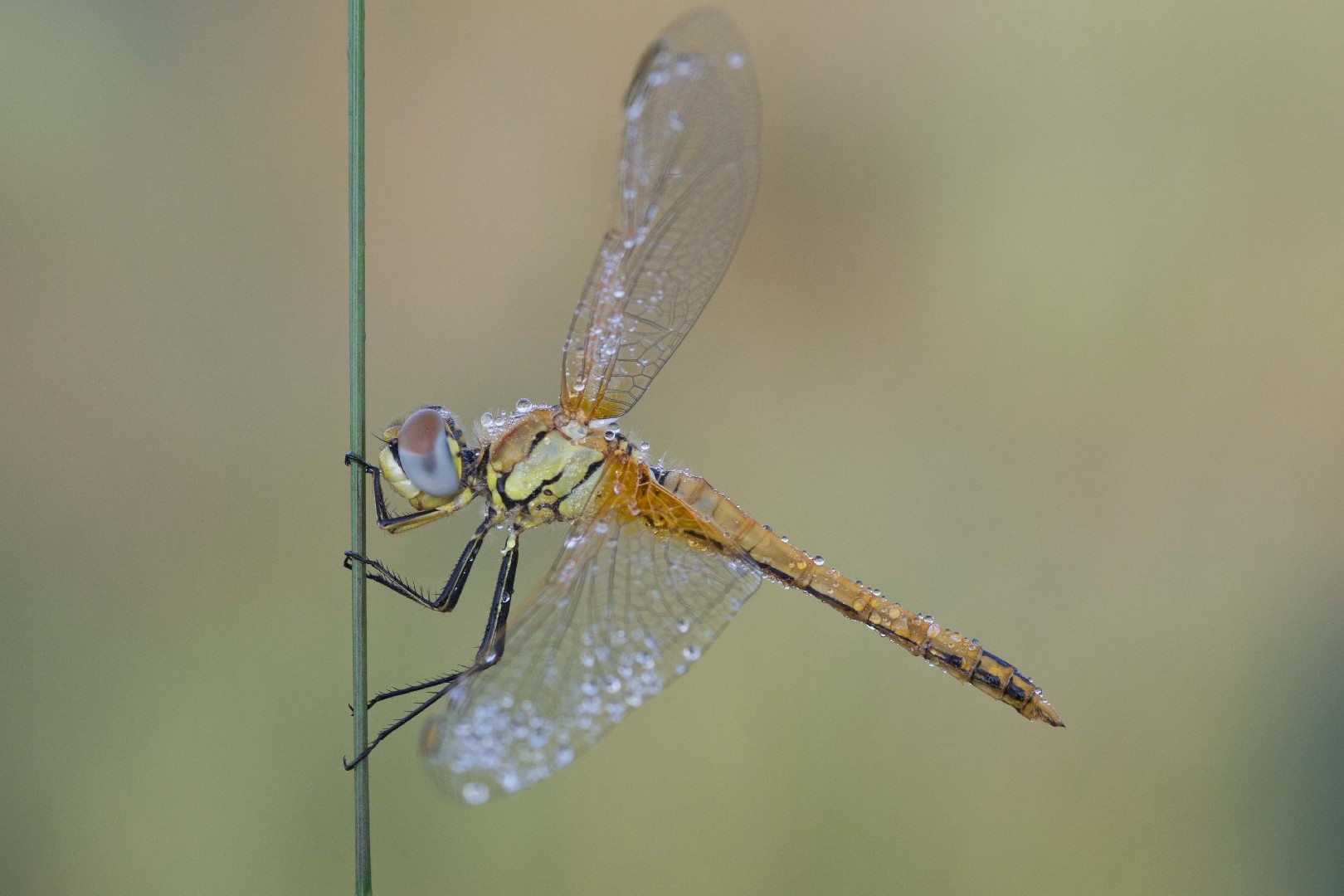
8. Red-veined darter
The Early Darter (Sympetrum fonscolombii) is a species of dragonfly in the family of the leaflets (Libellulidae), which belongs to the great dragonfly (Anisoptera).
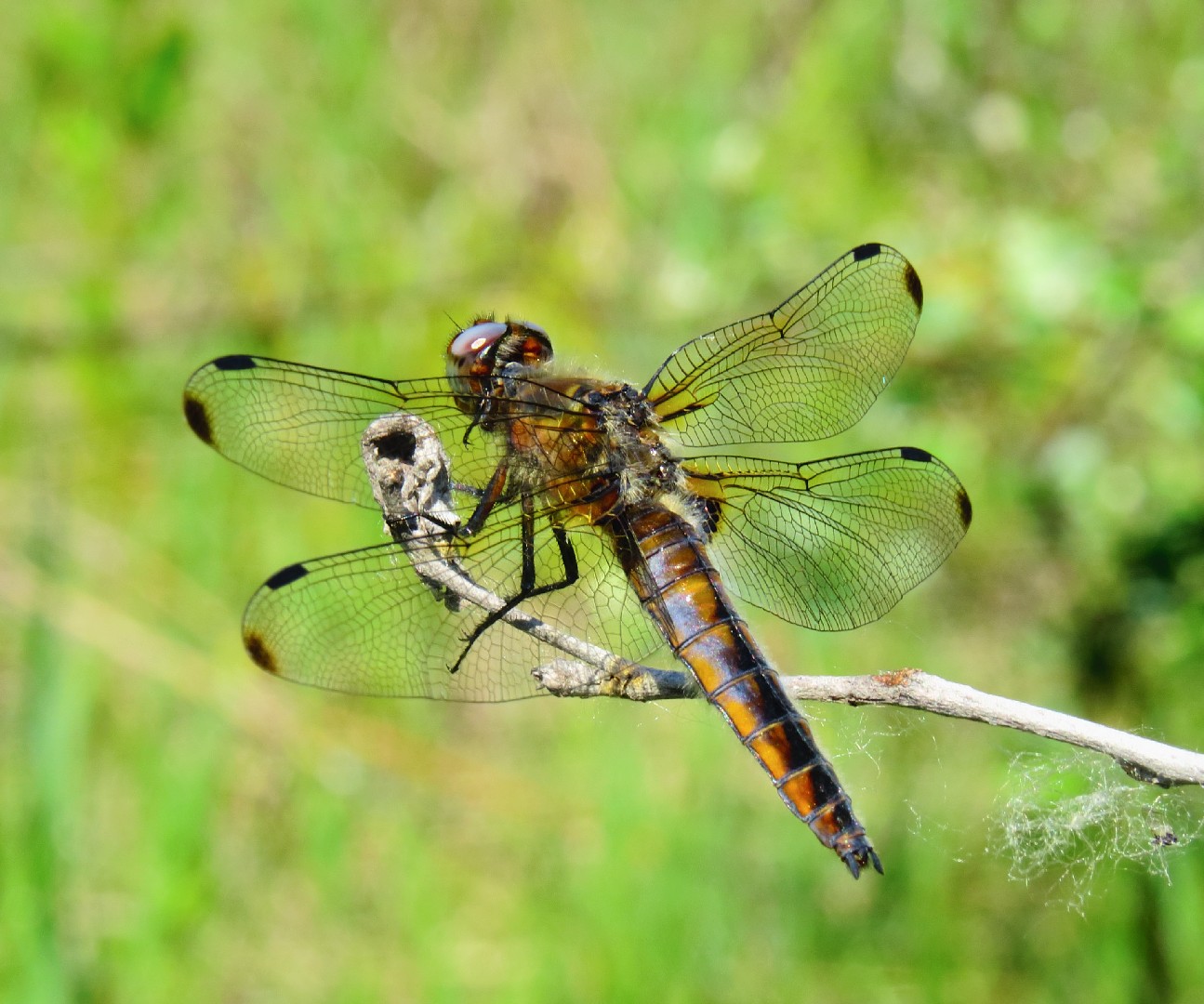
9. Blue chaser
The adult male has a bright blue abdomen with patches of black, while the adult female and juvenile male each have a bright orange abdomen. It is about 4.5 cm in length with an average wingspan of 7 cm.
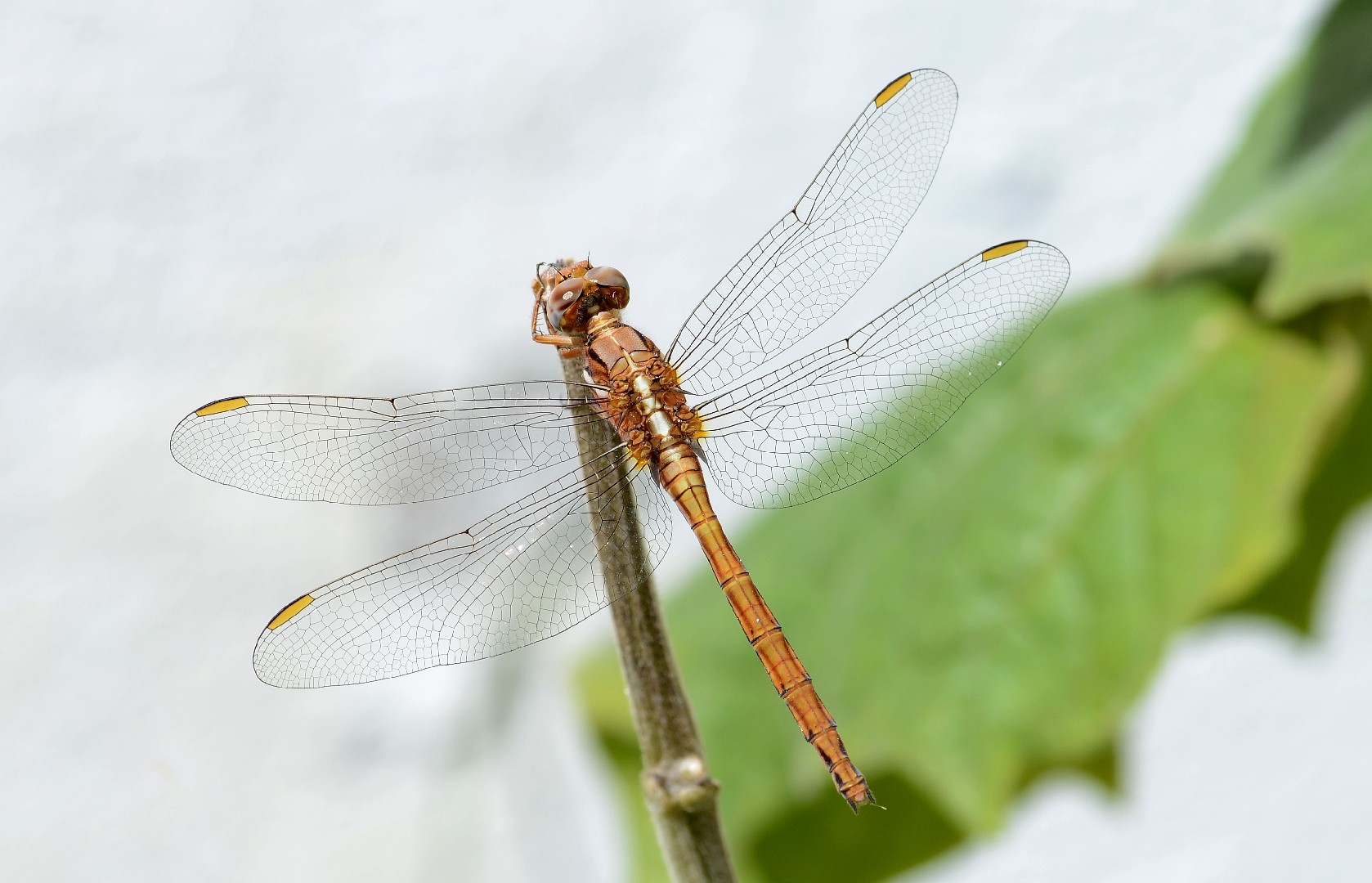
10. Keeled skimmer
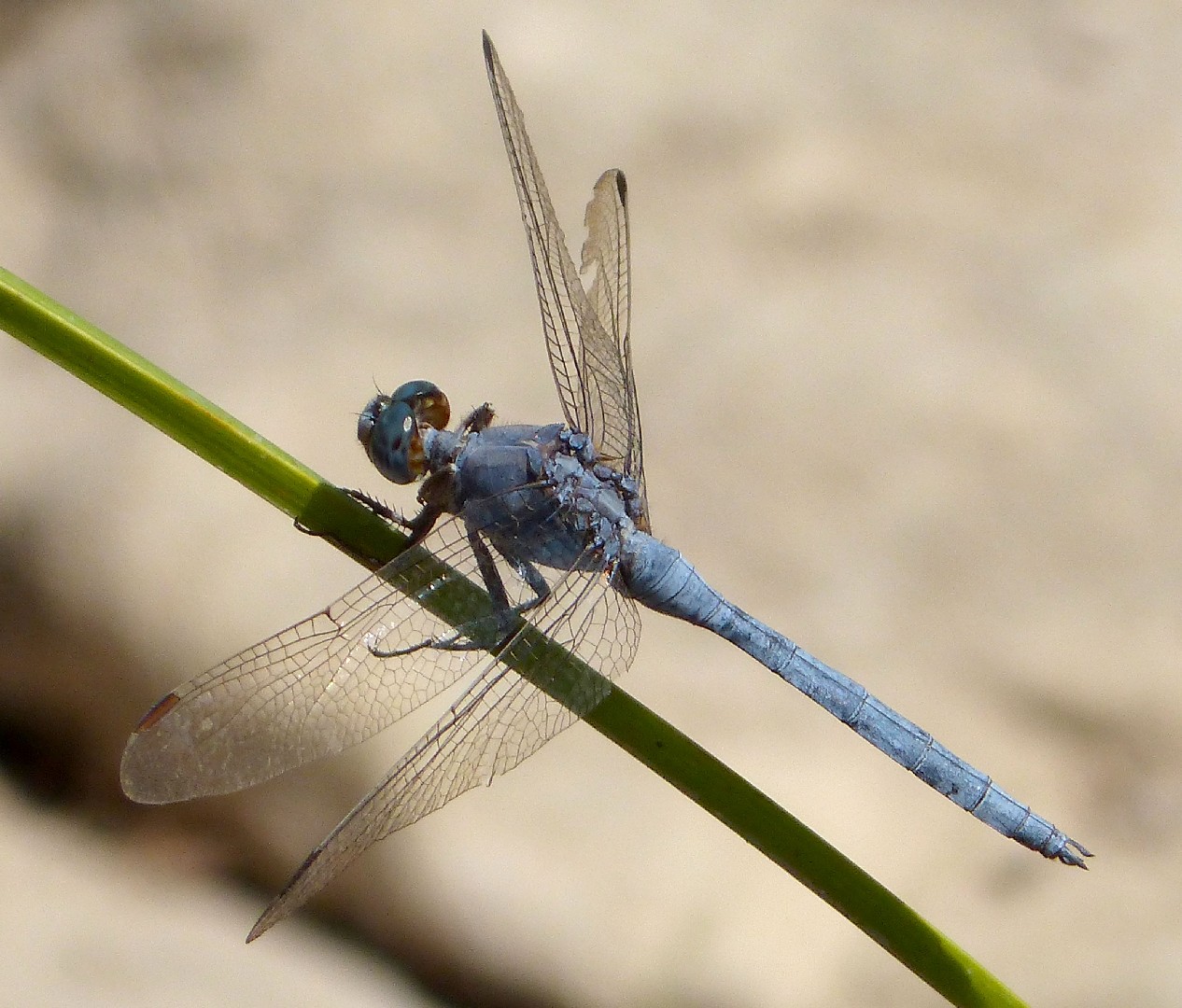
Orthetrum coerulescens can reach a body length of 4 - 4.5 cm. These dragonflies have a thorax with pale yellow ante-humeral stripes. In the males the color of these stripes fades with age. The abdomen is rather slim and shows an evident dorsal keel. Males have blue-grey eyes and a blue pruinescence on the abdomen, developed with age. Young males are yellow-brown. On the contrary some (androchrome) females at the end of the reproductive cycle assume the bluish color of the male. In the female the abdomen is yellowish-brown, with a thin median black line and small transverse lines to the connections of the various segments. The hyaline wings have yellow costa and a long yellow-brown pterostigma (about 4 mm). This species resembles the black-tailed skimmer but is smaller and slimmer and the male has no black tip. Females and immature males lack the black abdominal pattern.

More







