




Top 10 Most Common Insects in Guinea
Insects, with their distinct features and varied habitats, are integral to any ecosystem, including those in Guinea. Diversity amongst these critters is highly impacted by Guinea's range of geographical landscapes and climates. These factors shape the 10 most common insects, showcasing the interplay between nature and micro-wildlife. Be it pest or pollinator, every insect serves a role, a testament to Guinea's ecological balance.

Most Common Insects
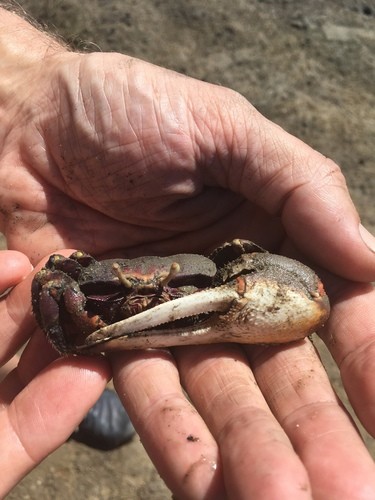
1. West african fiddler crab
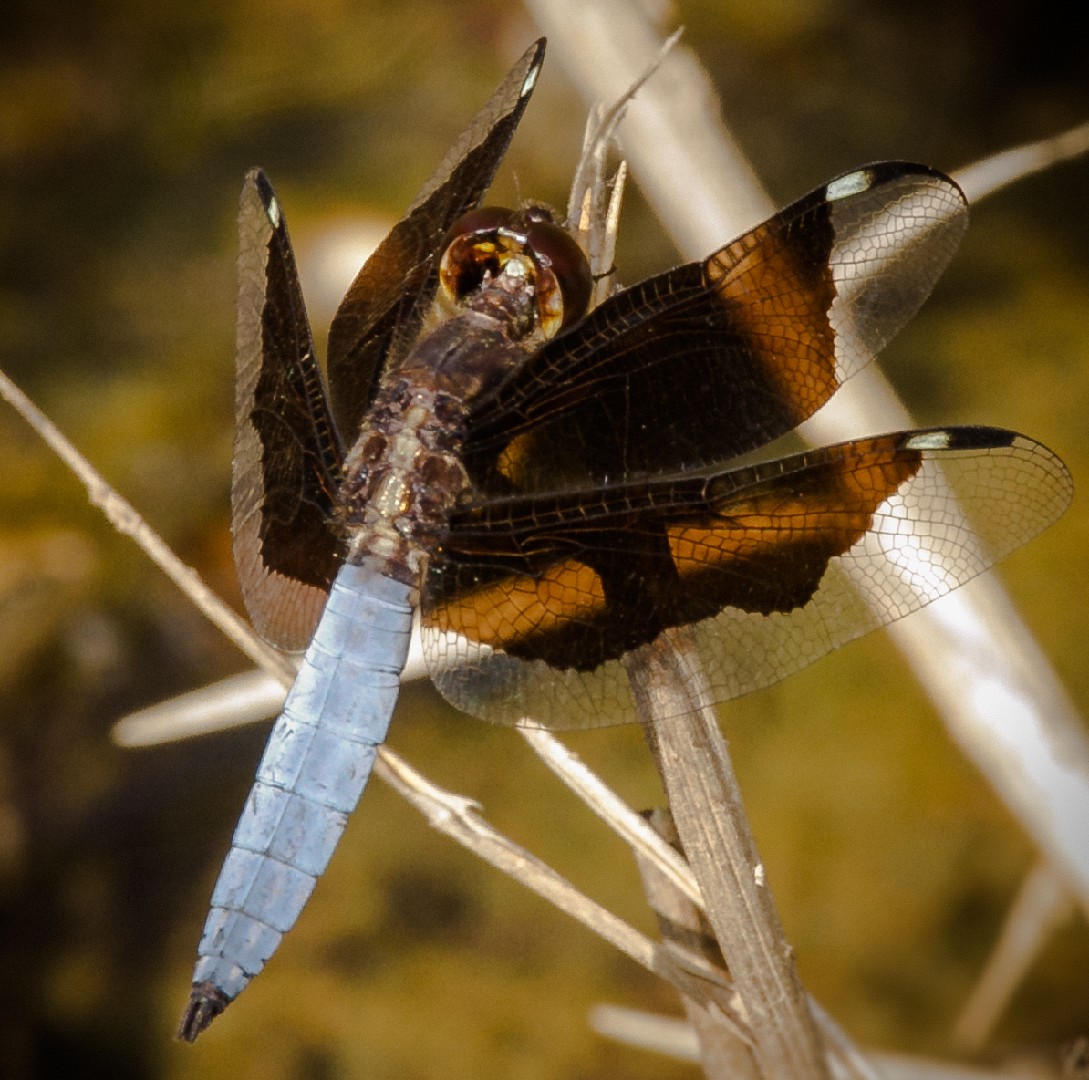
2. Lucia widow
The species is on the IUCN Red List as not endangered, year of assessment 2009.
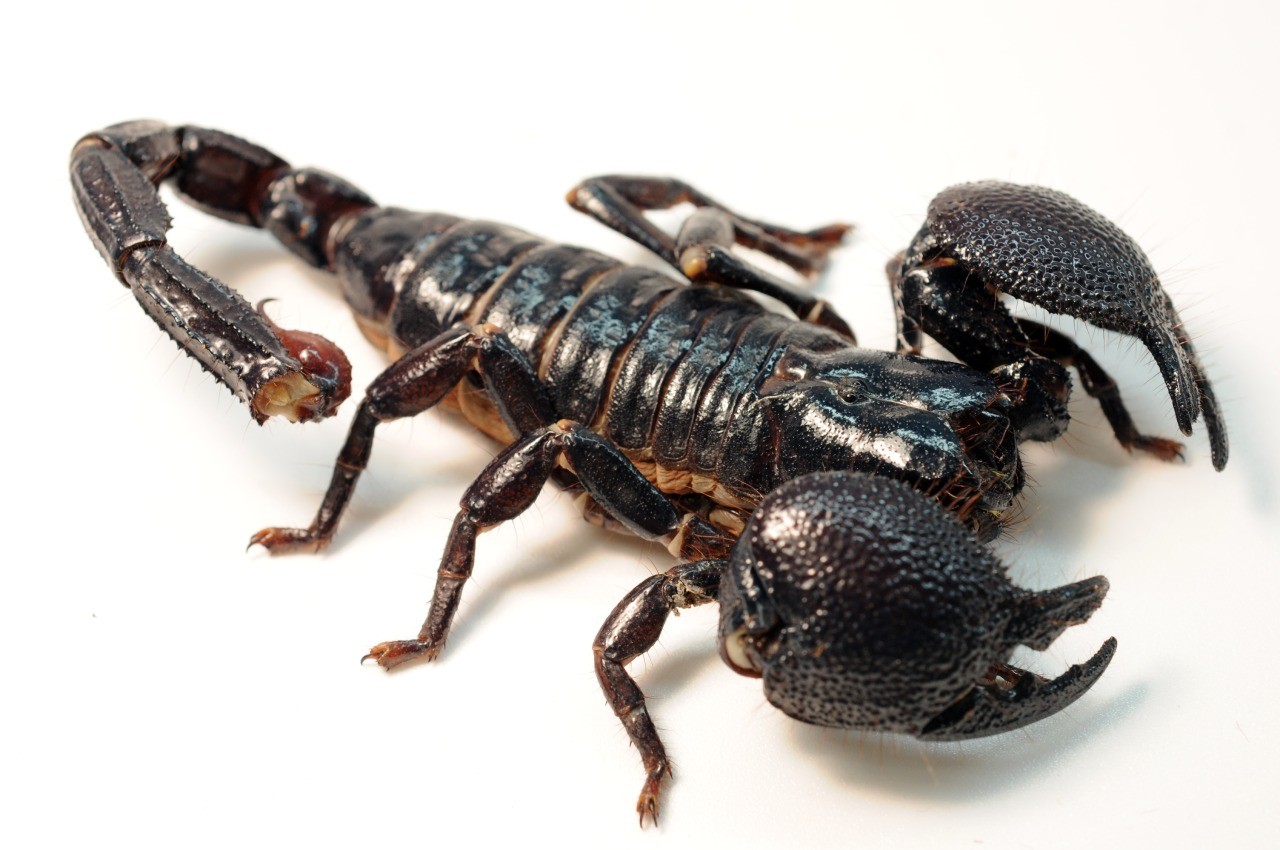
3. Emperor scorpion
The emperor scorpion (Pandinus imperator) is one of the largest species of scorpion in the world, with adults averaging about 20 cm in length and a weight of 30 g. The large pincers are blackish-red and have a granular texture. The front part of the body, or prosoma, is made up of four sections, each with a pair of legs. Behind the fourth pair of legs are comb-like structures known as pectines, which tend to be longer in males than in females. The tail, known as the metasoma, is long and curves back over the body. It ends in the large receptacle containing the venom glands and is tipped with a sharp, curved stinger. When gravid (pregnant), the body of a female expands to expose the whitish membranes connecting the segments. The emperor scorpion fluoresces greenish-blue under ultra-violet light.They prefer to use their pincers to crush and dismember their prey, their exoskeleton is very sclerotic, causing them to have a metallic greenish black color. 

4. Danaid eggfly
The danaid eggfly (Hypolimnas misippus) is a unique butterfly where females tend to have a strong advantage. Males are identified by being blackish with white spots. Females exhibit polymorphism, or the ability to have multiple forms. This means that they can resemble males in some cases, but also resemble toxic butterflies like the Monarch butterfly.
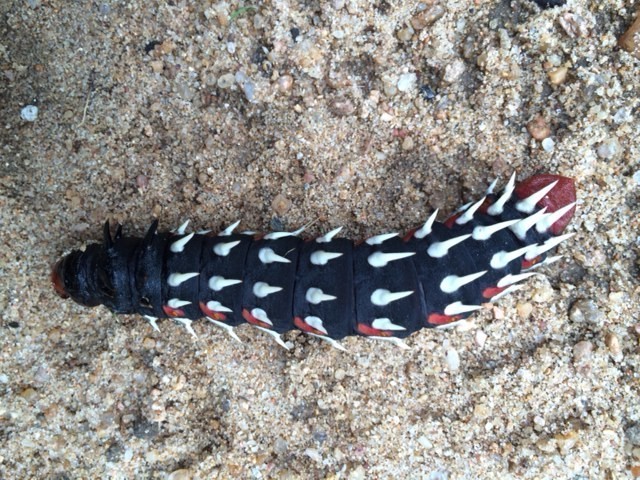
5. Cabbage tree emperor moth
Larva: Final instar about 7 cm in length and about 1.5 cm in diameter. "Ground colour deep velvety black; each somite, from 4th to 12th, bearing eight white/yellow tubercular processes, two subdorsally, two laterally, and four (in two rows) on each side subspiracularly. The 2nd somite bears four black processes, two subdorsally and two laterally. The 3rd somite bears 4 black processes, as in the 2nd, and two small yellow processes on each side, in line with the subspiracular processes on the other somites. Spiracles red; those on the 4th to 11th somites being surrounded by an irregularly shaped red area. Head and legs concolorous with body".
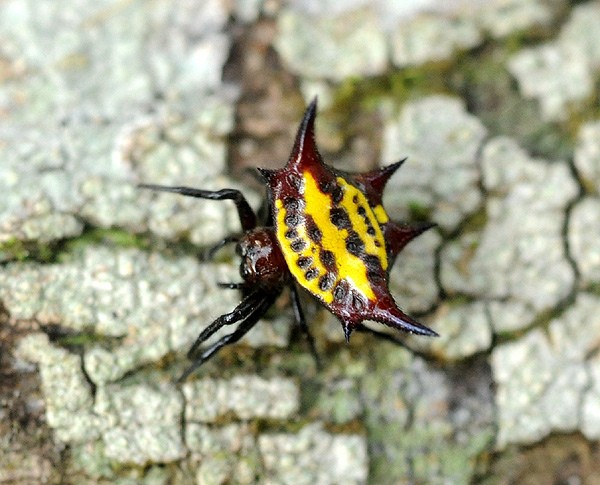
6. Gasteracantha curvispina
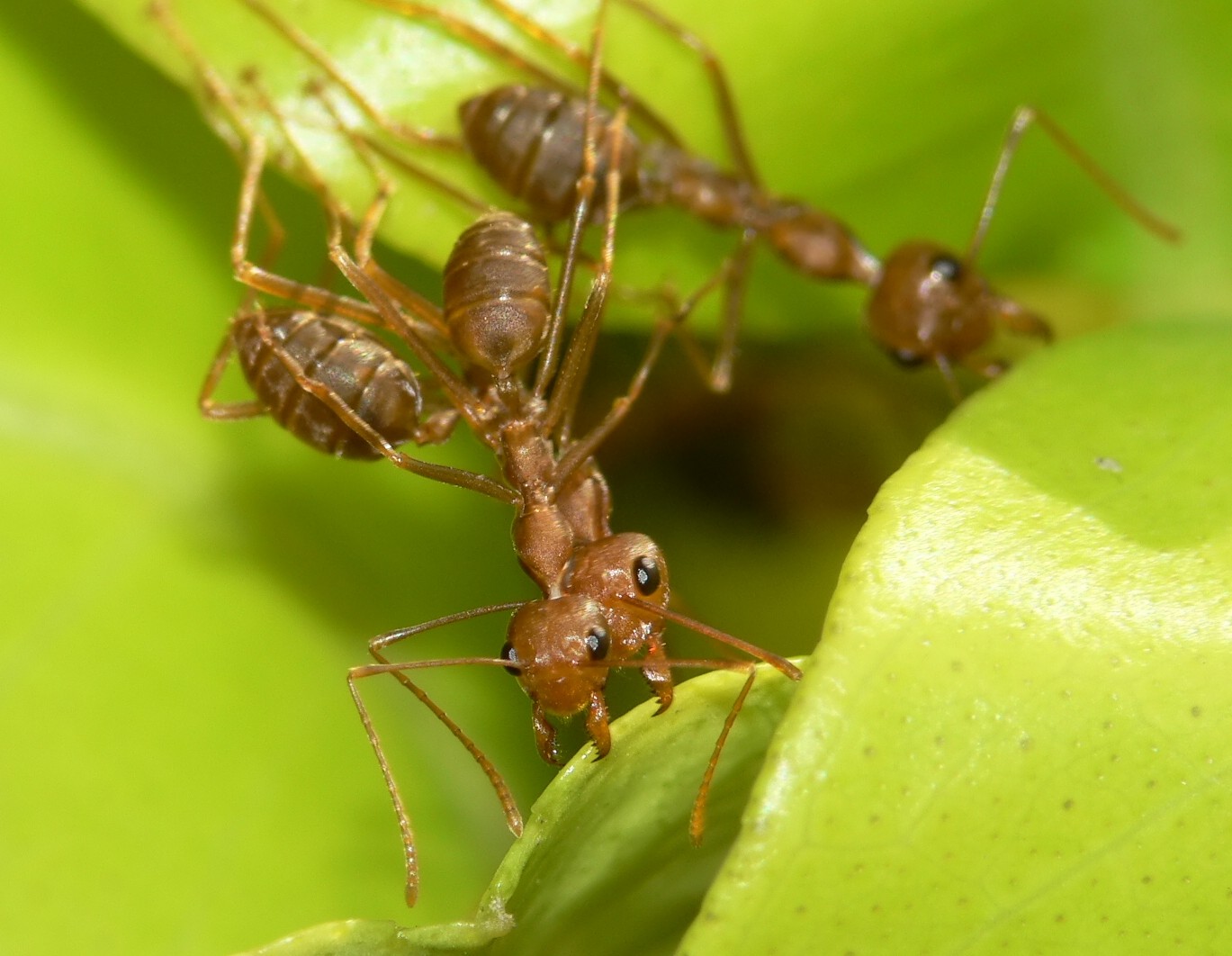
7. Weaver ant
The worker is a fairly large ant with a length of 6 mm. The antennae have twelve segments, the first segment exceeding in length the second and third combined. The clypeus, at the front of the head, is large and convex and overhangs the outer edge of the mouthparts. The large mandibles have long triangular teeth which cross over one another when the ant is at rest. This ant ranges in colour from orangeish-brown to dark brown; the thorax is clad in fine pubescence while the abdomen is covered with short erect hairs. The tip of the abdomen has glands that produce pheromones. The feet have suction pads which enables these ants to cling to surfaces with a firm grip.
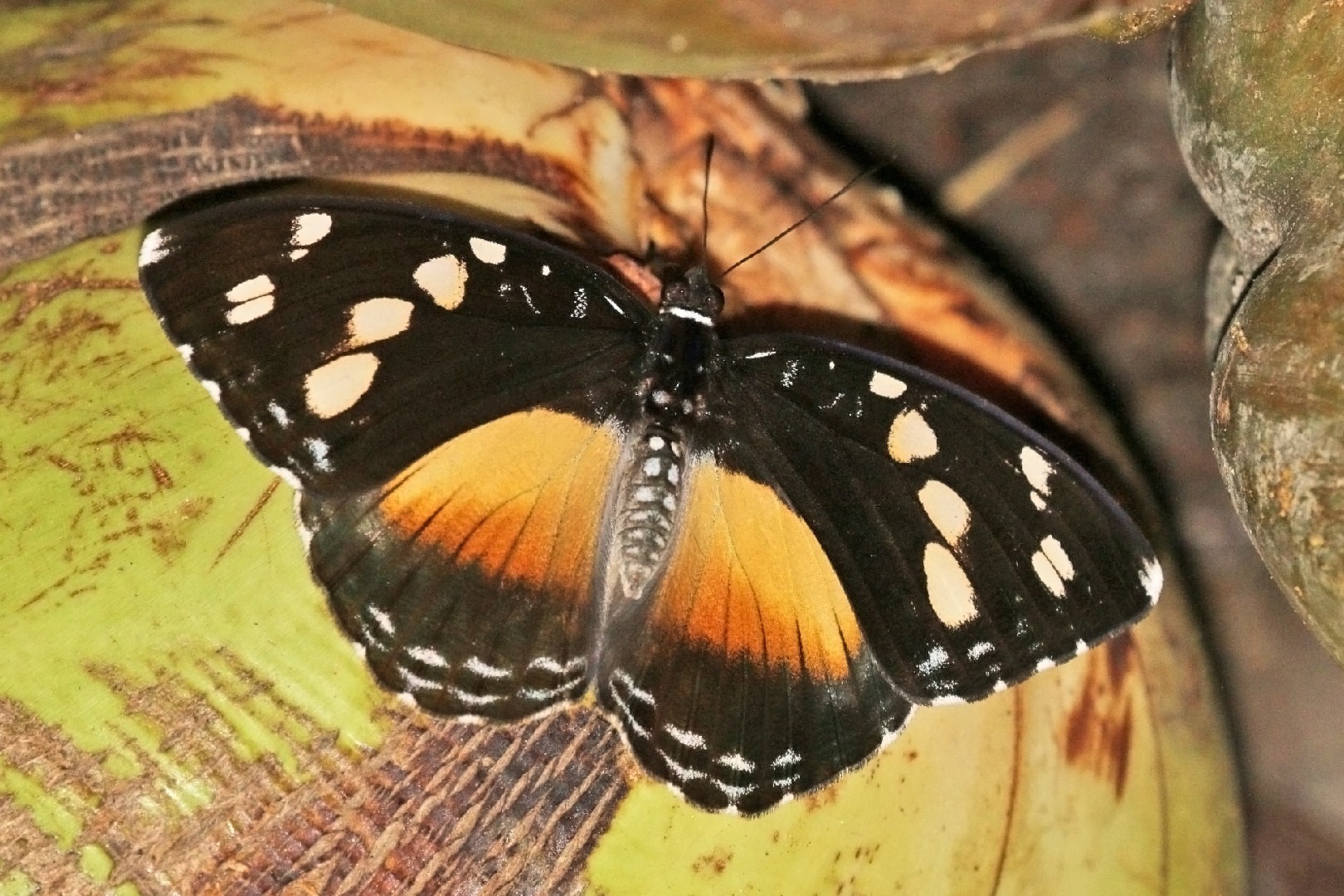
8. Forest glade nymph
The wingspan is 4.5 - 6 cm.
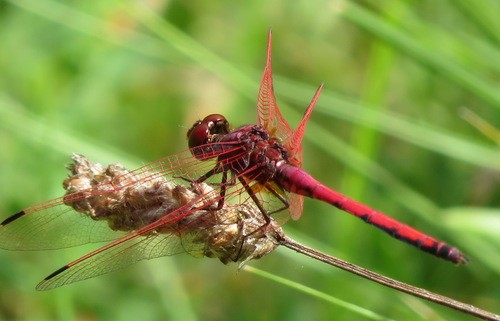
9. Red-veined dropwing
The face of the mature male is deep red, the vertex and top of the frons having a purple sheen. The eyes are deep red and the labium deep yellow with a dark brown stripe in the centre. The synthorax is red with black stripes; mature males often have a purple bloom on the upper thorax.The wings have bright red veins and orange makings at their bases. The pterostigmas are 2.5 - 2.5 mm long and dark brown. The slender abdomen is bright red; S6-S8 have black wedges on each side; S9 and S10 are black. Females have similar markings, but the abdomen and face are yellow to yellowish brown. The sides of the synthorax are pale yellow-brown, as are the lower sides of S1-S3.
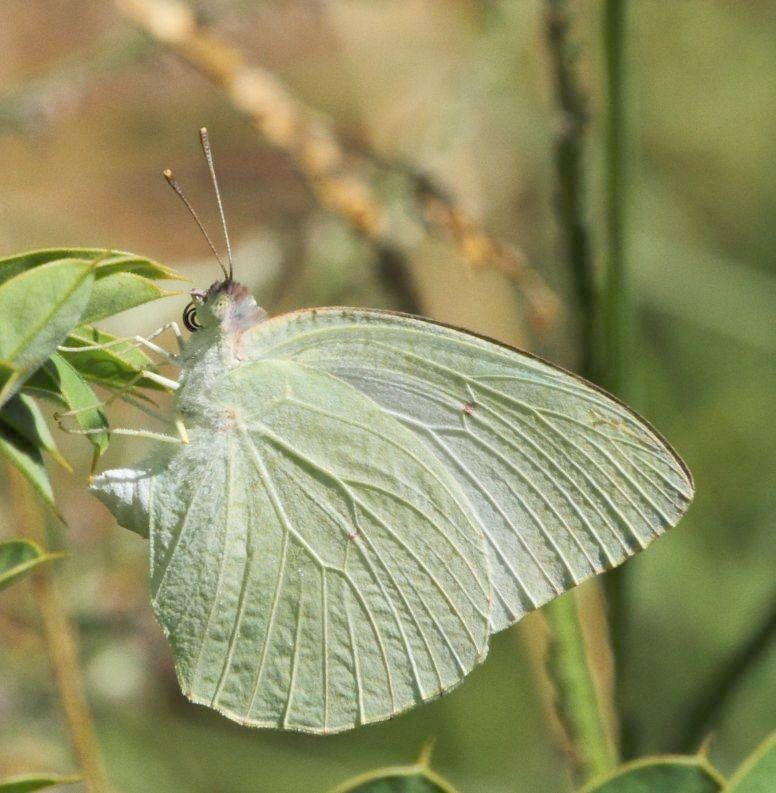
10. African emigrant
The wingspan is 5 - 6 cm for males and 6 - 7 cm for females.







