




Top 6 Most Common Insects in N'Zerekore
Insects, diverse creatures with remarkable adaptability, thrive in a variety of environments within N'Zerekore. The geographical diversity of N'Zerekore shapes the insect population, from beetles in dune ecosystems to butterflies in luscious forests. These tiny creatures, both pests and allies, play significant roles in maintaining ecological balance. Stay tuned as we unveil our Top 6 most common insects in N'Zerekore, underlining the fascinating connection between environments and their six-legged inhabitants.

Most Common Insects
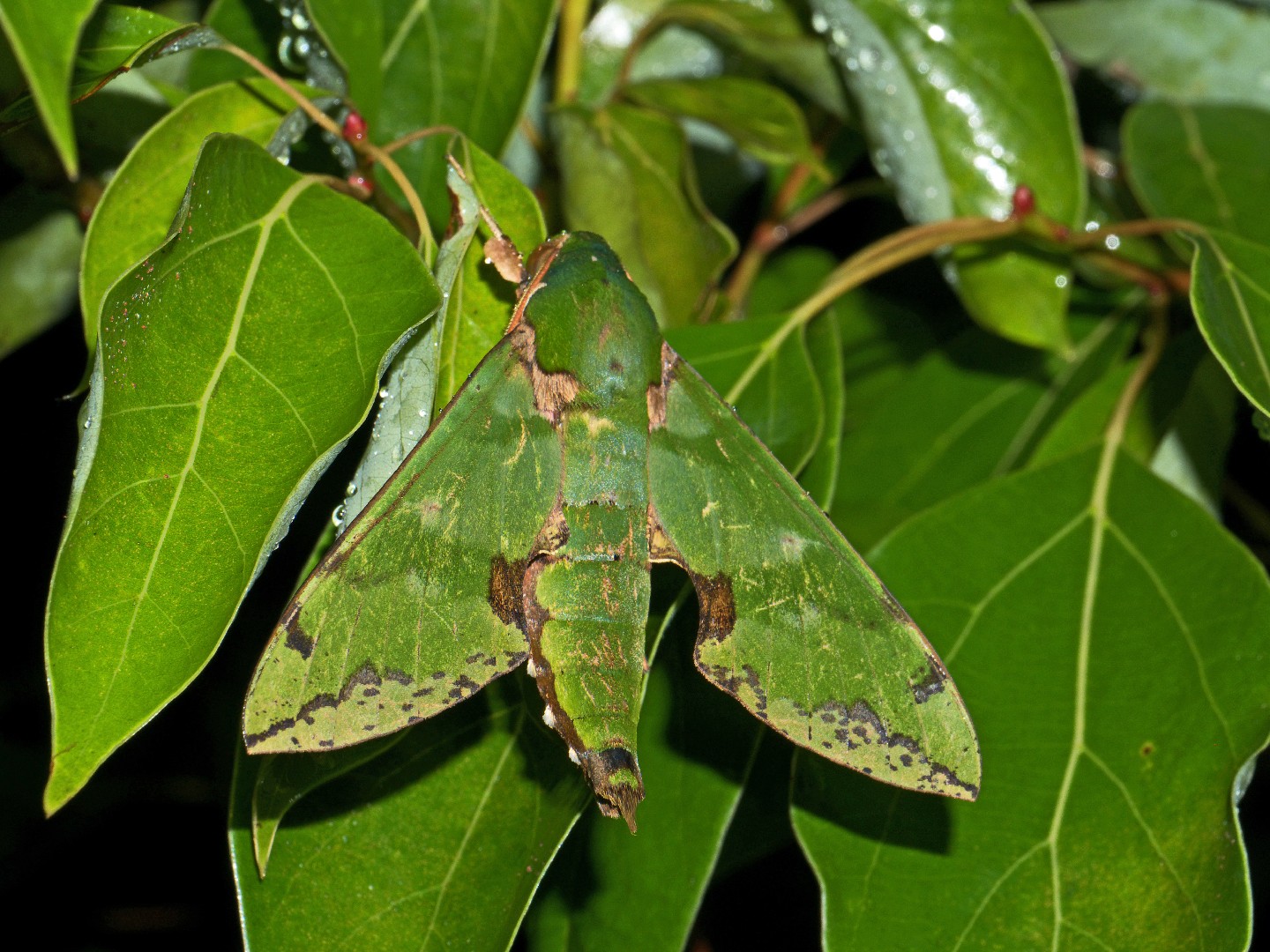
1. Verdant hawk
The length of the forewings is 4 - 5 cm and the wingspan is 10 - 12 cm. The body and forewings are bright deep green. The forewings have a black and white spot at the base, a dark brown spot near the tornus and one or two at the costa. The hindwings are orange yellow with an irregular brown margin turning greenish near the tornus. There is a black spot at the base and a large, elongated black spot from inner margin to vein five. 

2. Citrus swallowtail
Papilio demodocus , also known under the English name Citrus Swallowtail ("Citrus Swallowtail"), is a butterfly from the family of the knight butterflies (Papilionidae).
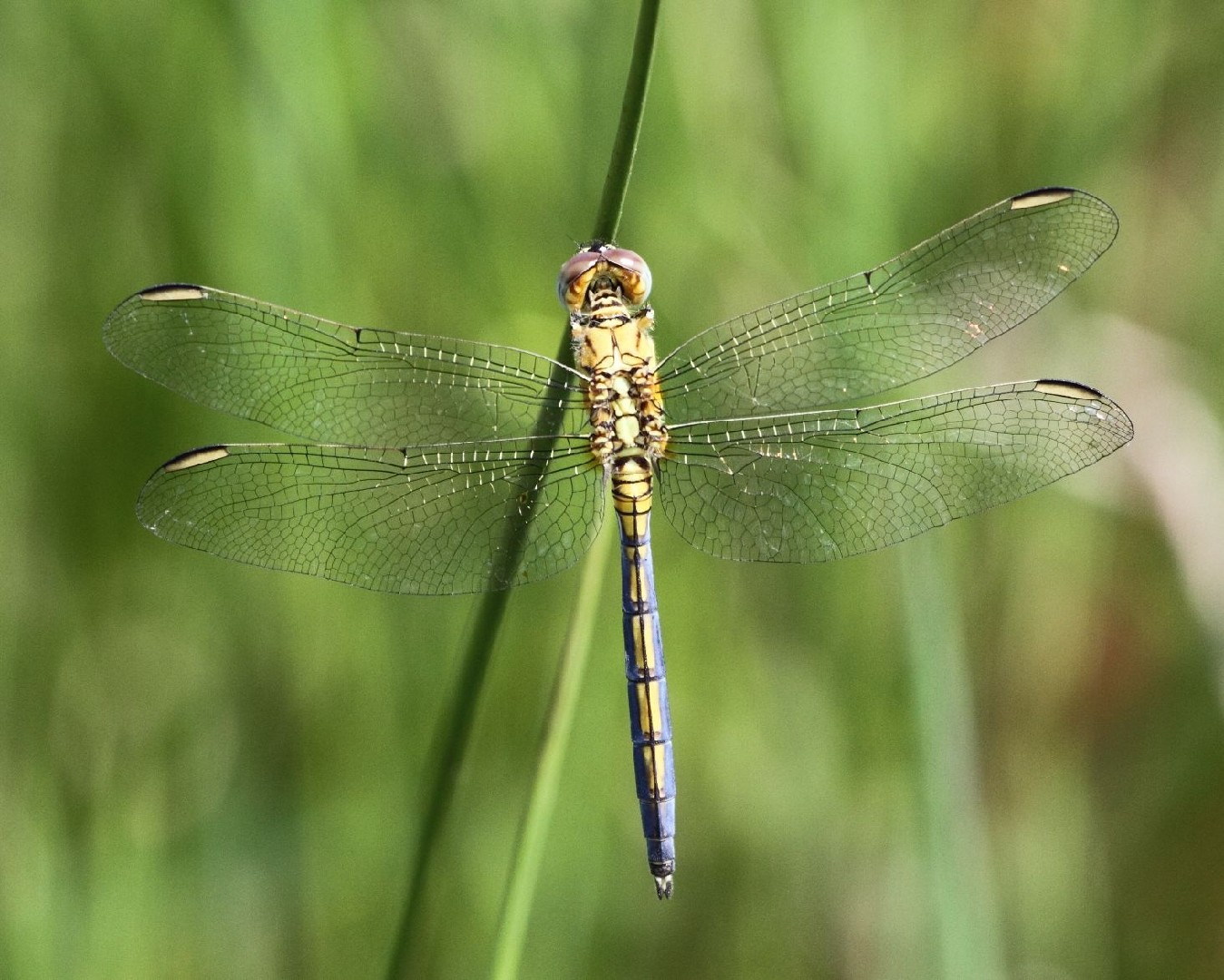
3. Little skimmer
The little skimmer (Orthetrum abbotti) earns its name by being fairly small and skimming across the water. It goes through many evolutions, but it is an insect that typically shows its age. Older females tend to lose their yellow coloring for older greys. Much like our grandparents, their greys remind us that this insect has seen a lot of life.
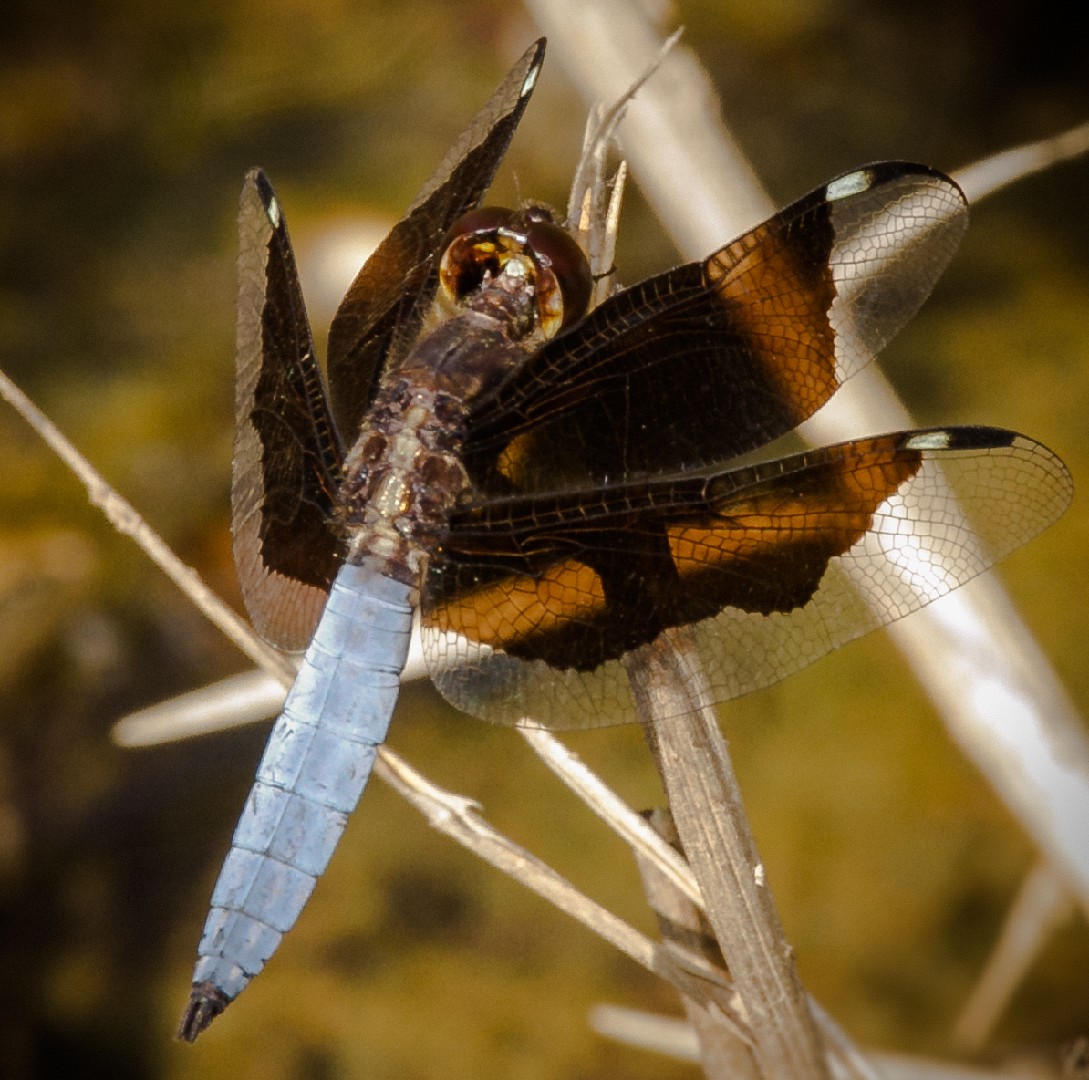
4. Lucia widow
The species is on the IUCN Red List as not endangered, year of assessment 2009.
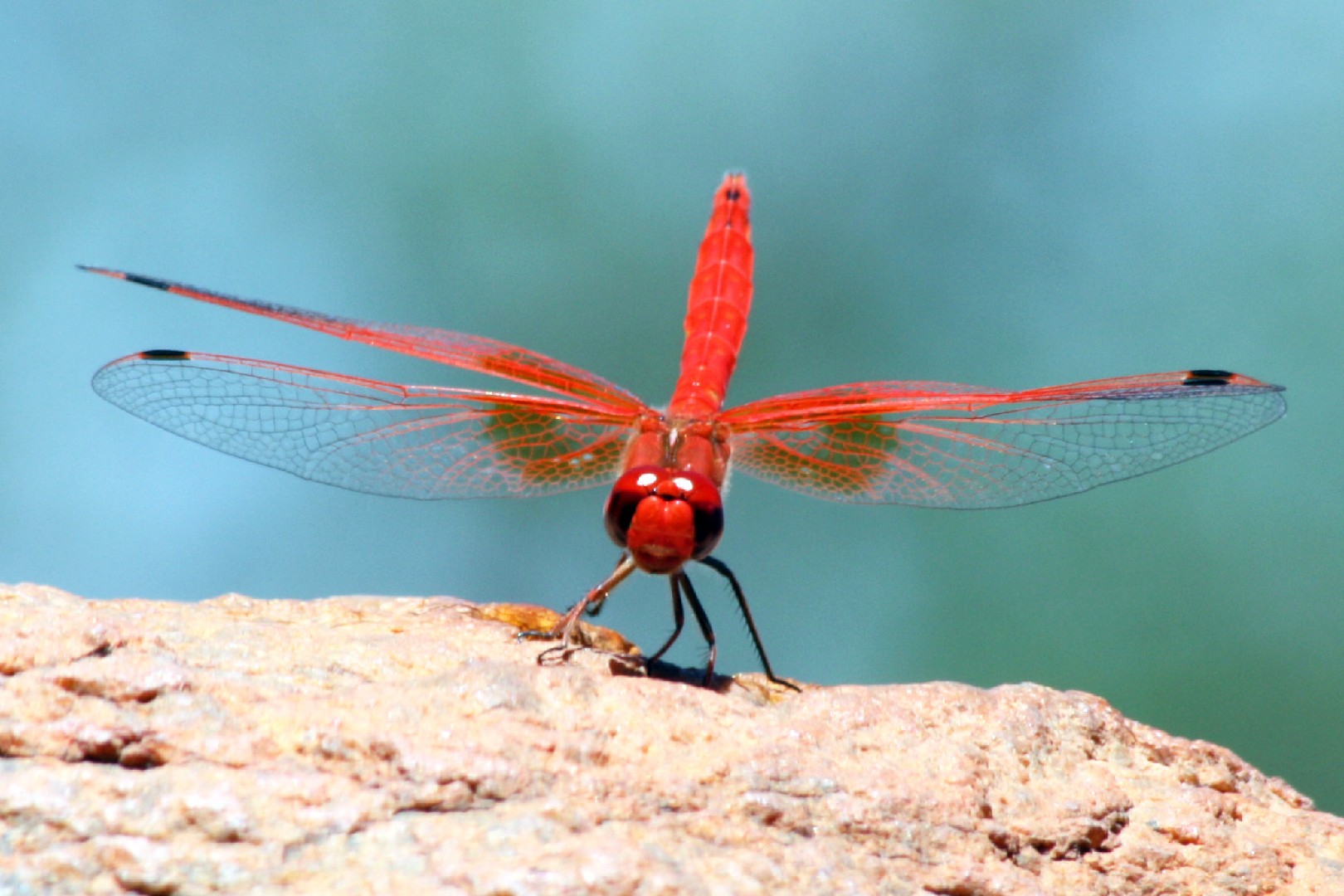
5. Kirby's dropwing
The spotted sun pointer (Trithemis kirbyi) is a dragonfly species from the family of the dragonflies (Libellulidae). Two subspecies are described. The nominate subspecies occurs in India and Sri Lanka, while the insufficiently defined taxon Trithemis kirbyi ardens occurs in the rest of the distribution area, which mainly includes Africa.
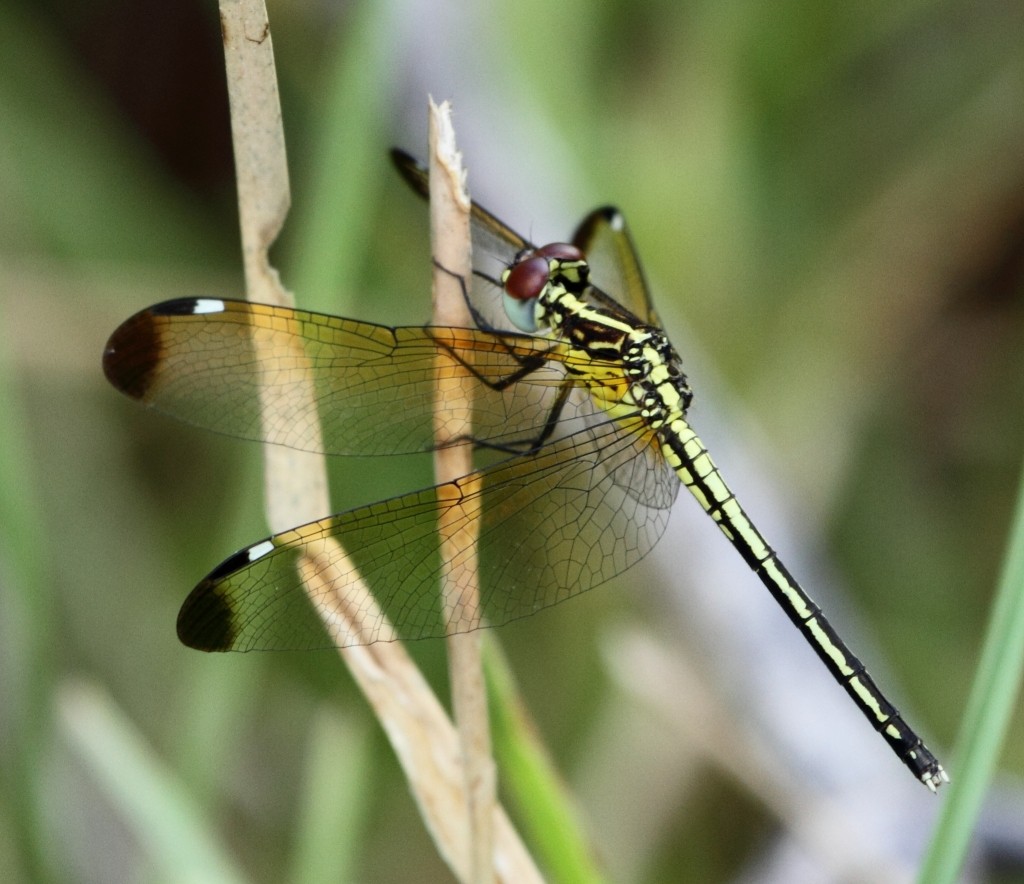
6. Pied-spot
It has a wingspan of 5 cm and is slender. There is a blue bloom on the body of the male, and a black streak across the front of the forewings. There are brown spots on the wingtips of females.







