




Top 20 Most Common Insects in Honduras
Impeccably fascinating, insects within Honduras exhibit wide diversity, often shaped by the nation's varying geographical bowls and ecosystems. Climate variation, human intervention, and distinct ecosystems dictate the establishment of these critters, some considered pests, others beneficial. This countdown of the top 20 common insects will illuminate how Honduras's environment helps shape its fascinating insect population. Dive in to discover nature's own six-legged masters of adaptation.

Most Common Insects
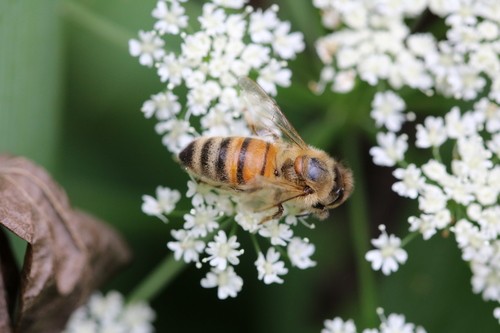
1. Western honey bee
Western honey bee(Apis mellifera) is the most common species of honeybee in the world. Among the first domesticated insects, its cultural and economic impact on humanity has been vast and far-reaching, providing honey, wax and its services as a pollinator. Western honey bee faces challenges worldwide, such as colony collapse disorder, and populations are thought to be decreasing.
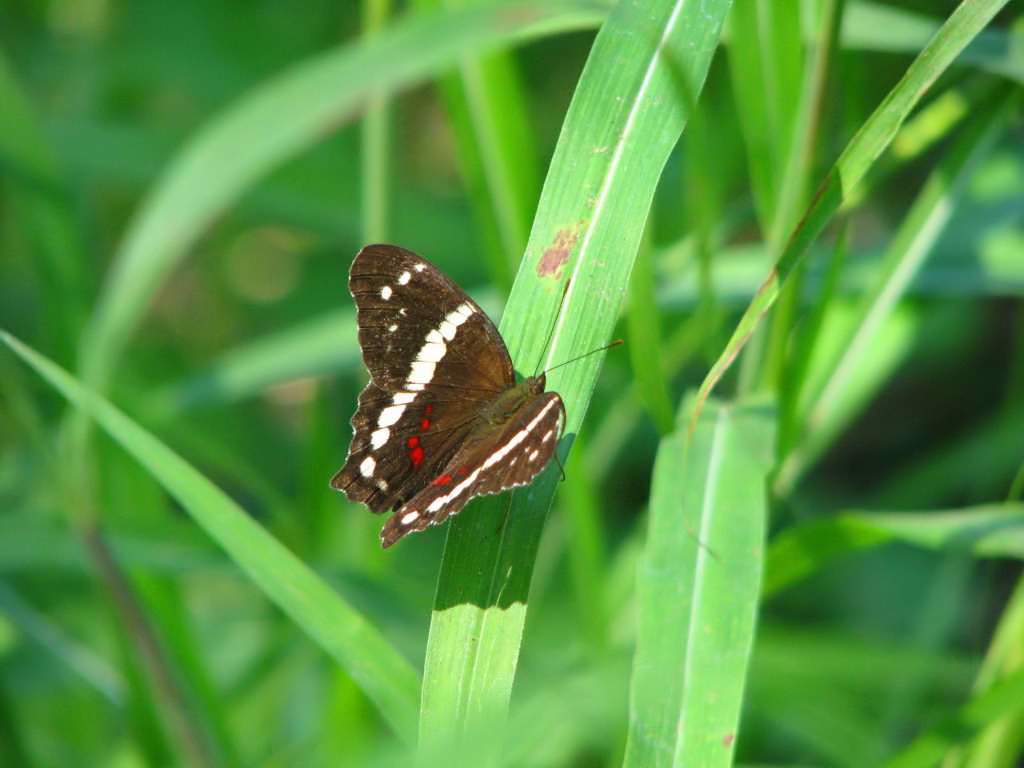
2. Banded peacock
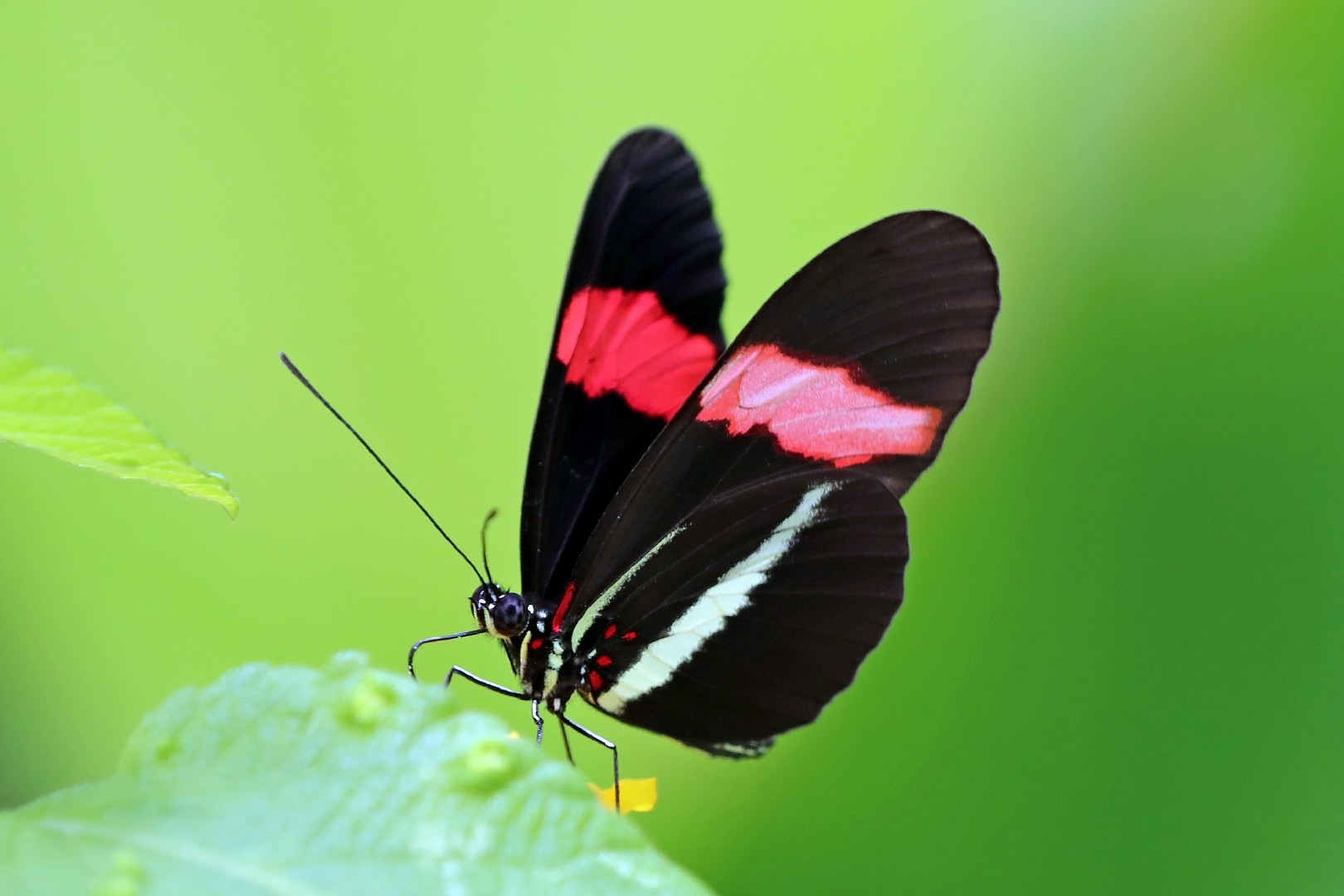
The wingspan of the moths is 60 to 70 millimeters. The basic color of the wings is black-brown to black. On the front wing top, a white, sometimes yellowish bandage extends through the Diskalregion, which continues on the hind wings. Near the apex, some small whitish spots are highlighted. The hind wings show some striking red, sometimes orange spots. The tail at the Analwinkel are very short. All wing bottoms show similar drawing elements as the tops, but these are paler and weaker.
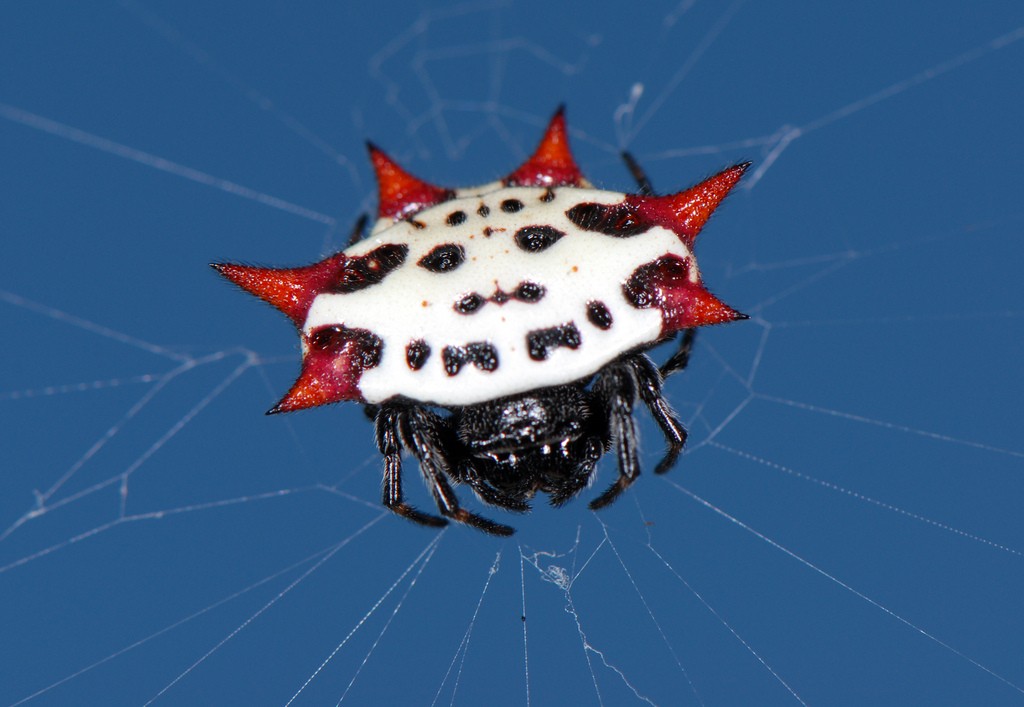
3. Spinybacked Orbweaver
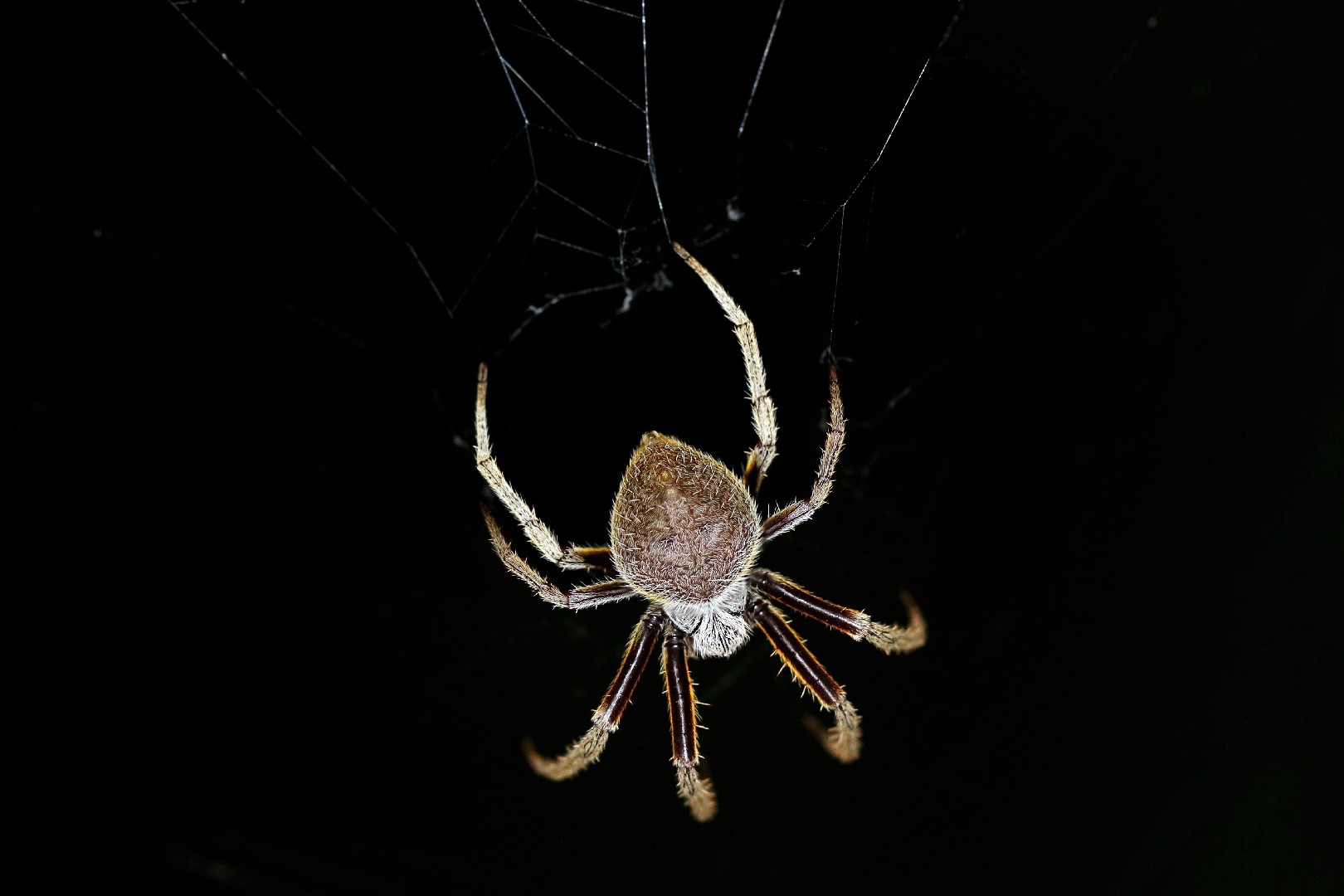
The spinybacked Orbweaver (Gasteracantha cancriformis) has a crab-like structure with six spines on its abdomen. The color of this species varies based on where it lives, and the colors are usually red, orange, yellow, or white. Males and females communicate by creating patterns of vibration on their webs.
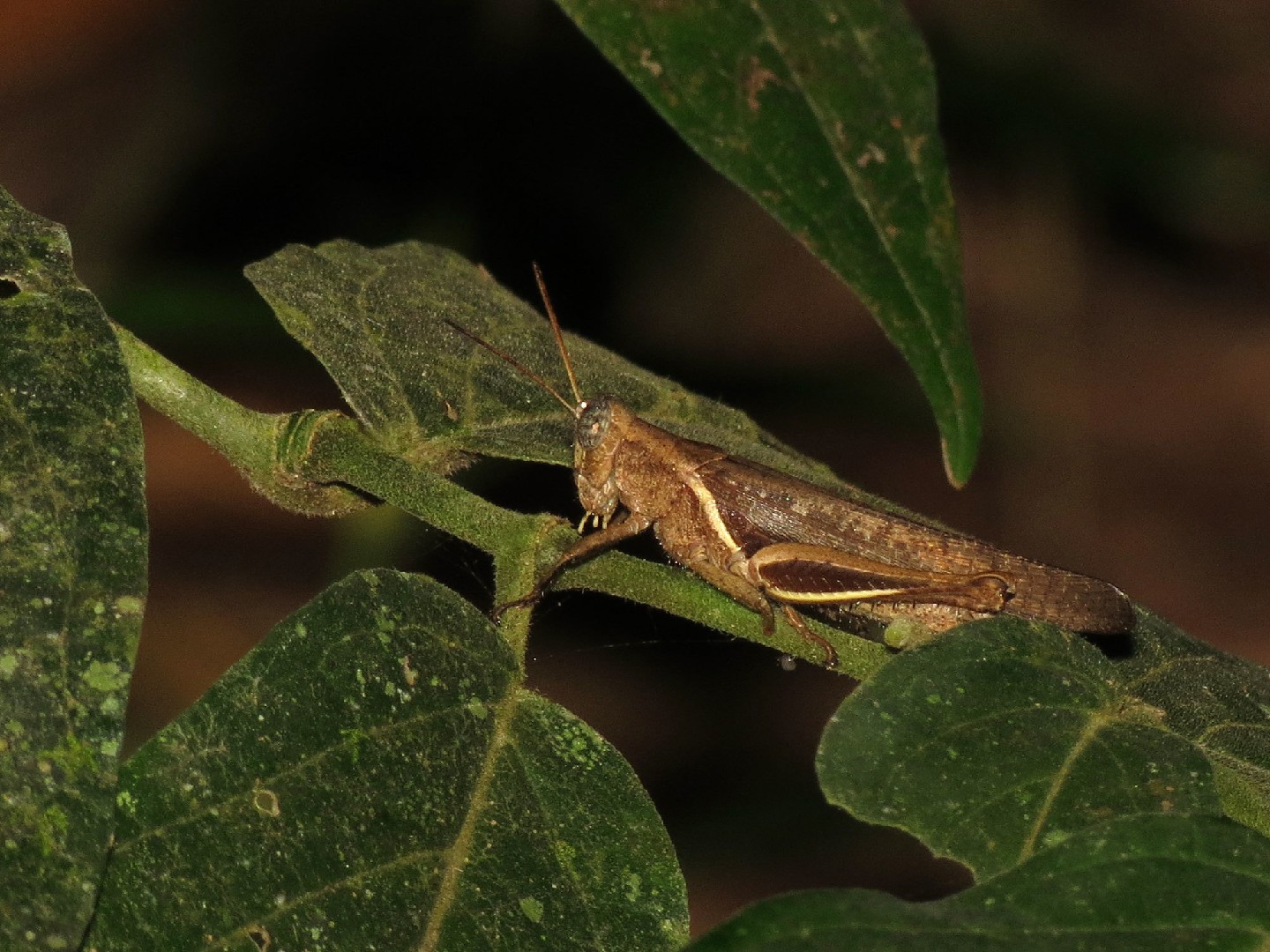
4. Abracris flavolineata
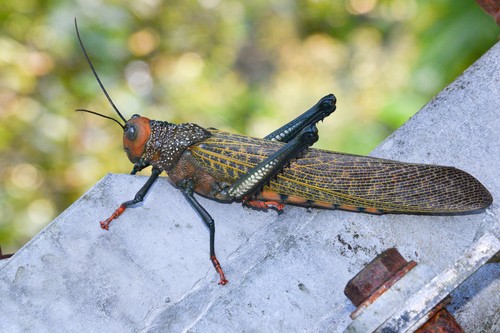
Abracris flavolineata is a right-winged insect from the family locusts (Acrididae). The scientific name of this species was first validly published in 1773 by De Geer.

5. Eriophora edax
The animal belongs to the genus Eriophora. The scientific name of the species was first validly published in 1863 by John Blackwall.
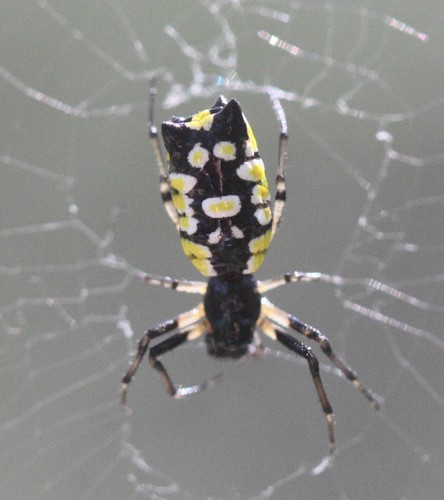
6. Spiny orbweaver
Micrathena funebris is a species of orb weaver in the family of spiders known as Araneidae. It is found in a range from the United States to Costa Rica. 
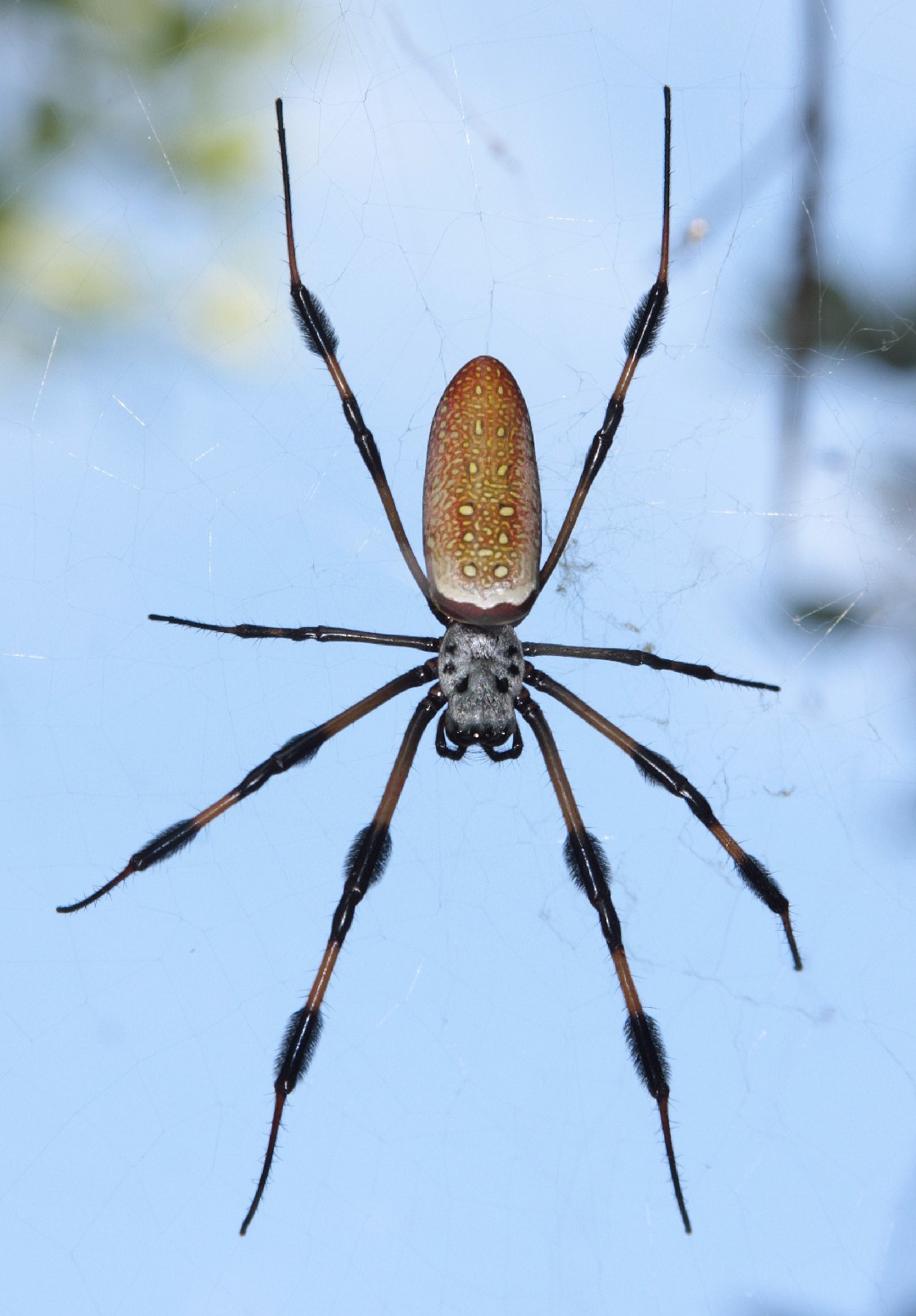
7. Banana spider
The banana spider (Nephila clavipes) is called that because it is commonly found in banana shipments leading from South America. There are many spiders that fit this category (often found in banana shipments), so this one is also called the Golden silk orb-weaver to distinguish them. This name is more related to the strength of its silk, which is stronger than steel based on tensile strength.
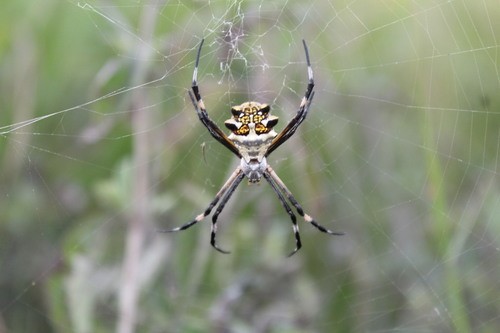
8. Silver argiope
The silver argiope (Argiope argentata) often creates unique zigzag patterns on its webs. It's usually found in warm, dry areas, especially on cacti and aloe vera plants. The females are much larger than males. They can bite and cause irritation to the skin, but the damage won't be life-threatening.
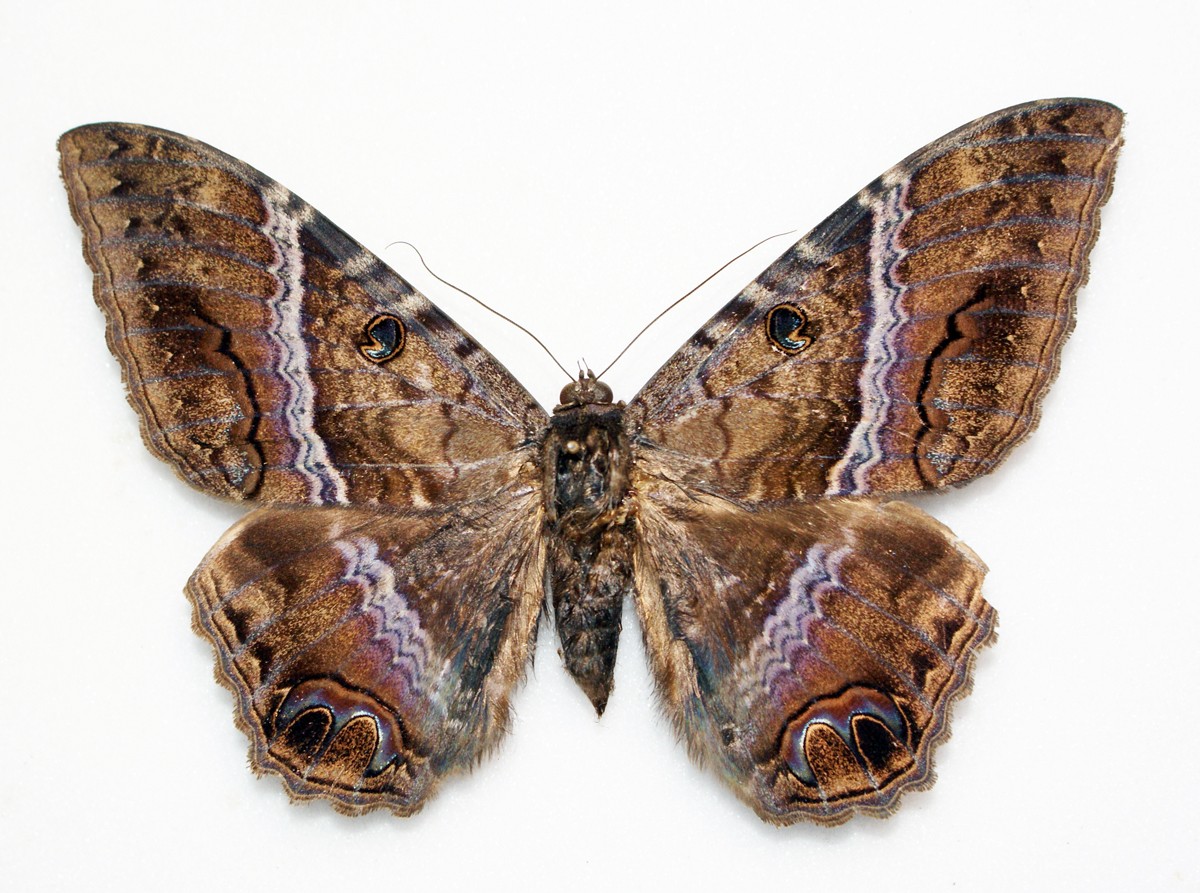
9. Black Witch
The black Witch (Ascalapha odorata) is given this spooky name because its part in folklore being associated with misfortune or death. In the novel, The Silence of the Lambs, they were placed in the mouths of the victims of Buffalo Bill. They can be identified with darker colorings and undertones of purple and pink.
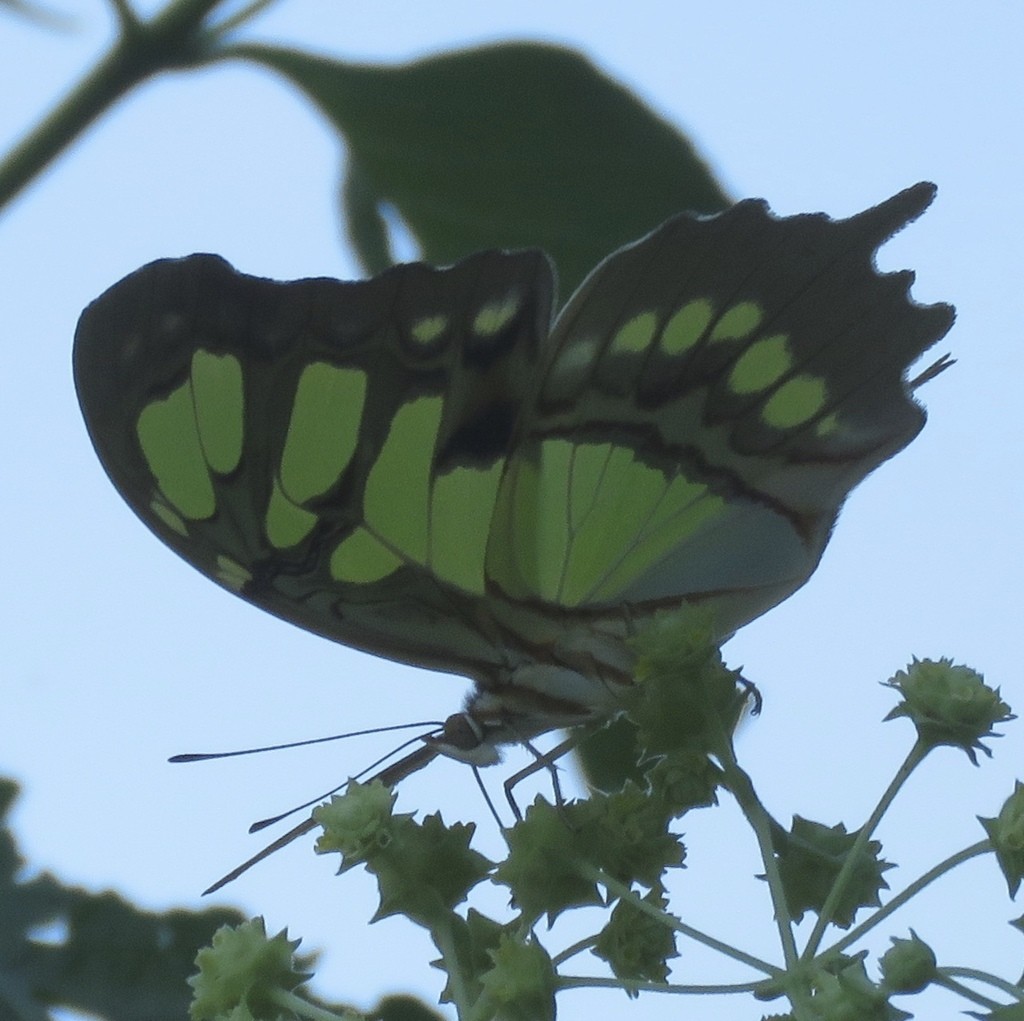
10. Malachite
Siproeta stelenes (malachite) is a Neotropical brush-footed butterfly (family Nymphalidae). The malachite has large wings that are black and brilliant green or yellow-green on the upperside and light brown and olive green on the underside. It is named for the mineral malachite, which is similar in color to the bright green on the butterfly's wings. Typically, the wingspread is between 8.5 and 10 cm (3.3 and 3.9 in). The malachite is found throughout Central and northern South America, where it is one of the most common butterfly species. Its distribution extends as far north as southern Texas and the tip of Florida, to Cuba as subspecies S. s. insularis (Holland, 1916), and S. s. biplagiata, and south to Brazil. Adults feed on flower nectar, rotting fruit, dead animals, and bat dung. Females lay eggs on the new leaves of plants in the family Acanthaceae, especially ruellia. The larvae are horned, spiny, black caterpillars with red markings, The pupa stage is green and have sharp, gold spines that can puncture predators. Malachites often are confused with Philaethria dido. They have similar coloration, but their wing shapes are different.
More







