




Top 15 Most Common Insects in Szentes
Insects, these tiny creatures in Szentes, are more than what meets the eye! Distinctively characterized by their hard exoskeletons and divided body parts, they thrive in various parts of the region. The geographical diversity of Szentes significantly shapes the insect population, whether it be pests or beneficial ones. Insects' contribution to Szentes's ecosystem is substantial, underscoring the pertinent confluence of environments and their invertebrate inhabitants. Join us as we explore the intriguing world of 15 most common insects in Szentes!

Most Common Insects
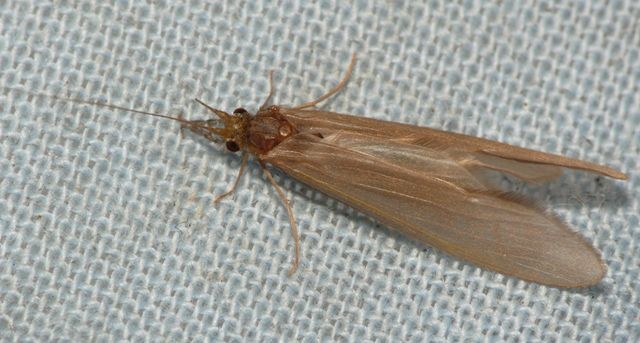
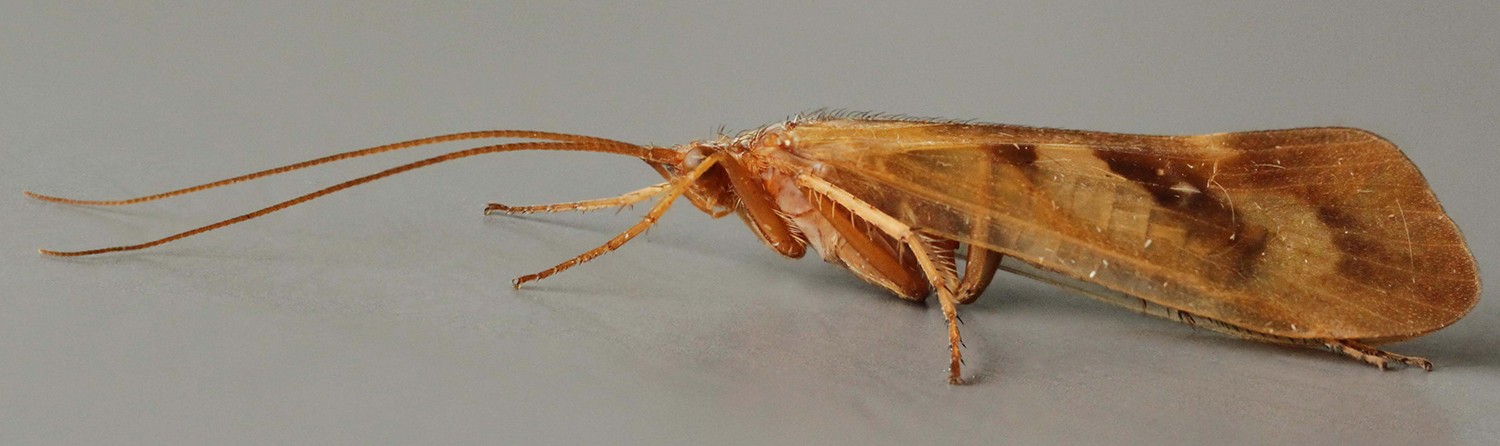
1. Rusty long-horned caddisfly
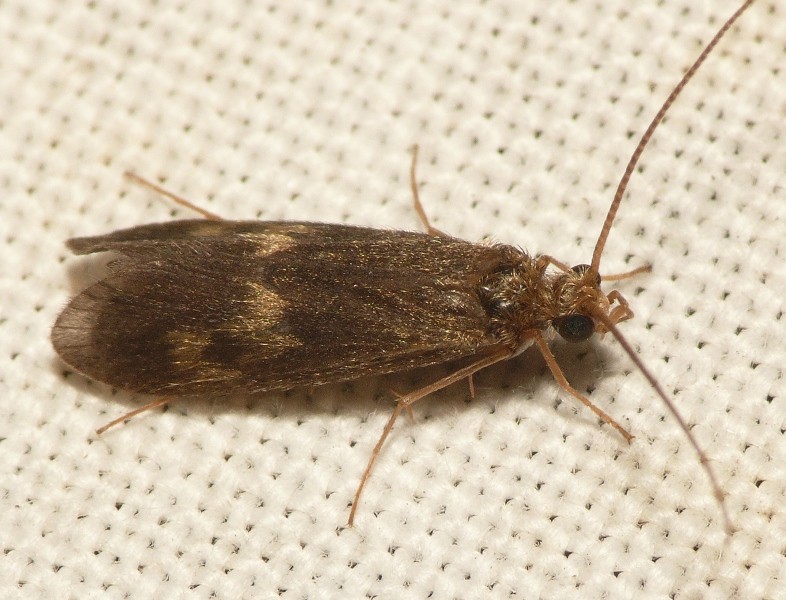
2. Neureclipsis bimaculata
Adults are a dull brownish grey. Male distal hindwing is tinted brownish grey. Female forewings are golden brown with the distal hindwing tinted golden brown. 
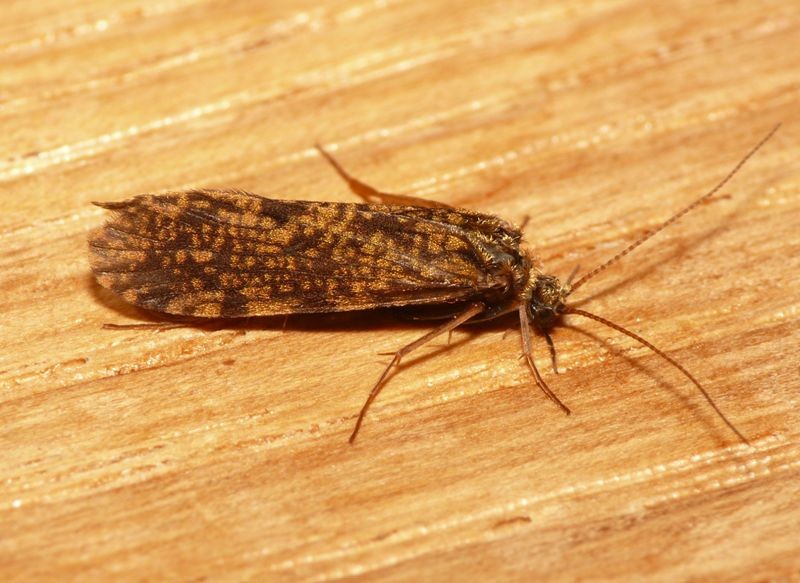
3. Ecnomus tenellus
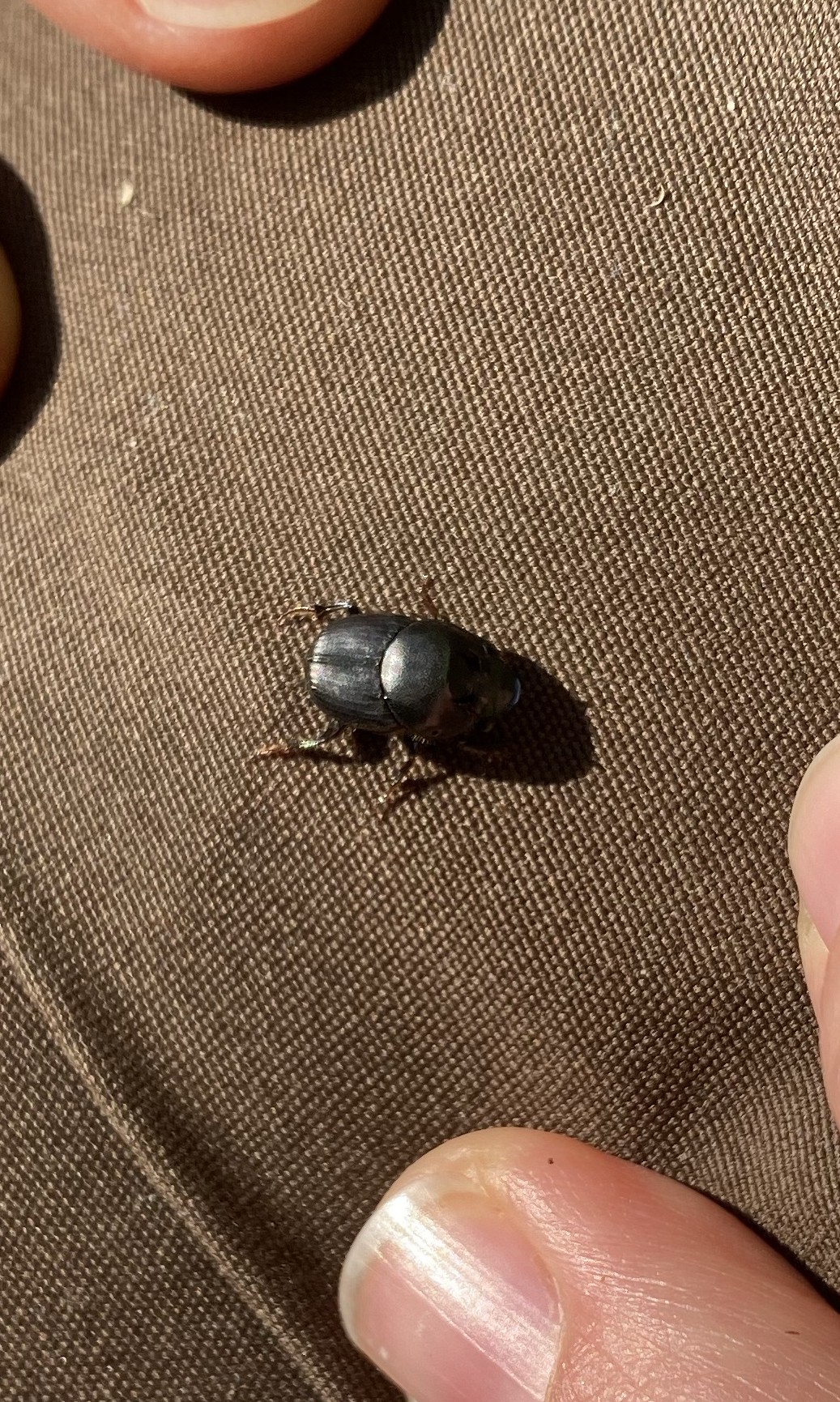
4. Bull-headed dung beetle
Onthophagus taurus can reach a length of 5.5–11 millimetres (0.22–0.43 in). These small beetles are oval shaped, the color is usually black or reddish brown. Sometimes the pronotum has a weak metallic sheen. Males have on the heads a pair of long protrusions or horns (hence the species name) that they use to fight with each other to gain mating rights with females. There are five different locations where the horns can develop: at the back, middle or front of the head, and on the front or side of the thorax. Some males do not have horns, and therefore do not come into the fight, but have larger gonads. A similar dimorphism in males have been found in some other species (Ageopsis nigicollis, Podischnus agenor). This adaption reduces direct competition with horned males. Horns of Onthophagus taurus lack obvious homology to other insect traits. Hence, they are known as an evolutionary novelty, even by the term strictest definition. The evolution and diversification of horns of this species are rooted in an intricate patchwork of extrinsic and intrinsic mechanisms that involves parental effects, developmental plasticity, multiple internal pathways monitored by the doublesex (dsx) gene expression, the hedgehod gene expression as well as the insulin/insulin-growth factor (IGF) pathway, among numerous other elements. Onthophagus taurus can pull a weight of 1141 times its own body mass and is considered the strongest animal on earth on a body weight to lift ratio.
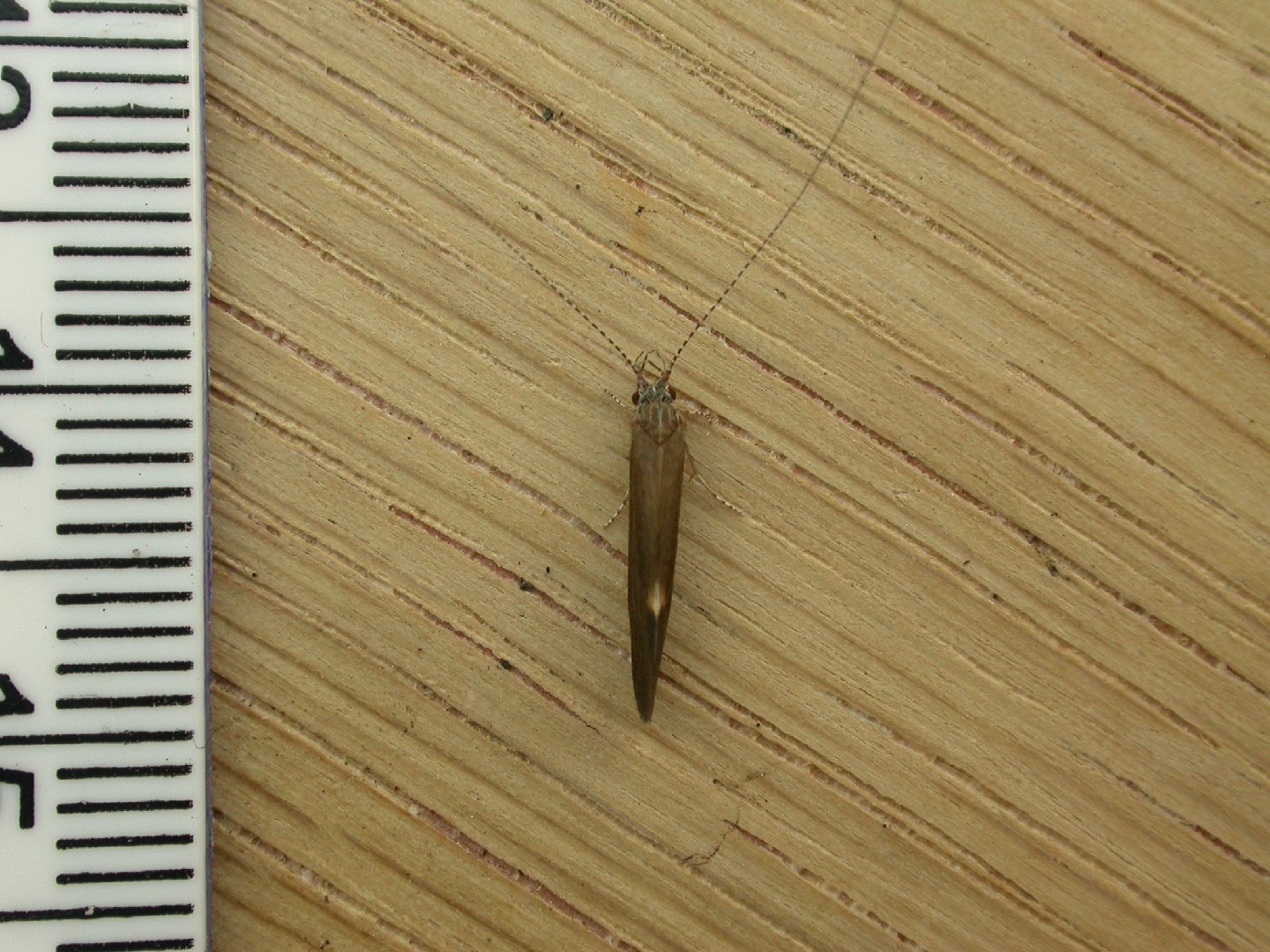
5. Ceraclea dissimilis
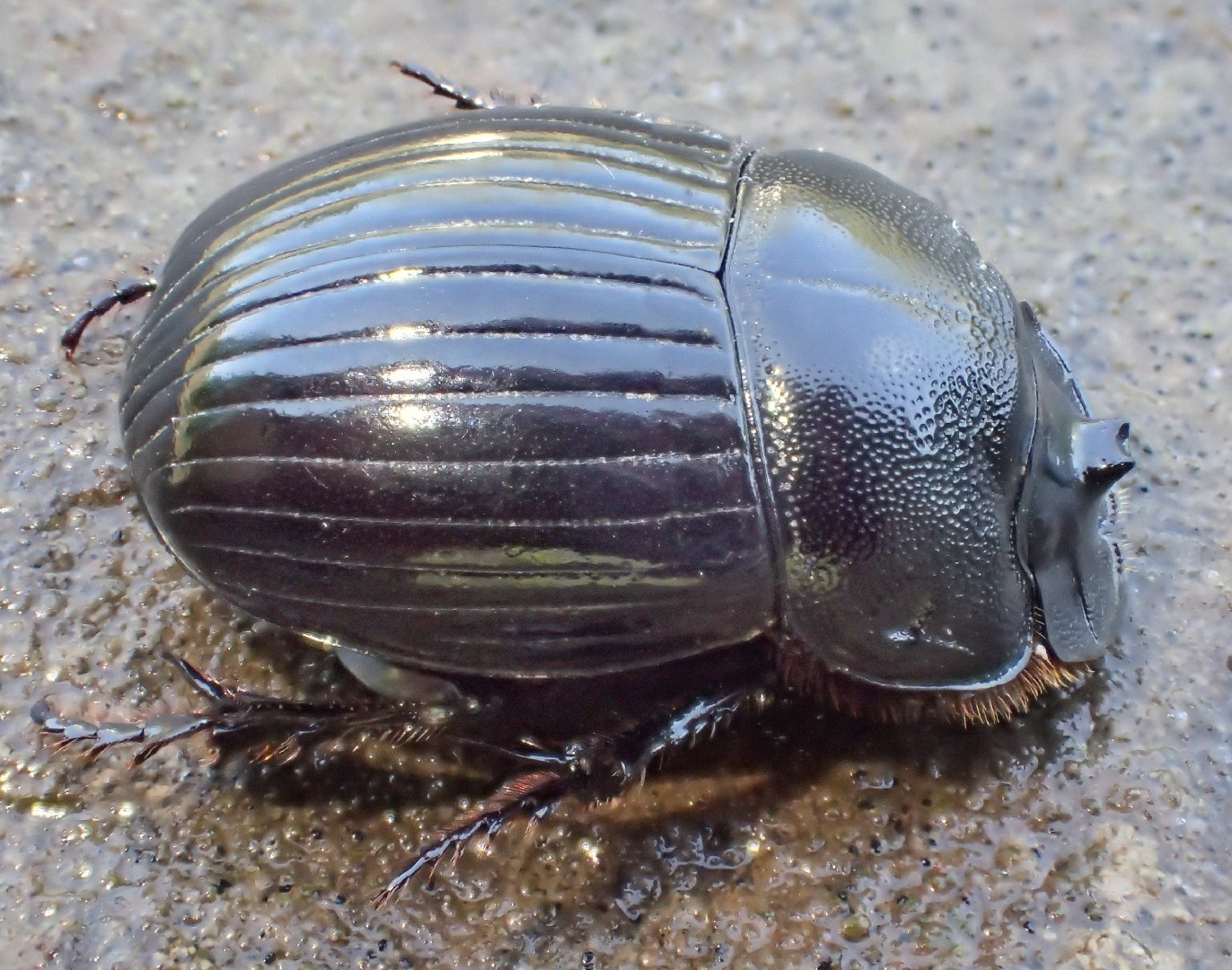
6. Horned dung beetle
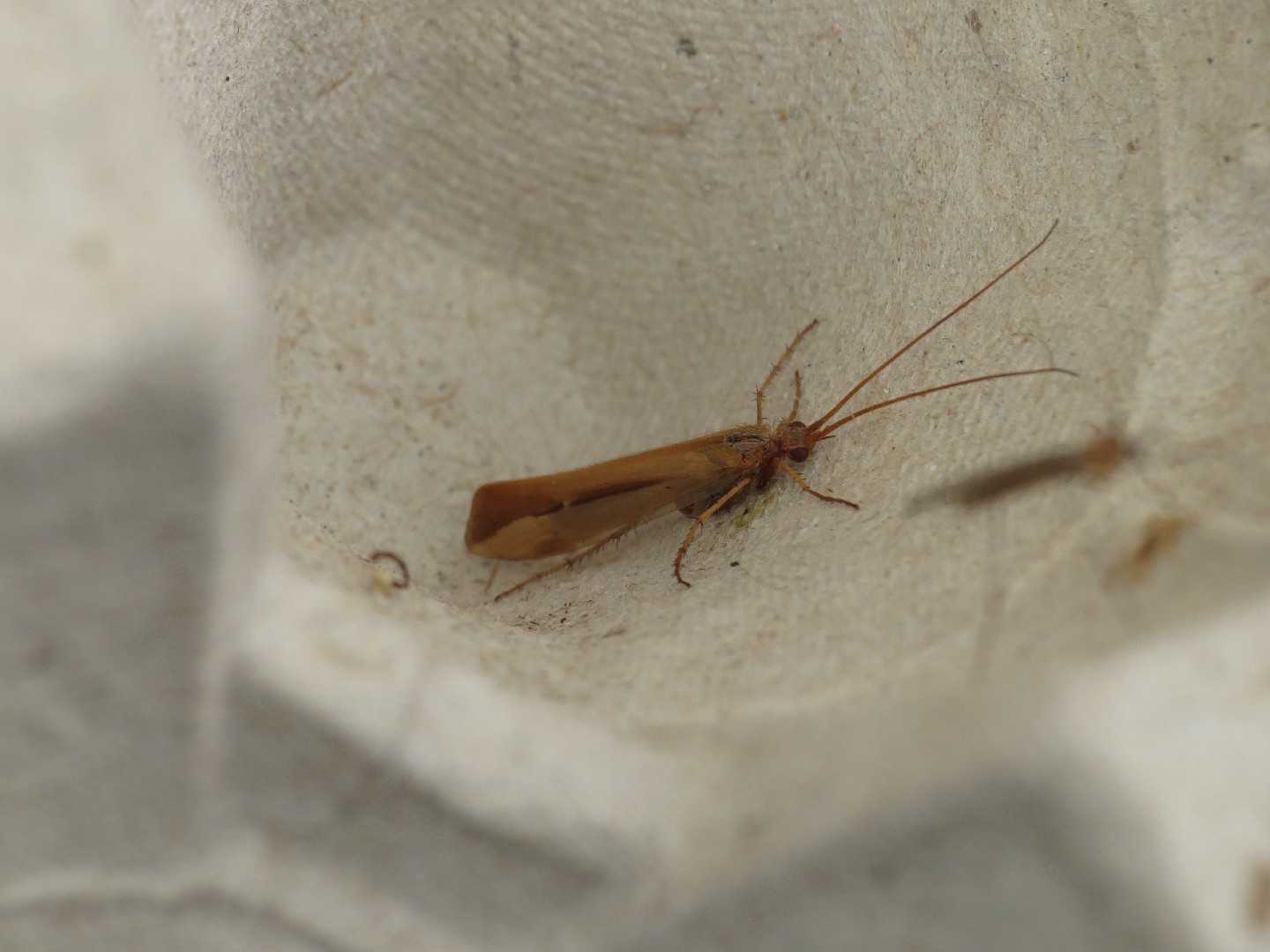
7. Limnephilus vittatus
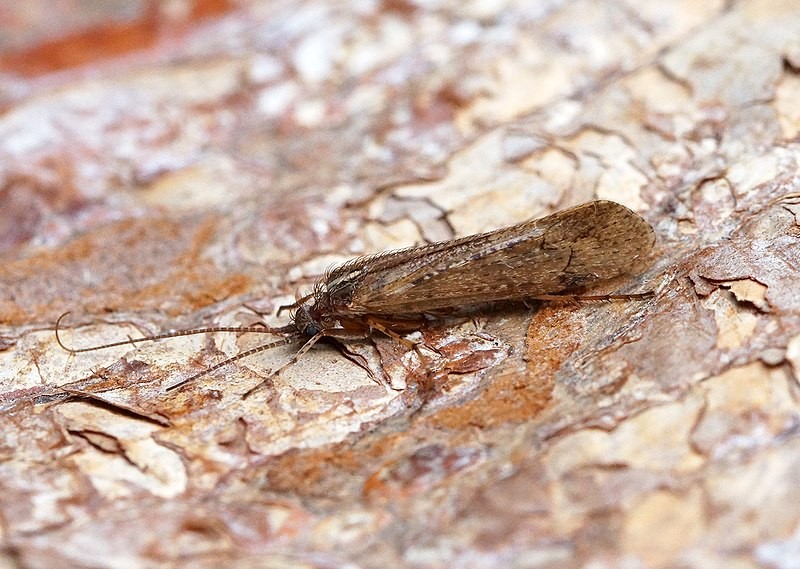
8. Limnephilus affinis
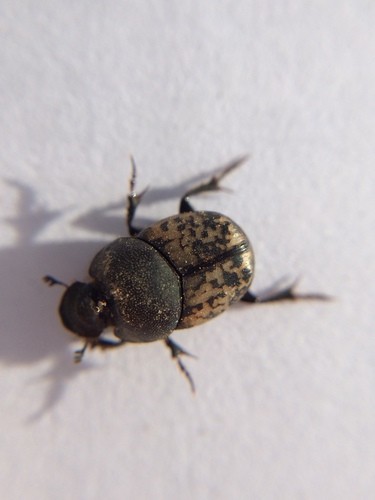
9. Small black-and-brown dung beetle
Onthophagus nuchicornis is a species of dung beetle in the family Scarabaeidae. It is found in Europe and North America. Though Onthophagus nuchicornis is listed as "Vulnerable" in the United Kingdom, it is a common and abundant species in North America. It has been used as a model organism for ecotoxicological studies of ivermectin, where different biological endpoints (e.g. dung burial) are stimulated at low levels of ivermectin exposure, but impaired at high levels of ivermectin exposure.
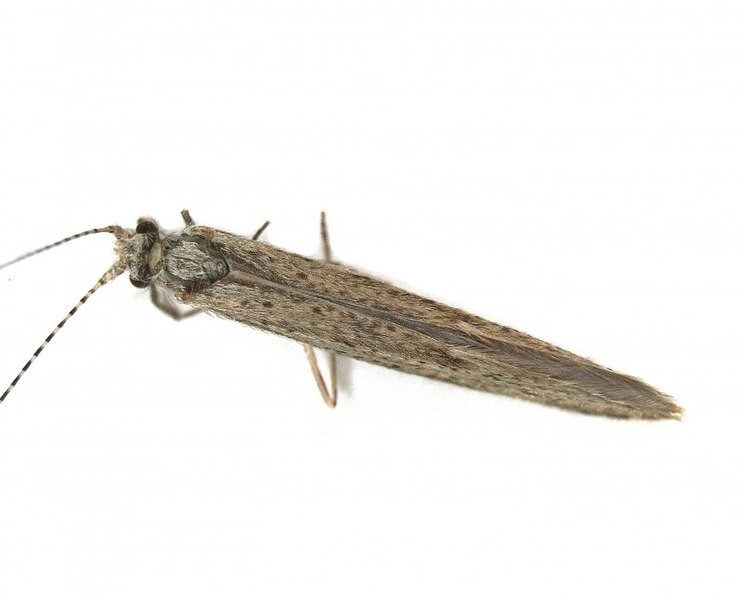
10. Leptocerus tineiformis
More







