




Top 20 Most Common Insects in Vas
Insects, with their diverse shapes, sizes and habitats, are fascinating creatures that make up an integral part of Vas's ecosystem. They range from destructive pests to beneficial pollinators, greatly influencing the biodiversity of Vas. Depending on geographical locations, these tiny marvels demonstrate different survival strategies, depicting the vivid diversity of insect life. This guide explores the 20 most common insects in our region that reflect this remarkable interaction between environment and insect behavior, all in language that's reader-friendly.

Most Common Insects
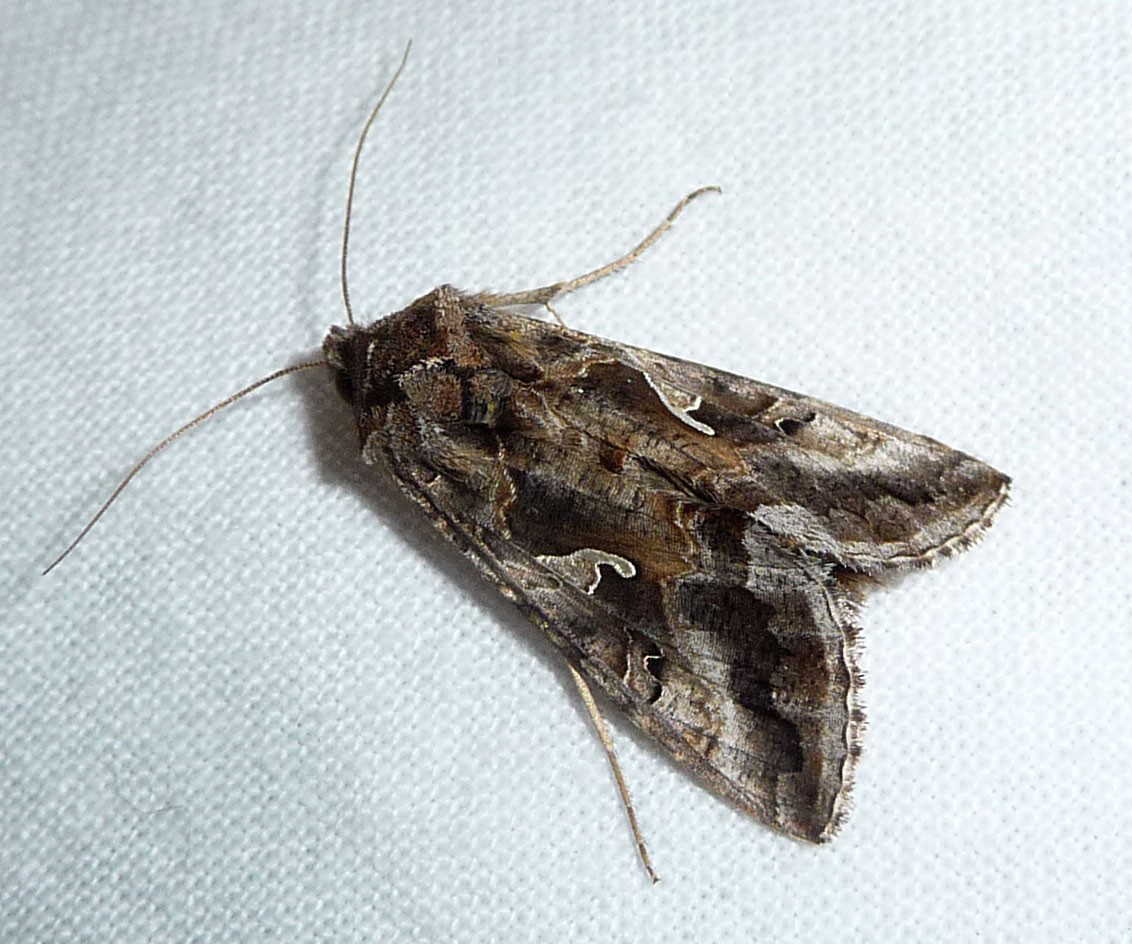
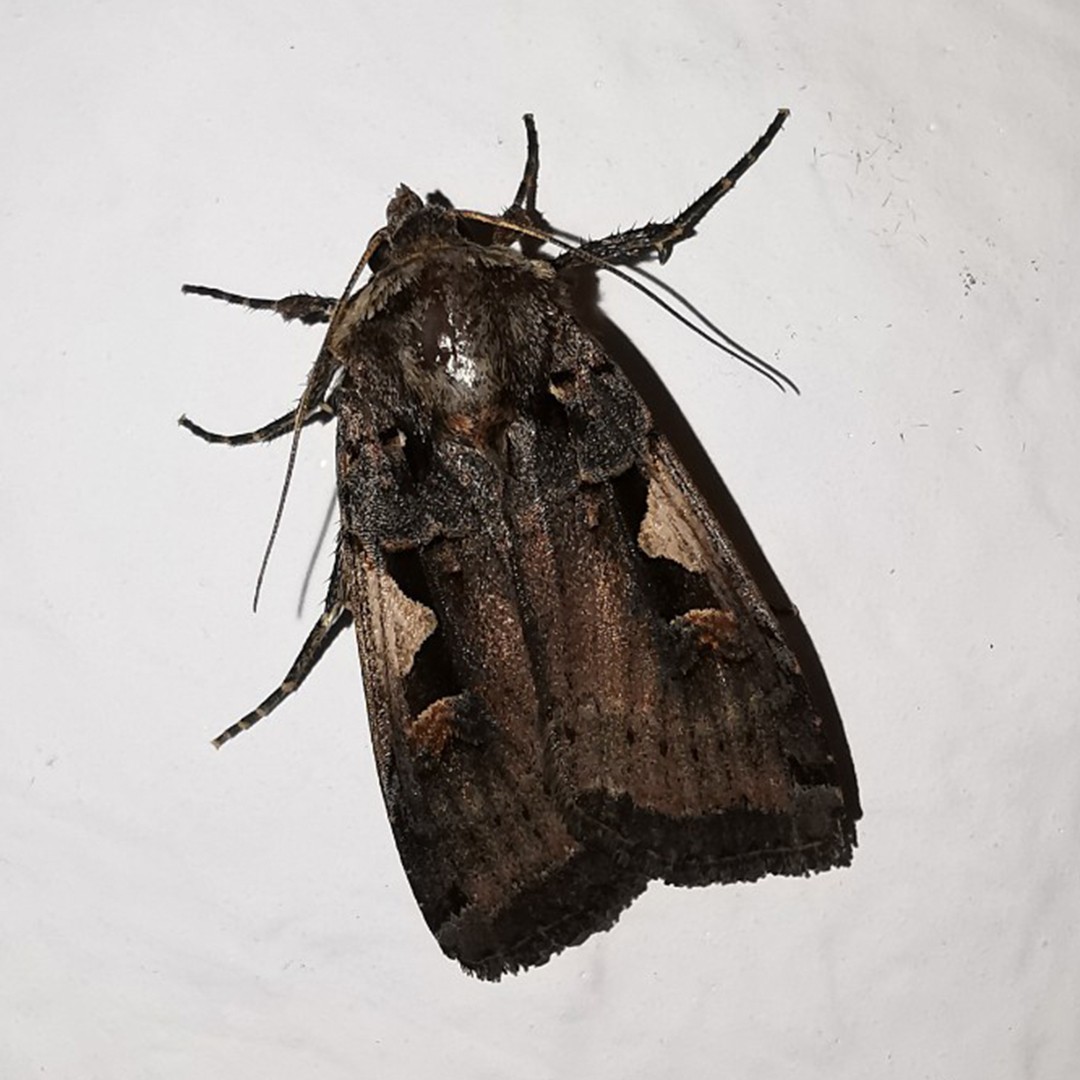
1. Silver y
The silver y (Autographa gamma) has an interesting name that comes from the silver, y-shaped patterns on each of its wings. Patterns on those wings also provide for decent camouflage. Its colors can be different depending on the local climate. You may catch them in your garden given their love of taking nectar from flowers.
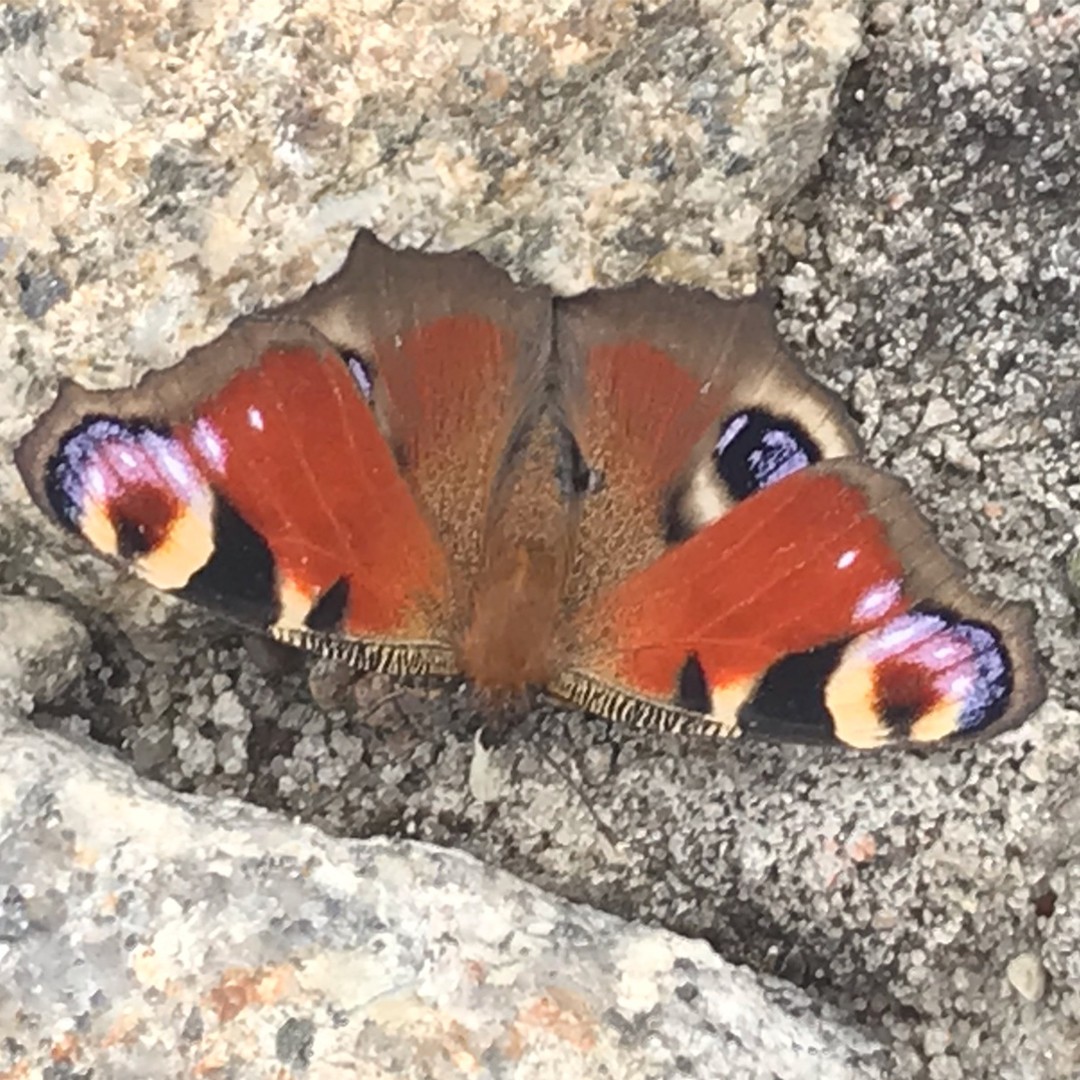
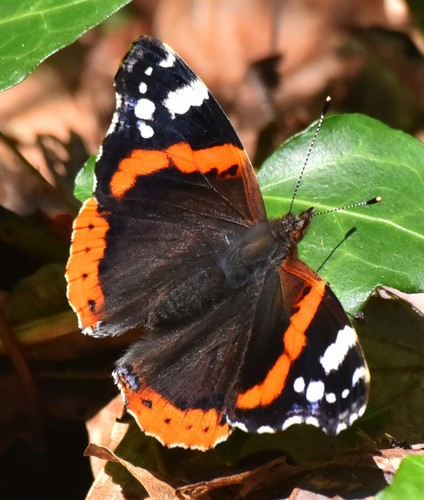
2. European peacock
European peacock (Aglais io) is a colorful butterfly that resides in temperate Asia and Europe – hence its common name. Its prominent eyespots deter would-be predators, who mistake them for the eyes of a bigger, more dangerous species. In recent years, this species appears to be expanding its range into previously uncolonized territory.

3. Multicolored asian ladybeetle
Often confused for the ladybug, multicolored asian ladybeetle (Harmonia axyridis) is a separate species that, unlike the ladybug, is a household pest. It is considered particularly annoying for its habit of returning to places from which it is removed. One of the most variable species in the world, there are many different colors and patterns multicolored asian ladybeetle may display, making identification potentially difficult.
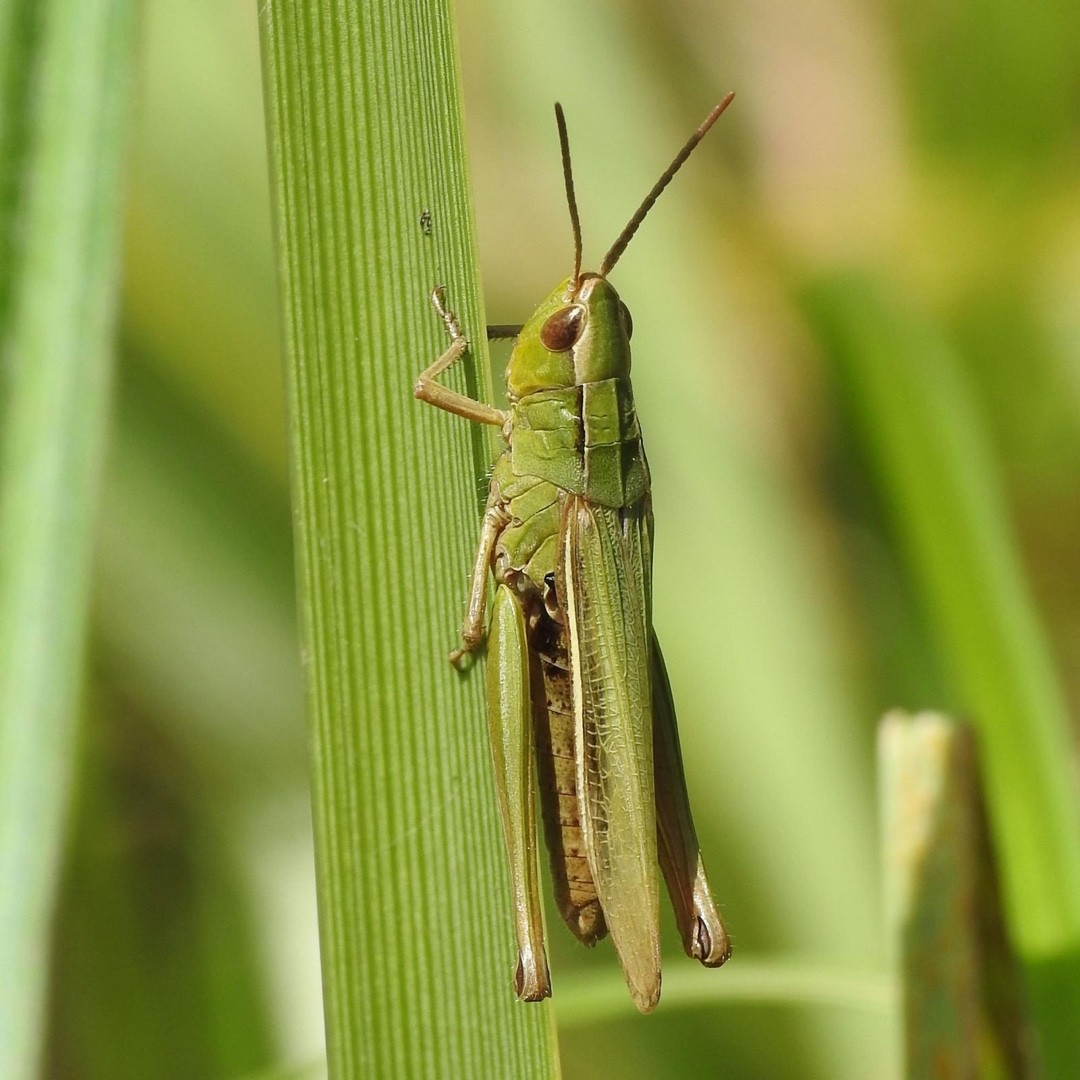
4. Meadow grasshopper
The meadow grasshopper (Pseudochorthippus parallelus) is a grasshopper that enjoys its fair share of green. Regardless of their love of green, this insect has some major color variance that includes green, pink, purple, red, and brown. They are also known to cross-fertilize with other similar insects.
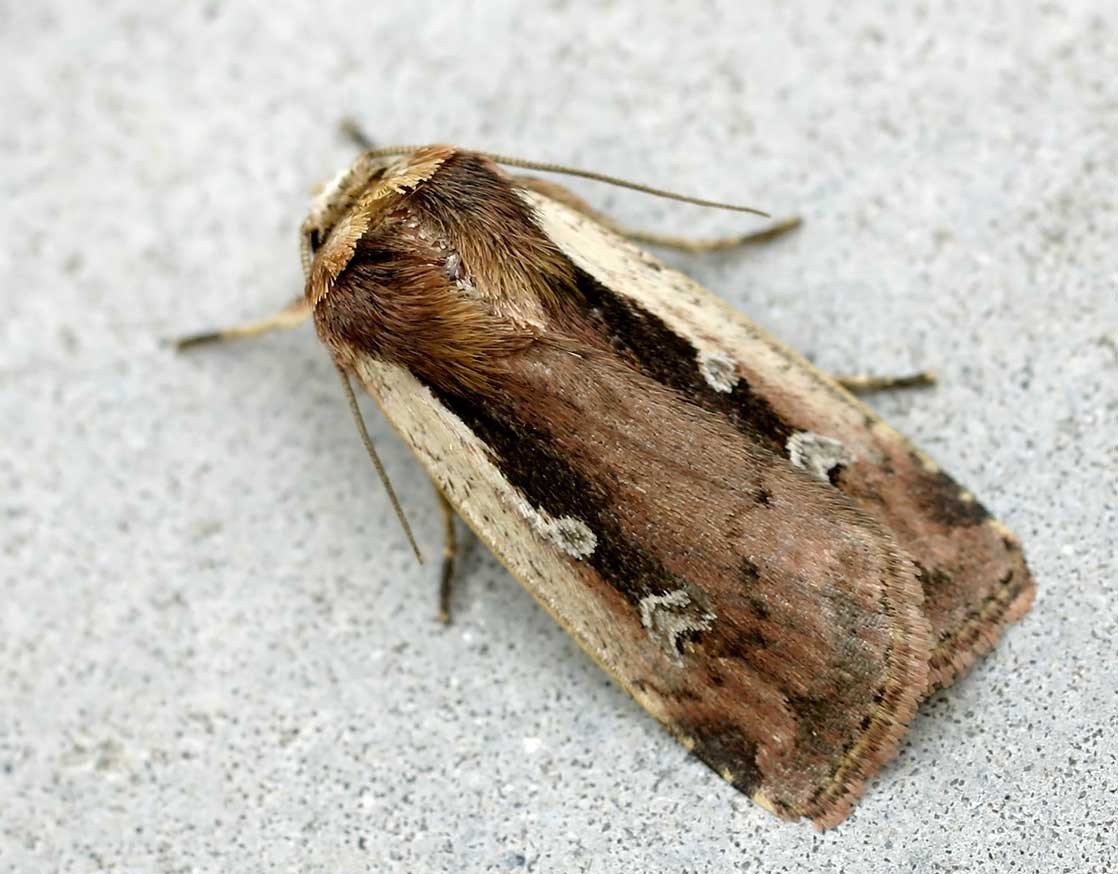
5. Flame shoulder
The forewings of this species are reddish brown with a black streak interrupted by white stigmata and a creamy-yellow streak along the costa which gives the species its common name. The hindwings are pure white. 
6. Meadow brown
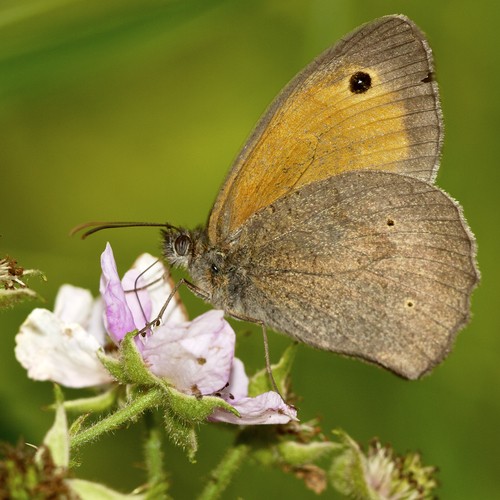
The meadow brown (Maniola jurtina) is similar to the Gatekeeper in the way that it rests with its wings open due to the "eye spots" on either end of its wings that ward off predators. While the color is a deep brown, the caterpillar form is a beautiful bright green with little, white hairs and a dark line leading down its back.
7. Map butterfly
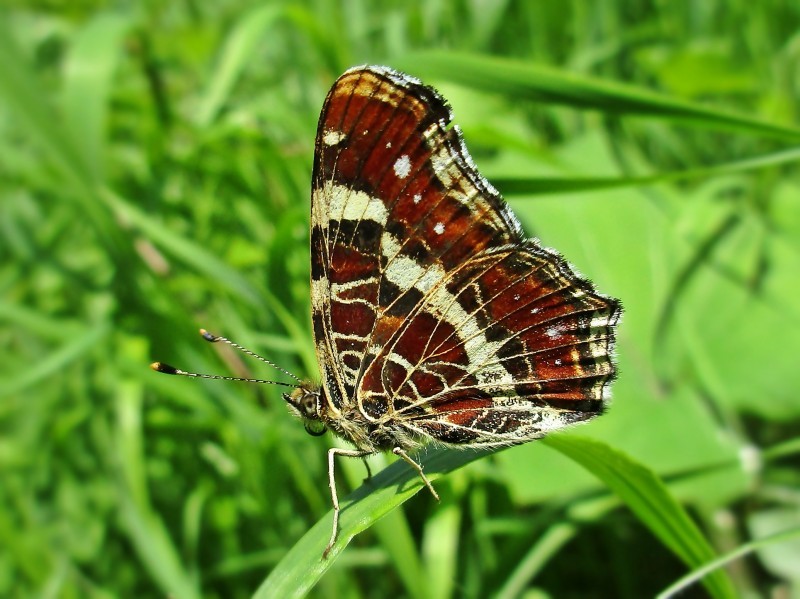
The map butterfly is unusual in that its two annual broods look very different. The summer brood are black with white markings, looking like a miniature version of the white admiral and lacking most of the orange of the pictured spring brood. The eggs are laid in long strings, one on top of the other, on the underside of stinging nettles, the larval food plant.
8. Dark bush-cricket
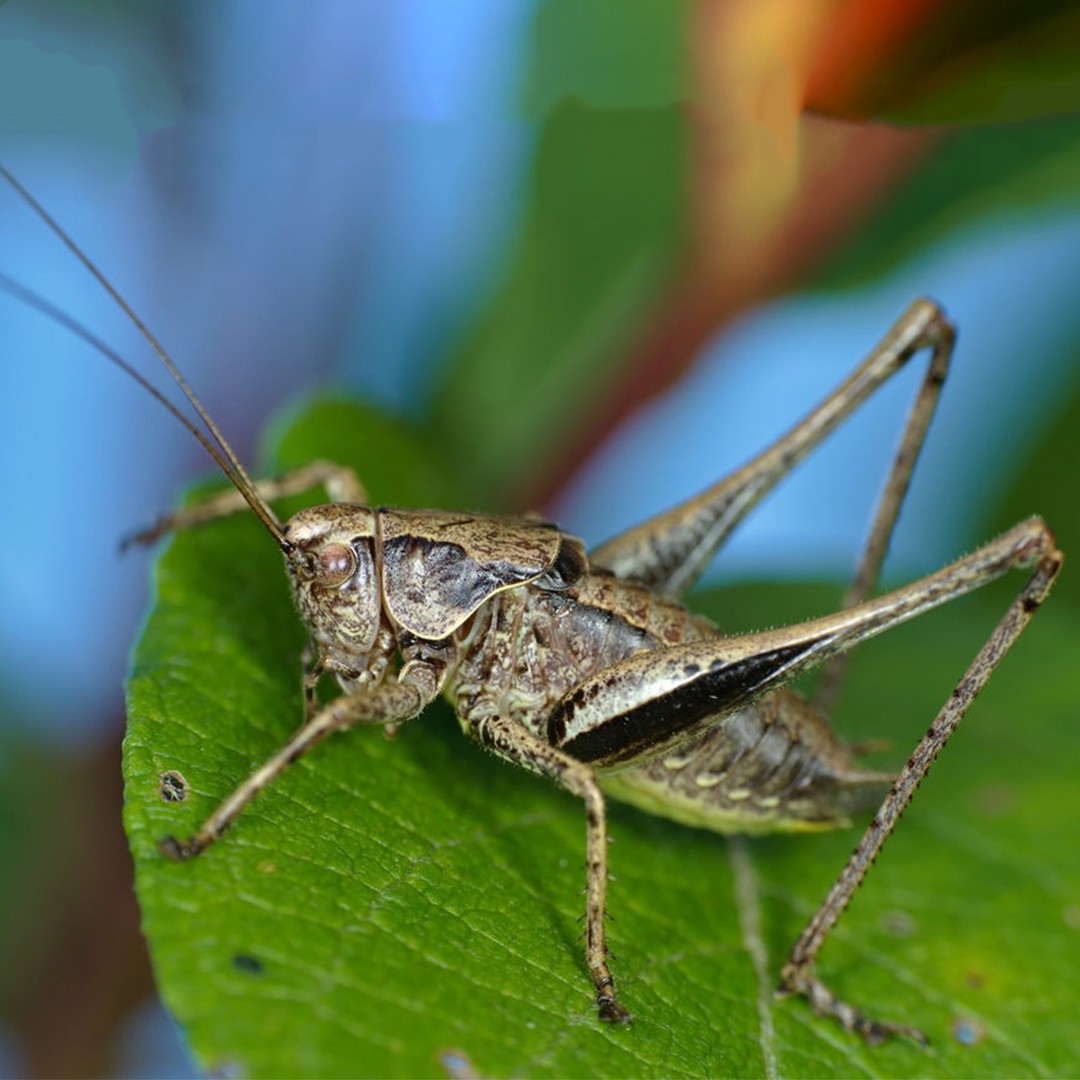
Found across Europe, the dark bush-cricket makes its home in non-sandy locations where it feeds on plants and other insects as a natural part of the ecosystem. Its song can often be heard in these habitats. While this insect does have wings, it's unable to fly, unlike some other species of crickets.
9. Small tortoiseshell
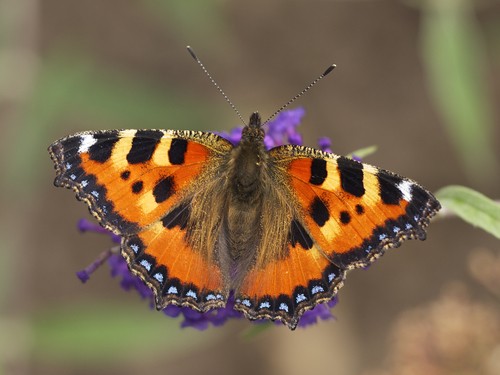
Small and colorful, small tortoiseshell (Aglais urticae) is the national butterfly of Denmark. However, it is capable of surviving anywhere the common nettle leaf may be found, which the larvae of this species depend on. Once among the most common butterflies in Europe and temperate Asia, this species is experiencing rapid declines for reasons still being investigated.
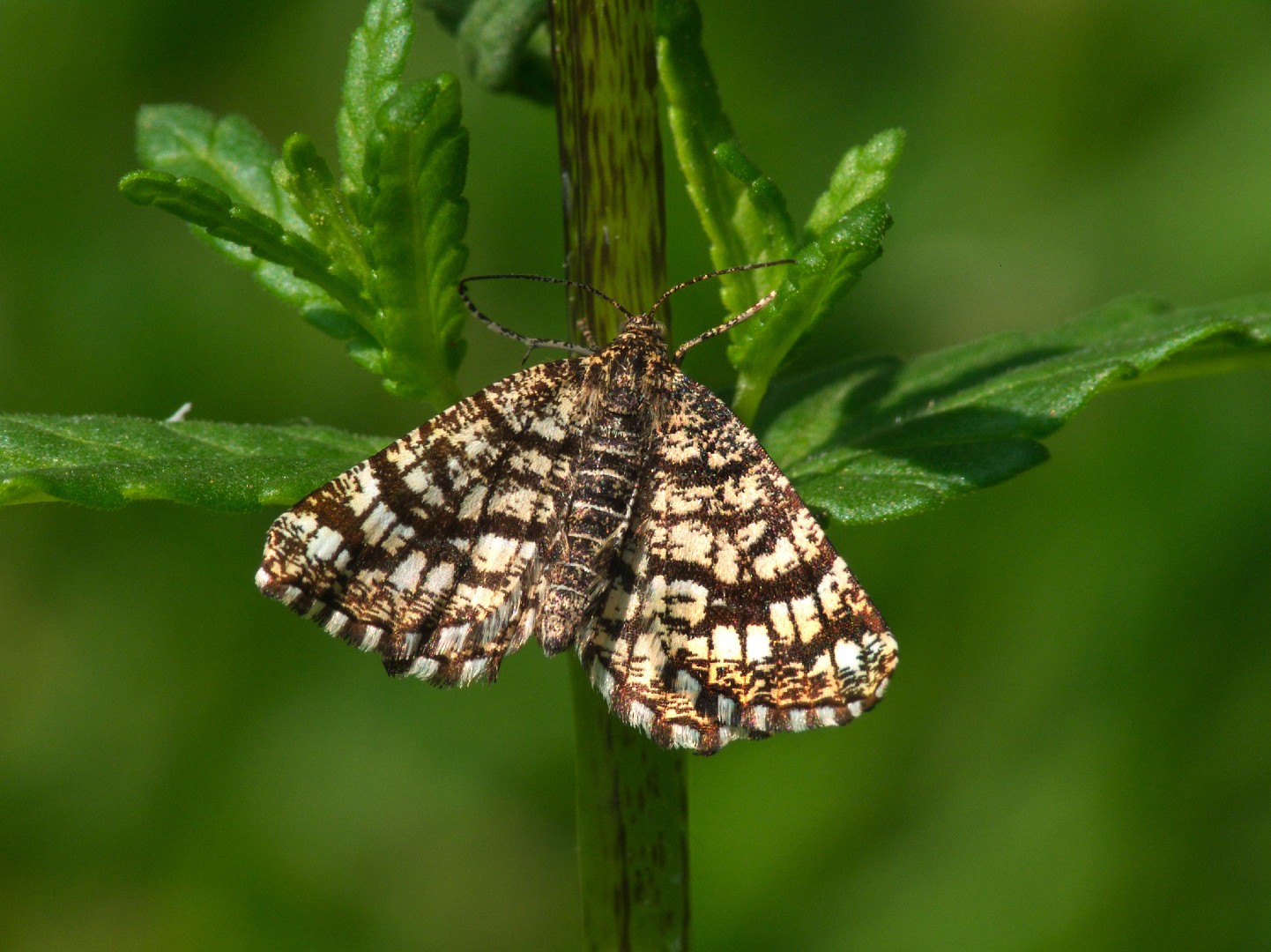
10. Latticed heath
The latticed heath (Chiasmia clathrata) is a moth of the family Geometridae, belonging to the subfamily Ennominae, placed in the tribe Macariini. The genus was erected by Carl Linnaeus in his 1758 10th edition of Systema Naturae.
More







