




Top 20 Most Common Insects in Perali
Insects, those often tiny yet fascinating creatures, are abundant across varying geographical locations in Perali. These diverse habitats, from moist forests to arid deserts, foster a wide range of insect species. Beyond their exquisite beauty, insects play crucial roles in our ecosystem, both as pests and beneficial organisms. This list unveils the top 20 common insects in Perali, reflecting the vibrant interplay between local environments and their insect inhabitants.

Most Common Insects

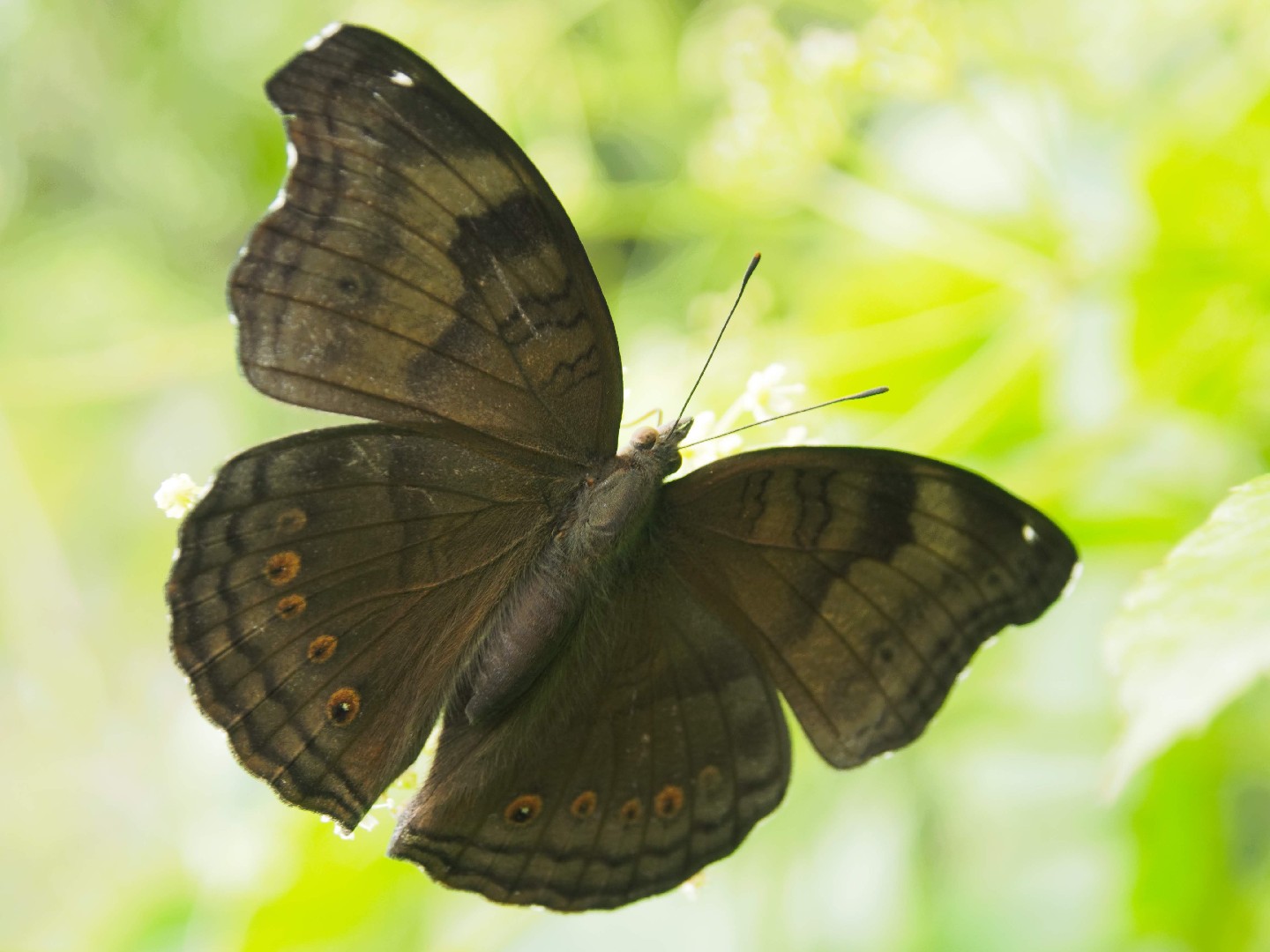
1. Lemon pansy
It is brown with numerous eyespots as well as black and lemon-yellow spots and lines on the upperside of the wings. The underside is a dull brown, with a number of wavy lines and spots in varying shades of brown and black. There is also an eyespot on the lower side of the forewing. The wet- and dry-season forms differ considerably in coloration and even shape. In the wet-season form the markings are distinct and vivid and the wing shape is a little more rounded. In the dry-season form the markings are obscure and pale especially on the underside and the wing margin is more angular and jagged. 
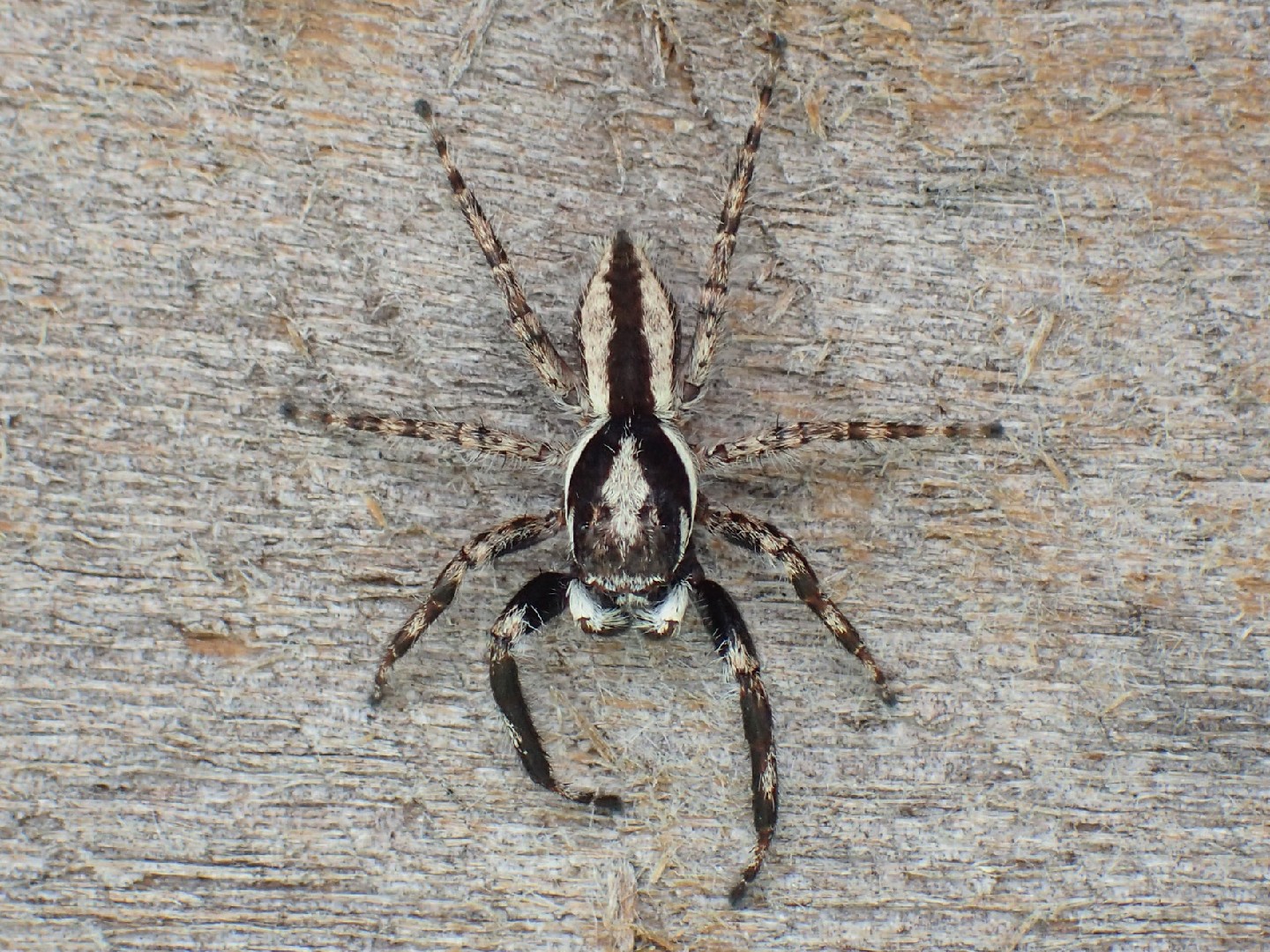
2. Gray wall jumper
The female gray wall jumper lays her eggs in cracks or other hidden areas. The young and mature spiders feed on flies, making them useful residents in a household. They do not make webs, but carefully hunt and jump on their prey.
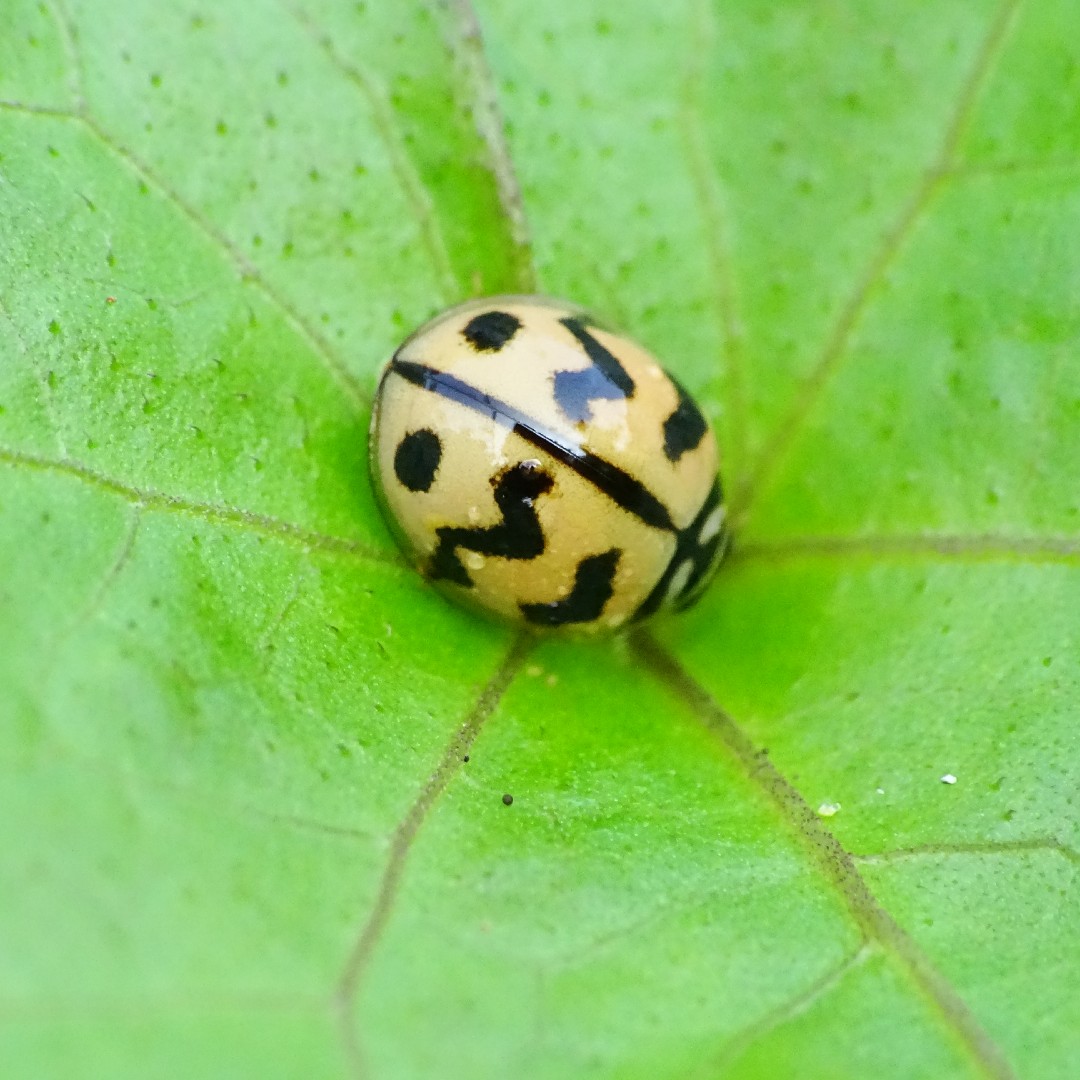
3. Six-spotted zigzag ladybird beetle
The six-spotted zigzag ladybird beetle is a common visitor to agricultural fields in India where it is considered a beneficial insect. It preys on several insects that reduce crop yield and is a more cost-effective and environmentally friendly method of pest control. The insect hibernates in cold temperatures, only appearing from spring through fall.
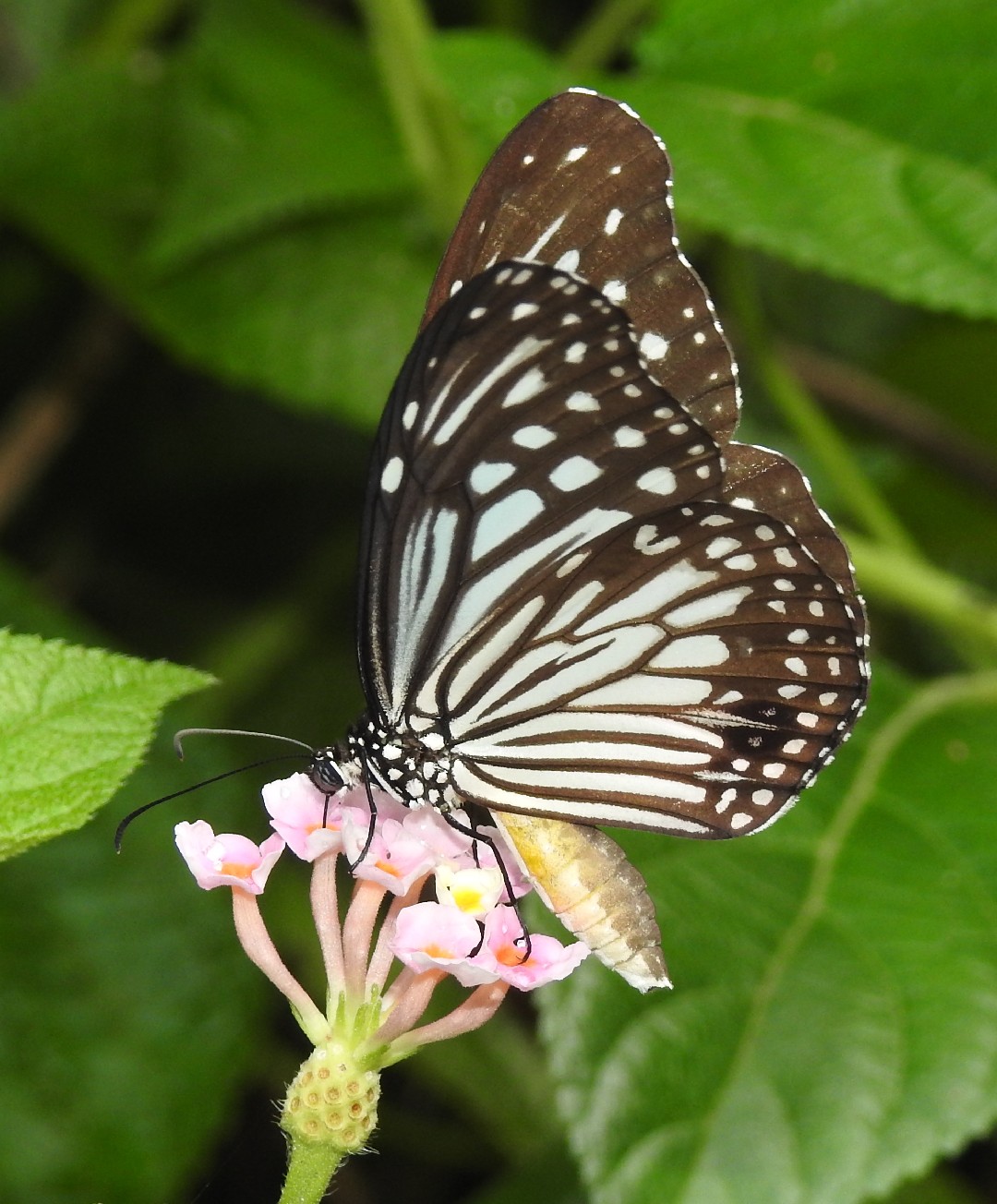
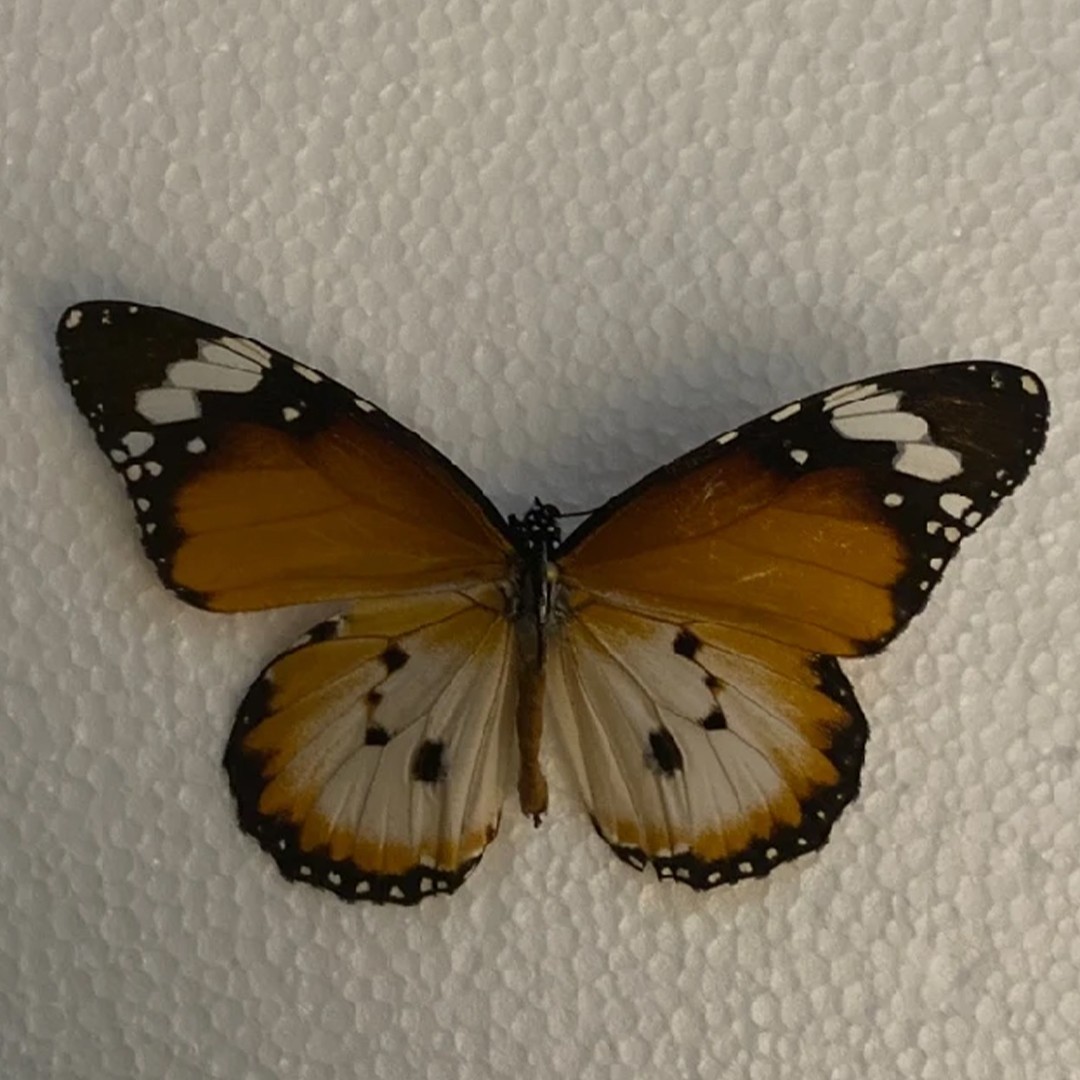
4. Glassy tiger
The scientific name of the species was first validly published in 1782 by Caspar Stoll.
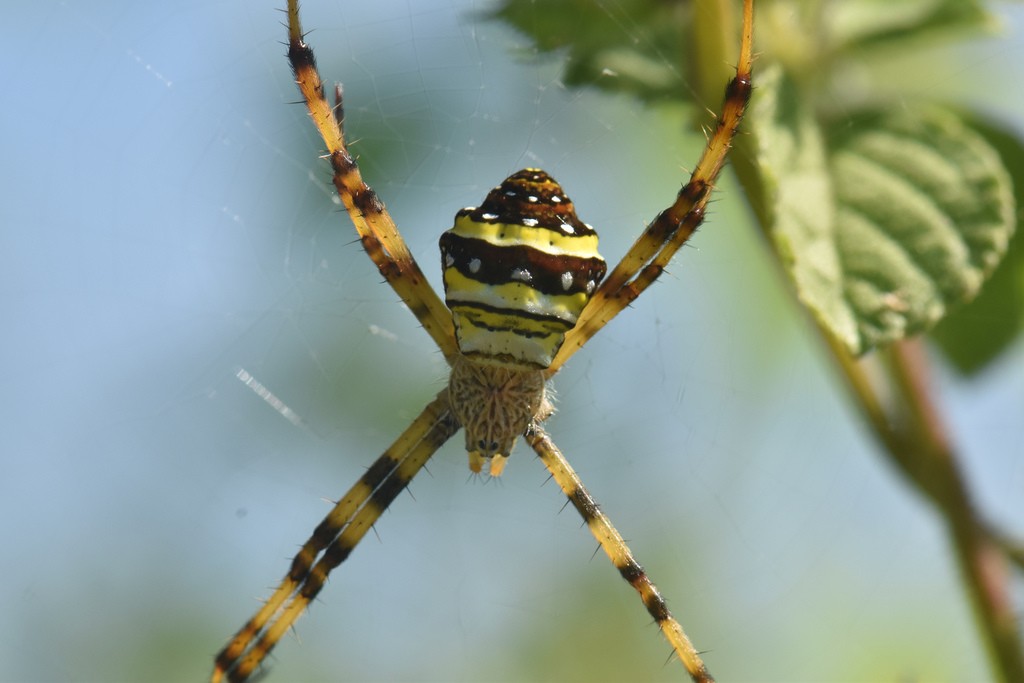
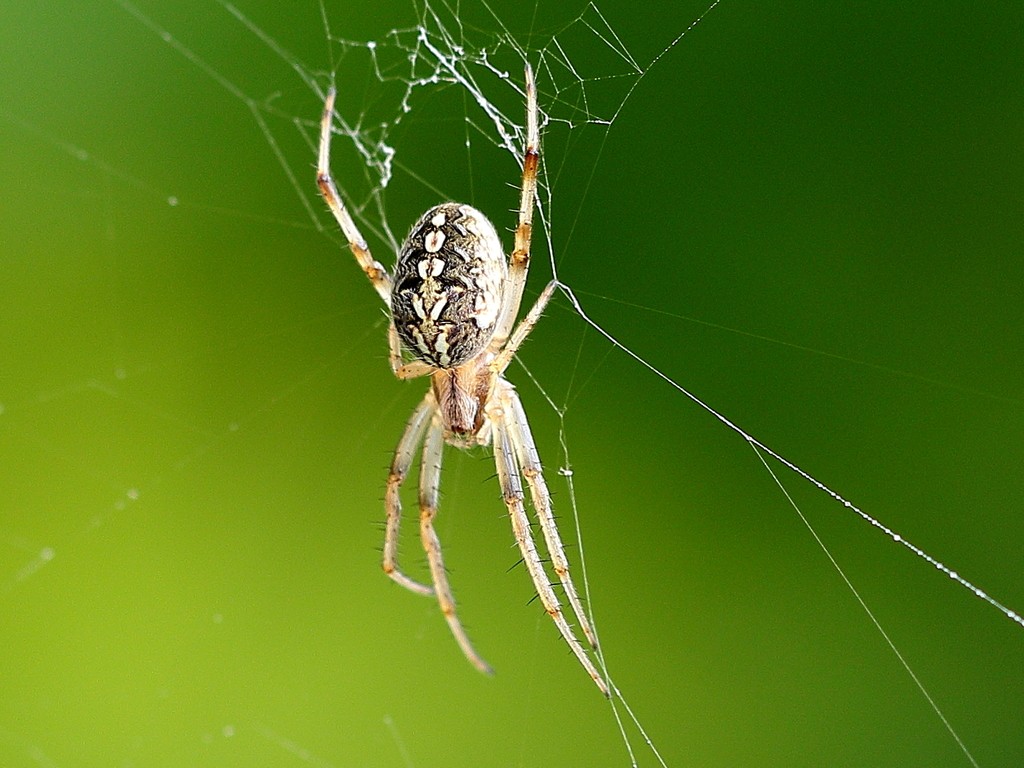
5. Signature spider
Female is about 8-12 mm long and male is 3.5-4.5 mm. After Cephalothorax greyish brown with hairs. Sternum heart shaped with hairy pubescent white patch. Palps bear spines. Legs greyish brown and hairy. Femora dorsally yellowish. Abdomen pentagonal and hairy. Dorsum yellowish with brown transverse bands. Three sigilla pairs distinct. Ventrum dark brownish with two longitudinal white patches.
6. Psyche
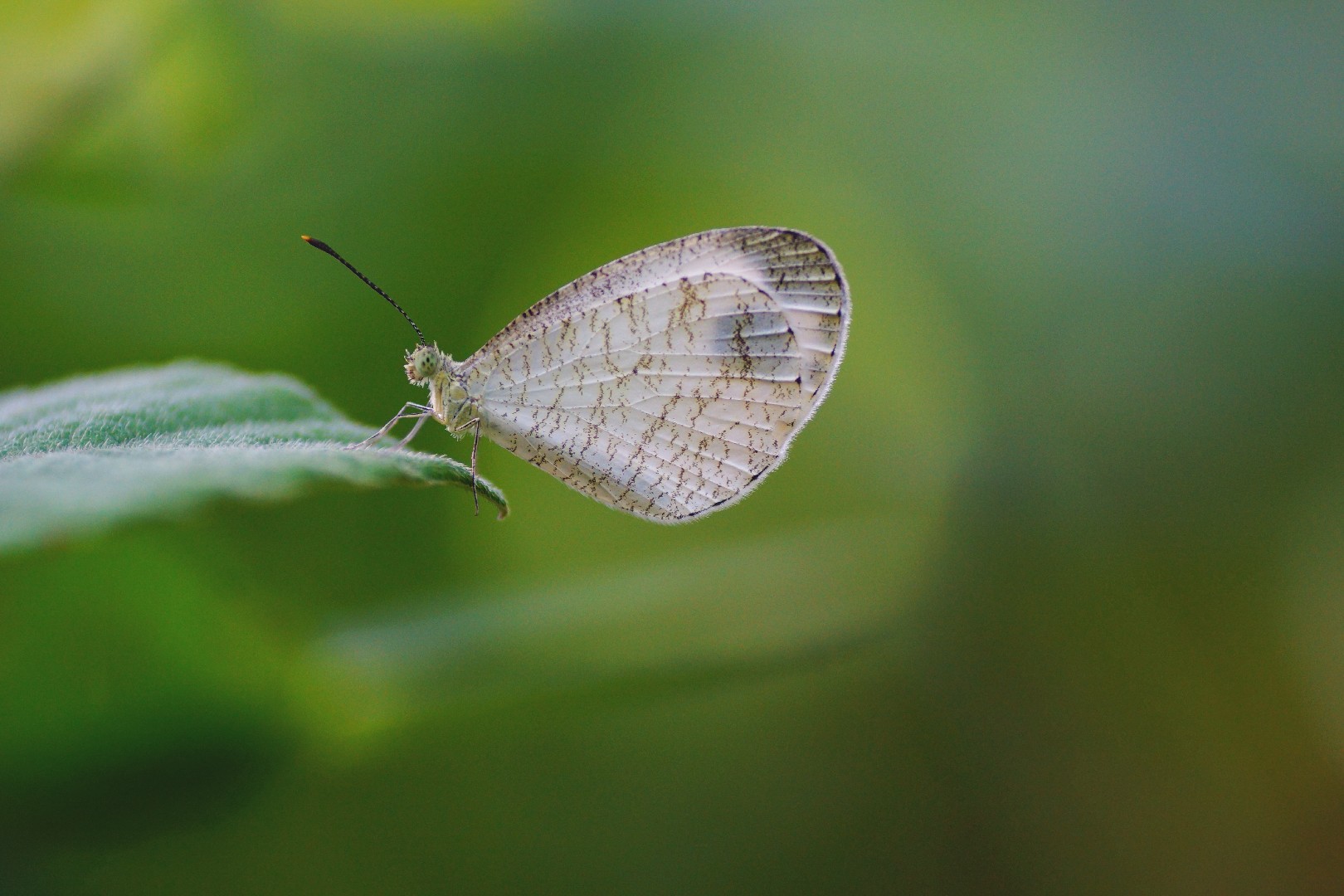
Upperside is white,base of wings are very slightly powdered with minute black scales.The costa of forewing is speckled obscurely with black; apex black, the inner margin of this inwardly angulate; a very large somewhat pear-shaped post-discal spot also black. Hindwing is white,in most specimens an obscure, extremely slender, terminal black line. Underside is white; costal margin and apex of forewing broadly, and the whole surface of the hindwing irrorated (speckled) with transverse, very slender, greenish strigae and minute dots; these on the hindwing have a tendency to form sub-basal, medial and discal obliquely transverse obscure bands; the postdiscal of forewing is black,spot as on the upperside; terminal margins of both forewings and hindwings with minute black, short, transverse slender lines at the apices of the veins, that have a tendency to coalesce and form a terminal continuous line as on the upperside. Antennae dark brown spotted with white, head slightly brownish, thorax and abdomen white. Female is similar as male, the black markings on the upperside of the forewing on the whole slightly broader, but not invariably so. Wingspan is 2.5 - 5 cm. Larva is green with a pale glaucous tinge about the bases of the legs and slightly hairy. Pupa sometimes green, but more often of a delicate pink shade.
7. Indian domino cockroach
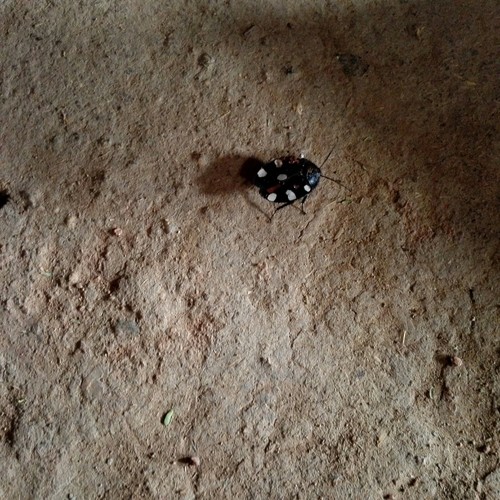
The black and white pattern of adults is believed to have evolved to mimic the pattern of the aggressive ground beetle Anthia sexguttata that has strong defenses, including the ability to spray chemical irritants. The upperside of the abdomen is orange-yellow, but is hidden by the tegmina. The spots on the asymmetrical tegmina are placed so that when closed, the spots appear symmetrical. The right tegmen lobe is bright orange-yellow. The species has been said to be one of the few cockroaches with "grace and beauty". The head is bent back underneath the pronotal shield (hypognathous) and the ocelli (simple eyes) face forward, helping sense light and thereby time foraging activity during early morning and late evening.

8. Scarlet skimmer
The species is on the IUCN Red List as not endangered, year of assessment 2009.
9. Indian common clubtail
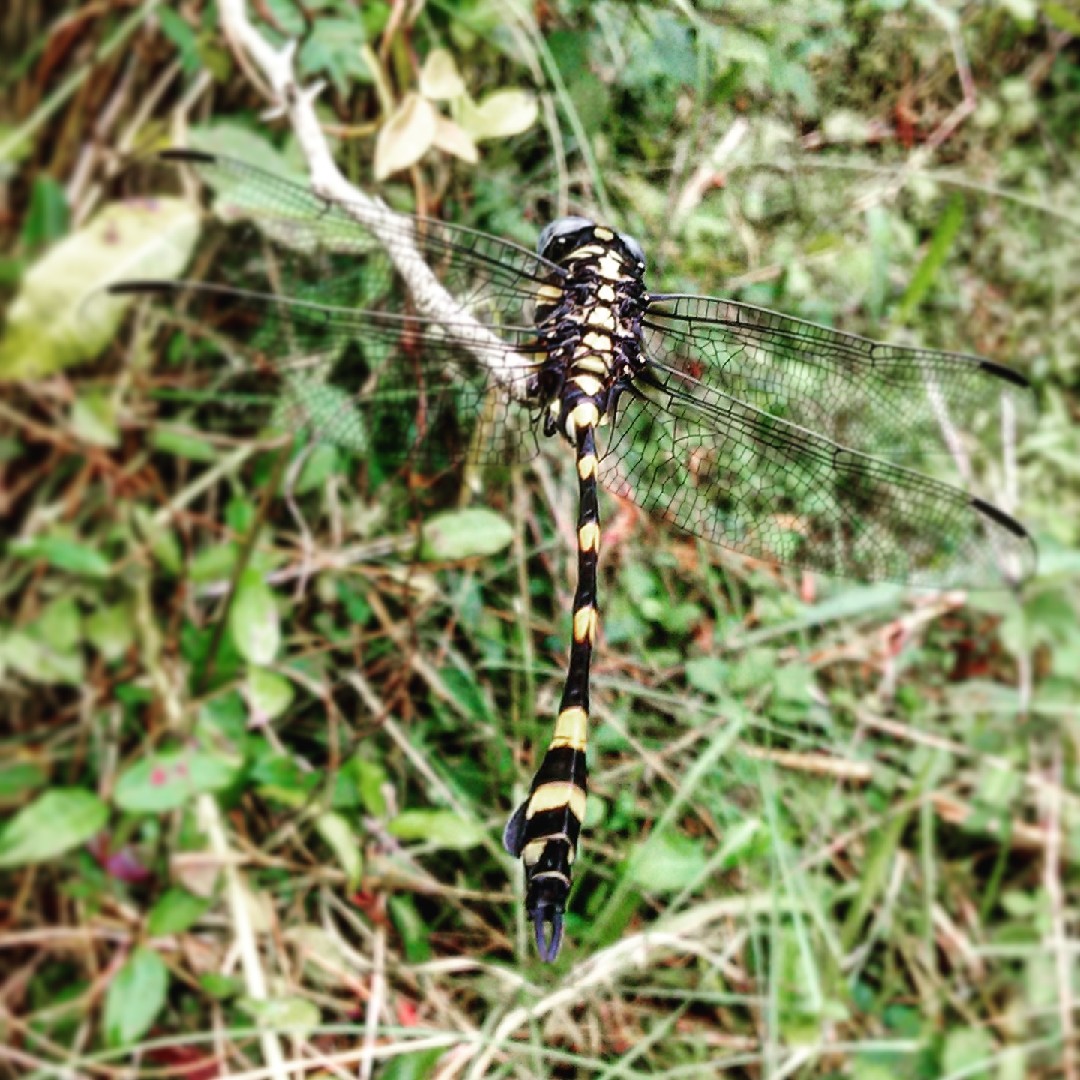
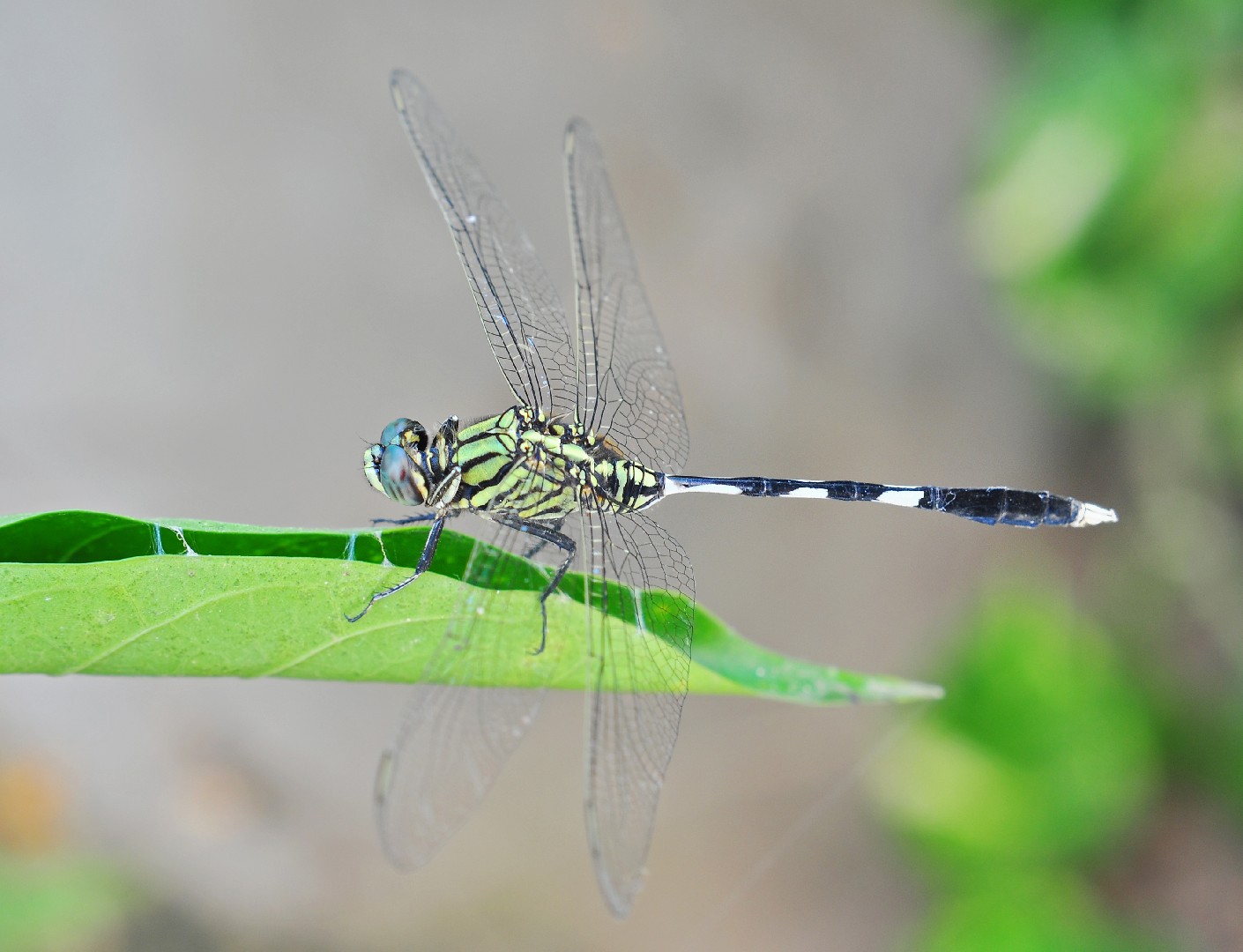
It's a large yellow and black colored dragonfly with bluish-grey eyes. Its thorax is black, marked with yellow or greenish-yellow stripes. Its abdomen is also black with bright yellow marks. There is a leaf like expansion in both sides of segment 8. This species usually perches on a bare twig facing the water, commonly found in ponds, tanks and rivers. It breeds in running and still water.

10. Common cerulean
Like many tropical butterflies, this species shows seasonal polyphenism, with the appearance differing between adults according to the season. Male upperside has the ground colour pale bluish white. The forewing has the terminal margin narrowly edged with black that broadens very slightly towards the apex of the wing; the cilia are brownish black. The hindwing is uniformly coloured, except for an anteciliary black line faintly edged on the inner side by a white line within which and touching it is a row of black spots, the anterior spots very faint, the spot in interspace 2 large and well-defined, two geminate (paired) spots in interspace 1 and a very small black lunular dot in interspace 1a; cilia brown, white at the base in the interspaces. In specimens obtained in the height of the dry season the black edging to the termen of the forewing is much reduced and the subterminal series of black spots in the hindwing is altogether missing. The underside is greyish brown. The forewing has seven transverse white bands as follows: two short bands one each side of the discocellulars, the inner one continued downwards to vein 1 and both represented at the costa by two detached spots; two parallel discal bands, the inner one broken at and the outer one terminating on vein 3; two parallel subterminal bands, the outer one slightly lunular; lastly, a more slender terminal band followed by an anteciliary slender black line; the dorsal margin narrowly white; cilia brownish black, their bases white in the interspaces. Hindwing: crossed by nine white bands or lines as follows: three between base of wing and apex of cell, those posteriorly in interspace 1 or on vein 1 abruptly turn upwards and terminate on the dorsum; the first band beyond the cell extends from vein 6 to vein 2, then curves upwards in interspace 1; the next extends straight from just below the costa to vein 4, thus overlapping the previous band for a short distance; the next or postdiscal band runs between the costa and vein 3, the subterminal two also between the costa and vein 3 but the inner one of the two bands is extended down to interspace 1 and there curves upwards towards the dorsum; both the subterminal bands are more or less lunular; in the interspace below vein 2 is a large subterminal black spot speckled with metallic blue scales and bordered inwardly by ochraceous orange; there are also in interspaces la and 1 two black dots inwardly edged by a short white streak set in an ochraceous background; lastly, there is a complete terminal white line followed by a black anteciliary line and a filamentous short black white-tipped tail at apex of vein 2; cilia as on the upperside. Antennae brownish black, the shafts as usual tinged with white; head, thorax and abdomen pale brown, bluish on thorax and base of abdomen; beneath: the palpi, thorax and abdomen white, the third joint of the palpi and the second joint anteriorly black. The female has the upperside ground colour paler than in the male, often quite white; terminal black edging to forewing very much broader, broadest at apex, its margin there diffuse. Hindwing: differs from that of the male as follows: costal margin broadly dusky black; a postdiscal transverse series of dusky-black connected lunules often more or less obsolescent; this is followed by a series of black spots each set in a background of the white ground colour; an anteciliary slender black line as in the male. The underside ground colour is paler than in the male, the markings however are identical. Antenna, head, thorax and abdomen as in the male. Closely resembles the males and females of the dry-season brood; the markings are similar but the ground colour is generally darker both on the upper and undersides, while the black edging to the forewing and the black postdiscal and terminal markings to the hindwing on the upperside are broader and more clearly defined. Antennae, head, thorax and abdomen as in the dry-season brood.
More







